Cecilia Pan

Cecilia Pan is a professional expert in the skincare industry with years of experience in cosmetic product development, private label skincare, and OEM/ODM manufacturing.

Cecilia Pan

@Cecilia Pan
Email address
Phone number
Position

Skincare Product Development & OEM/ODM Specialist

About Cecilia Pan

Specializing in active ingredient research, formulation planning, packaging development, quality control, and international beauty market trends, Cecilia helps brands transform product concepts into commercially viable skincare collections.


With a strong interest in skincare innovation, Cecilia continuously follows developments in ingredients such as GHK-Cu, PDRN, peptides, Ectoin, retinol, ceramides, botanical extracts, and advanced barrier-repair systems. Her work supports beauty startups, established brands, distributors, retailers, clinics, spas, and e-commerce sellers in developing products that balance formulation feasibility, market positioning, customer expectations, and scalable manufacturing.


Cecilia believes successful skincare development requires more than selecting popular ingredients. It depends on connecting formula performance, packaging compatibility, product differentiation, regulatory preparation, and manufacturing quality. Through practical industry insights, she provides clear guidance for brands planning private label skincare, custom formulas, and long-term product portfolio growth.


Professional Experience

With extensive experience in skincare product development and OEM/ODM manufacturing, Cecilia specializes in helping beauty businesses move from initial concept to commercial production.


Skincare Product Development: Planning commercially viable serums, creams, masks, eye care, sun care, body care, and hair care products.


Formula & Ingredient Strategy: Developing product concepts around peptides, GHK-Cu, PDRN, Ectoin, retinol, ceramides, botanical extracts, and other active ingredients.


Private Label & OEM/ODM: Supporting formula selection, customization, sampling, packaging, production planning, and product launch preparation.


Packaging Development: Matching formulas with suitable containers, materials, dispensing systems, decoration methods, and brand presentation.


Quality & Compliance: Supporting stability evaluation, packaging compatibility, quality control, labeling preparation, and target-market documentation.


Brand Portfolio Planning: Helping beauty brands build focused hero products, complementary skincare routines, and scalable product collections.


Articles Written by Cecilia Pan
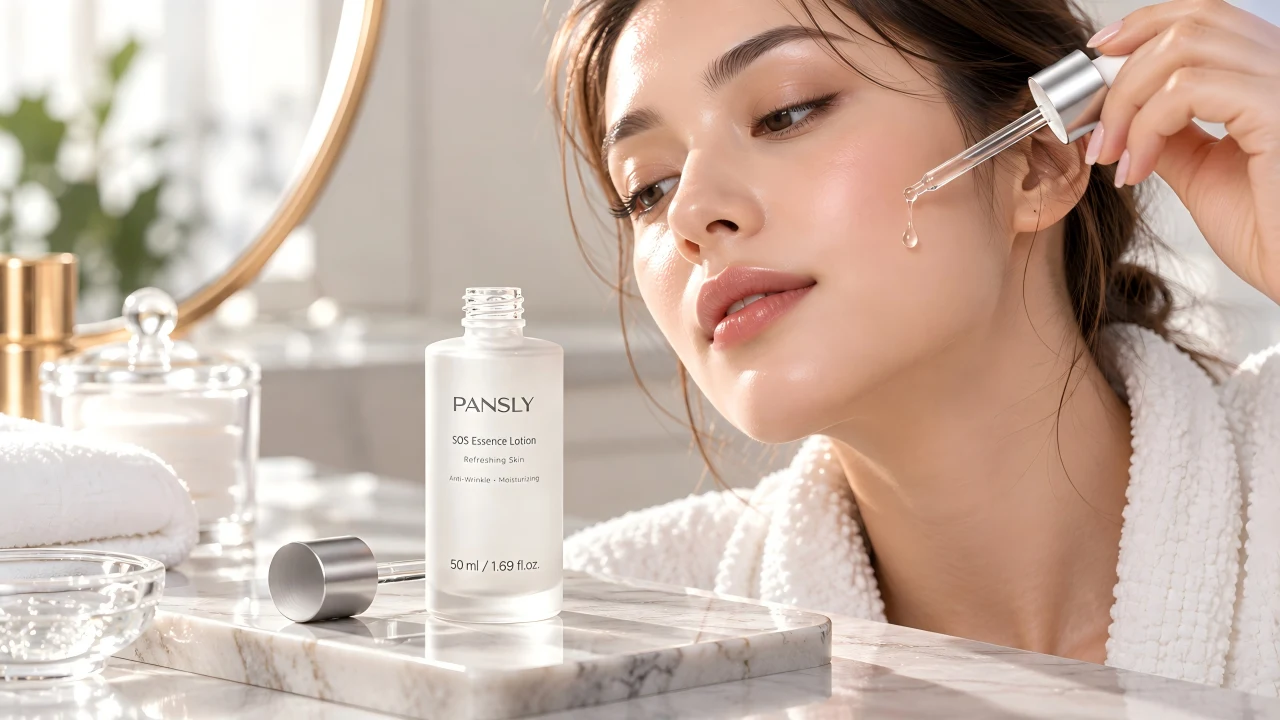
SOS Serum - Beyond Basix
What Is an SOS Serum? Building an Instant-Rescue Skincare Product Concept
Beyond Basix explains how beauty brands can turn SOS serum from a product name into a clear rescue-skincare concept, with defined use occasions, hydration-led positioning, product experience, claims discipline and room for future range expansion.
What Is an SOS Serum? Building an Instant-Rescue Skincare Product Concept
GHK-Cu + SNAP-8 Serum and Peptide Cream - Beyond Basix
GHK-Cu + SNAP-8 Serum and Peptide Cream: Building a Serum-First, Cream-First or Duo Skincare Line
Beyond Basix explores three ways beauty brands can build around a GHK-Cu + SNAP-8 platform: lead with a peptide serum, lead with a peptide cream, or launch a coordinated serum-and-cream duo with distinct product roles.
GHK-Cu + SNAP-8 Serum and Peptide Cream: Building a Serum-First, Cream-First or Duo Skincare Line
Private Label Anti-Wrinkle Serum - Beyond Basix
Private Label Anti-Wrinkle Serum: How to Build a Peptide-Led Hero Product
Beyond Basix explains how beauty brands can turn a peptide-led anti-wrinkle serum into a clear hero product, then build a commercially coherent skincare range around differentiated formulas, packaging, channels and future extensions.
Private Label Anti-Wrinkle Serum: How to Build a Peptide-Led Hero Product
Hair Removal Prep and Aftercare - Beyond Basix
Hair Removal Prep and Aftercare: Building a Complete Private Label Range
Beyond Basix shows how beauty brands can build a private label hair removal range around preparation, removal, aftercare and maintenance—using clear product roles, multiple formats and staged launches instead of unrelated SKUs.
Hair Removal Prep and Aftercare: Building a Complete Private Label Range
Can Hair Growth Inhibitor Become the Second SKU in a Hair Removal Product Line?
A hair growth inhibitor can complement a hair removal product line as a second SKU when its claims, target area, formulation, packaging, testing, and economics are aligned with the first product. This B2B guide explains product sequencing, regulatory considerations, testing needs, packaging decisions, and MOQ evaluation for a coordinated launch.
Can Hair Growth Inhibitor Become the Second SKU in a Hair Removal Product Line?
Which Product Formats Work Best for Post-Hair-Removal Care?
A practical B2B guide to selecting gels, lotions, creams, and sprays for post-hair-removal care, with formulation, packaging, testing, regulatory, and OEM/ODM considerations for private-label skincare brands.
Which Product Formats Work Best for Post-Hair-Removal Care?
Should Brands Sell Hair Growth Inhibitor as a Standalone SKU or Aftercare Product?
A strategic B2B analysis of whether brands should launch a hair growth inhibitor as an independent product or position it within a post-hair-removal aftercare system, covering claims, packaging, testing, customer retention, and OEM/ODM economics.
Should Brands Sell Hair Growth Inhibitor as a Standalone SKU or Aftercare Product?
Is High-Urea Foot Cream Better Positioned as Beauty Care or Specialist Foot Care?
A strategic guide for brands deciding how to position 40% urea foot cream, covering cosmetic claims, specialist foot-care classification, packaging, testing, regulatory considerations, and OEM/ODM development requirements.
Is High-Urea Foot Cream Better Positioned as Beauty Care or Specialist Foot Care?
40% Urea Cream vs Regular Heel Balm: How Should Brands Differentiate Them?
A B2B comparison of 40% urea cream and regular heel balm, covering positioning, formulation strategy, safety considerations, packaging, testing, and OEM/ODM development decisions for skincare brands.
40% Urea Cream vs Regular Heel Balm: How Should Brands Differentiate Them?
Why Is Urea Commonly Combined With Salicylic Acid in Intensive Foot Care?
Urea and salicylic acid address different characteristics of thick, rough foot skin. This article explains their complementary functions, formulation risks, suitability considerations, testing priorities, and OEM/ODM project requirements for intensive foot-care products.
Why Is Urea Commonly Combined With Salicylic Acid in Intensive Foot Care?
10%, 20% or 40% Urea: Which Foot Cream Strength Fits Which Product Concept?
A practical B2B guide to selecting 10%, 20%, or 40% urea for foot-care product concepts, covering positioning, skin feel, formulation considerations, consumer suitability, testing, and OEM/ODM development decisions.
10%, 20% or 40% Urea: Which Foot Cream Strength Fits Which Product Concept?
What Is a Hair Growth Inhibitor and Where Does It Fit in a Hair Removal Routine?
Learn how cosmetic hair growth inhibitors fit into shaving and waxing routines, which formulation and compliance factors matter for private label development, and how brands can evaluate safety, claims, packaging, and production requirements before placing a bulk order.
What Is a Hair Growth Inhibitor and Where Does It Fit in a Hair Removal Routine?
What Does 40% Urea Mean in a Foot Cream Formula?
A technical FAQ explaining what 40% urea represents in a foot cream formula, how concentration affects performance and tolerability, and which formulation, packaging, testing, and regulatory factors OEM/ODM buyers should evaluate.
What Does 40% Urea Mean in a Foot Cream Formula?
Should Foot Cream Be Positioned for Daily Care or Overnight Intensive Care?
A B2B guide to positioning private label foot cream as a daily maintenance product, an overnight intensive treatment, or a segmented product line. It explains formulation, packaging, claims, testing, MOQ, and OEM/ODM decision factors for skincare brands.
Should Foot Cream Be Positioned for Daily Care or Overnight Intensive Care?
Which Ingredients Work Best for Dry, Rough and Callused Feet?
A technical B2B guide to selecting urea, humectants, exfoliating acids, and occlusives for private label intensive foot care cream projects targeting dry, rough, and callused skin.
Which Ingredients Work Best for Dry, Rough and Callused Feet?
Foot Repair Cream vs Daily Foot Moisturizer: What Is the Difference?
A technical comparison of foot repair creams and daily foot moisturizers, covering formulation strategy, urea positioning, testing, packaging, and OEM/ODM considerations for skincare brands.
Foot Repair Cream vs Daily Foot Moisturizer: What Is the Difference?
Mineral vs Chemical Sunscreen: What Should Private Label Brands Choose?
Compare mineral and chemical sunscreen systems for private label brands, including UV-filter choices, texture, white cast, market requirements, SPF testing, packaging and OEM/ODM development.
Mineral vs Chemical Sunscreen: What Should Private Label Brands Choose?
How Can Brands Reduce the Heavy Feel Commonly Associated With Mineral SPF?
Brands can make mineral SPF feel lighter by optimizing particle dispersion, emollient selection, film-forming balance, tint strategy, and application testing. Beyond Basix supports OEM/ODM skincare projects with formulation development, production, and project-specific testing discussions for private label sun care products.
How Can Brands Reduce the Heavy Feel Commonly Associated With Mineral SPF?
Can a Mineral Sunscreen Also Function as a Moisturizing Skincare Product?
A mineral sunscreen can provide meaningful moisturization when its base combines UV filters with suitable humectants, emollients, and film-forming ingredients. This article explains formulation trade-offs, testing requirements, sensory challenges, packaging considerations, and OEM/ODM evaluation criteria for brands developing a moisturizing daily sun-care product.
Can a Mineral Sunscreen Also Function as a Moisturizing Skincare Product?
What Should Brands Consider When Developing a Private Label Mineral Sunscreen?
A practical B2B guide to developing a private label mineral sunscreen, covering UV-filter selection, regulatory compliance, SPF and UVA testing, sensory performance, packaging, claims, and OEM/ODM project planning.
What Should Brands Consider When Developing a Private Label Mineral Sunscreen?
Why Is Intensive Foot Care an Underrated Private Label Skincare Category?
Intensive foot care is an underdeveloped private label skincare opportunity because it addresses visible, recurring needs with focused product positioning. This article explains the technical, regulatory, packaging, and commercial considerations involved in developing a targeted foot cream through a One-Stop OEM/ODM for Skincare partner.
Why Is Intensive Foot Care an Underrated Private Label Skincare Category?
Does a Metal Roller Applicator Add Value to a Peptide Eye Cream?
A metal roller applicator can improve the sensory experience, dosing control, and perceived cooling effect of a peptide eye cream, but it does not independently increase peptide efficacy. This B2B guide explains applicator selection, packaging hygiene, testing requirements, SNAP-8 positioning, and cost considerations for OEM and ODM skincare projects.
Does a Metal Roller Applicator Add Value to a Peptide Eye Cream?
Why Pair SNAP-8 With Caffeine in an Eye Care Formula?
SNAP-8 and caffeine can serve complementary roles in an eye-care formula: the peptide is commonly selected for expression-line appearance claims, while caffeine is used in formulations targeting the look of puffiness and fatigue. This article explains formulation logic, concentration decisions, stability testing, OEM development considerations, and responsible cosmetic positioning.
Why Pair SNAP-8 With Caffeine in an Eye Care Formula?
Can One Peptide Platform Support a Cleanser, Serum, Cream and Eye Care Line?
A single peptide platform can support a coordinated cleanser, serum, cream, and eye care range, but each format requires separate formulation, stability, safety, packaging, and claims assessment. This B2B guide explains how to adapt one peptide concept across product types while managing compatibility, testing, MOQ, lead time, and launch decisions.
Can One Peptide Platform Support a Cleanser, Serum, Cream and Eye Care Line?
GHK-Cu, SNAP-8 or Multi-Peptide: Which Ingredient Story Fits Your Brand?
A technical comparison of GHK-Cu, SNAP-8, and multi-peptide formulations for brands planning private label peptide skincare, including positioning, claim substantiation, stability, compliance, packaging, and project economics.
GHK-Cu, SNAP-8 or Multi-Peptide: Which Ingredient Story Fits Your Brand?
Why Is SNAP-8 Used in Eye Cream for Expression Lines?
SNAP-8 is used in eye products because it is a cosmetic peptide associated with the appearance of expression lines. Its results depend on concentration, delivery system, stability, eye-area tolerability, substantiation, and the broader formulation strategy. This guide explains the technical considerations brands should review before developing or sourcing a peptide eye cream.
Why Is SNAP-8 Used in Eye Cream for Expression Lines?
Which Peptide Skincare Product Should a New Beauty Brand Launch First?
A new beauty brand will often find a peptide serum the most practical first launch because it communicates the active ingredient clearly, supports controlled dosage design, and suits multiple routines. This guide explains format selection, claims, testing, MOQ, stability, and market-specific considerations for private label peptide skincare projects.
Which Peptide Skincare Product Should a New Beauty Brand Launch First?
How Should Brands Position Retinol Peptide Cream for Nighttime Skincare?
A B2B positioning framework for launching retinoid and peptide night creams, covering formulation strategy, packaging, claims, testing, and OEM/ODM project planning.
How Should Brands Position Retinol Peptide Cream for Nighttime Skincare?
Who Is the Ideal Customer for a Retinol Peptide Moisturizer?
Learn how skincare brands can identify suitable customers for retinol and peptide moisturizers, segment users by tolerance and skin needs, validate product performance, protect ingredient stability, and develop responsible private-label claims.
Who Is the Ideal Customer for a Retinol Peptide Moisturizer?
Can Ceramides and Panthenol Improve the Product Story of a Retinol Peptide Cream?
Ceramides and panthenol can make a retinoid-peptide moisturizer more credible by supporting a barrier-conscious positioning strategy. This article explains formulation logic, compatibility testing, stability requirements, packaging decisions, and evidence standards for skincare brands developing an OEM or ODM product.
Can Ceramides and Panthenol Improve the Product Story of a Retinol Peptide Cream?
Retinol Cream vs Peptide Serum: Which Should a Brand Launch First?
A practical B2B comparison of retinol cream and peptide serum launches, covering customer positioning, formulation stability, testing, packaging, claims, MOQ, and product-development risk for skincare brands.
Retinol Cream vs Peptide Serum: Which Should a Brand Launch First?
How Can a PDRN Skincare Line Avoid Looking Like Every Other Trend-Driven Brand?
A differentiated PDRN skincare line requires more than a fashionable ingredient. This B2B guide explains how to build distinctive product architecture, substantiate claims, select packaging, manage testing, and create credible brand positioning through a structured OEM/ODM development process.
How Can a PDRN Skincare Line Avoid Looking Like Every Other Trend-Driven Brand?
What Should Brands Customize in a Private Label PDRN Product?
A practical B2B guide to customizing PDRN source documentation, formula design, packaging, testing, claims, labeling, MOQ, and launch planning through a One-Stop OEM/ODM for Skincare partner.
What Should Brands Customize in a Private Label PDRN Product?
Can One PDRN Ingredient Story Support an Entire Skincare Collection?
A single PDRN ingredient story can anchor a coherent skincare collection, but each product requires separate formulation logic, stability review, claims substantiation, and market compliance. This guide explains how brands can build differentiated PDRN products through an evidence-led OEM/ODM development process.
Can One PDRN Ingredient Story Support an Entire Skincare Collection?
Serum, Cream, Mask or Eye Patch: Which PDRN Format Has the Best Brand Potential?
A practical B2B comparison of PDRN serum, cream, mask, and eye patch formats, covering brand differentiation, formulation considerations, testing, packaging, MOQ, and profitability for private label skincare projects.
Serum, Cream, Mask or Eye Patch: Which PDRN Format Has the Best Brand Potential?
Why Combine Retinol and Peptides in an Anti-Aging Face Cream?
Combining retinol with peptides can support a more comprehensive anti-aging product concept, but success depends on ingredient selection, formula stability, packaging, testing, and compliant claims. This article explains the technical considerations brand owners should evaluate when developing a retinol and peptide facial moisturizer through an OEM/ODM partner.
Why Combine Retinol and Peptides in an Anti-Aging Face Cream?
Which PDRN Product Should a New Skincare Brand Launch First?
A practical B2B guide to selecting the first PDRN skincare product, comparing serum, mask, formulation, packaging, testing, claims, MOQ, and launch considerations for new brands working with an OEM/ODM partner.
Which PDRN Product Should a New Skincare Brand Launch First?
How Can Brands Differentiate a PDRN Ectoin Cream From Basic Ceramide Moisturizers?
Learn how brands can position a PDRN ectoin cream beyond basic ceramide moisturization through ingredient substantiation, barrier-support claims, testing, formulation design, and OEM/ODM project controls.
How Can Brands Differentiate a PDRN Ectoin Cream From Basic Ceramide Moisturizers?
Which Ingredients Complement PDRN and Ectoin in a Daily Face Cream?
A technical FAQ for skincare brands evaluating complementary ingredients, formulation parameters, packaging, and OEM/ODM considerations for daily creams combining PDRN and ectoin.
Which Ingredients Complement PDRN and Ectoin in a Daily Face Cream?
Is a PDRN Ectoin Cream Better Positioned for Anti-Aging or Sensitive Skin?
A PDRN ectoin cream is generally better positioned for sensitive-skin care, while anti-aging can serve as a secondary claim pathway when supported by suitable testing. This article explains formulation strategy, substantiation requirements, sensitive-skin testing, regulatory considerations, and OEM/ODM planning factors for skincare brands.
Is a PDRN Ectoin Cream Better Positioned for Anti-Aging or Sensitive Skin?
PDRN vs Ectoin: What Does Each Ingredient Contribute to a Moisturizer?
PDRN and ectoin serve different formulation purposes. PDRN supports a recovery-positioned, skin-conditioning concept, while ectoin helps maintain hydration and barrier comfort under environmental stress. This article explains their technical roles, compatibility, testing considerations, sourcing decisions, and packaging requirements for brands developing advanced moisturizers through OEM or ODM manufacturing.
PDRN vs Ectoin: What Does Each Ingredient Contribute to a Moisturizer?
Could Capsule Cream Become the Premium Moisturizer in a PDRN Skincare Line?
A capsule cream can occupy the premium moisturizer position in a PDRN skincare line when its texture, capsule stability, preservation, packaging, and routine compatibility are validated together. This analysis explains the technical, commercial, and OEM/ODM considerations brands should assess before launching.
Could Capsule Cream Become the Premium Moisturizer in a PDRN Skincare Line?
Private Label SOS Essence Serum - Beyond Basix
Private Label SOS Essence Serum: Anti-Wrinkle Hydrating Formula line Guide

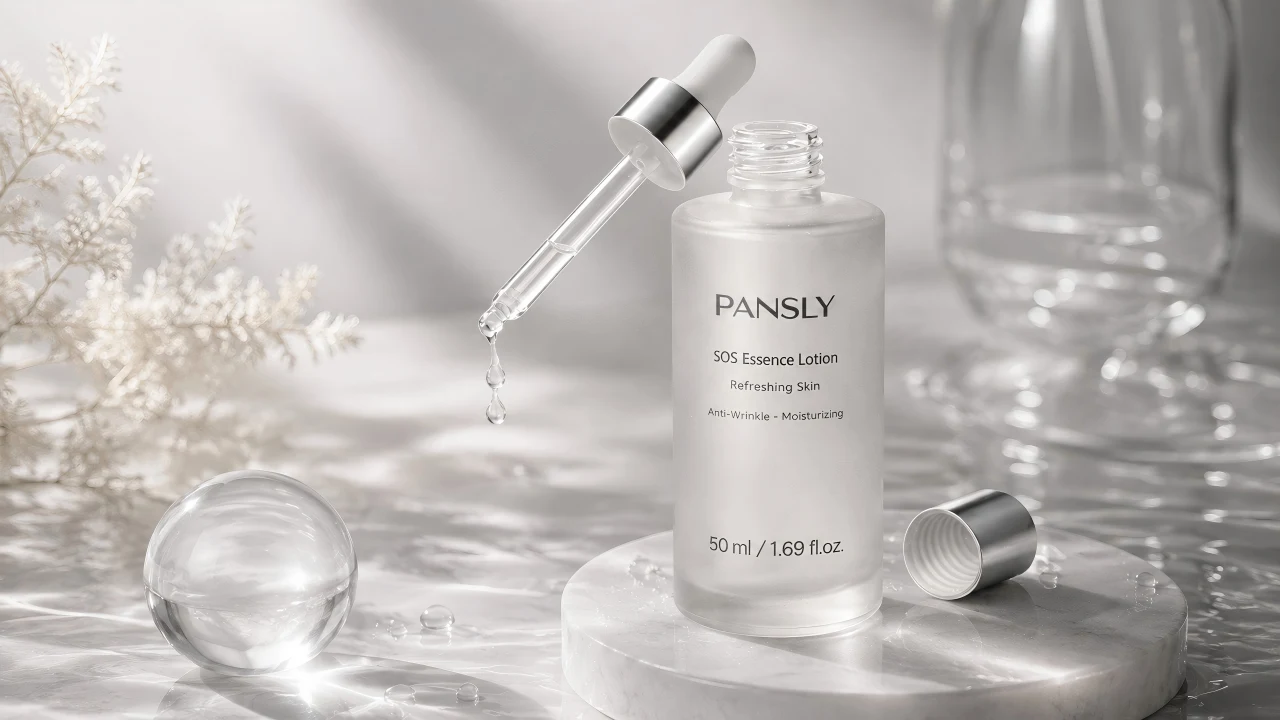
This article details the Pansly SOS Essence, a hydrating anti-wrinkle serum. Beyondbasix outlines key ingredients and benefits, offering beauty brands a comprehensive guide for private label customization and manufacturing.
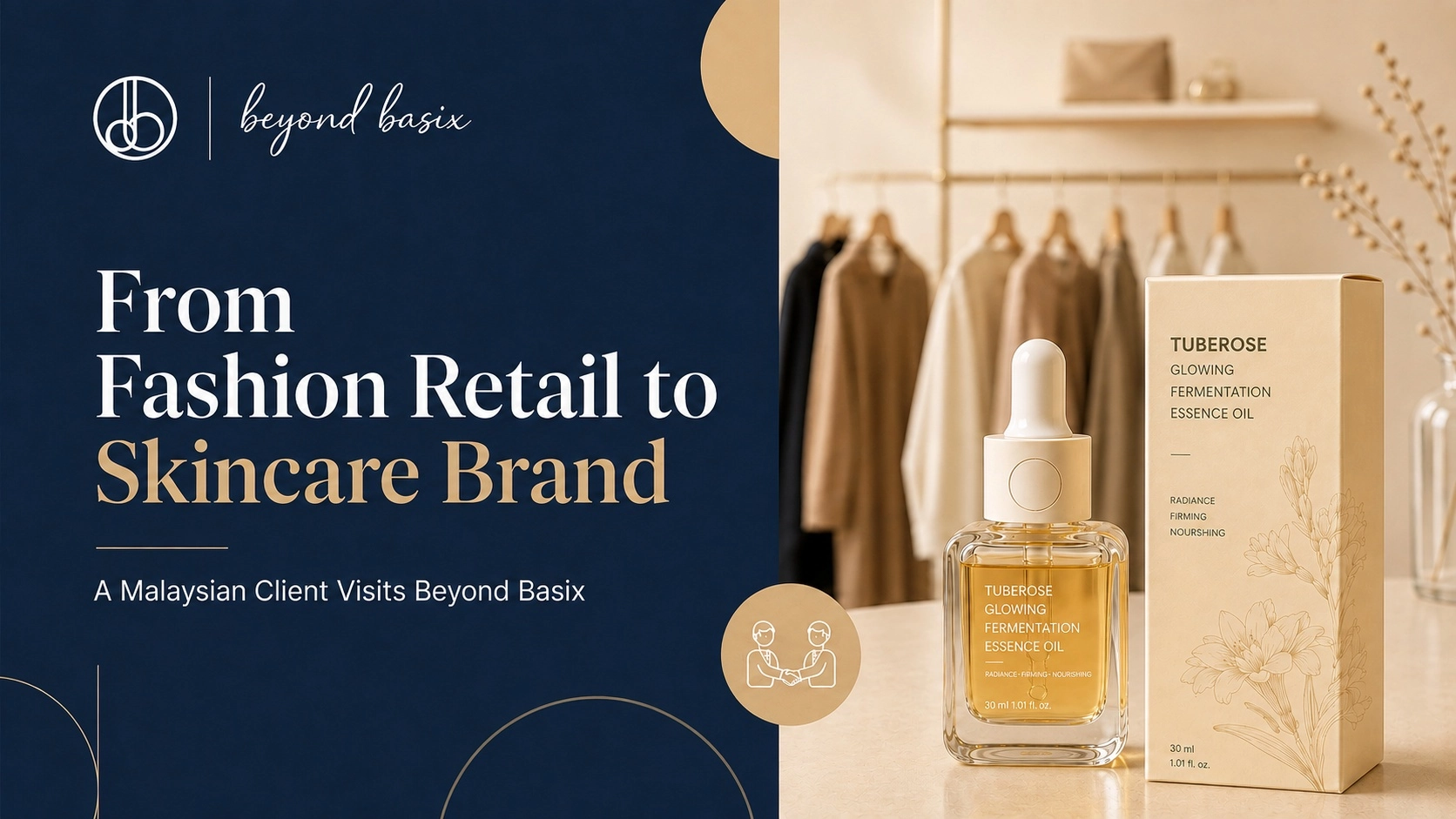
Private Label SOS Essence Serum: Anti-Wrinkle Hydrating Formula line Guide
Which Ingredients Work Well in a Firming PDRN Capsule Cream?
A technical guide to selecting peptides, niacinamide, humectants, antioxidants, retinoids, and supporting ingredients for a stable firming PDRN capsule cream formulation.
Which Ingredients Work Well in a Firming PDRN Capsule Cream?
PDRN Capsule Cream vs Traditional PDRN Cream: What Changes for the Consumer?
A technical comparison of PDRN capsule cream and traditional PDRN cream, covering consumer experience, formula stability, packaging validation, OEM customization, MOQ, production considerations, and responsible cosmetic claims.
PDRN Capsule Cream vs Traditional PDRN Cream: What Changes for the Consumer?
Does Capsule Texture Make a PDRN Cream More Marketable?
Capsule texture can strengthen the sensory and visual appeal of PDRN skincare, but marketability depends on more than appearance. This B2B FAQ examines capsule integrity, formula stability, packaging compatibility, responsible claims, pricing, testing, and OEM/ODM development considerations for brands evaluating capsule-based facial creams.
Does Capsule Texture Make a PDRN Cream More Marketable?
Why Pair PDRN With Ectoin in a Barrier Repair Face Cream?
Pairing PDRN with ectoin can create a complementary barrier-support concept: PDRN contributes a skin-recovery positioning, while ectoin helps support hydration and environmental resilience. Successful OEM development depends on ingredient source, regulatory status, claim language, formula compatibility, stability, packaging, and market-specific testing.
Why Pair PDRN With Ectoin in a Barrier Repair Face Cream?
What Is a PDRN Capsule Face Cream and Why Use Encapsulated Beads?
A PDRN capsule face cream uses visible or microscopic beads to contain and protect a cosmetic active within a cream base. This article explains what encapsulation may contribute, how buyers should assess ingredient identity and stability, and which OEM/ODM validation points matter before commercial launch.
What Is a PDRN Capsule Face Cream and Why Use Encapsulated Beads?
Which Ingredients Can Be Combined With PDRN in Hydrogel Eye Patches?
A technical FAQ for skincare brands evaluating compatible humectants, soothing agents, peptides, niacinamide, caffeine, and antioxidant systems for PDRN hydrogel eye patch development.
Which Ingredients Can Be Combined With PDRN in Hydrogel Eye Patches?
PDRN Eye Patches vs Collagen Eye Patches: How Do Their Product Stories Differ?
A B2B comparison of PDRN and collagen eye patch positioning, covering ingredient narratives, hydrogel design, substantiation, testing, packaging, and OEM/ODM development considerations.
PDRN Eye Patches vs Collagen Eye Patches: How Do Their Product Stories Differ?
What Makes a PDRN Hydrogel Eye Patch Different From a Standard Eye Mask?
A technical comparison of PDRN hydrogel eye patches and standard eye masks, covering material structure, ingredient verification, hydration, packaging, stability testing, and OEM/ODM sourcing considerations.
What Makes a PDRN Hydrogel Eye Patch Different From a Standard Eye Mask?
Are PDRN NAD+ Eye Patches a Good Premium Add-On for Skincare Brands?
PDRN NAD+ eye patches can serve as a premium skincare add-on when formulation stability, periorbital safety, packaging protection, regulatory positioning, and commercial feasibility are validated. This B2B guide explains how brands can evaluate the ingredient concept, testing requirements, OEM/ODM decisions, and realistic premium product claims.
Are PDRN NAD+ Eye Patches a Good Premium Add-On for Skincare Brands?
What Other Actives Pair Well With PDRN and NAD+ in Eye Care?
Learn how humectants, peptides, niacinamide, caffeine, and other supporting actives can be evaluated alongside PDRN and NAD+ for eye-care formulations, with practical guidance for OEM/ODM product development, stability testing, claims, and scale-up decisions.
What Other Actives Pair Well With PDRN and NAD+ in Eye Care?
PDRN Eye Patches vs Peptide Eye Cream: Which Product Has Stronger Visual Appeal?
A B2B comparison of PDRN eye patches and peptide eye creams, focusing on shelf appeal, campaign photography, claims substantiation, formulation choices, testing, customization, and commercial margins for skincare brands.
PDRN Eye Patches vs Peptide Eye Cream: Which Product Has Stronger Visual Appeal?
Why Is Hydrogel a Popular Format for PDRN Eye Care?
Hydrogel is widely used for PDRN eye care because its flexible, water-rich structure conforms closely to the under-eye area, supports serum contact, and creates a pleasant cooling experience. For OEM and ODM buyers, performance depends on formulation compatibility, hydrogel composition, dimensions, packaging, stability, and regulatory requirements rather than the format alone.
Why Is Hydrogel a Popular Format for PDRN Eye Care?
Why Combine PDRN and NAD+ in Hydrogel Eye Patches?
A technical B2B FAQ explaining the formulation rationale, stability considerations, testing requirements, sourcing decisions, hydrogel compatibility, and responsible marketing claims for PDRN and NAD+ eye patches.
Why Combine PDRN and NAD+ in Hydrogel Eye Patches?
NAD+ vs PDRN vs EGF: How Do These Serum Concepts Differ?
Compare NAD+, PDRN and EGF serum concepts from a skincare brand and OEM/ODM perspective, including ingredient roles, stability, packaging, claims, product positioning and private label development.
NAD+ vs PDRN vs EGF: How Do These Serum Concepts Differ?
Could EGF NAD+ Peptide Serum Become a High-End Hero Product?
An expert B2B analysis of how EGF NAD+ peptide serum may achieve high-end hero-product positioning through substantiated claims, formulation control, packaging, compliance, testing, and OEM/ODM planning.
Could EGF NAD+ Peptide Serum Become a High-End Hero Product?
How Can Brands Explain a Multi-Active Serum Without Making It Too Complicated?
A practical B2B framework for explaining EGF, NAD+, and peptide serums clearly, responsibly, and persuasively while aligning formulation, testing, claims, packaging, and OEM/ODM project requirements.
How Can Brands Explain a Multi-Active Serum Without Making It Too Complicated?
What Consumer Concerns Fit an EGF NAD+ Peptide Formula?
A practical B2B analysis of the consumer concerns suited to EGF NAD+ peptide formulas, including visible ageing, dullness, dehydration, texture, sensitivity considerations, substantiation, positioning, and launch testing.
What Consumer Concerns Fit an EGF NAD+ Peptide Formula?
Is NAD+ Strong Enough to Anchor a Premium Skincare Collection?
NAD+ can support a premium skincare concept, but its commercial value depends on formulation stability, substantiated claims, peptide compatibility, packaging, and market-specific compliance. This guide explains how brands can evaluate NAD+ positioning and work with an OEM/ODM partner to develop credible serum collections.
Is NAD+ Strong Enough to Anchor a Premium Skincare Collection?
Why Pair NAD+ With Peptides Instead of Using NAD+ Alone?
Discover why skincare brands may combine NAD+ with selected peptides, how formulation compatibility and stability influence product development, and what OEM/ODM buyers should validate before launching a peptide-based anti-aging serum.
Why Pair NAD+ With Peptides Instead of Using NAD+ Alone?
NAD+ Serum vs Copper Peptide Serum: How Should Brands Position Them Differently?
A B2B comparison of NAD+ and copper peptide serums, covering positioning, formulation strategy, evidence, testing, packaging, claims, and OEM/ODM project planning for skincare brands.
NAD+ Serum vs Copper Peptide Serum: How Should Brands Position Them Differently?
Why Combine EGF, NAD+ and Peptides in One Facial Serum?
Combining EGF, NAD+ and peptides in a facial serum can support a more structured skin-conditioning concept, but success depends on ingredient compatibility, stability, claim substantiation, packaging, and market requirements. This B2B guide explains formulation considerations and OEM/ODM questions for developing an EGF NAD+ peptide serum.
Why Combine EGF, NAD+ and Peptides in One Facial Serum?
What Is the Product Story Behind NAD+ Peptide Serum?
A B2B guide to developing, substantiating, packaging, and positioning NAD+ peptide serum through a practical OEM/ODM skincare product story.
What Is the Product Story Behind NAD+ Peptide Serum?
Who Is the Target Customer for a GHK-Cu Ectoin Barrier Serum?
A GHK-Cu ectoin barrier serum is best suited to consumers seeking visible skin-recovery support, hydration, and improved comfort, particularly those with dryness, sensitivity, or signs of environmental stress. This B2B guide explains customer segmentation, responsible claims, packaging, testing, and positioning considerations for skincare brands developing a copper peptide and ectoin product.
Who Is the Target Customer for a GHK-Cu Ectoin Barrier Serum?
What Supporting Ingredients Work With GHK-Cu and Ectoin?
A technical B2B FAQ explaining how niacinamide, humectants, antioxidants, soothing agents, and chelators may be evaluated alongside GHK-Cu and ectoin in OEM/ODM skincare formulations.
What Supporting Ingredients Work With GHK-Cu and Ectoin?
GHK-Cu Ectoin Serum vs GHK-Cu SNAP-8 Serum: Which Direction Fits Your Brand?
A practical B2B comparison of GHK-Cu ectoin serum and GHK-Cu SNAP-8 serum concepts, covering positioning, claims, formulation considerations, stability testing, MOQ, cost, and OEM/ODM planning for skincare brands.
GHK-Cu Ectoin Serum vs GHK-Cu SNAP-8 Serum: Which Direction Fits Your Brand?
Can Copper Peptides and Barrier Care Work in the Same Product Concept?
Copper peptides and ectoin can be developed within one barrier-focused serum concept when ingredient specifications, pH, preservation, packaging, and claim substantiation are assessed together. This B2B guide explains formulation decisions, testing needs, stability considerations, and OEM/ODM planning for brands developing a copper peptide and ectoin skincare product.
Can Copper Peptides and Barrier Care Work in the Same Product Concept?
Why Is Ectoin Becoming More Relevant to Stress- and Barrier-Focused Skincare?
Ectoin is gaining attention in stress- and barrier-focused skincare because its extremolyte properties support water balance and cellular protection under environmental stress. This B2B guide explains formulation strategy, claim substantiation, compatibility, concentration, stability, and OEM/ODM considerations for developing ectoin-based serums.
Why Is Ectoin Becoming More Relevant to Stress- and Barrier-Focused Skincare?
Which Skin Concerns Fit an Ectoin Serum Product Positioning?
A practical B2B analysis of skin concerns suited to ectoin serum positioning, including dehydration, sensitivity, environmental stress, acne-prone skin, mature skin, barrier claims, testing, and regulatory considerations.
Which Skin Concerns Fit an Ectoin Serum Product Positioning?
Why Combine GHK-Cu and Ectoin in One Facial Serum?
A technical B2B analysis of combining copper tripeptide-1 and ectoin in a facial serum, covering formulation compatibility, sensitive-skin positioning, stability testing, cosmetic claims, and OEM supplier evaluation.
Why Combine GHK-Cu and Ectoin in One Facial Serum?
What Does Ectoin Do in a Barrier Repair Serum?
Ectoin is a compatible solute that helps support skin hydration, membrane integrity, and resilience against environmental stress. This B2B guide explains how ectoin functions in barrier-focused serums, how to select a suitable concentration, how to combine it with ceramides or panthenol, how to validate claims, and which packaging factors matter for private-label development.
What Does Ectoin Do in a Barrier Repair Serum?
PDRN vs Ceramide Serum: Where Does Centella Fit in Barrier Care?
PDRN vs ceramide explained for skincare brands: compare ingredient roles, Centella pairing, barrier-care positioning, texture, packaging and private label product development.
PDRN vs Ceramide Serum: Where Does Centella Fit in Barrier Care?
How Can Brands Position PDRN Centella Serum in a Sensitive-Skin Collection?
A strategic B2B framework for positioning PDRN centella serum within a sensitive-skin collection, covering formulation logic, claims compliance, packaging, testing, OEM/ODM development, and project planning.
How Can Brands Position PDRN Centella Serum in a Sensitive-Skin Collection?
What Supporting Ingredients Can Strengthen a PDRN Centella Formula?
A practical B2B analysis of supporting ingredients for PDRN and centella formulas, covering hydration, barrier support, sensitive-skin tolerance, preservation, stability, claims, and OEM/ODM development considerations.
What Supporting Ingredients Can Strengthen a PDRN Centella Formula?
Who Is a PDRN Centella Soothing Serum Designed For?
A PDRN centella soothing serum is generally developed for sensitive, stressed, dehydrated, or post-treatment skin positioning, but suitability depends on formulation, regulatory requirements, and target-market claims. This B2B guide explains consumer profiles, formulation verification, testing priorities, and OEM/ODM considerations for brands planning a soothing serum launch.
Who Is a PDRN Centella Soothing Serum Designed For?
Could GHK-Cu Mineral Sunscreen Become a Premium Daily-Care SKU?
GHK-Cu mineral sunscreen can become a premium daily-care product when copper peptide positioning, mineral UV protection, tallow stability, sensory performance, packaging, regulatory claims, and testing are evaluated as one development project.
Could GHK-Cu Mineral Sunscreen Become a Premium Daily-Care SKU?
What Makes a Tallow Mineral Sunscreen Different From a Standard SPF Cream?
Tallow mineral sunscreens differ from standard SPF creams through their emollient base, ingredient sourcing, sensory profile, and formulation constraints. Mineral UV filters still determine tested sun protection, while tallow and GHK-Cu require careful stability, compatibility, regulatory, and market-positioning decisions during OEM or ODM development.
What Makes a Tallow Mineral Sunscreen Different From a Standard SPF Cream?
Zinc Oxide vs Zinc Oxide and Titanium Dioxide: What Should Brands Consider?
A technical comparison of zinc oxide alone versus zinc oxide combined with titanium dioxide for mineral sunscreen development, including formulation compatibility with GHK-Cu and tallow, testing requirements, sensory performance, regulatory considerations, and OEM/ODM project planning.
Zinc Oxide vs Zinc Oxide and Titanium Dioxide: What Should Brands Consider?
Can Mineral Sunscreen Also Be Positioned as Barrier-Focused Skincare?
Mineral sunscreen can support a barrier-focused skincare position when its formula, claims, testing, and consumer instructions are aligned. This article explains how zinc oxide, tallow, GHK-Cu, moisturization, tolerability, and substantiation should be evaluated within an OEM/ODM development project.
Can Mineral Sunscreen Also Be Positioned as Barrier-Focused Skincare?
Why Are PDRN and Centella Often Paired in Soothing Skincare?
PDRN and Centella are paired because they support different but complementary skincare positioning: PDRN is associated with skin-conditioning and recovery-support claims, while Centella asiatica provides established soothing and comfort-oriented benefits. For OEM and ODM buyers, successful development depends on ingredient identity, formula compatibility, stability, testing, and compliant claims.
Why Are PDRN and Centella Often Paired in Soothing Skincare?
How Should Brands Differentiate a Peptide Tallow Balm From Traditional Face Balms?
A technical B2B FAQ explaining how brands can position peptide tallow balms through formulation architecture, peptide compatibility, stability testing, cosmetic claims, and OEM/ODM development considerations.
How Should Brands Differentiate a Peptide Tallow Balm From Traditional Face Balms?
Why Combine GHK-Cu With Beef Tallow in a Facial Balm?
A technical B2B analysis of combining copper tripeptide-1 with beef tallow in facial balm development, including stability, skin suitability, packaging, testing, vegan alternatives, and compliant cosmetic claims.
Why Combine GHK-Cu With Beef Tallow in a Facial Balm?
Can a Tallow Balm Target Both Dryness and Visible Expression Lines?
A tallow balm may support skin comfort and the appearance of expression lines when its emollient base, peptide system, packaging, testing, and claims strategy are properly matched to the project.
Can a Tallow Balm Target Both Dryness and Visible Expression Lines?
Who Would Buy a GHK-Cu SNAP-8 Tallow Balm Instead of a Face Cream?
A technical B2B FAQ explaining which consumers may prefer a GHK-Cu SNAP-8 tallow balm over a conventional face cream, including texture, formulation stability, positioning, testing, and responsible cosmetic claims.
Who Would Buy a GHK-Cu SNAP-8 Tallow Balm Instead of a Face Cream?
How Can Brands Position a Copper Peptide Tallow Balm Without Looking Too Niche?
A practical B2B positioning guide for brands developing a copper peptide tallow balm, covering mainstream messaging, formulation claims, tallow sourcing, stability, packaging, testing, MOQ, and OEM/ODM considerations.
How Can Brands Position a Copper Peptide Tallow Balm Without Looking Too Niche?
What Ingredients Pair With GHK-Cu Tallow Balm for Barrier-Focused Skincare?
A technical guide to selecting ceramides, niacinamide, humectants, lipids, and compatible support ingredients for barrier-focused GHK-Cu tallow balm formulations, with practical OEM/ODM guidance on stability, testing, and commercialization.
What Ingredients Pair With GHK-Cu Tallow Balm for Barrier-Focused Skincare?
Is Beef Tallow Becoming a Premium Skincare Ingredient Again?
Beef tallow is re-emerging as a premium emollient for selected skincare concepts, but its commercial value depends on purification, oxidation control, formulation compatibility, packaging, and regulatory positioning. This article explains how brands can evaluate tallow-based balms and copper peptide concepts through a structured OEM/ODM development process.
Is Beef Tallow Becoming a Premium Skincare Ingredient Again?
GHK-Cu Tallow Balm vs Peptide Cream: Which Texture Fits Dry Skin Better?
A technical comparison of GHK-Cu tallow balm and peptide cream textures for dry skin, covering occlusion, hydration, formulation stability, testing, customization, and OEM/ODM launch considerations.
GHK-Cu Tallow Balm vs Peptide Cream: Which Texture Fits Dry Skin Better?
What Makes GHK-Cu, SNAP-8 and Beef Tallow an Unusual Anti-Aging Combination?
A technical examination of how copper tripeptide GHK-Cu, SNAP-8 and beef tallow differ in function, formulation behavior, stability requirements, packaging needs and cosmetic claim substantiation for private-label skincare projects.
What Makes GHK-Cu, SNAP-8 and Beef Tallow an Unusual Anti-Aging Combination?
Can a GHK-Cu Cleanser Work as the Entry Product in a Peptide Skincare Range?
A GHK-Cu cleanser can serve as an accessible entry point for a peptide skincare range when its rinse-off format, formula stability, consumer claims, testing plan, and commercial positioning are evaluated together. This B2B guide explains how brands can assess product architecture, regulatory considerations, OEM/ODM requirements, and launch sequencing.
Can a GHK-Cu Cleanser Work as the Entry Product in a Peptide Skincare Range?
Peptide Facial Cleanser vs Standard Hydrating Cleanser: Where Is the Difference?
A technical comparison of peptide facial cleansers and standard hydrating cleansers for skincare brands evaluating formulation, rinse-off performance, stability, testing, sensitive-skin positioning, MOQ, and OEM/ODM production considerations.
Peptide Facial Cleanser vs Standard Hydrating Cleanser: Where Is the Difference?
What Should a GHK-Cu Peptide Cleanser Include Besides Copper Peptides?
A well-designed GHK-Cu peptide cleanser requires more than copper peptides. Mild cleansing agents, humectants, barrier-supportive ingredients, preservation controls, suitable packaging, and stability testing all influence formula performance, consumer experience, and private-label launch readiness.
What Should a GHK-Cu Peptide Cleanser Include Besides Copper Peptides?
Why Are Peptide Facial Cleansers Moving Beyond Basic Cleansing?
Peptide facial cleansers are evolving from simple rinse-off products into carefully engineered formulas that address cleansing mildness, barrier comfort, ingredient compatibility, packaging, and compliant product positioning. This FAQ examines the technical challenges of developing GHK-Cu cleansers and explains how brands can evaluate formulation, testing, and OEM/ODM requirements realistically.
Why Are Peptide Facial Cleansers Moving Beyond Basic Cleansing?
Is SNAP-8 a Strong Ingredient Story for a Private Label Anti-Aging Brand?
SNAP-8 can support a focused private label anti-aging concept when its identity, claim evidence, formula compatibility, and consumer positioning are carefully validated. This article explains how brands can evaluate peptide storytelling, testing requirements, regulatory boundaries, and OEM/ODM development decisions before launching a facial serum.
Is SNAP-8 a Strong Ingredient Story for a Private Label Anti-Aging Brand?
SNAP-8 vs Argireline: Which Peptide Direction Fits an Expression-Line Skincare Brand?
Beyond Basix compares SNAP-8 and Argireline from a beauty brand perspective, showing how each peptide can shape expression-line positioning, hero-product strategy, serum and eye-care formats, product-line architecture, claims and private label development.
SNAP-8 vs Argireline: Which Peptide Direction Fits an Expression-Line Skincare Brand?
What Ingredients Can Turn a SNAP-8 Serum Into a Multi-Benefit Formula?
A practical B2B formulation guide to combining SNAP-8 with humectants, niacinamide, antioxidants, texture agents, and supportive ingredients while managing compatibility, sensory performance, stability, and cosmetic claims.
What Ingredients Can Turn a SNAP-8 Serum Into a Multi-Benefit Formula?
Can SNAP-8 Serum Be Positioned for Forehead and Smile Lines?
A topical SNAP-8 peptide serum can be positioned for forehead and smile lines when cosmetic claims, formulation compatibility, packaging, stability, and market requirements are evaluated together.
Can SNAP-8 Serum Be Positioned for Forehead and Smile Lines?
Does GHK-Cu Make Sense in a Rinse-Off Facial Cleanser?
GHK-Cu can be included in a rinse-off facial cleanser, but its commercial value depends on formula stability, contact time, surfactant selection, pH, packaging, and substantiated testing. This article explains when copper tripeptide-1 is technically reasonable and when a leave-on product may provide a more suitable delivery format.
Does GHK-Cu Make Sense in a Rinse-Off Facial Cleanser?
What Is SNAP-8 and Why Is It Used in Anti-Wrinkle Serums?
SNAP-8 is a cosmetic peptide commonly identified by the INCI name Acetyl Octapeptide-3. This article explains its expression-line positioning, formulation considerations, claim boundaries, and key due-diligence points for brands sourcing anti-aging products through skincare OEM/ODM manufacturing.
What Is SNAP-8 and Why Is It Used in Anti-Wrinkle Serums?
Can a GHK-Cu SNAP-8 Serum Become the Hero SKU of a Peptide Skincare Line?
A GHK-Cu SNAP-8 serum can serve as a hero SKU when its peptide compatibility, stability, packaging, claims, and commercial model are validated for the intended market. This B2B guide explains formulation, testing, regulatory, packaging, MOQ, and launch considerations for brands developing a peptide skincare line through OEM/ODM manufacturing.
Can a GHK-Cu SNAP-8 Serum Become the Hero SKU of a Peptide Skincare Line?
Which Supporting Ingredients Work Best With a GHK-Cu SNAP-8 Formula?
A technical FAQ for skincare brands evaluating humectants, barrier-support ingredients, niacinamide, acids, retinoids, chelators, packaging, testing, and compliant claims for GHK-Cu SNAP-8 serum development.
Which Supporting Ingredients Work Best With a GHK-Cu SNAP-8 Formula?
Who Is the Ideal Consumer for a GHK-Cu SNAP-8 Serum?
A practical B2B analysis of the ideal consumer for a GHK-Cu SNAP-8 serum, including age-related concerns, sensitive-skin considerations, cosmetic claim boundaries, peptide compatibility, and OEM/ODM testing requirements.
Who Is the Ideal Consumer for a GHK-Cu SNAP-8 Serum?
GHK-Cu vs SNAP-8: What Role Does Each Peptide Play in a Serum?
GHK-Cu and SNAP-8 serve different cosmetic purposes in peptide serum development. GHK-Cu is commonly positioned for skin conditioning and a healthier-looking skin appearance, while SNAP-8 is associated with the visible appearance of expression lines. This article explains formulation, testing, packaging, concentration, and OEM/ODM considerations for developing a dual-peptide serum.
GHK-Cu vs SNAP-8: What Role Does Each Peptide Play in a Serum?
What Should Brands Check Before Sourcing a GHK-Cu Copper Peptide Serum?
A practical B2B sourcing guide covering ingredient verification, stability, packaging compatibility, cosmetic claims, MOQ, lead time, and OEM/ODM evaluation for GHK-Cu copper peptide serum projects.
What Should Brands Check Before Sourcing a GHK-Cu Copper Peptide Serum?
Beyond_Basix_Poster_Under_1MB - Beyond Basix
From Fashion Retail to Skincare Brand: A Malaysian Client Visits Pansly

Today, we welcomed a Malaysian fashion retailer we first met two years ago. At that time, she was only beginning to explore skincare customization and had no clear timeline for launching her own brand. Over the past two years, we stayed in close contact, supporting her with product ideas, development guidance and project advice. Today, she came to Beyond Basix with a clearer vision for her skincare brand.

This visit reflects our long-term philosophy: building trust over time, simplifying product development through one-stop OEM/ODM support, and growing together with our clients.
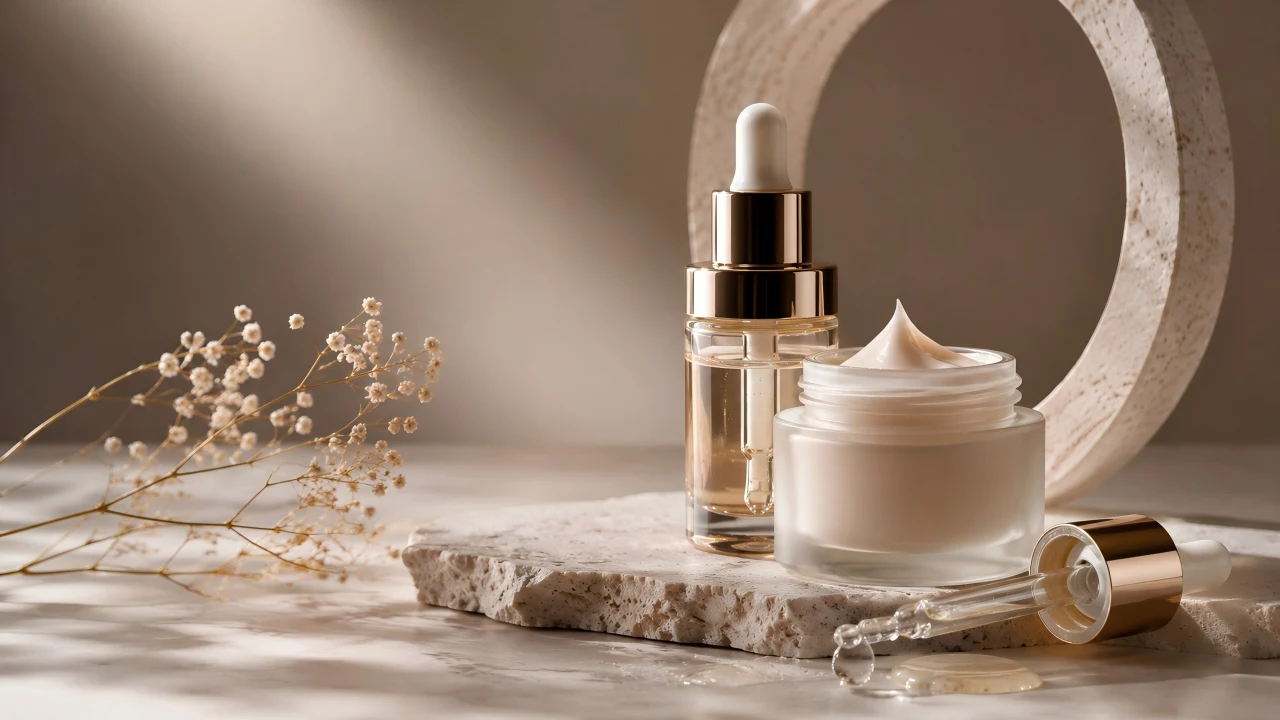
 

From Fashion Retail to Skincare Brand: A Malaysian Client Visits Pansly
Which Ingredients Pair Well With GHK-Cu in a Facial Serum?
A technical B2B guide to selecting humectants, niacinamide, antioxidants, chelators, calming agents, pH conditions, packaging, and stability tests for GHK-Cu facial serum development.
Which Ingredients Pair Well With GHK-Cu in a Facial Serum?
GHK-Cu Serum vs Retinol Serum: Which Fits an Anti-Aging Skincare Line Better?
A practical B2B comparison of GHK-Cu and retinol serums, covering positioning, formulation decisions, stability testing, packaging, compliant claims, and OEM/ODM development considerations for anti-aging skincare brands.
GHK-Cu Serum vs Retinol Serum: Which Fits an Anti-Aging Skincare Line Better?
Why Combine GHK-Cu and SNAP-8 in One Anti-Wrinkle Serum?
Learn why brands combine GHK-Cu and SNAP-8 in one anti-wrinkle serum, including formulation compatibility, packaging, testing, claim substantiation, and OEM/ODM considerations.
Why Combine GHK-Cu and SNAP-8 in One Anti-Wrinkle Serum?
What Does GHK-Cu Do in a Copper Peptide Serum?
GHK-Cu is a copper-binding signal peptide used in skincare formulations to support the appearance of firmness, texture, and skin recovery. This B2B guide explains its cosmetic function, formulation considerations, stability risks, testing requirements, and OEM/ODM development factors for brands evaluating copper peptide serum projects.
What Does GHK-Cu Do in a Copper Peptide Serum?
Retinol Skincare Line - Beyond Basix
Retinol Skincare Guide: Developing Anti-Wrinkle Products for Fine Lines Around Mouth & Eyes

This guide for beauty brands developing private label retinol creams, peptide moisturizers, and anti-wrinkle skincare products for fine lines around the mouth and eyes.
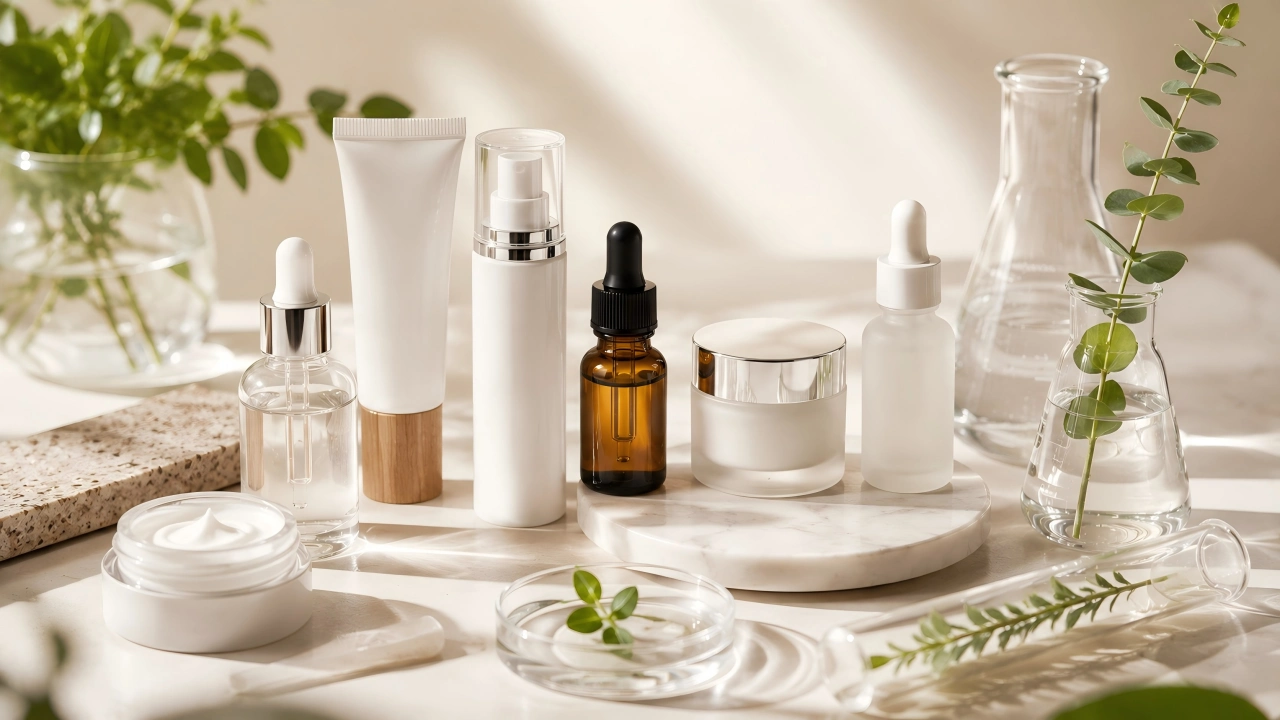
Retinol Skincare Guide: Developing Anti-Wrinkle Products for Fine Lines Around Mouth & Eyes
bath bombs for kids with surprise inside | Insights by Beyond Basix
A technical B2B FAQ for developing bath bombs for kids with surprise inside, covering age grading, hidden-toy testing, cosmetic ingredient selection, bathwater contamination control, packaging warnings, MOQ, lead time, and customization factors.
bath bombs for kids with surprise inside | Insights by Beyond Basix
start a skincare brand - Beyond Basix
How to Start a Skincare Brand in 2026: Step-by-Step Guide

This guide for launching a 2026 skincare brand covers market positioning, focused product strategies, OEM/ODM manufacturing, ingredient trends, compliance, cost management, and effective launch tactics.
How to Start a Skincare Brand in 2026: Step-by-Step Guide
retinol-vs-peptide-private-label - Beyond Basix
Private Label Retinol Cream vs Peptide Serum: Which Should Your Brand Launch First?
Compare private label retinol cream and peptide serum as first-launch anti-aging SKUs, including market positioning, formula stability, packaging, customer fit and OEM/ODM development.
Private Label Retinol Cream vs Peptide Serum: Which Should Your Brand Launch First?
GHK-Cu and Beef Tallow - Beyond Basix
Why GHK-Cu and Beef Tallow Are Becoming a Hot Trend in Skincare Formulation ?

Beyond Basix leverages its OEM/ODM expertise to help beauty brands develop high-performance, visually striking private-label skincare by combining advanced GHK-Cu peptides with nourishing beef tallow.
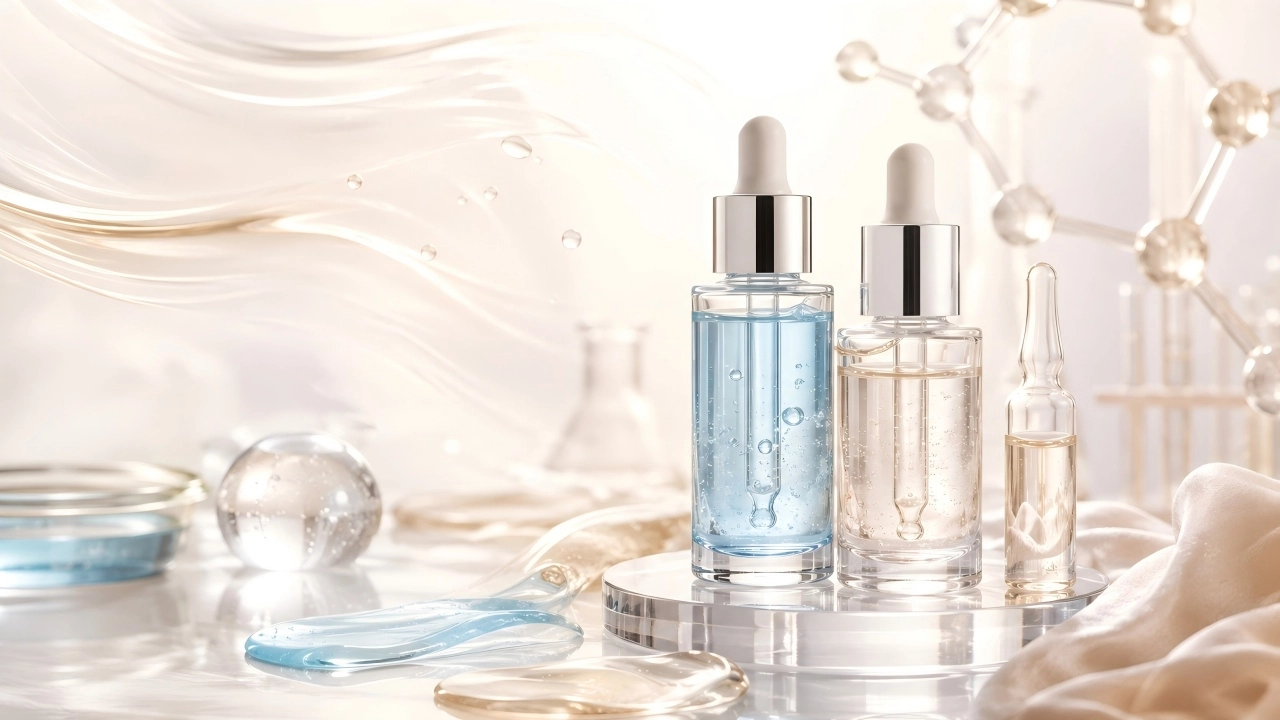
Why GHK-Cu and Beef Tallow Are Becoming a Hot Trend in Skincare Formulation ?
GHK-Cu and PDRN - Beyond Basix
GHK-Cu vs PDRN for Private Label Skincare: Formulation & OEM/ODM Guide
Compare GHK-Cu and PDRN for private label skincare projects, including product positioning, formulation constraints, packaging, testing, claims and OEM/ODM development decisions.
GHK-Cu vs PDRN for Private Label Skincare: Formulation & OEM/ODM Guide

/ Let’s Build Together

Partner With Beyond Basix, Your Trusted Skincare OEM/ODM Manufacturer

We provide end-to-end support tailored to your business needs.

face - Beyond Basix

Cecilia Pan

Property Manager

Name must not exceed 100 characters.
Invalid email format or length exceeds 100 characters. Please re-enter.
Please enter a valid phone number!
Quantity must not exceed 100 characters.
Please select Are you a...
Content must not exceed 3000 characters.

Chat with us

Want to learn more about customized cosmetic and skincare products? Chat instantly online with our experts for professional advice and answers.

×
Name must not exceed 100 characters.
Invalid email format or length exceeds 100 characters. Please re-enter.
Please enter a valid phone number!
Quantity must not exceed 100 characters.
Please select Are you a...
Content must not exceed 3000 characters.

Get a Free Quote

Submit your requirements and quickly get a quote for customized cosmetic and skincare products to help you make informed decisions.

×
Name must not exceed 100 characters.
Invalid email format or length exceeds 100 characters. Please re-enter.
Please enter a valid phone number!
Quantity must not exceed 100 characters.
Please select Are you a...
Content must not exceed 3000 characters.

Send My Request

Have a specific request or inquiry?

Send us the details through this form, and we’ll respond promptly to assist you with the next steps.

×
Name must not exceed 100 characters.
Invalid email format or length exceeds 100 characters. Please re-enter.
Please enter a valid phone number!
Please select Product Type
Inquired Product must not exceed 100 characters.
Quantity must not exceed 100 characters.
Net Weight must not exceed 100 characters.
Budget must not exceed 100 characters.
Launch Time must not exceed 100 characters.
Please select Country
Specific Address must not exceed 100 characters.
Remark must not exceed 3000 characters.

Custom Cosmetics and Skincare Products

Need a customized product?

Fill out this form and our team will work with you to provide a tailored solution to meet your needs and requirements.

×
Name must not exceed 100 characters.
Invalid email format or length exceeds 100 characters. Please re-enter.
Please enter a valid phone number!
Please select Country
Inquired Product must not exceed 100 characters.
Quantity must not exceed 100 characters.
Net Weight must not exceed 100 characters.
Sales Channel must not exceed 100 characters.
Target Market must not exceed 100 characters.
Remark must not exceed 3000 characters.

Custom Cosmetics and Skincare Products

Need to customize your beauty brand product?

Fill out formula form and our team will work with you to provide a tailored solution to meet your needs and requirements.

×
Name must not exceed 100 characters.
Invalid email format or length exceeds 100 characters. Please re-enter.
Please enter a valid phone number!
Country must not exceed 100 characters.
Fill in full name, not "CAN" (Canada ) Thanks.
Company Name must not exceed 150 characters.
Please select Formula Choices ( 1 or More )
Please select Product Type Interest
Content must not exceed 3000 characters.