Direct answer
Aesthetic clinics and medi-spas can explore private label skincare through a defined product range, carefully scoped budget and verified cosmetic claims. A $10,000 launch budget is an illustrative constraint, not a guarantee of sufficient funding or profitability. Ordinary cosmetics should not be marketed as medically appropriate immediately after procedures without specific evidence and regulatory review.
A Private Label Skincare Line for Aesthetic Clinics and Medi-Spas
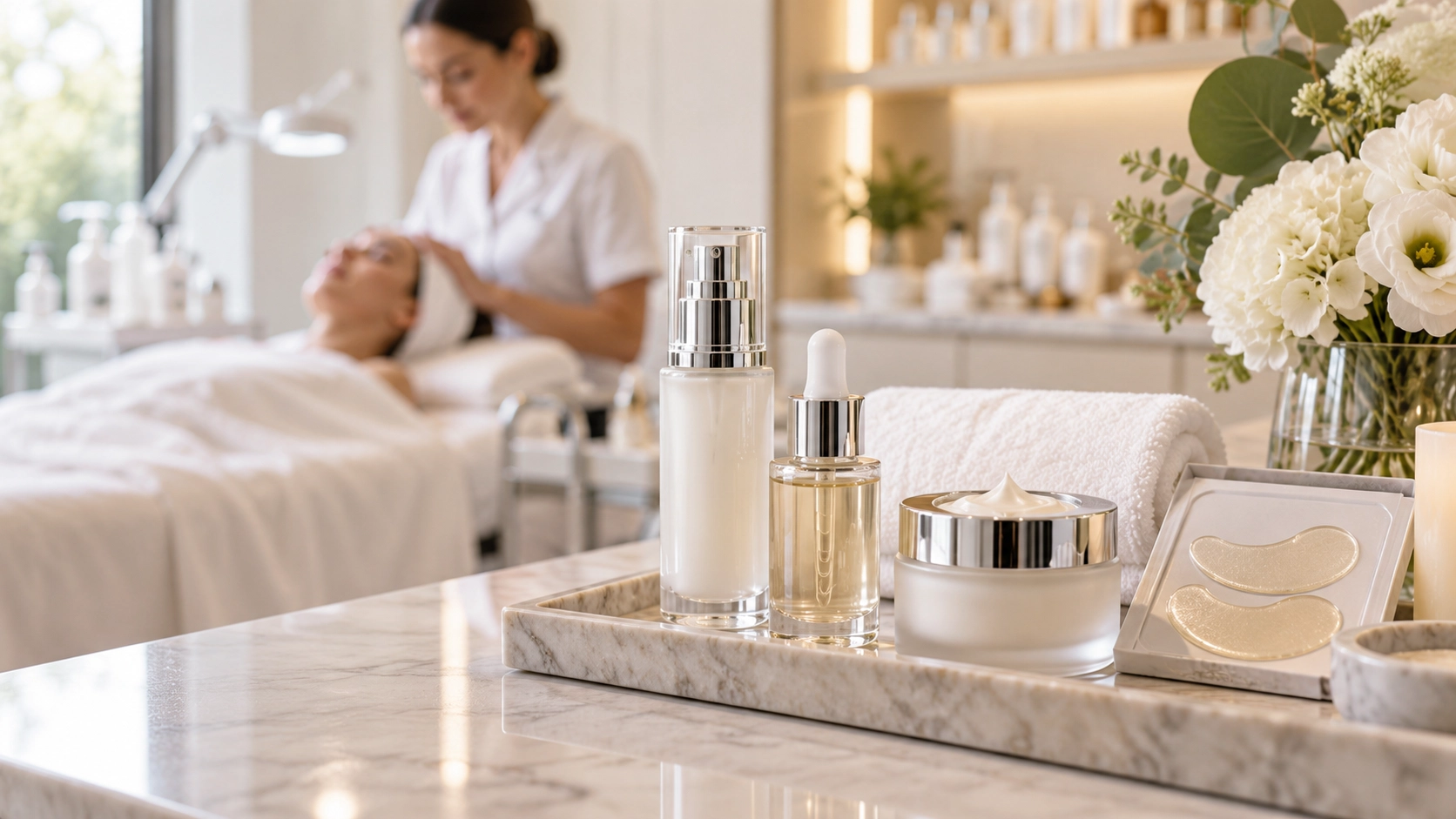
An aesthetic clinic or medi-spa may wish to offer its own branded skincare products to extend the client relationship beyond an appointment. The commercial opportunity is not simply putting a clinic logo on a bottle; it is designing products that suit the business's retail environment, staff expertise and customer expectations. A small clinic might begin with one accessible hydrating serum, while a larger practice could consider a cleanser, moisturizer and targeted cosmetic eye-care product. The appropriate choice depends on demand and the resources available to manage stock and communicate product use.
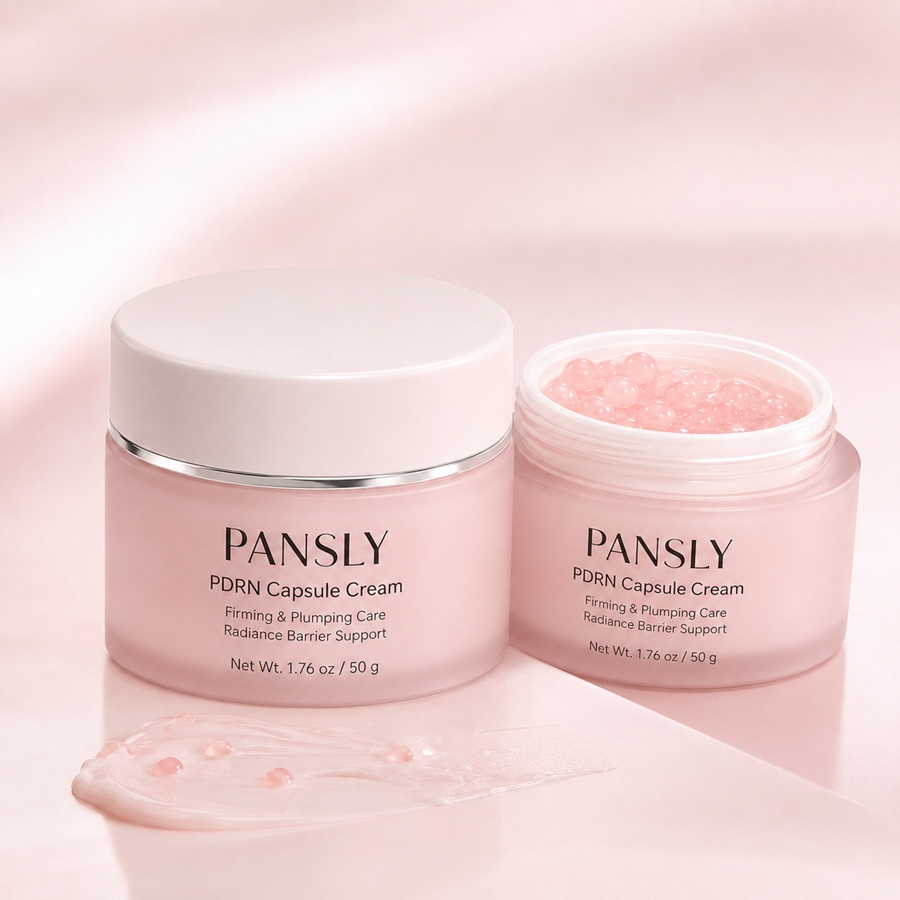
Beyond Basix supports the discussion of private label facial and body care concepts, including PDRN, centella and peptide-led products. However, a cosmetic formulated for ordinary skincare should not be marketed as a treatment for clinical wounds, procedure-related complications or medical conditions without appropriate evidence and legal classification. The term post-care is especially sensitive: the suitability of any product immediately after a procedure depends on the procedure, skin condition, product assessment and professional instructions. We therefore start with intended use and permitted claims before recommending formats or designing retail packaging.
Can a Clinic Launch a Skincare Line With a $10,000 Budget?
A ten-thousand-dollar launch budget can serve as a hypothetical planning constraint, but whether it is sufficient depends on actual quotations, product count, packaging, testing, shipping and local market obligations. It is not responsible to promise that a clinic can launch a profitable private label line under that amount without knowing its requirements. The business must budget for more than filled units: sample development, cartons, artwork, compliance review, transport and merchandising may all require expenditure. Additional obligations might arise from the clinic's country, sales channel or chosen product category.
A useful financial exercise allocates a preliminary budget across product procurement, documentation, visual presentation, inventory storage, staff education and customer communication. The clinic should retain contingency rather than spend the full amount on an opening order. A single well-chosen SKU may be the safer way to learn whether clients purchase branded products at all. If the clinic already sells established retail lines, it can compare customer interest and unit contribution before deciding how many products to introduce. Beyond Basix can discuss project-specific minimums and product options, but no fixed budget can replace a tailored quotation and commercial forecast.
Choosing Between a Hero Serum and a Three-Step Routine
The initial assortment should reflect how customers shop in the clinic. A hydrating serum may be a manageable hero SKU because staff can describe its texture and ordinary cosmetic use. A moisturizer may be easier to incorporate into a simple daily regimen. A three-product routine can increase order value, but it also creates separate stock, packaging and training requirements. Eye patches may fit a spa-inspired self-care offer, yet they are not automatically suitable for recently treated skin or every clinical setting.
The clinic should identify one core audience and select formats that address distinct non-medical skincare preferences. A gentle cleanser, everyday serum and moisturizer might form a coherent cosmetic routine if their formulas and directions support those uses. Complicated combinations of retinoids, exfoliants and multiple actives should not be presented as universal after-procedure recommendations. Staff training and clear instructions matter because a product sold under a clinic's name may be interpreted as a clinical endorsement. Beyond Basix can help the business evaluate appropriate product categories, but professional treatment protocols must remain separate from general cosmetic merchandising.
The Role of PDRN in a Clinic-Branded Cosmetic Concept
PDRN is often used in contemporary skincare storytelling, including products positioned around skin comfort and hydration. It has an established identity as DNA-derived material, but research involving medical applications does not automatically establish efficacy for a retail topical cosmetic. A clinic-branded serum should therefore be described through the actual finished formulation and evidence supporting its cosmetic claims. Calling a product a recovery serum does not justify implying wound healing, tissue regeneration or treatment of procedure-induced damage.
A brand can differentiate a PDRN product through the overall user experience: a lightweight texture, clear directions, ingredient transparency and appropriate packaging. Supporting humectants and soothing cosmetic ingredients may be relevant, subject to formula compatibility and product testing. The buyer should verify the supplier's raw-material information rather than assume all products labelled PDRN are chemically or commercially equivalent. We encourage clinics to choose a credible description that matches the finished product and its intended everyday use. That helps preserve trust with customers who may reasonably expect higher standards when a product is associated with a clinical environment.
PDRN and Centella: A Comfort-Focused Cosmetic Position
PDRN and centella are commonly paired in formulations aimed at comfort-oriented skincare, but the value of the finished serum also comes from its base, preservation system, texture and packaging. A lightweight application may appeal to clients who prefer daily facial skincare with a fresh finish. That does not mean the combination is suitable on broken skin, immediately after invasive procedures or for treating irritation. Those are distinct safety and regulatory questions requiring specific professional judgment and evidence.
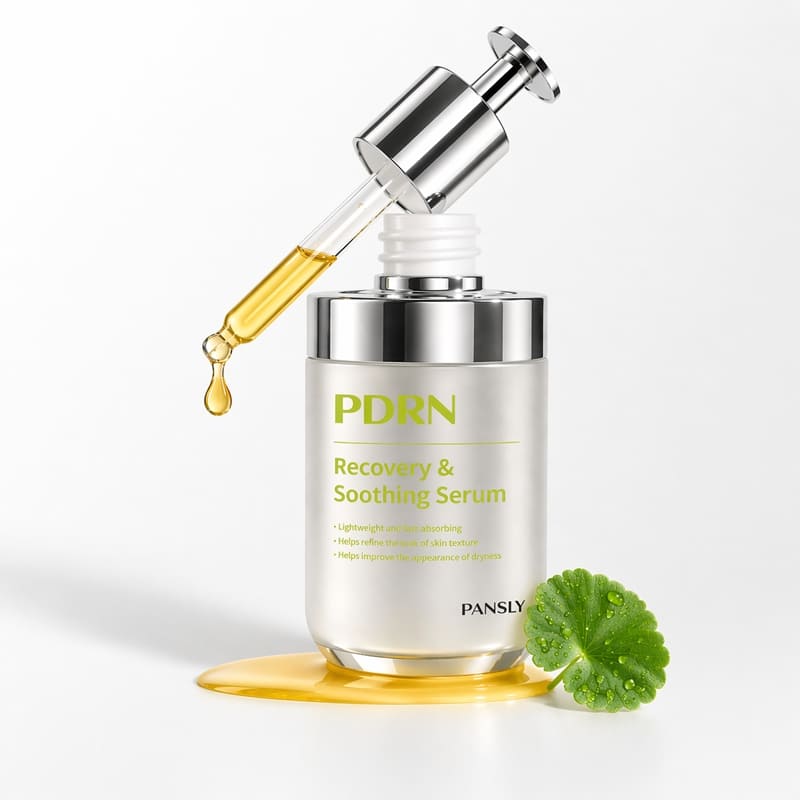
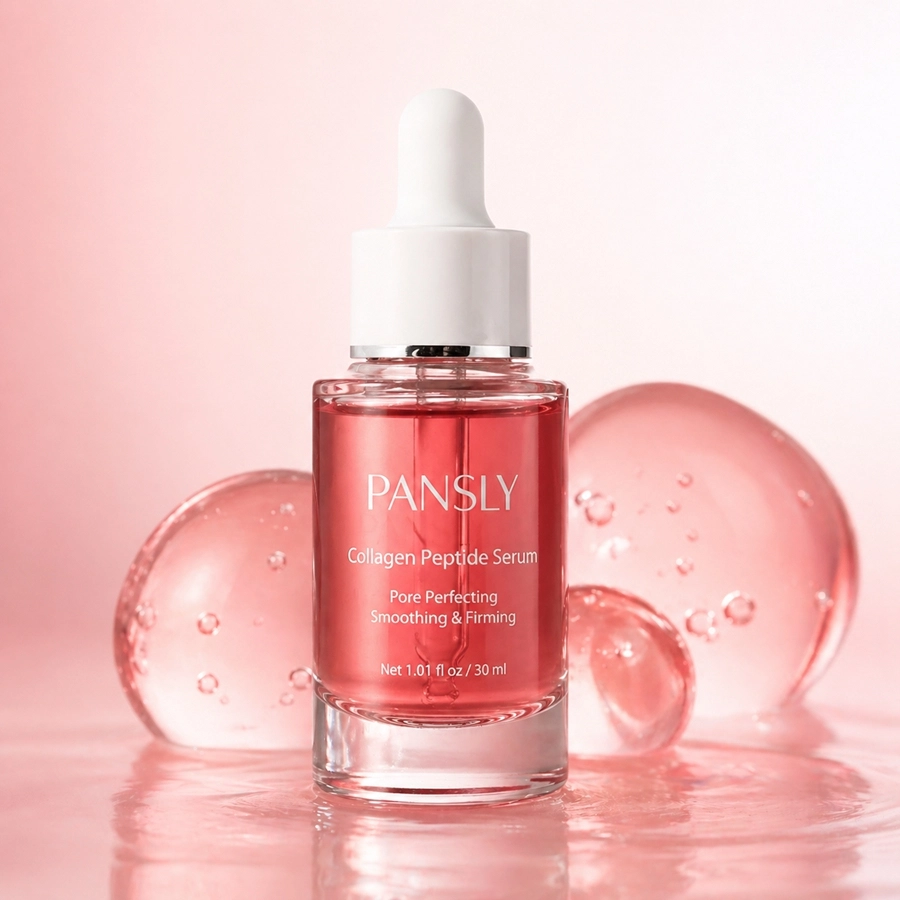
For a clinic or spa, staff should be able to explain what the product is and what it is not. It might be part of a general home skincare routine once the client is following appropriate professional advice. The clinic should avoid turning ingredient marketing into an implicit medical recommendation. Beyond Basix has an in-catalogue PDRN and centella serum direction that can serve as a starting point for discussing packaging and positioning. Any customization needs technical evaluation, and any claims must be linked to the real product rather than an ingredient trend. This is a more durable commercial approach than relying on dramatic language about instant repair.
Where PDRN NAD+ Hydrogel Eye Patches Fit
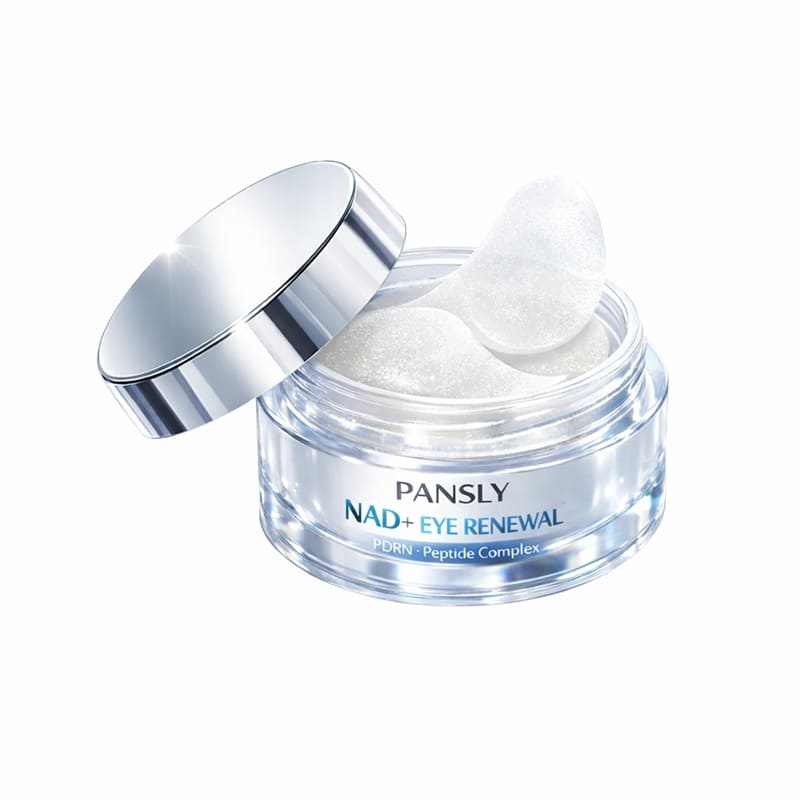
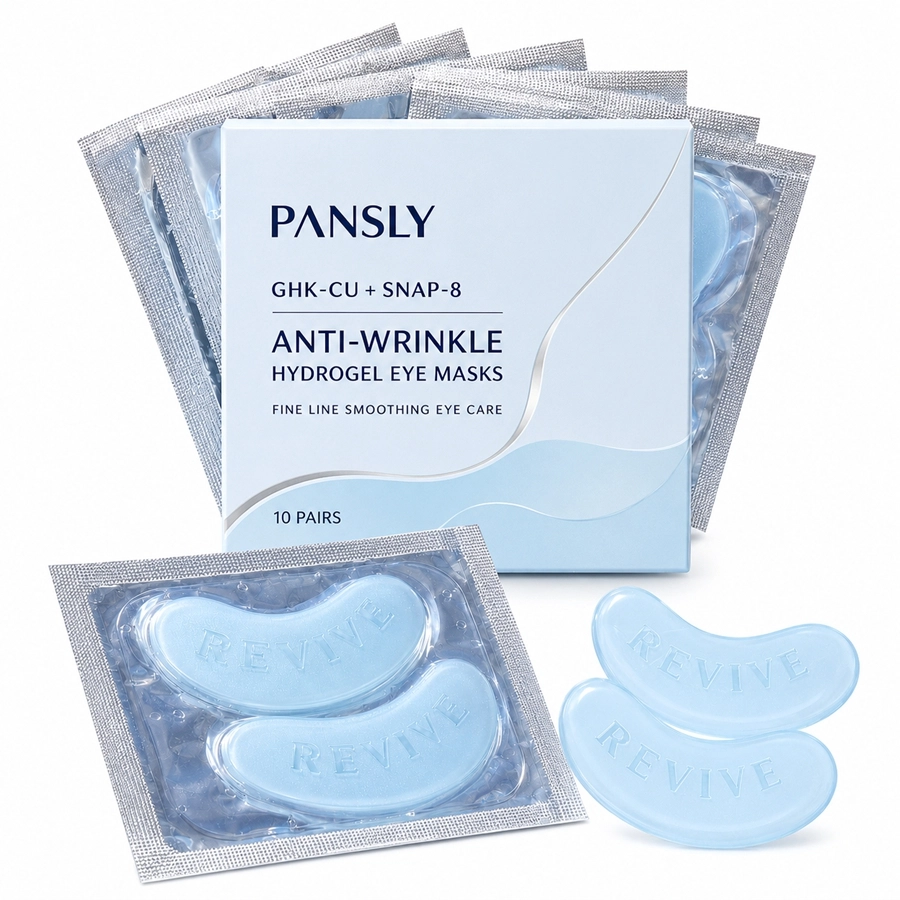
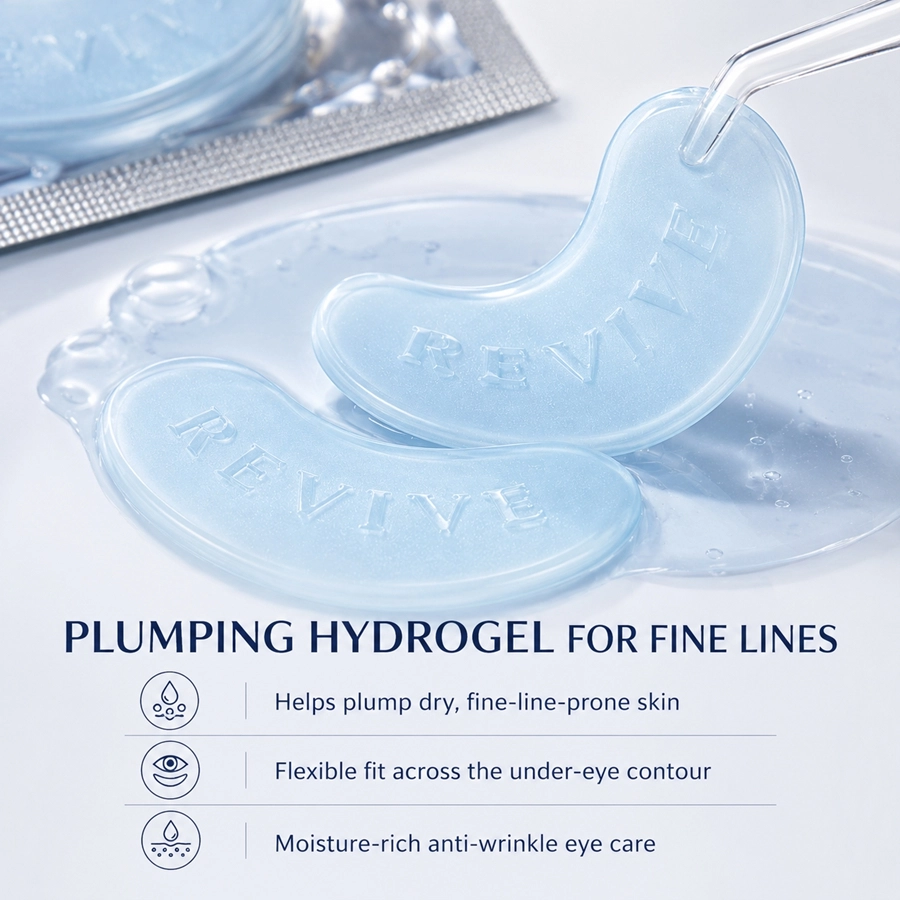
Hydrogel eye patches create a separate sensory experience from a facial serum. Their retail appeal may involve a cooling feel, convenient application and gifting potential. A clinic or spa can consider them as an optional cosmetic accessory to an established routine, rather than a required procedure follow-up product. Suitability for the eye area, formula stability, patch packaging and user instructions need independent assessment. NAD+ carries a biochemical identity that should not be translated directly into unproven topical cellular-energy claims.
An eye patch also requires different inventory handling from a serum. A jar, inner seal, applicator and carton can increase product cost and packing complexity. Staff need to communicate appropriate application areas and any label warnings. A buyer should ask whether the product will sell as a single item, a retail gift or part of a set, because the commercial calculations differ. Beyond Basix can discuss the current PDRN NAD+ eye-patch concept as one potential product direction, but it should not be promoted as an immediate post-laser or post-microneedling treatment without a separate basis for that claim.
Fragrance-Free Is a Formula Specification, Not a Decorative Claim
Clinics and spas often prefer restrained fragrances or fragrance-free positioning, yet these terms require precise definition. Removing an added perfume does not necessarily eliminate all odor from the raw materials. An ingredient can have an inherent scent, and some formulations may include masking ingredients even when they are described as mild. Buyers should state what fragrance-free means for their intended market and consumer expectations, and the manufacturer should explain which claims can be supported by the actual ingredient list.
A fragrance modification can affect sensory acceptance and may require fresh stability or preservation assessment. A product is not automatically suitable for sensitive or compromised skin merely because perfume has been removed. Staff should also avoid presenting fragrance-free as equivalent to allergy-free or medically sterile. We recommend that clinics sample the intended formulation, review its ingredient declaration and understand what evidence is available. If the brand wants to claim suitability for a defined group, appropriate assessment must be planned. Precise language builds confidence without making guarantees the product cannot support.
Clinic Positioning Versus Ordinary Retail Skincare
A clinic-affiliated product has a different trust context from an anonymous online serum. Customers may perceive greater authority when healthcare professionals or aesthetic practitioners display it. That makes accurate explanation especially important. A cosmetic can be offered as an ordinary moisturizer, cleanser or facial serum without being represented as medical treatment. Labels and staff scripts should avoid suggesting that a product prevents complications, accelerates healing or substitutes for professional follow-up when the available evidence and classification do not support those statements.
Merchandising can still feel professional. A concise product description, clear ingredients, batch information, appropriate directions and restrained packaging can align with a clinic's visual identity. The product should be chosen for a real customer need rather than simply to make the checkout counter look complete. A brand may also want to train staff on how to discuss ordinary cosmetic use and when to refer clients back to professional advice. Beyond Basix can provide product development information, while the clinic retains responsibility for its professional recommendations and market-specific retail practices.
The Financial Model for One Product
Suppose a clinic considers a serum with an illustrative retail price of thirty-five dollars. Its financial model should subtract the actual cost of the filled unit, packaging, inbound transport, selling fees and any staff incentives or promotions. The difference is not necessarily operating profit because the clinic also has rent, staffing, marketing, administration and potentially unsold inventory. A high retail markup does not prove a high-margin business, particularly if volumes are low or a large share of customers receive discounts.
To examine feasibility under an illustrative ten-thousand-dollar startup ceiling, the clinic should compare quotations for several possible order quantities and include design, testing, documentation and transportation costs. It should also consider how long stock may sit before selling. The first launch can be treated as a commercial experiment with defined measures: units sold, repeat purchase, consumer satisfaction and contribution after relevant costs. These measures may show that a single hero SKU is sufficient or that a second companion product has earned a place. The manufacturer cannot guarantee those outcomes by setting a low MOQ.
Retail Training Without Medicalizing the Product
Staff education should focus on verified product information: texture, intended cosmetic use, ingredient identity, packaging, storage and label directions. It should not turn research on isolated actives into sweeping statements about a finished product's medical effects. Front desk staff and practitioners may have different responsibilities, and sales incentives should not encourage claims that exceed the evidence. A short product reference sheet can help maintain consistent language across shifts and locations.
For a clinic with multiple professionals, it may be valuable to establish a review process for product descriptions and social-media copy. Statements made in consultation or on a live video can be considered marketing claims even if they do not appear on the printed carton. The team should know when a question concerns ordinary skincare and when it requires a clinician's specific advice. Beyond Basix can help explain formulation and packaging options, but no generic private label training material should replace local legal or clinical judgment. Clear boundaries protect both consumers and the reputation of the business.
Packaging That Looks Appropriate in a Professional Setting
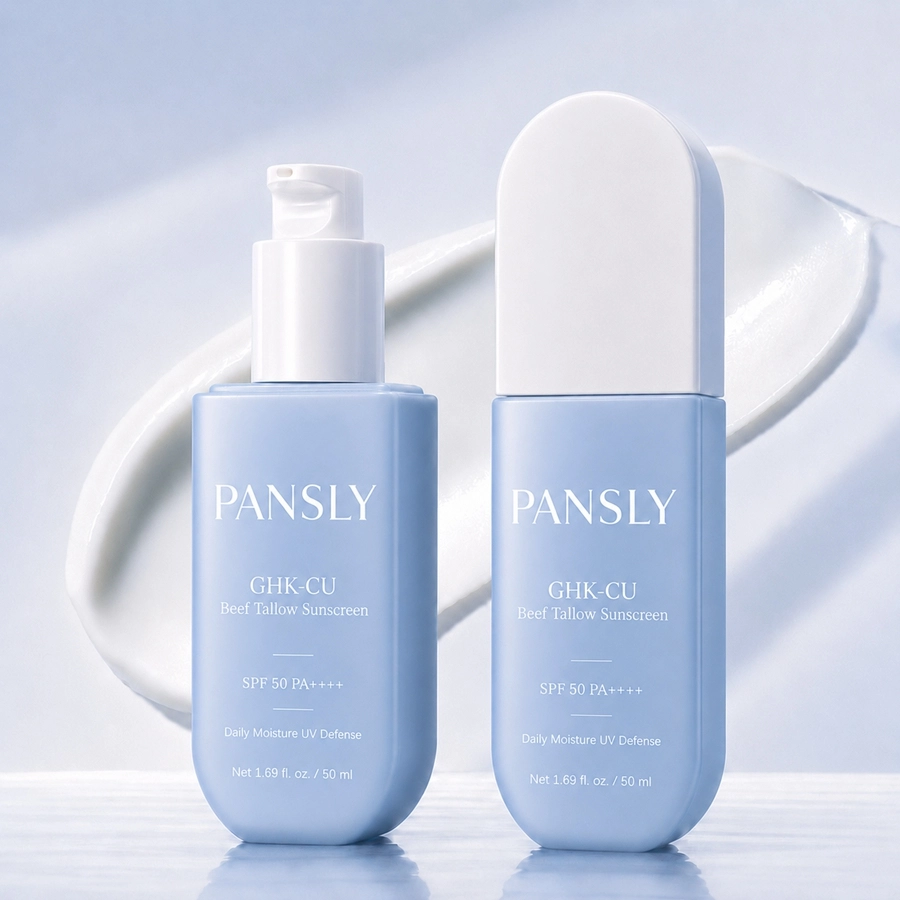
Premium packaging need not be elaborate. A simple pump, dropper or tube may appear more credible than a heavily decorated container if it dispenses consistently and communicates the product clearly. Clinics should select packaging that is practical for customer handling and fits the actual formulation. A bottle displayed beside treatment equipment may experience different light, heat and handling conditions from one kept in a home drawer. Those factors should be considered in storage instructions and packaging design.
A complete packaging specification includes container material, closure, fill size, label dimensions, necessary warnings, carton requirements and distribution conditions. Custom decoration can create an additional minimum order or approval stage, which may be difficult for a small clinic launch. Stock packaging with accurate, carefully designed labels can be a reasonable starting point where available. Beyond Basix can discuss component options alongside formula requirements, but an attractive container should not be approved without considering compatibility, dispensing and transport. The branded product should function as professionally as it looks.
Do Clinics Need a Proprietary Formula?
A clinic may assume that private label success requires a unique laboratory formula. That is not always the case. Customers may be attracted to the quality of service, consistency of the routine and availability of products recommended in a trusted environment. An existing formula can provide a starting point when its specifications, performance and claims fit the intended use. Custom development becomes more relevant when the business has a specific unmet need or a target texture that current products do not provide.
Custom formulation introduces responsibilities: development costs, revised testing, raw-material sourcing and potentially more complicated production. It may also lead to expectations of exclusivity or formula ownership that must be established contractually. The clinic should compare those obligations with the practical value of a distinct product. A good first step is to review available formulations and packaging rather than commission a complex multi-active blend simply to appear innovative. Beyond Basix can discuss both standard and custom options, with clear separation of what is already established and what requires additional work.
How to Source Products for a Multi-Location Practice
A clinic chain has different operational needs from a single treatment room. Multiple locations may require consistent labels, clear reorder processes, shared staff information and batch traceability. The central business should know which products each location carries and monitor inventory aging to avoid overstock in low-volume branches. A uniform product line can help maintain brand identity, but the manufacturing and packaging plan must account for distribution complexity.
For several locations, procurement may benefit from a stable core range with a limited number of optional specialty products. A coherent item numbering and batch-record process makes stock management and complaint investigation easier. Clinics should clarify whether orders are shipped centrally or distributed to individual premises, because freight and handling costs can be substantial. The manufacturer should explain the documentation and quality expectations relevant to each SKU. Beyond Basix supports discussions about private label range planning, but a clinic should establish its own local inventory and customer-support responsibilities alongside any manufacturing arrangement.
The Regulatory Boundary Between Cosmetics and Medical Claims
A cosmetic product and a medical treatment are not interchangeable categories. Words such as wound healing, tissue regeneration, treatment of inflammation or prevention of procedure complications can affect regulatory classification and substantiation requirements. Whether a product is permitted for a particular use depends on the formulation, evidence, marketing, distribution and rules of the jurisdiction. In a clinic environment, it is particularly important not to assume that a cosmetic is suitable on damaged skin simply because its ingredients have been discussed in medical literature.
International private label buyers may need to address US cosmetic requirements, European safety and notification obligations, or equivalent rules in other markets. The exact responsibilities vary and cannot be reduced to a universal factory certificate. Brands should agree who supplies product documentation, who is responsible for market authorization or notification where necessary, and who reviews the printed claims. Staff should use instructions consistent with the label. We prefer a transparent distinction between ordinary cosmetic benefits and therapeutic effects over marketing language that may expose the clinic to avoidable regulatory or reputational risk.
Inventory, Replenishment and Professional Retail Economics
A retail line requires its own demand forecast, even when sold within an established clinic. Product purchases may be linked to appointment traffic, seasonality, client demographics and staff recommendations. These patterns can change when the business hires new practitioners or opens another branch. A low initial order may reduce inventory exposure, but it must still cover the manufacturer's feasible batch and packaging requirements. A larger order can improve unit economics in some cases, yet it raises holding costs and the risk of slow-moving stock.
The clinic should track sales by SKU and location rather than only total retail revenue. Reorder decisions can then reflect actual sales velocity and supplier lead time. A gift set may be popular during a holiday but not provide steady year-round replenishment. Batch identification, stock rotation and suitable storage conditions deserve attention, particularly for products displayed in bright or warm spaces. Beyond Basix can discuss repeat-order planning and packaging logistics, while the clinic must manage local demand and fulfillment. A profitable line is built on dependable replenishment, not just an appealing opening display.
Marketing Through Client Trust Rather Than Exaggerated Before-and-After Claims
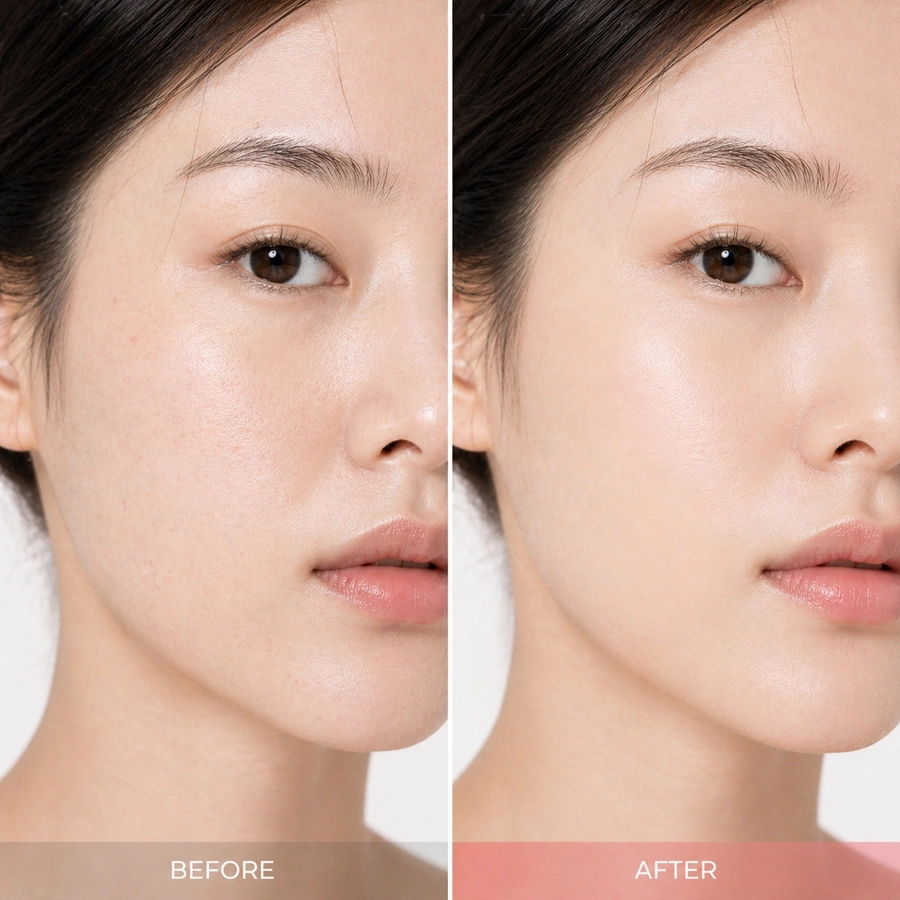
Clinic-associated skincare can be promoted through clear education about product format, texture and everyday usage. Educational displays, staff demonstrations of dispensing and honest explanations of ingredient roles may be more sustainable than dramatic clinical promises. Before-and-after imagery should be evaluated carefully for claim substantiation, lighting consistency, editing and the applicable advertising rules. An individual's improvement after a procedure does not prove a retail cosmetic caused the outcome.
A business can distinguish its brand through service and clarity. Customers may appreciate knowing why a moisturizer was selected, what texture it has and where it belongs in a normal skincare routine. Rather than invent clinical trial results for a private label formulation, the clinic can request the documents and testing available for its particular SKU and communicate only supported information. Social-media partnerships and influencer scripts should follow the same boundaries as product packaging. Beyond Basix sees transparency as a useful long-term positioning strategy because it helps customers understand exactly what they are buying.
How to Brief Beyond Basix for a Clinic or Spa Range
A useful inquiry identifies the business type, intended market, product categories, consumer profile, desired texture, fragrance policy, pack sizes, quantity assumptions and timing. Clinics should also state whether the products will be sold as everyday retail skincare or proposed for any treatment-adjacent use. The latter requires particular care and should not be assumed suitable without specific evaluation and regulatory review. Brands can provide visual references for packaging, but should avoid assuming that a finished competitor formula can be reproduced exactly.
The request should identify the required documentation and who will review claims, labeling and market obligations. If the clinic wants a single hero serum, we can discuss relevant in-catalogue concepts and customization possibilities. If it wants a set, the business should explain the role of each product and the intended retail price architecture. Production quantities, sample costs and timelines can then be discussed against a defined specification. Beyond Basix cannot responsibly promise a universal ten-thousand-dollar launch or immediate procedure-use suitability, but it can help buyers frame a coherent private label development discussion.
A Practical Launch Decision for Clinics and Medi-Spas
A clinic-branded skincare line should begin with a clear commercial purpose. The business may want a consistent retail offering, an accessible moisturizer, a premium serum or a small self-care collection. Its success depends on product suitability, staff communication, retail economics, inventory management and accurate claims. The clinic's professional reputation creates an obligation to be particularly careful with marketing statements. An appealing scientific ingredient does not turn an ordinary topical cosmetic into a medical intervention.
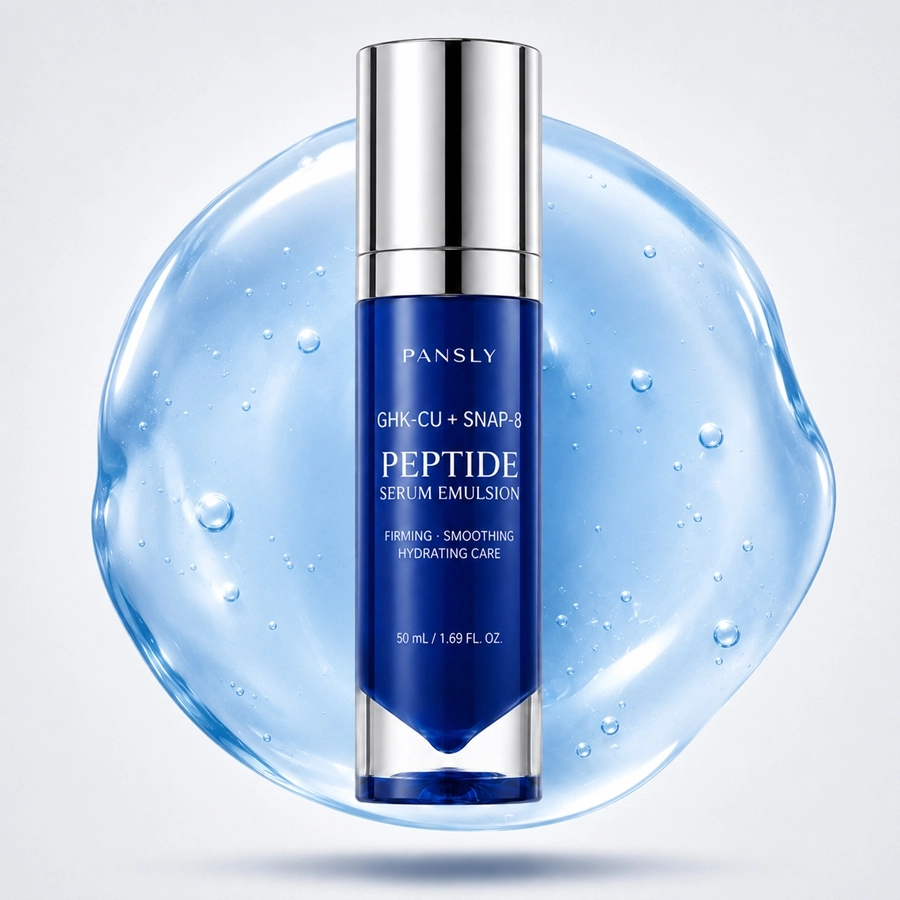
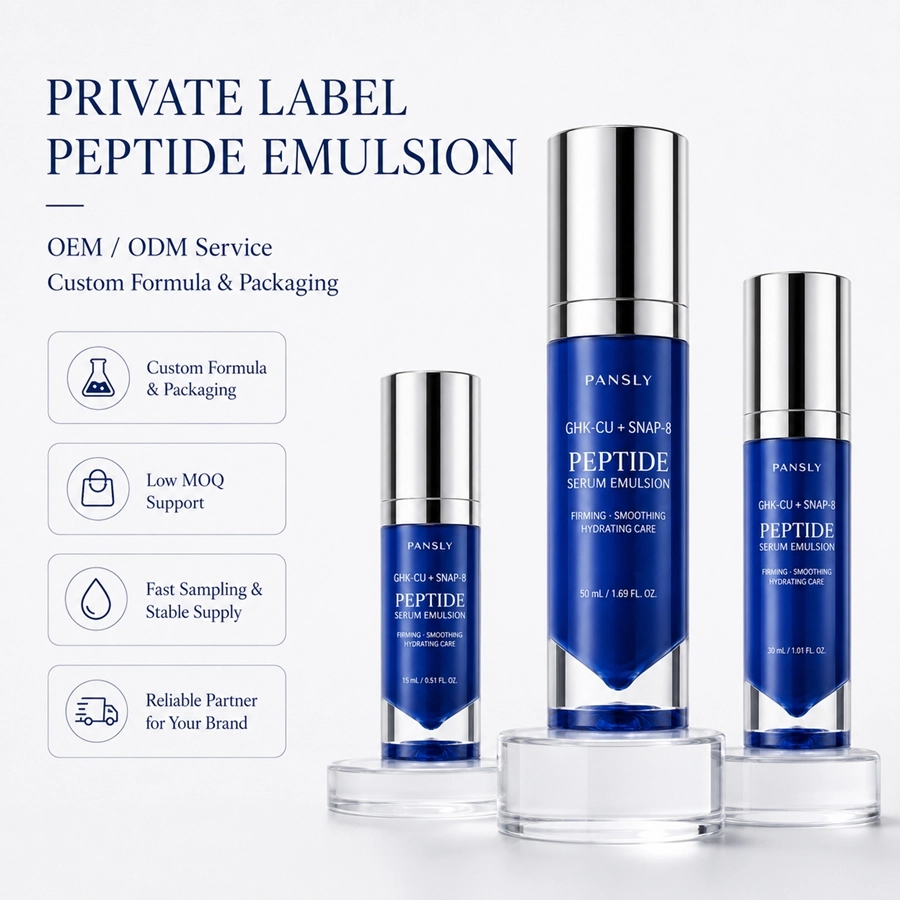
Beyond Basix can support discussions of existing PDRN, centella, peptide and eye-care product formats, packaging and private label development. A sensible first step is to define one or two products that fit the intended consumer and budget, then verify the necessary specifications and documents before making commitments. A cost ceiling is a helpful planning tool only when all material expenses are included. A sustainable in-house retail line should be based on dependable quality and measured commercial demand rather than promises of guaranteed repeat sales, profit or post-procedure recovery.