
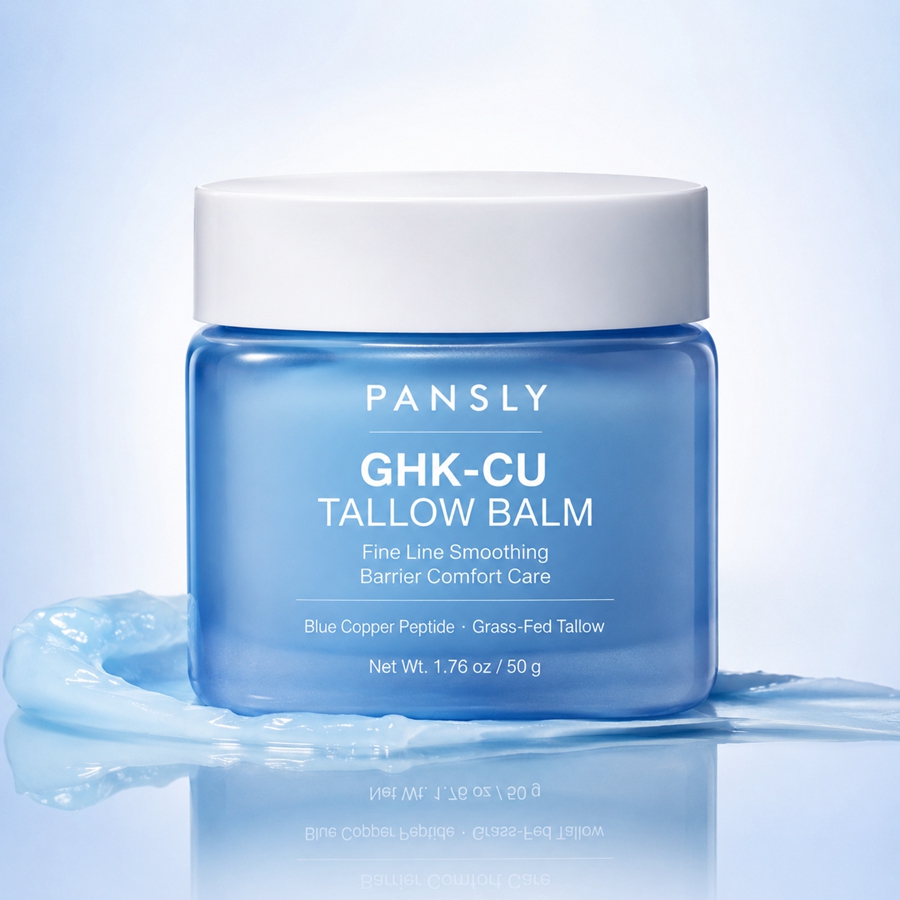
GHK-Cu Tallow Facial Balm
A rich facial-balm direction for moisturizing and dry-skin comfort positioning.
Explore Product →Blue copper peptides and beef tallow create a distinctive opportunity for premium skincare: a recognizable peptide ingredient within a rich lipid-based facial balm. But combining Copper Tripeptide-1 with a tallow base is not simply a matter of adding a blue ingredient to melted fat. We develop the complete system around peptide compatibility, preservation, texture, packaging, cosmetic claims and the skin-feel that buyers expect from a premium product.
At Beyond Basix, we help beauty brands convert an ingredient concept into a private label or custom OEM/ODM skincare formula suitable for evaluation, sampling and scalable production.
Beef tallow gives a face balm a particular character. Its fatty-acid and triglyceride composition can create a dense, protective skin feel, which appeals to brands selling rich moisturizers for dry-skin routines. GHK-Cu brings a contrasting identity: a recognizable copper-peptide ingredient widely discussed in sophisticated skincare collections. Put together, the two ingredients can support a premium positioning that is neither a traditional anhydrous tallow balm nor a conventional watery peptide serum.
We see the commercial appeal of that contrast. A brand can communicate nourishing balm texture while introducing an ingredient-led facial-care proposition, with packaging and application choices that feel more contemporary than a general-purpose body butter. However, the product must still be coherent. Buyers will notice the difference between a pleasant, smooth balm that fits their routine and a grainy, overly greasy or unstable product that only has an impressive label.
We begin with the finished product's intended role. Is it a nighttime facial balm, a small-format targeted moisturizing product, a cream with a tallow-derived lipid phase, or a richer SKU accompanying a lightweight peptide serum? The answer determines the formulation architecture and the tests required before retail launch.
GHK-Cu is associated in cosmetic use with Copper Tripeptide-1. It is relevant to ingredient-led cosmetic positioning around skin conditioning, smoother-looking skin and the appearance of firmness, subject to the formulation and the evidence supporting specific claims. The blue color often associated with copper peptides can create a memorable visual cue. Yet the color of a completed product is not proof of its peptide identity, activity or concentration.
Raw-material documentation must specify the supplied ingredient, assay basis and delivery form. Some commercial peptide materials are pre-diluted solutions, while others have different carriers and handling requirements. We ask for the actual specification and batch documentation so the finished formula can be designed around the supplied grade rather than marketing shorthand.
We also distinguish copper peptides from methylene blue. Both may appear in visually blue cosmetic concepts, but they are different substances with different chemical identities and formulation questions. We do not substitute one for the other or imply that a blue-tinted balm automatically contains either ingredient. Ingredient declarations must reflect the real formula.
Rendered beef tallow is primarily a lipid material. Its performance depends on refining, source quality, fatty-acid profile, oxidation condition and the way the balm is structured. It is not interchangeable with the aqueous vehicle of a typical peptide serum. Copper peptide ingredients may require a suitable water-containing or otherwise validated delivery phase. For that reason, adding an aqueous peptide solution to a purely anhydrous balm can create compatibility, preservation and physical-stability issues.
At Beyond Basix, we review the desired texture before selecting the formulation route. A true water-free balm is a different product from an emulsified face cream that contains tallow. Both can be commercially attractive, but each requires its own ingredient and process decisions. We do not assume the same copper-peptide raw material can be incorporated at the same level in both systems.
| Format | Typical sensory identity | Key formulation consideration | Potential retail role |
|---|---|---|---|
| Tallow-rich balm | Dense, protective and deliberately rich | Lipid oxidation, crystallization, peptide-delivery feasibility, pack stability | Targeted dry-area or nighttime facial-care balm |
| Emulsified tallow cream | More spreadable, often lighter on the skin | Water phase, emulsifier, preservative efficacy, pH and peptide compatibility | Daily moisturizing face cream |
| GHK-Cu facial serum | Lightweight or gel-like application | Peptide identity, solution stability, viscosity and bottle interactions | Separate ingredient-led facial serum in the same collection |
Buyers sometimes request grass-fed beef tallow because the wording supports a natural-ingredient brand story. That descriptor needs supplier traceability and should not be treated as proof of a particular cosmetic performance. We evaluate raw-material odor, color, refining route, oxidation specifications and batch-to-batch consistency. A strong residual odor can undermine a premium face balm, while inconsistent raw material can affect both texture and finished-pack appearance.
We also consider how tallow behaves through changing temperatures. Some fat-rich products can become grainy as the lipid phase crystallizes and reorganizes. A sample that looks smooth immediately after cooling may change after storage or repeated warm-cold exposure. Stability testing therefore needs to examine the texture that consumers will actually receive, not just the appearance on the manufacturing day.
When a peptide grade is carried in water, the project may require a suitable emulsion or another verified formulation approach rather than a simple water-free mixture. Copper complex compatibility can be influenced by other ingredients, pH and processing conditions. We review the raw-material manufacturer's instructions and develop the process around realistic limits for temperature, mixing and ingredient addition.
Finished-formula testing determines whether the ingredient remains within appropriate specifications. We do not advertise arbitrary ingredient percentages without stating their basis, and we do not interpret blue color alone as an active-content result.
For a beauty brand, skin feel is the bridge between an attractive ingredient story and repeat purchasing. Tallow-rich formulas may deliver a long-lasting emollient sensation, but “rich” is not a universal compliment. Some consumers want a protective finish for cold climates or a nighttime routine; others expect rapid absorption and minimal residue. A successful product is designed for a defined audience rather than every possible skin type.
We work through three sensory decisions: glide during application, residue after the product settles and the appearance of the formula in the container. A balm that drags across the skin may need changes to its structuring system; a formula that feels too waxy may need a different balance of compatible emollients. Packaging and application quantity also influence perception, especially when a concentrated-looking balm is sold in a small jar.
A heritage-inspired brand may emphasize ingredient simplicity and a rich, familiar balm format. A modern premium skincare line may prefer a softer cream with copper-peptide positioning and understated packaging. We can develop either direction when the ingredient documentation and formula feasibility support it. What matters is that the consumer understands whether the SKU is a moisturizing balm, a daily cream or a companion treatment step.
Claims such as “repairs skin damage” or “heals irritation” should not be adopted merely because tallow and peptides appear in the same formula. We develop defensible cosmetic positioning tied to the finished product, with appropriate substantiation for the destination market.
Our product range offers multiple ways to approach the same ingredient family. Each format has a different texture and purchase role, making it easier to plan a coherent private label collection without repeating one formula across every SKU.
A rich facial-balm direction for moisturizing and dry-skin comfort positioning.
Explore Product →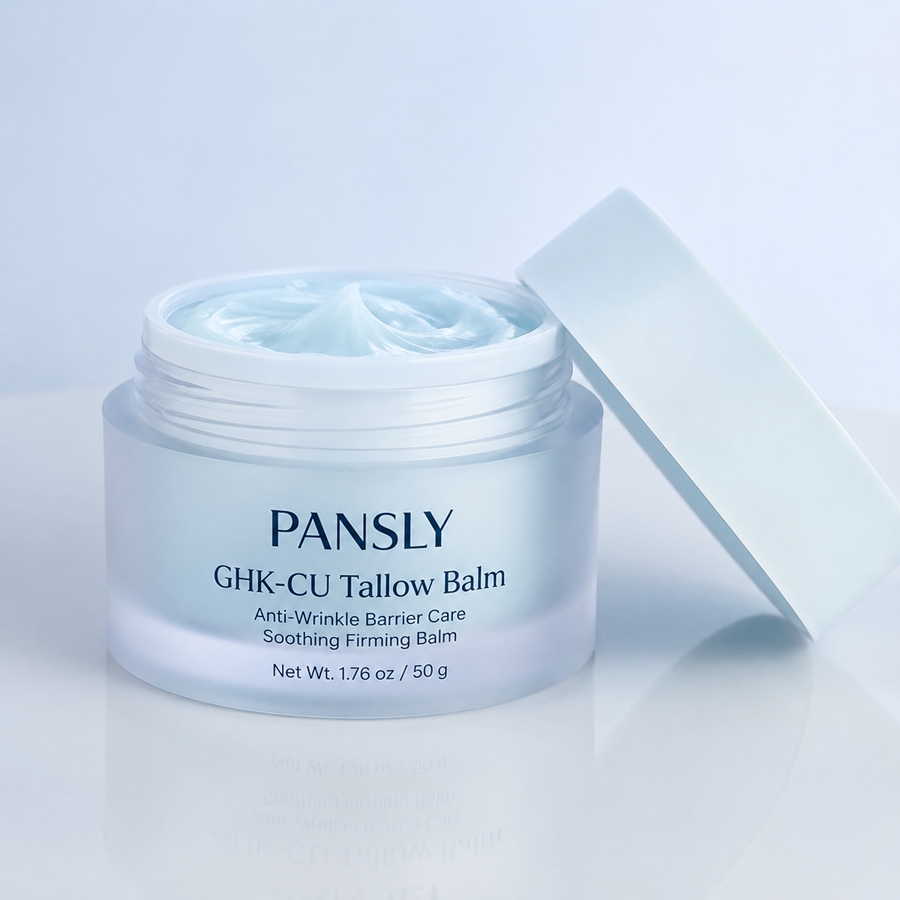
A dual-peptide balm concept for brands developing a differentiated premium age-care SKU.
Explore Product →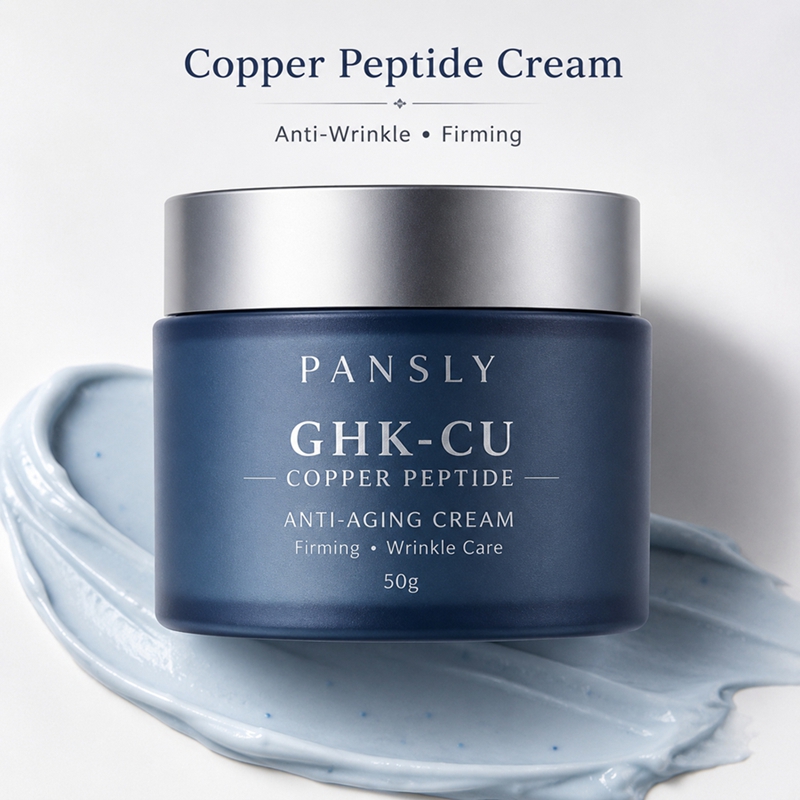
A cream-format companion for buyers who prefer a different application feel from a traditional balm.
Explore Product →A jar is a natural visual format for balm, but its suitability still depends on the product's composition and the intended use. We evaluate container material, closure integrity, liners, compatibility with fragrance or color components, label adhesion and protective packaging during transport. A decorative metal lid or unusually narrow opening may look attractive in a rendering while creating unnecessary handling or filling problems.
For a premium product, we consider whether the customer prefers a wide-mouth jar, a compact travel pack or a coordinated cream container. A jar encourages fingertip application, so any water-containing formula must have appropriate preservation and use-condition assessment. Even an anhydrous concept requires quality controls for its actual composition, manufacturing process and container.
Buyers sometimes compare quotes for a standard jar with quotes for custom-colored glass and a separate printed carton. These are not the same purchasing scope. We specify fill mass, component source, decoration, label material, carton, any inner seal and expected order quantity before giving a meaningful manufacturing quotation. Optional tooling and packaging minimums should be separated from recurring bulk production costs.
We begin with the target country, retail channel, expected product role, price tier, desired texture, ingredient priorities and packaging format. A product planned for spa retail may need a different pack and usage message from one launched through online subscriptions or a multi-product beauty assortment.
We confirm the tallow source, supplier specifications, peptide identity, carrier material and documentation relevant to the target market. Where a customer requests a grass-fed claim, the evidence supporting that claim should be addressed during sourcing. We also review proposed fragrances, botanical extracts and supporting emollients for formula compatibility.
We decide whether the product should be an anhydrous-style balm, an emulsified cream or another feasible format. The peptide material must be compatible with the selected vehicle, and the final processing method should not compromise key ingredients. Several sample textures may be compared against written acceptance criteria.
We plan testing appropriate to the formula, including appearance, odor, texture, packaging compatibility, oxidation-related changes and microbial considerations. Water-containing products require suitable preservative evaluation. Final cosmetic claims and shelf-life expectations should reflect completed testing rather than the ingredient name alone.
The agreed specification should identify formula version, pack components, fill weight, artwork, product appearance, quality checks and intended market. The approved sample becomes a benchmark for scale-up and recurring orders. Any change to tallow source, peptide grade or packaging may require additional assessment.
A premium balm needs to offer more than a premium label. The buyer should be able to explain why the texture, ingredient sourcing and packaging fit the target audience. We help brands evaluate whether custom formulation creates sufficient differentiation or whether a more straightforward product with well-executed branding is commercially sensible.
Product development costs may include ingredient qualification, sampling, packaging proofs, stability work and one-time component expenses. Bulk manufacturing costs depend on batch size, raw materials, filling complexity and the agreed packing unit. We prefer comparable finished-product quotes rather than a vague price per jar without documented specifications.
For a broader collection, a rich tallow balm may sit next to a lightweight GHK-Cu + SNAP-8 serum without repeating the same usage experience. That gives customers a clear choice between moisturizing balm and serum formats, and it gives the brand a more coherent merchandising story.
We can evaluate the combination, but the correct approach depends on the peptide grade, carrier, formulation architecture and intended product claims. An anhydrous balm and an emulsified tallow cream are technically different systems.
No. Copper Tripeptide-1 and methylene blue are different substances. The finished ingredient declaration must reflect the actual formulation; blue color alone cannot verify either ingredient.
We can discuss traceable sourcing options. Any grass-fed or similar origin statement should be supported by supplier documentation and reviewed for the intended market and pack claims.
Yes. The specific program should reflect the finished formula, including texture and graininess, oxidation, packaging compatibility and microbiological considerations appropriate to the actual water content and use conditions.
A rich balm and an emulsified cream can differ substantially in water content, feel, preservation, filling and packaging. We define the product role before choosing the structure.
Yes, subject to formula feasibility, ingredient sourcing, regulatory review and approved samples. We align the custom specification with the intended sales channel and forecast quantity.
Share the proposed market, ingredient direction, preferred consistency, jar size, packaging artwork and expected order range. We can review sampling and manufacturing scope against those specifications.
Tell us whether your brand needs a rich facial balm, a softer tallow cream or a coordinated copper-peptide collection. We can define the ingredient, sensory, packaging and OEM/ODM development requirements with your target market in mind.
Discuss Your Private Label Balm →Related Articles for Private Label Cosmetics




You May Also Like
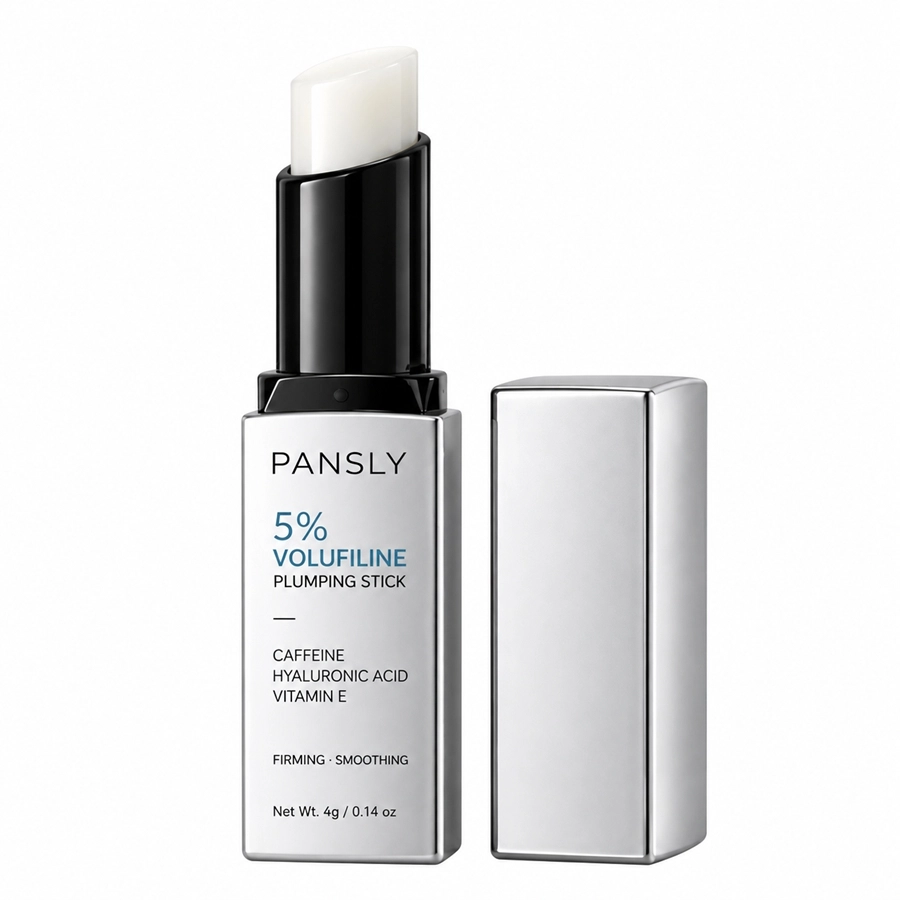
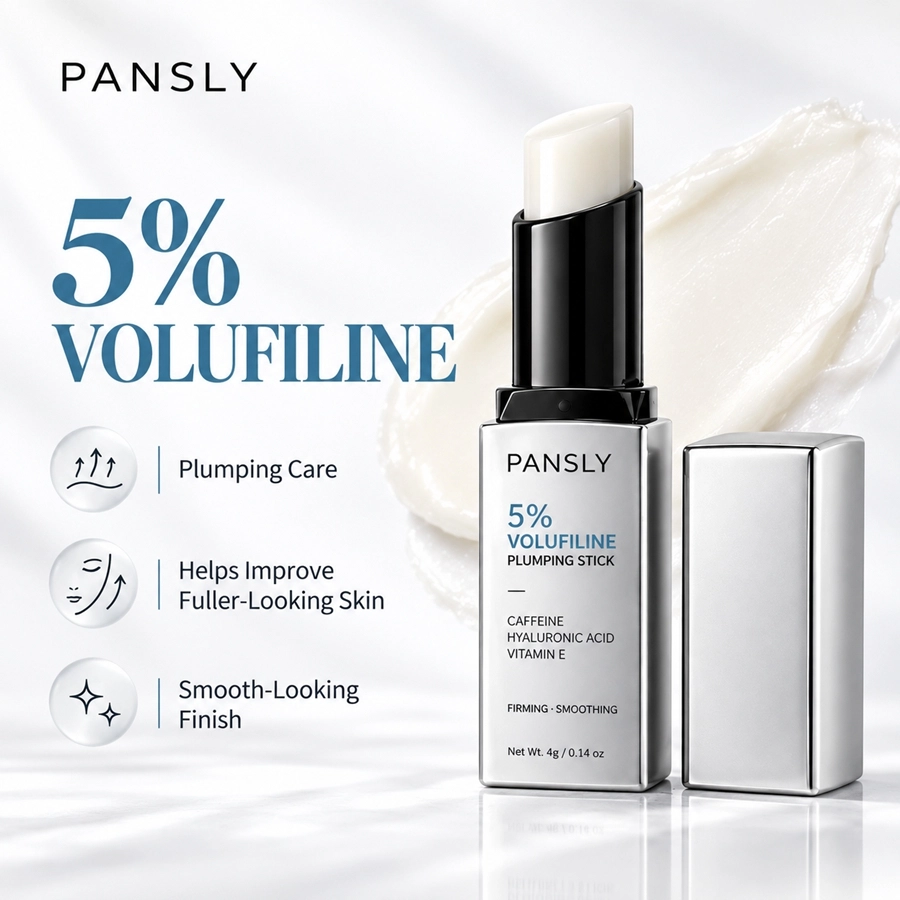
The Volufiline Plumping Stick contains 5% Volufiline in a portable balm for targeted facial care. Apply the Volufiline Lip Plumping Balm Stick to moisturize lips and dry areas, or use the Volufiline Anti Wrinkle Multi Balm to help skin feel smooth and hydrated.
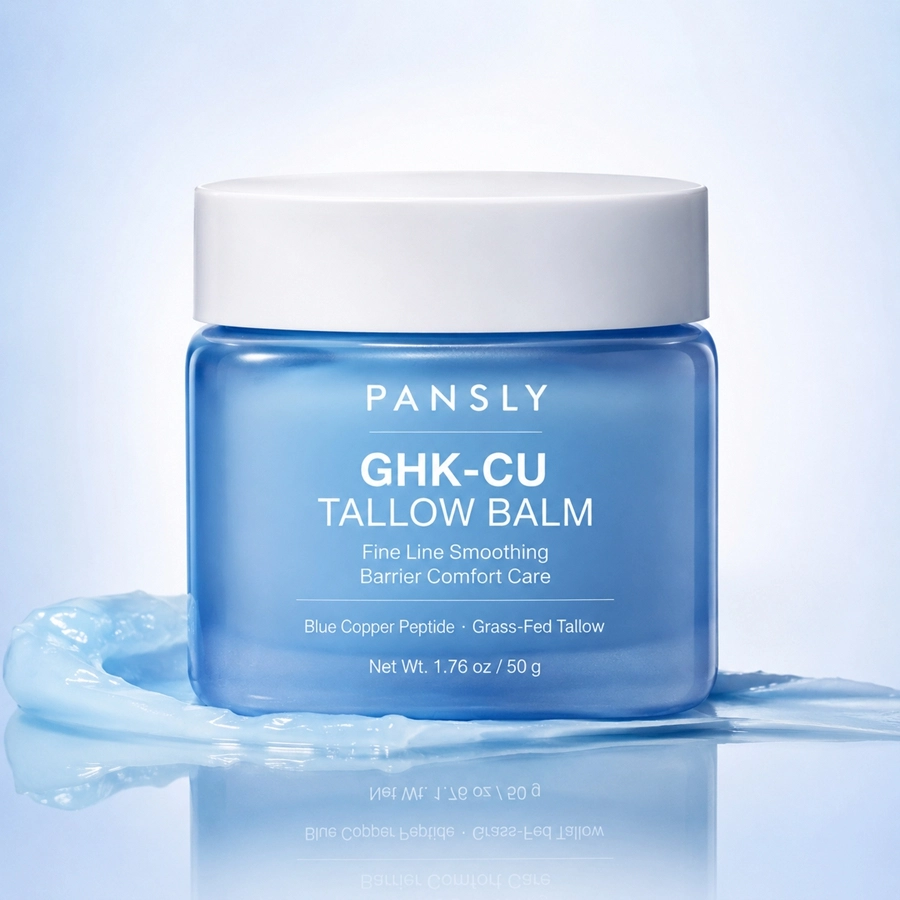
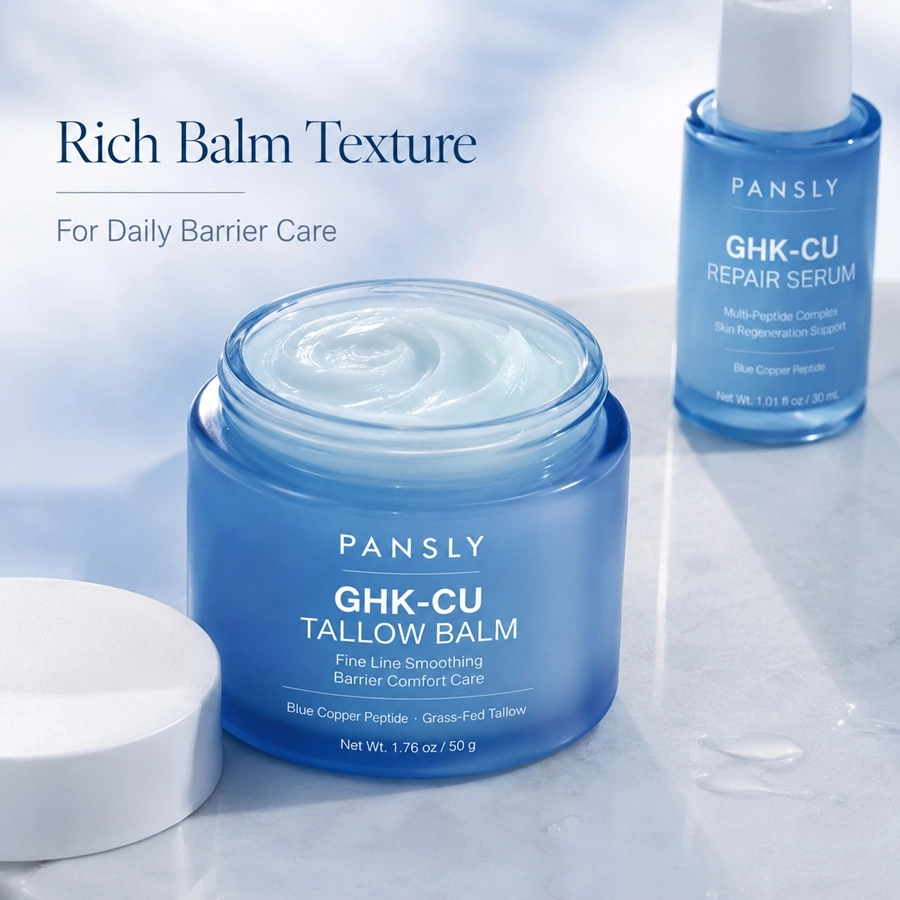
This Pansly GHK-CU Tallow Balm is nourishing barrier repair facial balm focused on smoothing fine lines and comforting sensitive dry skin. Formulated with 5 skin-friendly core actives to deliver anti-wrinkle, hydrating and barrier-strengthening triple care.
Premium multi-nutrient complex formula: GHK-CU Blue Copper Peptide visibly smooths fine lines and revitalizes dull complexion; Grass-Fed Tallow acts as nourishing base to supply rich lipid nourishment for dry skin; Ceramide NP reinforces skin moisture barrier to reduce sensitivity; Squalane delivers lightweight slip to create soft silky skin texture; Panthenol soothes skin discomfort and boosts long-lasting comfort.
Rich creamy lightweight balm texture melts comfortably into skin without sticky greasiness. Daily use blurs fine lines, deeply nourishes dry skin, repairs fragile barrier and leaves skin soft, smooth and healthy radiant.
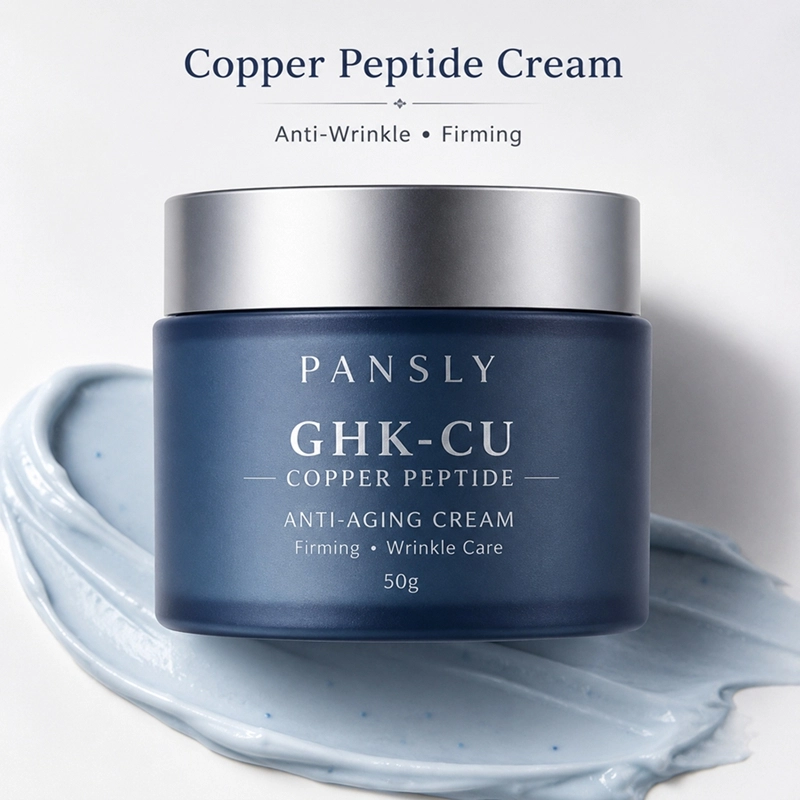
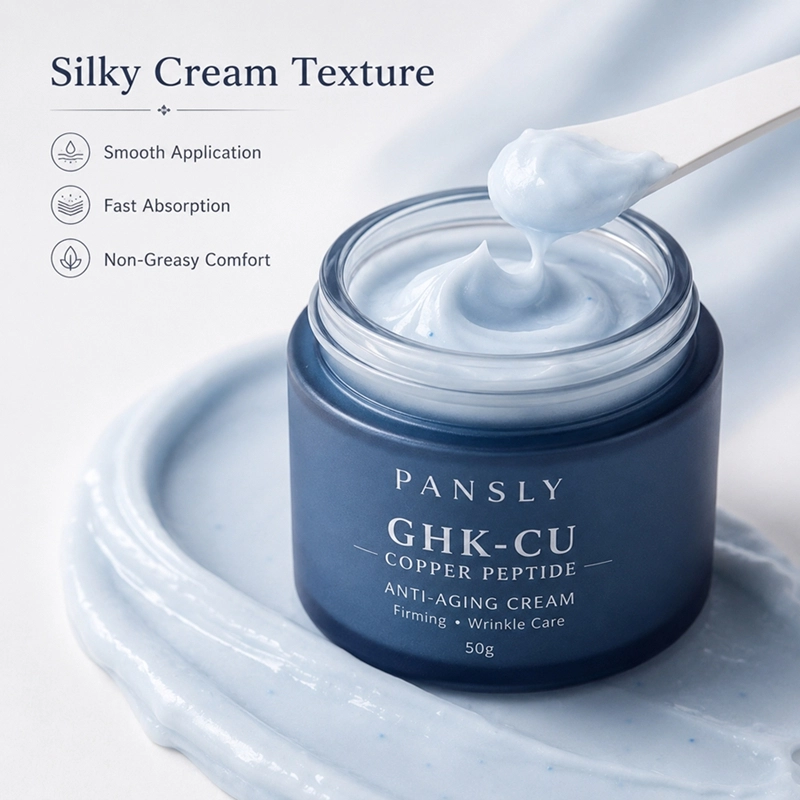
GHK-Cu Face Cream, a copper peptide anti-aging formula, hydrates deeply and supports skin barrier repair. Private label available for bulk orders, giving brands a ready-to-sell moisturizer with a blue copper peptide base for smoother-looking skin.
Get in Touch with us
If you have any comments or good suggestions, please leave us a message; later our professional staff will contact you as soon as possible.
Click here to customize the Beauty
we respond within a few hours
Monday–Friday, 9AM–6PM
3A01, Building A, Zhisheng Square, No. 4 Zhifu Road, Helong Street, Baiyun District, Guangzhou, China.
Leave a request, and we'll email you back within 24 hours.
© 2026 Beyond Basix. All Rights Reserved.
Chat with us
Want to learn more about customized cosmetic and skincare products? Chat instantly online with our experts for professional advice and answers.
Get a Free Quote
Submit your requirements and quickly get a quote for customized cosmetic and skincare products to help you make informed decisions.
Send My Request
Have a specific request or inquiry?
Send us the details through this form, and we’ll respond promptly to assist you with the next steps.
Custom Cosmetics and Skincare Products
Need a customized product?
Fill out this form and our team will work with you to provide a tailored solution to meet your needs and requirements.
Custom Cosmetics and Skincare Products
Need to customize your beauty brand product?
Fill out formula form and our team will work with you to provide a tailored solution to meet your needs and requirements.


