
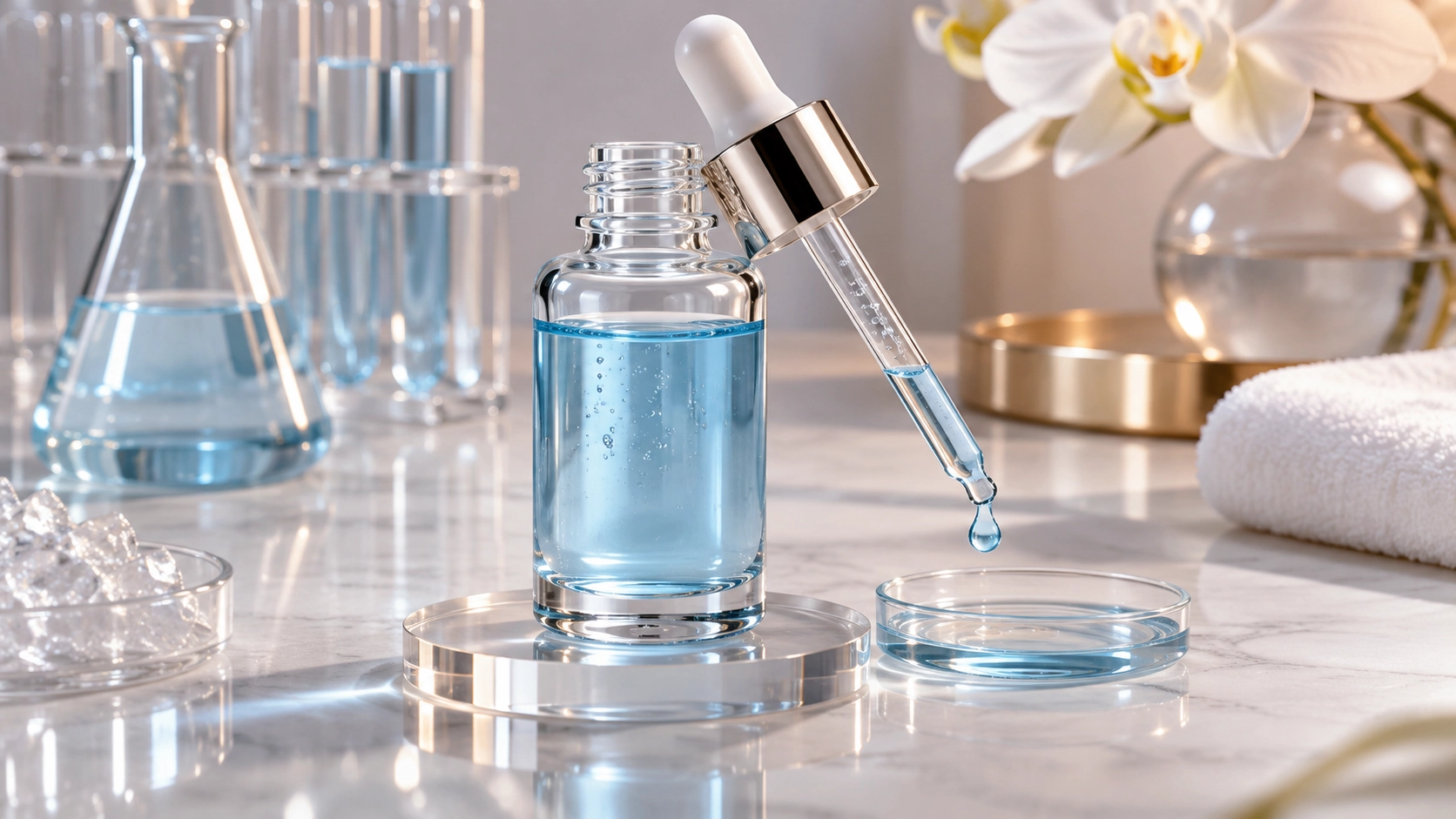
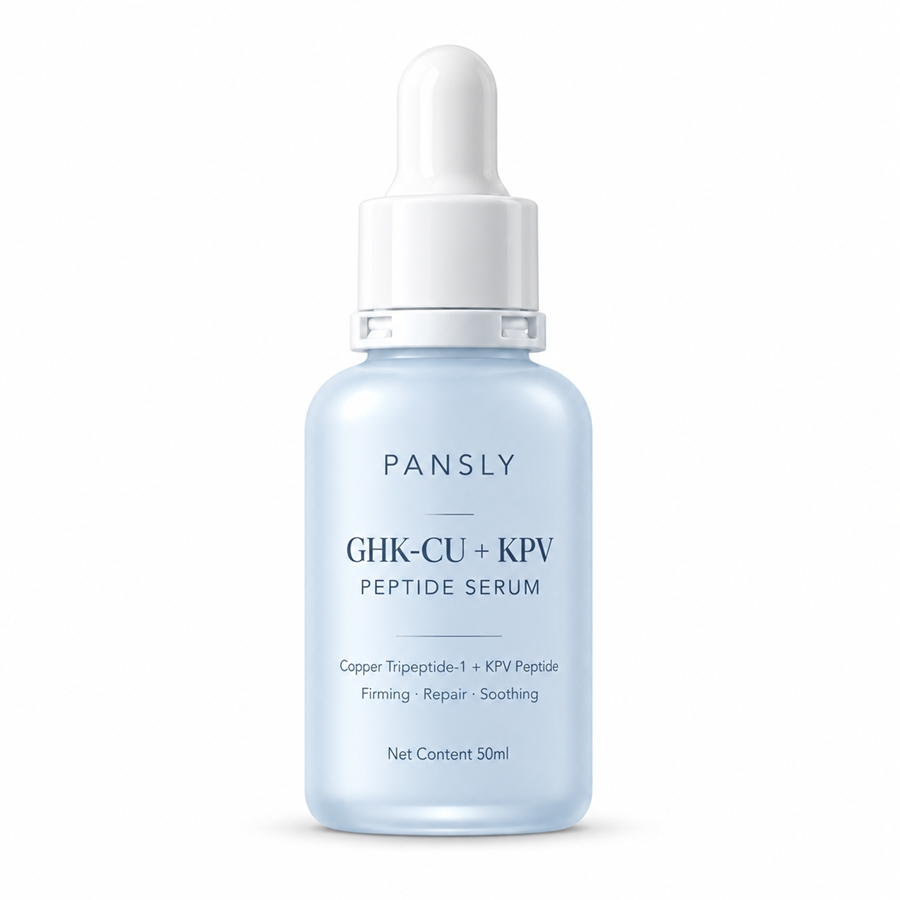
GHK-Cu + KPV Peptide Serum
Our GHK-Cu + KPV serum combines a dual-peptide concept with panthenol and ectoin.
View Product Details →Private label GHK-Cu + KPV serum brings together two distinct peptide concepts in a cosmetic facial serum: GHK-Cu for copper-peptide-led age-care positioning and KPV as a second peptide that must be evaluated through its actual cosmetic raw-material grade, documentation and approved claim scope. At Beyond Basix, we approach this combination as a complete finished-formula project, including ingredient sourcing, solubility, preservation, bottle compatibility, testing and brand positioning—not as a shortcut to medical claims.
For an established skincare brand, launching another serum only makes sense when the product fills a recognizable gap in the collection. A simple hydrating serum already occupies a broad daily-use role. GHK-Cu copper peptide serum can lead with a more ingredient-specific identity, but a second peptide changes the product story and introduces technical questions. The opportunity is to create a differentiated formula with a well-defined sensory experience, rather than a longer active-ingredient list.
GHK-Cu and KPV often appear together in ingredient-led conversations. In a retail cosmetic, however, consumers do not purchase molecular structures. They judge texture, ease of use, fragrance, appearance, packaging quality and whether the description makes a reasonable promise. A brand owner also needs repeatable bulk production, compliant artwork and a finished-product specification that the manufacturer can maintain from sample to shipment.
At Beyond Basix, we offer GHK-Cu + KPV peptide serum for private label development. We tailor the finished formula and packaging to the destination market, target cosmetic positioning and approved ingredient documentation.
GHK-Cu is the copper complex of the GHK tripeptide, commonly associated with the cosmetic ingredient name Copper Tripeptide-1. It has a recognizable copper-peptide identity that can support a premium facial-serum story centered on skin conditioning, smoother-looking skin and the appearance of firmness, subject to the evidence available for the specific finished formula.
KPV is the short amino-acid sequence Lys-Pro-Val. It is discussed in peptide research and specialist ingredient markets, but research interest does not automatically establish that any KPV raw material is suitable, permitted or claim-substantiated for every topical cosmetic market. A supplier should provide the correct substance identity, declared labeling name, specification and supporting safety documents. We do not treat laboratory or medical literature as direct proof for a retail facial serum.
| Factor | GHK-Cu | KPV | Implication for the finished serum |
|---|---|---|---|
| Ingredient identity | Copper-peptide complex; commonly Copper Tripeptide-1 in cosmetic contexts | Lys-Pro-Val peptide sequence; commercial grades and declarations require verification | Confirm correct ingredient names and documentation before artwork approval |
| Brand story | Copper-peptide-led conditioning and visible age-care positioning | A specialist supporting peptide concept with carefully limited cosmetic claims | One clear hero story is easier to communicate than two competing claims |
| Development focus | Complex stability, compatibility, color and finished-formula assay where appropriate | Purity, solubility, formula compatibility, sourcing and safety assessment | Verify both peptides in the specific system, not only in incoming raw materials |
| Regulatory focus | Cosmetic ingredient and claim review in each destination market | Particular attention to ingredient status and intended claims | No medical, healing or therapeutic promises carried into cosmetic retail copy |
A strong GHK-Cu + KPV serum brief should identify which active leads the story. If the customer already recognizes copper peptide, GHK-Cu can remain the hero, while the overall formula is framed around a smooth skin feel and everyday conditioning. If the brand wants to communicate specialty peptide technology, it should be prepared to explain the second peptide without implying a drug-like effect.
We avoid phrases that suggest a cosmetic product can treat inflammatory disease, repair wounds or deliver injectable-style outcomes. Those are not ordinary cosmetic promises. Instead, the relevant development questions are whether the formula feels comfortable, remains stable, meets quality specifications and supports the precise cosmetic claims intended for the market.
Two peptides do not constitute a complete facial serum. The base has to deliver an appropriate level of hydration, a pleasing spread, suitable viscosity and preservation throughout the proposed shelf life. That often requires a more deliberate supporting system than simply dissolving two purchased actives in water.
Humectants such as glycerin, sodium hyaluronate and panthenol can be evaluated for a light, smooth finish. Depending on the intended product, a brand may also want a barrier-care narrative using compatible conditioning ingredients. Our GHK-Cu + KPV serum includes panthenol and ectoin in its ingredient concept. The final composition and amount of every material remain subject to formula specification and compatibility evaluation.
For a lightweight daily serum, the user should not feel an excessively sticky film. For a premium treatment-style serum, a slightly more cushioned texture may be acceptable. These are not merely copywriting choices: humectant concentration, polymer choice and packaging can alter spreadability, tack, drying time and the visible behavior of the product.
Peptide stability depends on the precise molecules, the grade supplied and the whole formulation. With a copper-peptide complex, formulation chemists also need to evaluate ligands, chelating agents, ionic conditions and ingredients that may change the copper-complex environment. We therefore review pH and the complete excipient system before declaring a final formula suitable for scale-up.
We do not publish a single supposedly universal pH value for every GHK-Cu + KPV serum. The acceptable target should be confirmed with suppliers' technical data and finished-formula stability evidence. A formula that appears attractive and blue on the first day may still change color, odor, viscosity or peptide content during a storage program.
The preservation system is part of formulation engineering, not an afterthought. Compatibility with the peptides and supporting polymers must be reviewed alongside preservative effectiveness and microbial quality. Cosmetic face serums should also be assessed for their intended application conditions and user population. The assessment determines the scope of suitable claims, warnings and directions on the finished package.
Private label buyers often compare these directions as if they were graded versions of one formula. They should be treated as distinct development choices. A well-positioned single-active serum can outperform a complicated blend commercially because its purpose, cost and testing plan are easier for retailers and consumers to understand.
| Serum direction | Strongest commercial use | Development challenge | Useful follow-on SKU |
|---|---|---|---|
| GHK-Cu alone | Recognizable copper-peptide hero serum and accessible ingredient education | Copper-complex stability and authentic active documentation | Complementary moisturizer or eye care |
| GHK-Cu + KPV | Specialist dual-peptide identity for differentiated premium skincare | Verification of KPV cosmetic suitability, claim boundaries and combined stability | Comfort-focused moisturizer or targeted peptide range |
| GHK-Cu + SNAP-8 | Peptide-led age-care and expression-line positioning | Compatibility, substantiation and a clear cosmetic benefit story | Peptide face cream or eye care |
The right selection depends on the brand's current assortment. If a retailer already carries a GHK-Cu serum, an adjacent KPV formula needs a meaningful distinction in texture, audience or use occasion. Launching nearly identical products under different names can confuse buyers, dilute merchandising and make it harder to explain the value of each formula.
We distinguish GHK-Cu and SNAP-8 by their ingredient roles when developing peptide-led skincare ranges. Every combined formula must undergo its own compatibility and stability assessment.
We develop GHK-Cu + KPV, GHK-Cu and GHK-Cu + SNAP-8 facial-serum options for distinct private label product positions. We review formula feasibility, samples, packaging and market-specific claim requirements for each project.
Our GHK-Cu + KPV serum combines a dual-peptide concept with panthenol and ectoin.
View Product Details →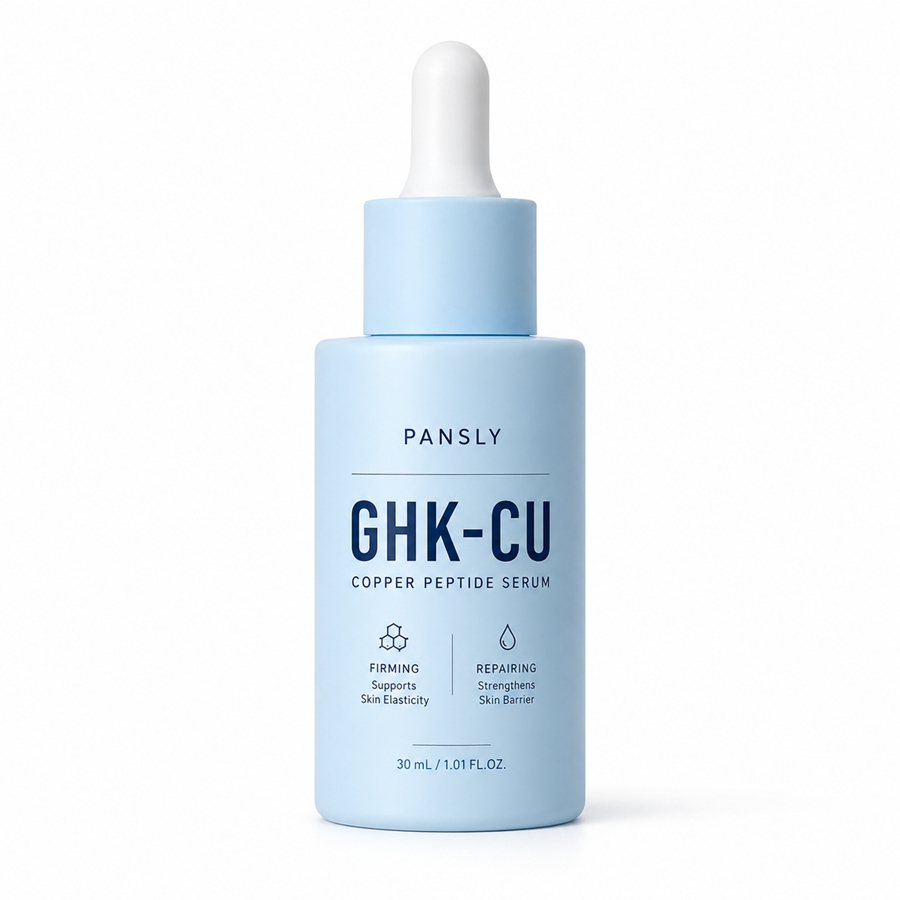
A more focused copper-peptide starting point for brands exploring a recognizable peptide hero.
View Product Details →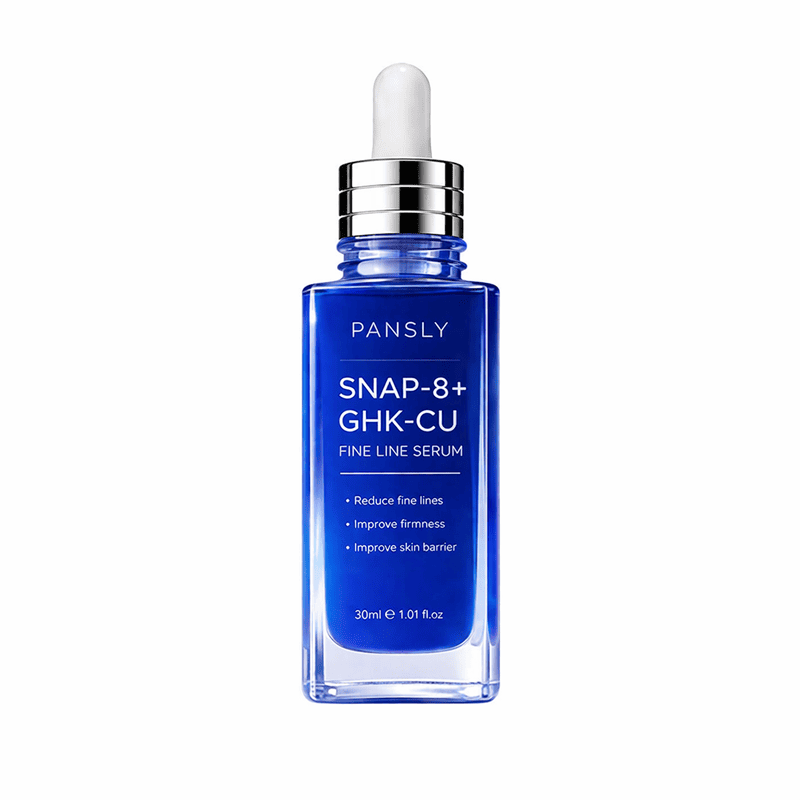
A complementary peptide development route when the range centers on age-care and expression-line positioning.
View Product Details →The bottle is part of the stability program. Dropper bottles can communicate a familiar premium serum ritual, but repeated opening exposes the contents to air and handling. Pump and airless formats may offer different application and protection characteristics, provided their components are compatible with the finished formulation. Opaque or light-resistant packs may be worth evaluating when the actual stability study indicates a need.
We begin with the target fill size, viscosity, consumer application method and desired retail presentation. Packaging samples should include the intended closure, gasket, pump or pipette—not only a visually similar bottle. A formula may perform satisfactorily in a laboratory container yet interact differently with a decorative metal collar, a new pump material or a color-treated glass bottle.
For emerging brands, a stock bottle with a custom printed label can reduce the number of bespoke components. For an established line, a decorated bottle, custom carton and coordinated secondary packaging can be commercially worthwhile. Both approaches require artwork approval, batch traceability and compatibility checks. Our quotation separates the base product from optional decoration and tooling so buyers can compare formats honestly.
We ask buyers to identify intended regions, retail channels and the claims they want to communicate. The ingredients and the type of evidence required may differ between markets. Claims that sound familiar in a specialist research community may be inappropriate on a cosmetic serum carton. We align the product narrative with the destination market before the final artwork goes to print.
A useful supplier package may include batch-specific certificates of analysis, identity and purity information, microbiological specifications, recommended storage conditions and other relevant safety documents. For KPV, we confirm the exact cosmetic-grade raw material and its declared ingredient identity rather than assuming that a research-use peptide listing is suitable for consumer skincare.
We review the color, viscosity, spread, skin feel, fragrance level and packaging interaction of candidate samples. Where the formula contains a distinctive copper-peptide component, its appearance can become part of the visual specification, but color alone does not prove active content. A brand should approve a documented sample and understand which aspects may be changed later only through formal review.
Quality control can include appearance and pH limits, viscosity, fill weight, microbial quality, packaging integrity and selected active or marker testing where suitable methods are available. Stability and preservation studies should be set according to the complete formula and shelf-life objective. We treat an approved laboratory sample as a development checkpoint, not as a blanket guarantee of a future shelf life.
A request for “GHK-Cu + KPV serum, 30 mL” is not sufficient for an accurate production quote. We also need the formula route, required tests, bottle and decoration, label and carton requirements, shipping destination and expected order range. The minimum order quantity for a ready base in a stock bottle may differ from a newly developed formula with custom packaging. We confirm achievable quantities after reviewing the complete brief.
Ingredient cost is only one component of the landed product cost. Peptide purity specifications, raw-material format, testing, preservative system, sample revisions, fill size, pump or dropper choice, decoration and secondary packaging can all influence the price. Buyers comparing factories should ask whether quotations include formula development, compatibility testing, artwork, cartons and freight terms.
Another important distinction is the price basis. An ex-factory quotation for undecorated bottles should not be compared directly with a finished, labeled and boxed product delivered under a different incoterm. We recommend a simple comparison matrix covering the same unit size, production quantity, batch testing and packaging specification. That prevents a seemingly cheaper unit price from becoming an expensive launch later.
Brands often want separate pages for GHK-Cu serum, GHK-Cu + KPV serum and GHK-Cu + SNAP-8 serum. That can work if each page clearly explains a distinct ingredient combination and buyer use case. Repeating nearly identical introductions and claims across all three pages makes the assortment harder to understand and the search intent less distinct.
For GHK-Cu + KPV serum, we define the exact formula identity, verified ingredient specifications, cosmetic claims and packaging requirements. For a GHK-Cu-only serum or a GHK-Cu + SNAP-8 serum, we establish a separate texture, application role and product position. This gives our customers a coherent collection that is easier to merchandise, quote and manufacture.
Yes, we offer a GHK-Cu + KPV peptide serum product reference and can discuss OEM/ODM requirements. Final formula composition, ingredient suitability, testing, packaging and commercial quantities are evaluated for the intended project.
No. KPV is a different peptide sequence; GHK-Cu is a copper-peptide complex. Their supplier specifications, formulation behavior and acceptable cosmetic claims should be evaluated independently before they are combined.
A cosmetic product should not adopt drug-style or treatment claims without the appropriate regulatory basis. We focus cosmetic development on supportable appearance and conditioning claims established for the market and the finished formulation.
There is no universal best bottle. Dropper, pump and airless packs should be compared against the specific formula's stability, consumer use, cost and branding requirements. Packaging compatibility testing informs the choice.
Formula options can be discussed, but feasibility depends on approved ingredient grades, compatibility, safety, production methods and applicable market rules. The meaning of any stated percentage must also be clear.
Request the agreed formula specification, relevant raw-material information, sample approval record, testing plan, packaging specification, artwork and commercial terms. The exact regulatory documentation should be established for the destination market.
MOQ depends on the chosen development route, batch requirements, bottle sourcing, labels, cartons and testing scope. We quote against an agreed finished-product specification rather than assigning an unverified universal number.
Share the target market, desired skin-feel, peptide direction, reference formula, bottle size, packaging artwork and expected quantity. We can review the feasibility of your private label project and define a practical sampling and quotation scope.
Discuss Your Custom Peptide Serum →Related Articles for Private Label Cosmetics




You May Also Like
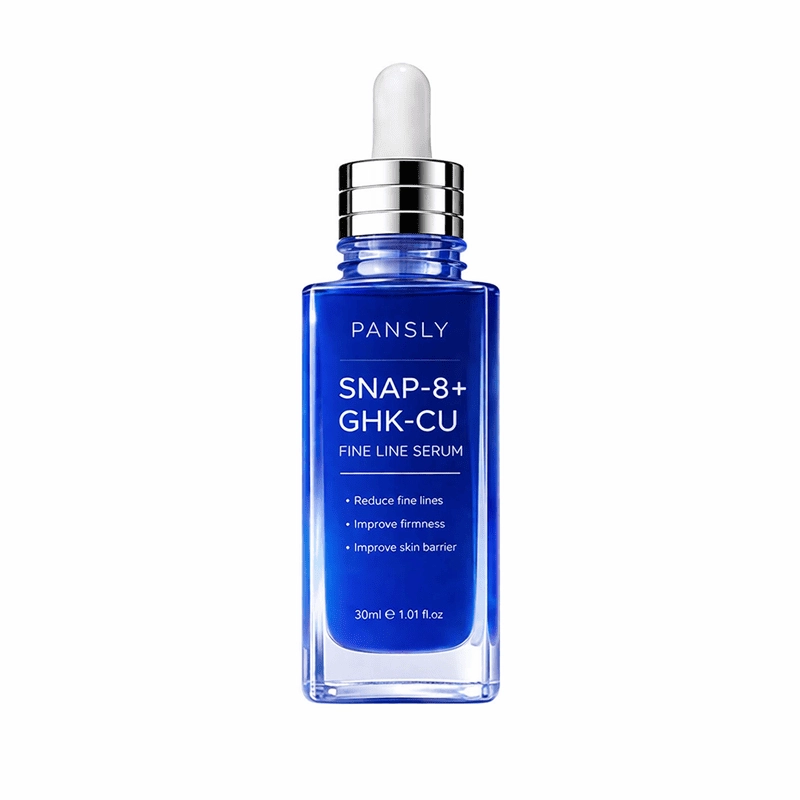
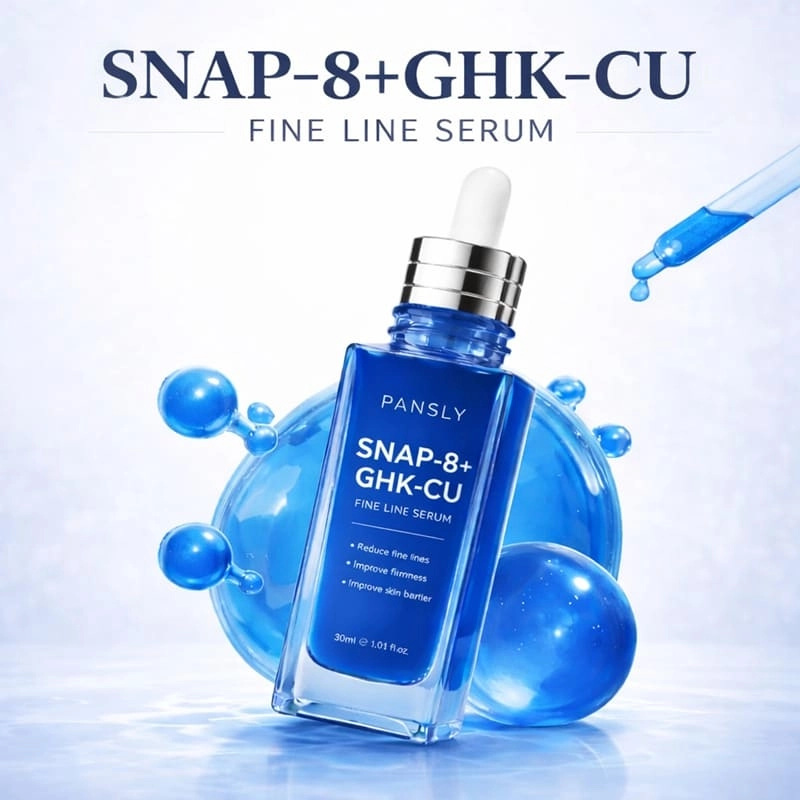
Private label GHK-Cu + SNAP-8 copper peptide serum for beauty brands developing peptide-led anti-aging and expression-line skincare. The formula combines a copper-peptide ingredient story with SNAP-8 positioning and can be discussed with custom texture, supporting skincare ingredients and packaging options.
Beyond Basix supports OEM/ODM sample development, packaging coordination and production planning. Final ingredient levels, claims, MOQ and lead time are confirmed according to the approved formula, target market and order requirements.
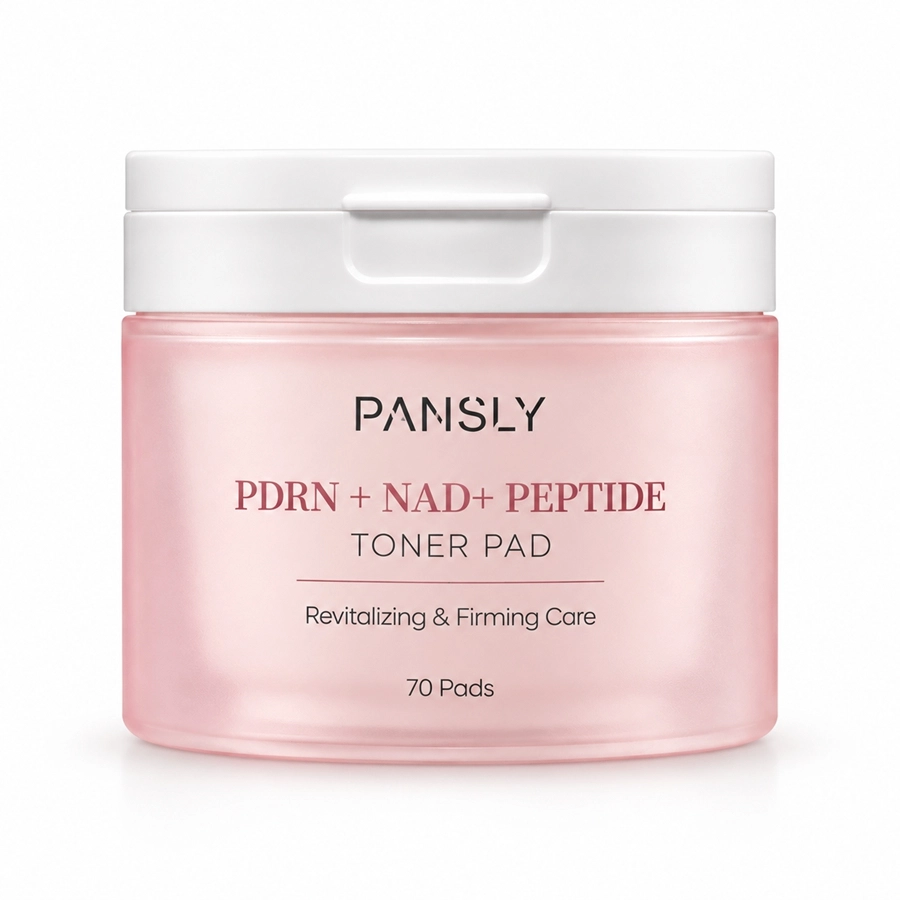
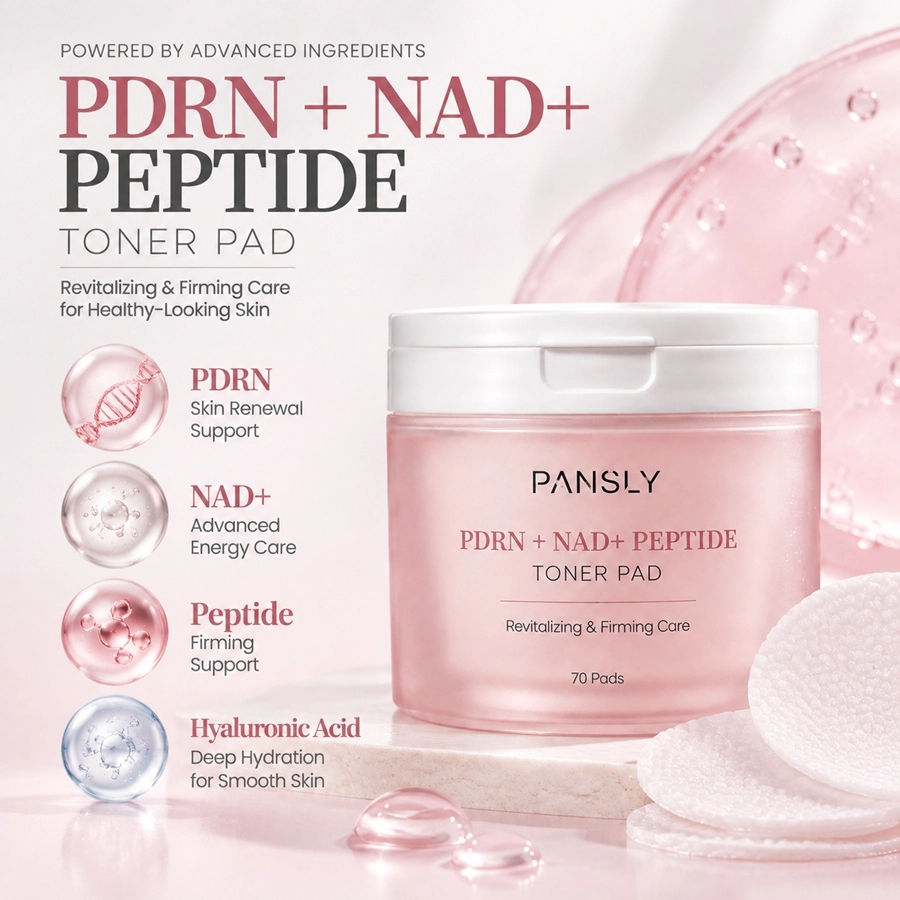
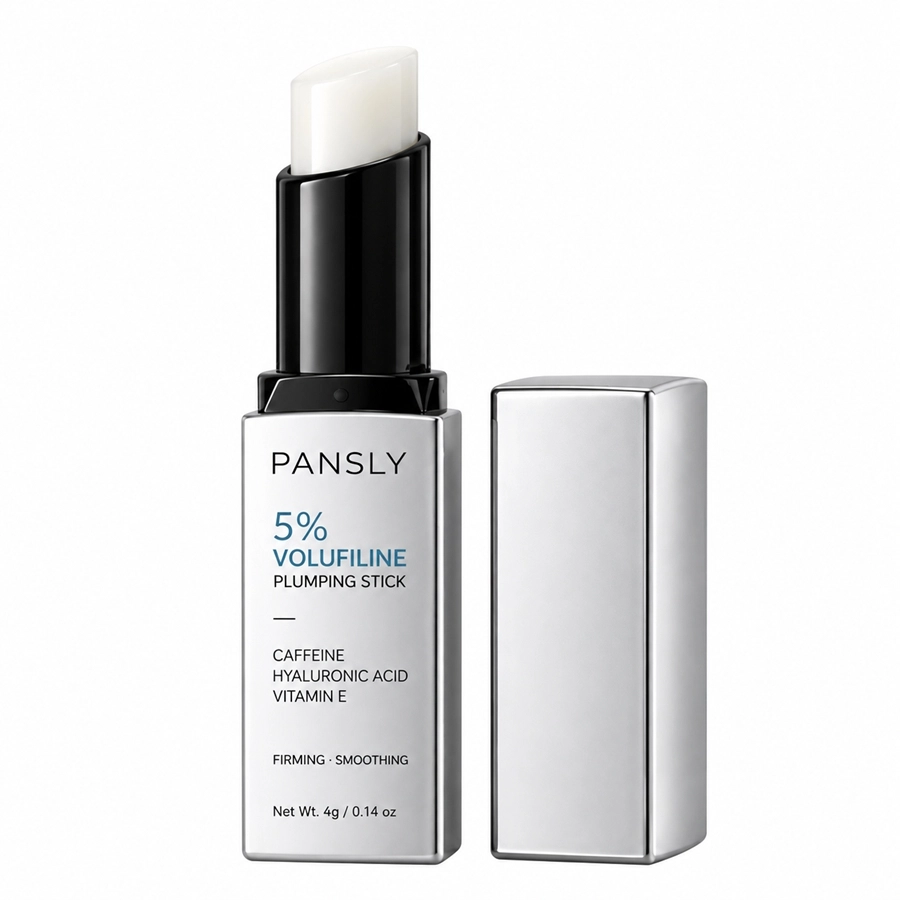
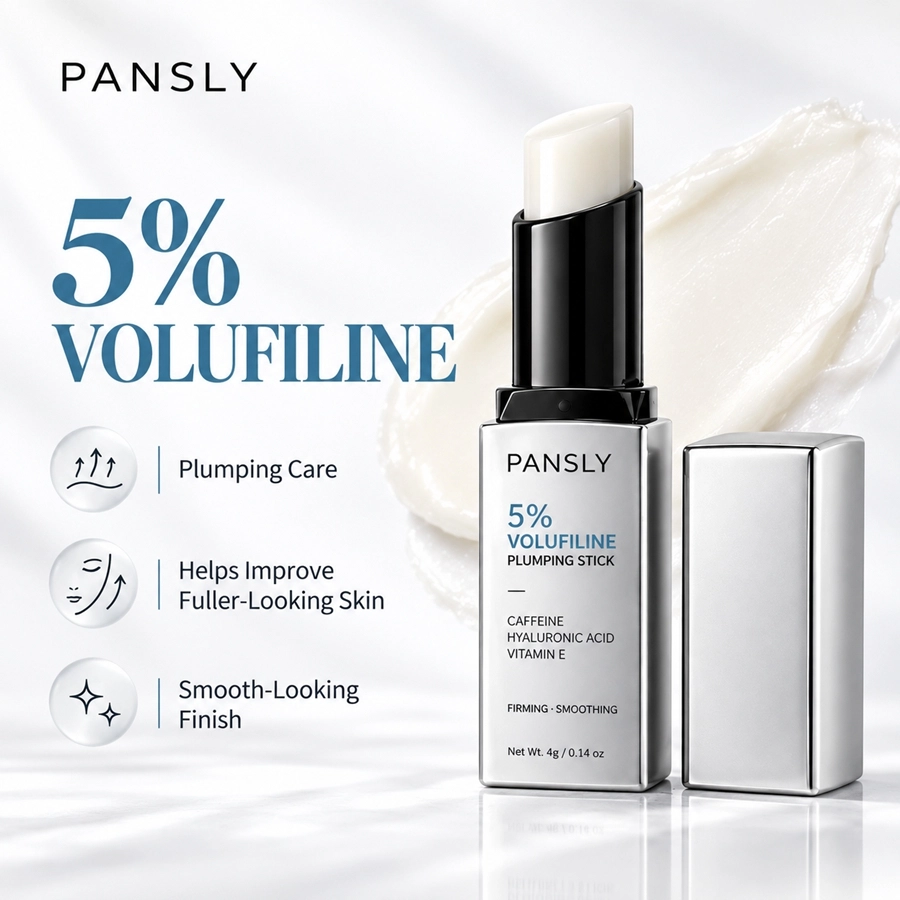
The Volufiline Plumping Stick contains 5% Volufiline in a portable balm for targeted facial care. Apply the Volufiline Lip Plumping Balm Stick to moisturize lips and dry areas, or use the Volufiline Anti Wrinkle Multi Balm to help skin feel smooth and hydrated.
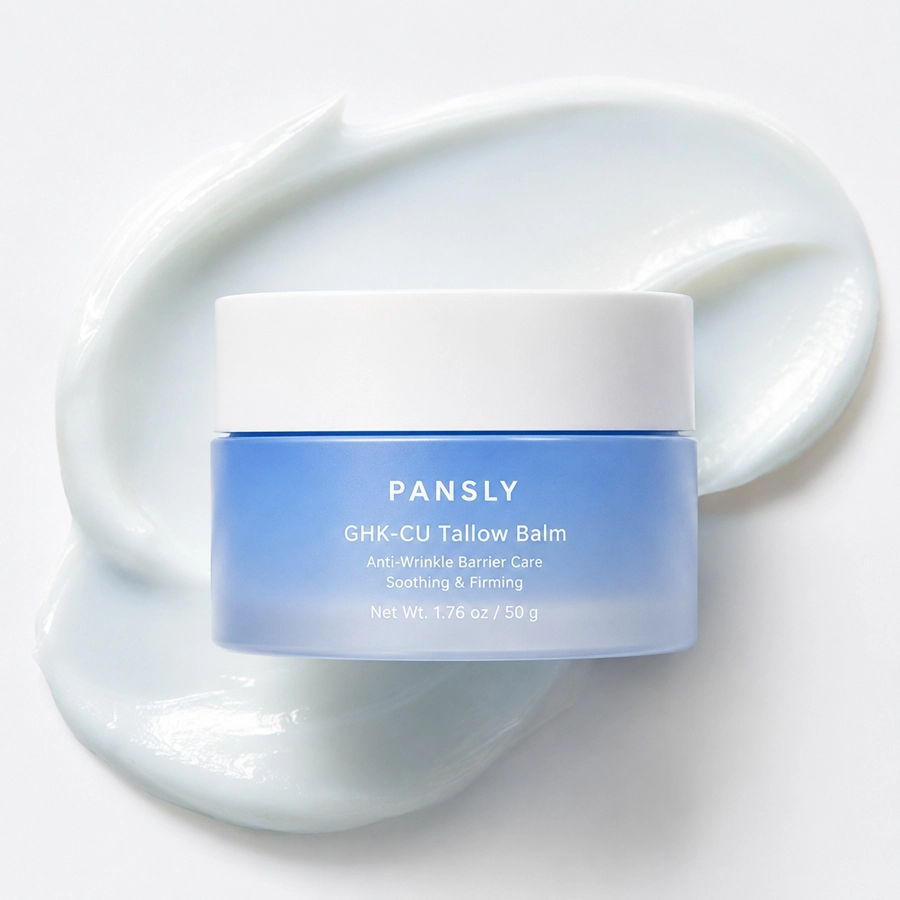
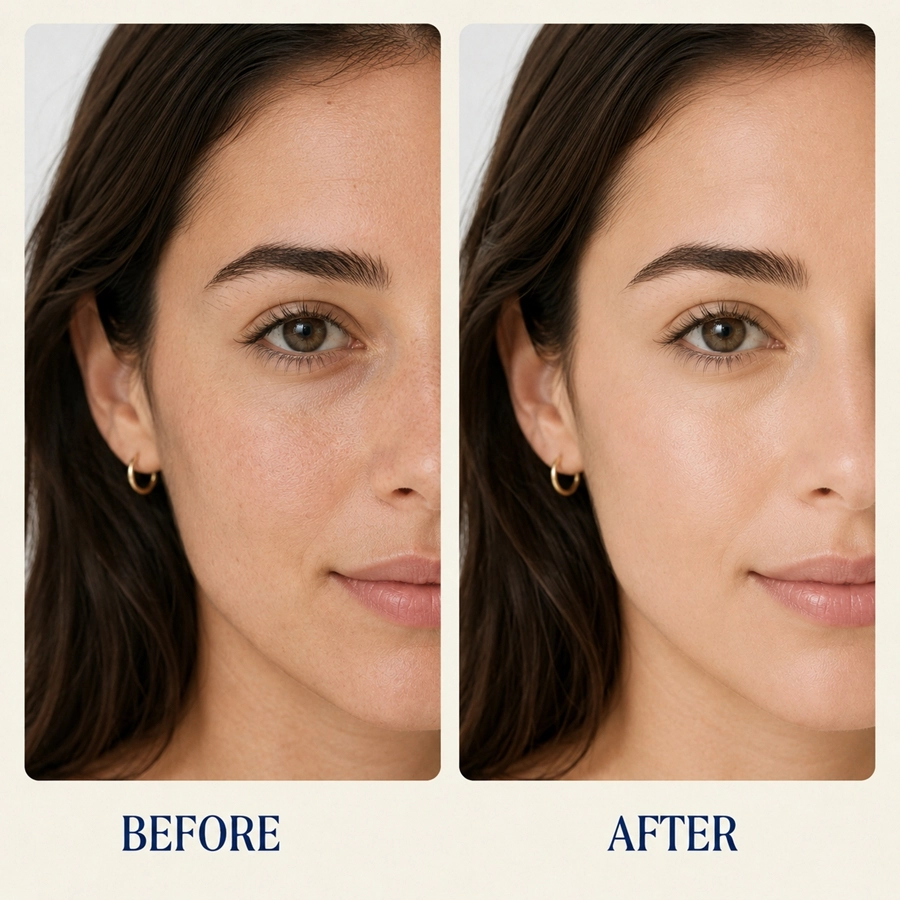
This Pansly GHK-CU Tallow Anti-Wrinkle Soothing & Firming Barrier Balm is multi-effect peptide nourishing balm for dry, uneven-textured skin, integrating firming lifting, fine line smoothing, barrier repair and soothing comfort. Full private label OEM service is supported, including formula customization, custom logo & label, jar color selection and fast sampling.
Five core premium active ingredients work synergistically for comprehensive skin care:
GHK-CU Copper Peptide lifts and firms saggy skin, visibly blurs fine lines and refines uneven dull complexion;
Grass-Fed Tallow delivers rich lipid nourishment to deeply relieve persistent dry rough skin;
Ceramide NP reinforces skin moisture barrier to lock nutrients and boost skin resilience;
Squalane melts lightly into skin to create silky soft long-lasting hydration;
Panthenol calms skin irritation, delivers instant soothing comfort for sensitive dry skin.
Silky light blue creamy balm texture spreads smoothly and absorbs rapidly without greasy residue. Daily use on face and neck firms loose contours, smooths dry fine lines, nourishes fragile skin and repairs damaged barrier, leaving skin even, plump and luminous with long-lasting soft comfort. Obvious improvement on rough dull texture after persistent use.
Get in Touch with us
If you have any comments or good suggestions, please leave us a message; later our professional staff will contact you as soon as possible.
Click here to customize the Beauty
we respond within a few hours
Monday–Friday, 9AM–6PM
3A01, Building A, Zhisheng Square, No. 4 Zhifu Road, Helong Street, Baiyun District, Guangzhou, China.
Leave a request, and we'll email you back within 24 hours.
© 2026 Beyond Basix. All Rights Reserved.
Chat with us
Want to learn more about customized cosmetic and skincare products? Chat instantly online with our experts for professional advice and answers.
Get a Free Quote
Submit your requirements and quickly get a quote for customized cosmetic and skincare products to help you make informed decisions.
Send My Request
Have a specific request or inquiry?
Send us the details through this form, and we’ll respond promptly to assist you with the next steps.
Custom Cosmetics and Skincare Products
Need a customized product?
Fill out this form and our team will work with you to provide a tailored solution to meet your needs and requirements.
Custom Cosmetics and Skincare Products
Need to customize your beauty brand product?
Fill out formula form and our team will work with you to provide a tailored solution to meet your needs and requirements.


