Serum-First Reference
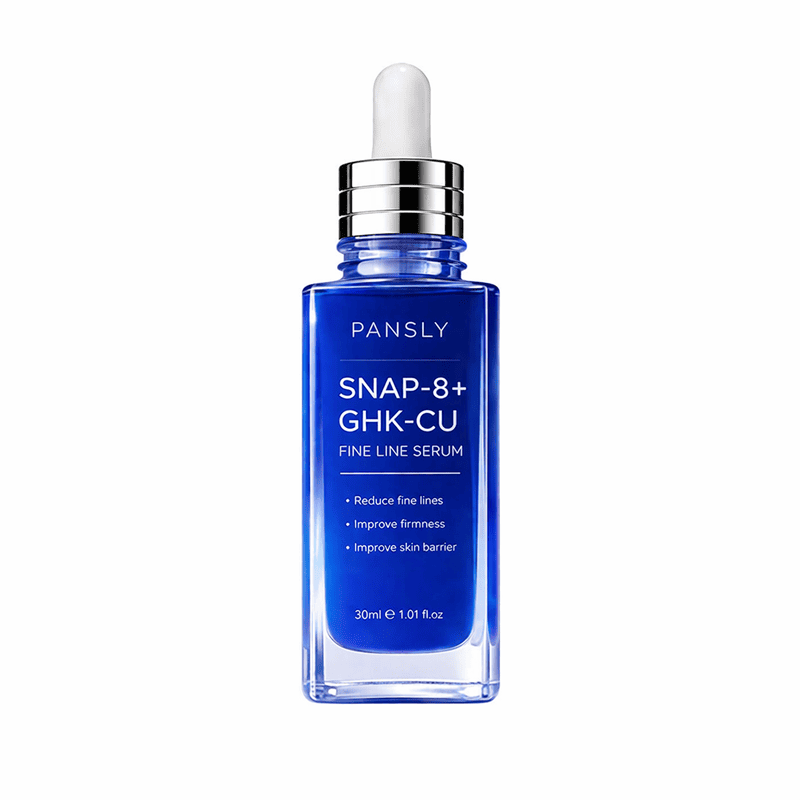
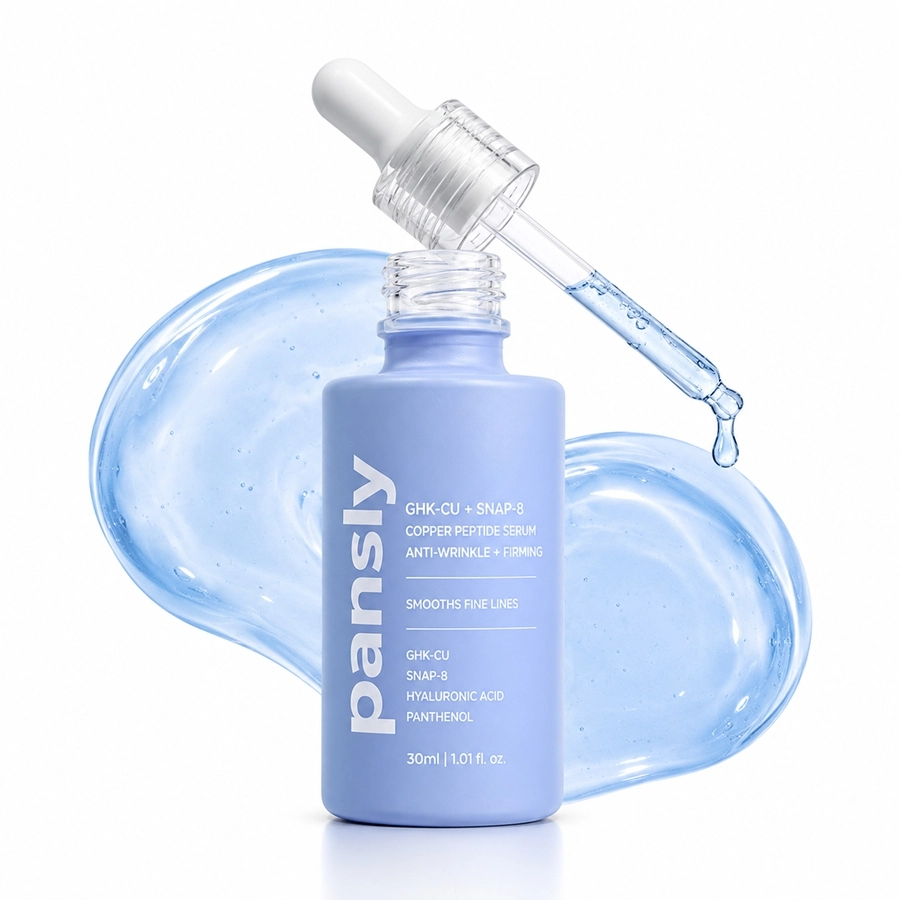
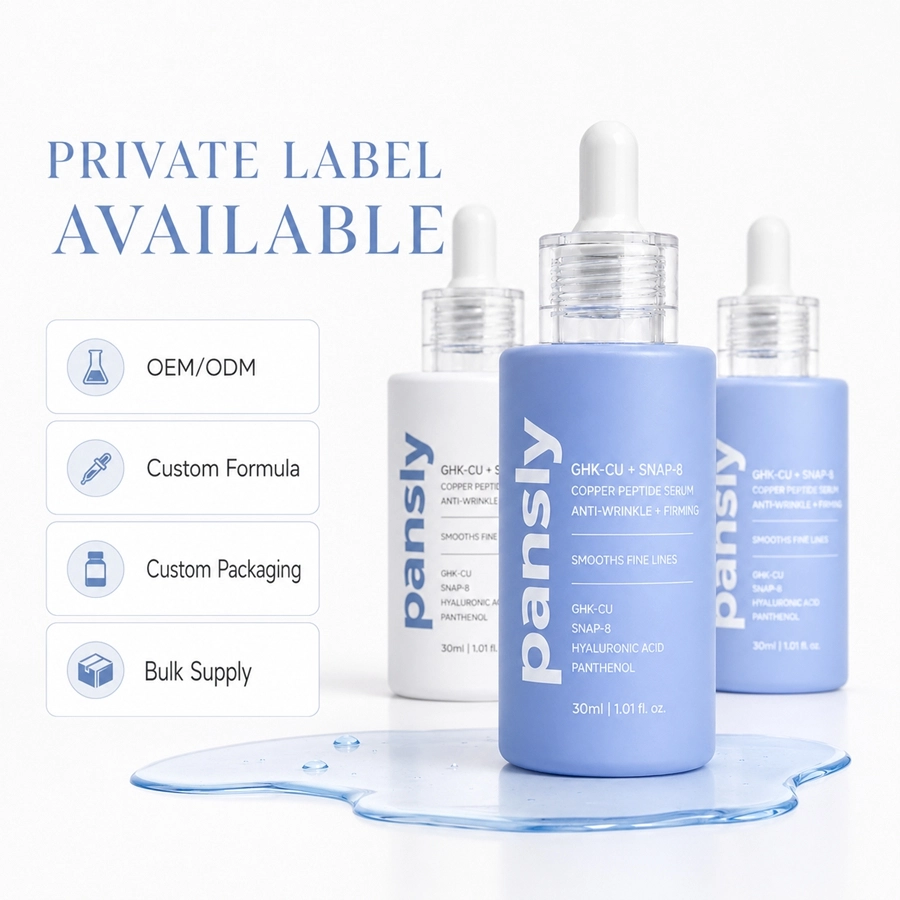
Private Label GHK-Cu & SNAP-8 Copper Peptide Anti-Wrinkle Firming Serum
GHK-CuSNAP-8
A focused peptide serum reference for brands that want the active story to lead the first launch.
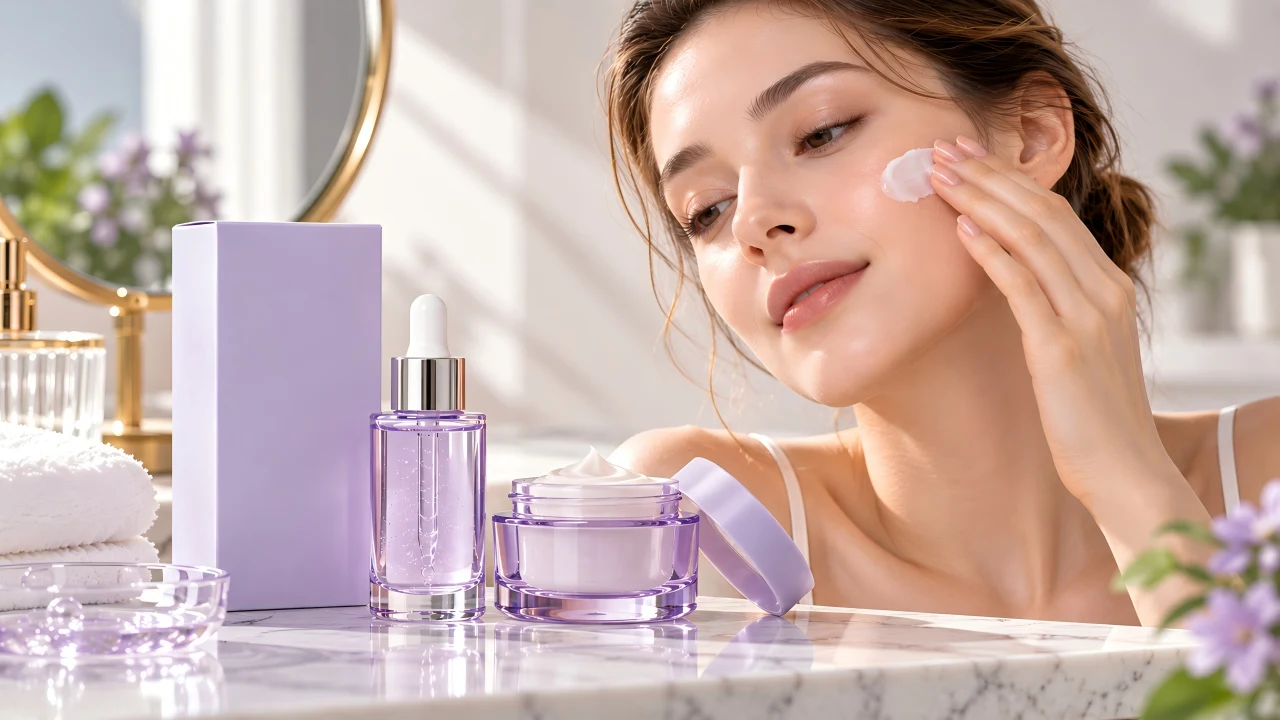
A beauty brand that wants to build around GHK-Cu and SNAP-8 does not have to begin with a large anti-wrinkle collection. The same recognizable peptide direction can support several commercial structures, depending on the customer, channel and product experience the brand wants to lead with.
At Beyond Basix, two practical reference formats are a GHK-Cu + SNAP-8 serum and a GHK-Cu + SNAP-8 cream. Because the formats occupy different places in a skincare routine, they can be developed as separate hero products or as a coordinated pair.
That creates three useful launch architectures: serum-first, cream-first, or a serum + cream duo. None is automatically superior. The stronger choice is the one that gives the target customer a clear first product and gives the business a realistic path for merchandising, bundling and future expansion.
This distinction matters because a product line should not be built simply by putting the same peptide names on several packages. Each format needs its own role. The serum can communicate a focused treatment step. The cream can occupy the moisturizing step. When both are launched, the relationship between them should be obvious without making either product feel unnecessary.
Serum-first is a natural route for brands that want the peptide identity to be highly visible. Serum is already familiar to customers as a format associated with targeted skincare, active ingredients and layering.
A GHK-Cu + SNAP-8 serum can therefore carry the main ingredient education, campaign photography and product-page storytelling. The brand can explain the peptide-led concept through one focused SKU before asking customers to understand a larger range.
This approach can be especially useful for DTC and social-commerce brands. Serum texture can be shown in short-form content, application fits naturally into skincare routines, and the bottle can become a recognizable visual asset.
The business advantage is focus. Packaging development, sampling, inventory and launch content can concentrate on one hero product. A matching cream can remain part of the roadmap without needing to launch on the same day.
Leading with serum puts more pressure on the hero SKU. The texture, dispensing experience, bottle, naming and product education all need to work together because there is no second launch product to compensate for an unclear proposition.
The brand should decide what the serum should feel like in the routine. A lightweight, fast-spreading texture creates a different experience from a more cushioned serum. The preferred sensory direction should be part of the development brief and reviewed through samples.
Packaging also needs to support the formula and channel. A dropper can create familiar serum cues, while pump and airless systems can communicate controlled dispensing or a more technical presentation. The final package still needs compatibility and dispensing evaluation with the actual formula.
Most importantly, the product page should not become a list of peptide definitions. Customers need to understand where the serum belongs in their routine and why it is the product the brand chose to lead with.
Cream-first changes the customer entry point. Instead of leading with a targeted serum step, the brand leads with a format customers already recognize as a daily moisturizer.
This can be useful when the intended customer prefers simpler routines or richer textures. It can also suit a brand whose visual identity is built around comfort, moisturization and a substantial skincare experience rather than a treatment-led serum aesthetic.
The peptide story can remain visible, but the cream needs to be more than a serum concept placed in a jar. Texture, emollience, application, packaging and the role of the product in the routine need to be developed for the cream format.
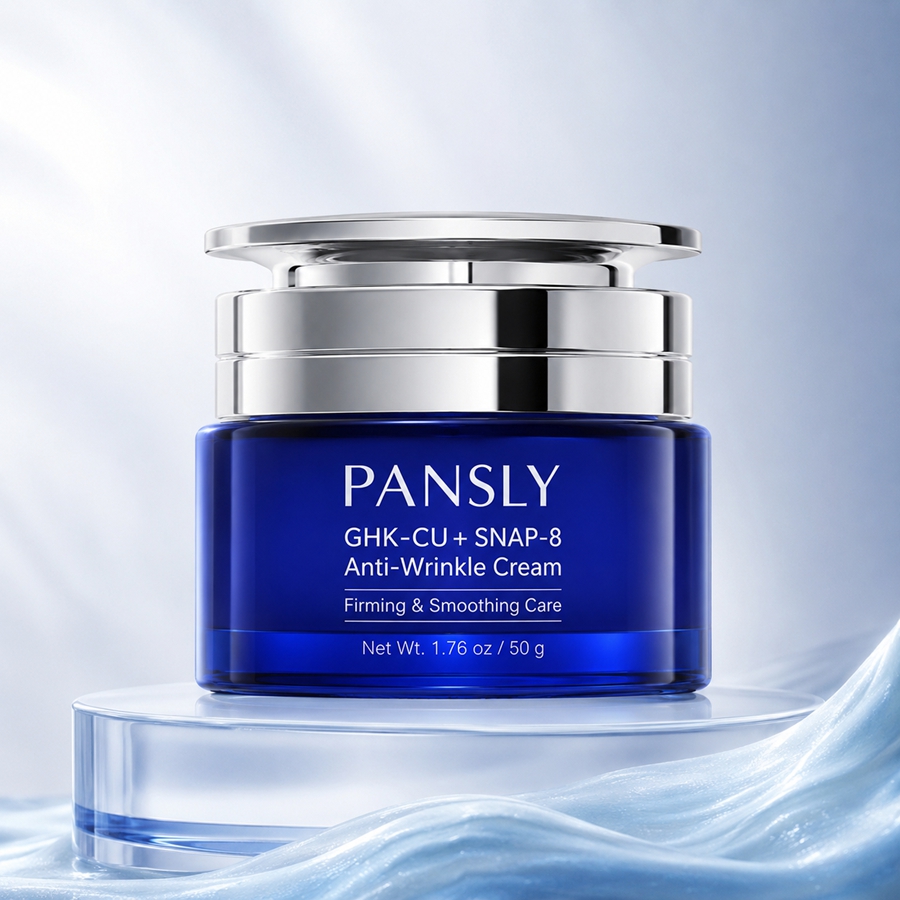
Beyond Basix has a Pansly GHK-CU + SNAP-8 Anti-Wrinkle Firming Cream reference that demonstrates how the recognizable peptide direction can move into a moisturizer format.
Not every customer wants a multi-step anti-aging routine. A cream-first proposition can make the peptide story accessible through a product category already used daily.
For the brand, that can reduce the amount of routine education required at launch. The product still needs differentiation, but customers do not have to learn why they need another treatment step before moisturizer.
The trade-off is that the cream may have to work harder to communicate a distinctive active identity. Moisturizer is a broad category, so packaging, naming and the peptide story need enough clarity to prevent the product from looking like a generic face cream.
A cream-first strategy can also influence content. Texture, richness, application and routine simplicity may become more important creative themes than the pipette-and-droplet imagery commonly associated with serums.
Launching serum and cream together can create the most complete peptide proposition, but only if the two products have clearly different roles.
The serum can be the focused treatment step. The cream can follow as the moisturizing step. Both can share GHK-Cu + SNAP-8 language and visual cues, giving the range continuity without forcing the products to compete.
This structure is useful for brands that want a routine from day one, have enough launch resources to support two SKUs and can explain why both belong together.
The duo can also create several merchandising options: serum alone, cream alone and a serum + cream bundle. That gives the business three offers from two core SKUs.
The danger is redundancy. If the product pages use the same claims, same benefit hierarchy and same customer language, shoppers may decide they need only one. The duo becomes stronger when the format difference is reflected in texture, routine placement and communication.
Two coordinated products can create a stronger visual world than one isolated SKU. The brand can photograph the serum and cream together, show a simple sequence and create gift or routine bundles.
This is particularly useful for DTC, where product pages, email and social content can repeatedly reinforce the relationship between the two formats.
The packaging family should look intentional. Matching typography, color accents and ingredient naming can connect the products, while bottle and jar or pump differences make the roles visible.
The visual system should still be practical to manufacture. Decoration methods, component availability and secondary packaging need to be considered as part of the project rather than designed independently from production.
If the business plans to build content around peptides, formulation and active skincare, serum-first provides a natural center for that education.
The brand can discuss GHK-Cu and SNAP-8 while keeping the conversation connected to a specific product. Texture demonstrations, layering and packaging can add commercial context so the content does not become an ingredient encyclopedia.
A matching cream can then be introduced as an extension of a story customers already recognize.
This staged sequence can be practical for a new business because it concentrates launch resources while keeping the product roadmap visible.
A brand focused on a simple routine may not want to begin by teaching customers another serum step. Cream-first can give the peptide concept a familiar home.
This may also fit customers who prefer richer sensory experiences or brands whose assortment already contains treatment serums and needs a peptide moisturizer instead of another serum.
In that case, the GHK-Cu + SNAP-8 cream can become the hero, while the serum is reserved for customers who want a more layered routine later.
The business should still consider whether the cream has enough visual and conceptual differentiation to lead. A generic moisturizer presentation can dilute the peptide story even when the formula direction is strong.
The same peptide platform may be merchandised differently across channels.
In social commerce, serum texture and dispensing can be highly demonstrable. In DTC, the brand can explain a two-step duo in depth. In retail, a cream may benefit from immediate format familiarity, while a coordinated pair can occupy more visual shelf space.
Marketplace listings require quick differentiation. If serum and cream are sold side by side, titles, pack visuals and benefit hierarchy need to make the format distinction obvious even at small image sizes.
A brand does not need a different formula for every channel, but it should choose the launch architecture with the primary channel in mind.
Serum is often perceived as a focused treatment format, while cream is familiar as a moisturizing step. A brand may choose different retail positions for the two products, but the price architecture needs to make sense with formula, packaging, fill size, channel and overall positioning.
We do not assume a universal price relationship between serum and cream. A premium cream package and rich formula can create a different cost structure from a serum, and a highly customized serum can also carry additional development and component requirements.
For a duo, the bundle price should reinforce the value of using both products without making the individual SKUs look artificially priced.
These decisions belong in the business model before final packaging and order configuration are locked.
When serum and cream are being developed as a pair, each sample should be evaluated individually and in sequence.
The serum should have the intended spread, absorption and after-feel. The cream should provide the desired richness and finish. When layered, the products should create the customer experience the brand expects.
That does not mean every serum and cream must be tested as a mandatory pair. A serum-first project can be evaluated independently. But when the commercial proposition is a duo, the combined routine becomes part of the product experience.
Specific feedback is valuable: less tack, more slip, faster absorption, richer cream body or a different finish are more actionable than broad requests for a more luxurious feel.
Sharing the same peptide names does not mean serum and cream automatically share identical substantiation or claims.
Each finished product has its own formula, format and supporting information. The brand should avoid copying every claim from the serum onto the cream simply to make the pair look consistent.
Consistency can come from the peptide platform and visual identity. Product-specific claims can remain tied to the actual finished formula and destination-market requirements.
This gives the range more credibility and helps the customer understand why the products are complementary rather than duplicates.
Once serum and cream are established, the brand has a clear foundation for additional formats.
Eye care can become a targeted extension. Another serum can introduce a differentiated active family such as PDRN or NAD+ rather than duplicating the original peptide hero. Richer formats can serve customers who want another sensory experience.
The original GHK-Cu + SNAP-8 pair remains the recognizable core while the broader range develops around distinct product roles.
This is more coherent than launching several unrelated anti-aging products and trying to connect them after the fact.
Beyond Basix also carries serum references built around other active stories, including NAD+ peptide and PDRN + Ectoin directions. These can become useful later when a brand wants to broaden its anti-aging portfolio beyond the original GHK-Cu + SNAP-8 platform.
The important distinction is that the second branch should not make the original serum irrelevant. It should serve another ingredient preference, routine need or commercial position.
A product ladder can therefore contain a flagship GHK-Cu + SNAP-8 serum, a matching cream and a differentiated alternative serum without forcing all three into one identical message.
When a customer approaches Beyond Basix for a GHK-Cu + SNAP-8 line, useful inputs include the target customer, primary channel, intended price position, existing products, desired routine complexity, texture preferences, packaging references and launch timing.
We also want to know whether the first launch needs to stand alone or whether a second SKU is already part of the roadmap.
If the business is serum-first, the hero bottle and serum sensory target deserve extra attention. If it is cream-first, the moisturizer experience and pack need to carry the peptide story. If it is a duo, the products need a shared visual system and distinct routine roles.
Commercial terms, quantities and customization scope are confirmed for the actual project rather than assumed from a general product-line model.
GHK-Cu + SNAP-8 can support more than one private label format, but the brand still needs a clear first choice for the customer.
Serum-first works well when the active story and treatment step should lead. Cream-first can suit a simpler or richer daily routine. A serum + cream duo can create a complete two-step peptide proposition when the business is ready to support two coordinated SKUs.
What matters is not launching the maximum number of products. It is making each product's role obvious enough that the range can grow without becoming repetitive.
At Beyond Basix, we can use the peptide platform as the starting point, then translate the chosen architecture into formula, sensory, packaging and production decisions for the actual private label project.
The choice depends on the customer, channel and product role. Serum-first can emphasize a focused active story, while cream-first can lead with a familiar moisturizing step. A coordinated duo can work when the brand is ready to support two distinct SKUs.
Beyond Basix has verified GHK-Cu + SNAP-8 serum and cream references. A private label project can use the recognizable peptide direction across formats while keeping each finished product's formula, claims and role distinct.
A duo can create a clear treatment-plus-moisturizer routine and support individual sales, bundles and coordinated merchandising, provided the two products have different roles.
No. Claims should remain tied to each finished formula and its supporting information, even when the products share a peptide platform and visual identity.
Yes. A differentiated active direction such as NAD+ peptide or PDRN + Ectoin can become another branch when it serves a distinct customer or portfolio role.
Related Articles for Private Label Cosmetics




You May Also Like
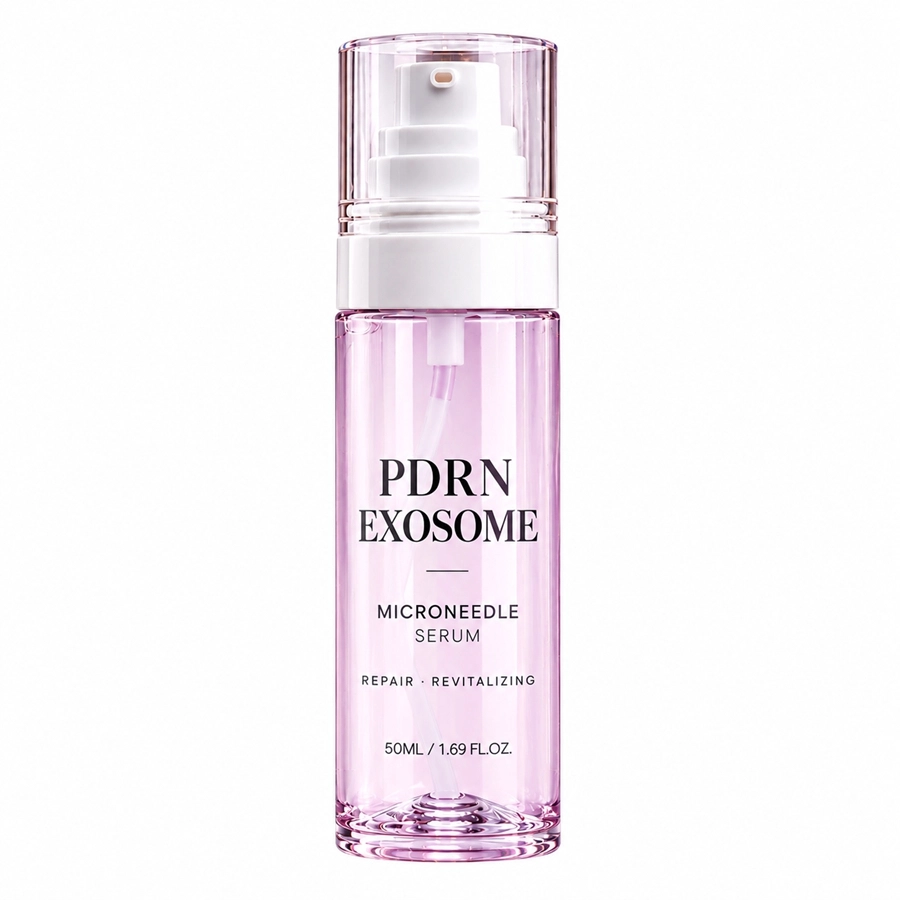
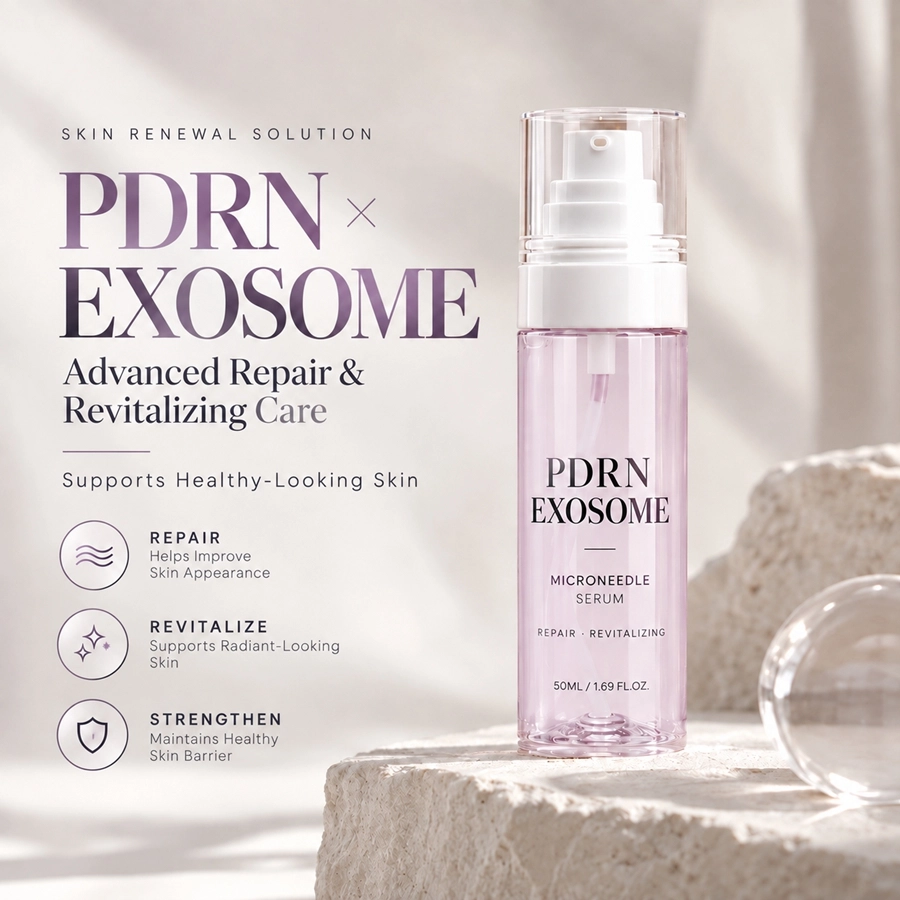
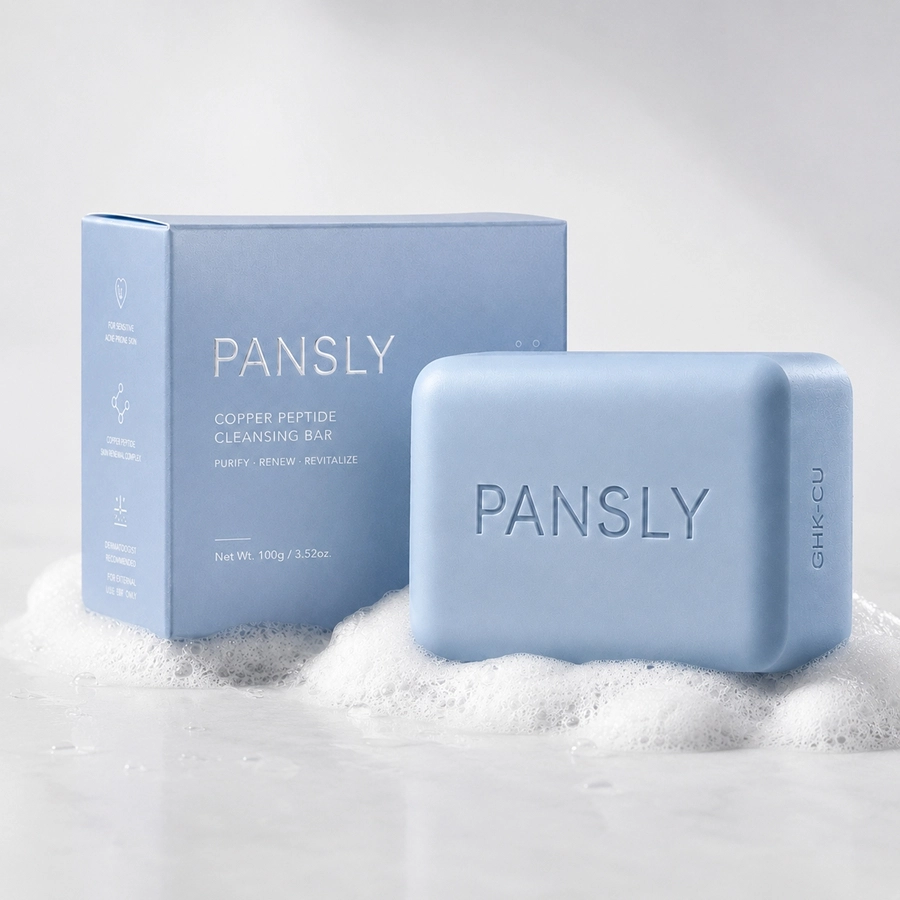
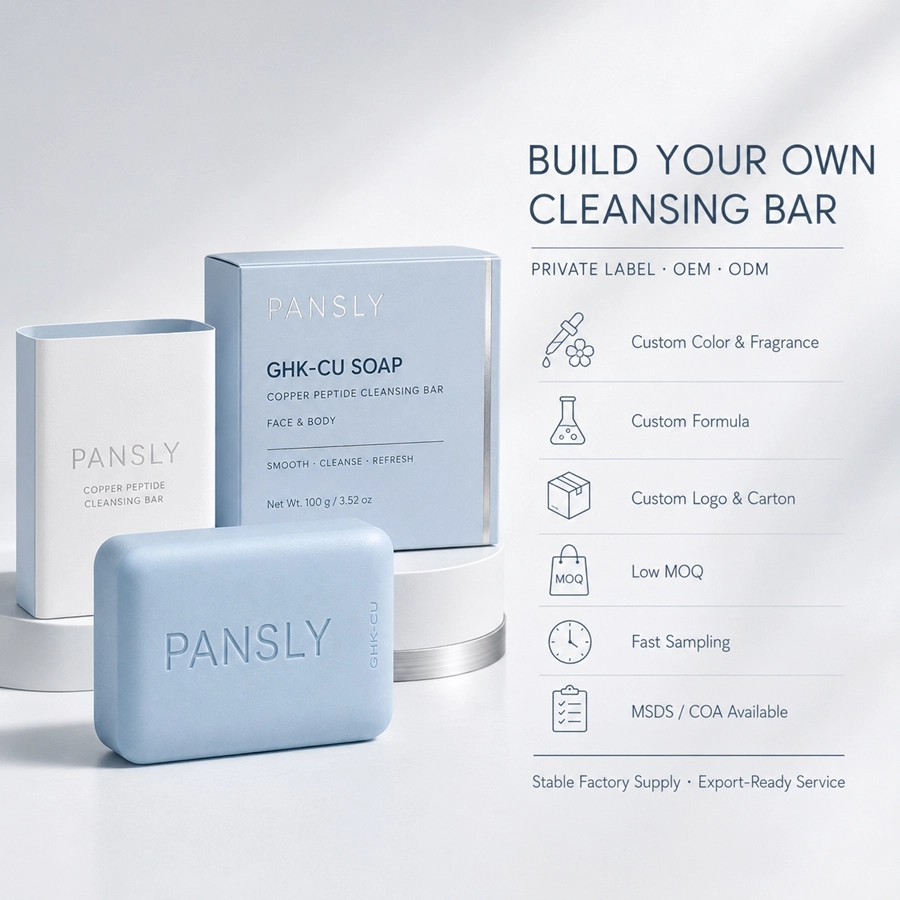
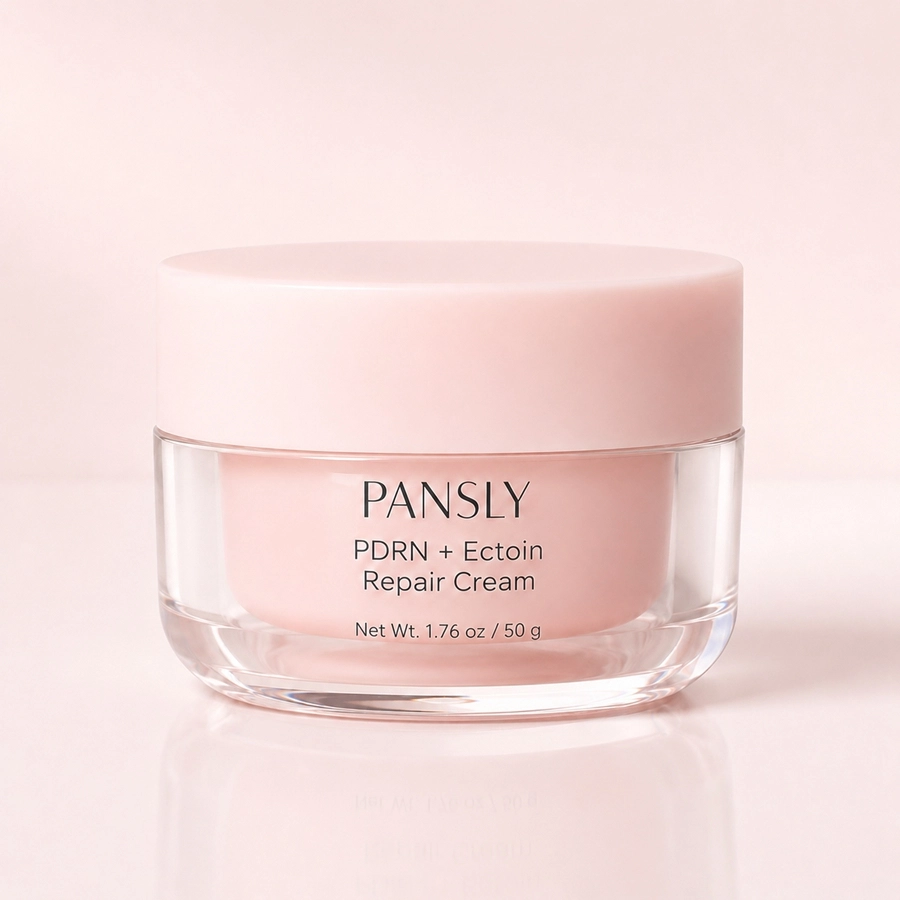
This Pansly PDRN + Ectoin Repair Cream is daily barrier-repair moisturizer for dry, sensitive, fragile skin, delivering long-lasting deep hydration and skin soothing care.
It adopts triple core moisturizing complex: PDRN accelerates skin renewal to create smoother refined complexion; Ectoin calms dry irritated skin and reinforces skin moisture barrier; Moisture Complex locks abundant hydration to keep skin soft, supple and comfortable all day.
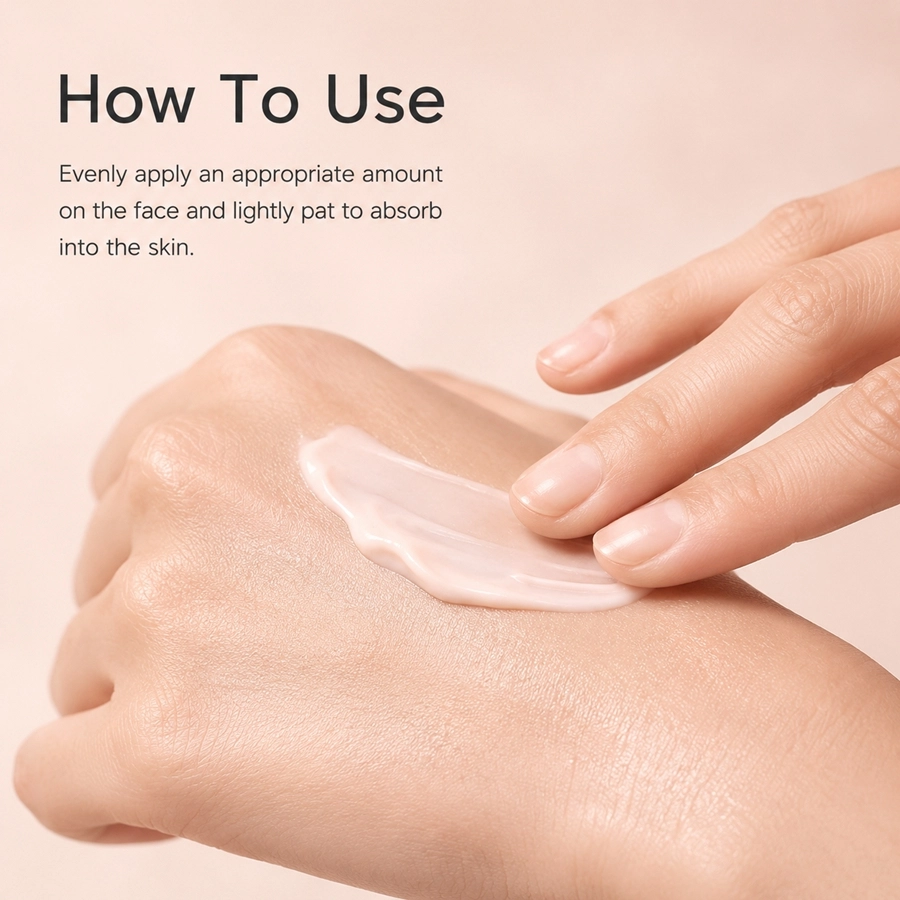
Butter-like soft melting cream texture, light dewy finish, non-comedogenic formula that won’t clog pores. Apply proper amount evenly on face and pat gently to absorb. Persistent use repairs damaged skin barrier, maintains stable moisture balance, and brings nourished smooth healthy skin.
Get in Touch with us
If you have any comments or good suggestions, please leave us a message; later our professional staff will contact you as soon as possible.
Click here to customize the Beauty
we respond within a few hours
Monday–Friday, 9AM–6PM
3A01, Building A, Zhisheng Square, No. 4 Zhifu Road, Helong Street, Baiyun District, Guangzhou, China.
Leave a request, and we'll email you back within 24 hours.
© 2026 Beyond Basix. All Rights Reserved.
Chat with us
Want to learn more about customized cosmetic and skincare products? Chat instantly online with our experts for professional advice and answers.
Get a Free Quote
Submit your requirements and quickly get a quote for customized cosmetic and skincare products to help you make informed decisions.
Send My Request
Have a specific request or inquiry?
Send us the details through this form, and we’ll respond promptly to assist you with the next steps.
Custom Cosmetics and Skincare Products
Need a customized product?
Fill out this form and our team will work with you to provide a tailored solution to meet your needs and requirements.
Custom Cosmetics and Skincare Products
Need to customize your beauty brand product?
Fill out formula form and our team will work with you to provide a tailored solution to meet your needs and requirements.