
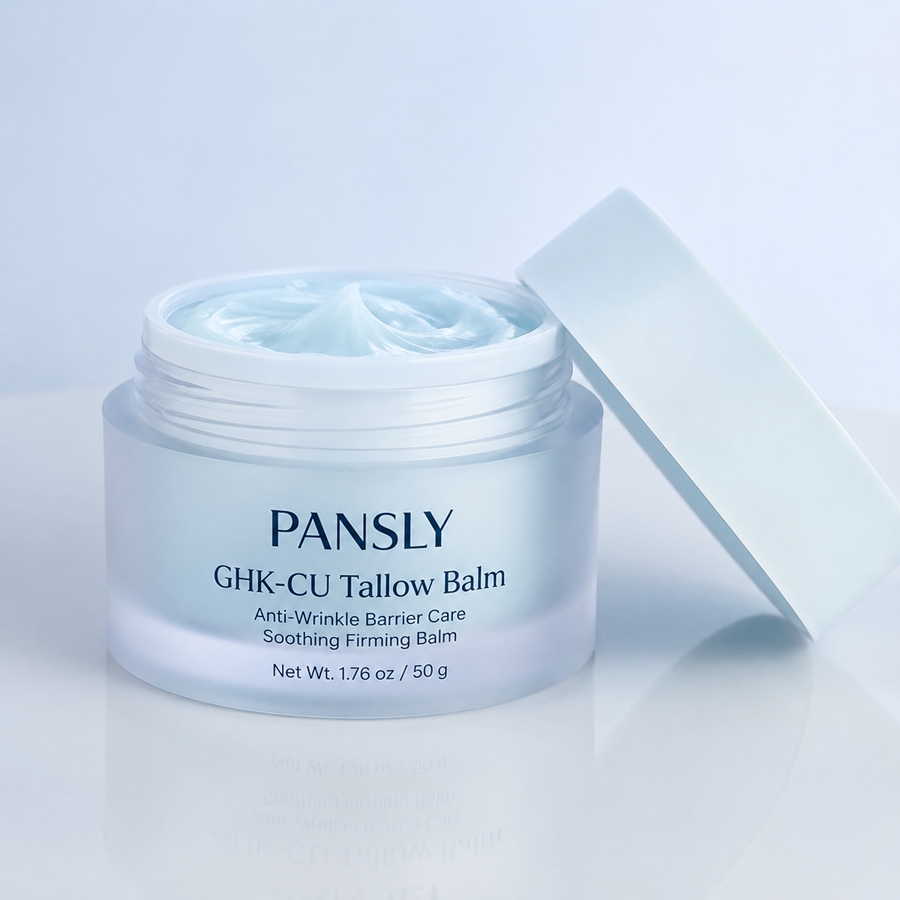
GHK-Cu + SNAP-8 Grass-Fed Tallow Balm
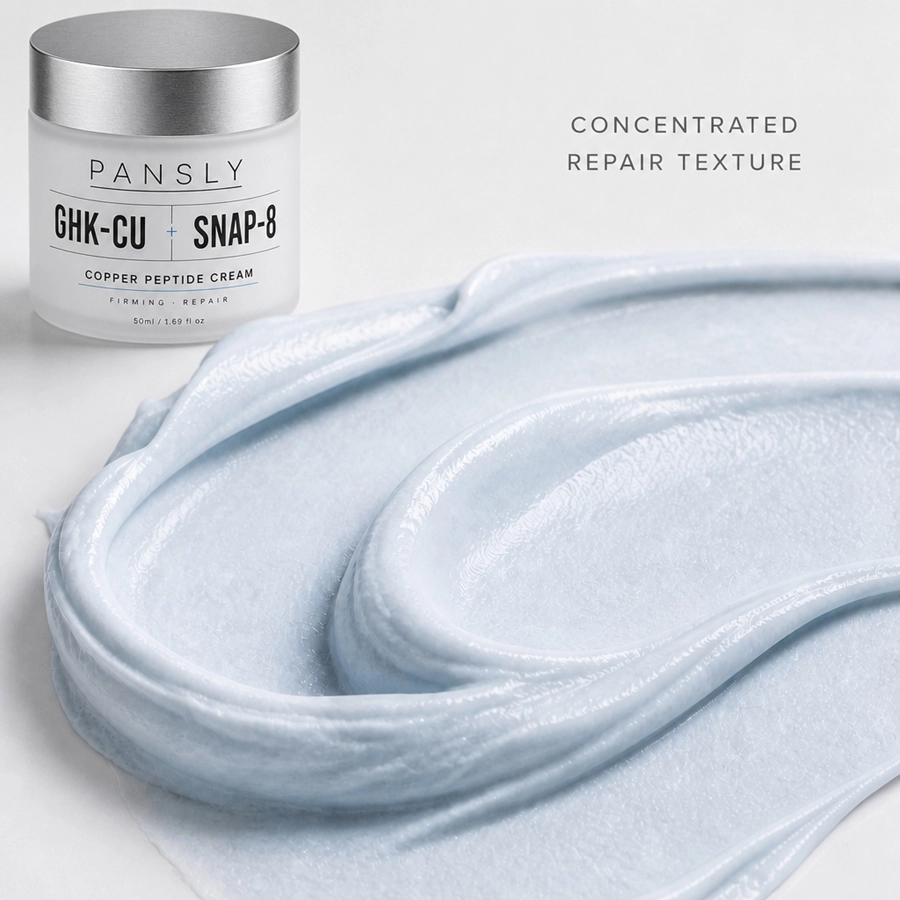
A concentrated balm presentation for rich moisturizing and peptide-led premium skincare positioning.
Explore Product →Ordinary tallow balm and GHK-Cu + SNAP-8 peptide tallow balm serve different product stories. A standard tallow balm is largely defined by its rich lipid texture and moisturizing role. Adding a copper-peptide and SNAP-8 concept introduces new ingredient verification, formula-design and cosmetic-claim requirements. At Beyond Basix, we develop the product so that its texture, ingredient narrative and packaging work together for a premium private label skincare collection.
Tallow balms can be straightforward to describe: a rich, lipid-based formula intended to soften and condition dry-feeling skin. That simplicity attracts consumers seeking a more substantial moisturizer. Yet simplicity alone does not ensure differentiation in a crowded retail assortment. For a brand already offering a conventional balm, a more advanced peptide version needs a reason to exist beyond adding another line of actives to the label.
At Beyond Basix, we begin with the relationship between products in the collection. Does the customer need a daily moisturizer, a specialized nighttime balm, or a companion to a lightweight facial serum? Should the product retain the dense feel of traditional tallow, or should it be reworked into a softer facial cream that spreads easily over a larger area? These questions define the project before we decide on ingredient combinations.
GHK-Cu and SNAP-8 make an interesting pair because they are distinct peptide concepts. They give the brand a way to tell a specific ingredient-led cosmetic story, provided that the actual formulation and testing support the intended positioning. We avoid treating the presence of the two names as proof of a stronger finished product.
GHK-Cu is generally associated with Copper Tripeptide-1 in cosmetic formulations. Its ingredient identity can support a premium, copper-peptide-led moisturizing or visible-age-care concept. For OEM/ODM development, the details include the supplied grade, actual concentration basis, carrier system, manufacturing instructions and batch-level documentation.
Some brands expect a blue appearance because copper complexes are associated with a blue tone. We examine that appearance as part of the product specification, but color does not establish the presence or quantity of an active ingredient. If the formulation includes a separate colorant, the ingredient list and brand story must remain accurate.
SNAP-8 is associated with Acetyl Octapeptide-3 and is often used in formulations positioned around the visible appearance of expression lines. It is not a topical equivalent of a medical injection, and cosmetic claims need appropriate substantiation. Its raw-material carrier, concentration and stability can differ from those of GHK-Cu, so compatibility must be evaluated in the complete product.
A combined peptide balm should not claim that it “freezes” facial muscles or medically treats wrinkles. We work with cosmetic wording tied to smoothing, moisturizing and firmer-looking skin where the finished product's evidence supports it. That creates a more credible basis for international brands seeking a responsible launch.
| Decision factor | Ordinary beef tallow balm | GHK-Cu + SNAP-8 tallow balm |
|---|---|---|
| Core identity | Rich lipid conditioning and moisturizing comfort | Rich balm texture combined with a specific copper-peptide and SNAP-8 concept |
| Primary audience | Customers who prefer familiar, substantial balm textures | Brands seeking ingredient-led premium age-care differentiation |
| Formula challenge | Texture consistency, oxidation stability, sourcing and pack integrity | All standard balm concerns plus peptide compatibility, phase design and identity testing |
| Claim scope | Moisturizing, conditioning and comfort claims with suitable support | Cosmetic smoothing and appearance claims requiring finished-product substantiation |
| Merchandising | Standalone balm or general dry-skin moisturizer | Premium balm alongside copper-peptide serum or targeted peptide products |
The more complex formula will not suit every brand. A retailer built around minimalist skin care may prefer to keep a simple tallow balm and offer a copper-peptide serum separately. Another brand may deliberately create a combined balm as its hero product. We help clients select an approach that fits their channel, consumer expectations, manufacturing capabilities and launch budget.
Peptide-loaded tallow balm cannot be treated as melted fat with actives stirred in at the end. Raw-material carriers and solubility matter. A water-based peptide material added to a water-free base may not distribute predictably without an appropriately designed system. A rich emulsified face cream containing tallow, by contrast, has a different structure and preservation requirement.
We define whether the project calls for an anhydrous-like balm, an emulsified balm-cream or a more traditional facial cream. That decision affects processing sequence, temperature, preservative strategy, pH considerations and filling behavior. It also changes how the customer uses the product and how the finished container should be labeled.
A peptide tallow balm should feel intentional. If the formula is described as deeply nourishing, users may tolerate a lingering emollient layer, but they still expect smooth application and consistent product appearance. Hard grains, greasy separation, visible liquid migration or unpredictable melting will undermine a premium impression.
We evaluate temperature cycling, crystallization behavior, glide and after-feel through the sample process. Tallow supplier variability and the level of other compatible emollients can influence the finished texture. Changing one element after sample approval may mean that the stability and product-performance checks need to be repeated.
For GHK-Cu, we consider the copper complex and potential interactions with the broader ingredient system. SNAP-8 adds a second raw-material specification and its own handling requirements. We work from actual supplier documentation rather than assuming that a combination is stable because each peptide is used individually in other products.
Processing heat, water activity, emulsification, preservatives and packaging contacts can become relevant depending on the format. The finished formula should be tested against defined acceptance criteria for appearance, odor, viscosity or hardness, microbial quality and peptide-related measures where valid methods exist.
We often compare three product architectures with buyers. The first is a rich GHK-Cu + SNAP-8 tallow balm sold as a distinctive moisturizer. The second is a lighter peptide face cream with a different sensory profile. The third is a two-product routine: a lightweight copper-peptide serum paired with a nourishing balm. These options do not necessarily share a formula, and their unit economics may be quite different.
A balm-first approach can work for a brand with an established dry-skin, natural-lipid or premium night-care audience. The texture is part of the appeal, so packaging and usage instructions should set realistic expectations. A compact jar and clear application guidance may communicate the intended richness better than a large lotion-style bottle.
Some retailers prefer a more familiar face-cream texture. This can support daily use and broader merchandising, but a water-containing cream needs its own emulsifier and preservation design. We evaluate whether the richer tallow identity remains meaningful once the texture is changed. The label should reflect the actual formula rather than an aesthetic copied from an anhydrous balm.
A serum-plus-balm pair can give customers distinct steps without putting every active into one product. The serum can be positioned as a lightweight peptide formula, while the balm contributes the richer moisturizing finish. We plan fragrance, skin feel, pack sizes and ingredient narratives together so the products complement rather than duplicate each other.
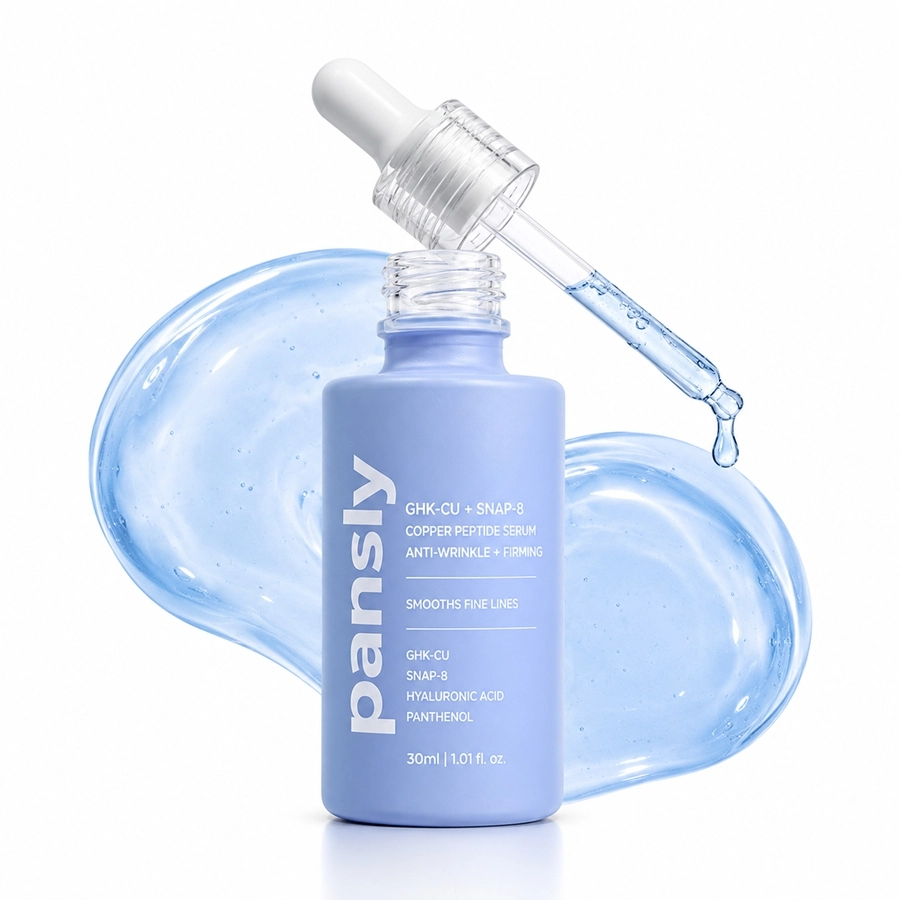
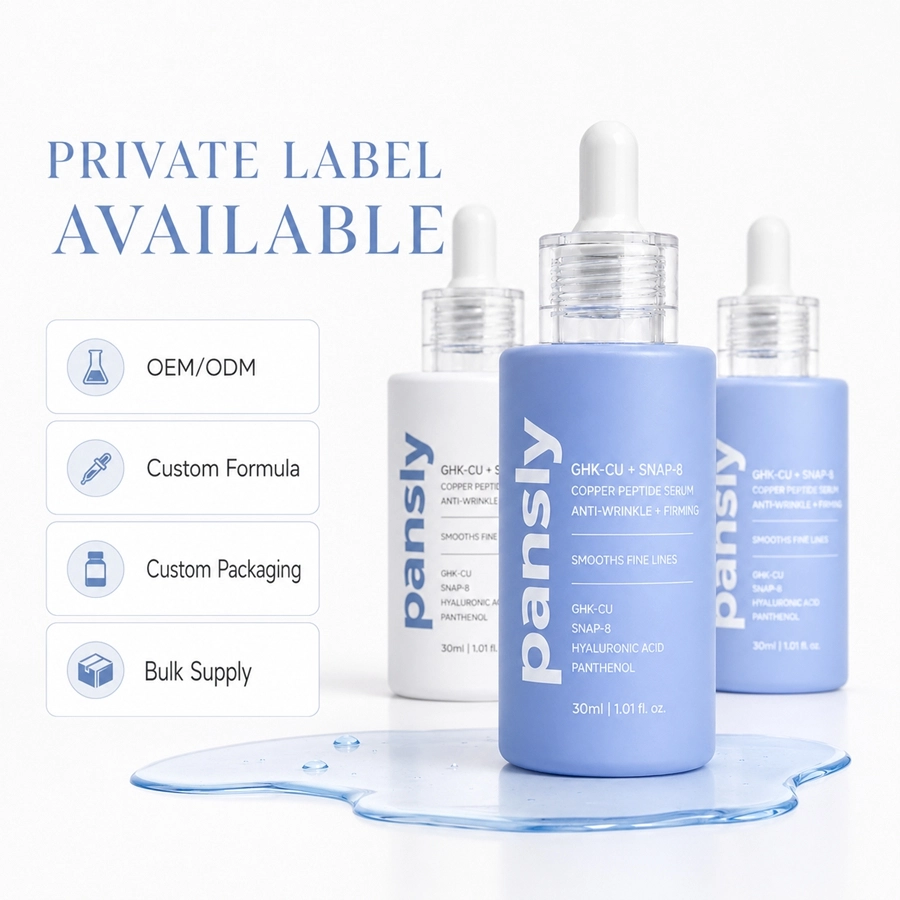
Our GHK-Cu + SNAP-8 serum offers a concrete starting point for brands considering a complementary format. The final routine and application instructions need to match the actual finished formulas and market requirements.
We offer both branded-stock and private label-oriented product directions across GHK-Cu, SNAP-8 and tallow-based facial care. The products below represent different commercial formats and are reviewed separately for ingredient specifications, sampling and custom packaging.
A concentrated balm presentation for rich moisturizing and peptide-led premium skincare positioning.
Explore Product →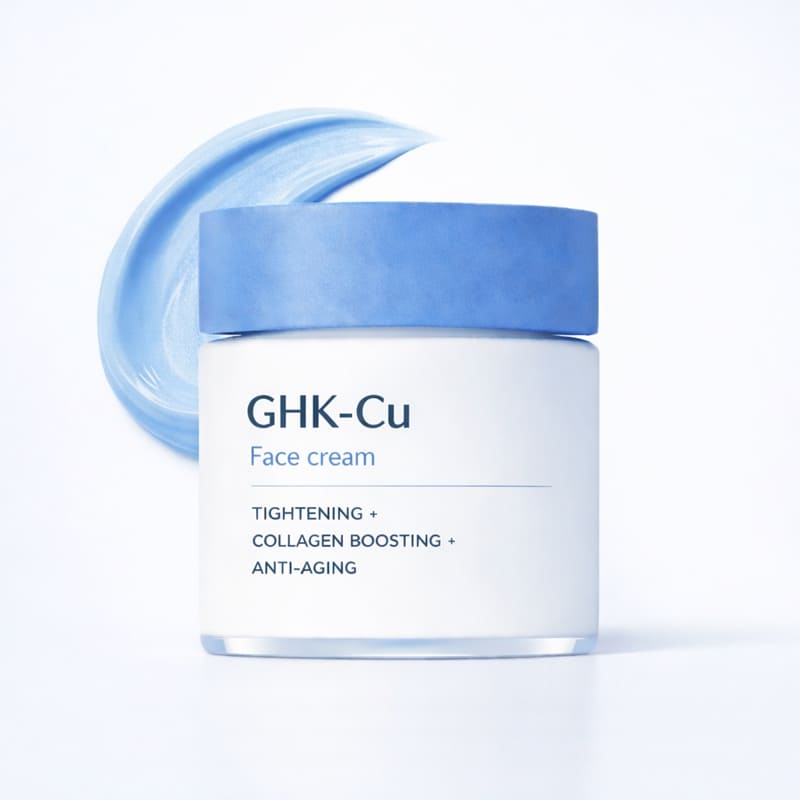
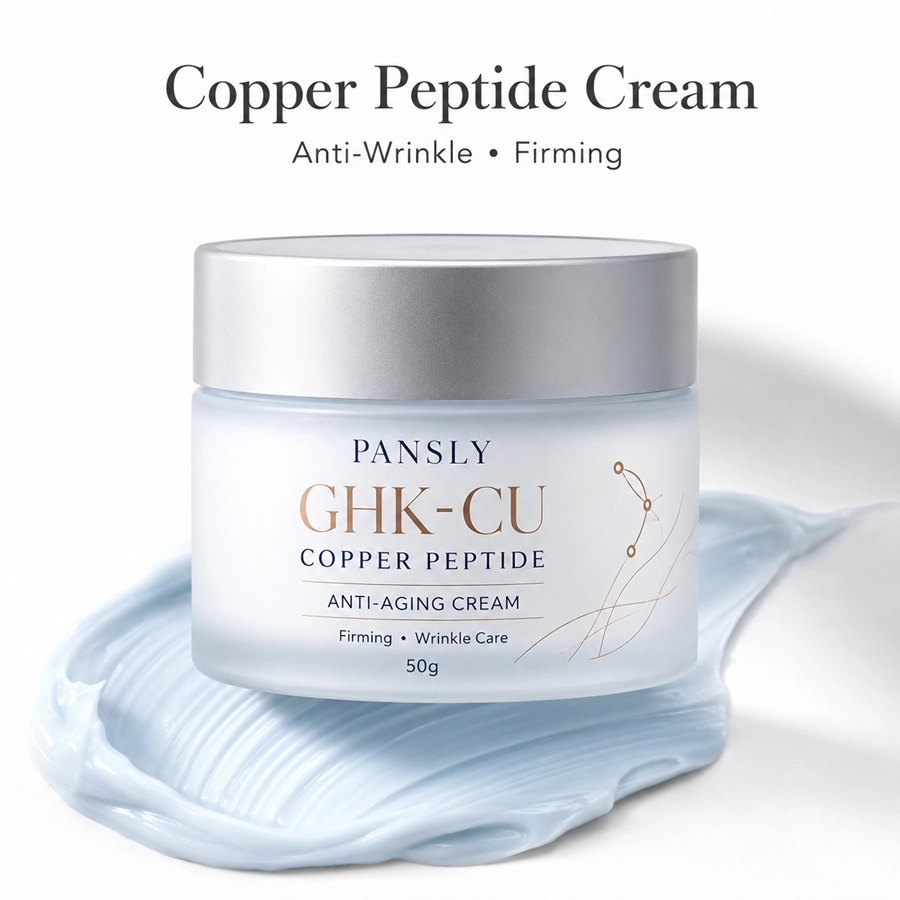
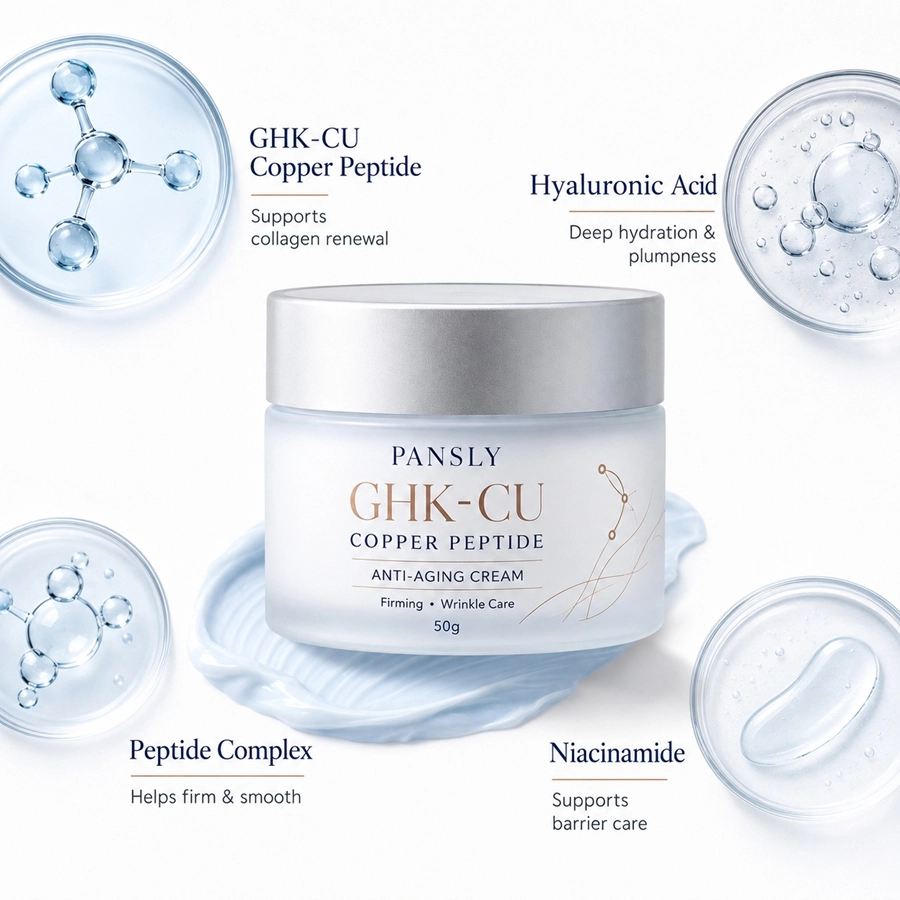
A facial-cream direction for brands preferring a cream experience alongside the tallow and dual-peptide identity.
Explore Product →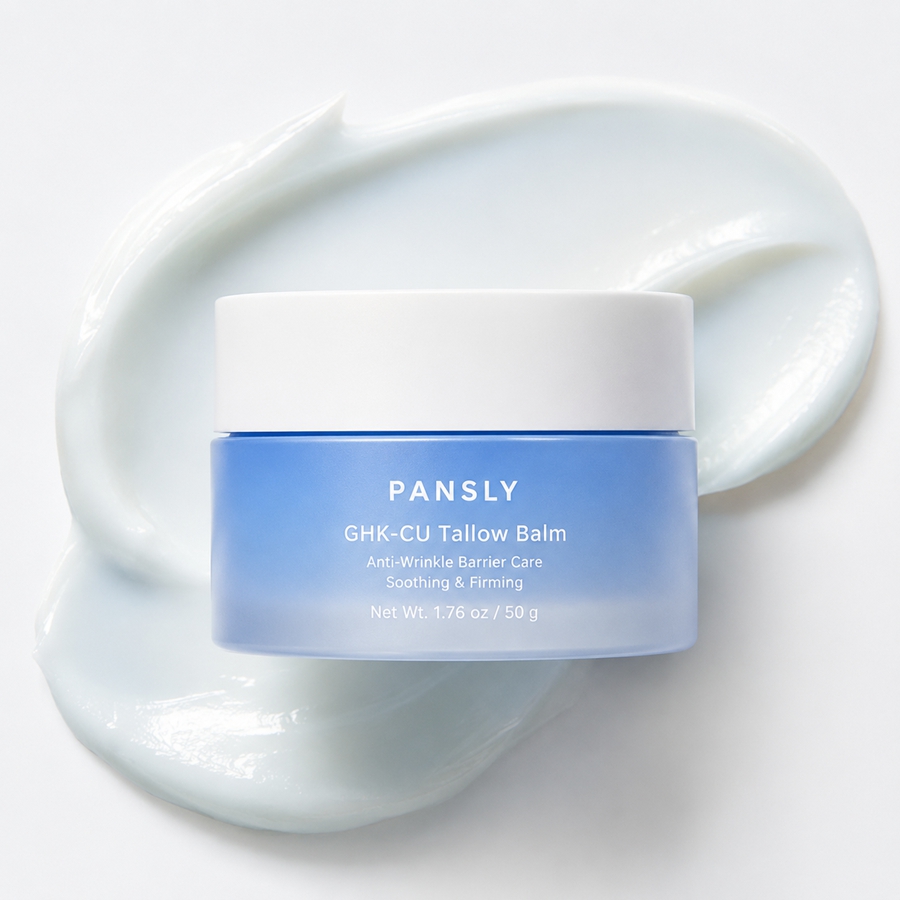
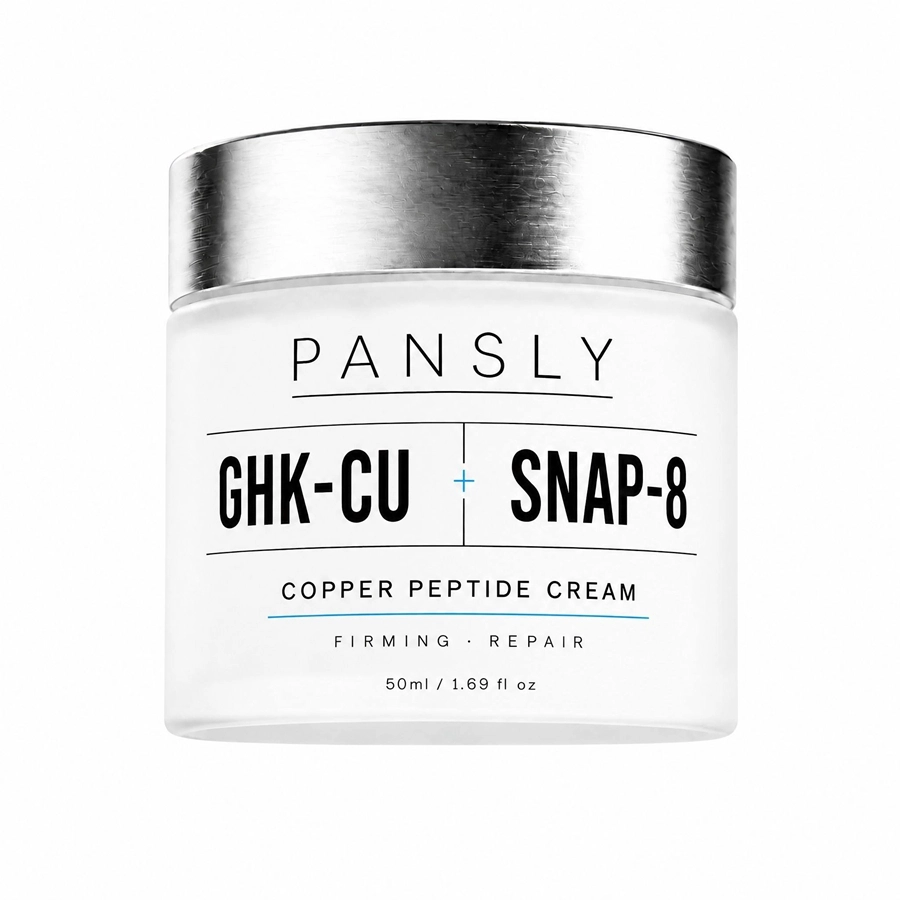
A focused copper-peptide tallow alternative for brands comparing a one-peptide story with dual-peptide positioning.
Explore Product →Customization can include the formula's emollient balance, peptide direction, texture, fragrance, jar format, label artwork and outer carton. However, custom formulas are not simply an unlimited menu of ingredients. Each change can affect preservation, product stability, raw-material supply, processing and regulatory documentation.
We recommend agreeing on the target consumer and retail positioning before changing the formula. A high-end facial-care label may want a soft, polished texture with low residual odor, while a heritage balm brand may deliberately preserve a more substantial application feel. Both are valid briefs, but their quality standards should be defined differently and tested consistently.
The core inputs are the target market, whether the brand wants balm or cream, expected retail price segment, desired pack size, peptide ingredient priorities, fragrance preference, color expectations, forecast quantities and intended launch timing. We also ask if the brand needs one SKU or a coordinated family of products.
We then assess formula feasibility, ingredient sourcing and the sample route. Packaging colors, print finishes and carton structures are considered early because their component minimums can materially affect MOQ. Custom artwork should not be finalized until the claims and ingredient declarations have been reviewed against the proposed finished product.
A photograph and a pleasant first application are not enough to approve an OEM/ODM balm. We specify tests appropriate to the structure, including physical stability, oxidation-related changes, packaging compatibility and microbial quality. For formulas with an aqueous phase, a suitable preservative efficacy program is required. The exact validation strategy depends on the formula and intended market.
Peptide-related documentation may include incoming material identity and assay information as well as selected finished-formula testing. We also evaluate fill mass, jar closure, product consistency, labeling and batch traceability. A label that claims a certain ingredient concentration should use a clear concentration basis and supporting documentation.
Fat-rich products can be sensitive to transport temperature extremes. A cream jar shipped during summer may experience conditions very different from those of a sample stored in a cool office. We consider the shipping market, distribution route and expected storage conditions when setting the stability and packaging requirements.
Premium language should be clear without suggesting medical treatment. “Moisturizes,” “conditions” and certain appearance-based claims may be appropriate when supported by the product. Claims about healing wounds, treating eczema or paralyzing muscles would require different regulatory treatment and should not be borrowed from unrelated peptide research.
There is no universal MOQ for all GHK-Cu + SNAP-8 tallow products. A standard pack with an established formula can have very different sourcing constraints from a newly developed combination in a bespoke jar. Some ingredient grades, closures, printed cartons or custom molds introduce minimums independent of the overall product batch.
For a useful quotation, we define the finished retail unit, net weight, ingredient specifications, package component list, label requirements, testing scope and delivery terms. We separate one-time development or tooling expenses from recurring manufacturing costs. This gives buyers a fair basis for comparing suppliers and for modeling their intended wholesale margin.
A complex dual-peptide formula may also require additional development and analytical work. Those requirements should be explained during the initial commercial conversation rather than added after the artwork has been approved or the retail launch has been announced.
One of the strongest ways to make a dual-peptide balm commercially useful is to give it a role that a standard tallow balm does not already fill. If the original product is a basic all-over moisturizer, the new SKU might target an evening facial-care ritual with different texture and packaging. If the range already includes a GHK-Cu serum, the balm can provide a distinctive moisturizing step.
We plan the assortment around differences that customers can feel and understand. The label names, primary claims, usage directions and design language should help a retailer explain why each product is worth stocking. That matters especially when a brand sells through distributors and has only a few seconds to communicate its product difference on shelf.
The dual-peptide concept adds ingredient verification, formulation compatibility and a different cosmetic positioning. A conventional balm relies more directly on its lipid-rich feel and moisturizing role. Neither option is automatically superior for every buyer.
We can evaluate a combined formula, but the actual peptide grades, carriers, phase structure, pH where relevant, preservation and stability must be confirmed in the finished product.
We do not assume that a cosmetic peptide balm produces medical injection effects. Claims must be appropriate to the product's classification and supported by relevant finished-formula evidence.
That depends on the target customer and the intended texture. A balm may suit a rich nighttime ritual, while a cream can offer a different spread and daily application feel. We compare formats against the brand's retail strategy.
Yes. Any source or production-method statement should be backed by appropriate supplier evidence and reviewed for the destination market.
We can discuss custom packaging subject to component availability, pack compatibility, minimum orders and artwork approval. The final quotation identifies the agreed unit and included materials.
Provide the intended market, desired format, ingredient direction, retail pack size, packaging, required claims and expected quantity. We use that information to define sample and bulk production scope.
Beyond Basix develops GHK-Cu, SNAP-8 and tallow-based skincare for private label and OEM/ODM projects. Share your intended product experience, market, packaging and quantity so we can define the appropriate formulation and sample route.
Discuss Your Custom Balm →Related Articles for Private Label Cosmetics




You May Also Like
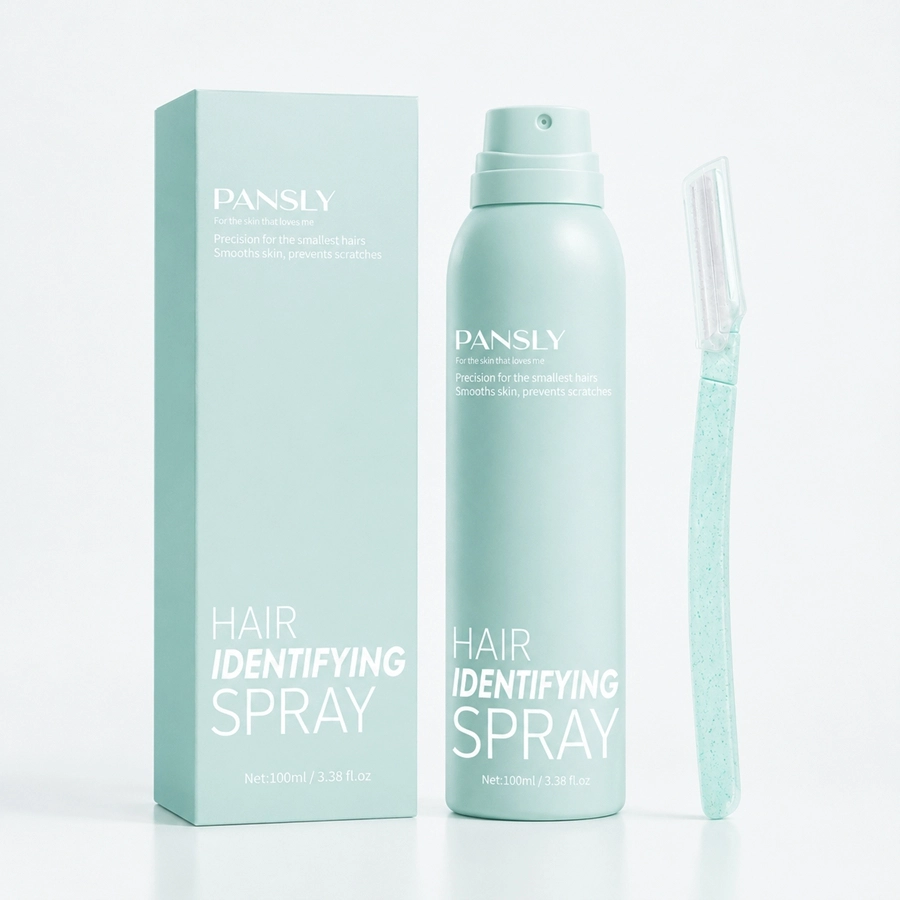
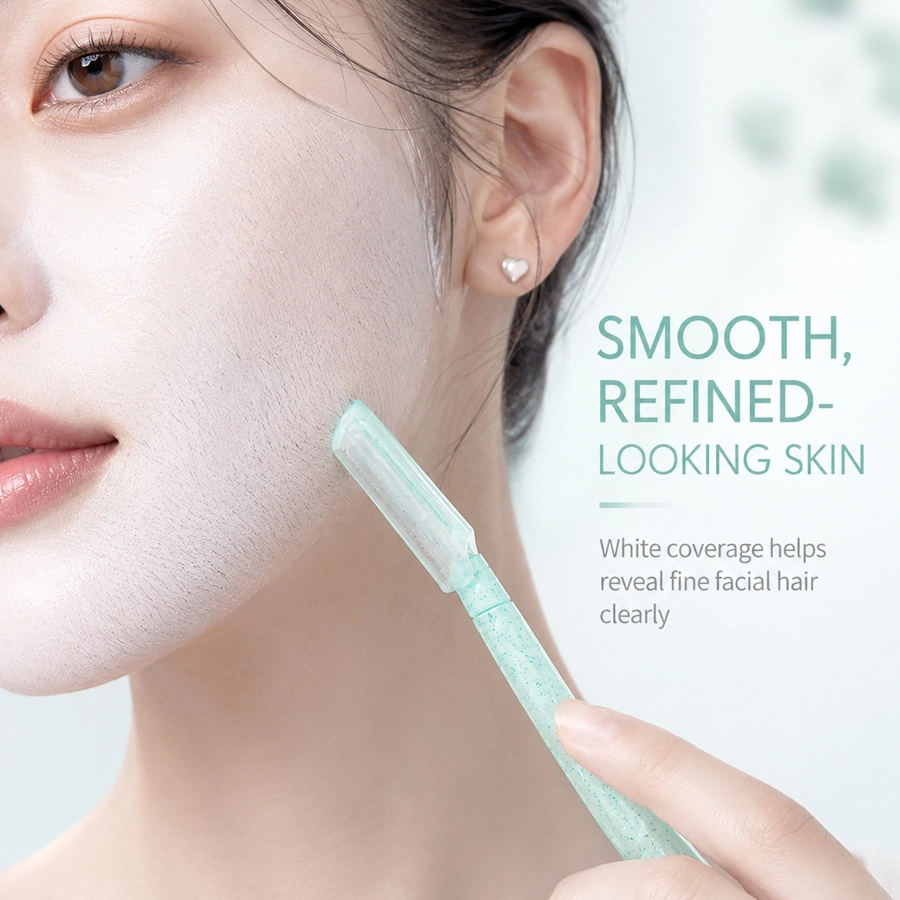
This Pansly Hair Identifying Spray Grooming Set includes a 100ml pre-shave hair identifying spray and a matching precision facial scraper, suitable for facial and body fine hair trimming.
Core functional ingredients:
Zea Mays (Corn) Starch: Forms a thin white film on dry skin to make invisible tiny vellus hairs clearly visible, supporting targeted accurate grooming;
Portulaca Oleracea Extract: Calms skin and alleviates irritation caused by scraping operations;
Hydrolyzed Keratin: Lubricates the skin surface to boost razor gliding and avoid scratches during hair removal;
Butylene Glycol: Offers gentle moisturization to keep skin comfortable throughout the grooming process.
You can finish the whole routine in 4 simple steps: Spray evenly on dry skin → Identify fine hairs via white coverage → Glide gently with the scraper → Wipe residues for silky smooth skin. It can be used on cheeks, upper lips, jawline, arms and more areas. We provide complete OEM/ODM private label service, including custom logo, multiple color selections, bulk order support and fast customization.
Get in Touch with us
If you have any comments or good suggestions, please leave us a message; later our professional staff will contact you as soon as possible.
Click here to customize the Beauty
we respond within a few hours
Monday–Friday, 9AM–6PM
3A01, Building A, Zhisheng Square, No. 4 Zhifu Road, Helong Street, Baiyun District, Guangzhou, China.
Leave a request, and we'll email you back within 24 hours.
© 2026 Beyond Basix. All Rights Reserved.
Chat with us
Want to learn more about customized cosmetic and skincare products? Chat instantly online with our experts for professional advice and answers.
Get a Free Quote
Submit your requirements and quickly get a quote for customized cosmetic and skincare products to help you make informed decisions.
Send My Request
Have a specific request or inquiry?
Send us the details through this form, and we’ll respond promptly to assist you with the next steps.
Custom Cosmetics and Skincare Products
Need a customized product?
Fill out this form and our team will work with you to provide a tailored solution to meet your needs and requirements.
Custom Cosmetics and Skincare Products
Need to customize your beauty brand product?
Fill out formula form and our team will work with you to provide a tailored solution to meet your needs and requirements.


