
GHK-Cu vs PDRN for Private Label Skincare: Formulation & OEM/ODM Guide
- GHK-Cu vs PDRN at a Glance
- What GHK-Cu Means for a Private Label Formula
- What PDRN Means for a Private Label Formula
- Can GHK-Cu and PDRN Be Used Together?
- Product Directions for Private Label Development
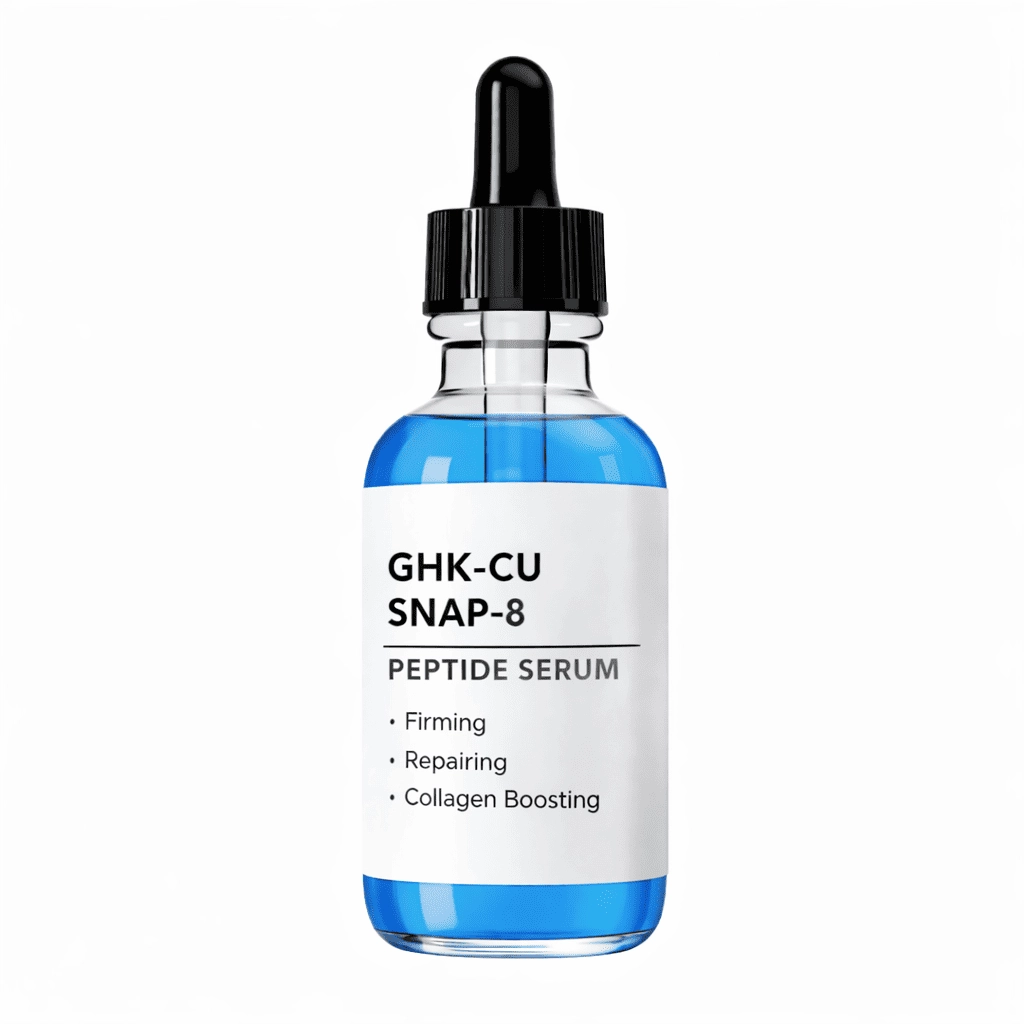
- GHK-Cu + SNAP-8 Copper Peptide Serum
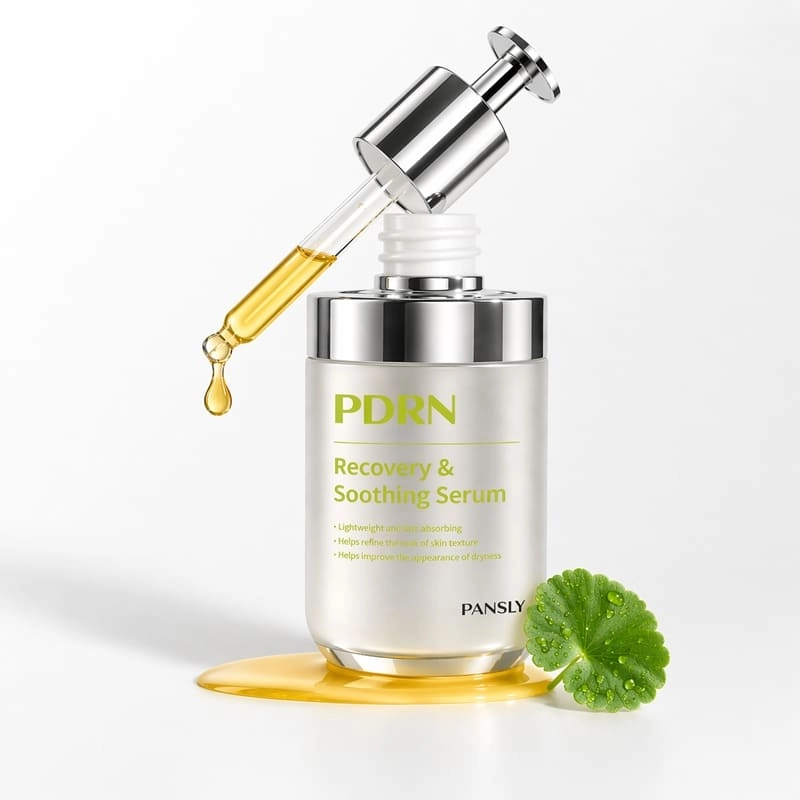
- PDRN + Centella Soothing Serum
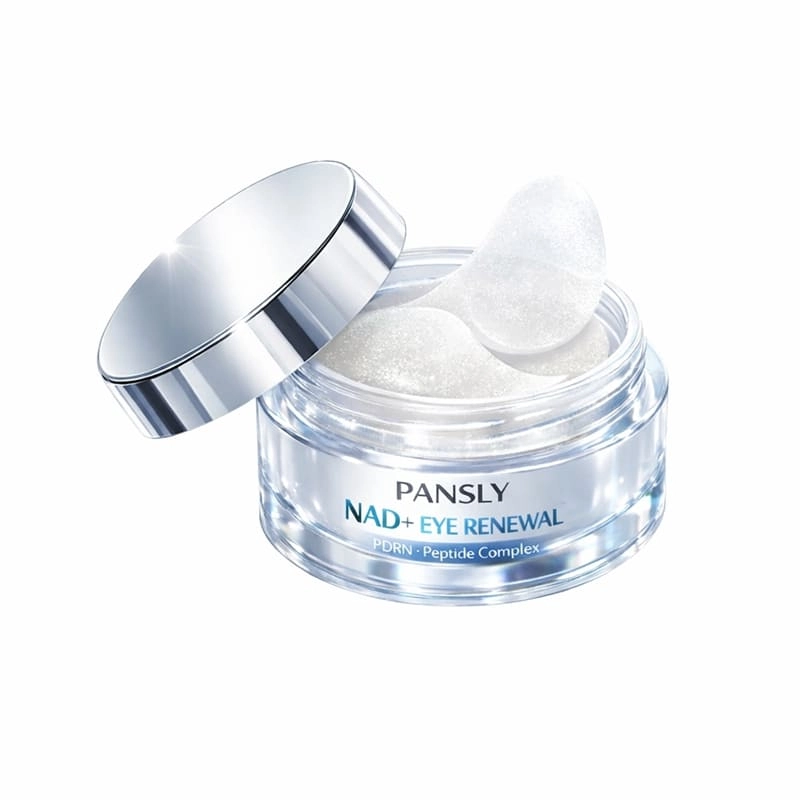
- PDRN + NAD+ Hydrogel Eye Patches
- Packaging & Stability Questions to Ask
- Mechanistic Research Is Not the Same as a Cosmetic Claim
- Ready Private Label vs Semi-Custom vs Full ODM
- GHK-Cu / PDRN OEM/ODM RFQ Checklist
- Discuss Your GHK-Cu or PDRN Project
- FAQ
Quick Answer
GHK-Cu and PDRN support different private label skincare directions. GHK-Cu is commonly used for peptide-led firming and age-care positioning, while PDRN is commonly used in hydration, soothing and recovery-inspired concepts.
Supplier selection should focus on the actual raw-material specification, formulation compatibility, packaging, finished-product testing, cosmetic claims and destination market rather than ingredient popularity alone.
GHK-Cu vs PDRN at a Glance
| Dimension | GHK-Cu | PDRN |
|---|---|---|
| INCI direction | Copper Tripeptide-1 | Sodium DNA |
| Typical positioning | Peptide-led firming, smoothing and age-care concepts | Hydration, soothing and recovery-inspired concepts |
| Common formats | Serum, cream, eye care | Serum, ampoule, cream, hydrogel eye patch |
| Formula priority | Stability, compatibility and finished-formula appearance | Raw-material identity, formulation route and finished-formula stability |
| Packaging priority | Light, air and formula-to-pack compatibility where relevant | Formula-to-pack compatibility and storage requirements |
| Claims direction | Firmer-looking, smoother-looking, conditioned skin | Hydrated, soothed, replenished-looking skin |
What GHK-Cu Means for a Private Label Formula
GHK-Cu is commonly supplied for cosmetic use as Copper Tripeptide-1. For private label development, the useful questions are not limited to the ingredient name: buyers should confirm the actual raw-material specification, concentration basis, supporting documentation and compatibility with the intended formula.
Finished-formula behavior can depend on pH, other actives, ionic environment, preservation system, texture design and packaging. A copper peptide concept should therefore be evaluated as a complete formulation rather than as one isolated active.
Brands defining a project can use the site's GHK-Cu OEM customization guidance together with a GHK-Cu sourcing checklist when preparing the development brief.
What PDRN Means for a Private Label Formula
PDRN-based skincare is commonly positioned around hydration, soothing and recovery-inspired care. For sourcing, the raw-material source, INCI identity, specification, supplier documentation and molecular characteristics where relevant should be reviewed before the finished formula is defined.
Topical performance cannot be inferred from the ingredient name alone. Formula architecture, raw-material form, concentration, packaging, storage and finished-product testing all influence the final product.
Private label teams can define the development route through the site's PDRN customization guidance and compare PDRN product formats before selecting a serum, cream or eye-care concept.
Compatibility Decision
Can GHK-Cu and PDRN Be Used Together?
GHK-Cu and PDRN can be evaluated within the same product concept, but compatibility cannot be confirmed from the ingredient names alone.
The raw-material grade, concentration, pH, preservation system, rheology, other active ingredients, packaging and finished-formula stability should be evaluated together before a combined formula is approved.
Product Directions for Private Label Development
The same ingredient story can support different formats, but each format changes the sensory target, packaging choice, filling process and testing plan.
Packaging & Stability Questions to Ask
| GHK-Cu formula stability | Has the finished formula been evaluated for active stability, color, appearance and compatibility with the selected package? |
| PDRN raw material | Is the actual raw-material specification documented and suitable for the intended formulation and market? |
| Primary packaging | Has the final formula been evaluated with the selected dropper, pump, airless system, jar or hydrogel pack? |
| Storage conditions | What storage and handling conditions apply to the raw material, bulk and finished product? |
| Finished-product testing | Which stability, microbiological, preservative and packaging-compatibility evaluations apply to the actual project? |
Packaging should be evaluated with the formulation rather than chosen as a separate visual decision. For peptide serums, the site's comparison of dropper, pump and airless packaging provides a useful starting point for the project brief.
Claims Boundary
Mechanistic Research Is Not the Same as a Cosmetic Claim
Mechanistic research can inform formulation and R&D discussions, but consumer-facing claims should remain within the legal scope of the destination market and be substantiated for the finished product.
| Avoid Drug-Like Language | Prefer Cosmetic Appearance Language |
|---|---|
| Repairs damaged DNA | Helps skin look replenished and refreshed |
| Rebuilds dermal collagen | Helps skin look firmer and smoother |
| Stops inflammation | Supports a soothed, comfortable appearance |
| Activates A2A receptors | Formulated with Sodium DNA |
| Works like injectable treatment | Recovery-inspired cosmetic positioning |
Ready Private Label vs Semi-Custom vs Full ODM
| Route | Best For | Main Trade-Off |
|---|---|---|
| Ready private label | Testing a product direction with limited formula change | Less formula differentiation |
| Semi-custom | Brands that need a more distinctive texture, active story or package | More development and validation than stock private label |
| Full ODM | Distinctive formulas, multi-SKU ranges and custom product concepts | Greater development, testing and supply-chain coordination |
GHK-Cu / PDRN OEM/ODM RFQ Checklist
A consistent RFQ makes supplier comparisons more useful and reduces uncertainty during formulation and packaging discussions.
| RFQ Item | Information to Define |
|---|---|
| Target market | Country or region where the product is intended to be sold |
| Active direction | GHK-Cu, PDRN or both for compatibility evaluation |
| Product type | Serum, cream, ampoule, eye patch or another defined format |
| Positioning | Firming, smoothing, hydration, soothing or another cosmetic direction |
| Texture | Watery, gel-serum, cream, hydrogel or another sensory target |
| Packaging | Dropper, pump, airless, jar, eye-patch pack or other preferred format |
| Claims | Intended cosmetic claims and front-of-pack positioning |
| Testing | Stability, microbiological, preservation and packaging-compatibility requirements |
| Documentation | Customer and destination-market documentation needs |
| Quantity | Expected initial order range |
| Timeline | Intended sampling, approval and launch window |
FAQ
What is the main difference between GHK-Cu and PDRN in private label skincare?
GHK-Cu is commonly used in peptide-led firming, smoothing and age-care concepts, while PDRN is commonly used in hydration, soothing and recovery-inspired cosmetic positioning. Final product performance depends on the complete formulation, raw-material specification, packaging and testing.
Can GHK-Cu and PDRN be used in the same formula?
They can be evaluated together, but compatibility should be confirmed in the finished formula. Raw-material grade, concentration, pH, preservation system, rheology, other actives, packaging and stability should be tested as one system.
What should buyers verify about a GHK-Cu raw material?
Confirm the INCI identity, supplier specification, concentration basis, supporting documentation and compatibility with the intended formula and target market.
What should buyers verify about a PDRN raw material?
Confirm the raw-material source, INCI identity, specification, molecular characteristics where relevant, supplier documentation and suitability for the intended formulation and destination market.
Which product formats can be considered for GHK-Cu or PDRN?
Possible directions include serums, creams, ampoules and eye-care formats. The appropriate format depends on the raw-material specification, texture target, packaging, stability requirements and brand positioning.
What should a brand include in a GHK-Cu or PDRN OEM/ODM RFQ?
Include the target market, active direction, product format, intended positioning, texture, packaging, claims, testing requirements, documentation needs, expected quantity and launch timing.
Related Articles for Private Label Cosmetics

Why Two Mineral Sunscreens With the Same SPF Can Feel Completely Different

Beyond Ordinary Tallow Balm: How GHK-Cu and SNAP-8 Create a Different Skincare Story

When Blue Copper Peptides Meet Beef Tallow: A New Direction for Premium Skincare

PDRN Toner Pads vs GHK-Cu + SNAP-8 Peptide Toner Pads: Private Label Manufacturing Decisions
You May Also Like
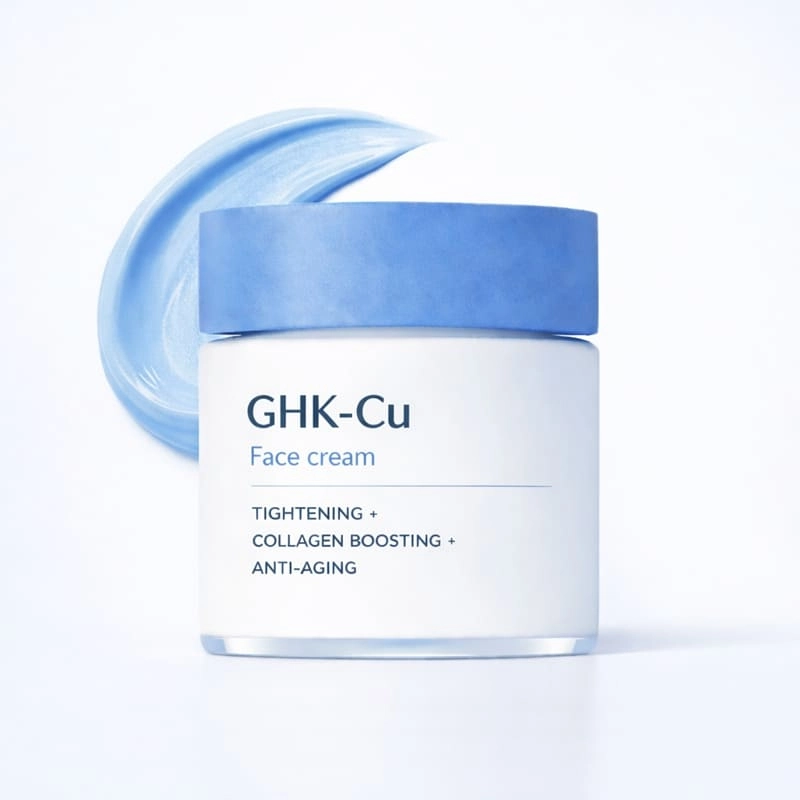
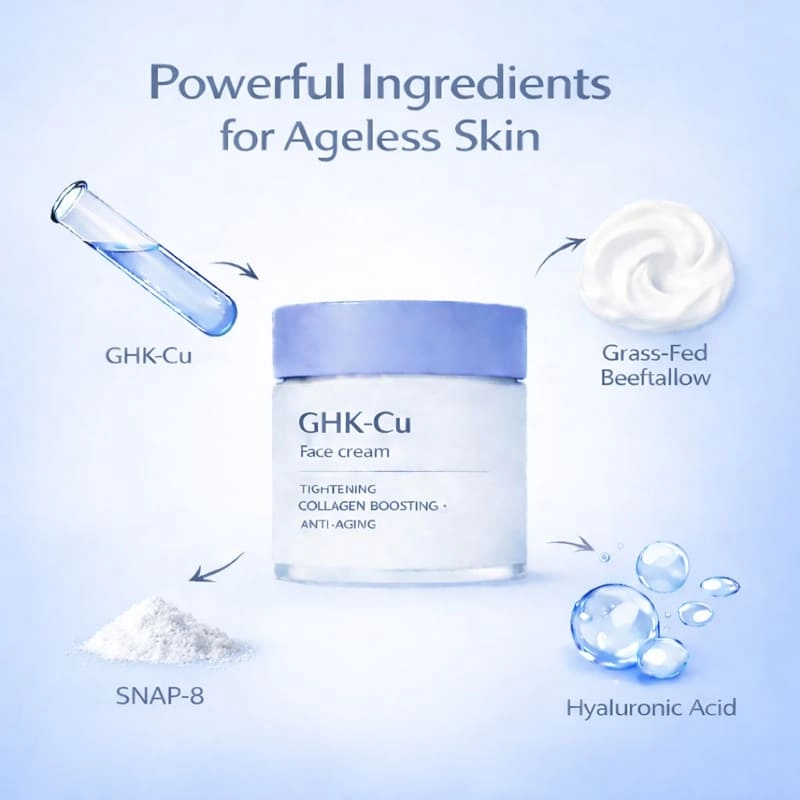
This GHK-Cu & SNAP-8 Beef Tallow Anti-Wrinkle Cream represents a unique fusion of traditional skin nourishment and cutting-edge peptide science. By utilizing Grass-Fed Beef Tallow as a bio-compatible base, the formula provides a rich profile of vitamins A, D, E, and K that mimics the skin's natural sebum for unparalleled absorption. This nutrient-dense foundation is supercharged with GHK-Cu (Copper Peptide) to support dermal density and SNAP-8 (Octapeptide-3) to help relax the appearance of expression lines and deep-set wrinkles.
Designed specifically for aging or depleted skin, this intensive cream provides a protective moisture barrier while actively working to improve firmness and elasticity. The result is a multi-layered approach to rejuvenation that smooths texture, deeply hydrates, and restores a youthful, resilient "bounce" to the complexion without the use of synthetic fillers.
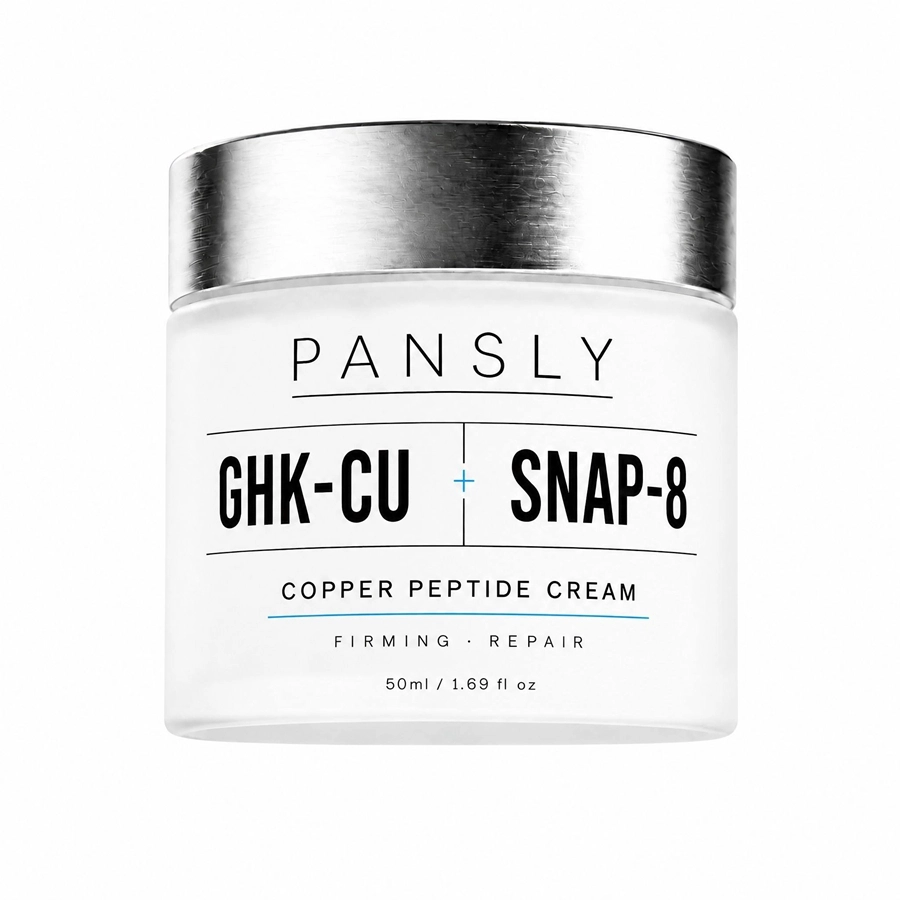
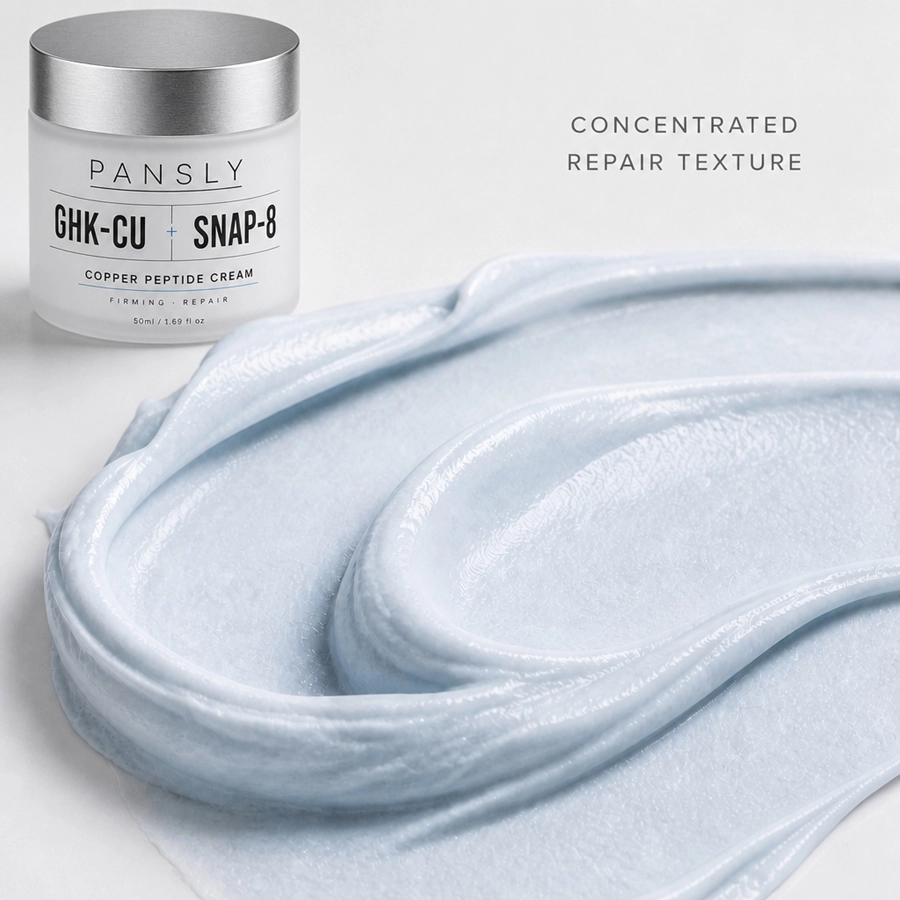
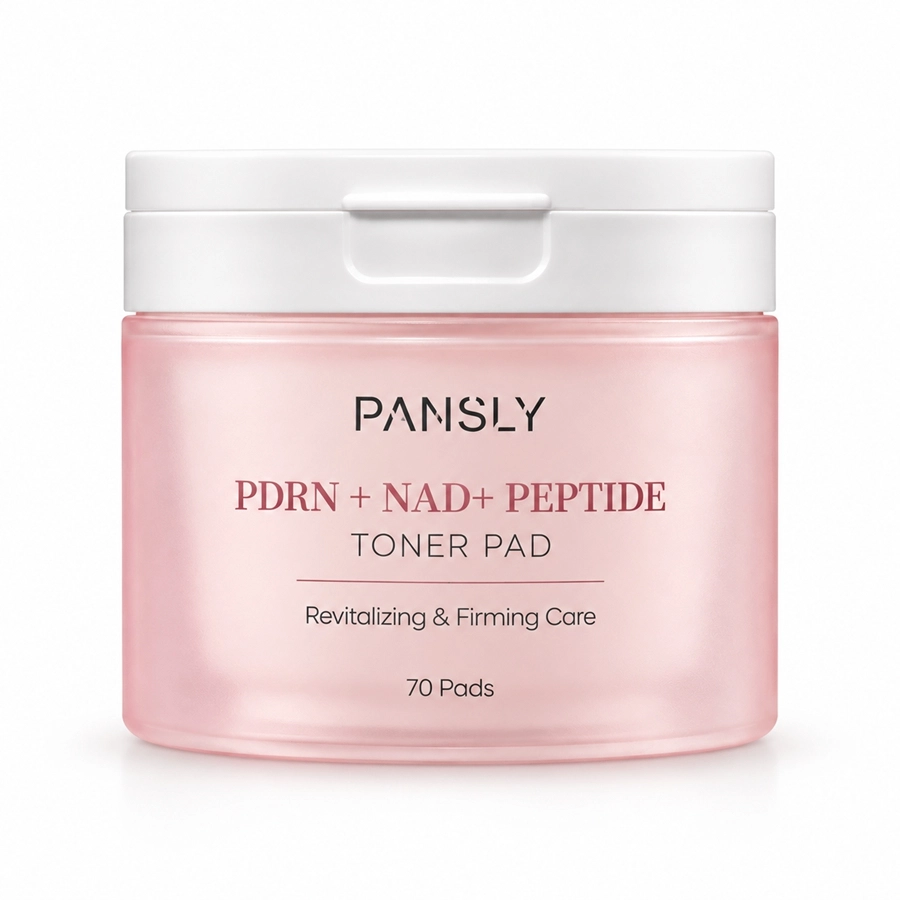
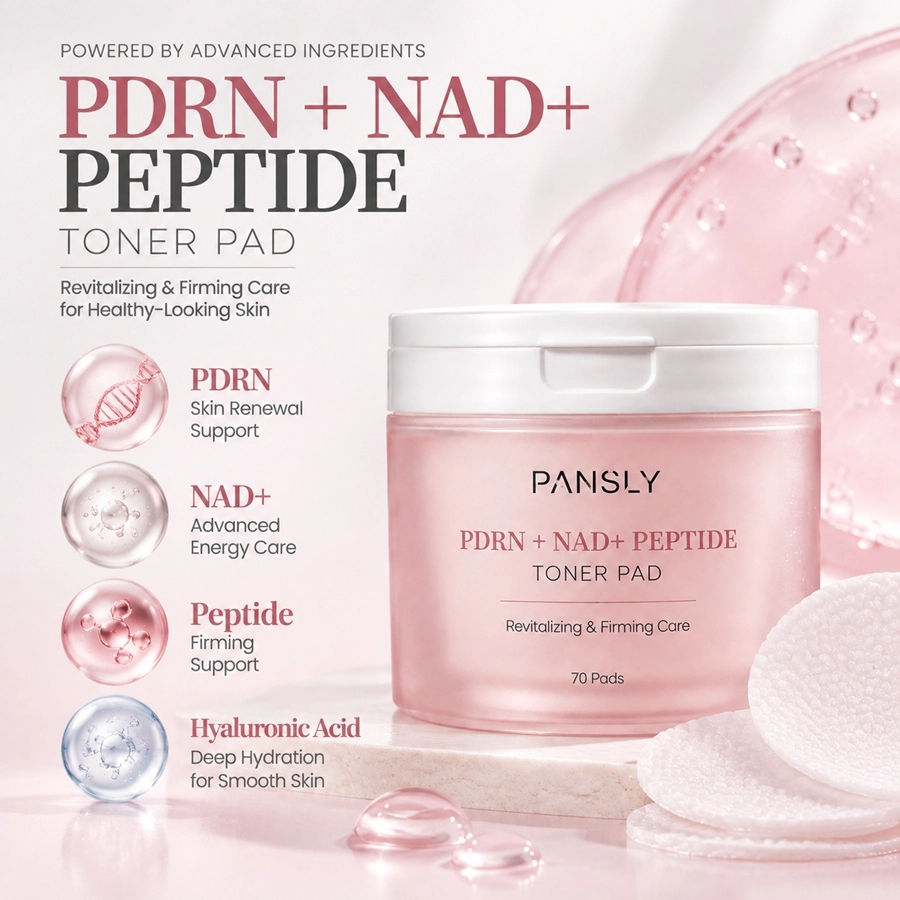
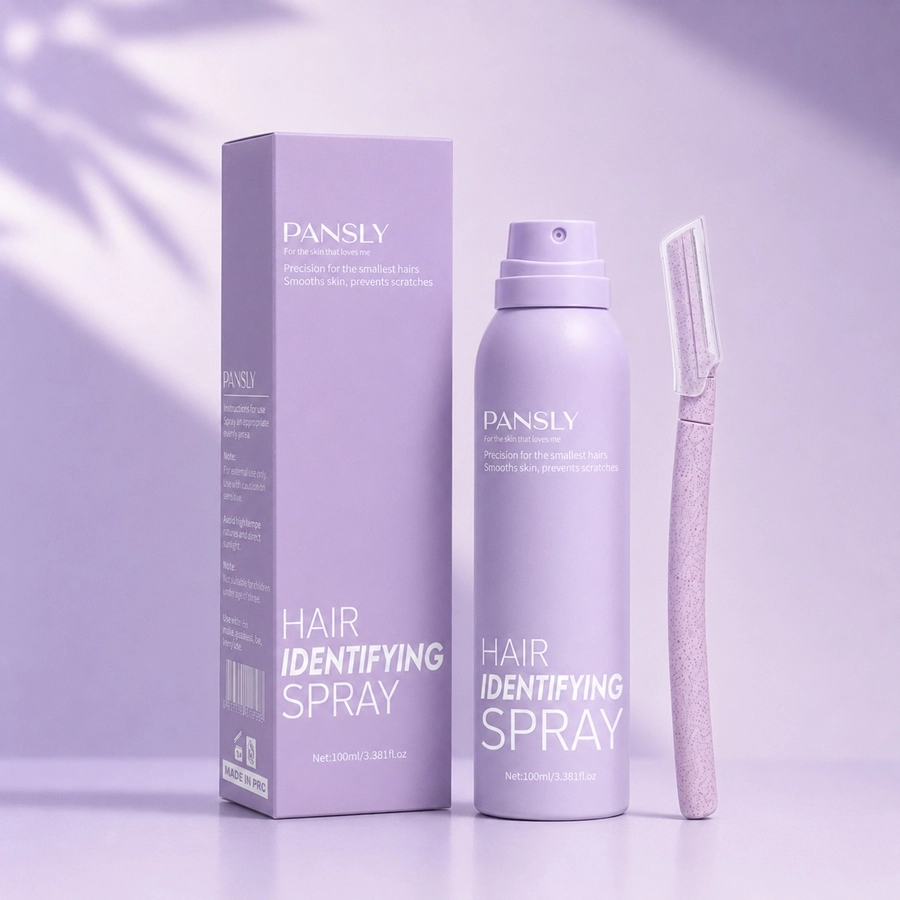
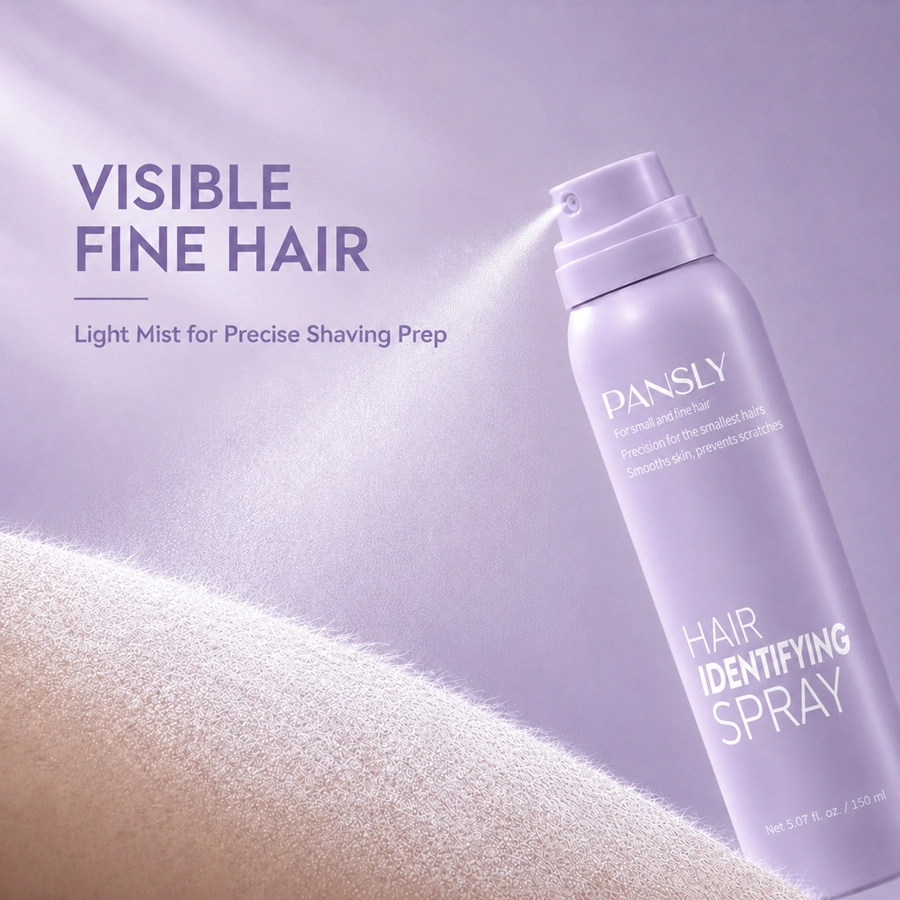
This Pansly Hair Identifying Spray Shaving Prep Set includes Hair Identifying Spray (100ml) and a precision facial scraper, specially designed for accurate facial and body hair removal. The lightweight fine mist spray evenly deposits a subtle film on clean dry skin, instantly highlighting tiny invisible fine vellus hairs, so you can clearly observe every hair for controlled, thorough shaving. It softens skin surface and effectively reduces blade friction, preventing scratches and irritation during dermaplaning. Suitable for face, jawline, upper lip, arms and other body areas. Simple 3-step routine: Spray → Reveal fine hairs → Shave with the matching scraper. Support full OEM & ODM private label service, customizable bottle, box and scraper design, logo & color customization and fast sampling.
Get in Touch with us
If you have any comments or good suggestions, please leave us a message; later our professional staff will contact you as soon as possible.
Click here to customize the Beauty
we respond within a few hours
Monday–Friday, 9AM–6PM
3A01, Building A, Zhisheng Square, No. 4 Zhifu Road, Helong Street, Baiyun District, Guangzhou, China.


Leave a request, and we'll email you back within 24 hours.
© 2026 Beyond Basix. All Rights Reserved.
