Prep · Standalone Spray
Private Label Natural Herbal Hair Identifier Spray for Face Shaving
A standalone preparation format for brands that want the pre-removal step to have its own product identity.
Hair removal gives beauty brands something that many isolated cosmetic products do not: a sequence of customer needs that naturally happen before, during and after the main action.
At Beyond Basix, we see this as a useful foundation for private label hair removal products. A brand can begin with one hero product, but it does not have to stop there. Preparation can become one product role. Removal can become another. Post-removal care can address what happens immediately afterward. A separate maintenance product can extend the routine again.
This does not mean every brand should launch four or five SKUs at once. In many cases, the stronger business decision is to start with a focused hero product and build outward only where the next product has a clear reason to exist.
The opportunity is to create a category around one recognizable customer need rather than repeatedly launching unrelated beauty products.
A useful hair-removal range becomes easier to plan when every product has a defined place in the routine.
Prep can help the customer prepare for the removal step. In facial grooming, a hair-identifying spray is one example because it creates a specific pre-removal application moment.
Removal is the core action. Depending on the brand and target customer, this may involve a precision facial scraper, a hair removal cream format or another suitable product route.
Aftercare addresses the period immediately after removal. This can be developed as its own skincare proposition instead of forcing the preparation product to make claims about every stage of the routine.
Maintenance can become a separate long-term position. Beyond Basix has a dedicated hair growth inhibitor category, which can sit in a different part of the product architecture from pre-shave preparation.
These roles give a brand a framework for deciding which products belong together and which should remain distinct.
A preparation product does not have to be hidden inside a larger kit. For some brands, the prep step itself can become the hero SKU.
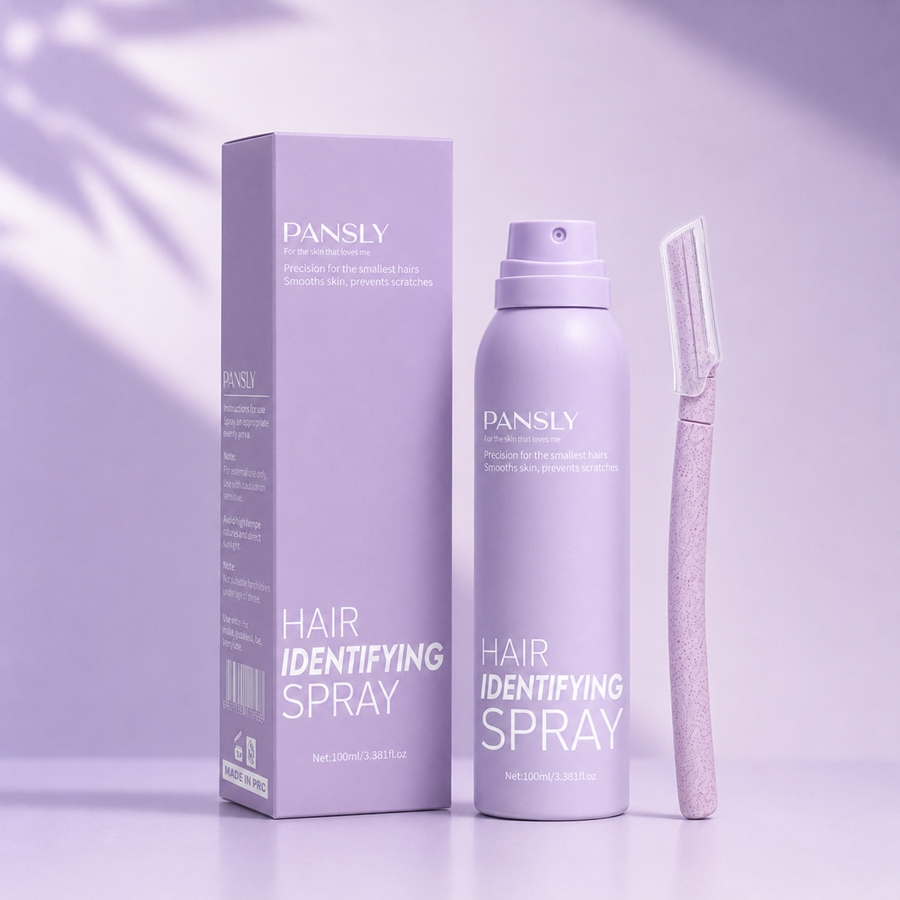
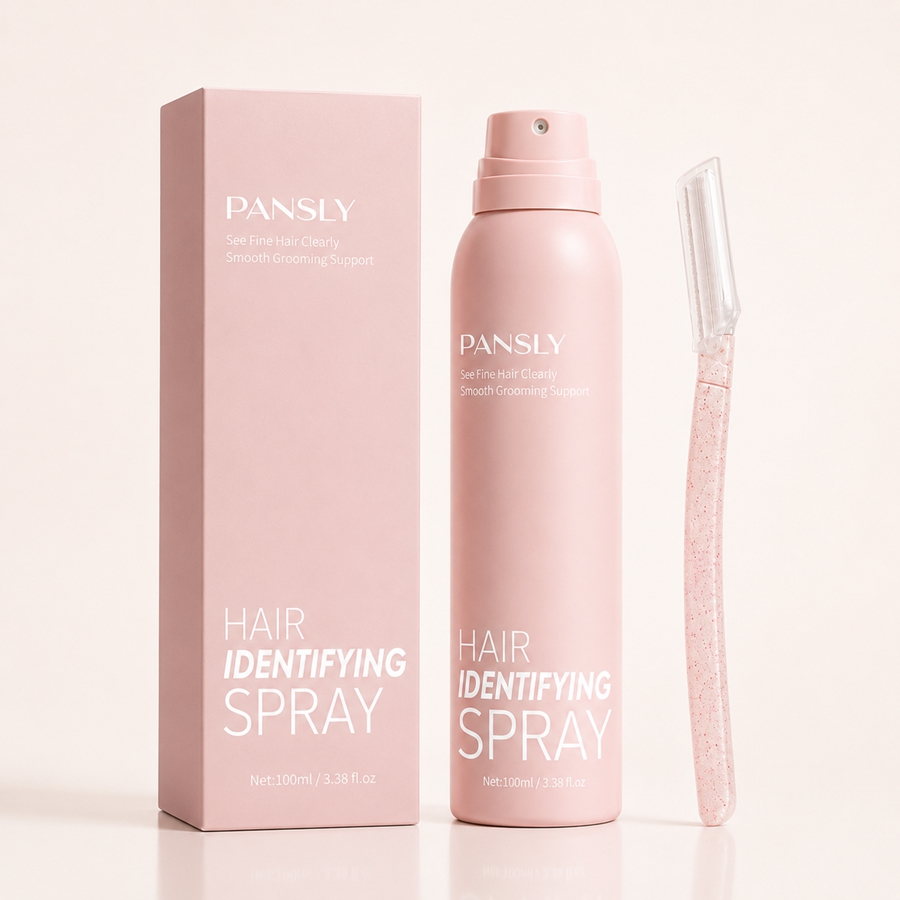
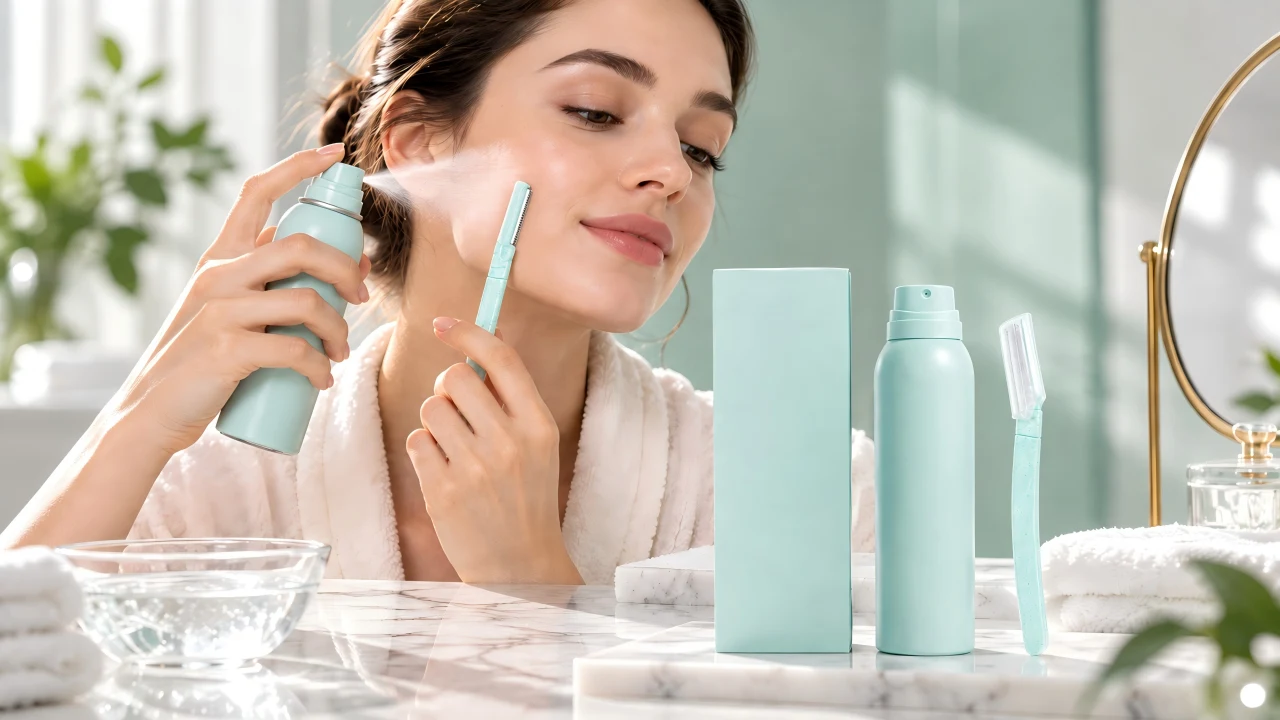
Our Private Label Natural Herbal Hair Identifier Spray for Face Shaving is an example of a standalone identifying-spray format in the Beyond Basix range. It gives brands a way to position the preparation stage as a product customers can recognize independently.
This route can suit a brand that already has a preferred facial tool, wants to build a focused pre-shave proposition or wants the consumable cosmetic product to carry more of the brand identity.
Another route is to combine the preparation product with the tool required for the next step. This changes the commercial proposition from a single cosmetic product into a more complete grooming system.
Our Pansly Hair Identifying Facial Shaving Prep Spray With Precision Scraper combines a 100 ml identifying spray with a precision facial scraper. For a private label brand, that combination can make the customer journey easier to communicate because the two components belong to consecutive steps.
A private label facial hair removal kit can therefore work as the hero offer while individual companion products expand the range later.
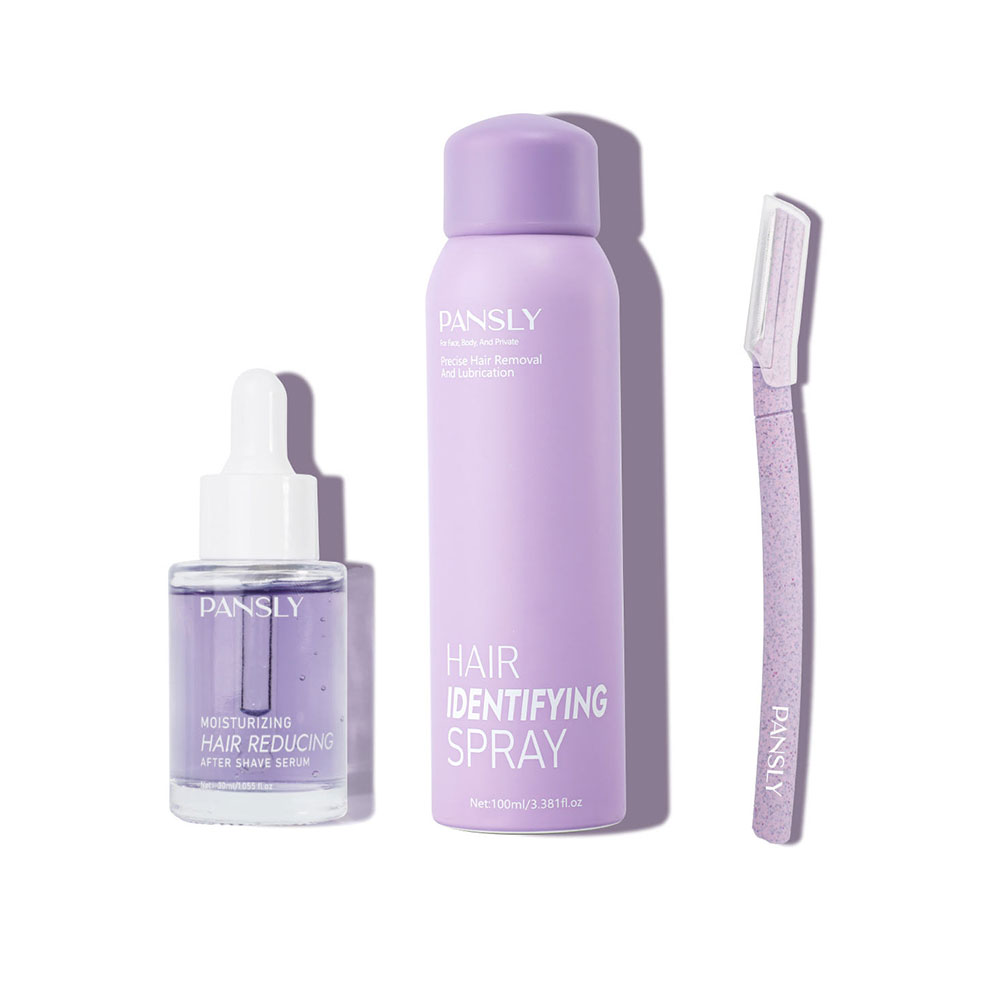
A product category becomes more useful to private label customers when there is more than one way to configure the offer. Beyond Basix carries several hair-identifying spray and facial-scraper combinations rather than only one visual reference.
For example, the Pansly Dermaplaning Prep Spray & Facial Scraper Set is another verified configuration in the range. For a brand, alternatives like these can be relevant when choosing the visual direction of the tool-and-spray combination or when comparing references before a custom project is finalized.
The purpose is not to put every available product into one launch. Multiple references give the customer more ways to define what the hero product should look and feel like.
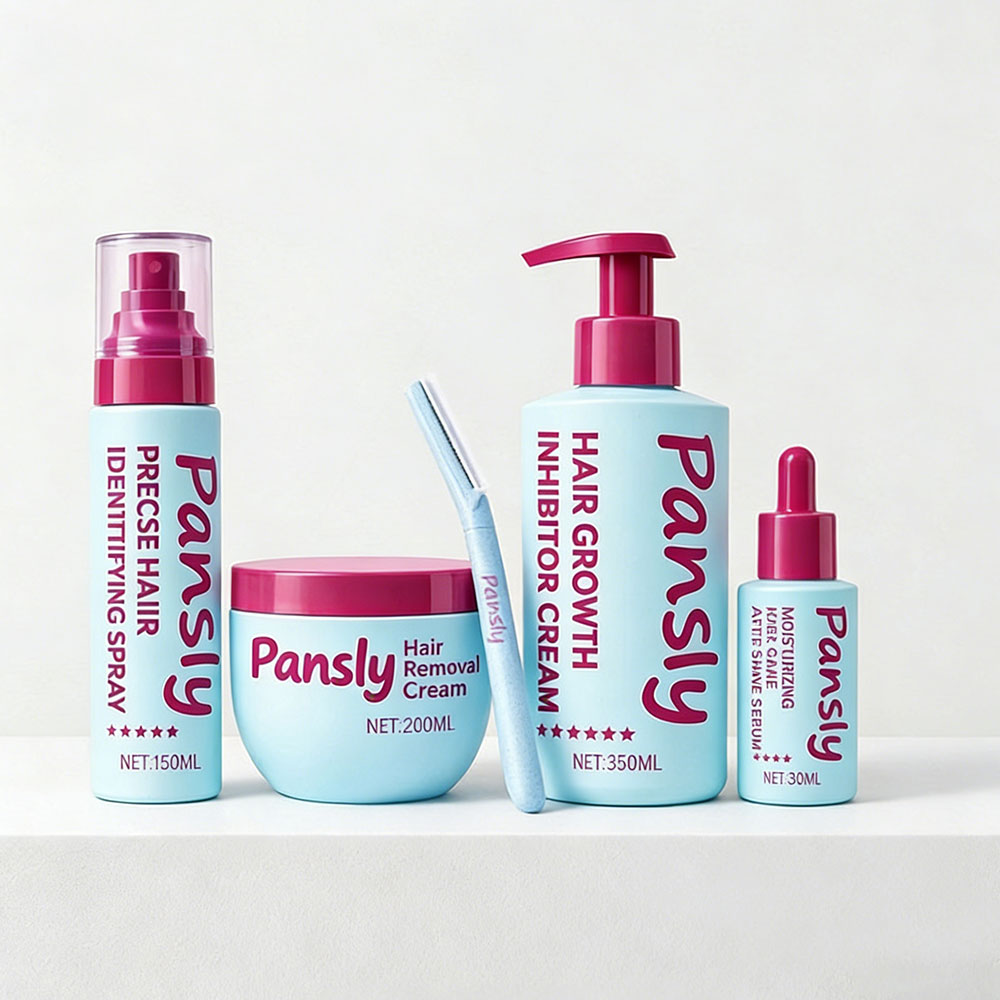
A complete hair-removal category should not assume that every customer wants facial scraping. Beyond Basix organizes the category across Hair Removal Spray, Hair Removal Cream and Hair Growth Inhibitor, giving brands different routes into the same broader customer need.
A hair removal cream can serve a different use case from an identifying spray and scraper. That difference is valuable when a brand wants to expand from facial grooming into a broader body-care or hair-removal assortment.
The commercial logic should remain clear. A cream should not be added merely because the category exists. The brand should define who will use it, where it belongs in the assortment and whether it serves the same customer as the hero facial product or opens another segment.
This is how a product range becomes broader without becoming random.
Immediately after hair removal, the customer's routine changes. That creates a natural point for a separate skincare product.
We prefer to keep this role distinct from preparation. A pre-shave spray should not be forced to act like an aftercare serum, and an aftercare product does not need to repeat the identifying function of the spray.
For brands planning post-hair-removal care, the second SKU can be developed around the desired cosmetic experience after the removal step. The exact format, formula and claims need to be defined for the project rather than borrowed from another product.
Commercially, this can be useful because the hero hair-removal product and the aftercare SKU can be sold individually or combined in a routine bundle. The second product has a logical reason to exist, so cross-selling does not feel arbitrary.
A maintenance product creates another position in the range. It should be treated as a separate formulation and claim territory, not as an automatic extension of the pre-shave spray.
Our Natural Hair Identifier Spray & Growth Inhibitor Kit is a verified example of a product architecture that combines an identifying step with a separate growth-inhibitor product. The important commercial idea is the structure: one product belongs before removal, while the other belongs to a later maintenance stage.
For a beauty brand, this can demonstrate how two distinct product roles can live inside one category without pretending they are the same formula or perform the same function.
A large catalog does not automatically create a strong beauty brand. Customers still need to understand what the business stands for and why the products belong together.
Hair removal gives brands a practical way to create that coherence. The products can all connect to the same customer journey while serving different stages.
This makes product expansion easier to explain. A customer who understands the hero removal product can also understand why a preparation spray exists. The same customer can understand the role of aftercare. A maintenance product can then occupy another clearly labeled position.
For the business, this structure can support bundles, category landing pages, educational content and future launches without requiring every new SKU to introduce an entirely new problem.
We do not recommend building a large range simply to make the launch look substantial. More SKUs create more development, packaging, artwork, inventory and purchasing decisions.
A focused first launch can be commercially easier to understand. The hero might be a standalone pre-shave spray, a spray-and-scraper kit or another hair-removal format that fits the target customer.
The second product should solve the next most logical need. For a facial shaving concept, that may be aftercare. For a brand already selling the preparation and removal steps, maintenance may become the next extension.
The sequence should come from the customer's routine and the brand's positioning, not from a desire to fill a product grid.
Once a brand has several complementary products, it can create different offers without developing a new formula for every campaign.
The hero SKU can remain available on its own. A prep-and-removal set can serve customers who want the complete starting routine. A removal-and-aftercare bundle can emphasize the period around the removal event. A larger set can bring several stages together.
This can also give different channels different merchandising options. A concise hero kit may suit social commerce, while a larger routine set may suit gifting or the brand's own DTC store.
The bundle still needs to make sense. More items do not automatically create more value. The strongest combinations are usually those where the customer can understand why each component is included.
As the range grows, packaging becomes part of the architecture. Customers should recognize that the prep, removal, aftercare and maintenance products belong to the same family without confusing their roles.
Consistent color systems, typography, naming and pack hierarchy can connect the range. At the same time, each SKU needs enough differentiation to make its step clear.
For kits, component arrangement can communicate sequence. For individual products, front-of-pack naming can help customers distinguish preparation from aftercare or maintenance.
These decisions are especially important when products appear together in e-commerce thumbnails, social content or bundle photography. The range should look connected before the customer reads every line of copy.
A multi-product range creates more opportunities for communication, but it also creates more opportunities to blur claims.
We keep preparation, removal, aftercare and maintenance as separate claim territories. A pre-shave identifying spray should be described according to its validated preparation function. A removal product should be evaluated according to its own format. Aftercare should have its own cosmetic positioning. A growth-inhibitor product needs its own formulation and supporting information.
Brands should not transfer a claim from one SKU to another simply because both products appear in the same bundle.
Final labeling and claims also need to match the destination market and the finished product rather than relying on generic category language.
When customers approach Beyond Basix about a broader hair removal product range, we want to understand how the products are supposed to work together commercially.
Useful information includes the target market, customer profile, main sales channels, hero product, preferred hair-removal method, whether the range is face-focused or broader, which stages of the routine the brand wants to cover, packaging direction, quantity expectations and launch timing.
If the business wants to launch in phases, tell us which SKU must come first and which products are intended as future extensions. That allows development decisions to support the longer-term range without requiring every product to launch simultaneously.
A range brief can also identify where a product should remain independent. Not every SKU needs to be bundled, and not every product needs the same package size or visual emphasis.
When several products are intended to work around the same beauty routine, sample evaluation should consider both individual performance and the overall sequence.
The brand can review whether the prep product is easy to apply, whether the chosen removal format fits the intended use case, how the aftercare experience follows the removal step and whether a maintenance product is clearly differentiated.
For kits, packaging and tool compatibility also matter. For sprays, the dispensing system should be evaluated with the formula. For creams or other removal formats, the relevant project specifications need to be agreed separately.
Feedback should be specific enough to become part of the production brief. “Make it better” is less useful than describing the desired sensory change, application behavior, package function or visual result.
A focused hair-removal brand does not need to remain a one-product company. It can expand while keeping the same category identity.
The key is to let each new SKU answer a related customer need. Prep can improve the structure of the removal routine. Another removal format can address a different use case. Aftercare can support the period immediately afterward. Maintenance can create another stage.
This gives the business a path to grow assortment depth rather than constantly moving sideways into unrelated beauty categories.
For established skincare brands, the same structure can create a specialized sub-range under the larger brand. For newer businesses, hair removal itself can become the central category around which the brand is built.
Private label hair removal products become more commercially useful when they are planned as connected roles rather than a collection of available formulas.
At Beyond Basix, we can start with a focused preparation product, a spray-and-tool hero kit or another suitable hair-removal format. From there, aftercare and maintenance can extend the category when they have a clear purpose.
The range does not need to be large on day one. It needs to be understandable.
A customer should be able to see what comes before removal, what performs the removal step, what belongs afterward and which product addresses ongoing maintenance. When those roles are clear, the brand gains more options for merchandising, bundling, content and future product development without losing the logic of the original category.
A range can be structured around preparation, removal, aftercare and maintenance. Beyond Basix currently organizes hair-removal offerings across Hair Removal Spray, Hair Removal Cream and Hair Growth Inhibitor categories, while the exact product combination should be defined for the individual brand.
No. A brand can start with a hero SKU or kit and add companion products later. Staged development can keep the initial proposition easier to understand while preserving room for expansion.
Yes. Beyond Basix has verified reference configurations combining hair-identifying preparation sprays with precision facial scrapers. The final packaging, branding and project requirements are confirmed for the selected configuration.
Aftercare can be positioned as a separate product used after the removal step. Keeping it distinct from preparation helps each SKU retain a clear role and creates a natural companion-product opportunity.
It can occupy a separate maintenance position in the range. Its formulation, claims and supporting information should remain distinct from the pre-shave and removal products.
They can belong to the same broader hair-removal category if the brand has a clear customer and positioning strategy for each format. They should not be added solely to increase SKU count.
Useful information includes the target market, customer, sales channels, hero SKU, desired routine stages, preferred formats, packaging direction, expected quantities, customization requirements and launch timing.
Related Articles for Private Label Cosmetics




You May Also Like
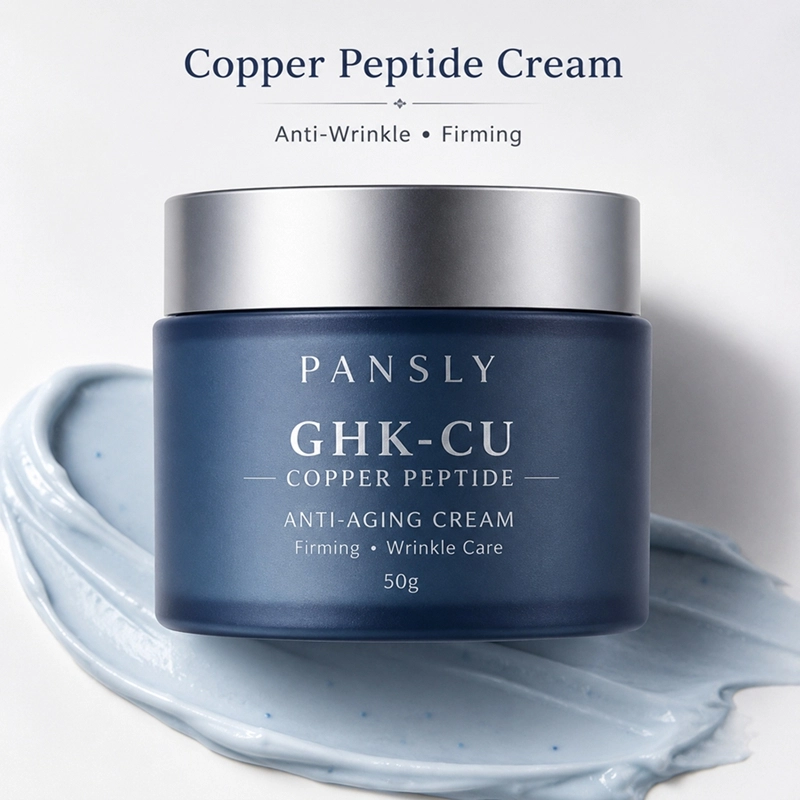
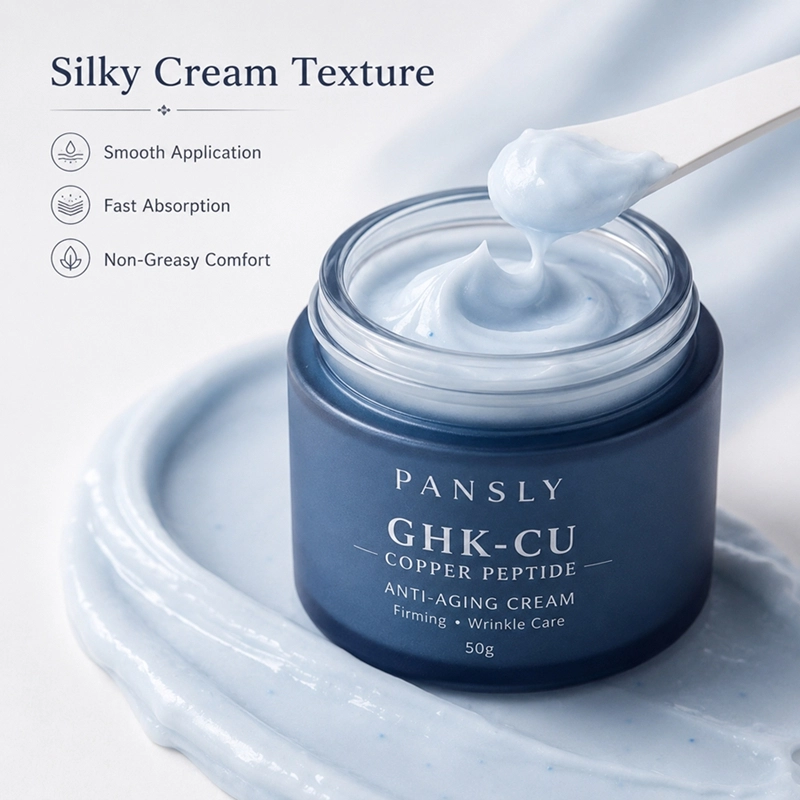
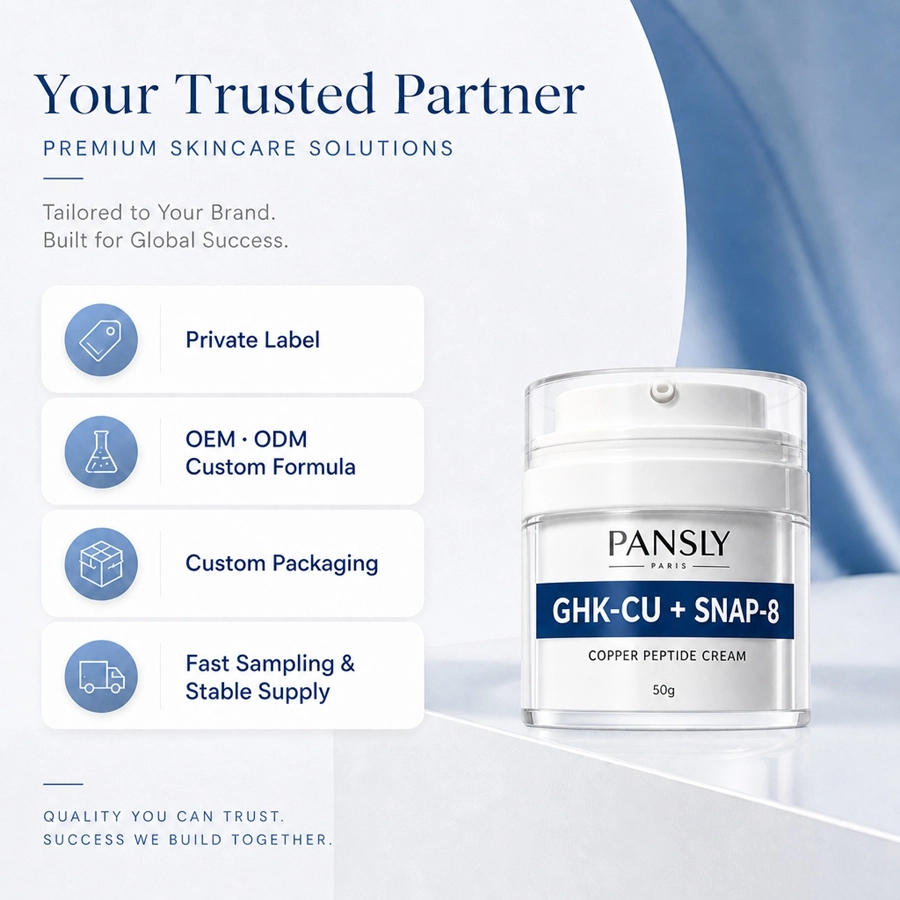
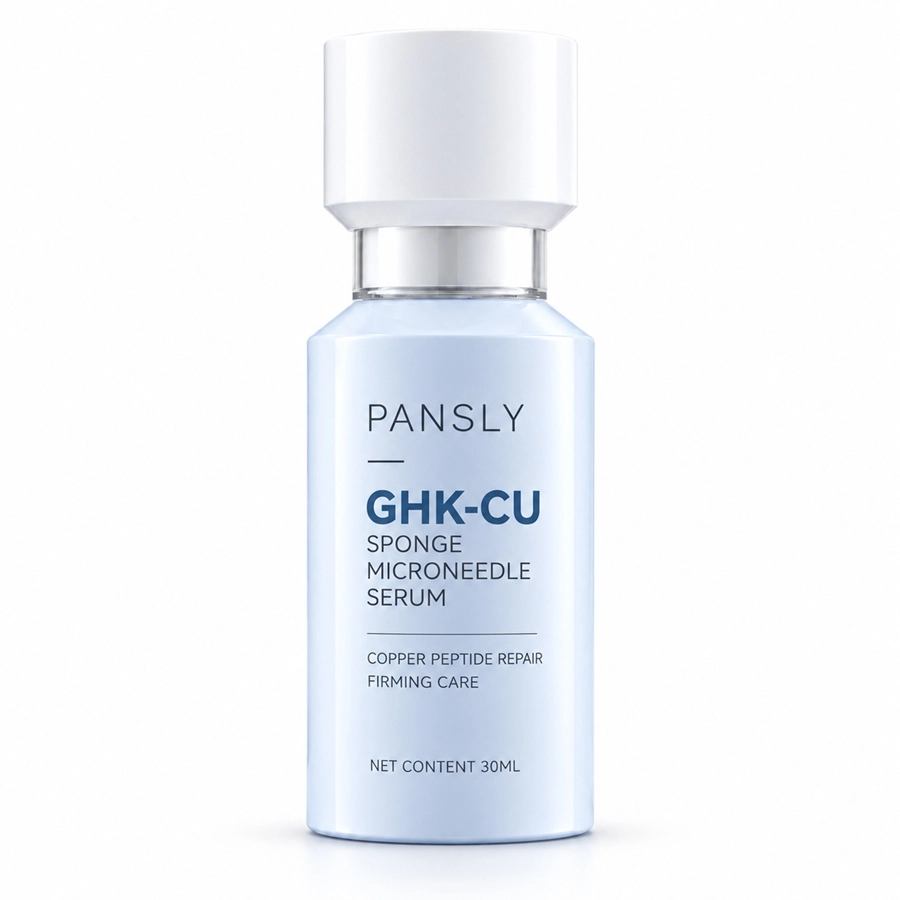
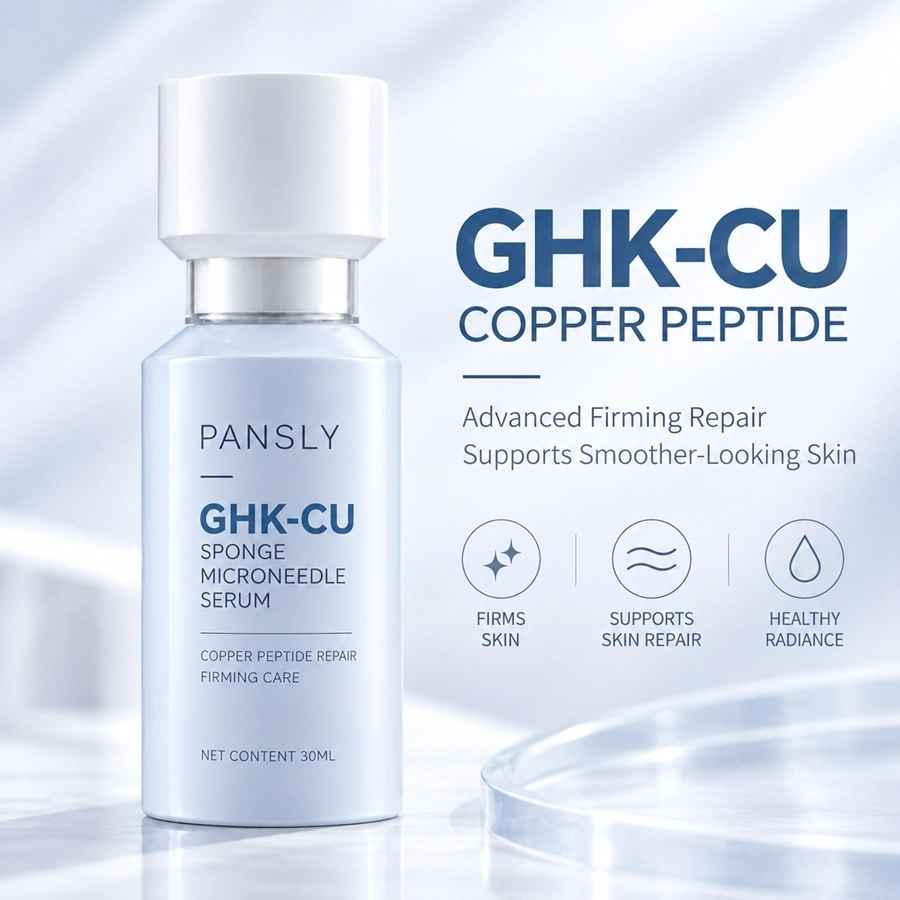
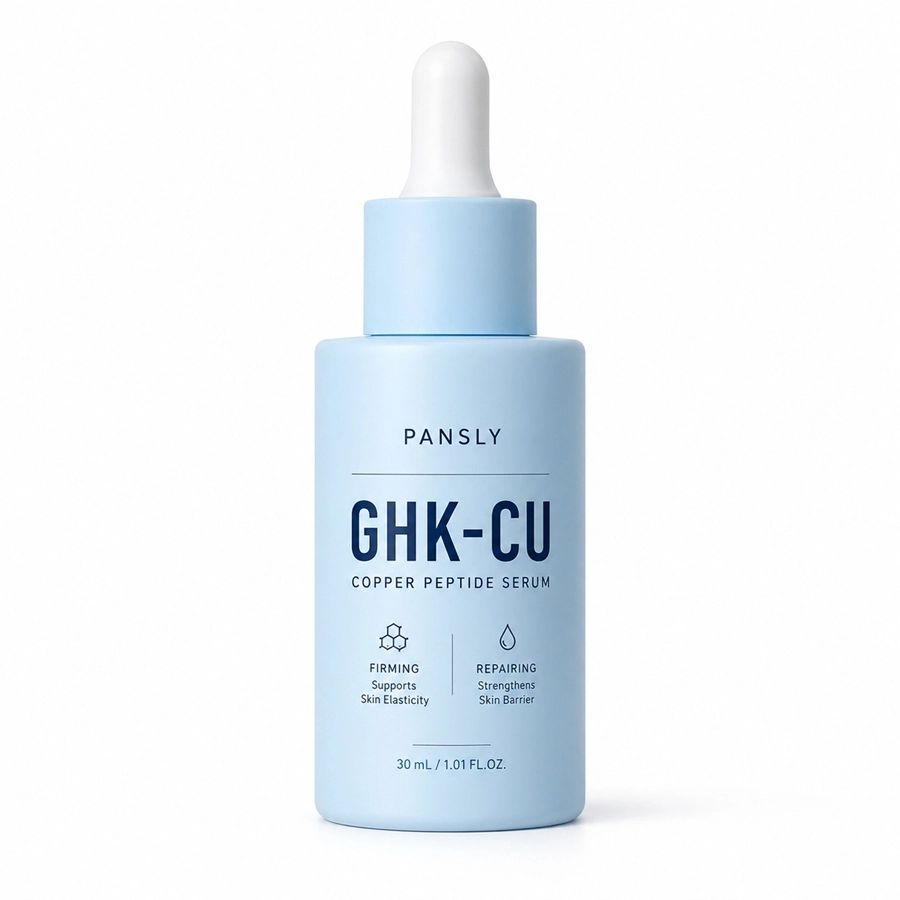
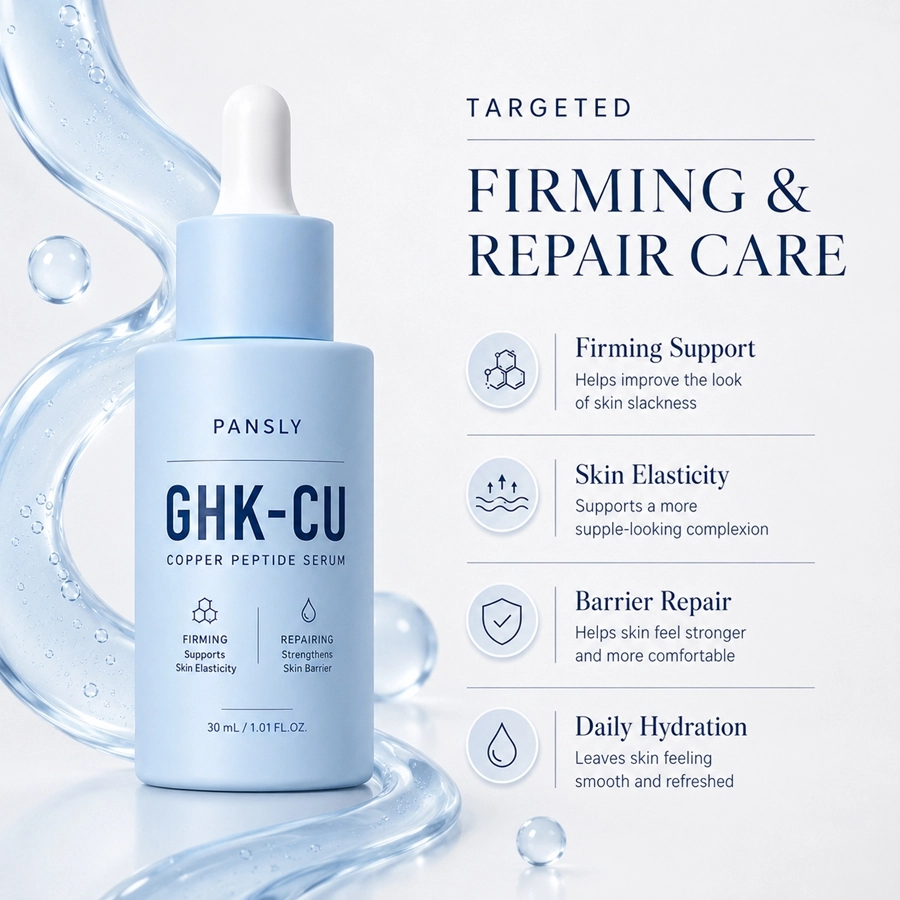
GHK-Cu Face Cream, a copper peptide anti-aging formula, hydrates deeply and supports skin barrier repair. Private label available for bulk orders, giving brands a ready-to-sell moisturizer with a blue copper peptide base for smoother-looking skin.
Get in Touch with us
If you have any comments or good suggestions, please leave us a message; later our professional staff will contact you as soon as possible.
Click here to customize the Beauty
we respond within a few hours
Monday–Friday, 9AM–6PM
3A01, Building A, Zhisheng Square, No. 4 Zhifu Road, Helong Street, Baiyun District, Guangzhou, China.
Leave a request, and we'll email you back within 24 hours.
© 2026 Beyond Basix. All Rights Reserved.
Chat with us
Want to learn more about customized cosmetic and skincare products? Chat instantly online with our experts for professional advice and answers.
Get a Free Quote
Submit your requirements and quickly get a quote for customized cosmetic and skincare products to help you make informed decisions.
Send My Request
Have a specific request or inquiry?
Send us the details through this form, and we’ll respond promptly to assist you with the next steps.
Custom Cosmetics and Skincare Products
Need a customized product?
Fill out this form and our team will work with you to provide a tailored solution to meet your needs and requirements.
Custom Cosmetics and Skincare Products
Need to customize your beauty brand product?
Fill out formula form and our team will work with you to provide a tailored solution to meet your needs and requirements.