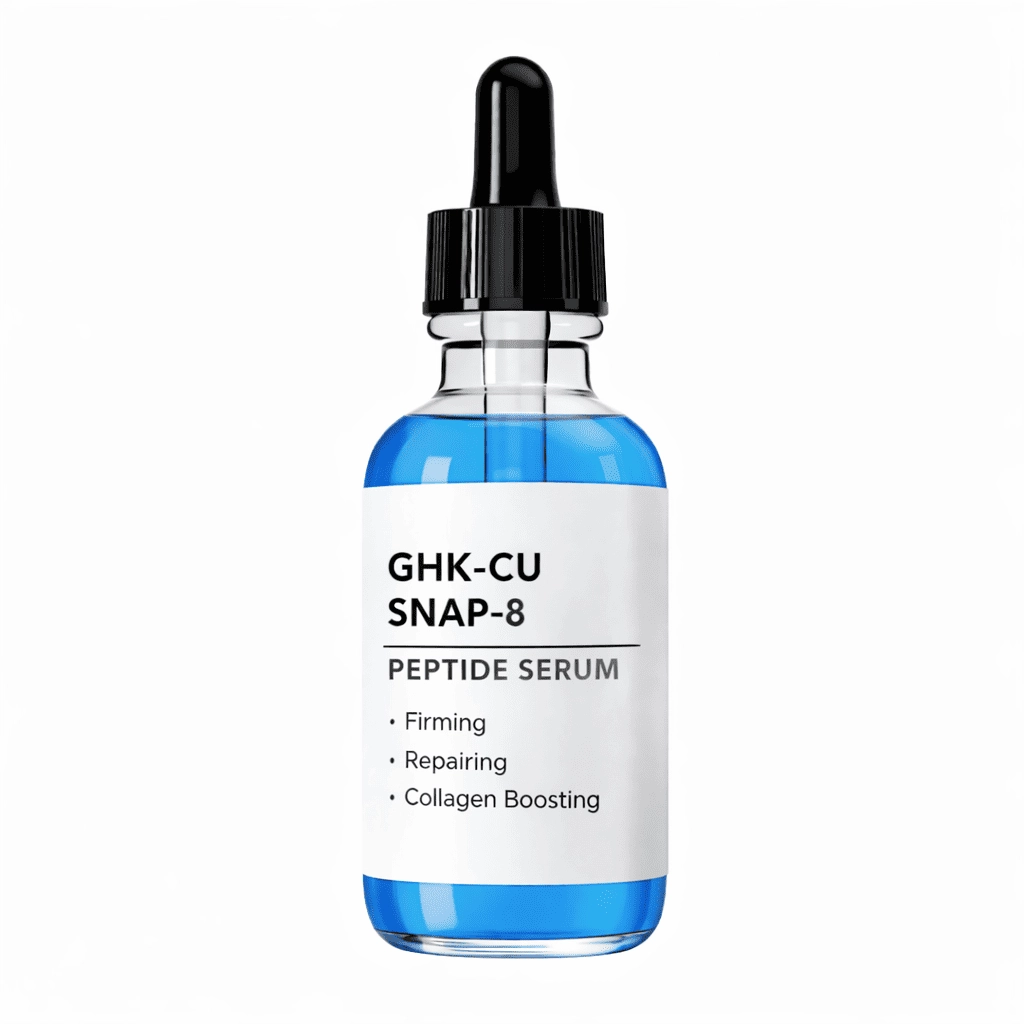
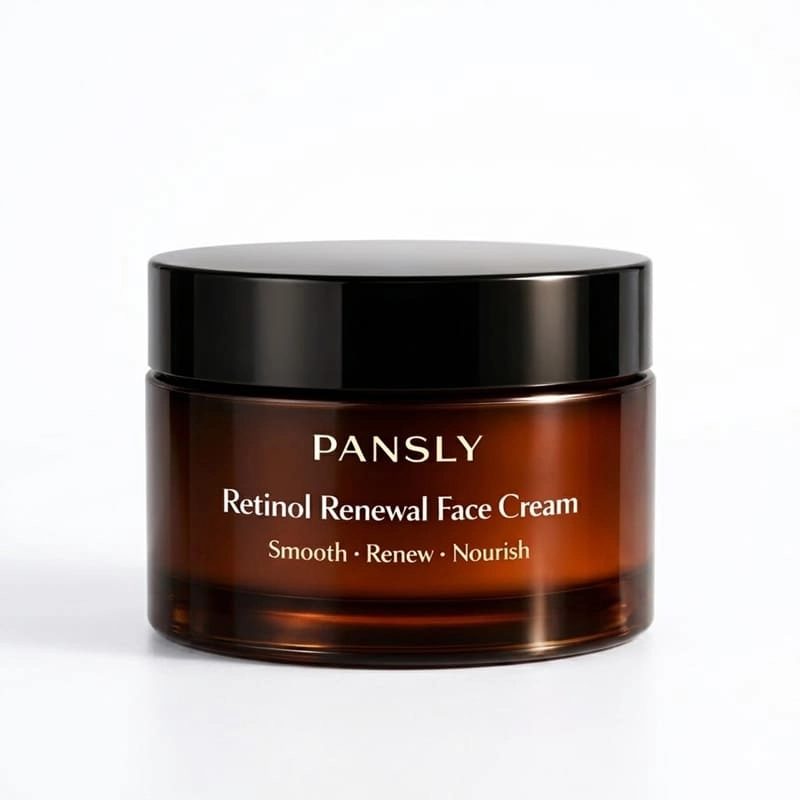
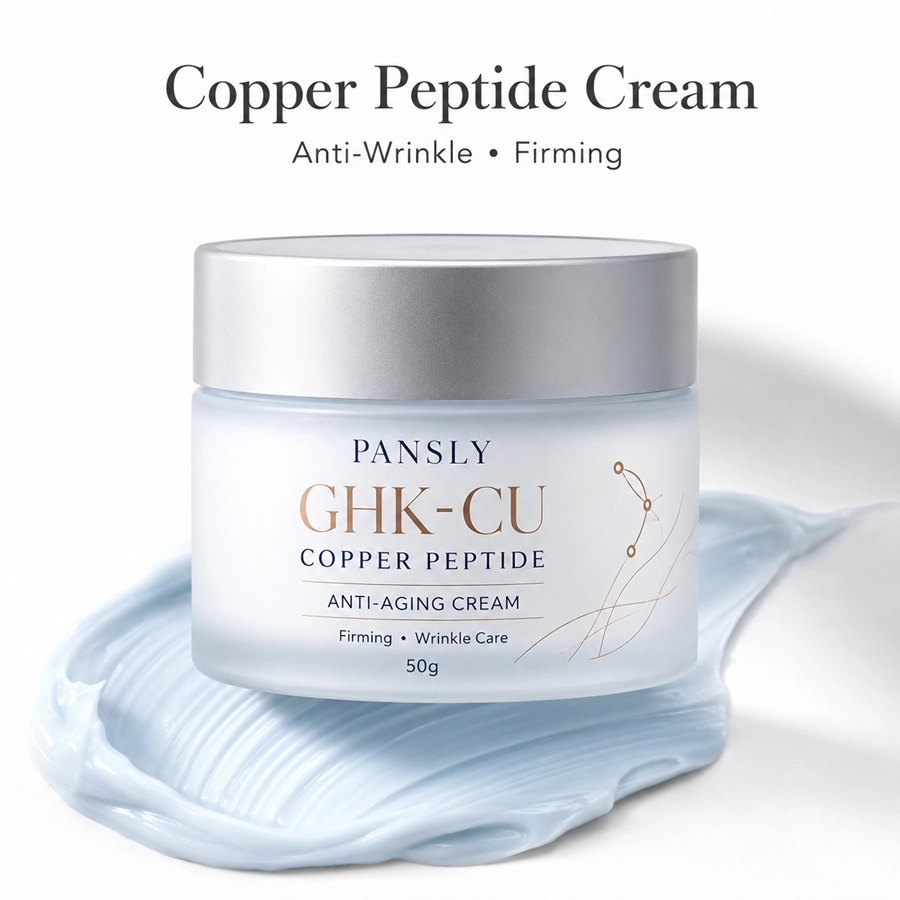
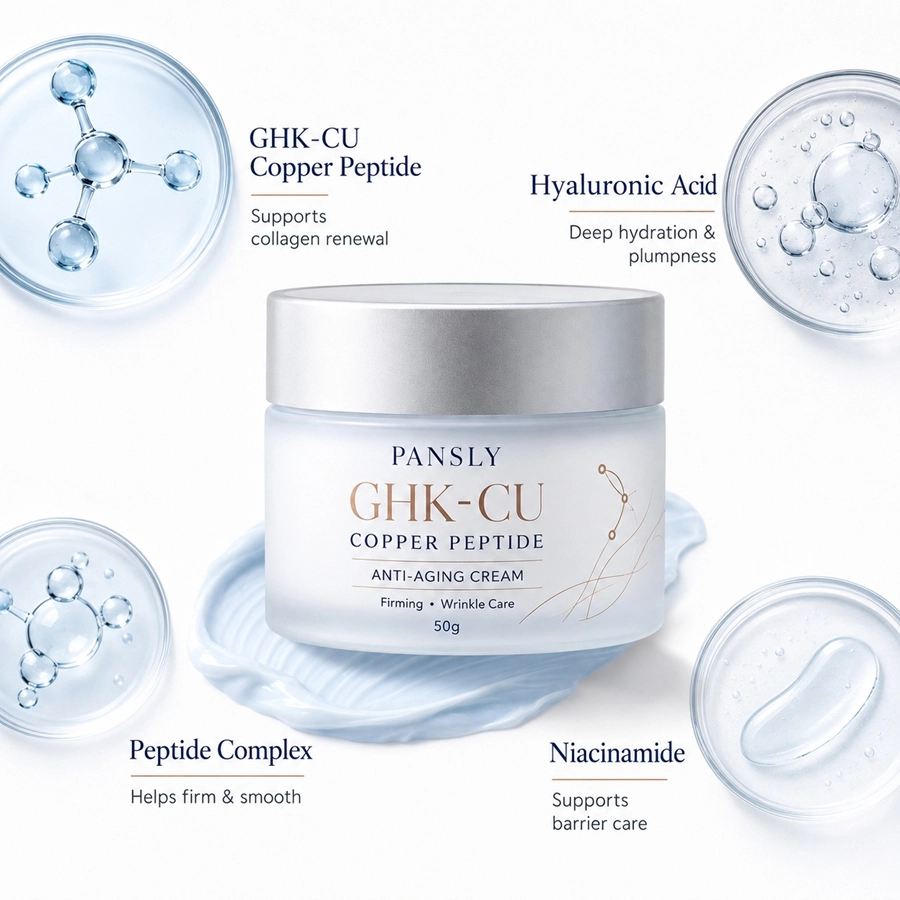
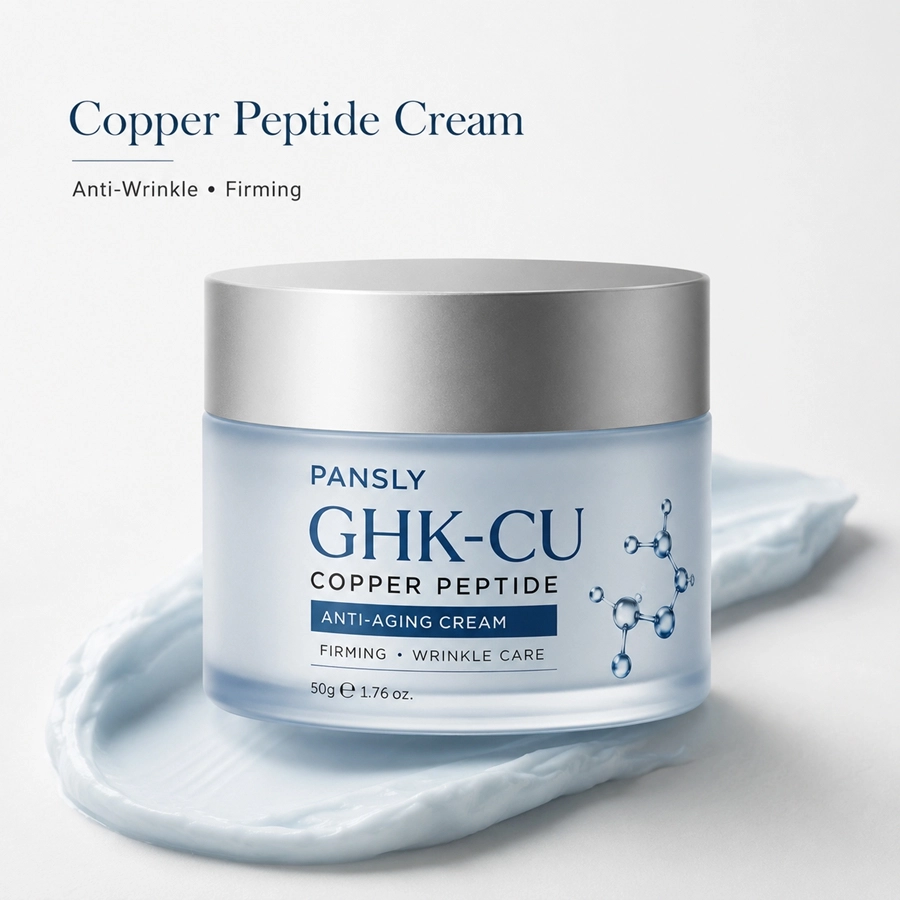
GHK-Cu vs retinol is not a simple “which ingredient wins” question. Retinol is a vitamin A derivative with strong consumer recognition for renewal-focused anti-aging skincare, while GHK-Cu is a copper-binding peptide used in firming, conditioning and peptide-led formulas. For beauty brands, the more useful comparison is how each active affects formula stability, skin-feel strategy, packaging, claims, target consumer and the wider product line. Some brands will choose one hero active; others may separate them across AM/PM products rather than forcing both into the same formula.
The honest answer is that neither ingredient universally wins. The better question is: what does your skin need most right now? At Beyond Basix, we work daily with peptide science, including eight Korean-patented GHK-Cu formulations developed in pharmaceutical-grade facilities, and this comparison is grounded in that lab reality. By the end of this article, you'll understand the key mechanistic differences, what human clinical data actually shows, how to layer both safely, and which ingredient is the right call for your skin type and goals.
The GHK-Cu Versus Retinol Question: What the Science Actually Says
When skincare consumers and beauty professionals ask "is GHK-Cu better than retinol," they're really asking four different questions simultaneously. Is copper peptide more effective for anti-aging? Does GHK-Cu work faster than retinol for wrinkle reduction? Can these copper tripeptide-1 peptide serums and retinoid anti-aging formulations be used together safely in a skincare routine? And critically: which ingredient should someone with sensitive skin, mature complexion, or compromised skin barrier use for collagen stimulation and anti-wrinkle treatment?
The skincare market has flooded with both copper peptide serums and retinol retinoid products, often presented as direct competitors in the anti-aging and anti-wrinkle category. Yet in dermatological research and clinical studies, they're recognized as complementary peptide technology and cellular turnover ingredients that address different layers of skin aging mechanisms. This comprehensive GHK-Cu versus retinol comparison cuts through marketing claims to examine what human clinical trials actually demonstrate about collagen synthesis, fibroblast activation, cellular renewal pathways, anti-wrinkle efficacy, expression line smoothing, and skin barrier tolerance.
Understanding the difference between GHK-Cu copper peptide formulations and retinol retinoid treatments requires grasping their distinct biological mechanisms and cellular signaling pathways. One activates fibroblasts to rebuild structural proteins at the dermal matrix level through peptide signaling. The other triggers epidermal cell renewal through nuclear receptor gene expression changes and keratinocyte turnover acceleration. For beauty brands developing anti-aging skincare lines, private label copper peptide serums, collagen-boosting formulations, or retinoid anti-wrinkle products, choosing between these ingredients—or strategically combining them in layered routines—determines the clinical positioning and target consumer base for your skincare product.
How GHK-Cu and Retinol Work at the Cellular Level
These two ingredients don't just produce different results. They operate through fundamentally different biological pathways, which is why comparing them purely on "wrinkle outcomes" misses most of the picture.
GHK-Cu's fibroblast activation and ECM repair pathway. GHK-Cu, known formally as copper tripeptide-1, works by signaling fibroblasts to produce more collagen, elastin, glycosaminoglycans, and proteoglycans like decorin. It modulates matrix metalloproteinases (MMPs) alongside their tissue inhibitors (TIMPs), creating balanced extracellular matrix remodeling rather than simply suppressing collagen degradation. This distinction matters: GHK-Cu doesn't just slow breakdown — it actively coordinates rebuilding. Its mechanism also carries meaningful antioxidant and anti-inflammatory activity, tied to how the tripeptide handles copper in oxidative stress contexts, neutralizing lipid peroxidation byproducts and reducing inflammatory mediators. For a detailed review, see this comprehensive review of GHK-Cu's actions.
Retinol's nuclear receptor mechanism and epidermal cell turnover. Retinol converts in skin to retinoic acid, which binds nuclear retinoid receptors and alters gene transcription. Its primary anti-aging action is accelerating epidermal cell turnover, normalizing keratinocyte differentiation, and reducing UV-induced MMP activation — the process that degrades collagen after sun exposure. This makes retinol particularly effective for texture, pigmentation, fine lines from photodamage, and acne. Retinol is roughly 20 times less potent than retinoic acid, which is why cosmetic concentrations typically range from 0.1% to 1% to achieve meaningful results.
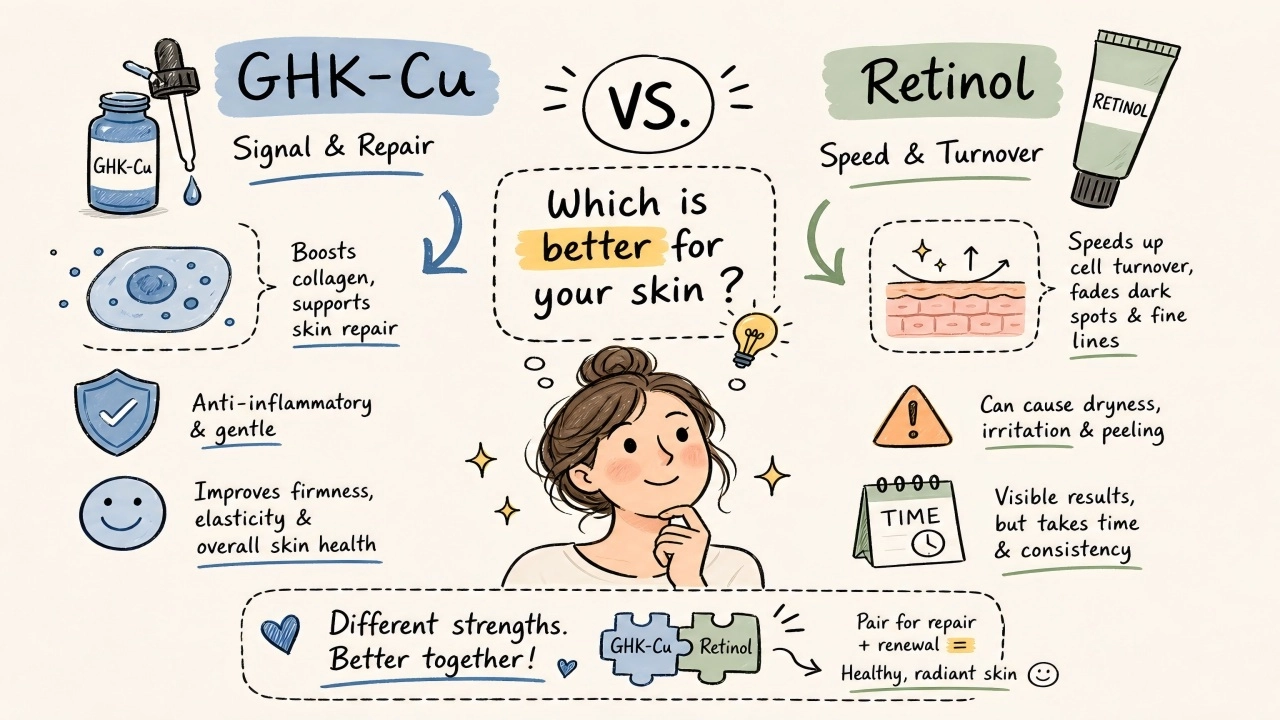
Where the two mechanisms overlap — and where they split. Both ingredients increase collagen production, but through completely different signals. GHK-Cu does it through fibroblast activation and repair-oriented ECM remodeling. Retinol does it through receptor-mediated gene transcription and renewal normalization. Their mechanisms diverge on several key fronts: GHK-Cu has documented antioxidant effects and MMP/TIMP modulatory activity, while retinoids primarily drive epidermal turnover and reduce UV-induced MMP activation. That divergence is exactly what makes them potentially complementary, not redundant.
What Clinical Studies Reveal About GHK-Cu vs. Retinol
The research landscape for these two ingredients isn't symmetrical, but there is direct human trial data worth examining carefully.
The head-to-head collagen study. In a comparative study using thigh skin in women with aged skin, participants applied topical GHK-Cu alongside vitamin C and retinoic acid over 12 weeks, with collagen improvement measured through biopsy-based markers. GHK-Cu produced measurable collagen improvement in 70% of participants. Retinoic acid produced improvement in 40%. Vitamin C landed at 50%. This was a collagen-production study — not a broad wrinkle-reduction trial — so the scope matters. Still, on this specific endpoint, GHK-Cu outperformed retinoic acid in a direct comparison. For additional clinical context, see this article on copper tripeptide GHK-Cu in regenerative aesthetics.
GHK-Cu photoaging evidence. A separate 12-week study in 71 women with mild to advanced facial photoaging showed improvements in skin density, thickness, laxity, fine lines, and clarity after daily use of a GHK-Cu cream. A 41-women eye cream study showed GHK-Cu outperformed both placebo and vitamin K on line reduction and dermal density. The limitation worth acknowledging: most GHK-Cu wrinkle data comes from placebo comparisons, not direct retinoid head-to-heads. The evidence is promising, but the research base is still building.
Retinoid evidence base: why it still holds clinical weight. The volume and standardization of retinoid research is significantly larger than GHK-Cu's current literature. At tretinoin concentrations of 0.025% and 0.1%, and retinol concentrations of 0.1% and 1%, retinoids have decades of photoaging, texture, and wrinkle data behind them. Long-term human studies beyond 12 weeks exist for retinoids in a way they don't yet for copper peptides. That body of evidence is bigger not because retinol works better across all endpoints, but because research funding has historically concentrated there. GHK-Cu's shorter evidence trail reflects investment gaps, not inferior biology.
Side Effects, Skin Barrier Impact, and Which Skin Types Each Suits
GHK-Cu tolerability. Clinical literature and dermatology reviews consistently describe topical GHK-Cu as highly tolerable. Reported side effects are mild, local, and temporary: occasional redness, stinging, or breakouts during initial use. Unlike retinoids, GHK-Cu is not known to cause barrier disruption and carries no standard photosensitization warning. Skin types that benefit most from GHK-Cu as a retinoid alternative include rosacea-prone, post-procedure, eczema-affected, and mature skin that reacts poorly to retinol. Those who need to avoid retinoids during pregnancy may find copper peptide formulations a useful alternative, though formal pregnancy-safety studies for GHK-Cu are limited and consulting a clinician remains advisable.
Retinol's irritation curve and barrier disruption period. Retinol is significantly more likely to cause dryness, peeling, redness, tightness, and sensitivity, especially in the first two to four weeks of use. This "retinization" period is a recognized feature of retinoid therapy, not a sign of a bad product. Retinoids temporarily disrupt the stratum corneum barrier, which is why clinicians recommend against layering other actives early in the process. Sensitive, barrier-compromised, and eczema-prone skin should approach retinol carefully and consider building in longer adjustment periods.
Layering Copper Peptides and Retinol: What You Need to Know
One of the most-searched questions in the active ingredient space is whether these two can be used together. The short answer is yes — with structure.
What formulation science says about compatibility. There is no strong clinical evidence of direct biological antagonism between GHK-Cu and retinol. The concerns are formulation-level: copper ions can potentially destabilize some retinoid formulations, and layering both in one application step can increase irritation risk in sensitive users. These are practical considerations, not reasons to avoid the combination entirely. A product specifically formulated to include both actives in a stable, pH-balanced system — with appropriate attention to chelation, emulsion type, and antioxidant systems — is a meaningfully different situation from ad-hoc layering of two separate products.
A practical AM/PM routine for using both. Based on our formulation team's experience and general dermatology guidance: use GHK-Cu in the morning, or as a recovery night treatment, and use retinol at night. Start retinol slowly — two to three nights per week — and allow the skin to build tolerance before using both on the same night. If you do layer them on the same evening, apply the copper peptide serum first, wait 10 to 20 minutes for full absorption, then apply retinol, followed by a moisturizer. Vitamin C is best kept in the morning routine rather than mixed with either copper peptides or retinol at night.
Comprehensive Analysis: GHK-Cu Peptide Serum vs. Retinol Anti-Aging Treatment
To make an informed decision between copper tripeptide-1 serums and retinol formulations, examining them across multiple dimensions provides clarity for both consumers and beauty brand developers. This side-by-side comparison of GHK-Cu peptide technology versus retinol anti-aging treatment covers efficacy, skin tolerance, mechanism of action, safety profiles, and optimal application approaches for different skincare goals and skin types.
Anti-wrinkle and collagen-boosting efficacy mechanisms. GHK-Cu delivers anti-aging benefits through dermal matrix rebuilding, collagen synthesis stimulation, and extracellular matrix repair pathways at the fibroblast signaling level. Retinol accelerates surface cell renewal and targets photodamage-induced collagen breakdown through epidermal turnover. For someone concerned with deep wrinkle reduction, overall skin firmness, and structural collagen density, copper peptide formulations operate at the architectural ECM level. For someone managing fine lines, texture irregularities, photodamage, and uneven tone, retinol's cell-turnover mechanism proves more direct for immediate visible improvement.
Timeline to visible anti-aging results. GHK-Cu peptide serums often deliver visible hydration and plumping improvements within 2-3 weeks, with deeper structural anti-wrinkle changes emerging over 8-12 weeks of consistent use. Retinol typically requires 6-8 weeks for noticeable anti-aging and anti-wrinkle improvements, particularly for expression lines, dynamic wrinkles, and age-related texture changes. This timeline difference matters significantly for retail positioning, consumer expectations around anti-wrinkle serum efficacy, and product launch strategy.
Skin barrier function and sensitivity tolerance. Copper peptide products are generally non-irritating and well-tolerated, actively supporting barrier function through anti-inflammatory and skin-protective mechanisms. Retinol can trigger irritation, photosensitivity, redness, and peeling, requiring gradual introduction and a buffer period known as retinization. This makes GHK-Cu the superior choice for sensitive skin types, compromised barriers, and reactive complexions, while retinol suits resilient, normal-to-oily skin with higher irritation tolerance and photodamage concerns.
GHK-Cu vs. Retinol: Side-by-Side Reference
| Attribute |
GHK-Cu (Copper Tripeptide-1) |
Retinol (Encapsulated) |
| Mechanism |
Fibroblast activation, ECM remodeling, MMP/TIMP modulation |
Nuclear receptor binding, epidermal cell turnover, MMP suppression |
| Primary benefit |
Collagen density, skin firmness, structural repair |
Texture, pigmentation, photodamage correction, cell renewal |
| Collagen head-to-head |
70% improvement (vs. 40% for retinoic acid in direct study) |
40% improvement in same comparative study |
| Tolerability |
High — minimal irritation, no barrier disruption |
Moderate — retinization period; peeling and sensitivity common |
| Antioxidant activity |
Yes — lipid peroxidation neutralization, anti-inflammatory |
Indirect — reduces UV-induced MMP activation |
| Photosensitization risk |
None documented |
Yes — SPF mandatory during retinol use |
| Best skin types |
Sensitive, mature, rosacea, post-procedure, barrier-compromised |
Normal, oily, acne-prone, photodamaged, resilient skin |
| Evidence depth |
Growing — 8+ human trials, expanding literature |
Extensive — decades of clinical data |
| Routine placement |
AM or PM (repair/recovery step) |
PM only; start 2–3× per week |
Specific Applications: When to Choose GHK-Cu Peptide Serum vs. Retinol Anti-Wrinkle Formula
GHK-Cu peptide serums excel in these scenarios: Copper tripeptide-1 formulations deliver superior anti-aging results for mature skin, sensitive skin types, post-procedure recovery, barrier repair, and for anyone seeking collagen-boosting benefits without irritation. The GHK-Cu mechanism of dermal matrix repair makes it ideal for loss of firmness, skin elasticity concerns, and deep structural wrinkle treatment. Because copper peptide serums don't trigger photosensitivity and support barrier function, they integrate seamlessly into any skincare routine, including morning routines, layering with other actives, and use on compromised or reactive skin.
Retinol anti-aging formulations excel in these scenarios: Retinol and retinoid products deliver superior results for photodamage correction, acne management, texture refinement, pigmentation normalization, and surface-level wrinkle reduction through accelerated epidermal turnover. The retinol mechanism of action is unmatched for addressing UV-induced skin damage, fine lines from repeated facial expressions, and age spots from sun exposure. Retinol suits normal-to-oily skin types, resilient complexions without barrier sensitivity, and individuals already experienced with active ingredients.
The case for using both copper peptides and retinol together. For comprehensive anti-aging skincare addressing both dermal and epidermal concerns, combining GHK-Cu and retinol in a structured routine delivers synergistic benefits. Morning copper peptide serum addresses collagen density and structural support. Evening retinol addresses cell renewal and photodamage. This dual-approach anti-aging strategy targets aging from multiple biological angles, delivering more dramatic visible improvement than either ingredient alone.
So, Is GHK-Cu Better Than Retinol?
When GHK-Cu is the stronger choice. GHK-Cu is the better call when skin needs repair, recovery, or can't tolerate retinoid irritation. It outperformed retinoic acid in the head-to-head collagen study, carries antioxidant and anti-inflammatory benefits retinol doesn't, and suits sensitive, mature, and barrier-compromised skin. If the primary concern is collagen density, skin firmness, or structural repair, copper tripeptide-1 delivers through a mechanism retinol simply doesn't replicate.
When retinol wins — and when both is the best answer. Retinol is the stronger choice for epidermal texture, pigmentation normalization, acne management, and photodamage correction. Its cell-turnover mechanism is unmatched by any peptide. For most people over 35 dealing with multiple signs of aging simultaneously, using both in a well-structured routine delivers more than either ingredient alone. They work at different biological layers: GHK-Cu at the dermis and ECM level, retinol at the epidermis and receptor level. That's a case for complementary science, not an either-or decision.
Consumer Guide: Choosing Between GHK-Cu and Retinol for Your Skin
For sensitive skin and barrier-compromised conditions: GHK-Cu peptide serums are the clear winner. These copper tripeptide-1 formulations deliver anti-aging and anti-wrinkle benefits without triggering irritation, peeling, or photosensitivity. The peptide's anti-inflammatory and barrier-supporting properties make it ideal for rosacea, reactive skin, post-procedure recovery, and anyone unable to tolerate retinol.
For acne-prone and oily skin types: Retinol formulations deliver superior anti-aging benefits through cell-turnover acceleration and sebum normalization. The retinoid mechanism addresses both aging concerns and acne simultaneously, making it the preferred choice for combination skin and resilient complexions.
For mature skin seeking maximum collagen density: Clinical data shows GHK-Cu outperforms retinoic acid in direct collagen-boosting studies. If the primary anti-aging goal is restoring skin firmness and dermal thickness, copper peptide technology delivers measurably superior results for mature, sun-damaged, or texture-compromised skin.
For photodamaged skin requiring comprehensive correction: Retinol's ability to address pigmentation, fine lines, and surface texture makes it the superior choice for sun-exposed skin types. The combination of photodamage reversal, cell renewal, and MMP suppression provides unmatched results for UV-damaged complexions.
Why Formulation Quality Determines Whether These Ingredients Actually Work
GHK-Cu and retinol are only as effective as the formulation delivering them. Copper peptide stability, pH compatibility, emulsion type, and ingredient interactions all affect whether the active reaches the skin in a functional form. The same is true for retinol: its conversion to retinoic acid depends on formula integrity. A poorly stabilized retinol oxidizes before it reaches the skin. A poorly pH-balanced copper peptide formula loses bioactivity at the formulation stage. Attention to chelation, antioxidant systems, and emulsion architecture separates ingredients that perform from ingredients that sit inert in a bottle.
Formulation considerations for GHK-Cu peptide serums. Copper peptides require careful pH management, typically formulated in the pH 4-6 range to maintain stability and biological activity. Copper chelation prevents oxidation and ensures the tripeptide remains bioavailable. Antioxidant systems including vitamin E, ferulic acid, and botanical extracts protect the peptide from environmental degradation. Emulsion choice—whether aqueous serum, lightweight gel, or enriched emulsion—affects both efficacy and consumer sensory preference for different skin types and climate regions.
Formulation considerations for retinol anti-aging treatments. Retinol stability requires opaque or amber packaging, low water content, and pH-neutral to slightly acidic environments. Encapsulation technology protects retinol molecules and controls release timing, reducing irritation while maintaining efficacy. Antioxidant and anti-inflammatory supporting ingredients including niacinamide, ceramides, and soothing plant extracts reduce retinization side effects and improve skin tolerance during the adaptation period.
Private Label Development: GHK-Cu and Retinol Formulations for Beauty Brands
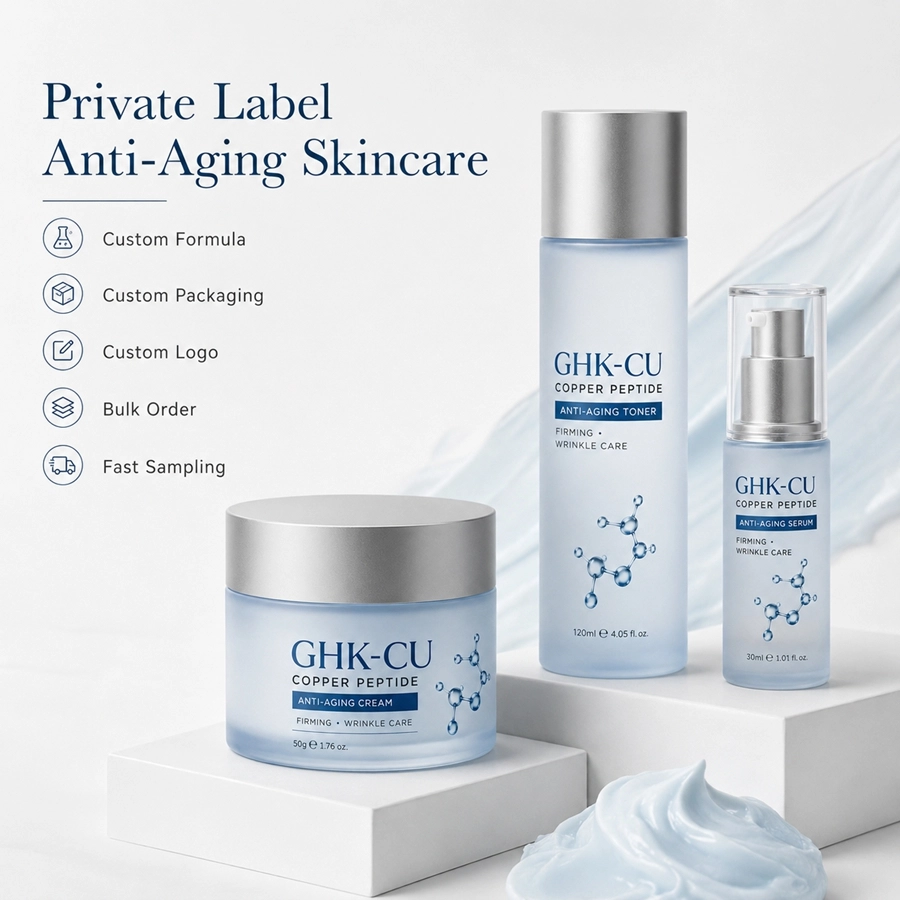
Beyond Basix has developed eight Korean-patented GHK-Cu formulas through pharmaceutical-grade R&D processes in 100,000-class GMPC cleanrooms, alongside encapsulated retinol anti-aging formulations. For brands building anti-aging skincare serums, eye creams, dual-active treatments featuring copper peptides and retinol, or complete anti-wrinkle product lines, that formulation infrastructure is already in place. With a 500-unit MOQ and a three to seven day sample turnaround, emerging and established brands can access the same caliber of peptide science and retinoid technology without building it from scratch.
Market positioning for copper peptide serums. GHK-Cu products position well in the premium recovery, professional-grade, and clinical skincare segments. The mechanism of collagen support and barrier repair resonates strongly with consumers seeking gentler alternatives to retinoids, post-procedure care, and sensitive-skin beauty routines. Marketing messaging emphasizing "copper peptide serum," "barrier-repair essence," and "clinical collagen support" aligns with consumer search behavior and competitive positioning.
Market positioning for retinol anti-aging formulations. Retinol and retinoid products occupy the performance, results-driven, and transformation-focused segments. Marketing emphasizing "anti-wrinkle treatment," "cell renewal serum," and "photodamage reversal" appeals to consumers seeking dramatic visible improvements and willing to navigate an adaptation period for superior anti-aging outcomes.
White Paper
Beyond Basix White Paper
Custom Cosmetics, Skincare and Personal Care OEM/ODM Manufacturing Guide
Build Your GHK-Cu or Retinol Formulation with Beyond Basix
GMPC-certified manufacturing · 8 Korean-patented GHK-Cu formulas · MOQ 500 units · 3–7 day sample turnaround. Contact our team to discuss your project.