
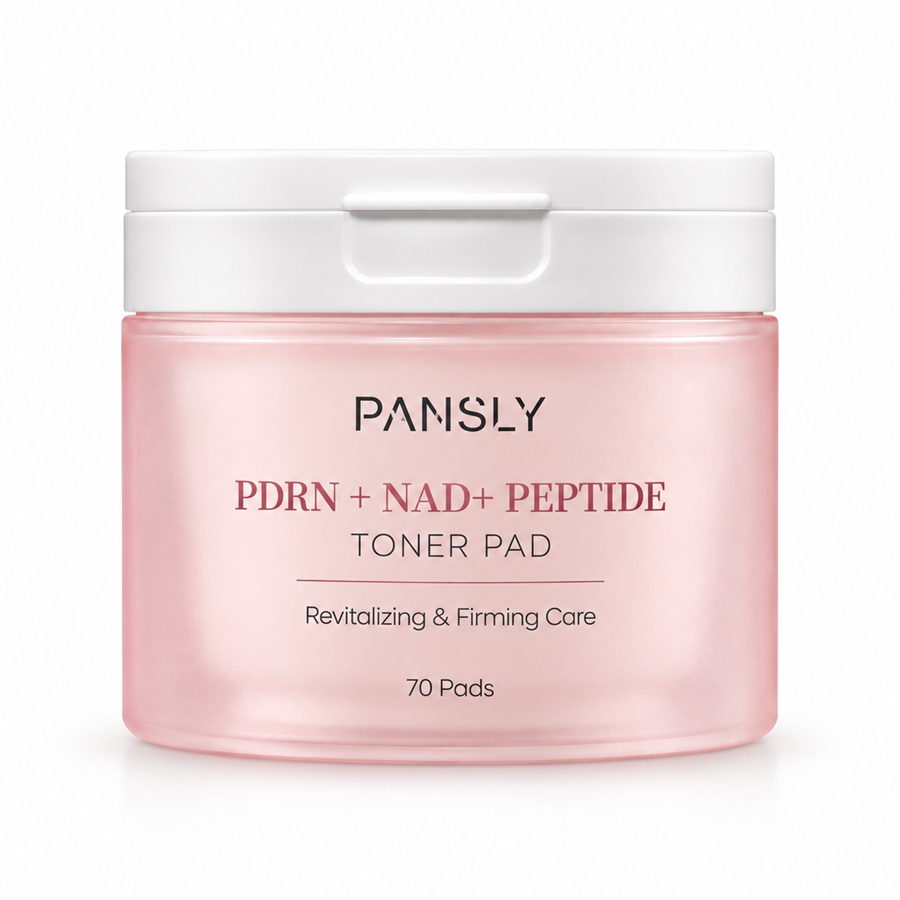
PDRN + NAD+ Peptide Toner Pads
A PDRN- and NAD+-positioned toner pad product reference for hydration-oriented private label skincare.
View Product Details →Private label toner pads are a complete pad-and-essence system, not merely a facial toner sold in a different container. For a beauty brand comparing PDRN toner pads with GHK-Cu + SNAP-8 peptide toner pads, the decision includes ingredient positioning, pad substrate, essence loading, jar sealing, stability, claim support and commercial unit specifications. Beyond Basix develops OEM/ODM toner pad projects around the finished customer experience and the intended overseas market.
A toner in a bottle is delivered by a consumer's hands or a separately purchased pad. Pre-soaked toner pads combine the applicator and formula in one retail SKU. The material, liquid and container therefore become one product. That adds convenience, but it also creates more variables to control during manufacturing and storage.
For international beauty brands, toner pads can form a useful bridge between daily skincare and treatment-oriented routines. A jar on a bathroom shelf communicates habitual use, while a pouch of individually packed pads may suit travel or promotional sampling. The product can be used for a quick application step or as a localized short-contact mask, depending on how the final formula and instructions are designed and supported.
At Beyond Basix, we start with the buyer's market, proposed use, pad count and active-ingredient direction. That prevents a familiar problem in OEM/ODM sourcing: a buyer receives an attractive jar sample, approves the fragrance and artwork, and only later learns that the chosen pad sheds fibers, dries at the top or wrinkles inside the intended container.
The choice between these ingredient directions should reflect an actual gap in the brand's assortment. PDRN, NAD+ and peptides can shape a modern hydration-oriented cosmetic concept; GHK-Cu and SNAP-8 offer a more clearly peptide-led, visible age-care narrative. Neither should be advertised as medically regenerating tissue or curing skin conditions on the strength of its ingredient name.
| Development dimension | PDRN + NAD+ peptide toner pads | GHK-Cu + SNAP-8 toner pads |
|---|---|---|
| Hero positioning | Hydration and replenished-looking skin with advanced ingredient storytelling | Copper peptide and expression-line-inspired cosmetic care |
| Formula documentation | PDRN raw-material identity, origin, concentration basis and applicable ingredient labeling | GHK-Cu complex identity, SNAP-8 ingredient grade, source documentation and compatibility |
| Formulation priorities | Essence preservation, viscosity, pad absorption, raw-material stability | Peptide compatibility, pH, copper-complex color and stability, pad interactions |
| Potential SKU role | Comfort-focused daily toner pad, or companion to a PDRN serum | Peptide-led daily routine product alongside an anti-aging serum |
| Claims review | Finished-product hydration and conditioning evidence; no automatic medical PDRN claims | Finished-product appearance and skin-conditioning evidence; no drug-like wrinkle claims |
PDRN-related cosmetic raw materials can differ in origin, specification and labeling. The supplier's technical documentation matters more than simply buying the ingredient with the most fashionable name. Where a product uses Sodium DNA or another declared material, the correct identity and permitted cosmetic use must be checked for the target market. Evidence from injections or professional procedures cannot be transferred automatically to a topical toner pad.
Our PDRN + NAD+ peptide toner pad product provides one existing reference point. A brand can use that direction to discuss the desired amount of liquid, pad thickness, fragrance level, retail count and whether the collection already includes a companion PDRN serum or cream.
A copper-peptide toner pad requires particular attention to the liquid matrix. Copper Tripeptide-1 is a copper-complex ingredient, and its behavior depends on the overall formula, not just its starting assay. Ingredients that alter the complex environment, along with pH, preservation and packaging, may influence the result. SNAP-8 introduces its own identity and stability considerations.
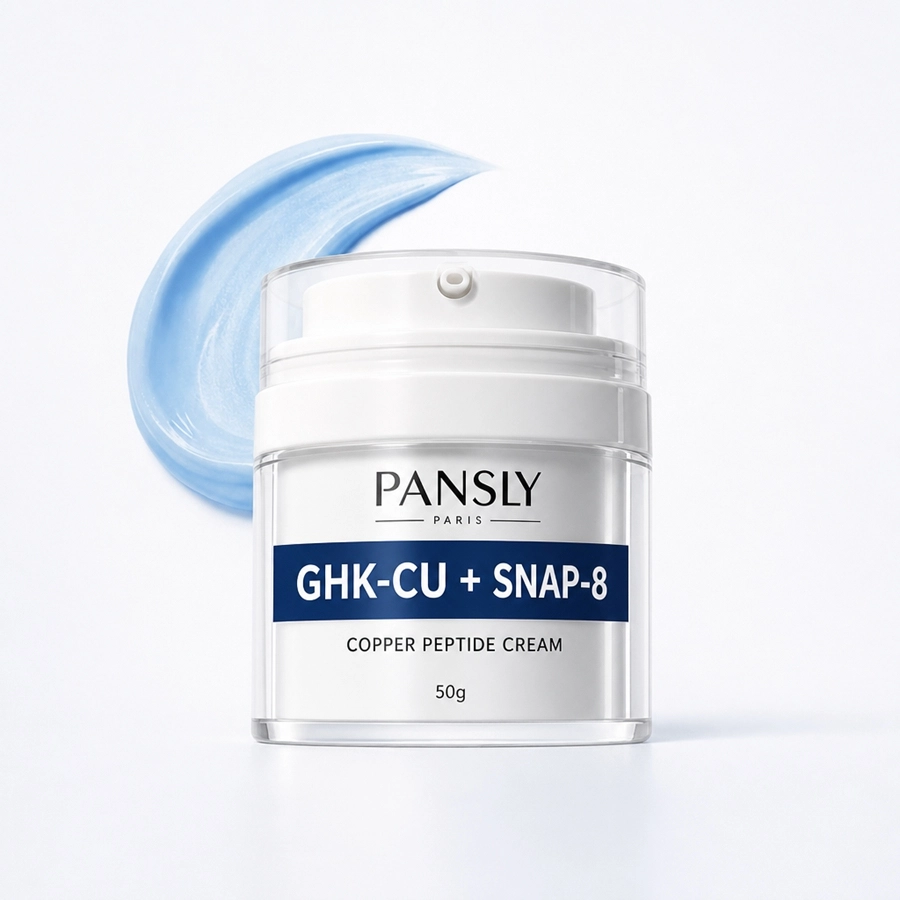
Our GHK-Cu + SNAP-8 peptide toner pad is an alternative for brands that want a recognizable copper-peptide range beyond bottled serums. We help distinguish the toner pad's purpose from the serum: an applicator-led conditioning step should not duplicate every description and promise used for the concentrated treatment product.
The pad is not neutral. Fibers, density, surface texture, thickness and absorbency influence how the essence is carried and transferred. A very thin pad may feel light and drape well; a thick embossed pad may create a different cleansing or application experience. Neither is inherently better for every formula.
For a mild, everyday conditioning product, smooth surfaces and a low-friction application can be important. For a more textured cleansing pad, the brand should consider how the embossing interacts with the skin and how instructions limit overly aggressive use. The final product should be tested on the intended substrate rather than approved solely as a liquid sample.
Cotton can communicate familiarity and softness, but its fiber consistency, lint behavior and wet strength need evaluation. Blended nonwoven materials may offer different dimensional stability and liquid-release characteristics. If the brand uses claims such as biodegradable, organic or plastic-free, those statements need substantiation for the actual substrate and the applicable market; they should not be inferred from visual appearance.
Two different pad surfaces can support a dual-step product story, but they also complicate production instructions and quality checks. The embossed side should be evaluated for comfort and durability, while the smoother side should remain usable after soaking. A pad that looks precise before filling may deform after extended contact with essence.
Custom diameters, oval shapes and die-cut formats affect material yield and how many pads fit in a jar. A formula brief should therefore specify both pad geometry and retail pack count. Small differences in pad thickness can change the height of a stack and the sealing requirements for the jar.
One of the most common sourcing misunderstandings is the request for “more essence” without a target basis. A buyer might mean more liquid per pad, more free liquid in the jar or a heavier total fill weight. Those are different specifications. Over-saturation may leave liquid pooling at the bottom while upper pads feel comparatively dry; under-saturation can create uneven user experience before the end of the pack.
We recommend defining the number of pads, dry substrate weight, target total contents and acceptable distribution across the stack. The product should be assessed after simulated storage and transport conditions. That provides a more useful approval standard than evaluating only the first pad removed from a freshly filled jar.
A multi-use jar is opened repeatedly, and the consumer may use a spatula or touch the upper pad. The microbial control strategy, handling instructions, pack sealing and preservative efficacy should reflect that intended use. The manufacturing environment, pad substrate and finished-product testing are all part of the risk assessment. We avoid promising a universal preservative system for all PDRN or peptide toner pad formulas.
A thick essence may help deliver a more cushioned skin feel but could distribute unevenly through a stack of pads. A very fluid essence may load quickly yet change the handling experience or increase leakage risk if the pack seal is unsuitable. The correct rheology balances absorption, release, user comfort and fill-line performance.
Toner pads are often merchandised in jars, but jars are not identical in performance. The container material, closure thread, liner, inner seal, mouth diameter and compatibility with an essence containing peptides all require review. The ability to lift a pad without tearing it is part of the user experience, particularly for a product presented as a quick daily step.
A supplied spatula or tweezer can support handling, but it changes the component inventory and the way the product is packed. Some brands prefer a lid that stores a small applicator; others prioritize a compact shape or a premium outer carton. We compare these design choices against filling requirements, pack weight and the expected distribution route.
| Pack option | Typical brand objective | Quality and production questions |
|---|---|---|
| Standard multi-pad jar | Repeat-use skincare routine and visible retail assortment | Pad stacking, net contents, leakage, liner or seal, repeated opening |
| Custom decorated jar | Distinctive shelf presence and coordinated brand identity | Artwork, color matching, print durability, component MOQ and approval sample |
| Individual pouch pads | Travel packs, trial kits or controlled single-use presentation | Film barrier, compatibility, seal strength, per-pouch fill and print specifications |
| Retail kit with serum | Bundling and cross-selling a broader ingredient-led collection | Separate batch traceability, carton dimensions, pack inventory and labeling |
A pouch is not necessarily the cheapest path once printing, filling and secondary packaging are included. Likewise, a custom jar may increase minimums compared with a stock pack. We make the commercial assumptions explicit so the buyer can choose a format appropriate to the intended price point.
At Beyond Basix, we develop PDRN + NAD+ toner pads, GHK-Cu + SNAP-8 toner pads and complementary peptide serums for private label collections. We agree on each product's final ingredient specifications, packaging and artwork during OEM/ODM development.
A PDRN- and NAD+-positioned toner pad product reference for hydration-oriented private label skincare.
View Product Details →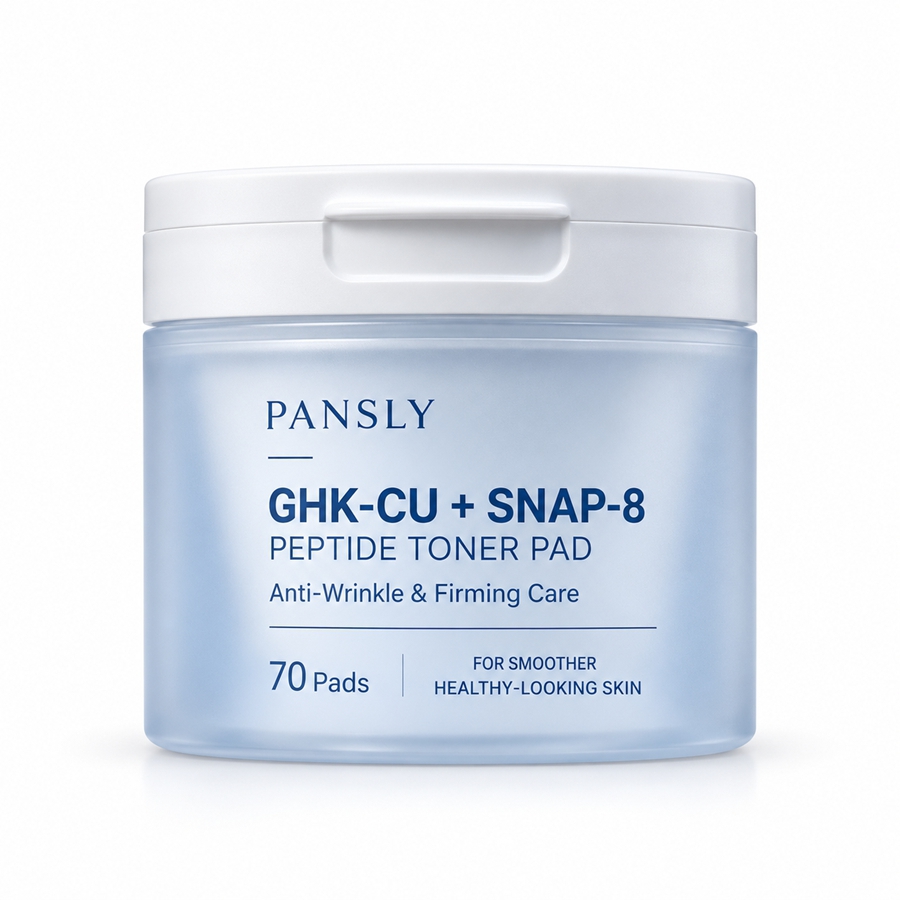
A copper-peptide toner pad direction for brands developing a recognizable peptide-led daily-use step.
View Product Details →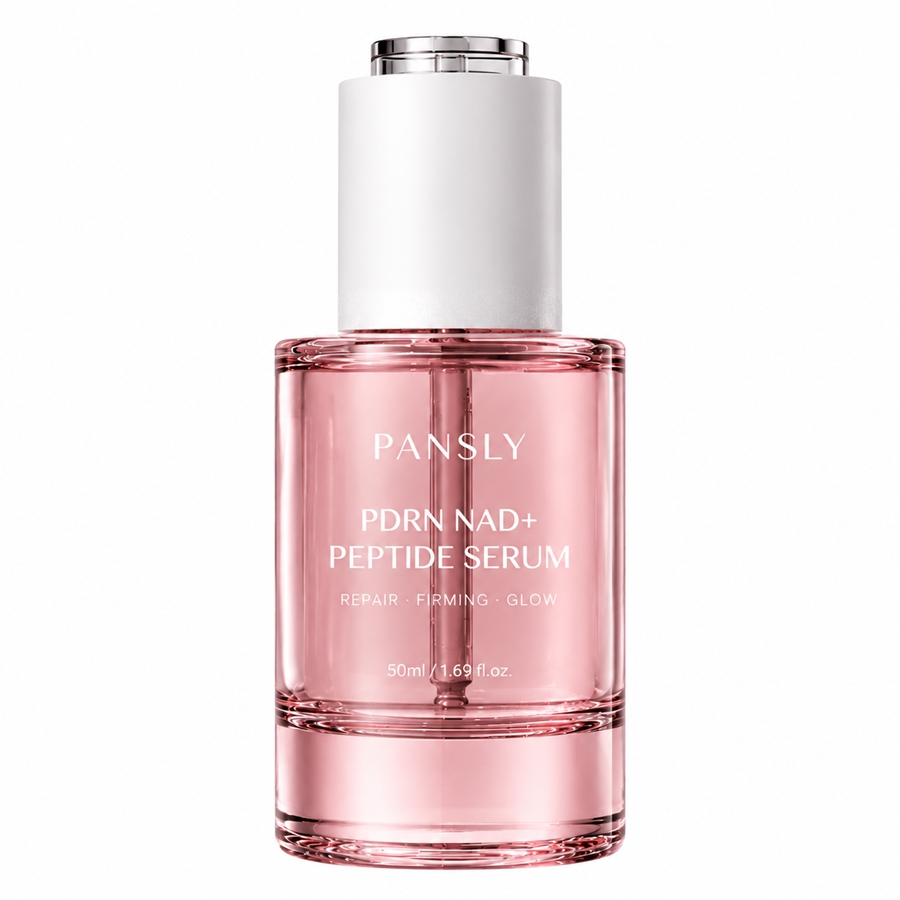
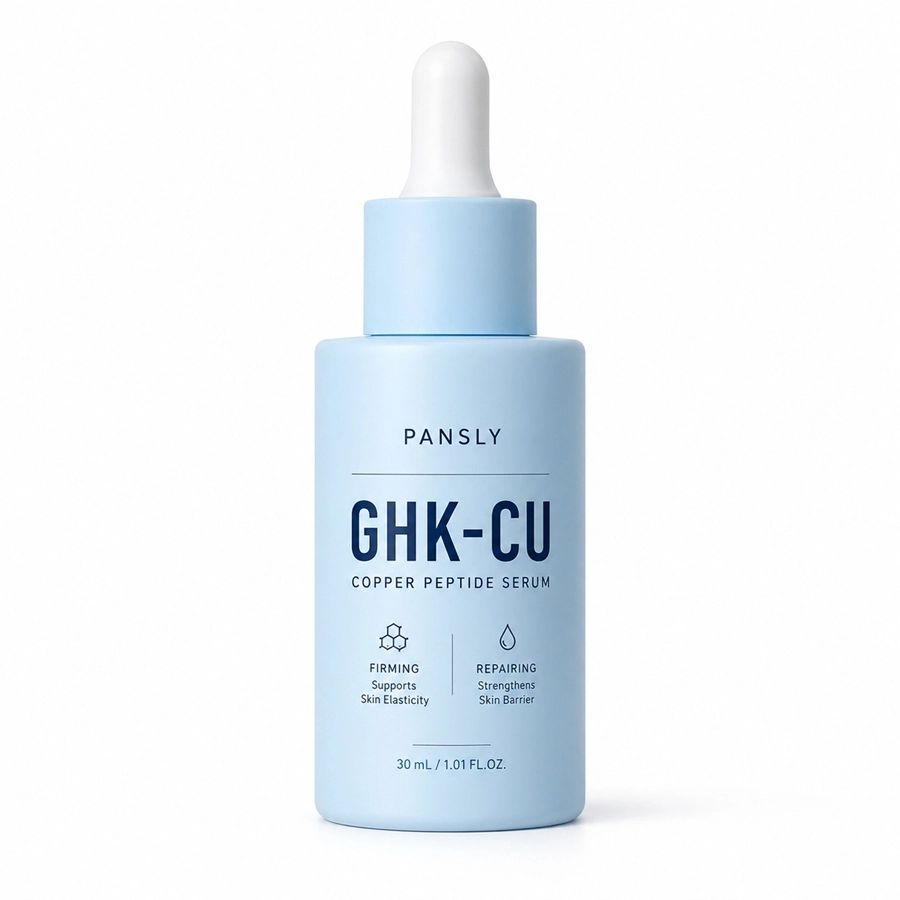
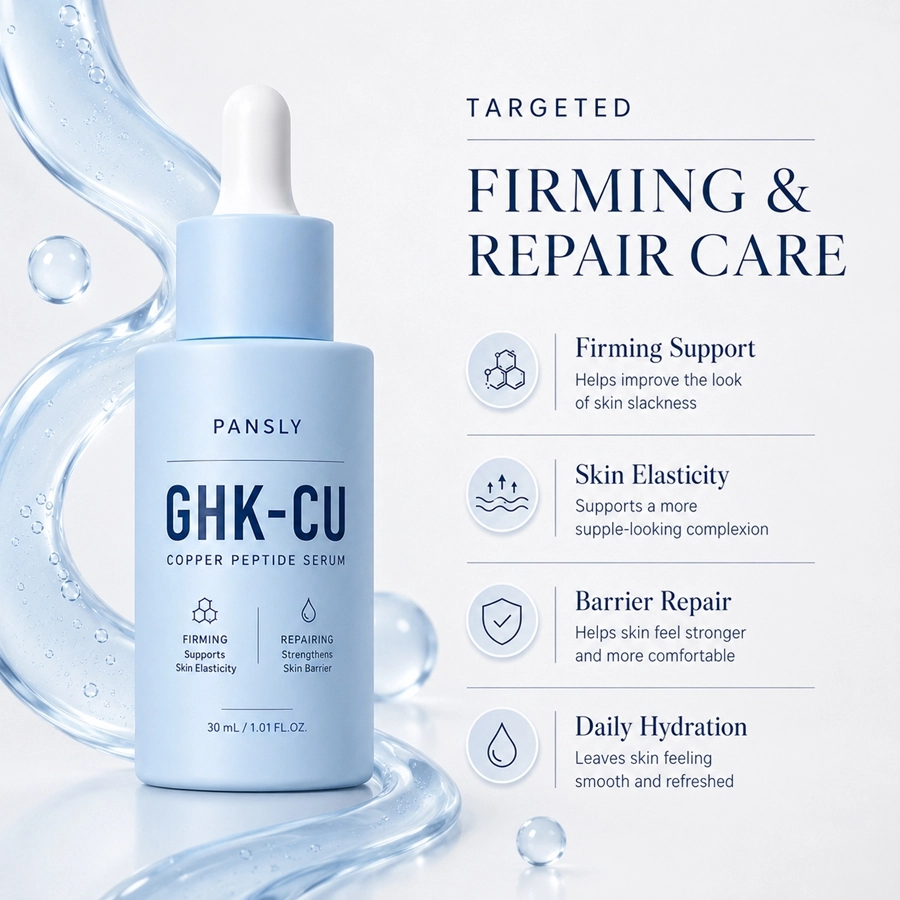
A companion bottled-serum format for brands comparing a one-SKU launch with a coordinated PDRN range.
View Product Details →We ask whether the toner pad will be a light daily application, a pre-serum conditioning step, a textured cleansing format or a short-contact mask-like ritual. That decision shapes the substrate, essence viscosity, pack count and use instructions. The hero ingredient should support the role instead of defining it by itself.
Before sampling, we review the target geography, required formula documentation, supporting ingredients and cosmetic claim boundaries. For PDRN and peptide systems, supplier identity and concentration basis must be clear. A laboratory or medical association is not enough to substantiate a retail cosmetic claim.
We compare candidate pad materials, thicknesses and surfaces in combination with the intended essence. Evaluation should cover fiber shedding, pad integrity, wetness, release, handling and appearance. We also assess how the packed stack behaves after a period of storage rather than relying solely on initial-day impressions.
Container selection should consider compatibility, artwork, fill accuracy, seal performance and whether a spatula or applicator is included. Where necessary, packaging trials should include conditions that reflect shipping and consumer opening. The same approved pad formula in a different jar may warrant additional review.
Incoming material checks can cover the pad substrate, packaged actives and container components. Finished-product criteria may include appearance, odor, pH, pad count, fill mass, microbial quality, seal integrity and applicable stability results. The exact test plan should follow the approved formula, destination market and shelf-life objective.
Minimum order quantity is frequently misunderstood for toner pads. A supplier may discuss a minimum quantity of pads, filled jars, printed containers or cartons, but those numbers are not interchangeable. A useful quotation identifies the finished retail unit, how many pads it contains, total contents and whether the pack uses standard or custom components.
For a brand comparing PDRN and GHK-Cu + SNAP-8 concepts, price differences can arise from raw-material specifications, substrate grade, essence loading, jar tooling, decoration and testing. It is misleading to assign cost differences to one fashionable ingredient before those factors are normalized.
Our project discussions separate development and samples from recurring bulk production. We also document whether the quoted cost includes the outer carton, spatula, inner seal, label, retail barcode application and freight. When the same brand wants serum and toner pads, using a coordinated color palette may improve merchandising, but it does not eliminate the need for separate product and packaging specifications.
When we develop a peptide toner pad and facial serum together, we define a different role for each SKU. Toner pads emphasize the substrate, essence loading and quick application step; a bottled serum centers on texture, dispensing and its place in the skincare routine. These distinctions help customers present a coordinated collection without repeating the same generic age-care promises.
Our Peptide & GHK-Cu collection includes different delivery formats for complementary skincare routines. We distinguish GHK-Cu and SNAP-8 during ingredient planning, then set the pad, essence, jar and quality specifications for the finished toner pad.
Yes. At Beyond Basix, we offer PDRN + NAD+ peptide toner pads for private label development, including ingredient direction, pad material, packaging and OEM/ODM production planning. We confirm final specifications and claims against the approved formula and target market.
No. They may share an ingredient direction, but the toner pad adds a substrate, pack-opening behavior and liquid-distribution requirements. The formulation and labeling must be validated for the finished pad format.
The decision depends on texture, fiber performance, formula and use instructions. Smooth, soft-feeling substrates may be suitable candidates, but a sensitive-skin claim needs an appropriate assessment of the final product rather than relying on substrate marketing alone.
Custom designs can be evaluated where tooling and material characteristics permit. Shape, thickness and embossing can influence material yield, stack height, application feel and minimum production quantity.
Specify the same number of pads, dry substrate, essence loading, jar, lid, seal, decoration, secondary carton, tests and trade terms. Compare price per finished retail pack, with one-time fees shown separately.
Claims should be supported for the finished topical cosmetic in the intended market. PDRN-related raw-material identity and safety information are important, and medical or injectable treatment claims should not simply be transferred to cosmetic toner pads.
Yes. A coordinated range can work if each SKU has a distinct use role, formulation specification and validated packaging. We can discuss matching ingredient directions and commercial packaging while keeping the products clearly differentiated.
Send the intended market, formula direction, preferred pad texture, number of pads, jar or pouch format, branding requirements and estimated order quantity. We can evaluate a sample route and define the finished-product specification before quoting OEM/ODM production.
Discuss Your Toner Pad Project →Related Articles for Private Label Cosmetics




You May Also Like
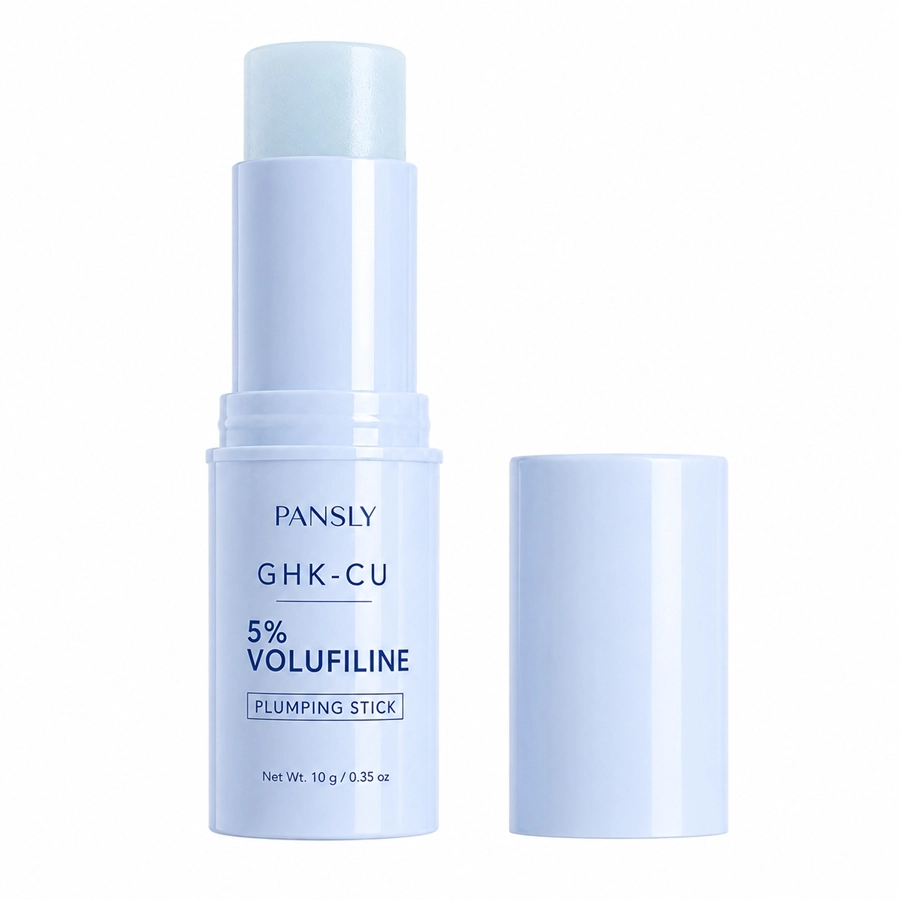
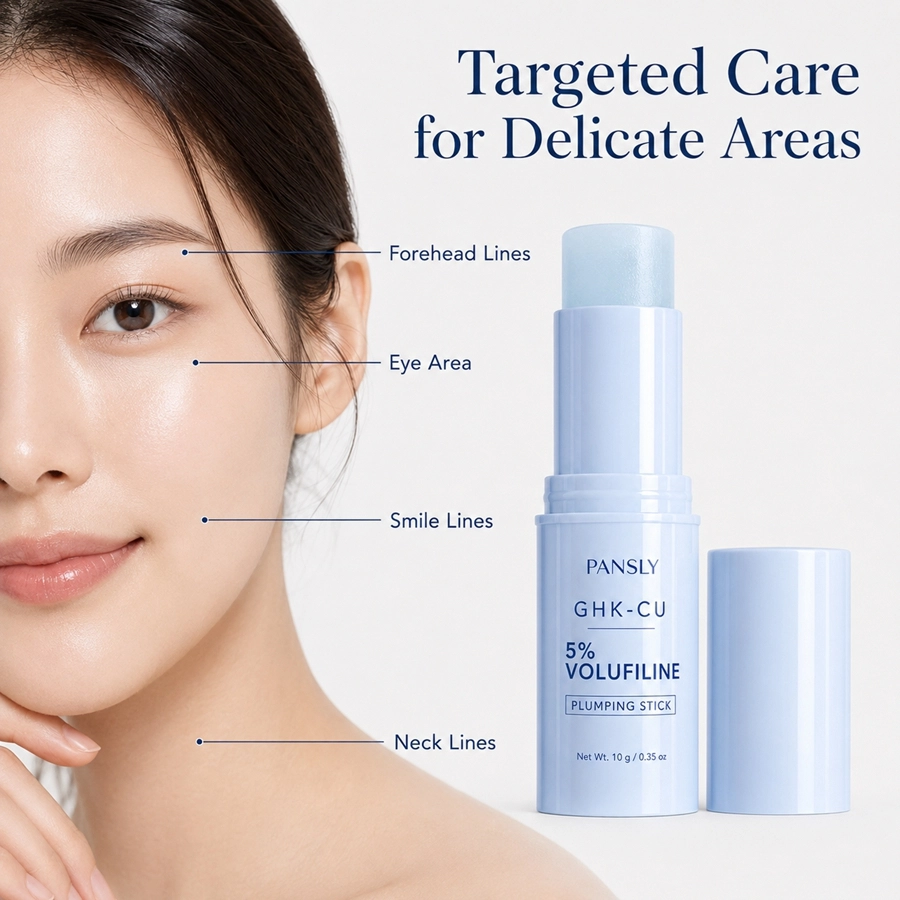
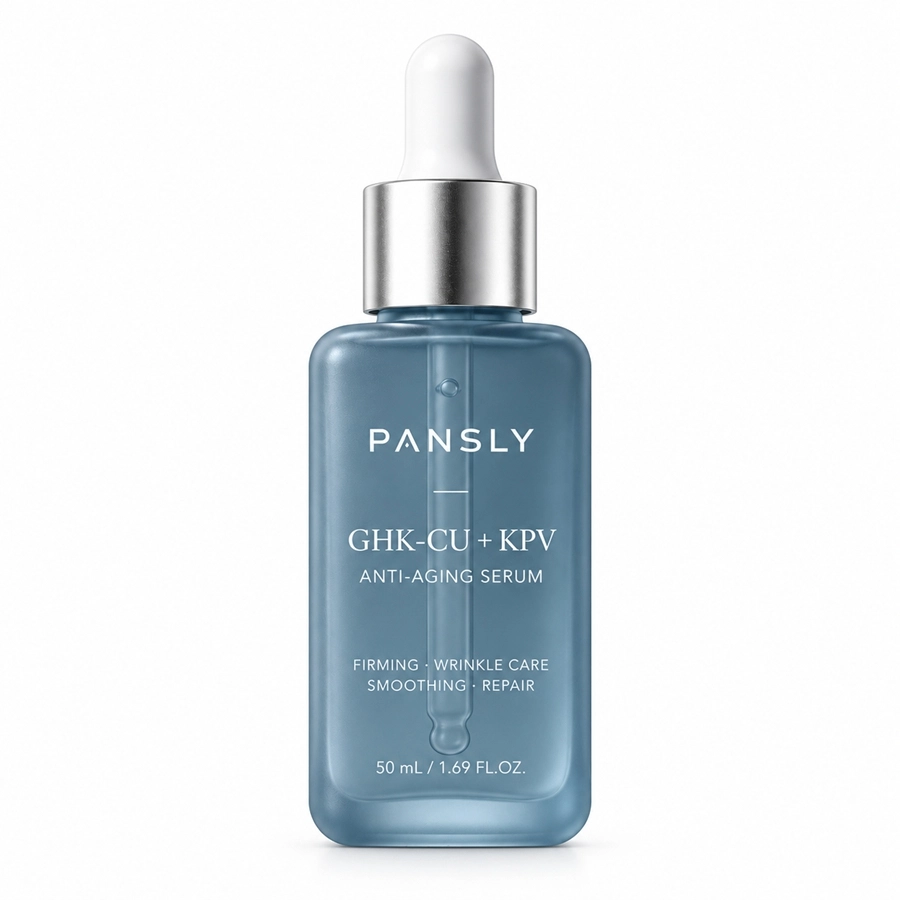
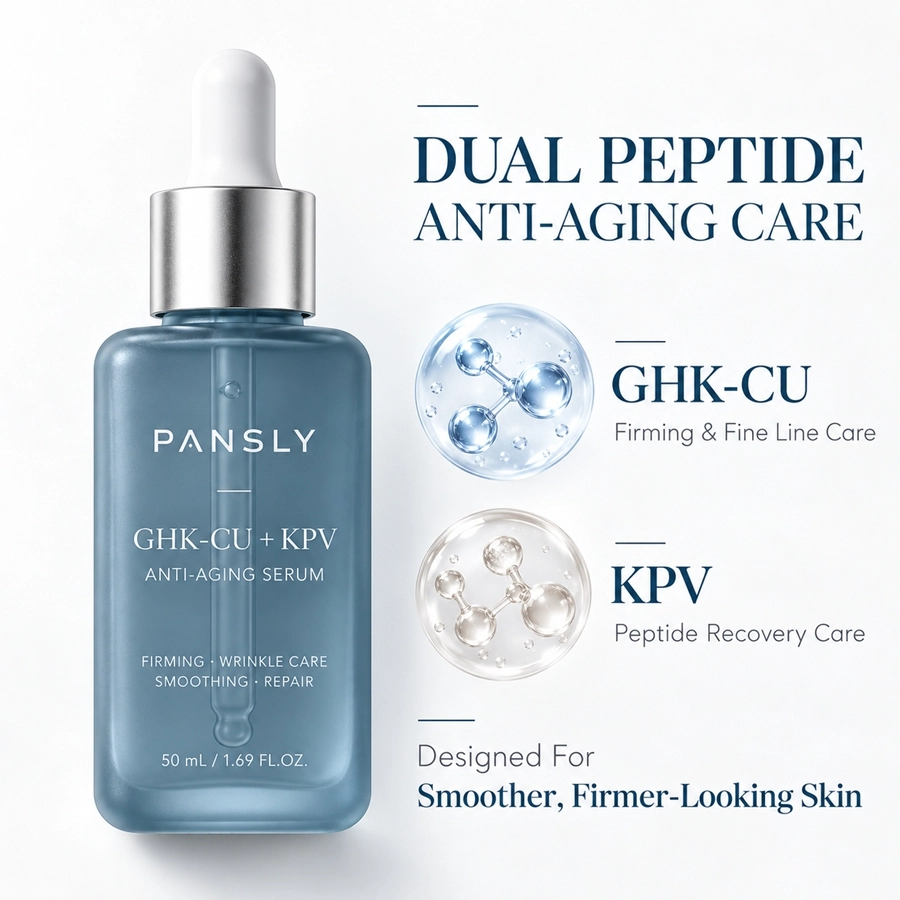
GHK-Cu KPV serum for skin is a private-label peptide face serum formulated for a firming, smoothing routine. This GHK-CU KPV Serum is positioned for wrinkle care and skin repair, making it a practical addition to an anti-aging skincare range.
Get in Touch with us
If you have any comments or good suggestions, please leave us a message; later our professional staff will contact you as soon as possible.
Click here to customize the Beauty
we respond within a few hours
Monday–Friday, 9AM–6PM
3A01, Building A, Zhisheng Square, No. 4 Zhifu Road, Helong Street, Baiyun District, Guangzhou, China.
Leave a request, and we'll email you back within 24 hours.
© 2026 Beyond Basix. All Rights Reserved.
Chat with us
Want to learn more about customized cosmetic and skincare products? Chat instantly online with our experts for professional advice and answers.
Get a Free Quote
Submit your requirements and quickly get a quote for customized cosmetic and skincare products to help you make informed decisions.
Send My Request
Have a specific request or inquiry?
Send us the details through this form, and we’ll respond promptly to assist you with the next steps.
Custom Cosmetics and Skincare Products
Need a customized product?
Fill out this form and our team will work with you to provide a tailored solution to meet your needs and requirements.
Custom Cosmetics and Skincare Products
Need to customize your beauty brand product?
Fill out formula form and our team will work with you to provide a tailored solution to meet your needs and requirements.


