Peptide Serum Packaging Is Part of the Product Strategy
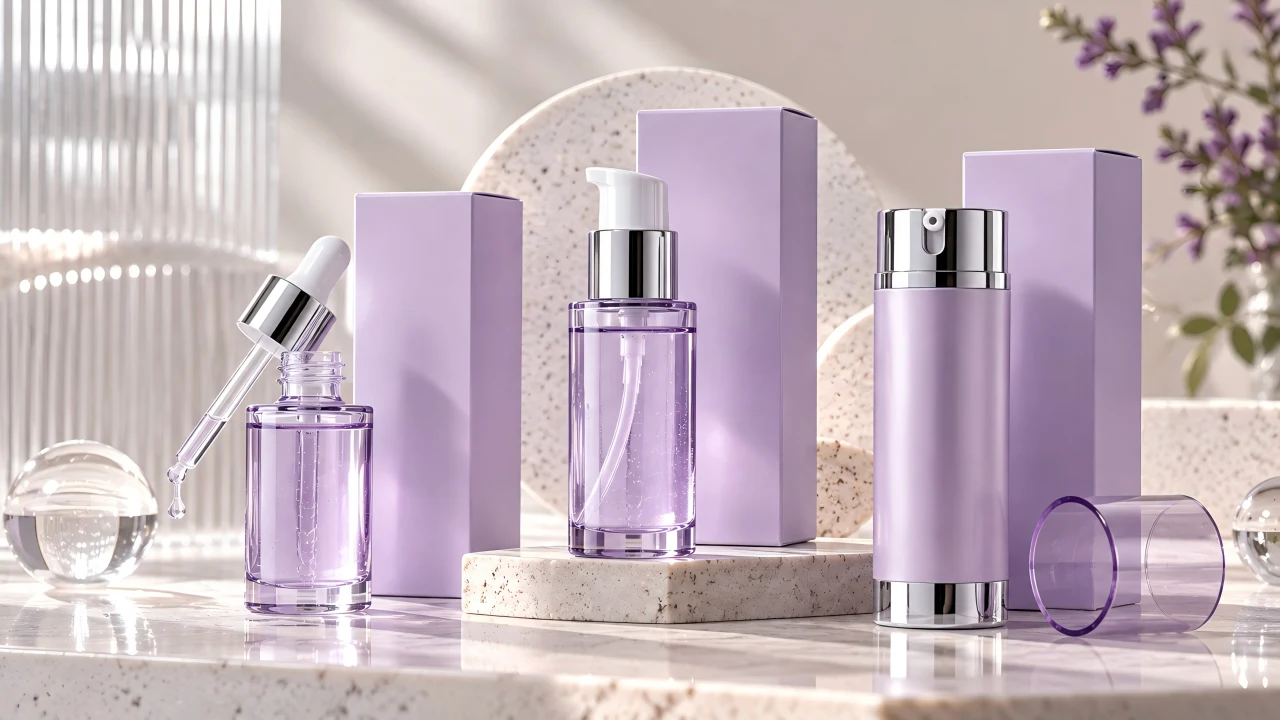
A dropper, pump and airless bottle can all look appropriate for a peptide serum, but they do not create the same product experience.
For a private label beauty brand, packaging affects more than appearance. It influences how the customer dispenses the serum, how the product photographs, how much control the brand has over dosing, how the SKU fits with future products and whether the component works with the actual formula.
At Beyond Basix, we prefer to discuss serum packaging alongside formula, viscosity, channel and brand positioning rather than selecting a bottle from appearance alone.
A familiar glass dropper can reinforce classic serum cues. A pump can make the application feel controlled and convenient. An airless system can support a more technical presentation and controlled dispensing. The final decision still needs to be checked against the actual formulation and component rather than assumed from the package category.
Start With the Experience the Brand Wants to Sell
Before comparing components, the brand should define the intended product experience.
Is the serum meant to feel like a classic premium facial treatment? A dropper may fit that visual language. Is convenience and controlled dispensing more important? A pump may be more natural. Does the brand want a technical, closed-system appearance? Airless packaging may support that direction.
Those are positioning decisions, not universal rules. The package still has to work with viscosity, fill, dispensing and compatibility requirements.
The same peptide formula can be interpreted differently depending on the pack. This is why packaging should be considered during product development, not after the serum has already been finalized.
Dropper Bottles: Familiar Serum Language and Strong Texture Visibility
The dropper is one of the most recognizable serum formats in skincare. It immediately communicates “serum” to many customers and gives the brand a familiar way to show texture in photography and video.
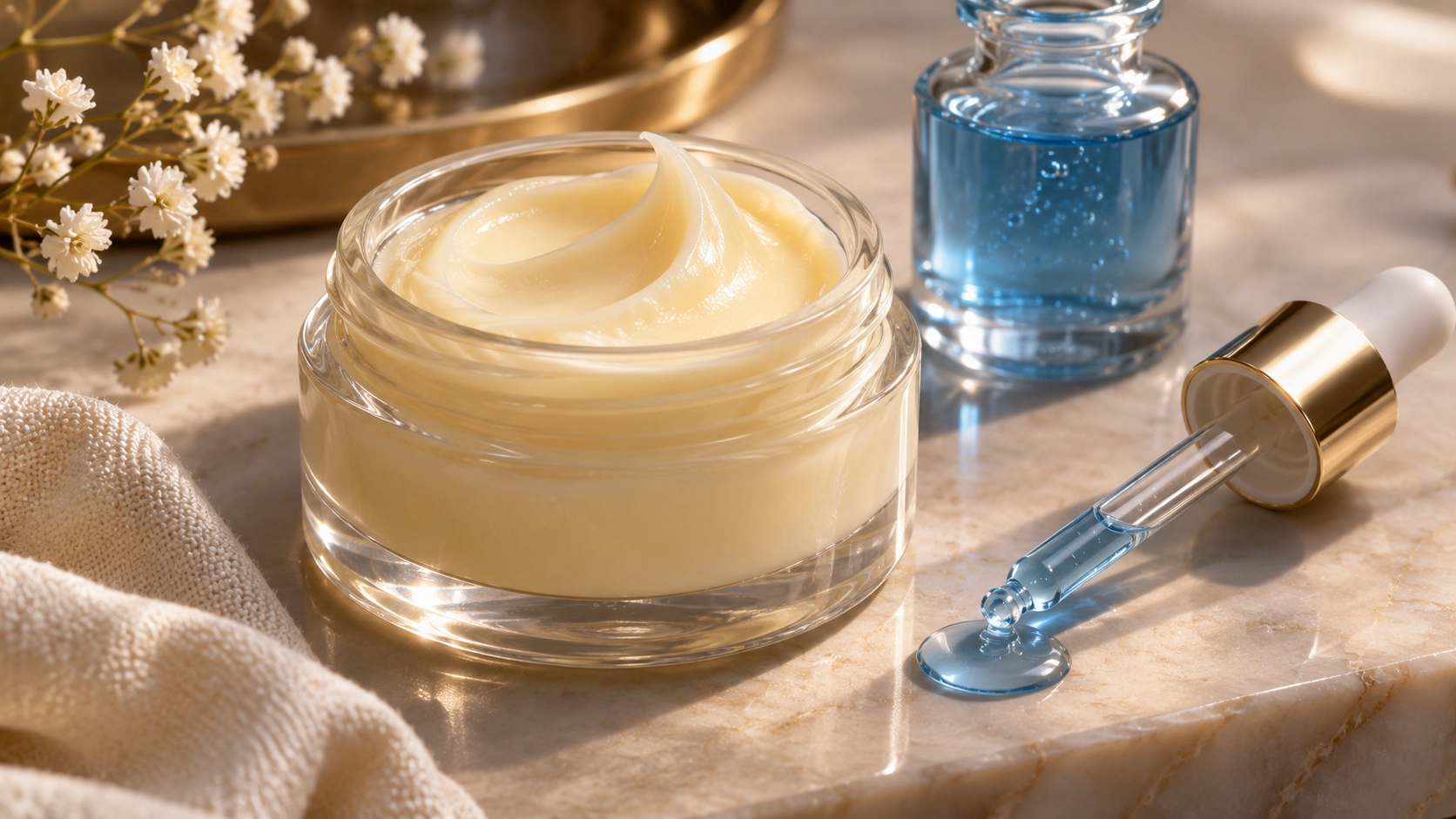
Droplets on the pipette, a visible serum bead and hand application are common creative assets because the dispensing action is easy to understand visually.
For premium or ingredient-led brands, glass and decorated dropper components can also create a substantial visual presence. The exact material, finish and decoration still need to be selected for the project.
From a product-development perspective, the brand should evaluate how easily the formula enters and exits the pipette, whether the dose feels consistent enough for the intended instructions and how customers are expected to handle the applicator.
Where a Dropper Fits a Peptide Hero Serum
A dropper can work particularly well when the brand wants the serum itself to be visible in the product story.
For a GHK-Cu + SNAP-8 hero product, for example, the package can support an ingredient-led aesthetic while leaving room for texture demonstrations and routine content.
Peptide Serum Reference
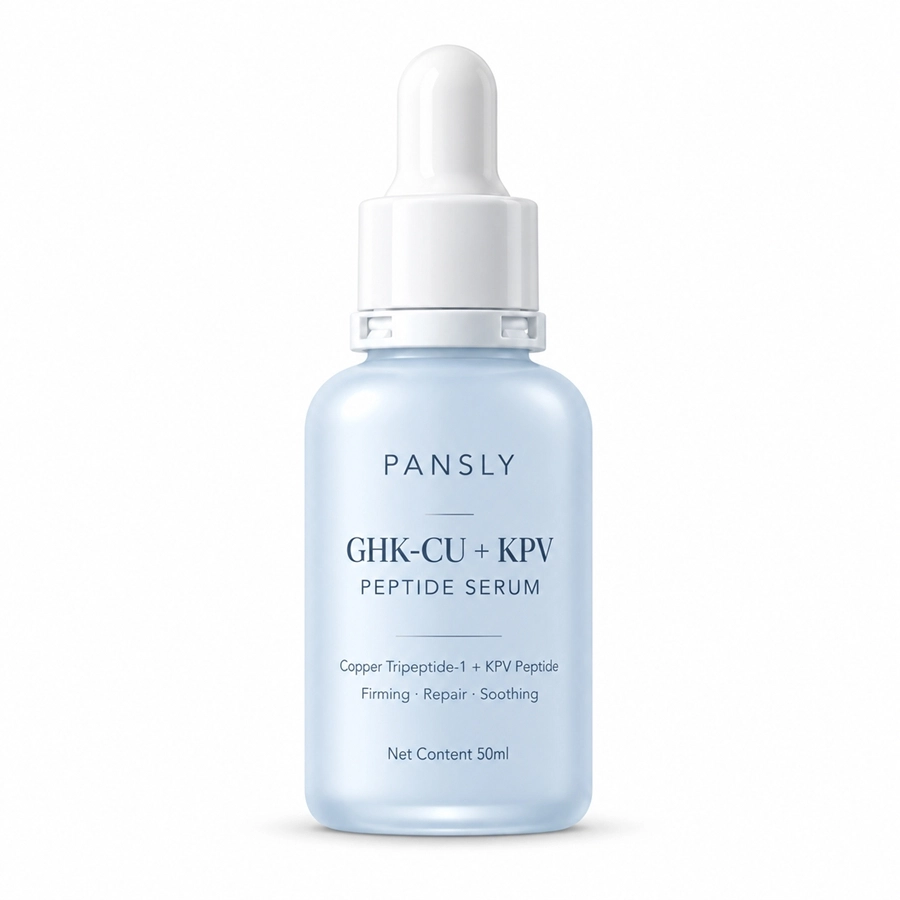
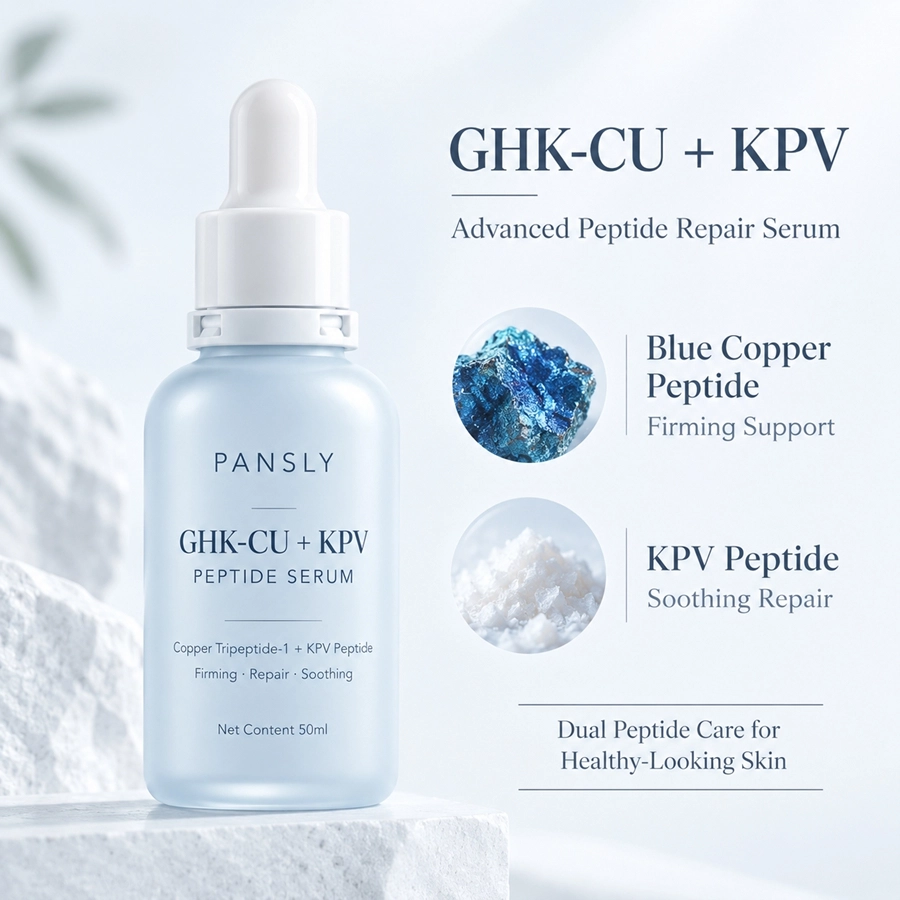
Private Label GHK-Cu & SNAP-8 Copper Peptide Anti-Wrinkle Firming Serum
GHK-CuSNAP-8
A peptide-led serum reference that can be used when evaluating how the hero formula, visual identity and dispensing system should work together.
The package should not be chosen solely because droppers are associated with serums. The formula still needs to dispense properly, and the brand should decide whether the open-and-close interaction fits the customer and intended channel.
Pump Bottles: Controlled Use and Familiar Convenience
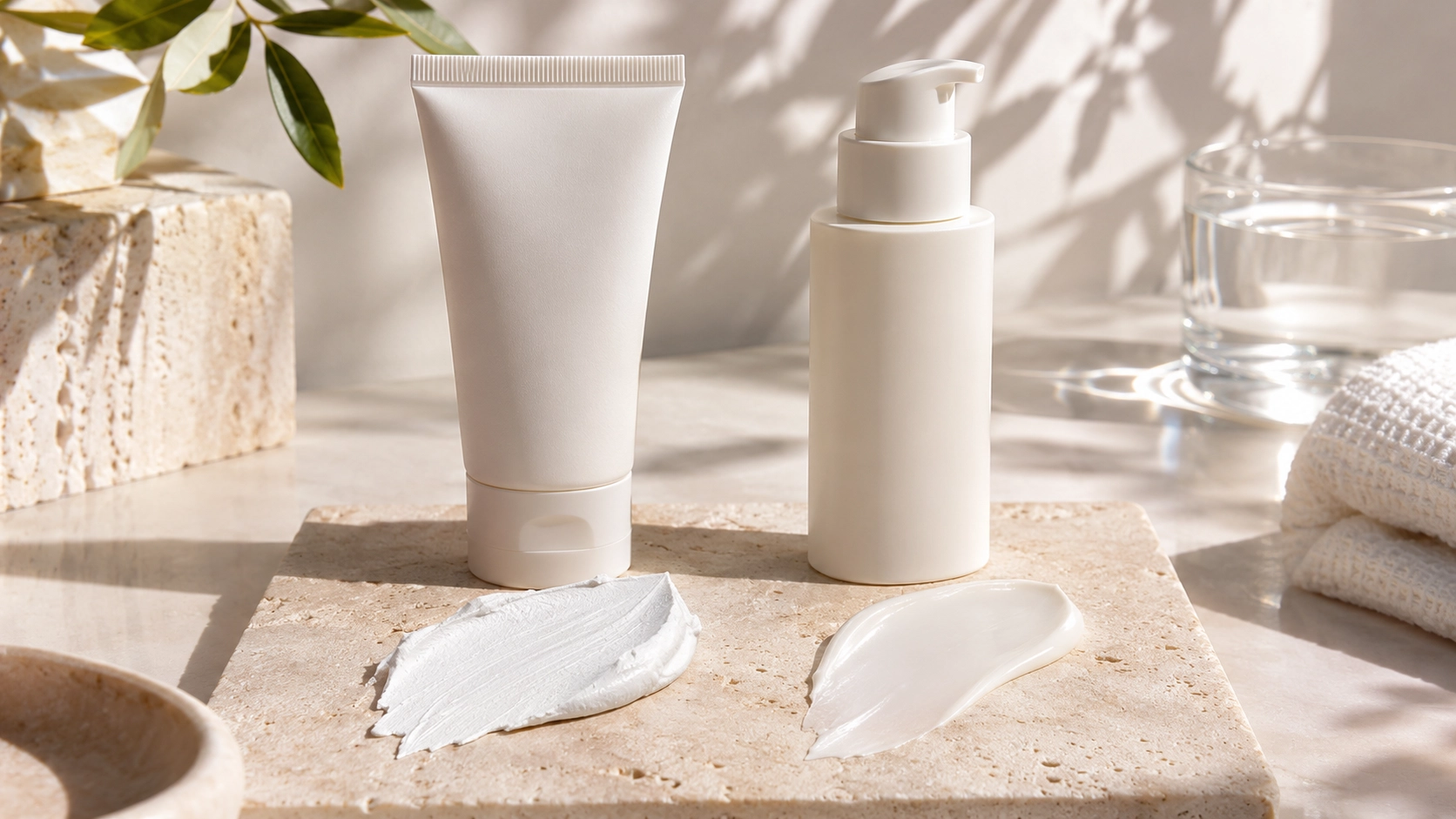
Pumps create a different interaction. The customer presses the actuator rather than handling a pipette, which can make daily application feel quicker and more controlled.
For a brand, a pump can also provide a clean silhouette and allow a range of component styles, from minimal cosmetic pumps to more premium systems.
Pump selection needs to consider the serum's viscosity and the desired output. A very fluid serum and a more viscous serum may not behave the same way through the same pump.
The brand should also evaluate priming, actuation feel and whether the amount dispensed per use matches the intended customer experience. These are physical product questions that should be checked with the selected formula and component.
A Pump Can Support a More Routine-Oriented Product
If the brand wants the serum to feel like a straightforward daily step, a pump can reinforce convenience.
This may fit products positioned for regular morning and evening use, particularly when the visual identity is clean and functional rather than built around classic pipette imagery.
Pumps can also help a brand create a packaging family. A serum pump, eye-product pump and complementary cream pack can share design cues while keeping the dispensing system appropriate to each formula.
The business value is consistency. Packaging becomes part of the brand system rather than a separate decision for every SKU.
Airless Bottles: Technical Presentation and Controlled Dispensing
Airless packaging is often considered when brands want a more technical or controlled product presentation. The mechanism and component architecture differ from a standard dropper or conventional pump, so the finished product can communicate a distinct level of precision.
For peptide serum projects, that visual language may fit brands that want the pack to feel modern, clinical-inspired or performance-oriented without relying on unsupported medical claims.
Airless should not be treated as automatically superior. The selected system needs to be evaluated for formula compatibility, filling, output and actual project requirements.
Our existing discussion of anti-wrinkle serum packaging addresses broader packaging considerations. For a specific private label project, the exact component and formula still need practical confirmation.
The Best-Looking Pack Can Still Be the Wrong Pack
Packaging selection becomes risky when the brand chooses a component from a rendering before considering the formula.
A beautiful pump that struggles with the intended viscosity is not a premium experience. A dropper that does not draw the serum consistently can undermine the ritual. An airless system that has not been evaluated with the formula should not be assumed to solve every protection or dispensing requirement.
The development sequence should therefore connect formula samples and packaging samples. The brand can narrow the visual direction early, then verify the actual pack with the actual product before treating the decision as final.
Viscosity Changes the Packaging Conversation
Peptide serum is a broad format. One formula may be very fluid, another may have more body, and an essence-like product can create another sensory profile.
That means a packaging recommendation cannot be made from the word “serum” alone.
The dispensing system needs to work with the intended viscosity. Output should feel appropriate for the directions. The formula should move through the component consistently. The customer should be able to use the product without unnecessary mess or effort.
These details are part of sample evaluation and packaging testing, not assumptions that should be locked into marketing copy before development.
Packaging Should Match the Product's Price Architecture
The package contributes to perceived value, but premium does not always mean heavier, more complex or more decorative.
A minimalist airless bottle can feel premium in one brand system. A decorated glass dropper can feel premium in another. A precise pump with excellent actuation can create a better customer experience than a visually elaborate component that performs poorly.
The brand should consider formula, component, decoration, carton and fulfillment together when evaluating the commercial structure.
The target retail price is ultimately a brand decision influenced by channel and margin model. Packaging development should support that architecture rather than consuming cost without adding meaningful customer value.
E-Commerce Changes What Good Packaging Looks Like
A package is now viewed at several scales: in a customer's hand, on a bathroom shelf, in a product photograph and as a small marketplace thumbnail.
Fine decoration that looks elegant in person may disappear online. A label with too much information can become unreadable. A distinctive silhouette or clear color system may be more valuable in a crowded digital grid.
For a peptide serum, the front-facing visual should make the brand, product type and main product identity understandable quickly.
Dropper, pump and airless systems all offer different silhouettes. The brand should evaluate them in mock e-commerce contexts rather than only on a component supplier sheet.
Social Content Favors Packaging With Demonstrable Interaction
Packaging also becomes part of content creation. A dropper creates a visible droplet. A pump creates a repeatable press. An airless pack can reinforce a clean, technical visual language.
None guarantees better social performance, but the interaction gives the creative team different material to work with.
Brands that rely heavily on short-form video should consider whether the dispensing action is visually understandable and whether the texture can be shown cleanly.
The packaging decision should still serve the product first. Designing only for a short video can create a poor daily-use experience if formula and component are not compatible.
Different Active Stories Can Share a Packaging Family
A brand may eventually carry several peptide or anti-aging serums. Beyond Basix has reference directions including GHK-Cu + SNAP-8, NAD+ peptide and PDRN + Ectoin.
Those products do not need completely unrelated packaging. A shared bottle family can create brand consistency while color, naming and decoration distinguish the active systems.
This is useful when the business wants a serum collection rather than one isolated SKU.
The component family should be chosen with future formulas in mind, but each new formula still needs its own compatibility and dispensing review.
NAD+ Peptide Shows Why Packaging Should Not Define the Formula Story
Our Pansly NAD+ Peptide Firming Anti-Wrinkle Anti-Aging Serum uses a different active concept from the GHK-Cu + SNAP-8 hero direction. The listed product reference combines NAD+, peptides, hyaluronic acid, Ceramide NP and Ectoin.
If both products sit in one brand portfolio, packaging can create family resemblance while the active story remains clearly differentiated.
Alternative Serum Story
Pansly NAD+ Peptide Firming Anti-Wrinkle Anti-Aging Serum
NAD+PeptidesEctoin
A separate active-led serum reference that can share brand packaging cues without copying the hero product's ingredient story.
Secondary Packaging Is Part of the Decision
The bottle is only one part of the finished presentation. Cartons, inserts and other agreed secondary packaging affect shelf appearance, information hierarchy and shipping configuration.
A technical airless bottle paired with a minimal carton creates one visual direction. A decorated dropper with a premium carton creates another.
The brand should plan enough space for required information and avoid designing a front panel so crowded that the core product identity disappears.
If the serum is expected to lead a future range, the carton architecture should be repeatable across additional products.
Decoration Can Create Differentiation Without Changing the Bottle Family
A brand does not always need a completely custom component shape to create a distinctive product.
Color, frosting, printing, metallic accents, labels and other available decoration approaches can change how a standard component is perceived. The actual options depend on the selected component and project.
This can be useful for a multi-serum line. The bottle family remains consistent while each active story receives a recognizable visual code.
The brand should still consider production practicality and consistency when specifying complex decoration.
Packaging Choice Should Leave Room for the Next SKU
A hero peptide serum often becomes the visual reference for later products. If the first component is extremely difficult to extend into another format, the brand may need to redesign the range sooner than expected.
That does not mean every future product must use the same bottle. A cream needs a different format, and eye care may require another dispenser. The goal is visual continuity rather than identical components.
Thinking ahead can influence color systems, caps, decoration and carton structure even when only one serum is being manufactured initially.
Sample the Formula and Package as a System
Once the brand narrows the component direction, the serum and packaging need to be evaluated together.
The development team should review dispensing, output, leakage risk, application behavior and the overall customer interaction relevant to the selected system.
For a dropper, the brand may focus on draw and release. For a pump, output and actuation become important. For an airless system, the selected component needs to work consistently with the intended formula and filling process.
Exact testing requirements depend on the project. Packaging type alone should not be used as a shortcut for compatibility evidence.
What We Need in a Peptide Serum Packaging Brief
A useful packaging brief includes the serum concept, expected viscosity direction, fill size, target customer, primary channel, visual references, desired dispensing experience, target positioning and any sustainability or material preferences that matter to the brand.
It should also identify future range plans. If a cream, eye product or second serum is likely to follow, the packaging system can be considered as a family rather than as a one-off bottle.
If the customer already has a specific component, we need enough information to evaluate whether it is appropriate for the intended project. If the packaging is still open, reference images can help define the desired visual direction.
Commercial terms and final component availability are confirmed for the actual project.
Choose the Package That Supports the Serum, Brand and Channel Together
Dropper, pump and airless bottles can all be valid choices for a private label peptide serum. The useful decision is not which format looks most advanced in isolation.
A dropper can reinforce familiar serum ritual and texture visibility. A pump can create convenient controlled use. An airless system can support a technical presentation and another type of dispensing experience.
The final package needs to work with the actual formula, the customer experience and the brand's commercial model.
At Beyond Basix, we treat packaging as part of product development because the bottle customers hold is also the system through which they experience the formula. When those two decisions are made together, the finished peptide serum is easier to position, demonstrate and extend into a coherent product line.