Why a Private Label Facial Hair Removal Kit Can Be More Than a Beauty Tool
Facial hair removal is a small part of a beauty routine, but for a beauty brand, it can open a much larger product opportunity.
At Beyond Basix, we see a private label facial hair removal kit as more than a spray and a scraper packed into the same box. It gives a brand the opportunity to turn a familiar grooming need into a complete, recognizable beauty routine—one that can carry its own packaging, product story, application sequence and future product extensions.
This matters because customers rarely experience beauty products as isolated formulas. They experience routines. A customer preparing fine facial hair before removal, using a precision tool and then caring for the skin afterward is already moving through several product moments. A beauty brand can choose to participate in only one of those moments, or it can build a product line around the broader routine.
For emerging brands, that does not mean launching five or six products at once. A well-defined facial hair removal kit can become the starting point.
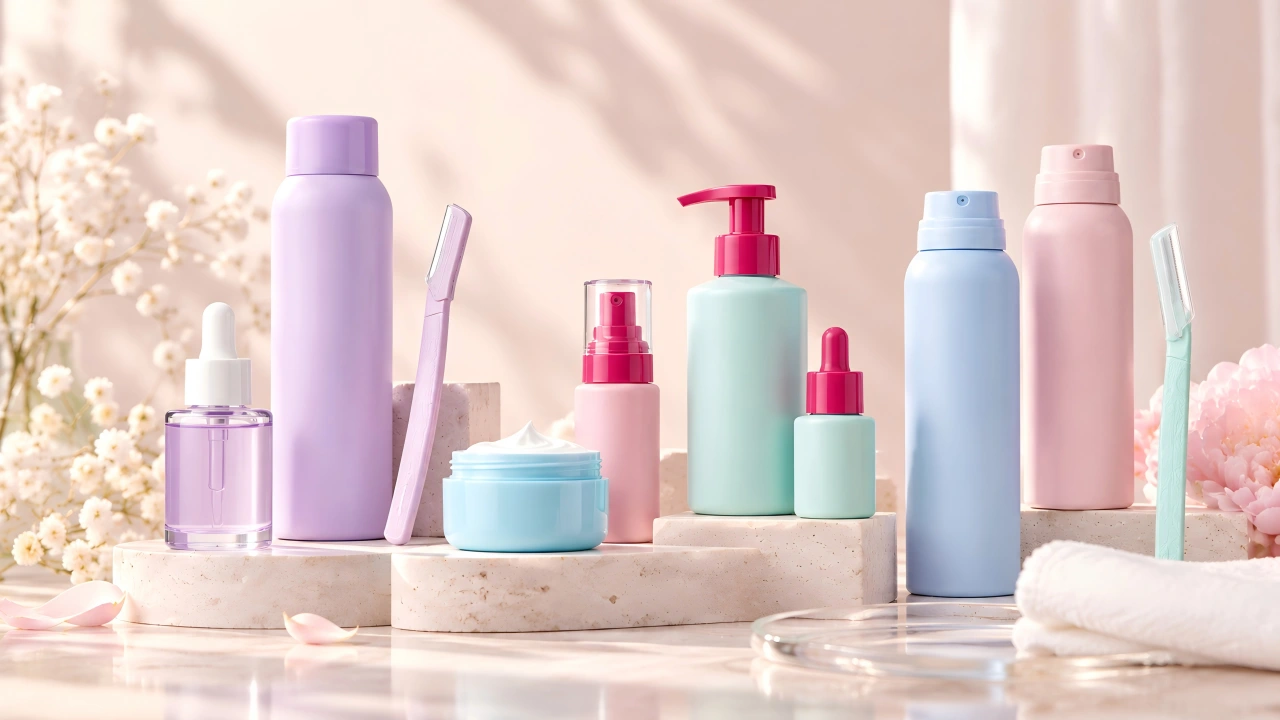
Why Facial Hair Removal Can Be a Beauty Brand Opportunity
Facial hair removal is already part of many beauty routines. What interests us from a private label perspective is not simply the existence of that need, but the number of product moments surrounding it.
Before removing fine facial hair, a customer may want to prepare the skin and make the hair easier to identify. During removal, the customer needs an appropriate tool. Afterward, there may be opportunities for products positioned around post-removal skincare or a broader maintenance routine.
For a beauty brand, those moments can become a connected product experience. That is very different from selling a generic facial scraper on its own.
A standalone tool can perform a clear function, but there is relatively little room for a skincare brand to express formulation expertise through the tool itself. Once a cosmetic preparation step is introduced, the brand can begin to shape texture, ingredients, packaging, application instructions and the overall routine around its own positioning.
This is one reason we see potential in private label facial hair removal kits for brands that want to move beyond conventional facial skincare without moving too far away from the beauty routine they already understand.
A Kit Can Create More Brand Value Than a Standalone Tool
A facial scraper can be easy for a customer to understand, but that simplicity can also make differentiation difficult. If several brands sell similar tools, packaging and price can become major points of comparison.
A kit creates another layer of value. A pre-shave product can give the customer a defined first step before using the removal tool. Instead of presenting the scraper as an isolated accessory, the brand can communicate a sequence: Prepare → Identify → Remove → Care.
Not every private label project needs all four stages at launch. The important point is that the brand now owns a routine rather than only a tool.
That changes the commercial possibilities. The preparation product can carry the brand's formulation story. The tool can support the application method. The packaging can explain how the products work together. Future products can extend the routine without requiring the brand to invent an entirely new category each time.
For brands selling primarily through e-commerce, this structure also gives the product more to communicate visually. The preparation step, visible product application and removal process can create a clearer demonstration sequence than a standalone scraper photographed against a plain background.
Turning a Grooming Step Into a Branded Beauty Routine
Beauty brands are often strongest when customers understand not only what a product is, but where it belongs in their routine. Facial hair removal creates a natural sequence.
A customer prepares for hair removal, performs the removal step and then returns to skincare. A brand can decide how much of that sequence it wants to support.
At Beyond Basix, we would normally begin by defining the hero use case. If the commercial idea is centered on facial shaving or dermaplaning-style grooming, a preparation product and precision tool can form the core offer. Post-removal skincare can then remain a separate purchase or become a later extension.
This keeps the first launch understandable. It also helps avoid a common product-development problem: adding more products simply because they can fit into the same box. Every component should have a reason to be there.
Why Pre-Shave Preparation Changes the Product Story
A preparation product gives a beauty brand something a plain facial tool cannot provide on its own: a cosmetic formulation that becomes part of the removal experience.
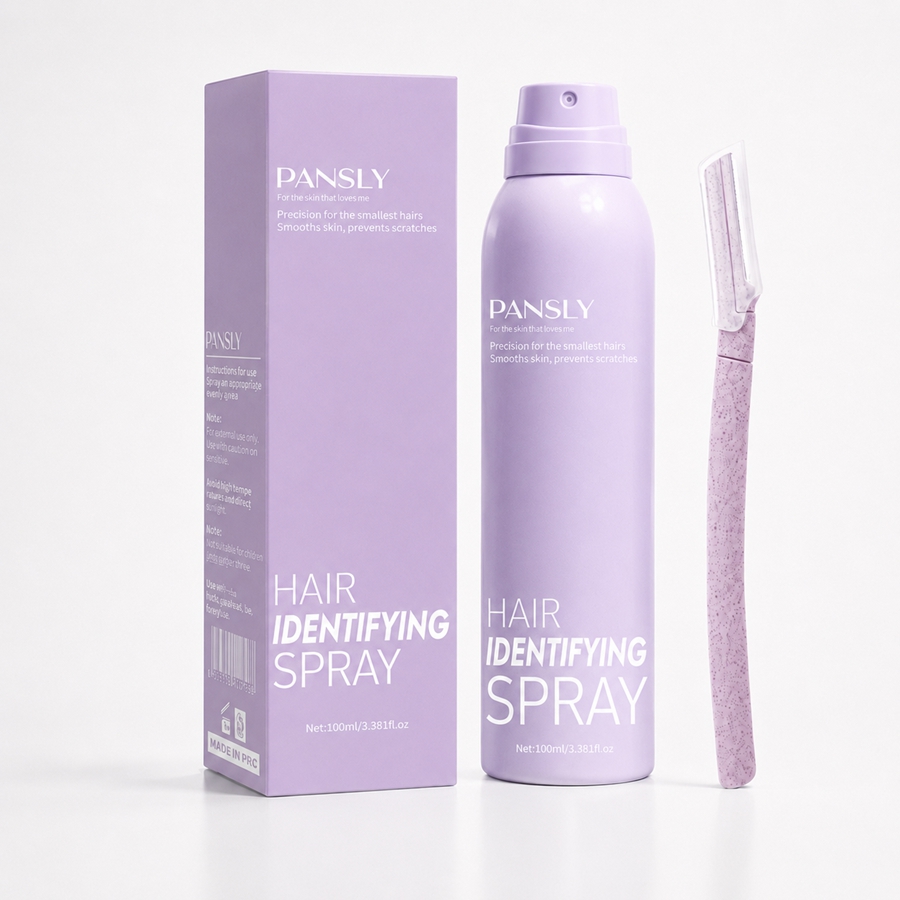
Our PANSLY Hair Identifying Pre-Shave Spray Set is one example. The set combines a 100 ml identifying spray with a precision facial scraper. The spray is designed to help make fine hair more visible before removal, creating a simple Spray → Identify → Glide → Wipe Clean sequence.
Its listed formula includes Zea Mays (Corn) Starch, Portulaca Oleracea Extract, Hydrolyzed Keratin and Butylene Glycol. The corn starch creates the visible coating that supports the identifying concept, while the overall product is presented as a pre-shave preparation step rather than simply another facial mist.
For a beauty brand, that distinction matters. The product has a clear reason for being used immediately before the scraper. The formula and tool support the same customer task. That is the type of relationship we look for when developing a kit.
Hair Removal · Private Label Kit
PANSLY Hair Identifying Pre-Shave Spray Set with Scraper
Corn StarchPortulaca Oleracea ExtractHydrolyzed KeratinButylene Glycol
Format
100 ml spray + precision scraper
A practical reference configuration for brands exploring a preparation-and-removal concept, with OEM/ODM private label, custom logo, packaging and kit-combination support.
Why This Type of Product Works Well for Visual Beauty Marketing
Facial hair removal is a highly demonstrable product category. That can be particularly useful for beauty brands operating through social commerce, creator content and direct-to-consumer channels.
A product demonstration can show the preparation step, the visibility of fine hair, the tool and the finished routine. The customer can understand how the products relate to each other without requiring a lengthy technical explanation.
This does not mean that every product will automatically perform well on social media. Creative execution, audience, offer and distribution still matter. But the product format gives the brand something useful: a visible process.
That can make it easier to build educational product content around when the spray is used, why preparation comes before removal and how the kit fits into a broader beauty routine. For a private label brand, the packaging can then reinforce the same sequence. The product page, social content, carton and instructions should all tell the same story.
A Hero Kit Can Make a New Category Easier to Enter
Launching a completely new beauty category can become expensive when a brand assumes it needs a large assortment immediately. We generally prefer to define the hero product first.
For facial hair removal, a preparation-and-removal kit can provide that starting point. The brand can establish its visual identity, customer proposition and application sequence through one central product rather than dividing attention across several loosely connected SKUs.
If the product gains traction, the same customer need can support further development. This is where a broader hair removal collection becomes commercially interesting. The brand already has a reason to talk to customers about hair removal, so additional products can expand an existing category story rather than starting from zero.
That creates a more deliberate path for range development.
Private Label Gives the Brand More Control Over the Product Story
Selling a generic beauty tool and building a private label beauty product are different business models. Private label gives the brand an opportunity to connect the product with its own identity.
For the PANSLY Hair Identifying Pre-Shave Spray Set, Beyond Basix supports OEM/ODM projects including custom logo, packaging and kit combinations. Those options matter because the physical configuration affects how customers perceive the product.
A minimalist skincare brand may want the kit to feel like an extension of its facial-care collection. A grooming-focused brand may want stronger emphasis on precision and convenience. A social-commerce brand may prioritize packaging that communicates the application sequence immediately in photography and video.
The underlying use case can be similar while the commercial presentation changes considerably. We therefore want to understand the brand before finalizing the product configuration.
The Kit Can Increase the Number of Products Around One Customer Need
One of the most useful characteristics of this category is that the initial purchase does not have to represent the end of the product line.
A customer interested in facial hair removal can also have needs immediately after the removal step. That creates a natural relationship with post-hair-removal care without forcing another product into the original box.
For some brands, keeping aftercare separate can be commercially useful. The hero kit remains simple: preparation plus removal. A second product then addresses what happens afterward.
This gives the brand another SKU to merchandise, another reason for customers to explore the range and another way to build bundles later. The important point is that the second product comes from the same customer routine. We are not adding an unrelated serum simply to increase the number of products.
From One Kit to a Hair Removal Collection
A strong hero kit can become the center of a larger product architecture. The first stage may be the facial hair removal set. The second stage may introduce post-removal skincare. Another stage can address ongoing maintenance or a different hair-removal format.
For brands developing a longer-term category strategy, a hair growth inhibitor can occupy a separate position within that broader routine rather than being treated as another version of the pre-shave spray.
This distinction helps the customer understand why each product exists. It also gives the brand several ways to merchandise the range: the hero facial hair removal kit, the kit plus post-removal care, individual companion products, larger routine bundles and future face or body hair-removal products.
The brand does not need to launch all of these at once. The value is having a product architecture that can grow.
Why Range Architecture Matters to a Beauty Business
Beauty brands often think about product development SKU by SKU. We prefer to look at the relationship between products.
If a brand launches one successful facial hair removal kit but has no logical next product, every future launch has to create a new customer story. A connected range works differently. The customer who already understands the hero product can more easily understand why a companion product exists.
This can support cross-selling and bundling, but it also has a brand-building benefit: the business begins to become associated with a specific beauty need. That can be more valuable over time than continually launching unrelated products.
For a younger brand, this approach can also make product planning more disciplined. Instead of treating each launch as an isolated idea, the team can identify which part of the existing customer routine is still underserved.
A Facial Hair Removal Kit Can Support Bundling
Kits naturally create opportunities for different commercial configurations. A brand might sell the hero spray-and-scraper set as the standard offer. Later, it could create a larger bundle that adds post-removal skincare.
A refill or replacement strategy may also become relevant depending on the final product and tool configuration. Different channels can potentially use different bundles while keeping the same core products.
For example, the direct-to-consumer store may emphasize the hero kit, while a gifting program may use a larger routine set. The important point is not to create bundles simply to increase the item count. Each bundle should remain easy for the customer to understand.
Packaging Becomes Part of the Brand Experience
A private label kit gives packaging more work to do than a single bottle. It needs to present the components as one product experience.
The customer should quickly understand what comes first, what comes second and what each component does. For a preparation-and-removal set, the physical arrangement of the spray and scraper can help communicate that sequence.
Numbering, icons, naming and concise directions can reinforce it. The visual identity should also connect the two components. If the bottle looks like skincare but the tool looks like it belongs to a completely different brand, the kit can lose some of its perceived coherence.
This is why we discuss packaging and kit combination as part of product development rather than treating the outer box as an afterthought.
Customization Should Support the Business Positioning
Customization has more value when it serves a clear brand decision. Changing the logo is one level of private label development. Changing the packaging system, kit combination or formulation direction creates a different level of project.
Neither is automatically better. A brand that wants to test the category may prefer a more straightforward private label route. A brand building facial hair removal as a strategic category may want deeper customization.
At Beyond Basix, we want to know what the customer is trying to achieve commercially before assuming how much customization is necessary. The discussion can include logo, packaging, kit configuration and other OEM/ODM requirements supported by the project.
Exact quantities, commercial terms and development requirements should then be confirmed against that actual configuration rather than assumed from another project.
The First Launch Does Not Need Every Possible Product
A common temptation when developing a beauty range is to make the first launch feel complete by adding many products. That can create unnecessary complexity.
Every additional formula means another sample and specification. Every additional package adds another component and artwork. Every additional SKU creates another inventory decision.
For a facial hair removal brand, the hero kit can already communicate a complete idea if preparation and removal work together clearly. Aftercare can be sold separately. Maintenance products can come later. Body hair removal can become another extension if it fits the brand.
This staged approach allows the business to build around a recognizable category without requiring a large assortment on day one.
Face-Focused Positioning Can Create a Clearer Niche
Hair removal is a broad category. A brand can address face, body or both, but broad positioning is not automatically more valuable.
A face-focused product can speak more specifically about facial grooming, fine visible hair and the way the removal routine fits around facial skincare. That specificity can help with content, packaging and merchandising.
A broader hair removal product range can still be developed later. The PANSLY reference product is presented for facial dermaplaning and body hair trimming, giving brands flexibility when discussing a custom project.
The final positioning, however, should match the audience the brand actually wants to reach.
The Product Should Make Sense Without Marketing Exaggeration
A strong beauty product does not need unsupported promises to create a useful commercial story.
For an identifying pre-shave spray, the product concept is already visually understandable: prepare the area, make fine hair easier to identify and support the removal routine. The tool then performs the removal step.
That gives the brand enough material to communicate the product without inventing dramatic skin-transformation claims. Post-removal products should have their own positioning and substantiation. A hair growth inhibitor should also be treated as its own product rather than borrowing claims from the preparation spray.
Keeping these roles separate makes the overall range easier for customers to understand and easier for the brand to manage.
How We Approach a Private Label Facial Hair Removal Project
When a brand comes to Beyond Basix with a facial hair removal idea, we first want to understand the business behind the product.
Is this intended to become a hero product? Is it an extension of an existing skincare brand? Is the brand entering hair removal as a new category? Will the product be sold mainly through DTC, marketplaces, retail or social commerce? Does the customer want a simple spray-and-scraper set, or is the goal to build a larger routine over time?
Those answers influence how we think about the product. Once the commercial direction is clear, we can move into the physical project: formula direction, product combination, tool, packaging, branding, samples and production specifications.
This order matters to us. We are not simply trying to fit as many components as possible into one kit. We want the finished product to have a reason to exist in the customer's beauty business.
What Brands Should Define Before Development
A useful starting brief does not need to contain every technical detail. It should tell us what the brand is trying to build.
We want to understand the intended market, target customer, sales channel, facial or face-and-body positioning, preferred kit combination, packaging direction, quantity expectations and target launch timing.
If the PANSLY Hair Identifying Pre-Shave Spray Set is the reference, tell us which parts of that concept are most relevant. It might be the identifying spray. It might be the spray-and-scraper combination. It might be the visible application experience. It might be the potential to build a larger facial grooming line around the hero product.
Those priorities give us a much stronger starting point than simply requesting a generic private label hair removal kit.
Building a Beauty Business Around a Specific Customer Need
The commercial opportunity behind a private label facial hair removal kit is larger than the two products inside the box.
It gives a beauty brand a defined customer need around which it can build. The initial kit can establish the category. The preparation product can create a recognizable application step. The scraper completes the immediate grooming task. Post-removal skincare can extend the routine. Additional hair removal products can broaden the collection when the business is ready.
This is how we prefer to think about private label development at Beyond Basix: not simply as manufacturing an individual SKU, but as helping the brand create a product that has a clear role inside a larger beauty business.
A focused hero product is often enough to start. The range can grow from there.