
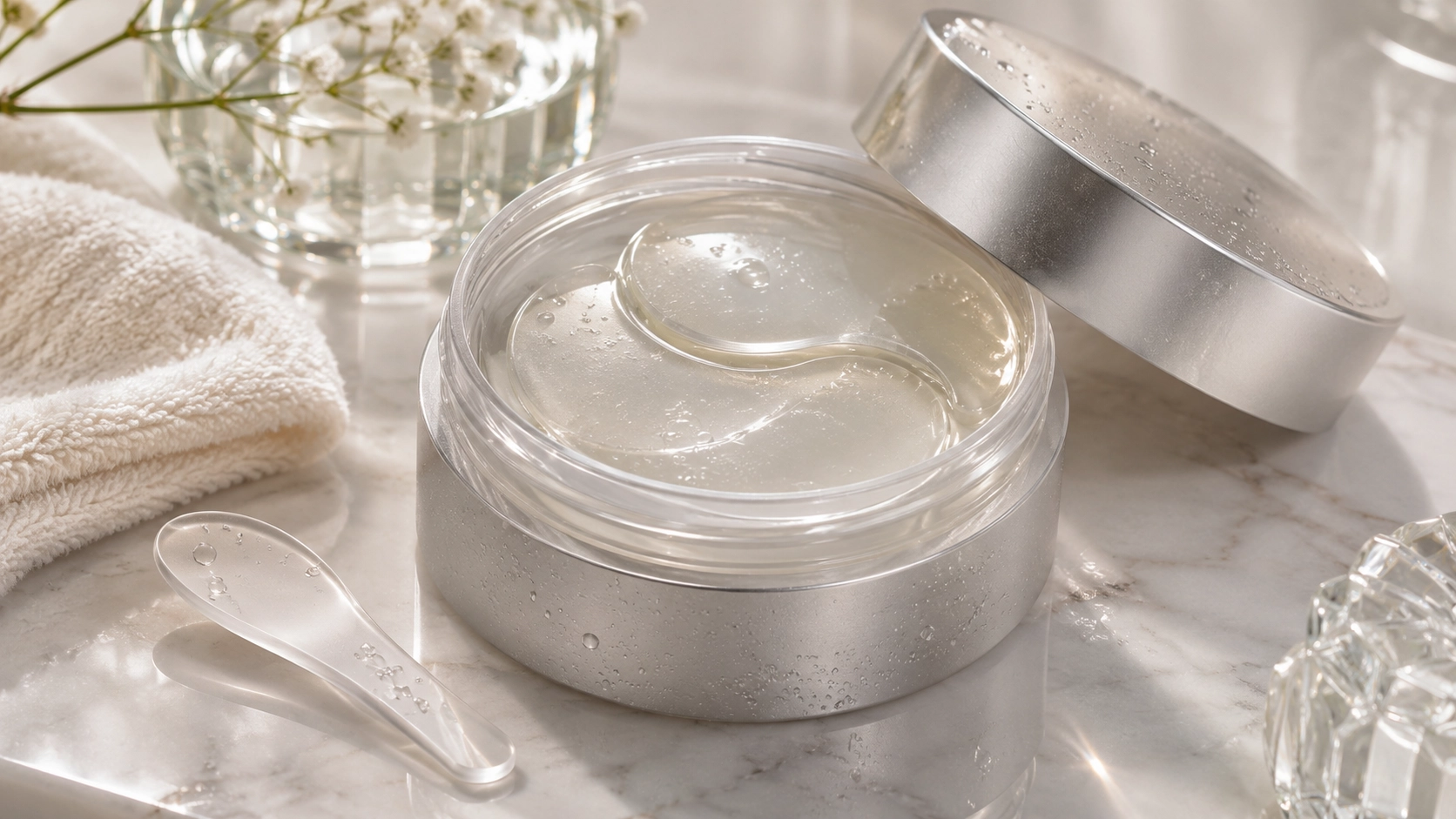
PDRN Hydrogel Eye Patches
A PDRN-positioned hydrogel format with collagen peptides and caffeine for hydration-oriented private label eye care.
View Product Details →Private label hydrogel eye patches are not simply serum ingredients poured into a jar. The hydrogel substrate, water-binding system, patch geometry, essence loading, preservation, seal integrity and consumer-use instructions must be developed together. At Beyond Basix, we help beauty brands select a viable eye-patch format, define the desired PDRN or peptide story, and coordinate samples, packaging and OEM/ODM production around the intended market and order plan.
Hydrogel under-eye patches are a compact, tactile addition to a face-care collection. Unlike a bottle of serum, the customer evaluates two experiences at once: the cooling, flexible patch that rests below the eye and the essence that conditions the skin. The patch must be comfortable enough to remain in place during the recommended use period, yet robust enough to survive filling, storage, opening and handling without tearing.
For skincare brands selling through beauty retailers, e-commerce channels, spas or subscription sets, this dual-material construction affects not only the claim language but also the unit economics. A jar holding multiple pairs behaves differently from individually sealed pouches. Shelf presentation, hygiene, travel convenience and repeat-purchase expectations change with the format. That is why we ask brands to define the retail context before selecting a stock hydrogel shape or commissioning custom tooling.
Three ingredient-led concepts frequently appear in eye-care briefs: PDRN-positioned hydration, copper-peptide firming and caffeine-led refreshing care. They may share an eye-patch platform, but each calls for a distinct evidence and formulation review. The desired finished-product experience matters more than adding the greatest possible number of actives to the label.
| Development direction | Lead ingredient concept | Consumer-facing role | What we check during OEM/ODM work |
|---|---|---|---|
| PDRN hydrogel eye patches | Documented PDRN-related raw material with collagen peptides or compatible humectants | Moisturizing and replenished-looking under-eye skin | Raw-material identity, origin, microbial specification, hydrogel and essence compatibility, appropriate cosmetic claims |
| GHK-Cu + SNAP-8 eye patches | Copper Tripeptide-1 with a SNAP-8 / Acetyl Octapeptide-3 direction | Peptide-led smoothing and firmer-looking skin | Peptide identity, copper-complex behavior, color consistency, pH, preservatives and gel-matrix stability |
| Caffeine hydrogel eye patches | Caffeine supported by glycerin, hyaluronic acid or other moisturizers | Refreshing, cooling and temporarily hydrated appearance | Ingredient solubility, sensory performance, claim testing, essence distribution and packaging |
The term PDRN can refer to different commercial material grades and supply routes. For private label cosmetics, our initial review focuses on the supplier's declared ingredient identity, manufacturing origin, concentration basis, microbiological quality and the name that will appear on the intended market's ingredient list. Salmon-derived and other polynucleotide narratives cannot be assumed to have interchangeable provenance or labeling requirements.
A cosmetic hydrogel eye mask should not borrow medical claims from injectable polynucleotide procedures. A brand may want a premium, recovery-inspired visual identity, but the supportable claims for topical use should be built around finished-product testing and the actual cosmetic function. We distinguish an ingredient marketing story from evidence about the completed eye patch.
GHK-Cu, commonly identified in cosmetic ingredients as Copper Tripeptide-1, introduces an additional stability question: how the copper-peptide complex behaves within the finished hydrogel system. The gel base may contain salts, humectants, preservatives and colorants. Compatibility cannot be decided by looking at a raw-material brochure alone. A distinctive blue appearance is not a substitute for testing active identity or stability.
SNAP-8, associated with Acetyl Octapeptide-3, provides another peptide-led cosmetic positioning route, especially for products marketed around the visible appearance of fine lines. Where buyers request both ingredients, we assess the completed formula and the eye-area safety context before deciding whether a combined patch is the better product than two simpler options.
We evaluate the gel as part of the finished product, not as an interchangeable accessory. A patch can feel pleasing when placed on a hand yet slide, curl or tear when applied around the eye. Shape, thickness and flexibility should be tested together with the essence. The same polymer and gelling system can respond differently after a change in electrolytes, fragrance, color or active solution.
For a standard crescent-style eye patch, we first review the curve, inner corner, contact area and ease of picking the patch out of its packaging. Buyers may choose a recognizable stock shape to simplify their first launch or explore a custom die-cut shape to reinforce brand identity. A custom shape needs separate assessment of tooling, minimum production quantity, handling yield and placement comfort.
Hydrogel should also be compared with bio-cellulose, fabric eye masks and reusable silicone patches when the target retail claim or price point calls for a different experience. These are not automatic substitutes: the format affects liquid retention, wearing time, consumer instructions and pack configuration. A brand selling a single-use treatment should not use the same technical brief as a reusable silicone accessory.
Water-based humectant systems often contribute to a flexible, hydrating feel, but more liquid is not always an improvement. Excess essence can migrate into the jar, make removal messy or alter adhesion; too little can produce a dry-feeling patch. We evaluate the balance through prototype testing, filling trials and storage checks. Finished-product weight and whether the pack is specified by pairs, pieces or total net mass must be recorded clearly.
Packaging is one of the largest structural decisions in private label hydrogel eye patch manufacturing. It determines the customer's handling experience and can influence freshness, secondary-pack cost, distribution robustness and promotional flexibility. At Beyond Basix, we compare the options against the expected sales channel rather than assigning one format to every client.
| Packaging format | Commercial strengths | Development and QC priorities |
|---|---|---|
| Multi-pair jar | Repeat-use routine, beauty-shelf visibility and value perception | Inner sealing, supplied spatula or handling design, essence migration, repeated-opening use conditions |
| Individual foil sachets | Travel packs, samples, subscription boxes and controlled single-use portions | Film compatibility, seal strength, leakage, print registration and accurate fill weight |
| Boxed sets | Gift programs, coordinated skincare ranges and multi-SKU assortment | Component inventory, cartons, labeling, batch traceability and shipping protection |
The choice also changes artwork and regulatory requirements. The product identity, net contents, ingredient declaration, directions, precautions, responsible business information and any destination-market wording need to be confirmed for the final pack. For an export project, carton markings and the transport configuration belong in the early quotation brief, not at the end of production.
Our first development discussion addresses the intended product, the market and the production pathway. A brand may want to move quickly with a standard gel base and custom printing, or it may need a bespoke peptide formula and a custom patch silhouette. Those routes involve different sampling and validation responsibilities.
We document whether the product is intended for prestige beauty retail, online subscription boxes, spas, Amazon storefronts, a distributor's wholesale program or a larger skincare collection. That choice helps us define how many pairs should appear in a pack, how technical the ingredient story should be and whether a single-pair trial format has commercial value.
We ask for the hero ingredient, permitted supporting actives, fragrance direction, sensitivity priorities and target cosmetic claims. For PDRN, peptides and eye-area formulas, documentation and finished-product safety assessment are especially important. We do not promise a fixed ingredient level or a universal shelf-life period before the formula is finalized and tested.
Patch geometry, gel density, essence loading, jar dimensions, lids and secondary cartons are reviewed as a single product specification. If a custom shape is required, the brief should define whether the tooling can be reused, who owns it and how the approval sample will be archived for subsequent production lots.
Our recommended sample review covers appearance, odor, application comfort, adhesion, removal, packaging leakage and use instructions. The applicable stability, microbiological and packaging-compatibility program should be determined by the formula, the market and the claimed shelf life. Samples used for marketing photography must match the approved product rather than an earlier experimental version.
For meaningful quotations, the buyer should identify the exact unit being priced: one pair, one sachet, one jar or one retail box. The scope should separately identify formula work, tooling, labels, cartons, testing, freight terms and any customer-supplied materials. We confirm MOQ and lead time only against that defined scope, because stock-shape jars and custom tooling cannot be priced as though they are equivalent.
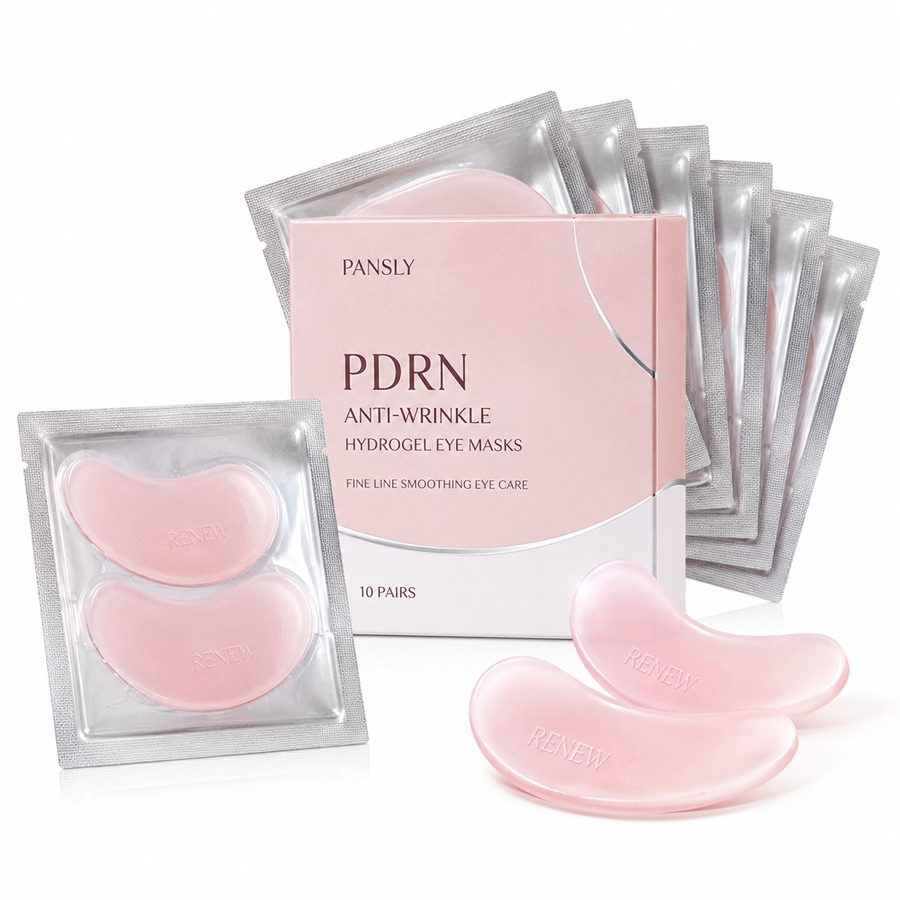
We develop PDRN hydrogel patches, GHK-Cu + SNAP-8 eye patches and complementary peptide eye care for private label brands. We define the final formula, pack configuration and applicable market requirements against each client's project brief.
A PDRN-positioned hydrogel format with collagen peptides and caffeine for hydration-oriented private label eye care.
View Product Details →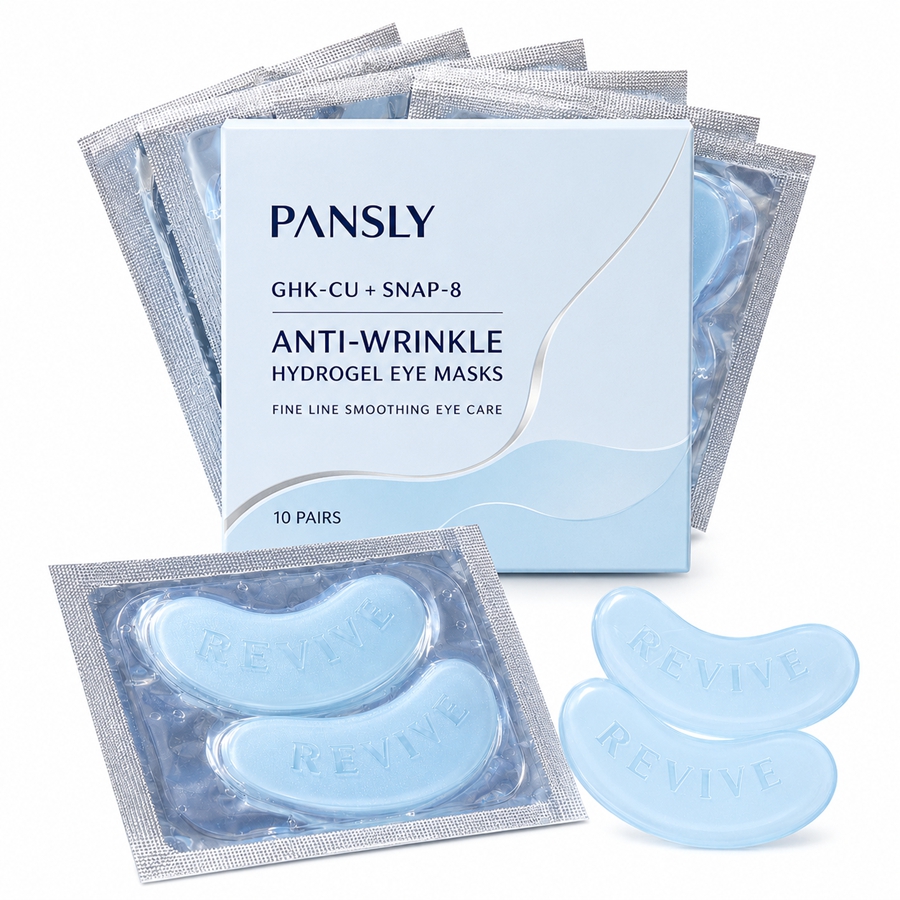
A peptide-led under-eye patch concept for brands considering copper peptides and expression-line positioning.
View Product Details →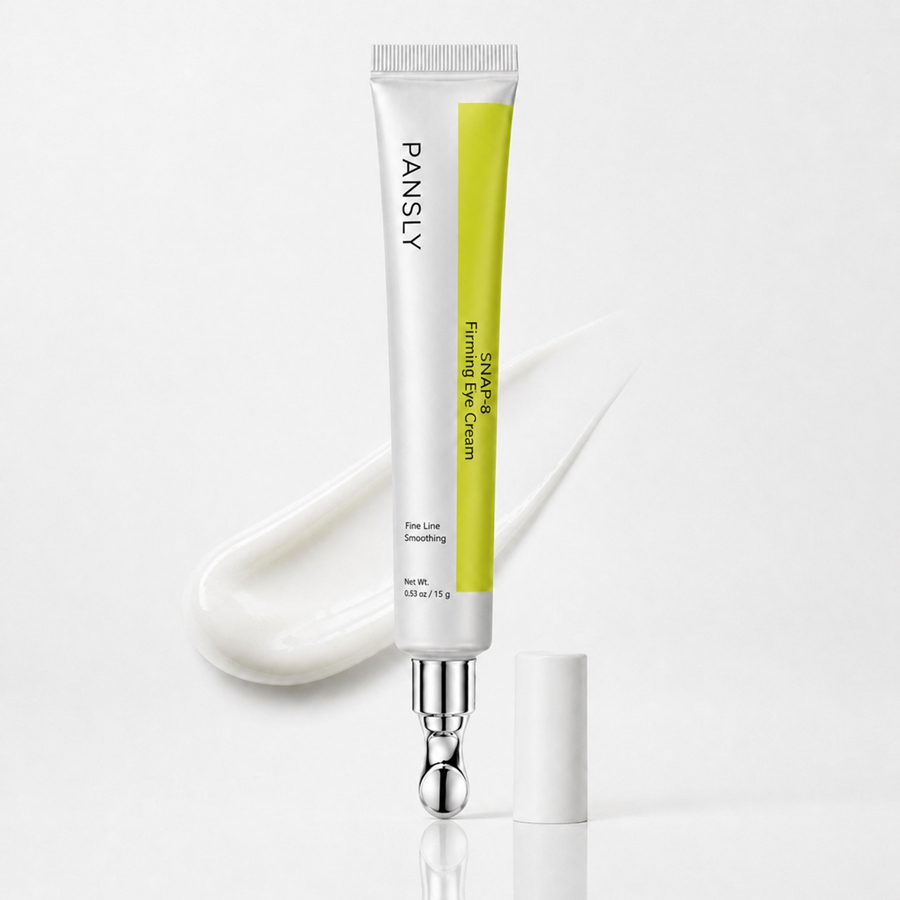
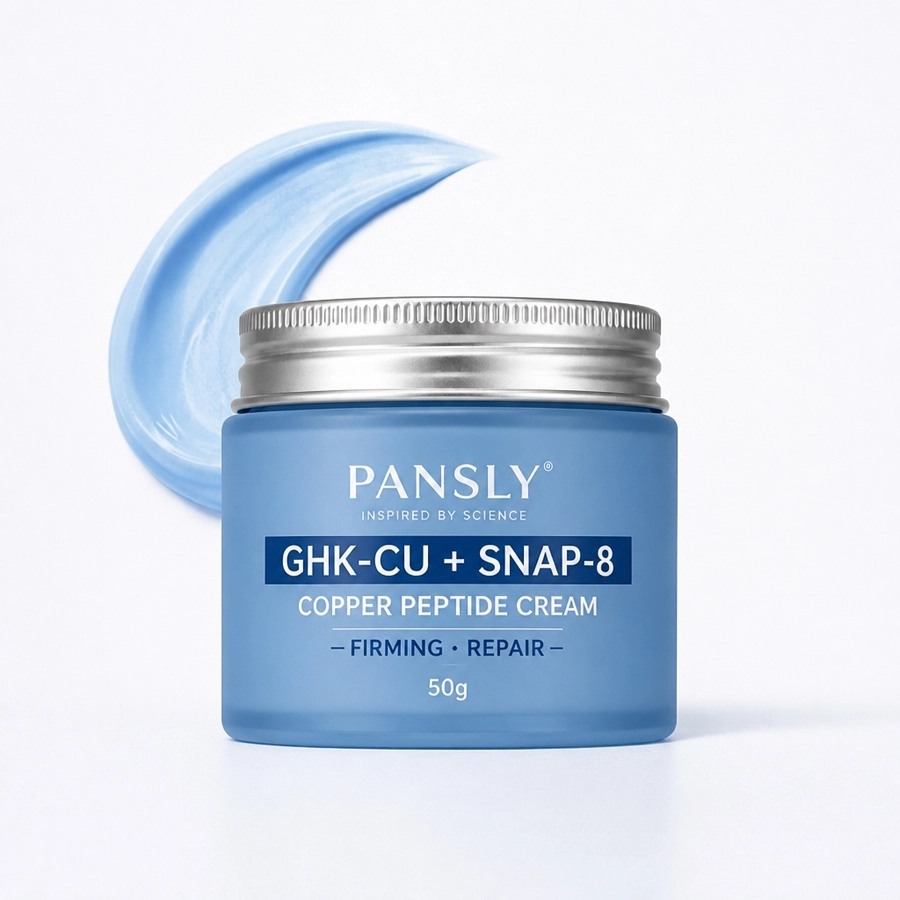
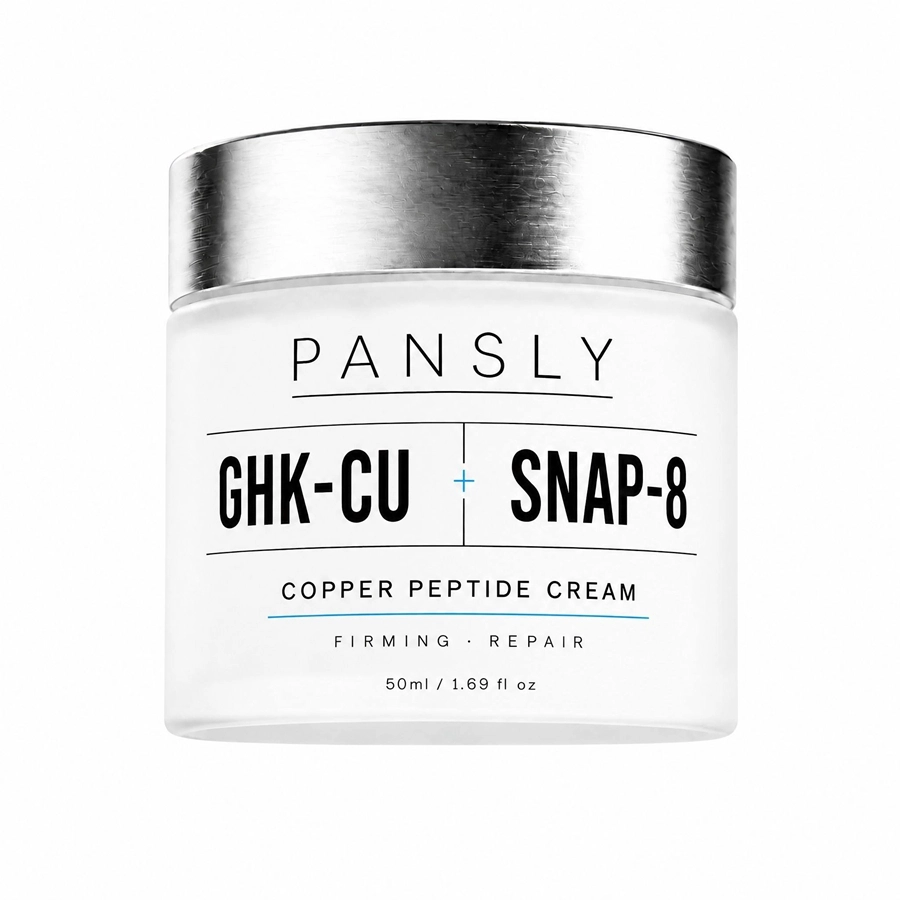
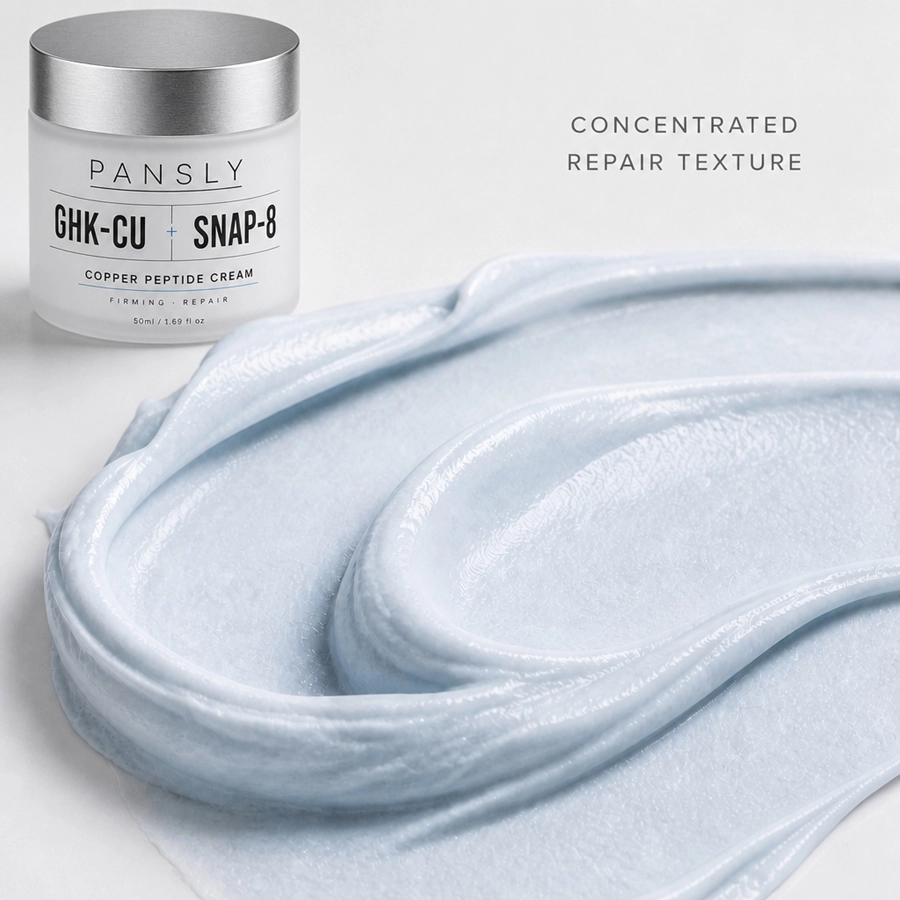
A companion eye-care format for brands developing a coordinated peptide patch and cream collection.
View Product Details →There is no meaningful universal MOQ for every hydrogel eye patch project. A ready formula and standard patch mold may have a different production minimum from a bespoke ingredient blend, a custom die-cut shape or a dedicated printed jar. Individual sachets also introduce film-printing and packing considerations that should be included in the quote.
For early budgeting, we separate the cost into formula and sampling, patch substrate and conversion, essence filling, primary packaging, secondary packaging, testing and quality documentation. Price comparisons become misleading when one supplier quotes a pair and another quotes a 30-pair jar. We ask buyers to compare the same specification and the same unit basis before evaluating cost differences.
A realistic calendar starts after the brief is approved and progresses through sampling, adjustment, packaging proof, validation and bulk production. It may also include destination-market notifications and freight. A promotional launch date without enough time for compatibility and shelf-life assessment should not override product-quality requirements.
Hydrogel eye patches can work as a standalone hero SKU or as the first step of a coordinated under-eye range. However, a PDRN eye patch, a GHK-Cu + SNAP-8 patch and a peptide eye cream should not all repeat the same generic benefit language. Each product needs a clear consumer role and a different reason to be selected.
For example, a brand might lead with a cooling PDRN patch for a short beauty ritual, add a richer peptide eye cream for a regular moisturizing step and reserve a specialty peptide serum for a focused treatment-led range. Packaging color, naming and cross-sell copy should reinforce those distinctions. At Beyond Basix, we differentiate PDRN eye patches and peptide eye creams through their application experience, packaging and role within a coordinated private label eye-care collection.
Yes. At Beyond Basix, we develop PDRN hydrogel eye patches with OEM/ODM formula, branding and packaging options. We confirm the final ingredient specifications, cosmetic claims, quantities and required documentation for each project.
They can be explored as a combined cosmetic formula concept, but compatibility, stability, eye-area suitability and claims require evaluation in the finished hydrogel and essence system. Ingredient names alone do not establish finished-product performance.
Jars may fit repeat-use retail routines, while sachets can suit samples, travel products and subscription inserts. The better choice depends on the channel, pack count, cost target, preservation and consumer handling.
Specify the same patch material, dimensions, active direction, weight, number of pairs, primary packaging, secondary packaging, artwork, testing scope and delivery terms. Ask the factory to make tooling and one-time fees explicit.
The final product should be assessed for its intended application and target market, including appropriate cosmetic safety, labeling, microbiological quality and supporting claim evidence. The review should reflect the finished formula and exposure conditions.
Yes, as long as each SKU has a distinct purpose and the production and pack specifications are coordinated. A paired range can help brands organize repeat-use and treatment-style products without confusing the customer.
Tell us the intended market, ingredient direction, patch material, number of pairs, preferred packaging and forecast order quantity. We can use that brief to discuss formula feasibility, sampling and a comparable OEM/ODM quotation.
Discuss Your Eye Patch Project →Related Articles for Private Label Cosmetics




You May Also Like
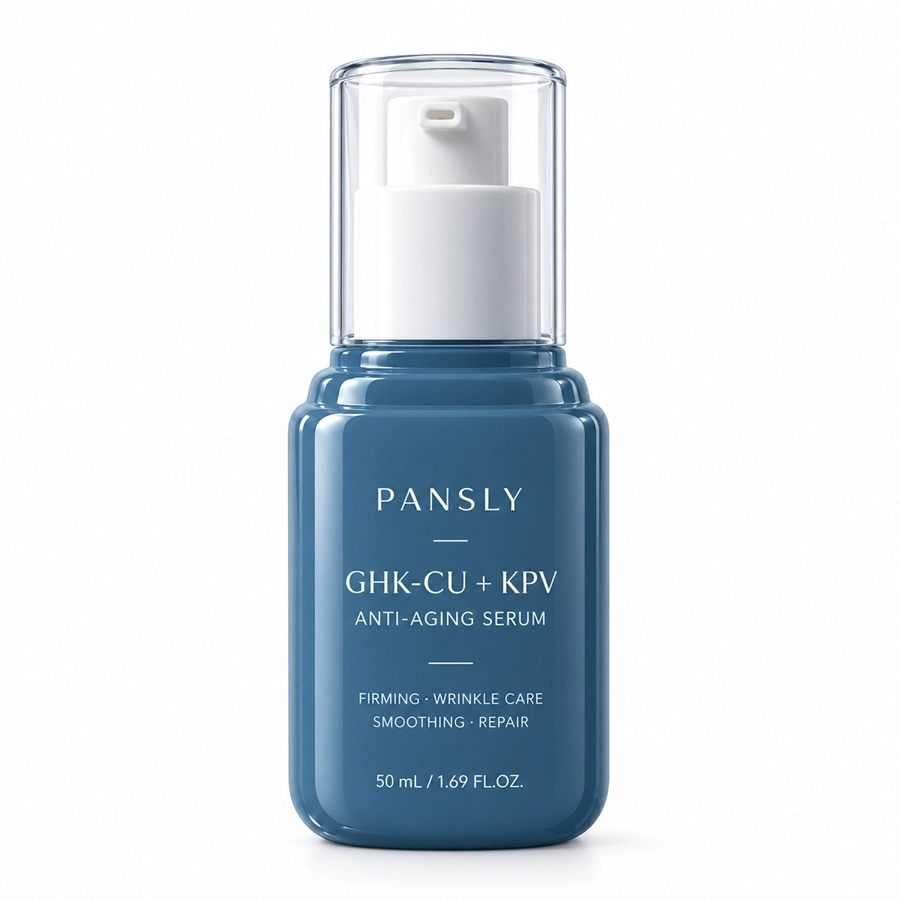
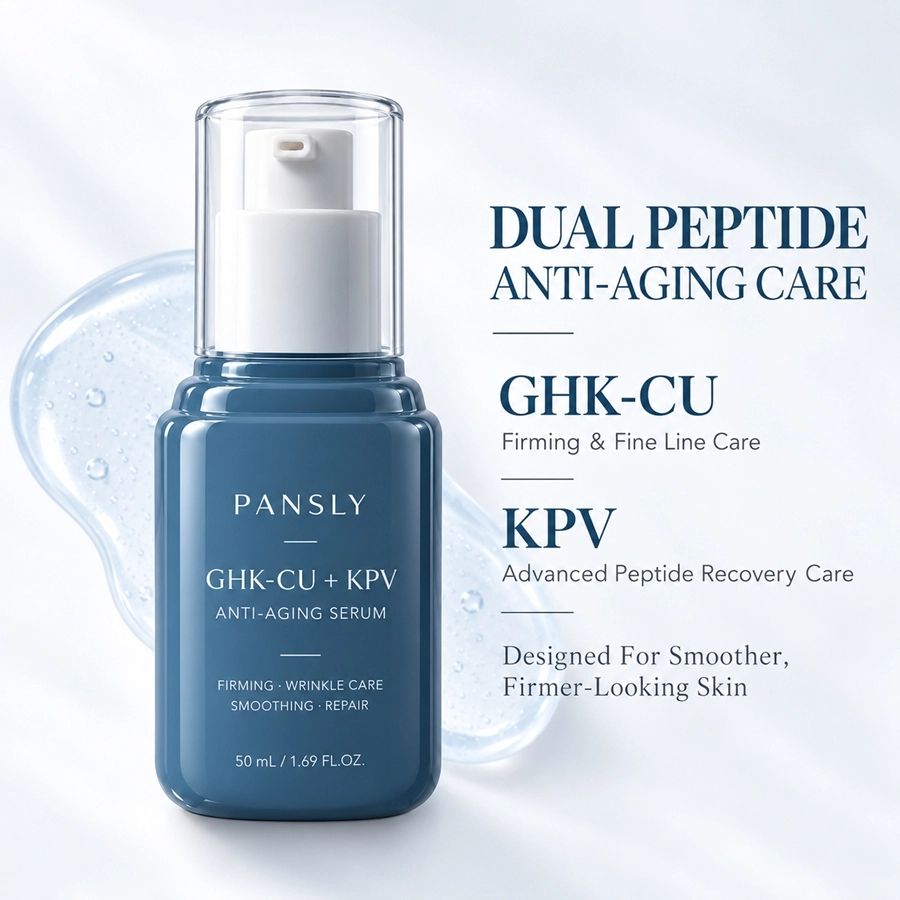
GHK-Cu KPV serum for skin is a private-label peptide face serum formulated for a firming, smoothing routine. This GHK-CU KPV Serum is positioned for wrinkle care and skin repair, making it a practical addition to an anti-aging skincare range.
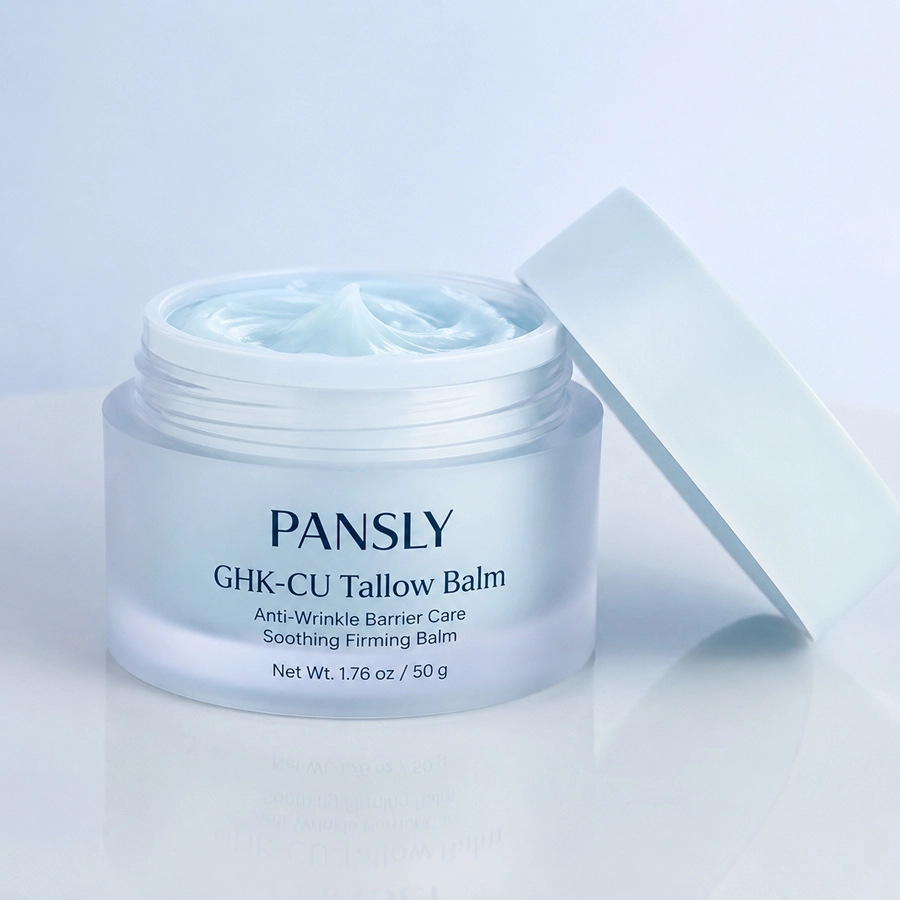
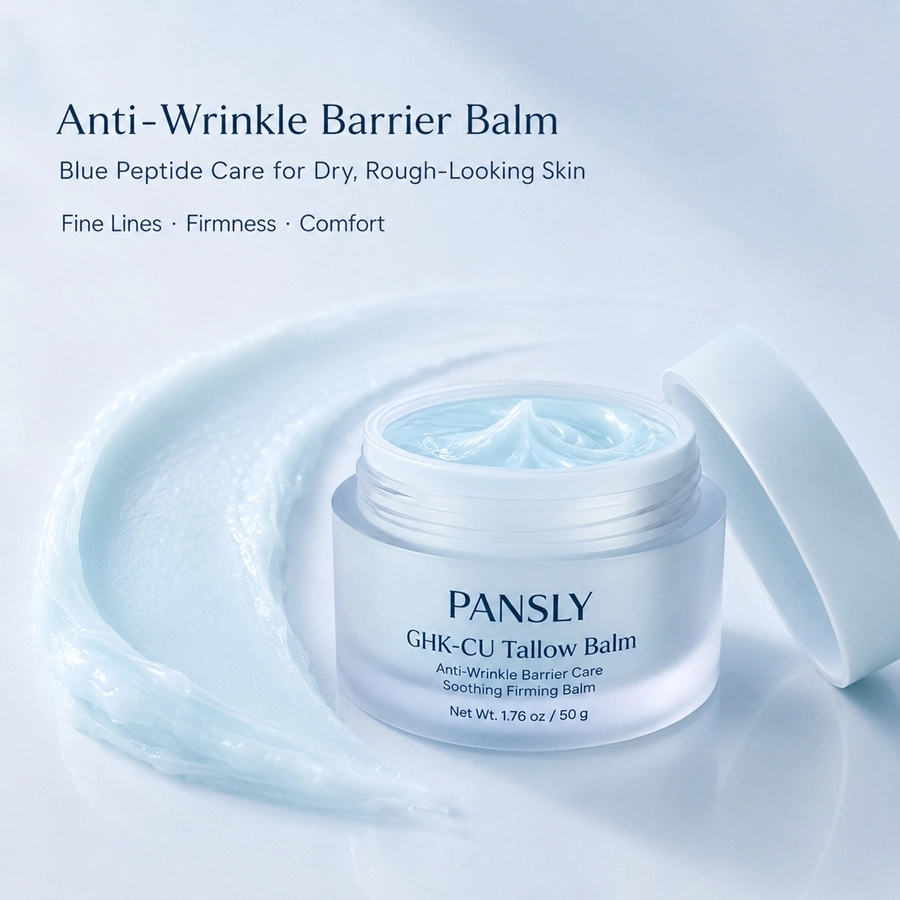
This Pansly GHK-CU + SNAP-8 Grass-Fed Tallow Anti-Wrinkle Barrier Balm is dual-peptide nourishing anti-wrinkle balm, specially developed for dry, rough textured skin, targeting fine lines, sagging contours and weakened skin barrier. Full OEM & ODM private label support is offered, including formula customization, packaging selection, fast sampling and bulk supply.
Five core premium active ingredients work synergistically for multi-dimensional skin care:
GHK-CU Copper Peptide lifts and firms loose skin to boost skin tightness and smooth fine lines;
SNAP-8 Peptide softens expression lines to reduce wrinkle visibility;
Grass-Fed Tallow delivers rich lipid nourishment to relieve persistent dry flaky rough skin;
Ceramide NP reconstructs skin moisture barrier to enhance skin comfort and resilience;
Squalane melts lightly into skin to provide silky long-lasting hydration.
Luxury rich light blue cushion balm texture glides smoothly and absorbs quickly without heavy greasy residue. Daily use improves dry rough texture, blurs dry fine lines, lifts saggy skin and stabilizes skin barrier, leaving skin soft, calm and smooth with healthy supple glow.
Get in Touch with us
If you have any comments or good suggestions, please leave us a message; later our professional staff will contact you as soon as possible.
Click here to customize the Beauty
we respond within a few hours
Monday–Friday, 9AM–6PM
3A01, Building A, Zhisheng Square, No. 4 Zhifu Road, Helong Street, Baiyun District, Guangzhou, China.
Leave a request, and we'll email you back within 24 hours.
© 2026 Beyond Basix. All Rights Reserved.
Chat with us
Want to learn more about customized cosmetic and skincare products? Chat instantly online with our experts for professional advice and answers.
Get a Free Quote
Submit your requirements and quickly get a quote for customized cosmetic and skincare products to help you make informed decisions.
Send My Request
Have a specific request or inquiry?
Send us the details through this form, and we’ll respond promptly to assist you with the next steps.
Custom Cosmetics and Skincare Products
Need a customized product?
Fill out this form and our team will work with you to provide a tailored solution to meet your needs and requirements.
Custom Cosmetics and Skincare Products
Need to customize your beauty brand product?
Fill out formula form and our team will work with you to provide a tailored solution to meet your needs and requirements.


