Buyer answer
A 500-unit private label skincare launch can reduce inventory exposure compared with a 5,000-unit order, but it does not guarantee a lower total cost or a universal factory MOQ. Packaging, batch minimums, formula choices and required tests must be assessed for the specified product. The useful goal is validated demand and repeatable unit economics before scaling.
Why a 5,000-Unit Commitment Can Be Risky Before Product-Market Fit
An initial private label skincare order is a working-capital decision as much as a manufacturing decision. When a founder commits to several thousand units before establishing demand, cash is converted into stock that may take many months to sell. The total exposure includes not only the liquid formula and container but also decoration, cartons, sample freight, photographs, regulatory documentation, warehousing, payment processing and customer acquisition. A low quoted factory unit price can disguise a large absolute cash commitment. It is therefore more useful to compare the cost of learning from the first launch than to compare unit prices alone.
A lower launch quantity may preserve flexibility, but small batches should not be treated as universally cheaper or faster. Setup, materials, testing and component minimums may increase the cost per unit. Beyond Basix recommends that brands identify the smallest technically and commercially practical launch specification before ordering printed components. That means defining one hero SKU, a feasible fill size, a suitable packaging option and the relevant documentation. A brand still needs a differentiated offer and a credible route to reach customers; reducing its opening stock does not guarantee a successful launch.
Manufacturing Batch Size and Packaging MOQ Are Not the Same Thing
A factory may be able to fill a relatively small amount of serum while a packaging vendor requires a larger purchase of bottles, pumps or printed cartons. Alternatively, a particular mixing vessel may make tiny batches inefficient even if stock bottles are easy to obtain. These are separate constraints and should be itemized rather than described under a single manufacturing minimum. The supplier needs to know the formula viscosity, packaging dimensions, decoration method and anticipated batch quantity before making an accurate assessment.
A buyer comparing a 500-unit concept with a 5,000-unit program should ask which minimum comes from the bulk formula and which comes from labels, closures, printed packaging or accessory components. Some projects may support generic containers with custom labels, while others require custom tooling and higher component purchases. A smaller filling run does not necessarily eliminate excess packaging inventory. Beyond Basix can discuss product and packaging options against the actual brief, but a 500-unit quantity should be treated as a project-specific possibility rather than an unconditional promise across every formulation and format.
The Cash-Flow Difference Between 500 and 5,000 Units
Consider an illustrative model in which a finished packaged serum costs six dollars per unit before freight and selling expenses. At 500 units, the product invoice would be three thousand dollars; at 5,000 units, it would be thirty thousand dollars. These figures are examples for comparing order sizes, not Beyond Basix price quotations. The larger order might achieve a lower unit price, but the brand would still be funding far more inventory before it knows how quickly consumers will purchase the product.
Suppose demand develops more slowly than predicted. Unsold inventory occupies warehouse space, may incur fulfillment and storage charges and creates a risk of product aging before sell-through. Promotional discounts can reduce contribution margin precisely when the founder needs cash to fund another production cycle. A smaller first run may be economically preferable when it yields actionable information about conversion rates, positioning and replenishment potential. On the other hand, an extremely small run with very high unit costs may leave insufficient margin to test advertising. The better decision compares total launch exposure, expected gross contribution and the cost of obtaining valid market feedback.
What Does a 500-Unit Launch Actually Validate?
A limited launch can reveal whether customers understand the positioning, respond to the price, purchase the format and return after using it. It can also test photographs, landing-page copy, packaging usability and the fulfillment experience. It does not automatically validate long-term demand or product efficacy. Sales to existing social followers, for example, may not predict acquisition among cold audiences, and early enthusiasm from a small set of customers may fade. Founders should define in advance what they need to learn.
Useful measures include conversion rate, product-page engagement, add-to-cart frequency, refund and complaint patterns, repeat purchase after a reasonable replenishment window and contribution margin after acquisition and fulfillment costs. The aim is not to declare the first 500 bottles a success merely because they sell out. A business can sell out and still lose money after sampling, advertising and returns. Beyond Basix approaches low-volume product planning as a way to manage production exposure while the brand investigates whether the underlying economics can support repeat orders.
When Stock Packaging Can Help a Small Skincare Brand
Standard glass droppers, pumps and jars may simplify sourcing compared with a custom-molded container. They can also reduce the amount of design work needed to create a coherent first collection. However, the availability of stock packaging, printing options and minimum quantities must be checked for the particular supplier and project. A component in a catalogue is not necessarily in stock in the intended color or size. Compatibility testing also remains relevant, even when a container has been used for other formulas.
The visual identity can come from a carefully developed label, restrained color palette, type hierarchy and outer packaging rather than an expensive proprietary bottle shape. A founder should still evaluate whether the materials support the formula, whether the pump or dropper dispenses correctly and whether the pack meets the intended jurisdiction's labeling requirements. A premium appearance is not only the surface decoration: crooked labels, inconsistent dispensing and leaking closures can undermine the brand. We prefer to validate functionality before committing to a specific decoration technique or a large quantity of printed components.
Choosing One Hero Product Instead of a Crowded Launch Assortment
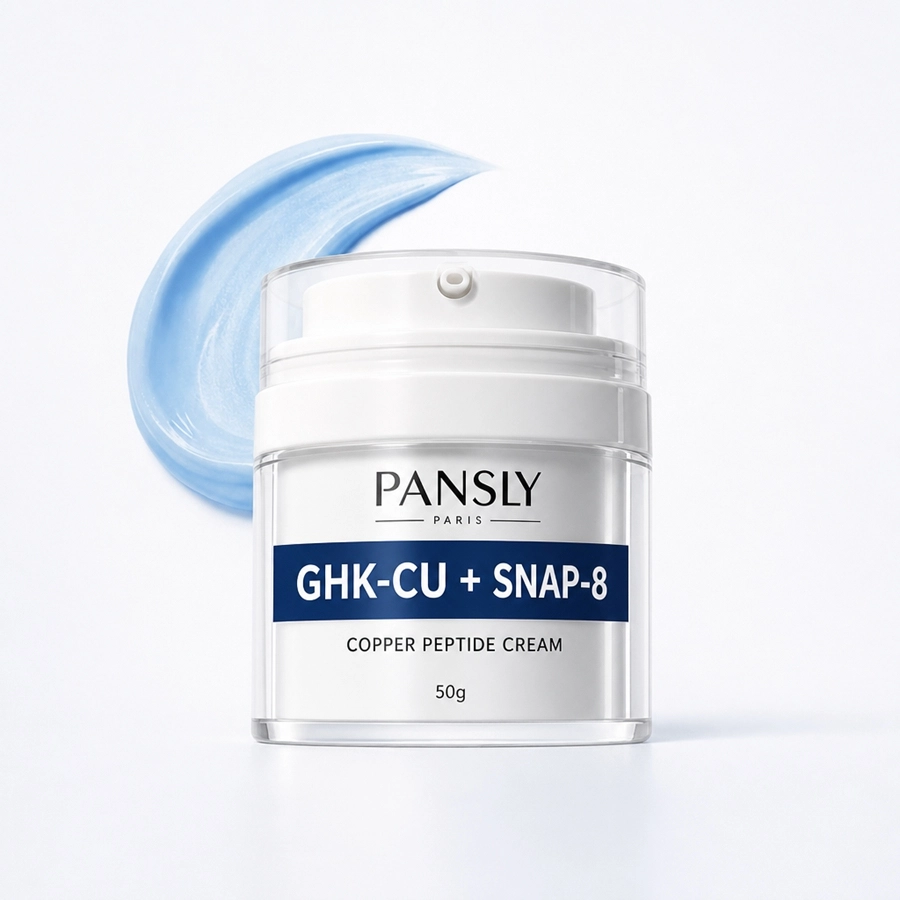
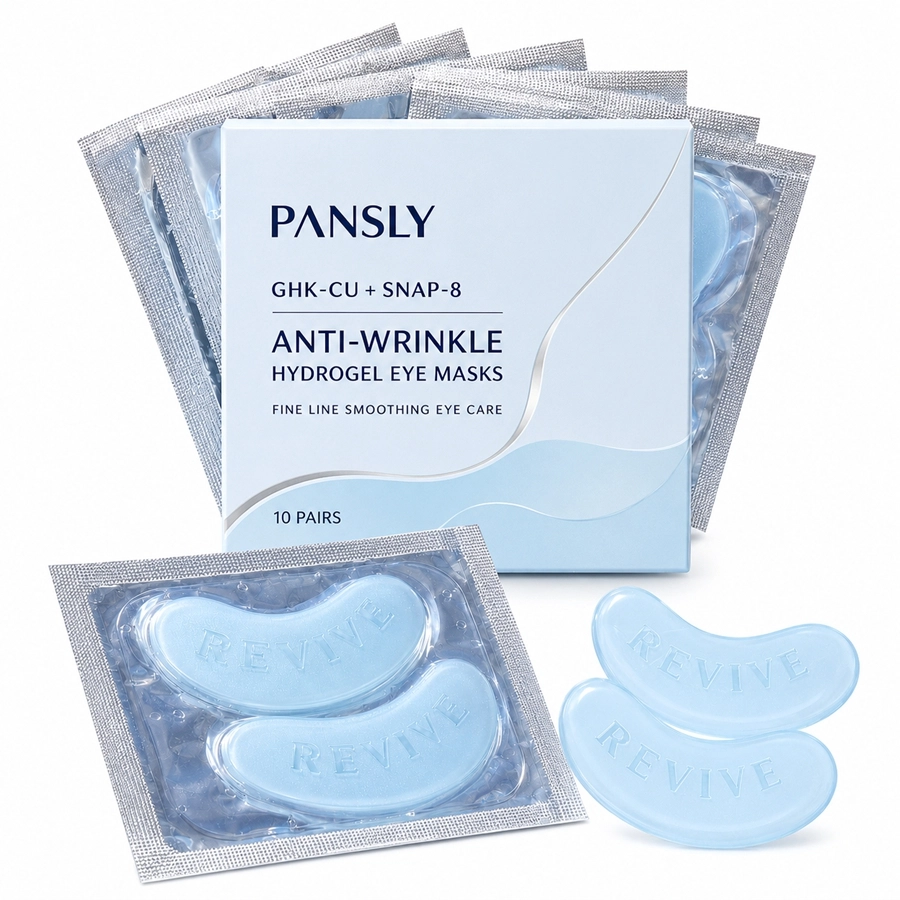
A founder often wants to launch a cleanser, serum, face cream, eye patches and a gift set simultaneously. Each product creates a separate forecast, production minimum, packaging decision and inventory risk. The commercial burden increases when the formulas require different components or tests. A single hero serum may be a clearer starting point if it communicates a meaningful difference and addresses a recognizable consumer need. For Beyond Basix, active skincare concepts such as GHK-Cu or PDRN offer several potential product directions, but the buyer still needs to select a formulation that can be described accurately and supported appropriately.
There are occasions when two products make more sense than one. A moisturizer may complement a serum in a simple routine, and a companion item can increase order value. The key is whether the two products have distinct purposes rather than two overlapping marketing claims. A brand should compare its realistic initial audience, average order value, cost of goods, return expectations and marketing resources before broadening the range. Launching fewer SKUs can make it easier to allocate photography, samples and customer support to the products most likely to generate meaningful learning.
GHK-Cu, PDRN or Retinol: Which Active Story Is Easier to Explain?
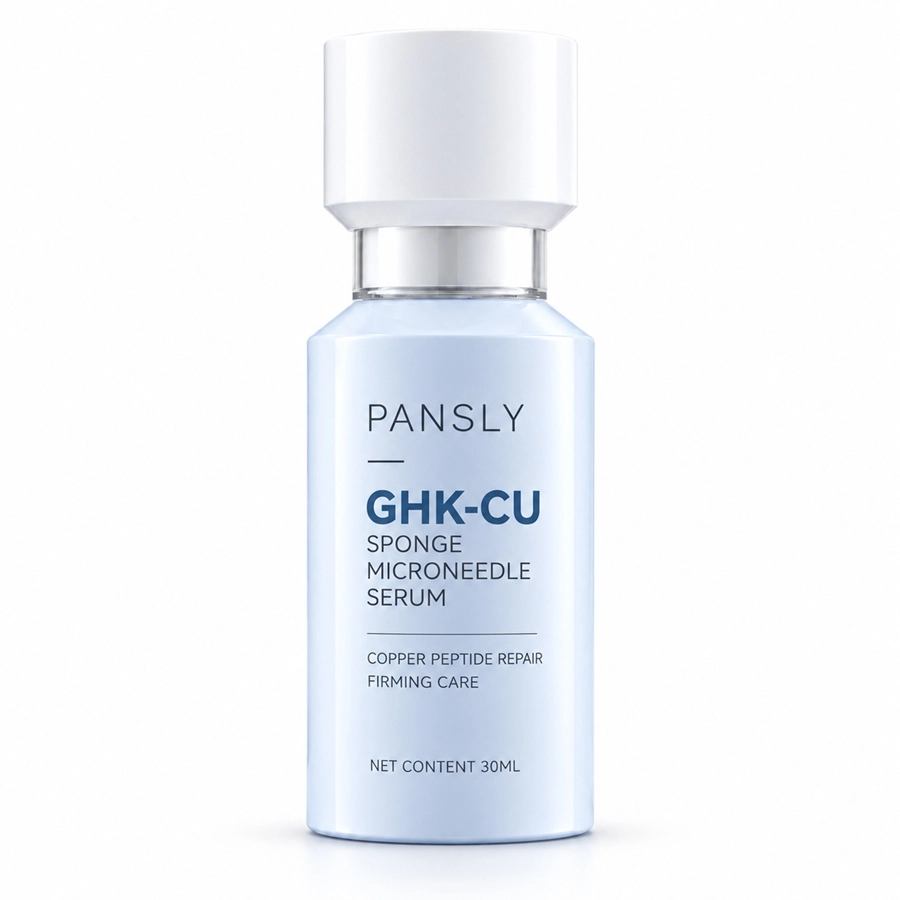
Ingredient-led products can be differentiated, yet scientific language can also confuse customers. GHK-Cu is associated with copper-peptide skincare, while PDRN is commonly discussed in recovery-inspired cosmetic positioning and retinol has a well-established association with age-care routines. Their supporting evidence, formulation requirements and potential claims differ substantially. A new brand should not select a compound only because it has a high volume of social-media discussion. It should ask whether the target customer understands the ingredient, expects that product format and trusts the stated cosmetic benefits.
A formula developer should also consider the practical manufacturing implications. Different materials may introduce stability, preservation, sensory or labeling constraints. The brand may prefer a familiar daily-use format with an advanced hero ingredient rather than an unfamiliar texture plus several new actives. Neither approach guarantees sales. We can help a buyer compare existing product directions against packaging and customer expectations, but the claims ultimately need to match the actual finished formula and target market. Product storytelling is most persuasive when it is specific, understandable and not dependent on medicalized promises.
The Economics of a Single Serum Price Point
Retail price alone says little about profitability. A serum sold for twenty-five dollars may carry product manufacturing, inbound freight, duties, pick-and-pack fees, marketplace commissions, payment processing, sampling, returns and advertising costs. Founders need to evaluate contribution after these variable expenses before deciding whether to scale acquisition. A margin calculated by subtracting manufacturing cost from retail price is not the same as operating profit. The same applies to higher-priced hero serums; premium positioning creates room for investment but does not guarantee conversion at the proposed price.
Instead of assuming that every low-MOQ product will support paid social campaigns, a brand can model conservative, base and optimistic acquisition scenarios. If a first purchase is unprofitable, a genuine, evidence-based repeat purchase pattern may still support the business, but it should not be assumed. Discounting and free shipping can change contribution quickly. For an independent store, the economics should be measured at the order level rather than the bottle level. This helps determine whether a second product, bundle, larger pack size or alternative channel offers a sustainable improvement.
How to Set a Reorder Trigger Before the First Shipment
An opening order is only the first stage in inventory management. The brand needs to know how long replenishment may take, how demand fluctuates and what safety stock is justified. A reorder point should reflect expected unit sales during supplier lead time plus a reasonable buffer for uncertainty. If lead time includes custom decoration, testing or imported components, the supply chain can be less flexible than the original product forecast suggests. The buyer should discuss repeat-order assumptions with the manufacturer before launch.
For a first run, demand estimates are unusually uncertain. A rigid reorder trigger based on the first week of social-media exposure can be misleading. Some brands experience a launch spike followed by a lower baseline; others have slower but more sustained growth. Inventory decisions should incorporate actual sell-through, return levels and customer-acquisition results. Packaging components may have their own reorder cycle, especially if they were procured in a larger quantity than the finished goods. A coherent plan should show the business what it can afford to reorder and when another batch becomes commercially justified.
Shelf Life Is Not the Same as a Sell-Through Deadline
Skincare brands sometimes assume that an unopened product can sit in storage indefinitely because its package displays a shelf-life statement. Shelf-life support depends on the product's stability evidence and intended conditions, and distribution partners may require a minimum remaining shelf life on delivery. Temperature exposure, packaging performance and stock rotation all affect the practical value of inventory. A founder purchasing many months of supply should evaluate whether products can realistically be sold with sufficient remaining shelf life for consumers and retailers.
Beyond Basix recommends planning inventory with batch identification and appropriate storage expectations rather than treating unsold goods as an abstract balance-sheet asset. Seasonal demand, changing visual trends and a label redesign can also make inventory commercially obsolete before the technical shelf-life limit is reached. Brands should ask how their proposed packaging and formulation will be supported by relevant tests and documentation. A reduced opening order may limit exposure to this uncertainty, but it does not replace responsible product quality, warehouse conditions or clear traceability.
What a Small-Batch Manufacturer Should Confirm Before Quoting
A precise request should include product category, target market, desired ingredient story, proposed fill volume, packaging style, expected quantity, artwork language, fragrance preferences and preferred launch window. It should specify whether the brand wants an existing platform or expects formulation changes. It is especially important to separate an initial test order from projected annual volume. A forecast may help with planning, but it does not guarantee that a particular packaging supplier will accept a small decorated-component order.
The quotation should explain what is included and what is conditional. Sample work, testing, printing, molds, component minimums, labeling, cartons, production and freight can each have separate implications. The buyer should understand when a cost becomes non-refundable and which changes require new approvals. We believe transparent project scoping is more valuable than a universal low-MOQ promise. A meaningful proposal relates to a defined product and a particular packaging configuration, allowing the founder to compare not only headline unit prices but total risk.
White Label and Custom OEM: Different Levels of Early Risk
White label normally begins from an existing formula and a defined product platform. It can reduce certain development choices, but it does not remove the need to verify the formula, claims and packaging for the intended market. A partially customized product may let the brand change sensory or presentation attributes, subject to technical evaluation. Full custom development can create more differentiation but may require additional formulation work, testing, sourcing and approvals. A founder should choose a route that matches current evidence of demand rather than an aspirational description of the brand's future size.
The decision may change after a successful pilot. A company that first uses an existing serum platform may later introduce a proprietary texture, package or fragrance policy once it understands its audience and can support a larger development budget. That transition must be planned carefully so customers are not surprised by an unannounced product change. Formula ownership, exclusivity, testing responsibility and change-control expectations should be discussed in the commercial agreement. We support a staged development conversation that focuses on what needs to be proven now and what can be refined at the next stage.
| Decision factor | Smaller test run | Larger opening run |
|---|
| Cash committed | Potentially lower | Potentially higher |
| Unit price | May be higher | May improve with scale |
| Packaging flexibility | Usually favors available components | May justify custom decoration |
| Inventory risk | Lower physical exposure | Higher unsold-stock exposure |
| Best commercial context | Unvalidated demand | Established or contracted demand |
How Packaging Decoration Changes the Opening Budget
Packaging cost can be driven by more than the container itself. Printed cartons, hot stamping, silkscreen decoration, custom finishes and color matching often involve setup work and vendor-specific minimums. A founder comparing a standard bottle with a custom-colored option should account for setup charges, rejected samples, lead times and surplus components. Labels may offer flexibility for a small launch, but label durability, correct ingredient information and application quality still matter. The cheapest decoration method is not necessarily appropriate for every product or brand positioning.
Design decisions should therefore follow the intended channel. A small DTC launch may prioritize a simple, premium-looking container that photographs well and travels reliably. A department-store introduction might require stronger shelf differentiation and a more elaborate secondary pack. It is reasonable to defer some costly embellishments until the product demonstrates repeat demand. Beyond Basix can discuss component and artwork directions in the context of the actual product, but all timelines and quantities must be verified against a selected configuration rather than inferred from a generic packaging catalogue.
Compliance Costs Should Be Included Before the First Order
Selling cosmetics across borders requires attention to the applicable rules for the destination market. The United States, European Union and other jurisdictions differ in their product, manufacturer, responsible-party, notification or registration obligations. There can also be restrictions on particular ingredients and on claims that make a product sound like a drug. A founder should not assume that a certificate of analysis, safety data sheet or general factory certificate automatically makes a cosmetic legal to sell in every market.
Budgeting should include the evidence, testing, review and labeling work appropriate to the selected markets. The specific scope depends on the formulation and route to market. A new brand also needs to consider product liability, customer service and adverse-event handling processes. The cost of correcting a label after a large order can exceed the cost of addressing it during product planning. We encourage buyers to confirm what the manufacturer can document and what the brand or its designated regulatory specialists must arrange, rather than relying on broad claims of compliance support.
How to Test Demand Without Treating Social Media as Proof
Social engagement is useful directional feedback but is not identical to willingness to pay. A launch plan should identify the audience, the real price being tested and the conversion measure that matters. Video views, saves and comments can inform creative work; purchases, refunds and repeat orders supply stronger commercial evidence. When evaluating paid acquisition, founders should compare actual acquisition cost with contribution margin, not with an arbitrary industry benchmark. A sample of early conversions may also be influenced by promotions or existing followers.
A smaller production program may permit several controlled creative experiments before the brand commits to another order. However, the tests need sufficient traffic and clear measurement to be informative. The brand could compare an ingredient-led landing page with a routine-led presentation while keeping the core product consistent. Customer feedback can reveal whether the texture, scent, packaging or usage instructions cause friction. Beyond Basix can support product development decisions informed by such evidence, but we would not claim that one packaging choice or active ingredient guarantees a particular cost per acquisition.
Returns, Complaints and Product Experience as Launch Signals
Sales volume is only part of successful product validation. Buyers should monitor complaints about dispensing, scent, tackiness, residue, leakage, labeling clarity and unexpected texture changes. These observations may signal a problem with the finished product experience even when the ingredient story initially attracted attention. A manufacturer needs clear batch and sample references to investigate issues properly. Anecdotal feedback should not be confused with clinical evidence, but recurring comments about handling and application can be useful quality and design inputs.
A brand can build a simple post-purchase feedback process that separates logistics complaints from formulation and packaging feedback. A late parcel is not evidence of product failure, while repeated pump problems may justify component investigation. Some complaints may require formal product-safety follow-up depending on their nature and jurisdiction. Small-batch testing can make this feedback easier to interpret, but it also increases the importance of consistent batch records and controlled revisions. Before scaling, the brand should decide what level of returns, complaints and repeat purchase it can accept.
Illustrative Break-Even Analysis for a Limited Launch
Consider a hypothetical serum retailing at thirty-five dollars, with an illustrative twelve dollars in combined product, packaging, fulfillment and payment-related variable costs before advertising. That leaves twenty-three dollars per order before customer acquisition, fixed costs, returns and taxes. If paid acquisition costs twenty dollars per first order, the initial contribution would be just three dollars before additional obligations. These numbers are a teaching example, not current Beyond Basix pricing or a forecast of market advertising costs. The business should substitute its own quotations and channel fees.
A larger order may lower manufacturing cost per unit by several dollars, but it also increases total stock exposure and may not improve acquisition economics enough to justify the cash commitment. A smaller run may increase unit cost while limiting the cost of an unsuccessful test. The correct comparison is the expected value of validated demand against the downside of unsold inventory. For founders with limited working capital, preserving the ability to revise an offer can be strategically valuable. For brands with predictable wholesale commitments, larger batches may make more sense. There is no universal winning MOQ apart from the one supported by project economics.
How Beyond Basix Can Structure a First Product Discussion
We recommend starting with a specific product brief rather than requesting a blanket catalogue price. The brand should identify its intended consumer, ingredient direction, product format, preferred package, target market, launch quantity and desired timeline. If it already has a retail price in mind, that should be shared because it affects the feasible cost structure. A brand may explore a copper-peptide serum, a PDRN-oriented formula or a simpler moisturizing product depending on positioning and development scope. Every material and claim should be assessed for the exact SKU.
The initial discussion can determine whether an existing product direction and available packaging are appropriate or whether the brief requires laboratory changes. We can then consider samples, components, artwork, testing and manufacturing options based on actual constraints. A first order of 500 units may be possible in some product configurations, but it should not be represented as a universal minimum without a verified quote. Our focus is on making the relationship between quantity, packaging complexity and total project exposure understandable before the brand commits. That creates more informed purchasing conversations and reduces unrealistic expectations.
The Decision: Validate the Business Before Scaling the Batch
A low-volume skincare launch is useful when it gives a brand a credible way to learn without immobilizing more capital than necessary. The relevant strategy is not simply to replace every 5,000-unit order with 500 units. It is to understand what production quantities are feasible for the selected formula and packaging, evaluate the resulting cost structure and decide what commercial evidence is needed before scaling. A smaller test that cannot achieve a sustainable margin offers limited benefit, just as a large order of an unproven product carries substantial risk.
Beyond Basix supports a phased approach to private label skincare development. We can discuss realistic formula and packaging options, ask the technical questions needed to define an order and clarify which product claims require supporting evidence. Founders should bring a target customer, intended market, packaging preference, quantity range and launch plan to that discussion. With these inputs, the team can evaluate whether a lean test program or a larger planned launch fits the business. The strongest launch is the one that protects product quality while producing information the brand can use for its next decision.