Direct answer
The real cost of private label skincare includes formula and filling, bottles and closures, labels and cartons, sampling, stability and safety work, packaging tests, freight, import charges and channel-related selling expenses. Brand owners should request a complete product-specific quotation and model landed cost and contribution margin instead of judging a supplier by the lowest quoted bottle price.
The Real Cost of Private Label Skincare Is More Than the Bottle
A private label skincare quote can look attractive when it shows only the price of a filled bottle. The commercial cost of launching a product is broader. A founder may also need to pay for sampling, formula adjustments, packaging components, decorative printing, labels, cartons, testing, freight, import charges, warehousing and customer acquisition. Some expenses are charged once, while others recur with each order. Comparing suppliers without separating these categories can result in an apparently inexpensive proposal that becomes costly after production commitments are made.
Beyond Basix encourages buyers to start with a complete product specification. An OEM/ODM quotation only becomes useful when it refers to a defined formula, fill volume, bottle, closure, decoration, order quantity and destination market. A low opening unit price is not a guarantee that samples, artwork, testing or freight are included. A higher initial quote may cover more work. Brands should compare the same scope across offers and ask how changes will be priced. Transparency is not about promising the cheapest possible bottle; it is about understanding the actual financial exposure before placing an order.
Understanding Bulk Formula Cost
The bulk formula includes the ingredients and processing needed to create the cosmetic product before it is packaged. Costs can vary with active materials, supplier grades, concentration, supporting ingredients, preservation, manufacturing conditions and purchased quantities. A premium ingredient name does not reveal the actual finished-formula cost because a commercial raw material may be supplied as a blend at a particular assay or concentration. Buyers should distinguish the weight of an ingredient solution from the amount of active substance it contributes.
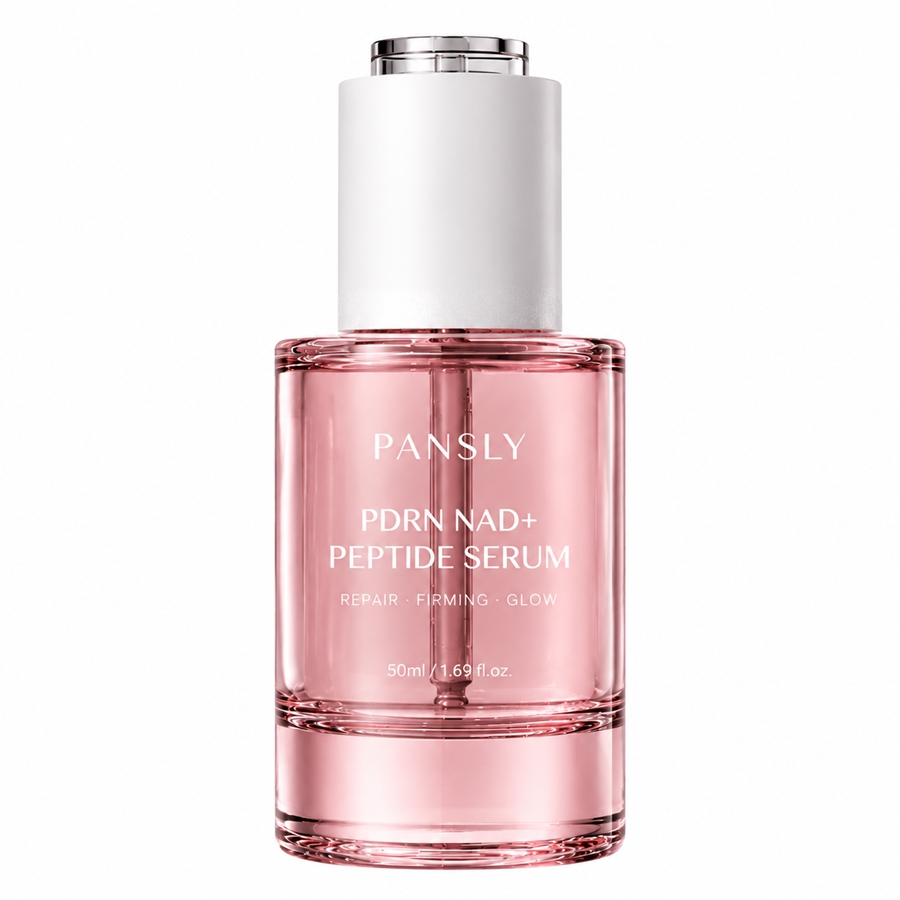
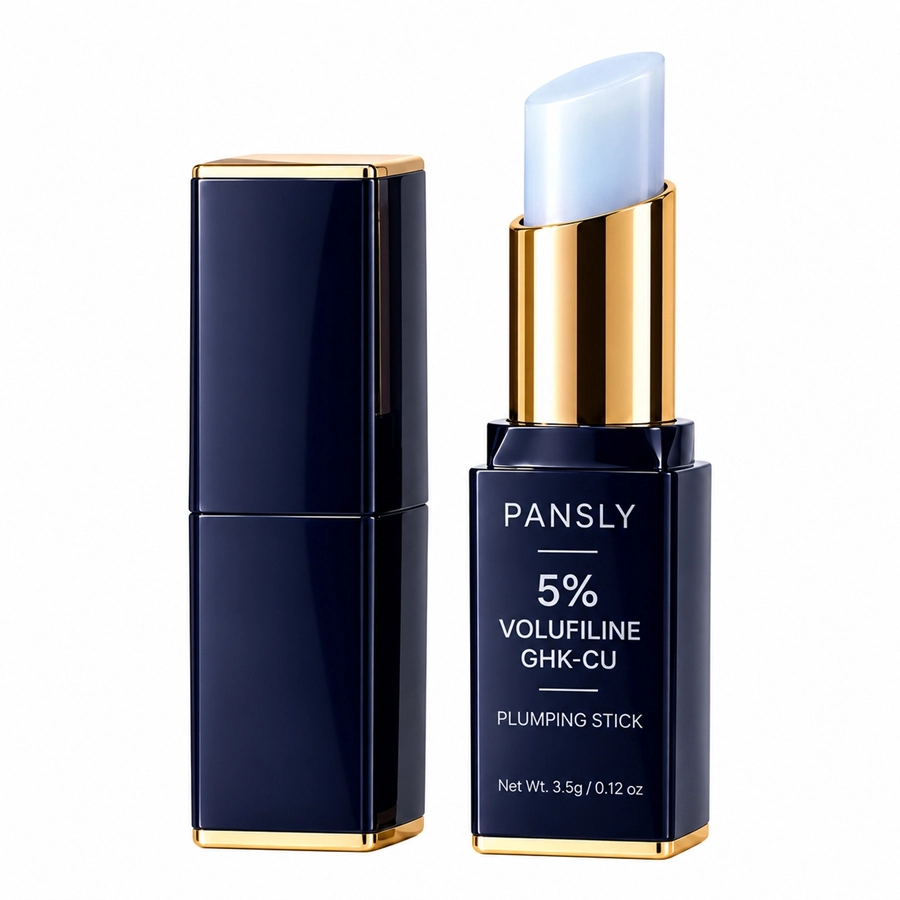
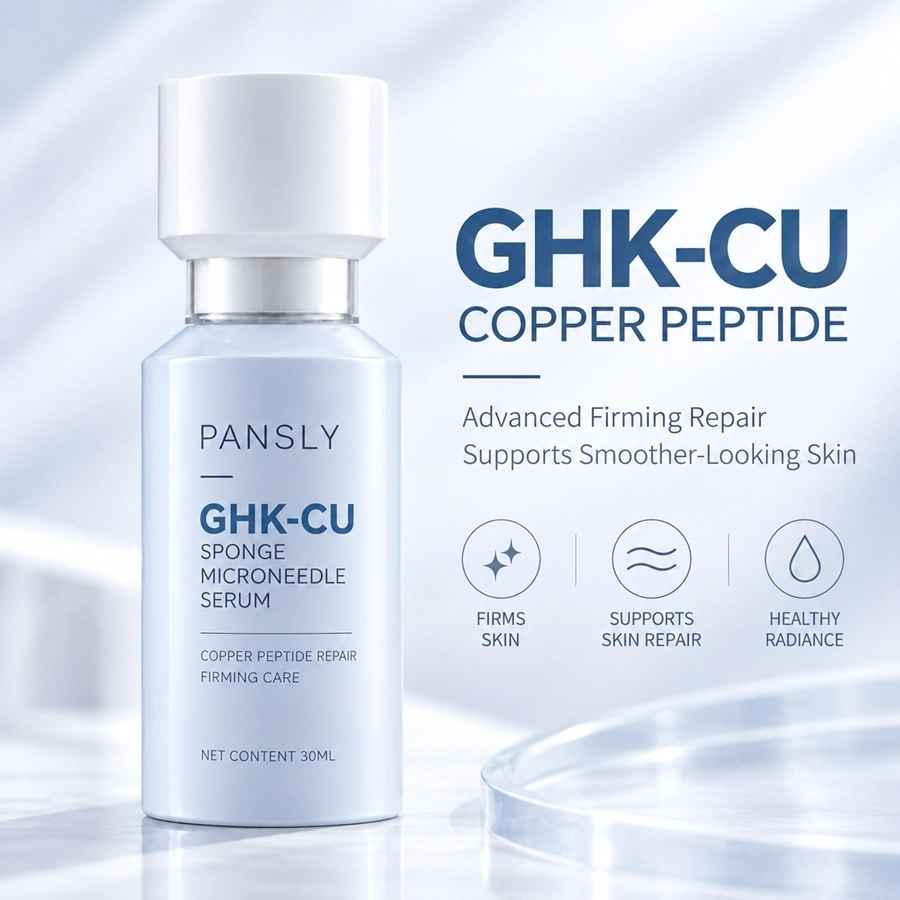
Formula pricing can also reflect the scale of manufacturing. A small batch may use equipment inefficiently or require setup work similar to a larger batch. Some specialty ingredients have minimum supplier purchase quantities and storage constraints. A brand should not assume that adding a popular ingredient always creates a predictable cost increase. Beyond Basix can discuss GHK-Cu, PDRN and related product directions, but pricing requires the exact specification and raw-material plan. The commercial target should be a stable, appropriately documented finished formula that fits the intended retail price, not an ingredient list created solely for marketing appeal.
How Primary Packaging Changes Unit Economics
A serum bottle and closure may be a substantial part of a cosmetic's cost, especially at smaller quantities. Glass, plastic, frosted finishes, metallic decoration, droppers and pumps can differ in component price and supplier minimums. A brand must also evaluate whether the chosen package is suitable for the actual formulation. Leak resistance, dispensing output, chemical compatibility and transport performance matter, not just aesthetics. A beautiful container that causes product loss or complaints can increase downstream costs far beyond the initial component saving.
Procurement should ask for the components included in a packaging quotation. A bottle may be priced separately from the pump, cap, liner, wiper, pipette, inner seal or decorative collar. Component availability may also change with color and decoration. Stock packaging may simplify some sourcing decisions, but it is not automatically compatible with every cosmetic. Beyond Basix recommends selecting a suitable component system early enough to evaluate it with the formula. A complete quote should identify the physical packaging configuration so brands can compare realistic finished-unit costs.
Secondary Packaging, Labels and Decorative Finishes
Outer cartons are often treated as a minor visual choice, yet they can change both total project cost and manufacturing schedule. Printed boxes, rigid gift sets, special inserts and decorative sleeves may require separate suppliers, artwork proofs and minimum purchase quantities. A plain label applied to stock packaging may involve different setup costs from screen printing, hot stamping or complex color matching. Brands should ask how the quoted decorative treatment will be approved and whether rejected proofs or revisions are charged separately.
A founder also needs to budget for functional information. The label and carton may need an ingredient declaration, directions, batch coding, responsible-party details, warnings and market-specific language. Changes in formula or destination market can require artwork revisions. A packaging design that looks premium in a rendering may prove expensive to assemble or difficult to ship safely. Beyond Basix can discuss packaging choices in relation to the desired product positioning, but the brand should compare component, artwork, assembly and freight costs together rather than focusing on the decorative finish alone.
Why MOQ and Packaging Minimums Must Be Separated
A manufacturer may be able to process one quantity of bulk product while a component supplier requires a different purchase minimum for bottles or printed cartons. These numbers are often consolidated into a single MOQ in marketing materials, but they are not technically identical. A 500-unit finished-product inquiry may encounter packaging restrictions, while a larger order can introduce different batch economics. The buyer should establish whether the minimum applies to filled units, raw materials, printed components, or an overall multi-SKU project.
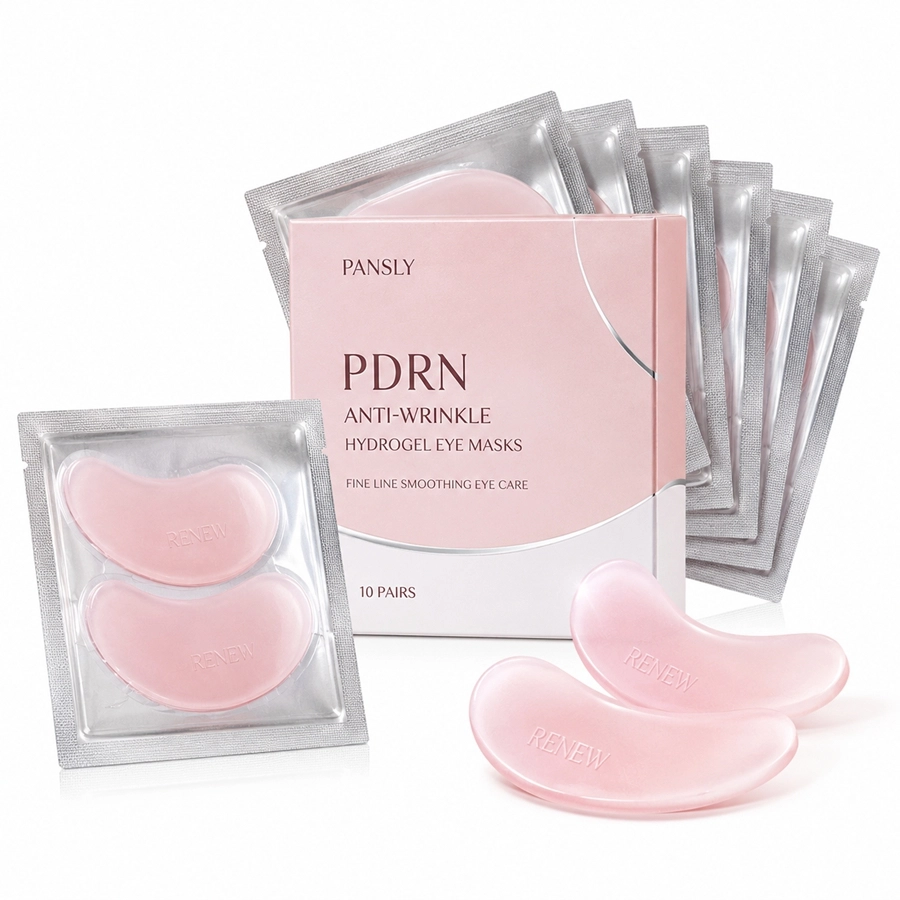
Excess packaging stock also has a cost. If a brand buys more printed cartons than it fills, the ownership, storage and eventual use of those components should be documented. Unused components may become obsolete after a label change. Beyond Basix discusses quantity flexibility as a project-specific question because different products and packaging formats have different constraints. An advertised minimum should not be assumed to apply to every serum, cream or eye patch. For financial planning, the opening cash requirement matters more than a single nominal MOQ presented without its sourcing assumptions.
Sampling and Formula Development Fees
Before mass production, brands may request exploratory samples, revised formulas or samples filled in proposed commercial packaging. These activities can involve materials, laboratory time, courier charges and component procurement. Some suppliers may credit certain fees against a future order, while others charge for development separately. The buyer should confirm the commercial terms instead of assuming that sampling is free or that an unlimited number of revisions is included.
Different sample types also serve different purposes. A first laboratory prototype may demonstrate texture and visual direction, while a packaging sample tests dispensing and final presentation. A production reference sample should represent an agreed commercial specification. Changing the formula after approval may create additional work and testing requirements. We encourage buyers to track version numbers and document sensory feedback so costs are spent on defined improvements. A clear sampling agreement helps prevent misunderstandings about what has been completed and what still requires validation before a commercial order can be scheduled.
Stability, Preservation and Claim Substantiation Costs
Cosmetic testing is not simply an optional line item that a brand can remove without consequence. The appropriate program depends on formula type, intended shelf life, packaging, market and proposed claims. Relevant evaluations may include stability, microbiological quality, preservative effectiveness, packaging compatibility and other safety or performance assessments. Different tests answer different questions, and a finished cosmetic cannot be treated as proven effective because a supplier has conducted research on one ingredient.
The buyer should ask who arranges testing, what the quoted price includes and how results will be supplied. A project may need repeated work if the formula or packaging changes after initial approval. Where a claim depends on quantitative evidence, the testing plan should be designed around that exact statement. Beyond Basix favors claims that can be supported by the finished product and are appropriate for the destination market. Skipping necessary evaluation to reduce launch cost can create much larger commercial and compliance risks later, especially when a brand has already printed thousands of cartons.
US Cosmetic Requirements and the Limits of a Factory Quote
Brands selling into the United States should examine applicable FDA cosmetic requirements, including obligations introduced or expanded under the Modernization of Cosmetics Regulation Act where relevant. Facility registration, product listing, safety substantiation, adverse-event responsibilities, labeling and exemptions may depend on the product and the parties involved. The details can change and should be checked against current official guidance for the actual business. A manufacturer quotation does not automatically include the work needed for every brand's US compliance responsibilities.
Buyers should clarify who serves as the responsible person under applicable rules, who possesses safety information and who handles reporting or listing duties. The label and marketing claims also matter because certain claims can cause a product to be regulated as a drug rather than an ordinary cosmetic. A certificate of analysis is not a substitute for determining those obligations. Beyond Basix can discuss documentation associated with a product, but the importing brand should establish market-specific responsibilities with qualified advisers where needed. These costs should be identified during development, not discovered when a shipment is ready to leave the factory.
| Cost category | Typical drivers | Key question |
|---|
| Bulk formula | Materials, grade, batch size | Which specifications are included? |
| Primary packaging | Bottle, closure, pump, compatibility | Are all components priced? |
| Secondary packaging | Labels, cartons, decoration | Are tooling and printing minimums included? |
| Quality and regulatory | Stability, safety, claims, local obligations | Who pays and provides documents? |
| Logistics | Freight, duties, insurance, clearance | Which Incoterms and delivery point apply? |
EU Safety Assessment, PIF and CPNP Considerations
For sales in the European Union, cosmetic products generally require compliance with the relevant cosmetics regulation, including an EU responsible person, an appropriate cosmetic product safety assessment and product information file, and notification through the applicable portal before placing products on the market. These elements should not be confused with interchangeable certificates that any overseas factory can simply print. The brand's specific product, ingredient list, packaging, claims and market arrangements determine the work required.
A formula change can affect the information used in a safety assessment, and a revised label may need another review. The importer or responsible person may also have tasks independent of the manufacturer's quality documents. Buyers should ask what information the factory can provide and what the local responsible party or regulatory professional will arrange. Beyond Basix does not treat broad promises of EU compliance as a replacement for product-specific review. Budgeting for these obligations from the start makes it easier to select a realistic formulation and avoid expensive artwork, packaging or shipment changes late in the project.
Freight, Incoterms and Import Cost Differences
The factory unit price is not the landed cost of inventory. Freight rates, shipping method, insurance, handling, documentation, tariffs or duties, brokerage and local delivery can all affect what a buyer pays before stock reaches a warehouse. The parties should agree on the relevant Incoterms rule and understand which expenses, risks and customs responsibilities are included. A quotation described simply as shipping included is not precise enough for professional procurement when responsibilities remain unclear.
Different packaging choices influence shipping economics. Heavy glass bottles and rigid gift boxes can increase weight and cube, while fragile items may require additional protective materials. Airfreight may suit small urgent orders but can make contribution margins difficult; ocean freight introduces different handling and timeline considerations. Buyers should model a reasonable range of logistics costs and allow for changes. Beyond Basix can discuss export packing and production arrangements, but final landed-cost estimates need real freight details, shipment volume, destination and the agreed delivery terms.
Artwork Changes and Hidden Rework Exposure
Artwork is often where small launch decisions become expensive. A label may need a corrected ingredient declaration, a revised barcode, different language or an updated responsible-party address after the initial design was approved. If printing has already started, revisions can leave unused components and trigger another minimum purchase. Buyers should therefore confirm who approves final artwork and what constitutes a chargeable change. A visually elegant design is not complete until technical and regulatory information has been reviewed.
A practical approval process separates draft design, content review, final proof and release to print. The brand should provide accurate market information and check that artwork matches the exact formula and fill size. Component suppliers may use their own color standards or tolerances, which should be agreed before production. Beyond Basix encourages buyers to treat packaging specifications as controlled documents rather than informal screenshots. This reduces the likelihood that an attractive launch is delayed by avoidable label revisions, rejected cartons or a packaging mismatch discovered after the goods have been filled.
An Illustrative Cost Breakdown for a First Serum Order
Consider a hypothetical project with 1,000 serum units, a formula-and-fill component of five dollars per unit, primary packaging of two dollars, labeling and carton costs of one dollar, and allocated testing or setup of one dollar per unit. The modeled product-related amount is nine thousand dollars before freight, duties, marketing, warehousing and local obligations. These values are deliberately illustrative; they are not Beyond Basix quotations or claims about prevailing market prices. The purpose is to demonstrate why a supplier quote must be broken into comparable cost categories.
A brand can change one assumption at a time to see the effect. Upgrading the bottle may increase unit cost but also influence positioning and freight; reducing quantity may change batch or component economics; adding another SKU may distribute some design costs but create more inventory. A complete model should show cash paid before launch, landed cost per sellable unit and contribution after channel expenses. This is more informative than calculating margin from a headline manufacturer price alone. The buyer should update the model when actual quotations arrive rather than treat hypothetical inputs as promised costs.
Comparing a Low-Cost Quote with a Higher-Scope Offer
Suppose one manufacturer quotes a low per-unit amount but excludes testing, packaging decoration and artwork. Another offers a higher per-unit figure with more components and agreed documentation included. The cheaper number may produce a higher total project cost depending on what the brand actually requires. Procurement teams should normalize the scope: same formula specification, pack size, decoration, quantity, testing deliverables, freight terms and documentation obligations. Without this comparison, price differences may simply reflect different assumptions.
Buyers can ask every supplier to mark inclusions and exclusions in writing. They should also clarify the handling of excess components, rejected materials, sample revisions and delays. A single page of commercial assumptions can prevent major disputes. Beyond Basix advocates project-specific scope discussions because formulations and markets vary. Claims that a manufacturer always saves a fixed percentage may be misleading when the base comparison is not defined. A professional sourcing decision weighs product quality, reliability, total landed cost and the ability to repeat production, not only the smallest figure in the initial email.
Inventory Holding Costs and Cash-Flow Pressure
Product inventory can be technically sound yet financially burdensome. Cash invested in thousands of unsold bottles is unavailable for advertising, content, retail partnerships or further development. Stock requires appropriate storage and may incur warehousing and fulfillment fees. Products with remaining shelf-life expectations also need inventory rotation. If demand is lower than forecast, the brand may resort to discounts that reduce the contribution from each order.
A smaller opening order may limit physical stock exposure, although higher unit costs can offset part of that advantage. The right quantity depends on demand evidence, supplier minimums and the time required to replenish. Brands should model at least a conservative scenario alongside their expected sales plan. Beyond Basix can discuss repeat-order assumptions and packaging availability, but no manufacturer can guarantee customer demand. Financial resilience comes from controlling inventory commitments and ensuring the product economics work even when the launch proceeds more slowly than the optimistic forecast.
Advertising and Marketplace Fees Are Part of the Business Model
An ecommerce founder may calculate a comfortable gross margin from manufacturing cost and retail price, then discover that advertising, platform commissions, payment fees, refunds and fulfillment consume much of the apparent profit. Average acquisition cost can vary sharply by audience, campaign and season. It is therefore risky to build a launch budget around an assumed universal Meta or TikTok acquisition cost. The business needs to test its own channel economics and understand contribution after variable selling expenses.
Bundles can increase average order value, but they also add product costs and often heavier packaging. A higher retail price does not automatically create a higher profit margin. Brands should distinguish gross product margin, contribution margin and operating profit in financial models. Beyond Basix can help discuss manufacturing cost drivers and assortment options, while the selling brand remains responsible for validating conversion, return rates and marketing expenditure. A manufacturing quote is an input into that model, not proof that a particular product or bundle will be profitable.
The Cost of Repeat Orders and Component Changes
A project that works for its first production run must remain viable when the business reorders. Packaging availability, raw-material sourcing, decoration capacity and quality requirements can change over time. Buyers should clarify whether future orders will use the same materials, how price changes are handled and what triggers a new assessment or artwork approval. Unexpected supplier substitutions can affect appearance or consumer experience, making change-control arrangements commercially valuable.
Repeat production can also be complicated by surplus printed components from the first purchase. The buyer should know whether those components are still suitable, who stores them and whether storage creates additional charges. A stable SKU may offer operational advantages over an elaborate multi-product collection that requires several vendors to deliver on the same schedule. Beyond Basix encourages brands to think about replenishment when designing the initial product. Sustainable supply depends on documented specifications and realistic reorder planning, not merely the success of one launch shipment.
What a Transparent OEM/ODM Quote Should Contain
A useful quotation identifies the product format, formula basis, fill volume, component specifications, proposed quantity, decoration, cartons, sample provisions, expected testing and delivery assumptions. It should distinguish existing product features from requested customization and name the scope of additional work where it is not yet priced. MOQ and lead time should be tied to that specific configuration. A buyer should know whether an estimate is preliminary or based on approved commercial components.
The quote should also make commercial risks visible. Questions include who owns unused printed packaging, how artwork changes are handled, when payment becomes due, which inspection or quality-release criteria apply and whether freight and duties are included. Brand owners may benefit from a simple cost worksheet that uses actual supplier inputs rather than a predetermined savings claim. Beyond Basix aims to support this kind of informed discussion. A transparent quotation cannot eliminate all uncertainty, but it can reduce surprises and clarify which project decisions influence cost most.
Planning a Private Label Launch Without Invented Guarantees
The objective is not to promise that every skincare project can be started with 500 units, delivered in fifteen days or launched for a particular amount. Formulations, packaging materials, destination-market requirements and the business's own selling costs vary too much for universal guarantees. A credible plan defines what is already known, what requires sampling or testing and which quantities remain subject to supplier confirmation. Founders should preserve a contingency reserve and avoid treating a product forecast as an assured sales outcome.
Beyond Basix can discuss GHK-Cu, PDRN, peptide and other skincare product directions based on the buyer's selected market and commercial requirements. We can help frame a realistic product brief and explain which choices affect technical and procurement complexity. The brand should then compare complete scope and landed-cost scenarios before committing to production. The strongest business decision is one that protects product quality, keeps commercial obligations understandable and permits a measured response to actual customer demand. Those disciplines matter more than an attention-grabbing claim about extraordinarily low unit cost or guaranteed high margins.