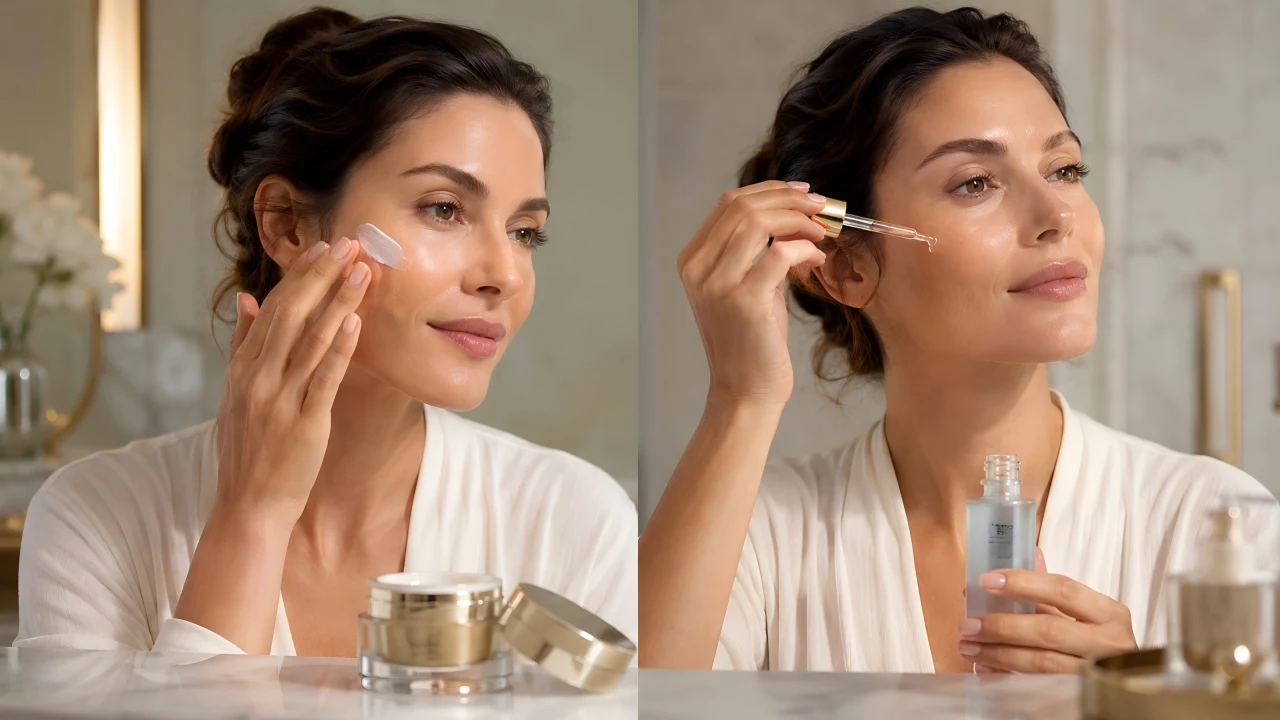
Private Label Anti-Aging Formula Guide
Private Label Retinol Cream vs Peptide Serum: Which Should Your Brand Launch First?
Retinol remains the proven anti-aging workhorse with strong consumer recognition, while peptide serums offer a gentler, clinical-care positioning for sensitive-skin and premium skincare markets.
Quick answer: choose a private label retinol cream when the brand needs a familiar renewal-focused anti-aging hero product and can support careful packaging, usage guidance and stability work. Choose a peptide serum when the brand wants a lightweight, layerable format built around ingredients such as GHK-Cu or SNAP-8 and a gentler daily-use story. The stronger first SKU depends on target customer, price tier, channel, claims strategy and what products you plan to add next.
What Is the Actual Difference? Formulation Basics
Both retinol and peptides target visible signs of skin aging, but they work through different formulation pathways. This difference affects everything from stability testing and packaging selection to consumer education, label claims, product texture, and the type of buyer each formula attracts.
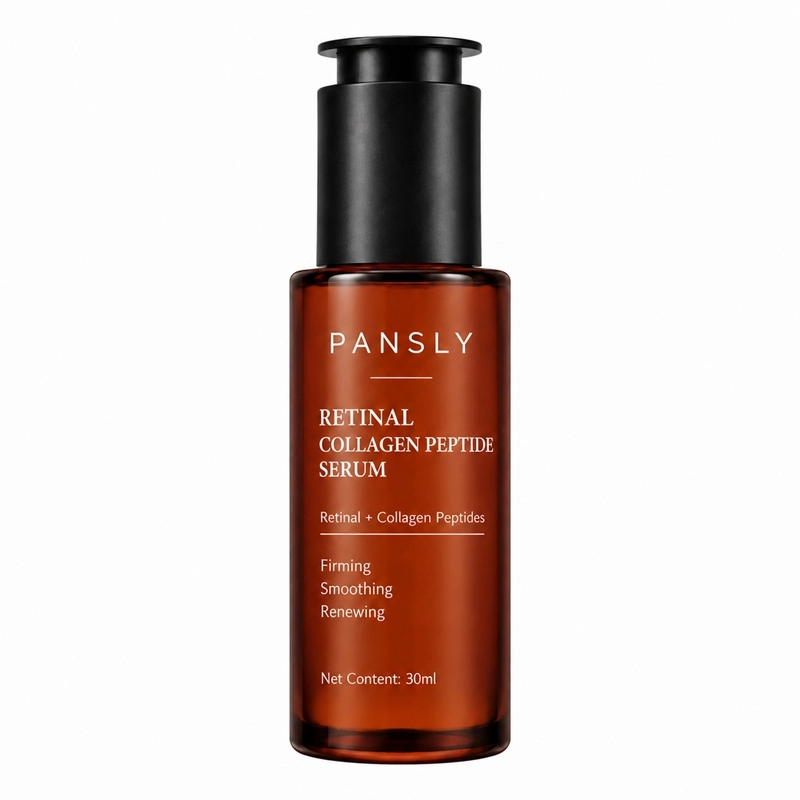
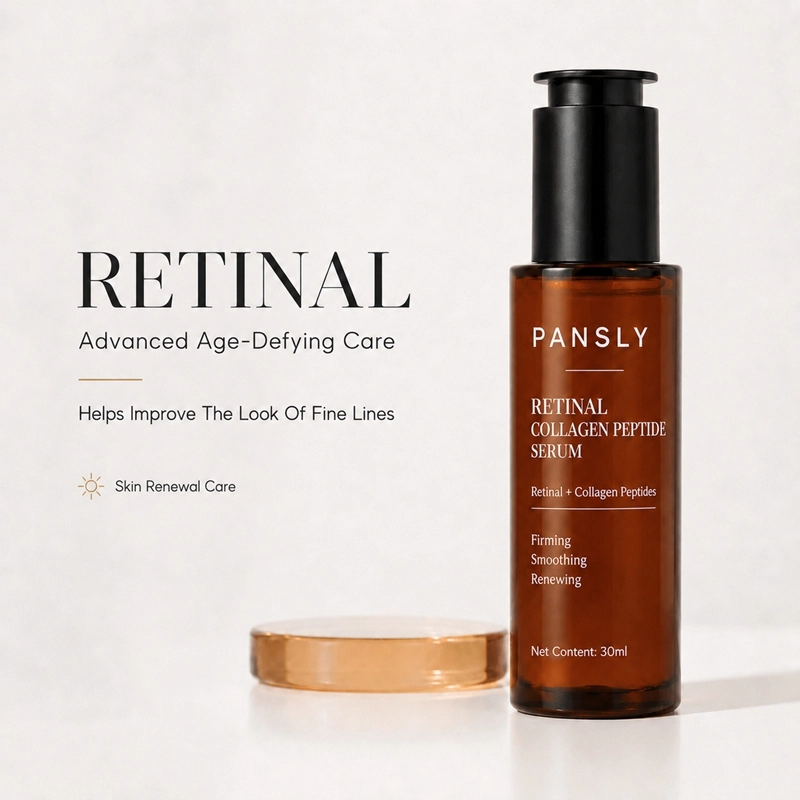
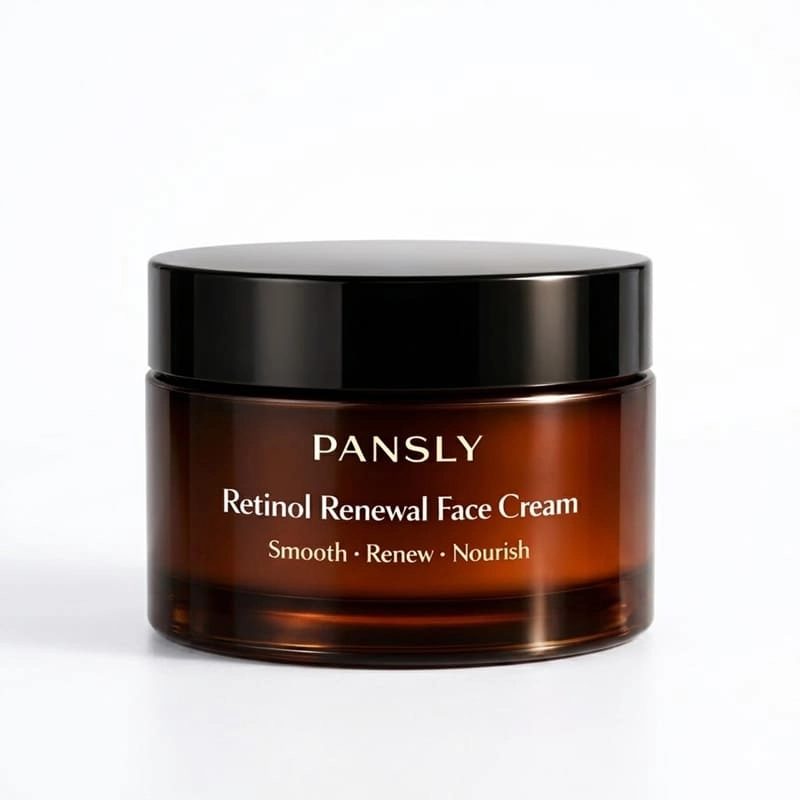
Retinol, a vitamin A derivative, is widely recognized for anti-aging skincare. In commercial product development, retinol is commonly positioned around skin renewal, smoother-looking texture, wrinkle care, and visible refinement. The tradeoff is that retinol can be sensitive to light and oxygen, so the formula usually requires opaque or airless packaging, careful pH management, and a clear usage instruction strategy.
At higher use levels, some consumers may experience temporary redness, dryness, peeling, or adjustment discomfort. This creates a real education burden for brands. A private label retinol cream may perform well commercially, but only when the product page, packaging, and after-sales materials clearly explain how to introduce it into a routine.
Peptides are short amino acid chains used in skincare formulas to support a firming, smoothing, or skin-conditioning story. Unlike retinol, peptides do not rely on the same renewal-driven positioning. They are often chosen for sensitive-skin anti-aging products, post-care inspired skincare, fragrance-free serums, and clinical beauty concepts where gentleness and daily compatibility matter.
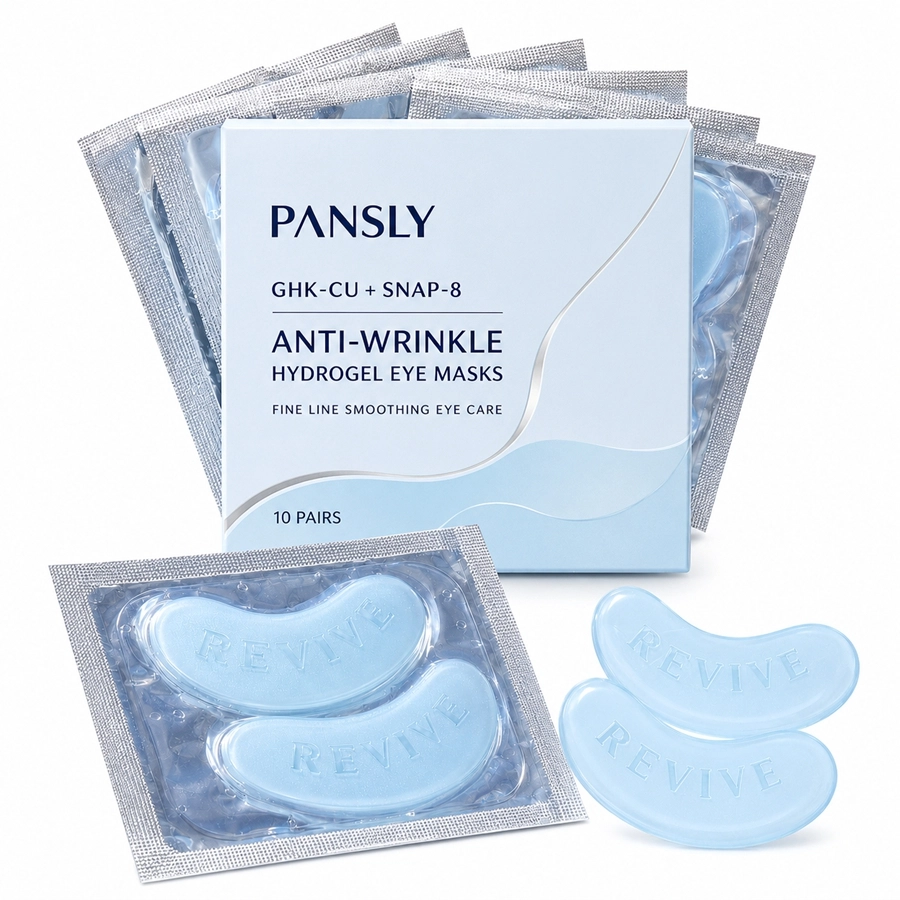
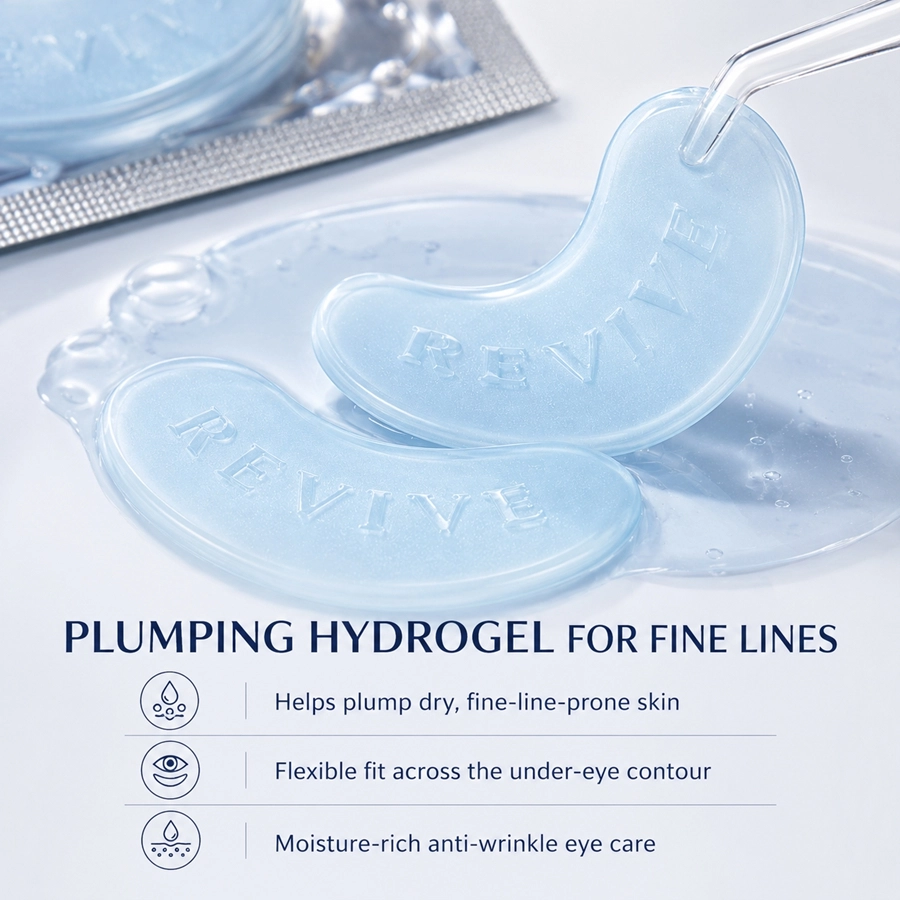
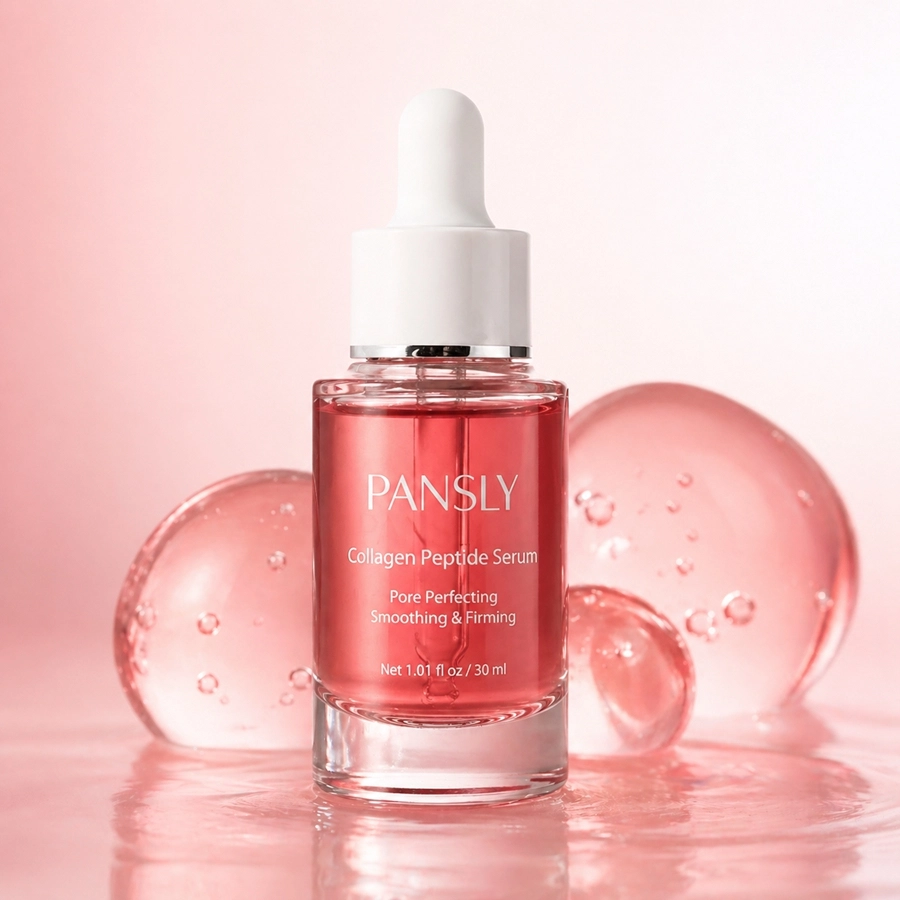
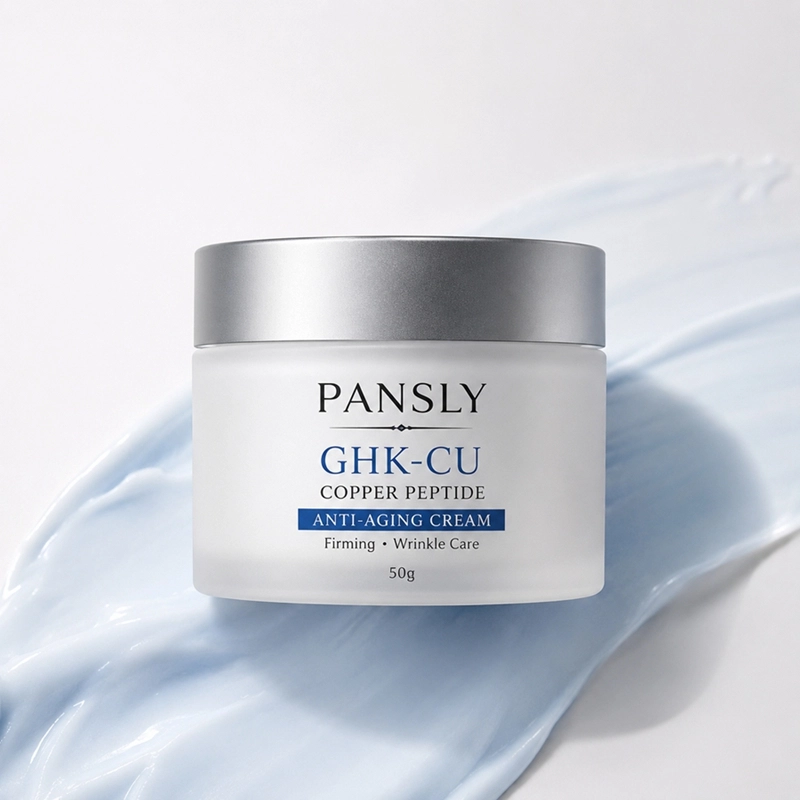
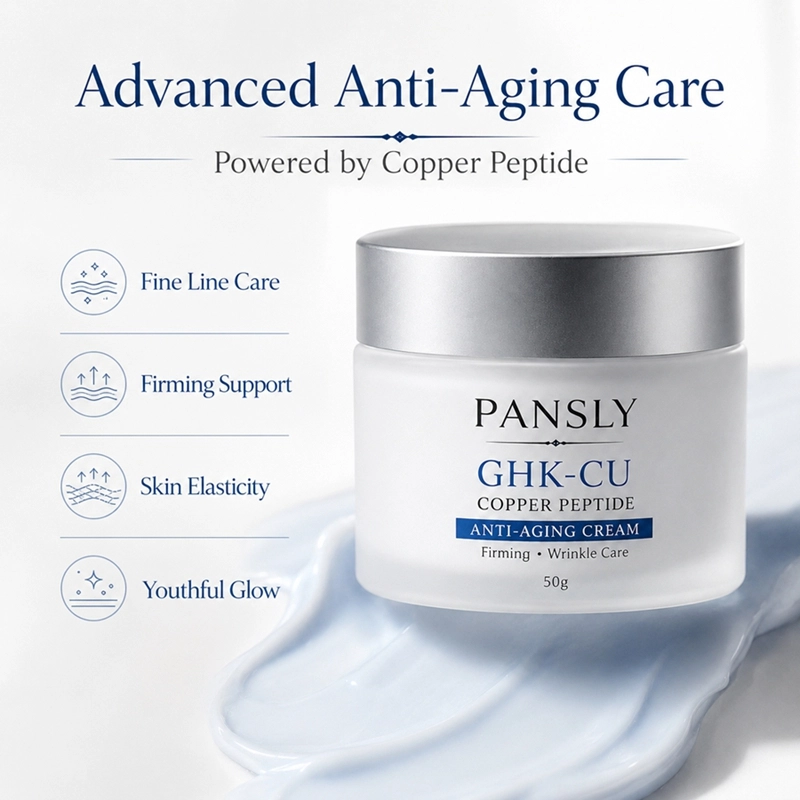
Copper peptides such as GHK-Cu have become especially attractive in premium skincare because they combine a technical ingredient story with visible anti-aging positioning. Peptide serums also work well in lightweight, layerable textures, which makes them suitable for modern routines influenced by K-beauty, aesthetician-led skincare, and clinical home care.
A retinol product is usually selected when the brand wants strong consumer recognition and a results-first anti-aging story. A peptide serum is usually selected when the brand wants a gentler, more clinical, barrier-friendly, or sensitive-skin positioning.
Market Positioning: Who Buys Which?
Retinol buyers are often already familiar with the ingredient. They may search directly for retinol cream, retinol anti-aging serum, retinol face moisturizer, retinol wrinkle repair cream, or private label retinol cream. This audience usually responds to ingredient-first messaging, visible-results language, and clinical-style education.
For a brand targeting consumers aged 30 and above, retinol can be a strong hero ingredient because it is easy to understand and widely associated with anti-aging skincare. However, the brand must be prepared to manage expectations around gradual use, nighttime application, sunscreen pairing, and potential adjustment discomfort.
Peptide buyers often want anti-aging benefits without the stronger feel of retinol. They may be looking for gentle anti-aging skincare, fragrance-free serum, copper peptide serum, GHK-Cu serum, SNAP-8 expression line serum, or peptide skincare for firmness and elasticity. These consumers are often interested in skin quality, thinning skin, loss of firmness, fine lines, or post-treatment inspired care.
A growing premium segment is also interested in retinol + peptide combination formulas. In this direction, peptides help support a more complete anti-aging story, while retinol maintains strong consumer recognition. This approach is useful for brands building a full anti-aging routine rather than a single isolated product.
Retinol Positioning
Results-First Anti-Aging
Best for brands targeting renewal, wrinkle repair, smoother texture, and ingredient-aware anti-aging consumers.
Peptide Positioning
Gentle Clinical Care
Best for sensitive skin, fragrance-free serums, firming care, post-care inspired products, and premium clinical skincare lines.
Combination Strategy
Retinol + Peptides
Best for mature anti-aging systems where brands want broad recognition, firming support, and a more complete active story.
Formulation Considerations for OEM/ODM Sourcing
When a brand moves from concept to contract formulation, the decision becomes more technical. A private label retinol cream and a peptide serum may both sit in the anti-aging category, but they require different development priorities. The manufacturer should help the brand evaluate active form, concentration, stability, texture, packaging, testing, compliance documents, and market claims before sampling begins.
For Retinol Products
- Encapsulation or free retinol: Encapsulated retinol can support a slower-release story and may help reduce irritation perception, while free retinol is often more direct and cost-efficient.
- Concentration and compliance: Brands should confirm allowed usage levels, product category requirements, and claim language for each target market before launch.
- Packaging requirements: Airless pumps, opaque tubes, or protective packaging are important for retinol stability and premium presentation.
Beyond Basix’s Retinol Anti-Aging line supports brands developing retinol creams, retinol serums, wrinkle repair products, and anti-aging skincare concepts with OEM/ODM customization.
For Peptide Serums
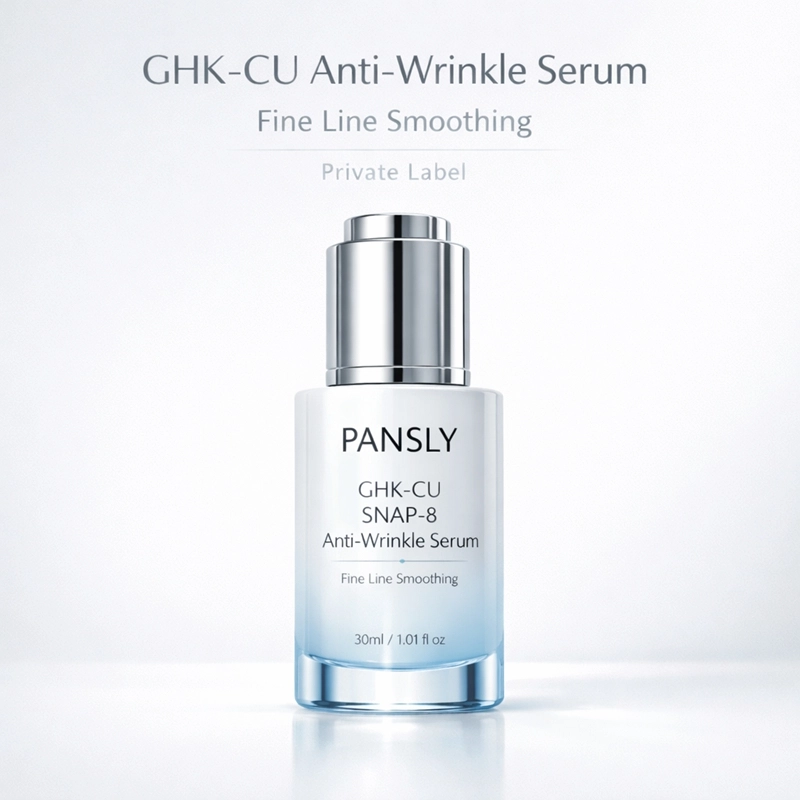
- Peptide complex selection: GHK-Cu is useful for copper peptide serum positioning, while SNAP-8 is suitable for expression-line and anti-wrinkle concepts.
- Compatibility with other actives: Peptides are commonly paired with hyaluronic acid, niacinamide, panthenol, and barrier-support ingredients, but pH should be controlled carefully.
- Texture and format: Lightweight water-based serums work well for peptide skincare because they fit easily into layering routines and premium daily care.
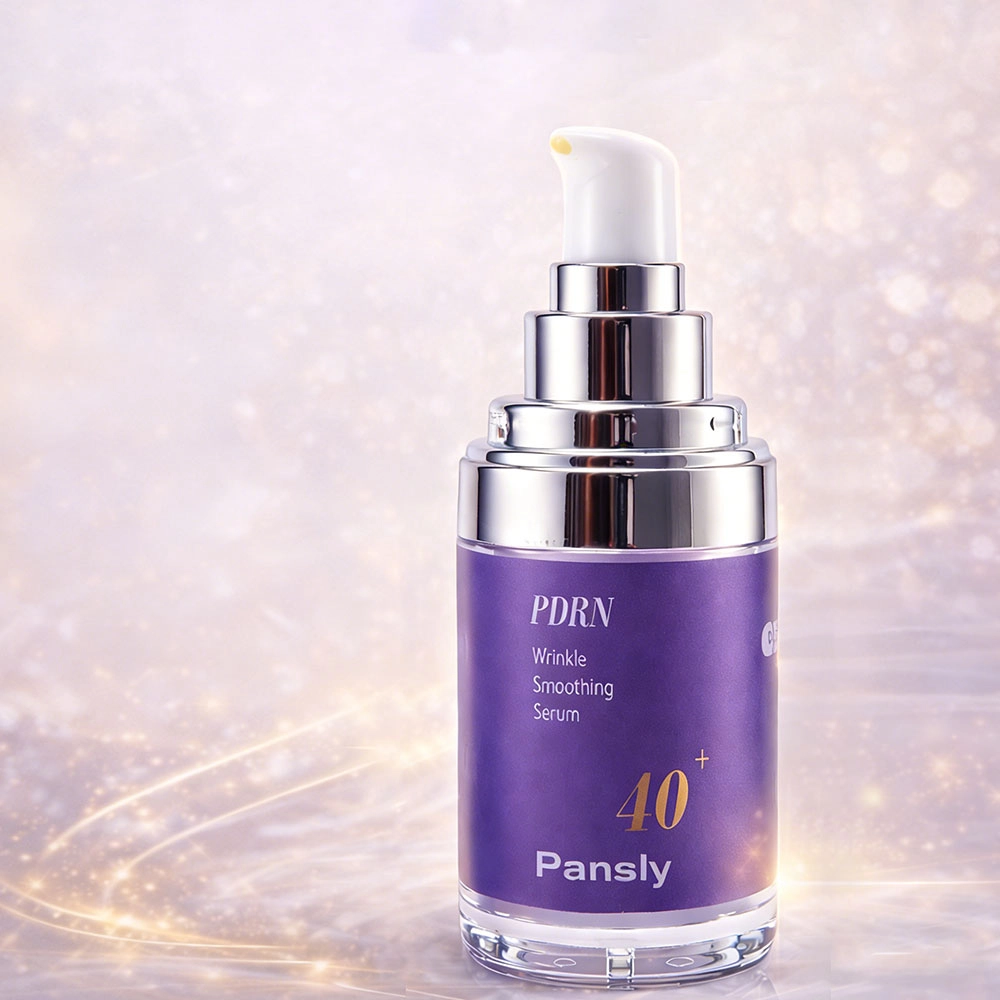
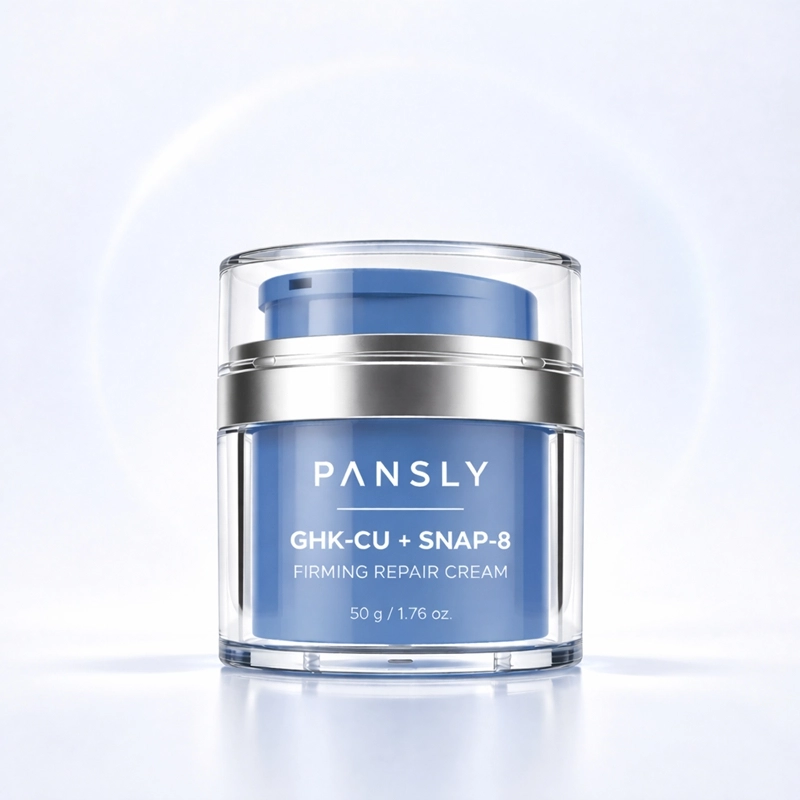
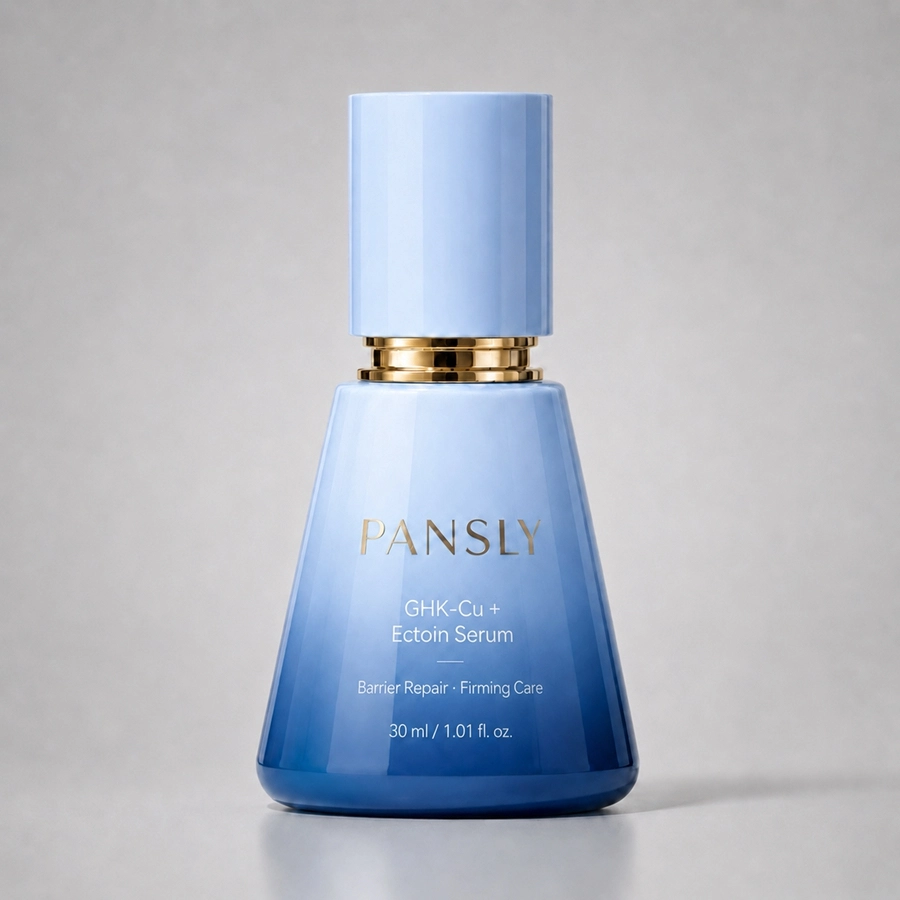
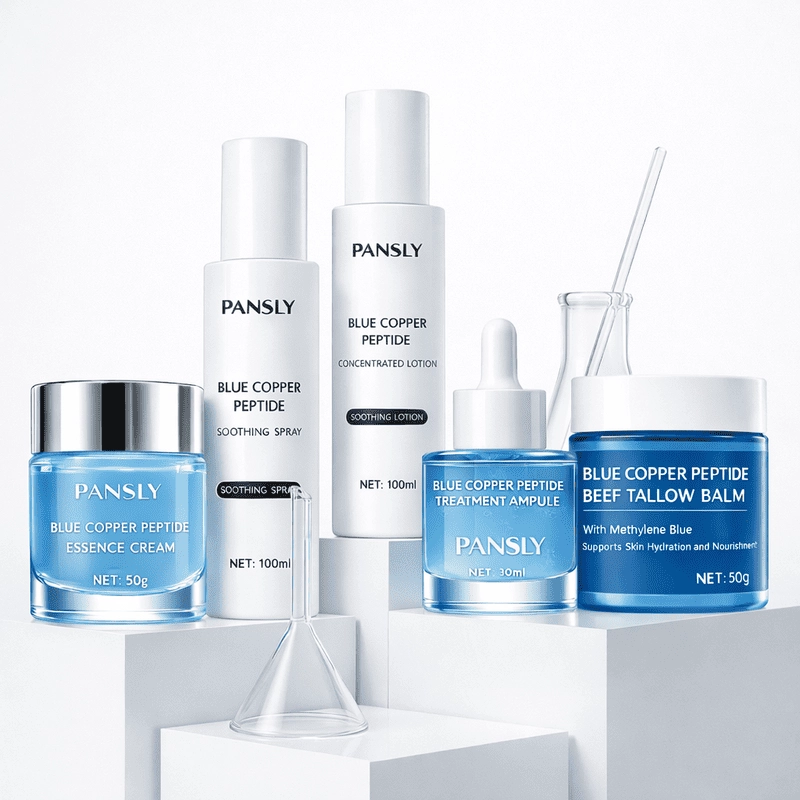
Beyond Basix’s Peptide & GHK-Cu Series supports custom peptide skincare development, including GHK-Cu combinations, SNAP-8 formulas, copper peptide serums, and PDRN-enhanced anti-aging products.
Head-to-Head: Key Decision Factors
Updated Retinol & Peptide Formulas
Explore Beyond Basix Product Solutions
Contract Formulation: What to Expect from a Manufacturer
Brands sourcing through an OEM/ODM partner should expect more than a formula handoff. The right manufacturer will help evaluate formula direction, ingredient compatibility, packaging requirements, stability testing, sample adjustment, documentation, and export-market requirements.
Retinol products require extra attention to oxidation, packaging protection, consumer education, and market-specific compliance. Peptide serums require careful peptide selection, pH management, texture refinement, and positioning clarity. If the brand wants a combined retinol peptide cream, the formulation brief should define whether the product is meant to be a high-performance night cream, a gentle anti-aging moisturizer, or a premium wrinkle repair product.
Beyond Basix supports full-stack OEM/ODM contract formulation services, including ingredient selection, formula customization, packaging support, sample development, and product documentation for active skincare brands.
Ingredient Knowledge Hub
Learn the Actives Behind Retinol and Peptide Skincare
Beyond Basix Knowledge helps beauty brands understand active skincare ingredients such as retinol, GHK-Cu, SNAP-8, hyaluronic acid, PDRN, ceramides, panthenol, and vitamin C before building a private label formula brief.
Renewal Active
Retinol
For renewal, anti-aging creams, wrinkle care, and mature-skin products.
Copper Peptide
GHK-Cu
For firming, elasticity, peptide serums, and premium anti-aging formulas.
Expression Lines
SNAP-8
For expression-line serums, wrinkle smoothing, and peptide care.
Hydration
Hyaluronic Acid
For plumping, moisture, lightweight serums, and anti-aging support.
The Verdict: Which Should You Launch First?
Launch Retinol First If
- Your target consumer is 35+ and already ingredient-aware.
- Your brand is results-first or clinical-adjacent.
- You can educate consumers on gradual use and routine pairing.
Launch Peptides First If
- Your target market prefers sensitive-skin or fragrance-free products.
- You want a gentle anti-aging serum positioning.
- You are building clinical, post-care inspired, or premium firming products.
Launch Both If
- You are building a complete anti-aging product system.
- You want both retinol and peptide keyword coverage.
- Your OEM/ODM partner can support stable production across multiple formulas.
For many anti-aging product lines, retinol and peptides can be developed as complementary formulas rather than separate directions. A retinol cream can focus on renewal and wrinkle-care positioning, while a peptide serum can support firming, elasticity, and sensitive-skin friendly daily use. When both products are planned under the same formulation system, the brand can offer a more complete routine for different skin needs and usage preferences.
Develop Retinol or Peptide Skincare Products with Beyond Basix
Build private label retinol creams, peptide serums, GHK-Cu formulas, SNAP-8 anti-wrinkle products, and complete anti-aging skincare lines with Beyond Basix OEM/ODM support.