
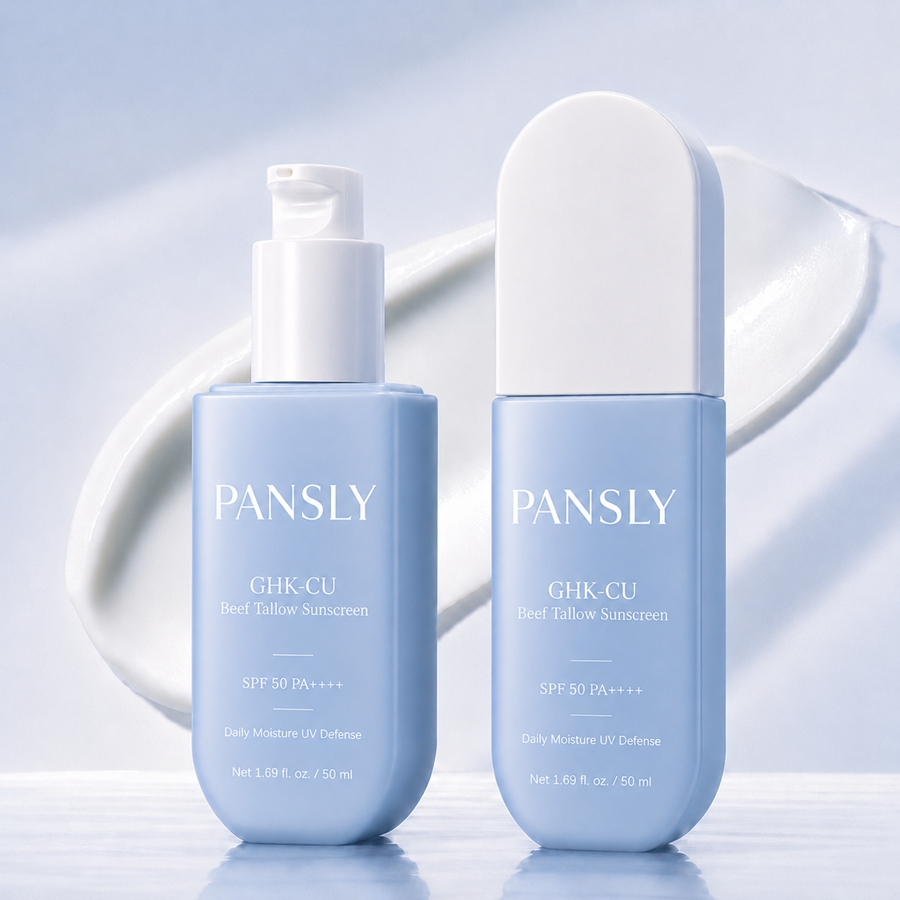
GHK-Cu Beef Tallow Mineral Sunscreen SPF50 PA++++
An existing mineral SPF product direction for brand discussions on richer sunscreen textures and market-specific testing.
Explore Product →
Two mineral sunscreens can carry the same tested SPF while feeling completely different on skin. SPF describes an aspect of verified ultraviolet protection; it does not prescribe how thick the formula must be, how quickly it spreads, whether it leaves white cast or how it behaves under makeup. At Beyond Basix, we develop private label mineral sunscreen around the complete product experience: UV-filter dispersion, emulsion structure, film formation, sensory performance, packaging, market-specific testing and compliant labeling.
An SPF number describes protection against sunburn under a defined test method. It does not tell a consumer whether a sunscreen feels powdery, creamy, greasy or invisible on application. Two products carrying SPF 50 may use different grades and dispersion systems of zinc oxide or titanium dioxide, different emollients, emulsifiers and film-forming ingredients. Their on-skin characteristics can therefore diverge even when their tested SPF designation matches.
This difference matters to beauty brands because sunscreen is a product that consumers are expected to apply adequately and repeatedly. A formula that feels unpleasant can discourage use, regardless of how attractive the label looks. At Beyond Basix, we combine protection-testing requirements with practical decisions about spreading, residue, finish and packaging so a sunscreen fits the brand's intended customer and market.
We do not equate a sensory preference with superior UV protection. A light, elegant sunscreen must still achieve its claimed protective performance in the finished formulation. Conversely, a thick cream is not necessarily more protective simply because it feels substantial. Film formation, distribution and valid testing are essential.
Mineral sunscreen development commonly involves zinc oxide, titanium dioxide or both, depending on destination-market rules and the formulation objective. These materials can differ in particle characteristics, surface treatments, dispersion and their behavior in the surrounding vehicle. The ingredient name alone cannot tell a buyer exactly how the finished sunscreen will look and feel.
White cast is influenced by the optical properties of the mineral-filter system and how particles are dispersed through the formulation. A well-controlled dispersion can improve appearance and consistency, but the result also depends on the carrier, application thickness, skin tone and whether the formula includes permitted tinting pigments. We therefore assess white cast on more than one skin tone and at realistic application levels.
Reducing apparent whitening must not undermine the protective performance. A change in pigment grade, particle coating or processing may require re-evaluation of efficacy and stability. Cosmetic color correction can create a more attractive appearance for some users, but tinting also changes the shade range and the product's retail positioning.
The choice of emollients influences how easily a sunscreen spreads, how slippery it feels and how much residue remains. Some consumers prefer a dewy, moisturizing finish; others want a quick-setting, non-greasy sensation. These experiences depend on the entire formula, not on a simple rule that mineral filters must feel heavy.
A sunscreen with a richer lipid phase can be desirable for certain daily-care brands or customers who prefer a cream-like feel. However, it may not match a retailer seeking an ultralight product for hot and humid climates. We define the target environment, application routine and price segment early so the formulation team can make informed texture decisions.
| Design element | Richer mineral sunscreen cream | Lighter mineral sunscreen lotion | What Beyond Basix checks |
|---|---|---|---|
| Spread | May feel cushioned and emollient | May spread more rapidly with less perceived weight | Application at a meaningful dose and uniform film formation |
| Visible finish | Dewy or more noticeable on skin | Soft, satin or matte depending on the base | White cast and appearance across different skin tones |
| Filter strategy | Mineral ingredients supported by a cream vehicle | Mineral ingredients supported by a lighter vehicle | Filter grade, dispersion and market compliance |
| Packaging | Jar, tube or suitable pump based on formula | Tube, pump or suitable bottle | Dispensing, fill accuracy, compatibility and leakage |
| Efficacy claim | Must be supported by testing of the final formula | Must also be supported by testing of the final formula | SPF, applicable UVA and water-resistance tests and approved labeling |
The comparison is not a promise that every texture can achieve an identical SPF target. It explains why sensory development and efficacy testing must progress together. We adjust a prototype with the intended protective target in mind, then validate the finished product against the requirements of the selected market.
Mineral sunscreen buyers frequently ask for reduced white cast. That requirement is understandable, but it is incomplete unless the target consumer and shade strategy are identified. A product that appears nearly invisible on one tester may still look noticeably white on another skin tone. We recommend reviewing samples on a diverse panel under consistent conditions, with attention to whether the stated application quantity is being maintained.
Some brands choose a tinted mineral sunscreen approach to improve the visual finish. Others accept a modest mineral appearance in exchange for a specific formulation position or a familiar sunscreen experience. We work through the trade-offs rather than promising that one formula can deliver every possible sensory preference.
Consumers evaluate sunscreen immediately after application and again later when the product has set. Some formulas become less visible; others leave a noticeable film, feel tacky or interfere with makeup. We evaluate dry-down, pilling, shine and repeat application alongside the approved protection target. A product that seems elegant when applied thinly must not be judged only at a dose below the one used for meaningful protection assessment.
Before customizing any mineral sunscreen, we establish where it will be sold. In the United States, sunscreen is regulated as an over-the-counter drug, with requirements that differ from those for ordinary cosmetic moisturizers. The final product must meet applicable active-ingredient, efficacy, testing and labeling rules. The U.S. FDA sunscreen labeling and testing guidance explains SPF and broad-spectrum claims.
In the European Union, sunscreens are cosmetics subject to the relevant cosmetic regulatory framework and protection-claim expectations. The European Commission's sunscreen information outlines the importance of meaningful UVA and UVB protection, standardized efficacy claims and instructions for use. We do not assume that an SPF label approved for one market can simply be copied onto packaging for another.
For SPF testing, ISO 24444:2019 specifies an in-vivo method for determining sun protection factor. The testing plan may also include applicable UVA requirements, water-resistance substantiation and other destination-market requirements. The current status and permitted use of UV filters should be verified for the intended country at the time of launch.
SPF is primarily a measure of protection from sunburn, which is closely associated with UVB exposure. UVA protection is also important, but it is evaluated through different criteria or methods depending on the market. Two products displaying the same SPF may therefore differ in the details of their measured UVA protection. An identical SPF number does not prove an identical full protective profile.
In retail development, we ask for the exact claimed designation, the applicable testing documents and the packaging jurisdiction. A brand planning products for several markets may require separate labeling or even different formula development paths. The claim strategy should be defined before printing cartons or committing to a final product name.
A water-resistant mineral sunscreen is not established by using a heavier-feeling base. The protection after specified water exposure must be demonstrated using relevant tests before the claim is used. An everyday facial SPF cream that has not been validated for water resistance should not make swimming or sports claims simply because it feels durable on the skin.
We discuss the anticipated use cases early: daily commuting, outdoor activities, beach conditions or cosmetic wear under makeup. That commercial brief influences how we evaluate film formers, sensory characteristics and packaging. A brand aiming for a lightweight daily facial product may choose different priorities from a brand developing a sports-oriented sunscreen with appropriately substantiated protection claims.
Sunscreen brands increasingly want products that feel like comfortable skincare. Compatible humectants, emollients and skin-conditioning ingredients may help create that experience. However, adding a fashionable active cannot be allowed to disrupt the UV-filter dispersion, packaging compatibility or the finished protective performance.
At Beyond Basix, our skincare portfolio includes ingredient directions such as GHK-Cu, ectoin and richer emollient systems. These may inform cosmetic product positioning, but the suitability of any ingredient in a specific sunscreen requires a formulation and regulatory review. A nourishing cream and a sunscreen may share some sensory design goals; they are not interchangeable products.
A tallow-based moisturizing concept can contribute a rich, emollient character, but it also presents formulation trade-offs related to odor, oxidation, texture and spread. Our Pansly GHK-Cu Beef Tallow Mineral Sunscreen SPF 50 PA++++ is a relevant catalog direction for discussing a richer mineral SPF concept. The stated SPF and PA labeling must be supported and suitable for the specific target market before any customized version is commercially launched.
We do not assume that every client should combine tallow and GHK-Cu with mineral UV filters. A simpler sunscreen without that ingredient story may be better for a broad everyday range. The selection should be based on the approved formula, target audience, testing requirements and desired sensory result.
We develop sunscreen and complementary skincare product options for brand owners. The mineral sunscreen below is an SPF-format product reference; the other two are non-SPF skincare products that illustrate adjacent moisturizing textures for coordinated product lines. They should not be presented or used as sunscreens.
An existing mineral SPF product direction for brand discussions on richer sunscreen textures and market-specific testing.
Explore Product →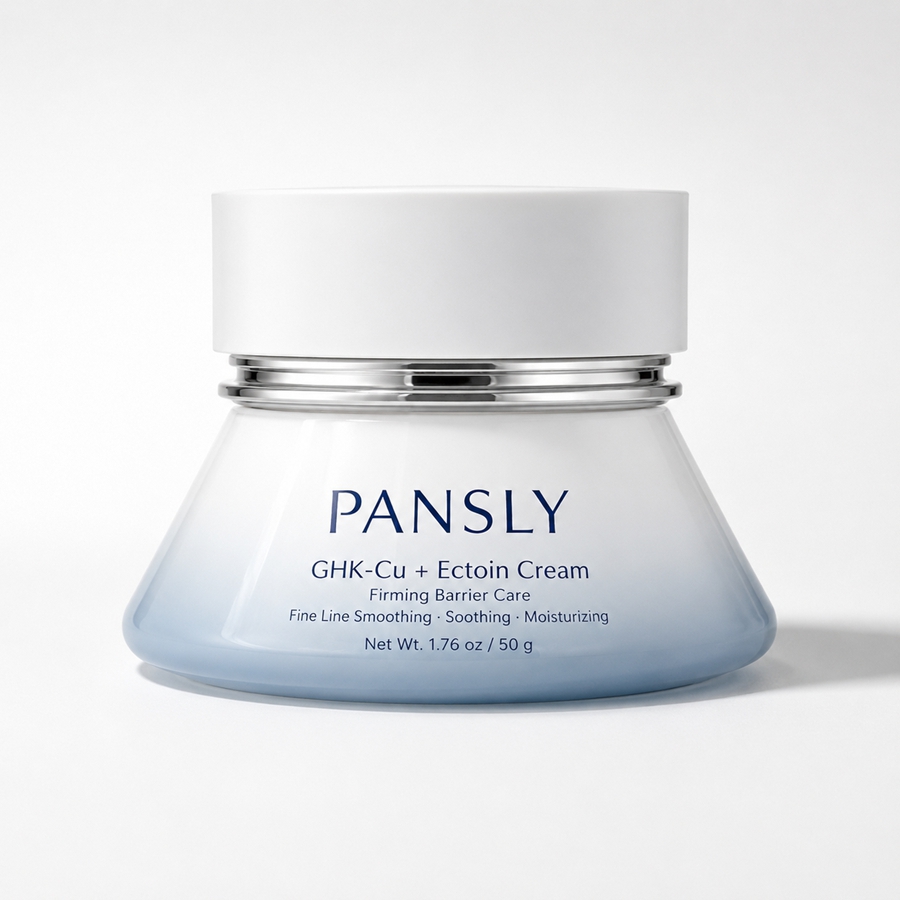
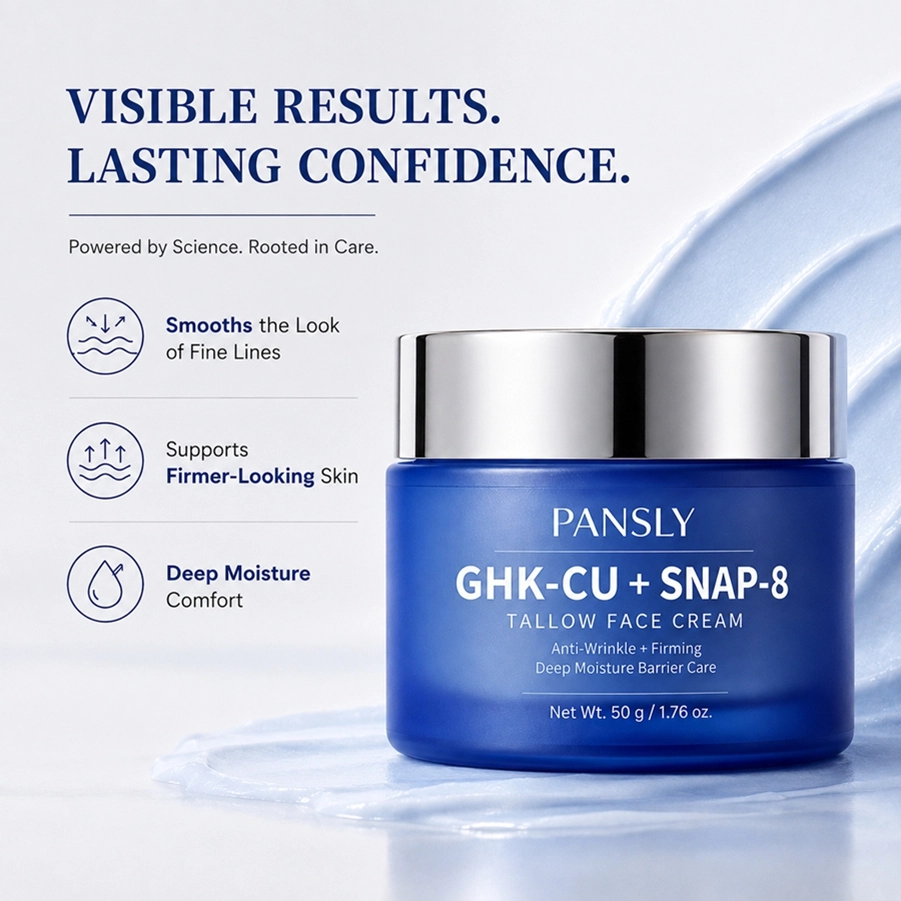
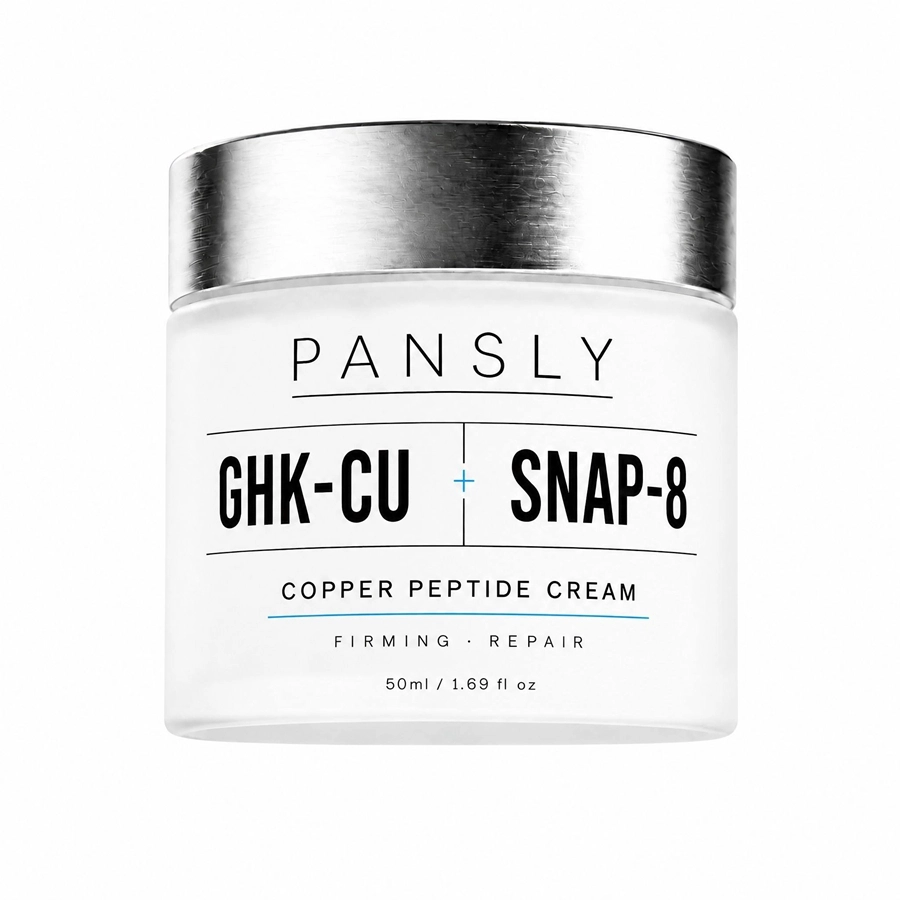
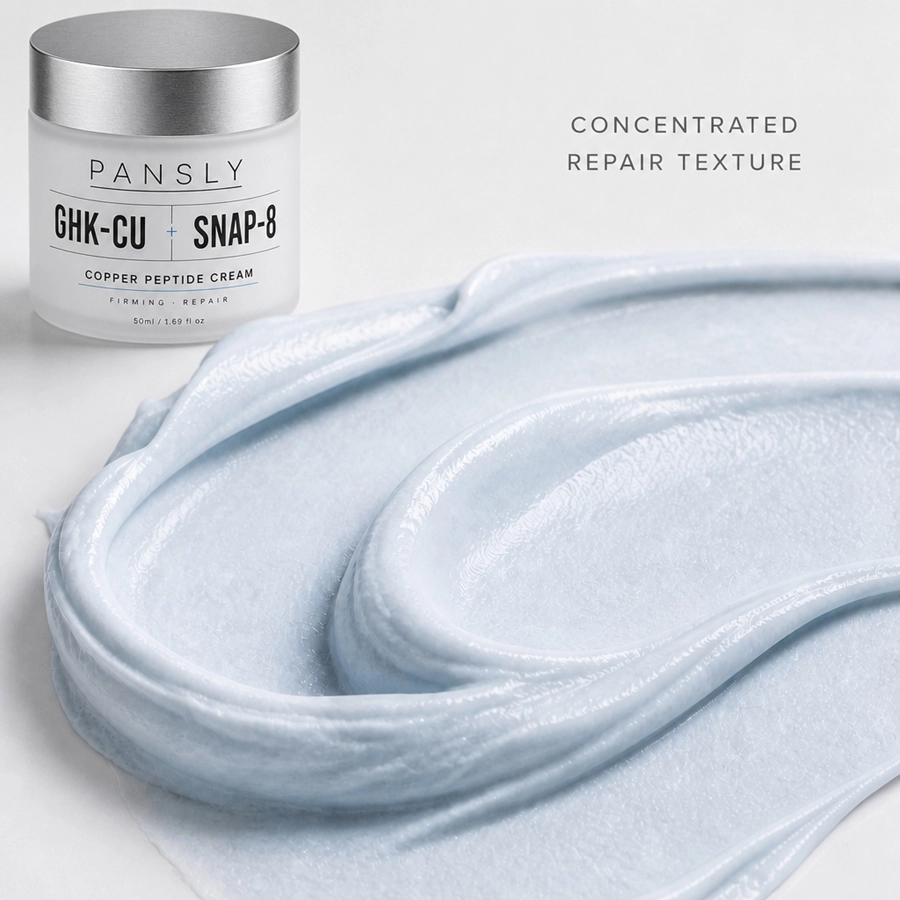
A companion moisturizing cream direction for coordinated sun-care and face-care collections; this product is not a sunscreen.
Explore Product →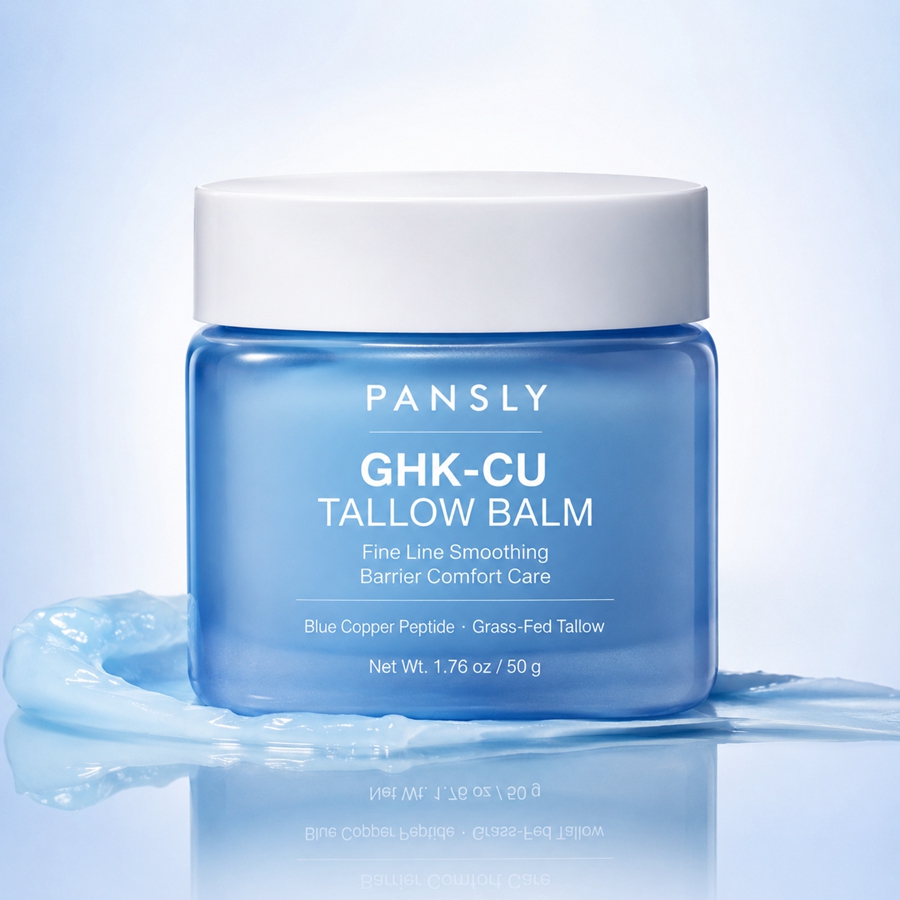
A rich moisturizing balm format that illustrates a different sensory experience from SPF cream; this product has no sunscreen claim.
Explore Product →We begin with the intended country or countries, desired protection designation, consumer profile, distribution channel and expected order range. The relevant regulatory route informs the UV-filter choices, testing plan, claims and label design. We do not commit to a market-ready SPF value before identifying the appropriate evidence requirements.
We ask whether the product should feel creamy, satin, matte, dewy, lightweight or more nourishing. We also identify the acceptable white-cast level, fragrance direction, expected application environment and compatibility with makeup or other skincare products. The brief gives our formulation team meaningful sensory boundaries instead of the vague request for “the lightest sunscreen possible.”
We evaluate the selected mineral-filter grades, dispersion process and the supporting ingredients against the texture objective and applicable market requirements. The manufacturing route should achieve consistent incorporation and filling, while allowing the final efficacy and stability program to be completed. Formula adjustments may change SPF and UVA performance and should be assessed accordingly.
Sample evaluation includes spread, visible residue, tack, dry-down and consumer acceptability, as well as packaging suitability and stability. Tubes and pumps can offer different dispensing experiences. We check compatibility, leakage and fill performance before approving a retail configuration.
Appropriate SPF and UVA testing, plus any claimed water resistance, must be established for the final product. We coordinate relevant production and testing documentation within the agreed project scope. The responsible commercial parties should confirm the jurisdiction-specific obligations for safety assessment, product registration or notification, labeling and claims.
A sunscreen quotation needs more information than “mineral SPF 50 in a 50 mL tube.” Filter grade, chosen formulation, testing scope, target market, packaging components, artwork, certification needs and batch quantity can all affect the commercial terms. A supplier quoting an existing sample without a validated market-specific claim package is not necessarily offering the same deliverable as a manufacturer pricing a fully defined project.
We separate sampling, one-time development, testing, printed components and recurring filling costs where possible. Lead time should account for packaging approval and required testing, not merely bulk mixing and filling. When a retailer plans a seasonal launch, it is especially important to agree on realistic development gates so cosmetic appearance and efficacy can be assessed before production commitments.
The goal is not simply a sunscreen with a persuasive ingredient list. A credible finished product delivers the properly substantiated protective designation, a pleasant and repeatable application experience, suitable packaging and clear instructions. We compare white cast, slip, residue and wear alongside the market-specific efficacy requirements so that a brand understands what customers will actually receive.
A richer mineral SPF can be a good match for a comfort-oriented collection; a lighter format may fit a different consumer. Both approaches can serve legitimate commercial needs. At Beyond Basix, we make those differences deliberate rather than treating all products with the same SPF as interchangeable.
Yes. SPF measures a defined aspect of tested UV protection, while the formula's filter dispersion, vehicle, emollients and film formers influence spread, white cast and finish. Each final formula needs its own appropriate validation.
Not necessarily. Texture alone does not establish SPF. The finished formula must be tested for the claimed protection, and consumers should follow the labeled application directions.
We can discuss texture and appearance objectives, including white cast across different skin tones. Any reformulation must preserve applicable safety, efficacy and market requirements, with necessary testing of the final formula.
No. U.S. sunscreen products are regulated as OTC drugs, while EU sunscreen products are regulated under cosmetics rules. Filter eligibility, claims, testing and labeling must be confirmed for each target market.
No. Applicable broad-spectrum or UVA claims require the necessary evidence for the relevant jurisdiction. An SPF number alone does not establish every UVA claim.
We can evaluate these as formulation concepts, provided the materials are appropriate for the destination market and compatible with the finished sunscreen. SPF and other protection claims must still be independently substantiated.
The approved formula, UV-filter supply, packaging minimums, sample revisions, testing and country-specific documentation influence the order plan. We provide project-specific quotation details after reviewing the full brief.
Share your target market, intended SPF designation, preferred finish, white-cast expectations, packaging and forecast quantity. Beyond Basix can review formulation feasibility and the testing and manufacturing scope for your private label sun-care project.
Discuss Mineral Sunscreen OEM/ODM →Related Articles for Private Label Cosmetics



You May Also Like
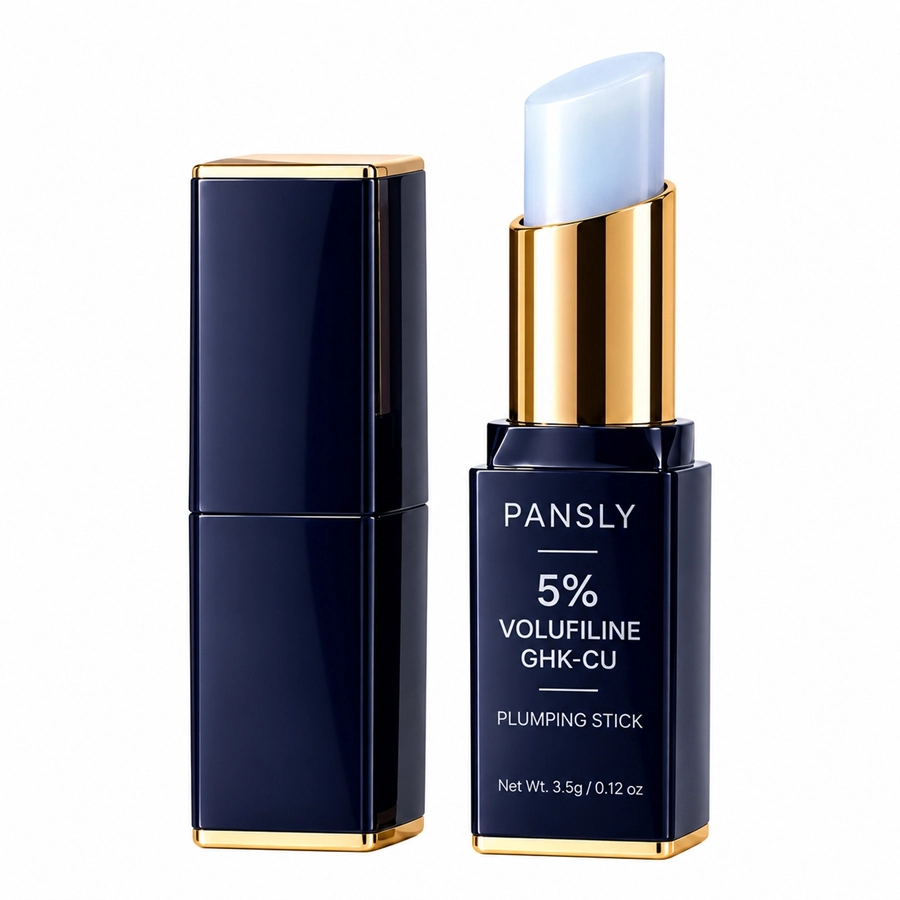
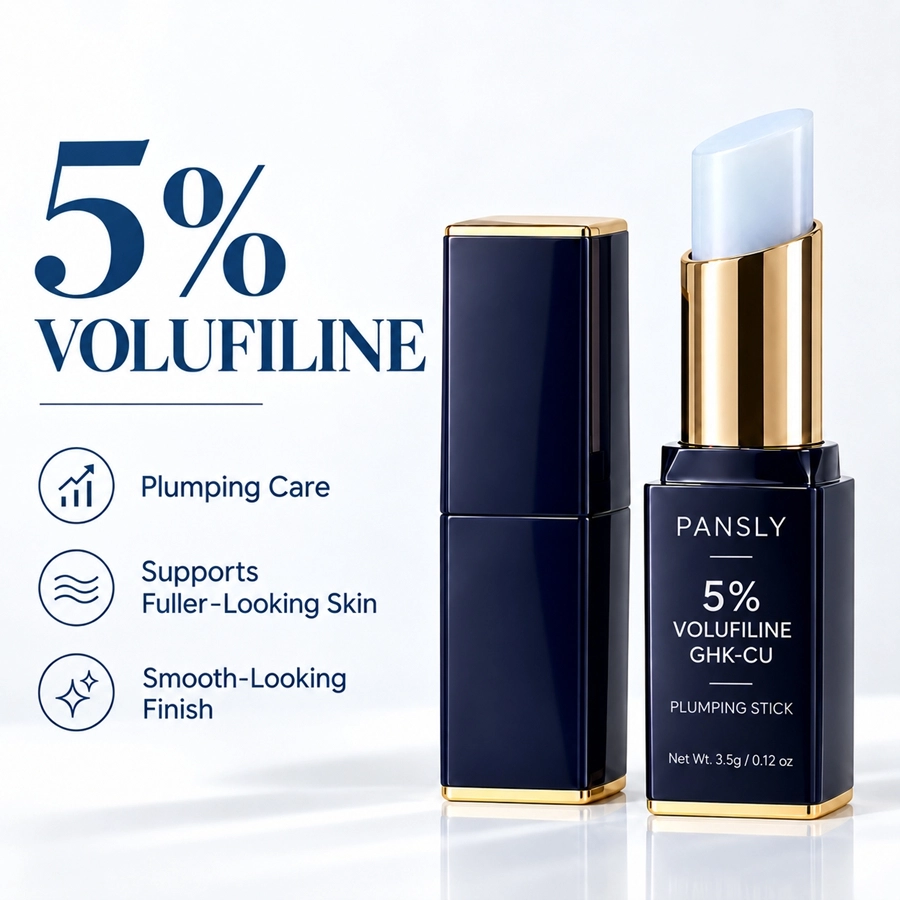
The Volufiline Plumping Stick contains 5% Volufiline in a portable balm for targeted facial care. Apply the Volufiline Lip Plumping Balm Stick to moisturize lips and dry areas, or use the Volufiline Anti Wrinkle Multi Balm to help skin feel smooth and hydrated.
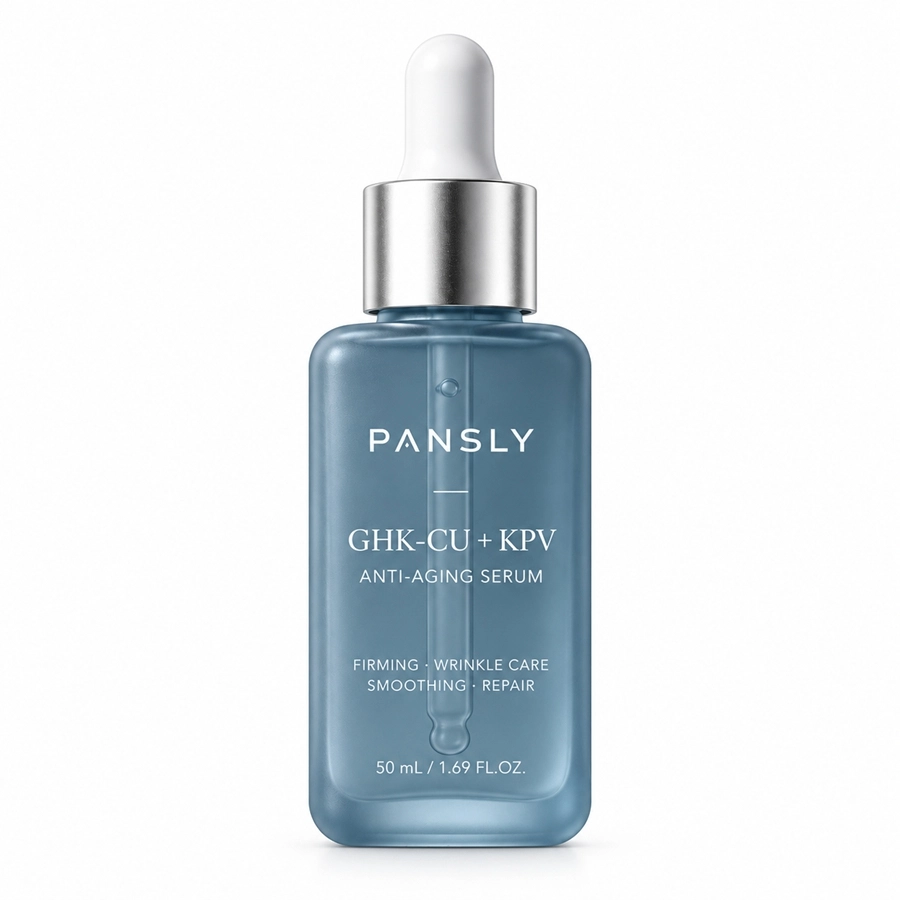
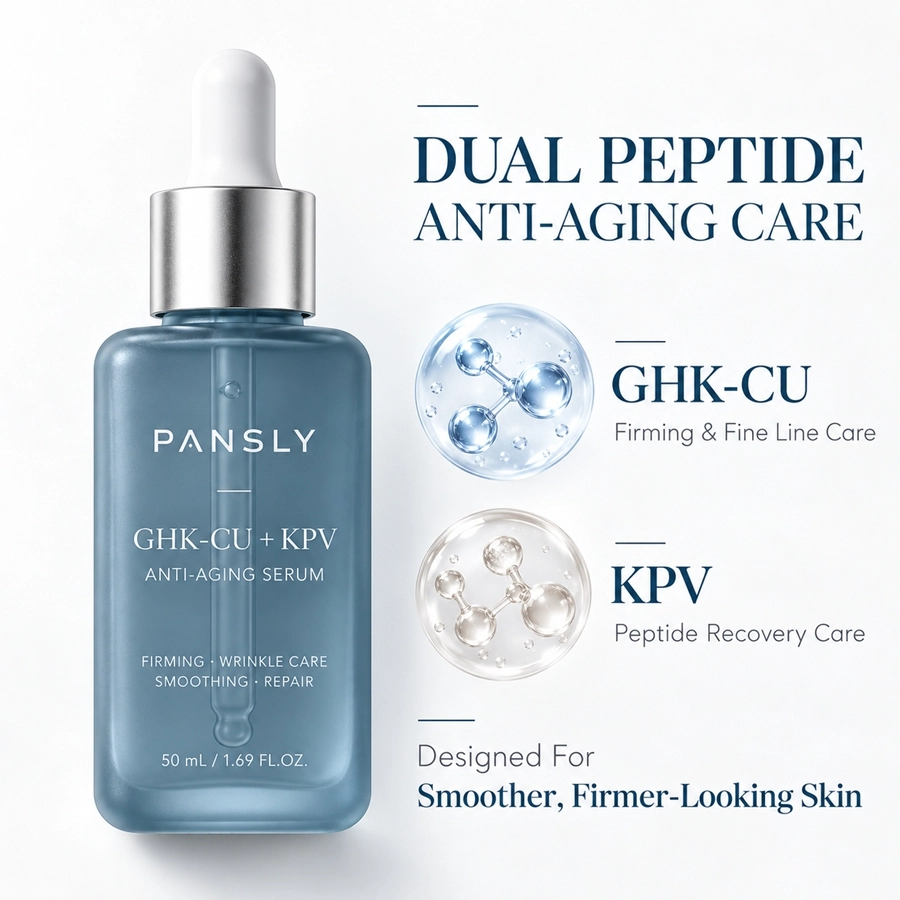
GHK-Cu KPV serum for skin is a private-label peptide face serum formulated for a firming, smoothing routine. This GHK-CU KPV Serum is positioned for wrinkle care and skin repair, making it a practical addition to an anti-aging skincare range.
Get in Touch with us
If you have any comments or good suggestions, please leave us a message; later our professional staff will contact you as soon as possible.
Click here to customize the Beauty
we respond within a few hours
Monday–Friday, 9AM–6PM
3A01, Building A, Zhisheng Square, No. 4 Zhifu Road, Helong Street, Baiyun District, Guangzhou, China.
Leave a request, and we'll email you back within 24 hours.
© 2026 Beyond Basix. All Rights Reserved.
Chat with us
Want to learn more about customized cosmetic and skincare products? Chat instantly online with our experts for professional advice and answers.
Get a Free Quote
Submit your requirements and quickly get a quote for customized cosmetic and skincare products to help you make informed decisions.
Send My Request
Have a specific request or inquiry?
Send us the details through this form, and we’ll respond promptly to assist you with the next steps.
Custom Cosmetics and Skincare Products
Need a customized product?
Fill out this form and our team will work with you to provide a tailored solution to meet your needs and requirements.
Custom Cosmetics and Skincare Products
Need to customize your beauty brand product?
Fill out formula form and our team will work with you to provide a tailored solution to meet your needs and requirements.


