Direct answer
White label uses an existing product platform; semi-custom development adapts selected features of an existing formula or package; custom ODM starts from a broader brand-specific specification. The best route depends on evidence of demand, differentiation requirements, cost, testing and launch timing—not simply the age of the brand.
White Label, Semi-Custom and ODM Are Different Development Commitments
The difference between white label, semi-custom and original design manufacturing is not a matter of which term sounds more premium. It is the amount of formulation, packaging, validation and commercial responsibility that a skincare brand needs to assume. White label normally begins with an existing product platform and permits an agreed degree of branding. Semi-custom development modifies aspects of an established formulation or packaging configuration, with technical reassessment as required. A more extensive ODM project may involve the development of a distinctive formula, format or product family. Each route can be commercially appropriate at different stages of a brand's growth.
Beyond Basix discusses these routes from the perspective of actual product requirements. A founder testing one serum may value an available formula and a familiar bottle. A growing brand may want a different sensory finish, active combination or packaging direction. An established company may require more control over composition, exclusivity, claims support and long-term supplier arrangements. The manufacturing path should match the evidence of demand and the financial ability to support development. There is no requirement for every successful brand to progress toward maximum customization, and greater complexity does not automatically result in a better cosmetic.
What Does White Label Mean in Practice?
A white label product is commonly based on a developed product platform that can be offered to several brands under different identities, subject to the supplier's terms. The formulation may already have an established development history, but a buyer must still verify its suitability for the intended market and proposed claims. Label, secondary packaging, size and decoration options can vary. The term white label does not by itself establish that a product can ship immediately, that every ingredient is permitted globally or that the manufacturer's minimum order is below a certain threshold.
Buyers should ask what is fixed and what can change. Is the bulk formula predetermined? Are fragrance, color and viscosity already specified? Which containers have been evaluated with the formula? Can the brand request its own artwork without changing the finished product identity? What evidence and labeling information are available? At Beyond Basix, we prefer answering these questions explicitly rather than implying that the phrase white label is a universal production package. When scope is clear, a founder can judge whether the existing product represents its brand adequately without paying for customization it does not yet need.
Semi-Custom Is Not Merely a New Fragrance
Semi-custom development is often described as a middle ground between a stock formula and a new formulation. In practice, the technical scope matters more than the name. Changing scent, preservative balance, viscosity, active ingredients or emulsifiers can alter product stability, skin feel and packaging compatibility. Even a fragrance adjustment may change the product's allergen declaration or consumer suitability. A manufacturer should define which changes can be evaluated on the existing platform and what additional work will be required.
A growing brand may request a lighter serum, a richer cream, a different appearance or a refined ingredient story while retaining much of an established formula architecture. These requests can be reasonable, but they are not automatic services included in a stock product quotation. Beyond Basix can discuss the intended result and its technical implications. The buyer should be given a clear account of expected sample revisions, documentation and any new component sourcing. Semi-customization makes sense when a controlled change offers meaningful market differentiation and the brand has enough demand to justify its costs.
When Does Full ODM Make Commercial Sense?
More extensive ODM development may be appropriate when a business has a specific product specification that existing catalogues cannot satisfy. The desired result could involve a unique texture, a deliberately structured active system, an unusual format or a product family with carefully coordinated application experiences. This level of development generally involves more technical decisions, sampling iterations and testing obligations. It can also create expectations concerning formulation confidentiality and ownership that require explicit commercial agreements.
A custom formula is not automatically proprietary intellectual property owned outright by the buyer. Rights depend on the contract and the relevant legal arrangements. Brands should clarify whether the manufacturer retains underlying know-how, whether exclusivity is limited to a market or time, and what happens if a particular raw material becomes unavailable. These matters should be addressed before extensive development expense is incurred. Beyond Basix can discuss a custom product brief, but a buyer should not assume that a particular level of customization includes exclusive rights or guaranteed market protection. Differentiation may depend as much on customer experience and distribution as on the formula itself.
Choosing the Manufacturing Route for a New Brand
Early-stage brands frequently lack reliable demand forecasts. Their primary need may be to validate positioning, customer acquisition and product satisfaction without committing to excessive quantities of unproven stock. An existing product platform can limit some development complexity, provided the formula, packaging and claims are suitable. This does not remove the need for proper labeling, quality information or market-specific compliance. A small launch may still be expensive if its packaging is highly customized or if new testing is required.
The founder should compare total project exposure rather than choose the route with the smallest stated unit price. A proposal may include sample fees, artwork, cartons, freight, regulatory review, fulfillment and marketing. Low-volume launches sometimes carry a higher unit cost, which must fit the intended retail price. We encourage buyers to begin with one well-defined hero product, share their market and target price and discuss whether an existing platform can deliver the desired experience. It is better to establish realistic constraints early than to promise a fixed turnaround time before the product has been specified.
The Growth Stage: Refining a Proven Product
After a product has earned genuine customer demand, the brand may find specific opportunities to improve it. Reviews can reveal a desire for reduced tackiness, easier dispensing, different pack sizes or more consistent fragrance. Wholesale customers may request carton formats or labeling variations. These are concrete reasons to consider changes; they are stronger than a general aspiration to make the formula more premium. A controlled formulation or packaging adjustment can help the business respond to evidence without abandoning an established customer promise.
The transition needs change management. A different ingredient or preservative system may require fresh assessment, while a new container can affect pump output, leakage or formula stability. Buyers should decide whether a revised product will use a new identifier, what information will be communicated to retailers and how remaining inventory will be handled. Beyond Basix can support the development conversation, but the manufacturer and brand should agree on acceptance criteria before switching commercial versions. Consistency matters because customers who reorder expect a recognizable experience, not a surprise reformulation hidden behind identical artwork.
Established Brands and More Ambitious Custom Development
An established skincare company may have clearer customer segments, stable purchase forecasts and a better understanding of its channel economics. These advantages make it more practical to explore distinctive packaging and complex formula architecture. The brand may also possess customer data that identifies an underserved texture or format. Custom development can then address a documented opportunity rather than becoming an expensive expression of novelty. A proprietary-looking package is useful only when it supports customer recognition, functionality and margin.
ODM planning should consider the long-term supply chain as well as initial development. Buyers may require an agreed raw-material change procedure, documentation package, testing program, repeat-order capacity and contingency arrangements. Exclusivity and formula rights should be established contractually. A custom design can become difficult to maintain if it relies on one hard-to-source component or a complex decoration process. We encourage brands to balance distinctiveness against reproducibility. Manufacturing sophistication is best demonstrated by a consistent finished product and clear specification control, not by the maximum possible number of special ingredients.
MOQ Is a Product-Specific Constraint at Every Stage
The minimum order quantity for a white label serum may differ from that for a modified cream or a fully custom skincare set. The determinants include production batch feasibility, raw-material quantities, packaging vendor minimums, fill size, decoration and logistical considerations. A supplier may quote a different minimum for unprinted stock bottles than for a custom-molded container. An ODM project may require testing or pilot work before commercial quantities can be finalized. There is no meaningful single MOQ that applies across all cosmetic categories.
A buyer should ask whether an MOQ refers to filled finished units, bulk volume, printed components or a total multi-SKU order. These quantities can differ and create excess component stock. If a packaging supplier requires more components than the initial fill, the commercial agreement should clarify ownership and storage of leftovers. Beyond Basix can evaluate realistic quantities once the product is defined, but an advertised minimum must be checked against the actual SKU and packaging choice. Low-volume flexibility is valuable only when the resulting unit cost and operating assumptions make sense for the business.
| Criterion | White label | Semi-custom | Custom ODM |
|---|
| Starting point | Existing product platform | Modification of a base | New specification and development |
| Typical project work | Branding and pack assessment | Controlled formula or packaging changes | Broader formulation and testing |
| Exclusivity | Not implied | Not implied | Depends on contract |
| MOQ and lead time | Project-specific | Project-specific | Project-specific |
Sampling and Testing Are Not the Same as Production Approval
An early laboratory sample helps a buyer evaluate appearance, fragrance, texture and overall product concept. It may not yet reflect the final commercial container, production process or complete stability evaluation. Changes after a sample is approved can influence both technical performance and customer perception. Buyers should keep clear sample version references and documented feedback so that decisions are not lost during development. The approved commercial reference should be linked to realistic acceptance criteria.
Tests depend on the product, claims and intended market. Stability, microbiological quality, preservative effectiveness, packaging compatibility and other evaluations may be required or appropriate. An ingredient supplier's data does not automatically substantiate the finished cosmetic's performance. A claim of hydration or smoother-looking skin should be supported in a manner relevant to the formula, and medical-style language may create regulatory classification concerns. We recommend that brands agree on which testing and documentation will be delivered at each stage. A product should not be treated as production-ready simply because one sample looks attractive.
Why a 15-Day Production Promise Needs Context
A statement that a skincare product can ship in fifteen days may apply to a narrow set of already approved formulas and available packaging, but it cannot responsibly be generalized to every private label or custom project. Sample revisions, stability work, custom components, artwork approval and material procurement have different lead times. The first order may also require documents and labeling reviews that are unnecessary for an unchanged repeat order. Time to manufacture is therefore different from time to develop, approve and deliver a market-ready product.
A practical schedule separates the project into formula selection, sampling, packaging, testing, artwork, component ordering, production and release. The team should mark which stages are complete and which depend on external suppliers. A buyer with a fixed retail launch date may choose a simpler formula and available container where appropriate, but quality and compliance requirements should not be bypassed. Beyond Basix can discuss realistic timelines for a defined specification. We prefer a transparent sequence with identified uncertainties to a headline delivery promise that leaves out essential stages.
Formula Ownership, Exclusivity and Confidentiality
Brands often associate fully custom ODM with automatic ownership of the formulation. Commercial reality is more nuanced. The supplier may have existing base-formula know-how, manufacturing processes and third-party raw-material technologies. A custom project may produce new work, but the rights to use or disclose it depend on contractual arrangements. Before investing in development, the brand should clarify what it can exclusively sell, whether exclusivity covers a territory or product category and what happens after a supply agreement ends.
Confidentiality should also be addressed explicitly. A brand may want to protect a product brief, a distinctive format or unpublished marketing plans. The manufacturer may need to preserve trade secrets and the information of other clients. A practical agreement sets expectations without pretending that every ingredient combination is legally unique. Beyond Basix treats this as a discussion to be settled in the project documents rather than an implied entitlement attached to the label ODM. The right commercial structure is one that enables sustainable development and repeat production while accurately representing each party's responsibilities.
The Hidden Cost of Changing a Mature Formula
A reformulation may appear inexpensive when the change concerns only one ingredient. However, the effect can extend to stability testing, preservation, packaging, ingredient declarations, artwork, retail documentation and customer expectations. A different fragrance can require label review; a new emulsifier can alter texture or compatibility; a new active supplier can introduce carrier differences. Brands should estimate these downstream costs before deciding that a product needs a refresh.
An established product has value in consistency. If consumers already like the existing formula, changing it should address a meaningful opportunity or constraint. The business may need to manage two versions in inventory and communicate a transition to distributors. Testing new packaging against an established formula is also a development exercise, not merely a graphic-design decision. We encourage buyers to compare the measurable benefit of change with its direct and indirect costs. A mature product does not become stronger simply because its ingredient list becomes longer or more fashionable.
Packaging: Stock Components, Decoration and Custom Molds
Packaging choices create one of the clearest differences among manufacturing routes. A white label program may use existing bottles and closures with customized labels. Semi-custom projects may add selected decorative finishes, while a major ODM program could consider a distinctive component design. Each option has implications for tooling, component minimums, sample approval and logistics. The visual effect matters, but the container must first protect and dispense the selected formula.
The brand should ask whether the stock packaging has been evaluated with the exact formula and whether any changes affect contact materials. Pump output, leakage, closure integrity, transport damage and label durability are relevant across every price tier. Bespoke decoration can increase perceived value but also tie the business to a longer procurement cycle. Beyond Basix can discuss packaging as part of the formulation system. A high-end look does not require a custom mold when a well-chosen available component can meet the product and market requirements more efficiently.
How Compliance Responsibilities Change with Customization
The intended destination market should be established before product labels and claims are finalized. Regulations may differ in ingredient restrictions, safety assessment, responsible-party arrangements, notifications and required documentation. The United States and European Union have different systems and should not be collapsed into a generic international certification. A factory certificate does not by itself establish that a particular product can lawfully be sold everywhere.
Additional customization can change the regulatory work required. New ingredients or claims may necessitate new review or substantiation; a changed formula may need updated safety and stability records; revised artwork may require new ingredient declarations. The brand should distinguish what the manufacturer will supply from what a local responsible person, importer or regulatory specialist must arrange. We recommend including these responsibilities in the project scope. A successful commercial launch needs accurate documents tied to the actual marketed formula, whether the product is white label or fully custom.
Calculating the Real Economics of Each Manufacturing Path
White label may have lower upfront development spending in some configurations, while custom ODM can create additional research, testing and tooling expense. However, it is not safe to assume that custom always costs more per finished unit or that stock formulas always launch faster. Packaging minimums, order size and operational complexity can outweigh the formula-development difference. An economic comparison should use complete quotations for the same intended retail package and market.
Buyers should consider sampling fees, component purchases, artwork, testing, freight, taxes, warehousing and the cost of holding unsold stock. The brand's pricing power is also relevant: a distinctive product may support a higher selling price only if customers perceive and pay for that value. A custom formula that requires an unattainable retail price can be commercially weaker than a well-presented established product. Beyond Basix prefers transparent comparisons grounded in product specifications rather than percentages claiming that one route guarantees a fixed saving or profit margin.
A Decision Matrix for Founders and Procurement Teams
The appropriate route depends on what the brand is trying to prove. At the testing stage, the question is whether a defined product can attract and satisfy customers at a sustainable price. At the growth stage, it may be whether a sensory or packaging modification improves differentiation and retention. At maturity, the company may be asking how to protect its brand identity and maintain consistency across larger or more varied supply programs. These are different commercial problems and they should not be treated as one linear checklist.
A procurement team can assess each option against five criteria: amount of customer evidence, need for exclusivity, available development budget, required launch date and technical complexity. The route scoring highest on all five will rarely be obvious. A fast-moving brand may prefer a stock formula while investing in unique branding. Another may require custom development immediately because its target audience expects a highly specific texture or ingredient policy. We can use these criteria during project scoping to select a feasible product path without pressuring buyers into a level of customization they do not need.
How Beyond Basix Supports a Staged Product Conversation
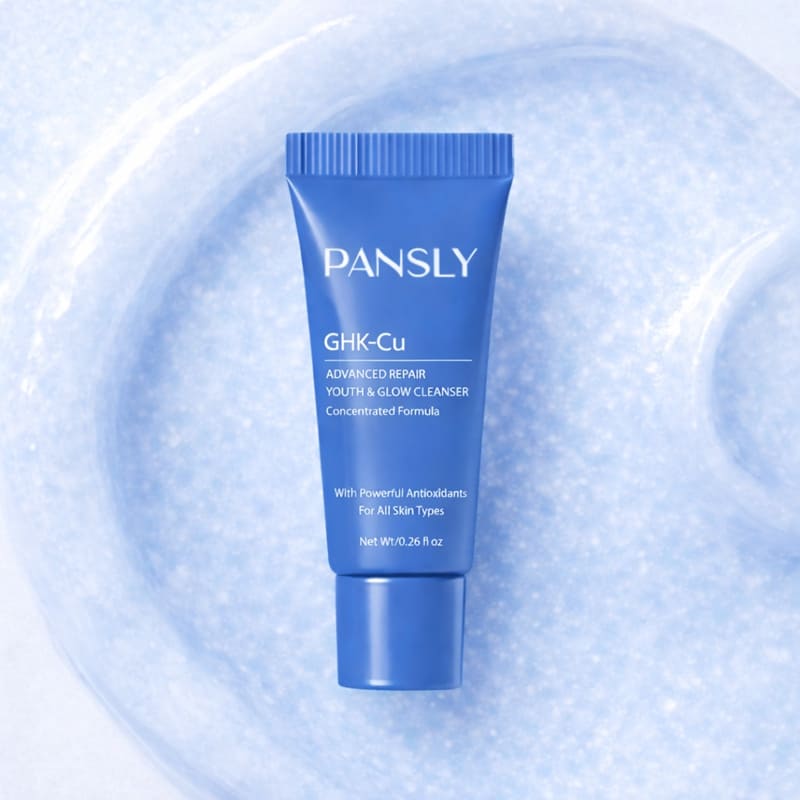
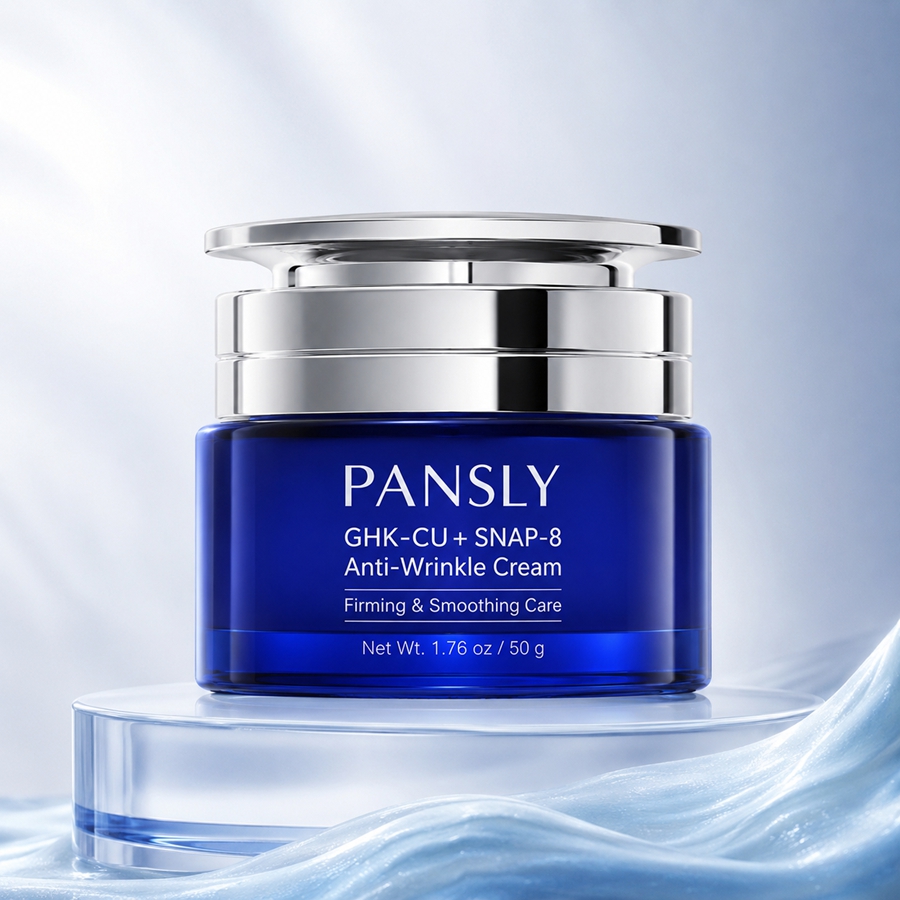
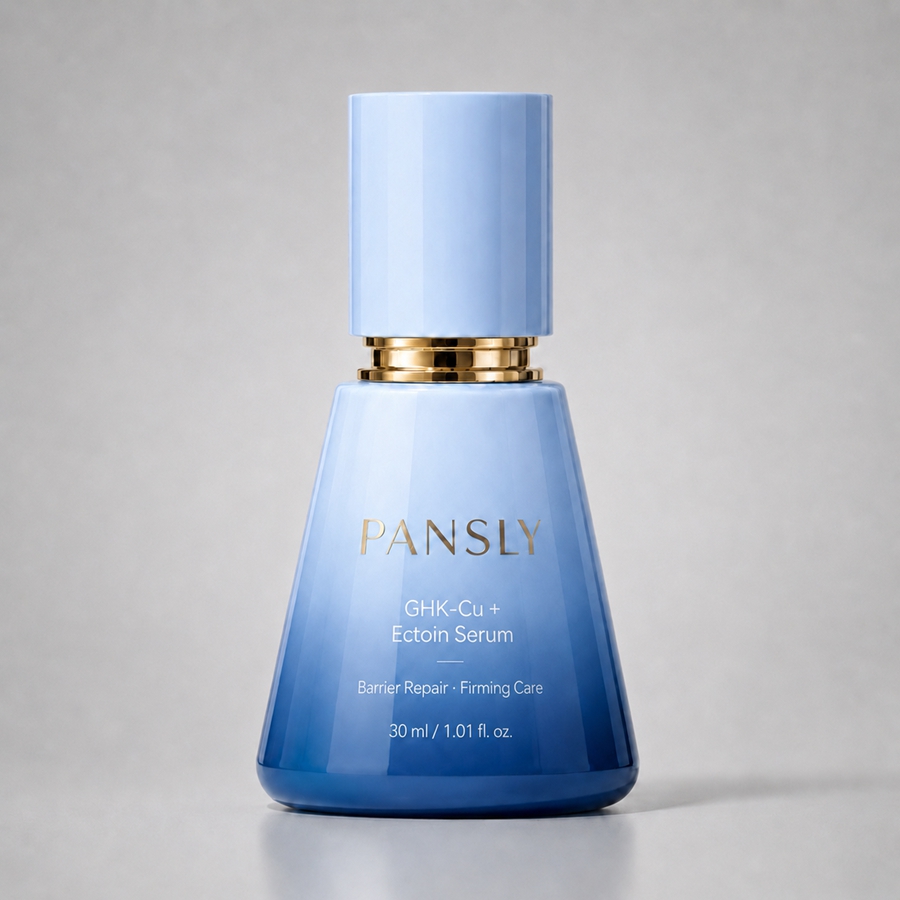
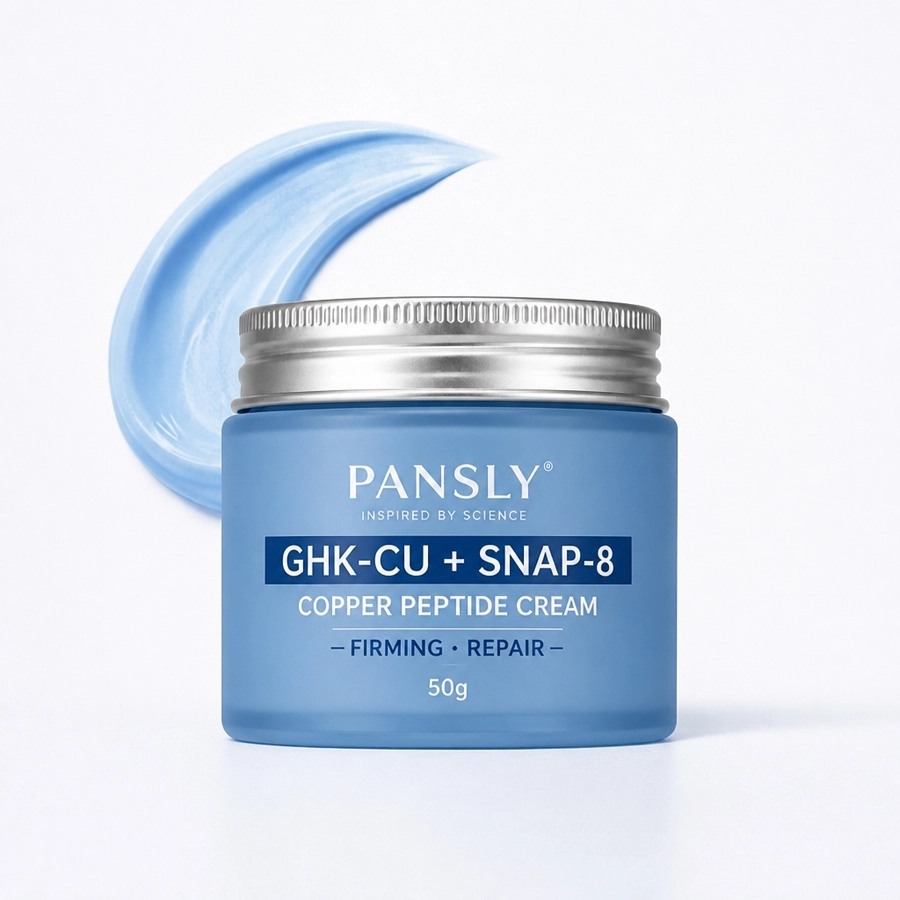
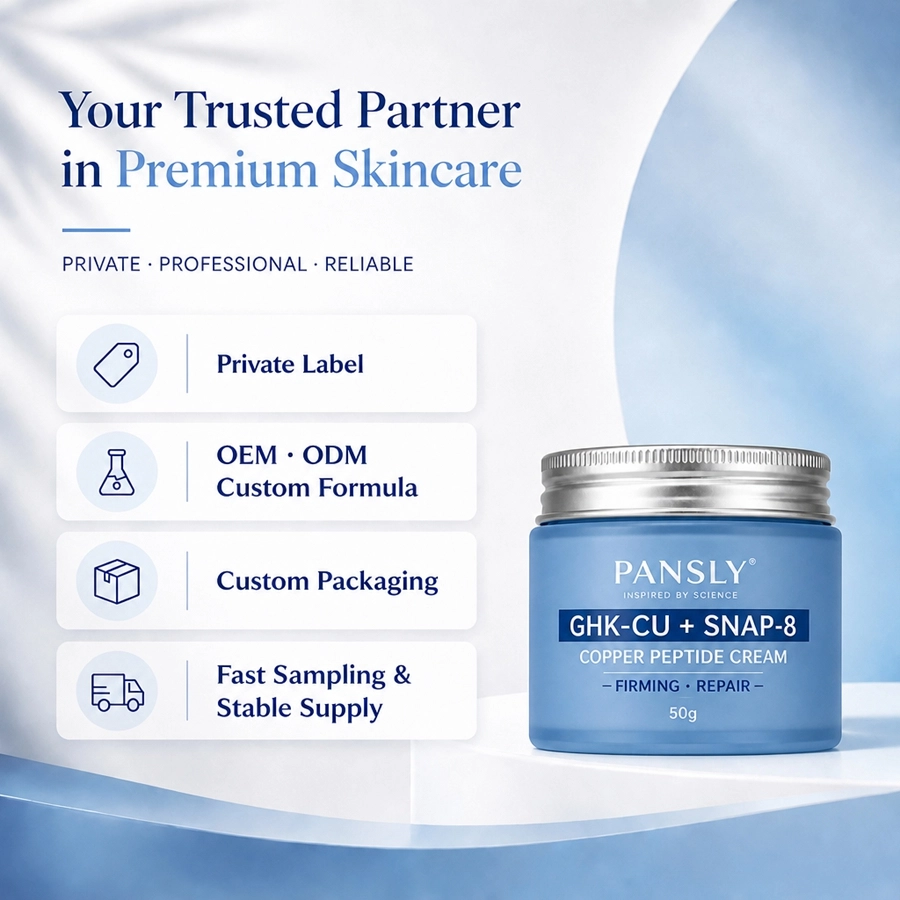
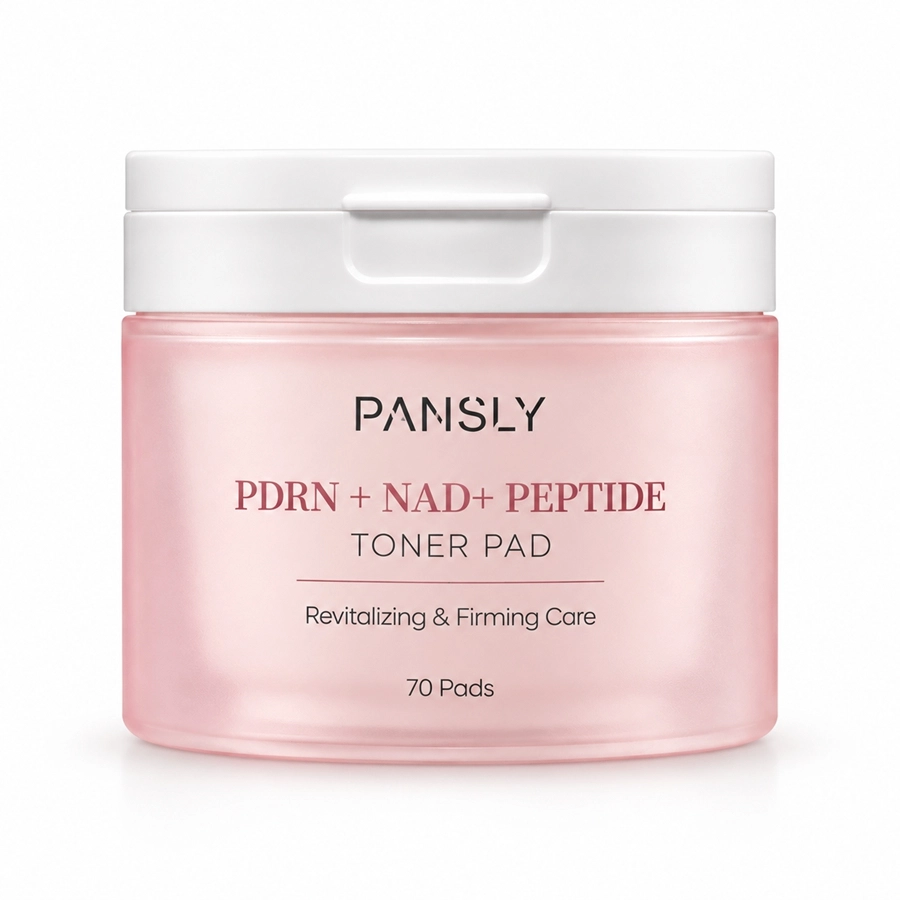
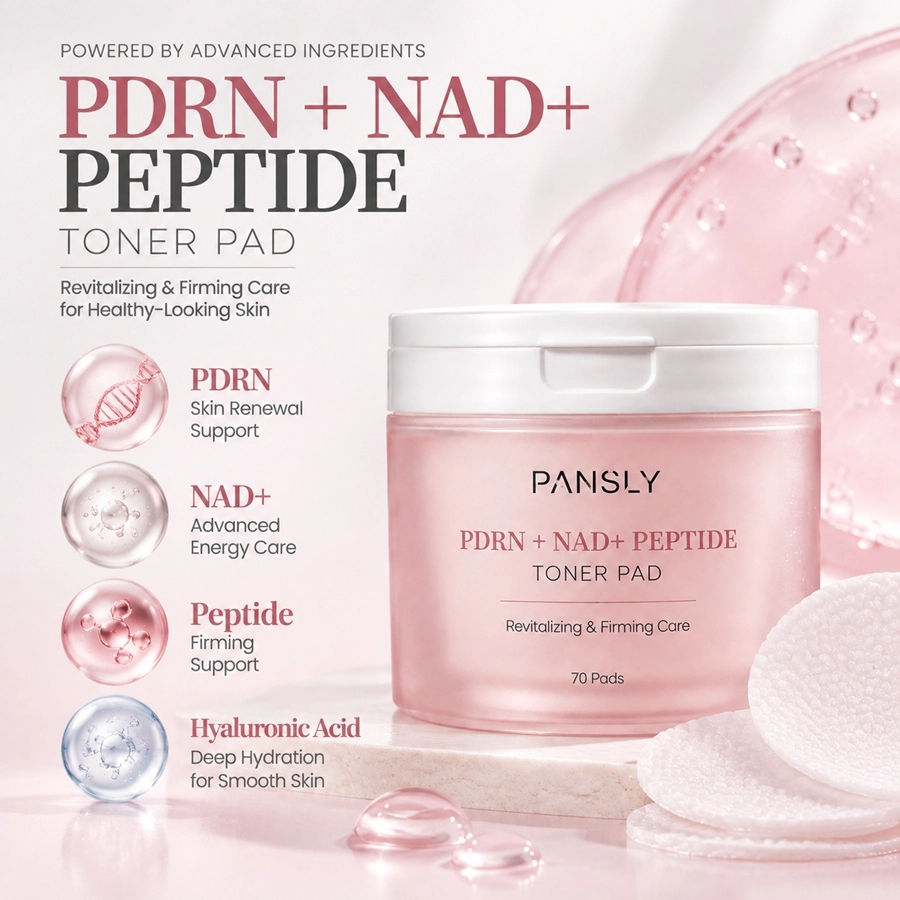
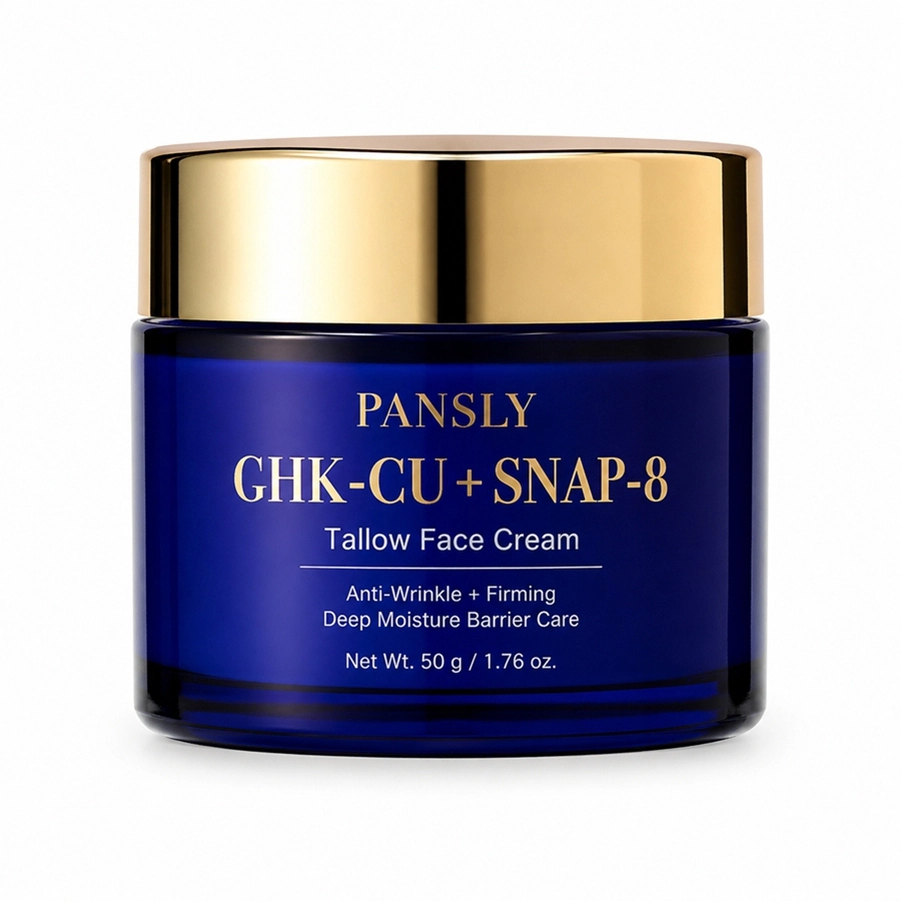
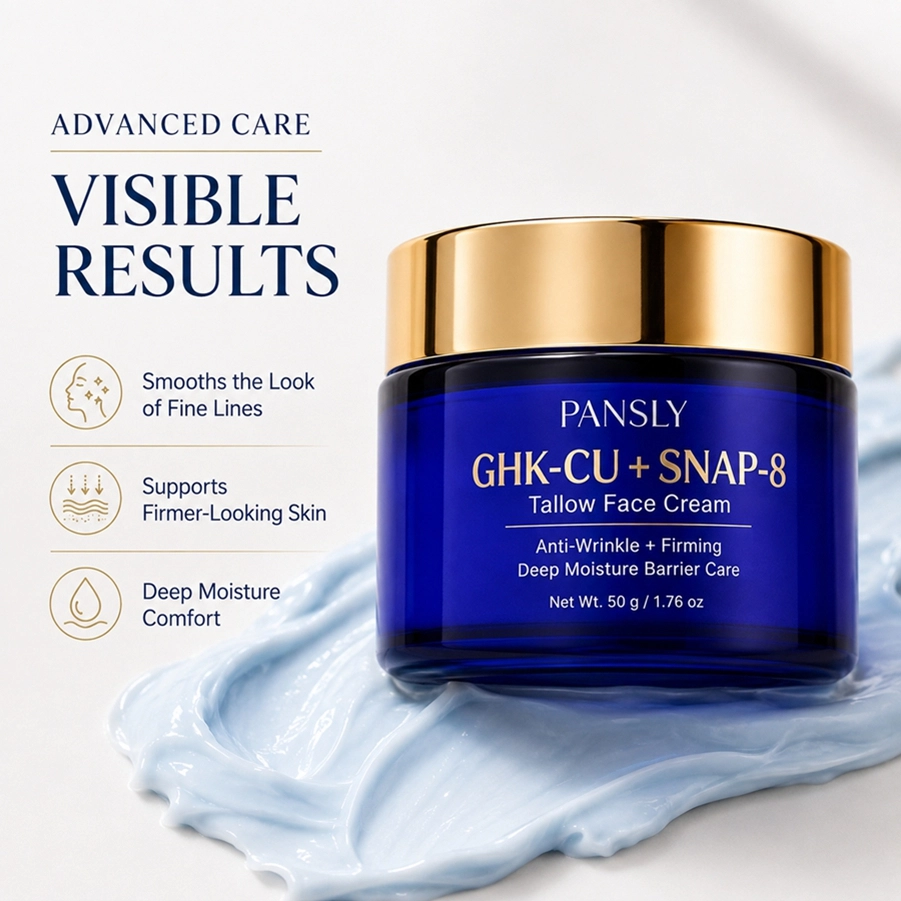
Our product catalogue includes peptide, GHK-Cu and PDRN skincare directions that can serve as starting points for discussions about branding, packaging and formulation. Buyers should examine individual product specifications rather than assume every listed item can support all forms of customization. A copper-peptide serum, for example, may have different technical constraints from a moisturizer or an eye patch. The appropriate route can only be discussed with reference to the particular product and intended sales market.
A useful inquiry identifies the target consumer, desired formula characteristics, product format, pack size, quantity expectations and launch objectives. If the brand has an existing formula it wants to improve, its feedback should explain the specific problem. If it wants an original product, the brief should identify the intended difference and any required evidence or exclusivity. We can then discuss what is already available and which changes require development. A staged approach protects commercial clarity because it separates confirmed options from untested possibilities.
Choosing a Manufacturing Path Without Overengineering the Brand
The aim of private label manufacturing is not to progress from basic to complex as quickly as possible. It is to build a product range that customers value and that the business can supply consistently. White label can be a sound long-term model when a brand differentiates through audience, service, design or distribution. Semi-custom development can resolve a specific product weakness. Full ODM can support a deliberately differentiated formulation when the demand and resources justify it. No single route is inherently more professional.
Beyond Basix helps brands assess these choices through formula requirements, packaging feasibility, documentation and order planning. We favor a clearly specified, well-supported product over a complicated concept built around exaggerated claims. Founders should select the route that fits their current evidence and operating capacity, establish the scope in writing and revisit customization only when there is a strong reason to change. A successful supply relationship is measured by repeatable product quality, understandable commercial terms and the ability to support customers over time.