
10%, 20% or 40% Urea: Which Foot Cream Strength Fits Which Product Concept?
Quick Answer
10% urea fits daily moisturization, 20% suits roughness-focused care, and 40% urea foot cream is better reserved for targeted, intensive callus concepts rather than universal use. Beyond Basix can support selection through formulation development and manufacturing coordination. Key factors include skin condition, intended use frequency, sensory profile, packaging compatibility, and regulatory positioning. The final solution depends on project specifications, testing, and target-market requirements.
How Beyond Basix Supports Projects
Guangzhou Beyond Basix Cosmetics Ltd. provides one-stop OEM/ODM for skincare, including ingredient-led foot-care formulation development, production planning, and quality-control coordination. Its 12,000-square-meter facility includes a 100,000-level GMPC pharmaceutical-grade dust-free workshop and 12 production lines. The company has over 23 years of experience in cosmetics manufacturing and 12 years of focus on effective-ingredient skincare.
For a urea project, buyers should confirm the target concentration, intended consumer, use frequency, texture, fragrance direction, packaging format, claim language, and destination-market requirements. MOQ, lead time, testing scope, and quotation must be confirmed for each project. Beyond Basix holds certifications and documentation including ISO 9001, CE, MSDS, GMP, and HALAL, with applicable documentation requiring project and market review.
Discuss Your Urea Foot-Care Product Concept
Share your target market, consumer profile, desired urea strength, intended claims, texture preference, packaging format, expected order volume, and launch schedule. The development discussion can then cover suitable concentration options, sample stages, stability and compatibility evaluation, labeling considerations, and production planning.
Discuss your project at www.beyondbasixcosmetics.com or email Lily@lanthome.com.
Deep-Dive FAQs
Which urea strength suits a daily-use foot cream concept?
A 10% formula is generally the most logical starting point for a daily-use foot cream positioned around hydration, softness, and maintenance. Urea is a humectant that attracts water into the outer layer of skin, while its softening effect becomes more relevant as concentration rises. At approximately 10%, the concept can prioritize a comfortable after-feel and repeated use without automatically presenting itself as an intensive callus treatment. The exact result depends on the complete formula, including emollients, occlusives, pH, preservatives, and application instructions. OEM buyers should assess spreadability, residue, odor, packaging compatibility, and short-term tolerability through samples rather than choosing concentration in isolation. Claims should describe the tested cosmetic benefit and avoid implying treatment of a medical disorder unless the product is regulated accordingly in the destination market.
Is 40% urea foot cream suitable for sensitive consumer products?
A high-strength urea product should not be treated as the default option for a sensitive-skin range. Around 40% urea is commonly considered an intensive softening direction for markedly rough, thickened, or localized areas, but higher concentration may increase stinging on fissured, abraded, inflamed, or recently exfoliated skin. That does not mean every user will react, because the vehicle and supporting ingredients materially affect tolerability. A brand should define whether the product is for localized use, occasional use, or routine application, then evaluate repeat-use tolerance and clear warnings with qualified safety and regulatory reviewers. Avoid positioning a strong formula as universally gentle. A lower concentration, fragrance-free design, restrained active system, and carefully written directions may be more appropriate when the commercial concept prioritizes broad daily use.
How should brands position 10% urea in retail ranges?
Ten percent urea can occupy the maintenance or everyday-moisturization tier of a retail foot-care range. Its strongest commercial logic is helping consumers manage dryness and rough texture through regular application, rather than promising rapid correction of severe callus buildup. Positioning should be supported by the finished product's measured characteristics, user instructions, and applicable cosmetic-claim rules. The formula may be paired with a barrier-supportive emollient system, but brands should not imply that one ingredient alone determines performance. Retail education should explain where the product fits: clean, dry feet; appropriate frequency; and caution around visibly damaged skin. If the range also contains stronger products, consistent naming and usage guidance can reduce consumer confusion. Stability, preservative performance, packaging interaction, and sensory testing remain necessary before a final retail specification is approved.
When does 20% urea outperform lower-strength moisturizing foot creams?
Twenty percent urea is a useful middle position when the concept needs more pronounced softening than a basic moisturizer but does not require the narrow, intensive profile associated with very high-strength products. It may suit rough heels, persistent dryness, or a restorative foot-care program, provided the complete formula and directions support that use. The word outperform should be handled carefully: concentration alone does not prove superior consumer results. A lower-strength formula with a well-designed barrier system can feel more comfortable and encourage more consistent use, while a 20% formula may deliver a stronger softening perception for some users. Comparative testing should examine hydration, roughness ratings, sensory acceptance, and repeat-use tolerability under the proposed instructions. The brand should also decide whether the concept is daily, periodic, or targeted before selecting its final claim language.
What formulation risks affect a high-strength urea foot cream?
High urea loading creates technical and consumer-experience challenges that should be assessed during development. Urea can influence water activity, osmotic behavior, viscosity, crystallization tendency, odor perception, and the preservation environment, depending on the base system and storage conditions. It is also hygroscopic, so moisture exchange through an unsuitable package can change texture or concentration perception over time. A formula that feels acceptable in a laboratory sample may behave differently after temperature cycling, long-term storage, transport, or repeated opening. Development should therefore include appearance and odor monitoring, pH and viscosity checks, microbiological evaluation, preservative efficacy where applicable, stability studies, and container-closure compatibility. A strong formula should not be made harsher simply to signal efficacy; the vehicle, application area, directions, and consumer tolerance all contribute to the final product concept.
How can OEM buyers validate urea claims before mass production?
OEM buyers should create a claim-validation plan before approving a bulk order. First, define the exact cosmetic promise, such as moisturization, smoother-feeling skin, or softened roughness, and ensure it matches the target market's rules. Next, review the finished formula rather than relying on the raw-material specification: confirm the declared urea level, product stability, microbiological quality, packaging compatibility, and sensory profile. Consumer-use testing or appropriately designed instrumental testing can help support hydration and roughness-related statements, but the method must match the claim. Safety assessment should consider intended use, application frequency, damaged skin warnings, fragrance, and other active ingredients. The technical file should retain batch records, test reports, specifications, and approved artwork. Final claims, MOQ, lead time, and release criteria should be agreed in writing before mass production begins.
Related Articles for Private Label Cosmetics

Why Two Mineral Sunscreens With the Same SPF Can Feel Completely Different

Beyond Ordinary Tallow Balm: How GHK-Cu and SNAP-8 Create a Different Skincare Story

When Blue Copper Peptides Meet Beef Tallow: A New Direction for Premium Skincare

PDRN Toner Pads vs GHK-Cu + SNAP-8 Peptide Toner Pads: Private Label Manufacturing Decisions
You May Also Like
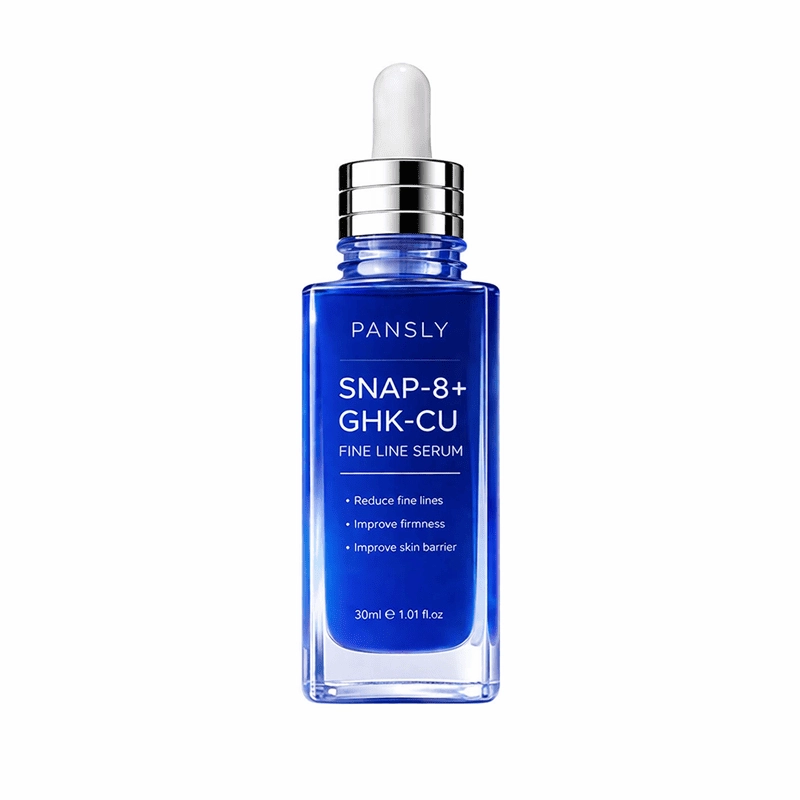
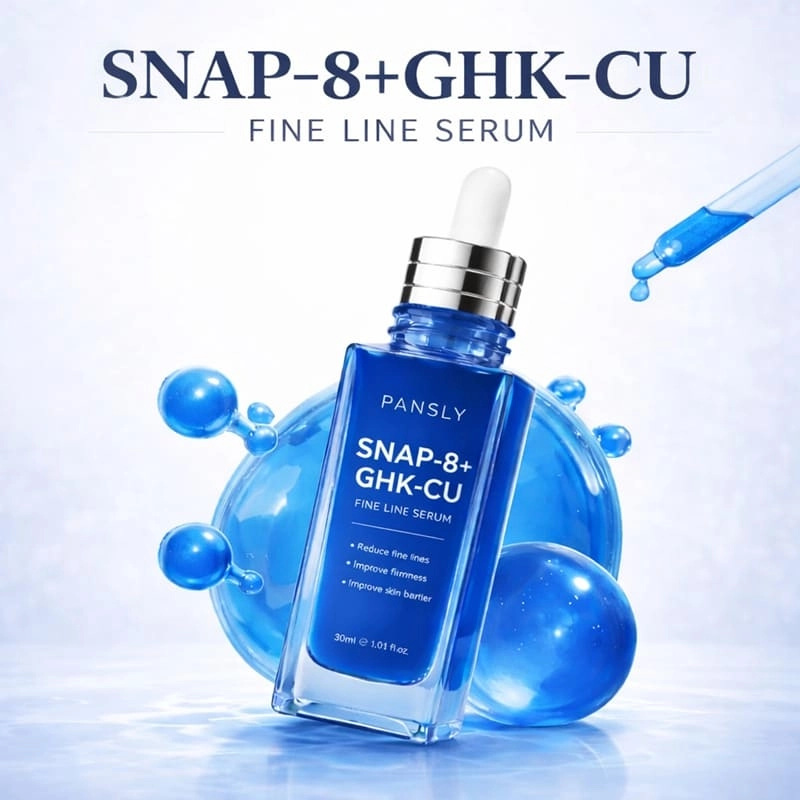
Private label GHK-Cu + SNAP-8 copper peptide serum for beauty brands developing peptide-led anti-aging and expression-line skincare. The formula combines a copper-peptide ingredient story with SNAP-8 positioning and can be discussed with custom texture, supporting skincare ingredients and packaging options.
Beyond Basix supports OEM/ODM sample development, packaging coordination and production planning. Final ingredient levels, claims, MOQ and lead time are confirmed according to the approved formula, target market and order requirements.
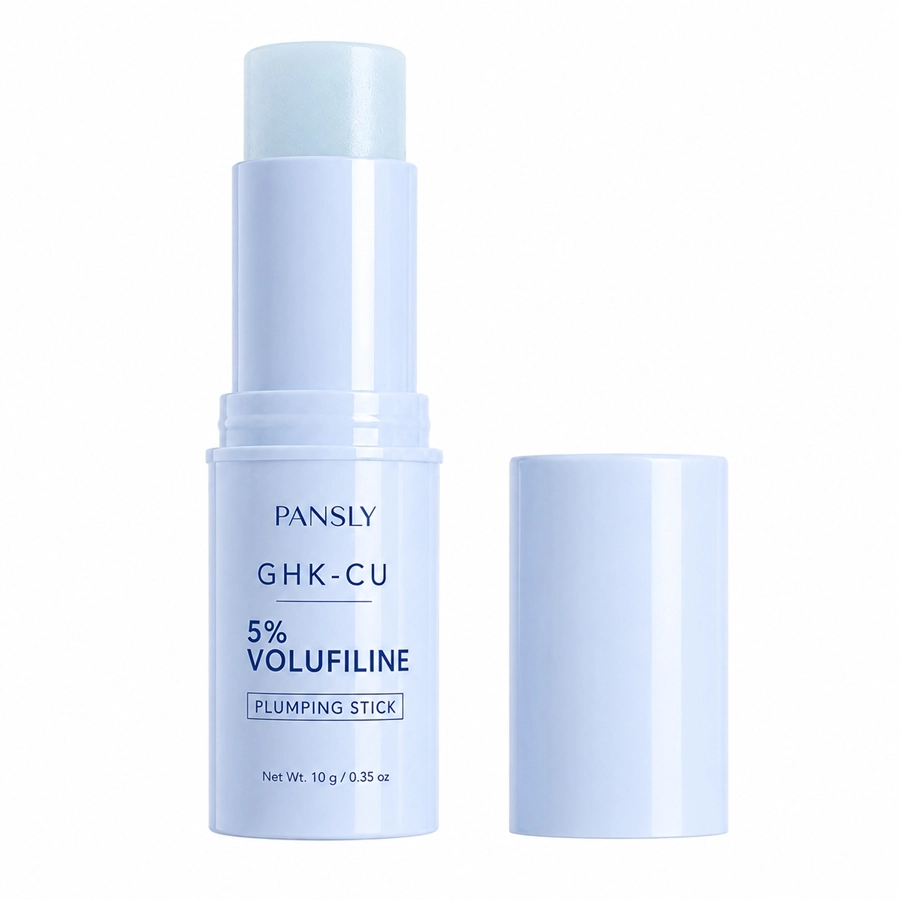
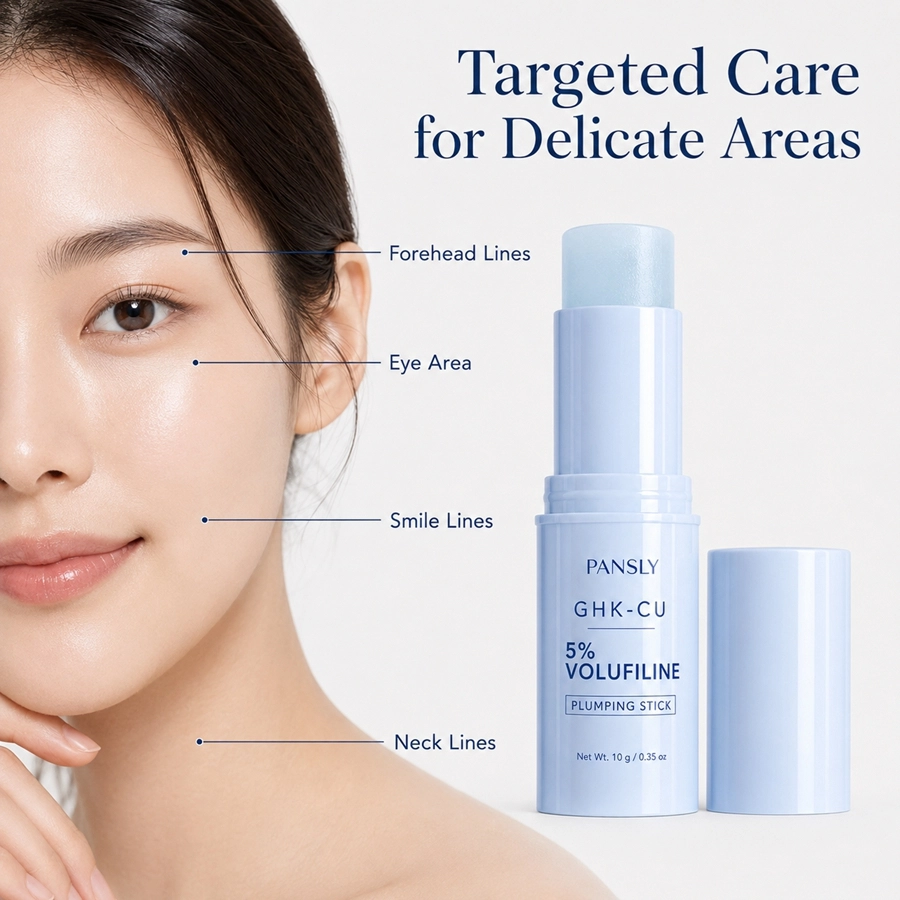
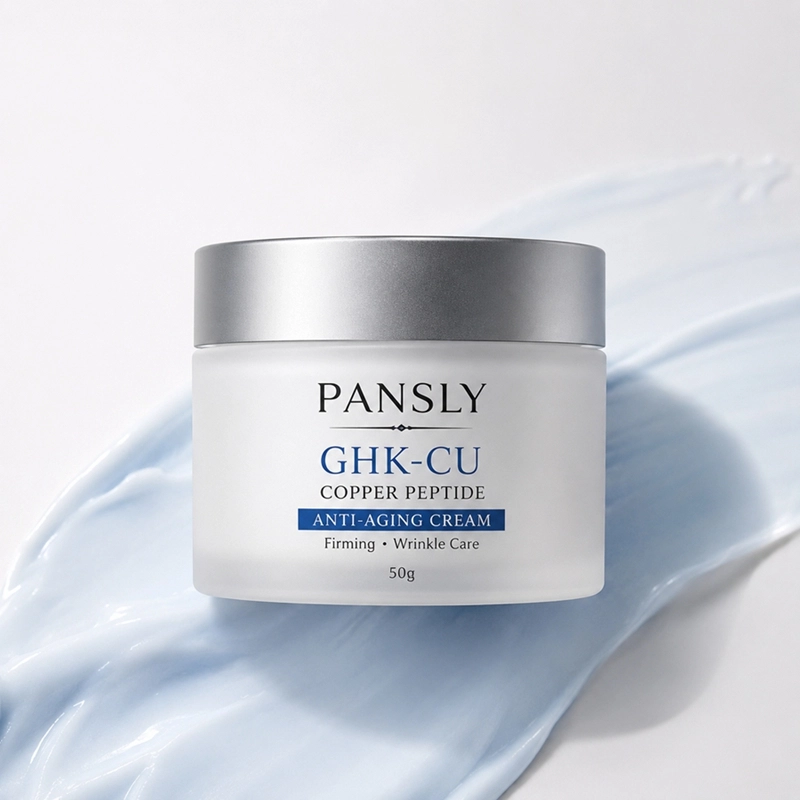
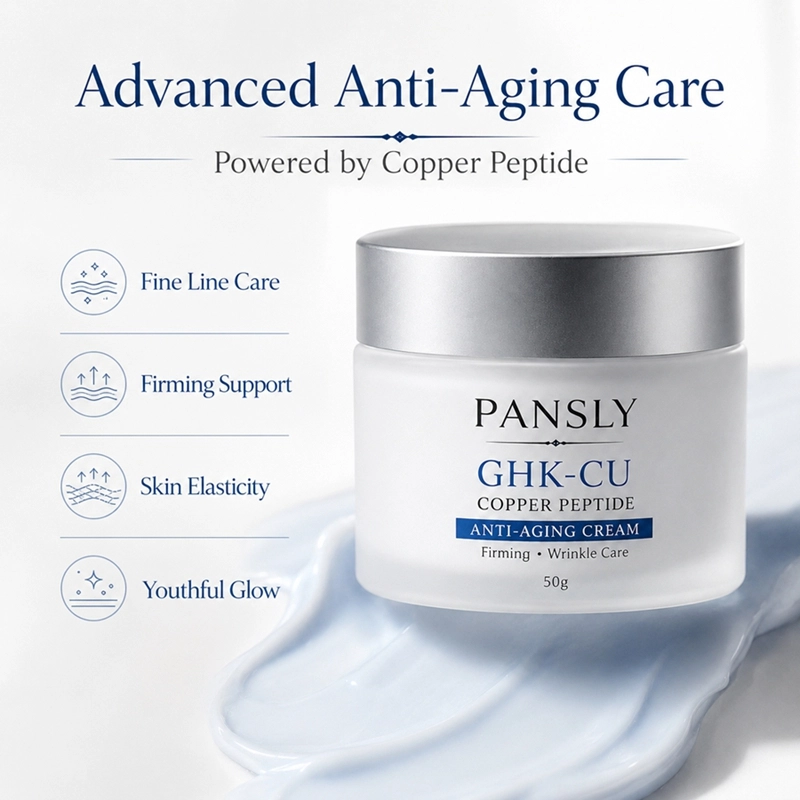
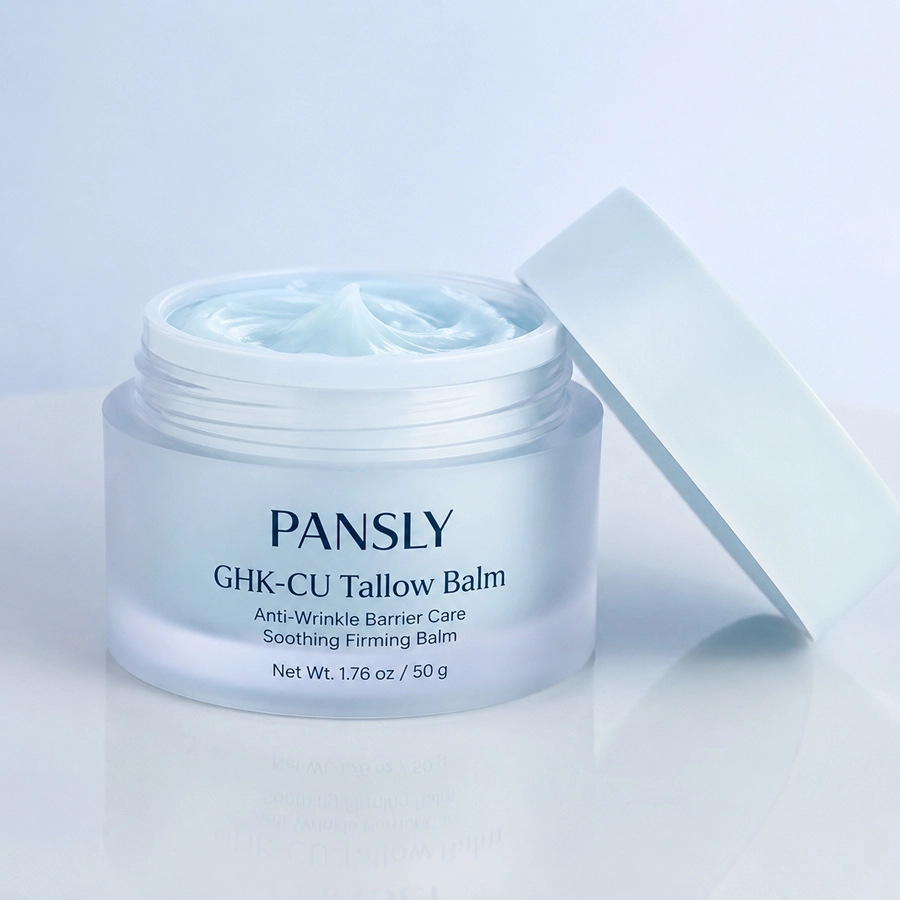
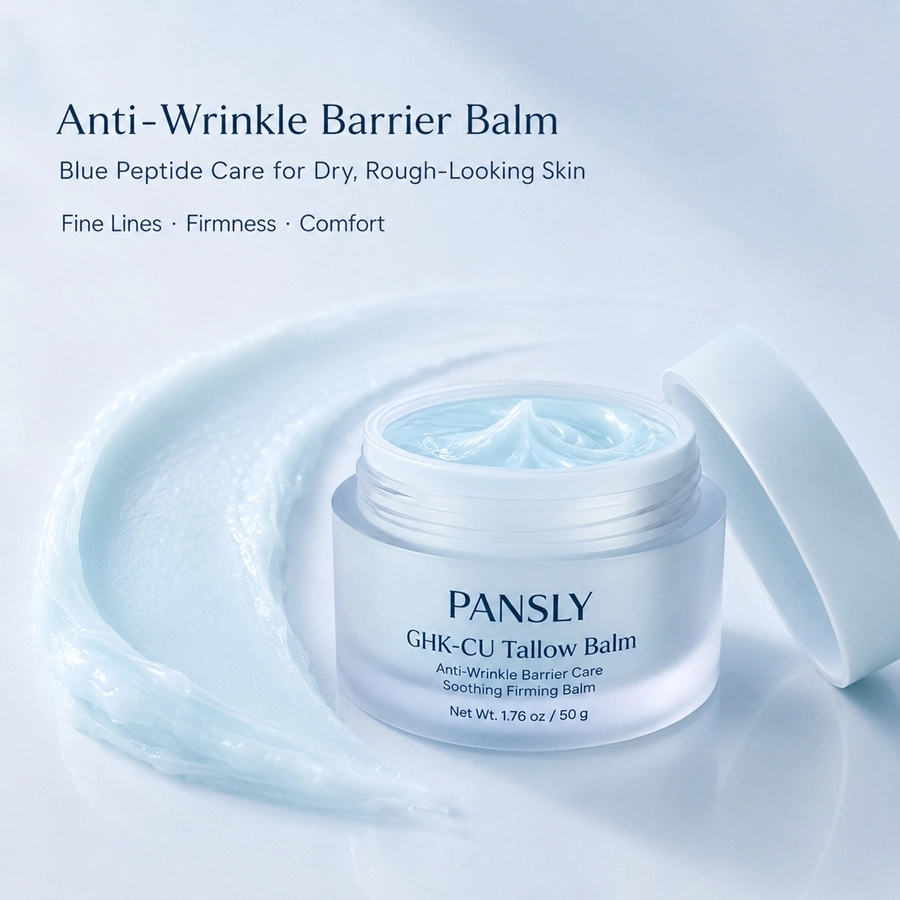
This Pansly GHK-CU + SNAP-8 Grass-Fed Tallow Anti-Wrinkle Barrier Balm is dual-peptide nourishing anti-wrinkle balm, specially developed for dry, rough textured skin, targeting fine lines, sagging contours and weakened skin barrier. Full OEM & ODM private label support is offered, including formula customization, packaging selection, fast sampling and bulk supply.
Five core premium active ingredients work synergistically for multi-dimensional skin care:
GHK-CU Copper Peptide lifts and firms loose skin to boost skin tightness and smooth fine lines;
SNAP-8 Peptide softens expression lines to reduce wrinkle visibility;
Grass-Fed Tallow delivers rich lipid nourishment to relieve persistent dry flaky rough skin;
Ceramide NP reconstructs skin moisture barrier to enhance skin comfort and resilience;
Squalane melts lightly into skin to provide silky long-lasting hydration.
Luxury rich light blue cushion balm texture glides smoothly and absorbs quickly without heavy greasy residue. Daily use improves dry rough texture, blurs dry fine lines, lifts saggy skin and stabilizes skin barrier, leaving skin soft, calm and smooth with healthy supple glow.
Get in Touch with us
If you have any comments or good suggestions, please leave us a message; later our professional staff will contact you as soon as possible.
Click here to customize the Beauty
we respond within a few hours
Monday–Friday, 9AM–6PM
3A01, Building A, Zhisheng Square, No. 4 Zhifu Road, Helong Street, Baiyun District, Guangzhou, China.


Leave a request, and we'll email you back within 24 hours.
© 2026 Beyond Basix. All Rights Reserved.
