
What Other Actives Pair Well With PDRN and NAD+ in Eye Care?
Quick Answer
Hyaluronic acid, panthenol, peptides, niacinamide, and caffeine can complement PDRN and NAD+ in eye-care formulas when their concentrations, pH, preservation system, and packaging are compatible. For pdrn nad+ eye patches, Beyond Basix can support ingredient selection, prototype development, and production planning. Final solutions depend on the project brief, stability results, regulatory claims, and site-specific manufacturing conditions.
How Beyond Basix Supports Projects
Guangzhou Beyond Basix Cosmetics Ltd. provides OEM/ODM skincare development, including ingredient-led formulation planning, sample coordination, production, and quality-control processes. Its 12,000-square-meter facility includes a 100,000-level GMPC pharmaceutical-grade dust-free workshop and 12 production lines, supporting structured scale-up for eye-care products.
Buyers should confirm the active format, target concentration range, patch dimensions, substrate or hydrogel preference, packaging barrier, intended market, and claim direction. MOQ, lead time, testing scope, and quotation must be confirmed for each project with Beyond Basix according to the finalized specification.
Discuss Your PDRN and NAD+ Eye Patch Project
Share your target market, consumer profile, desired claims, active preferences, patch material, dimensions, packaging format, and expected order volume so suitable formulation and sampling options can be assessed. Sample steps, compatibility testing, production planning, and documentation requirements can then be discussed. Start your project discussion at www.beyondbasixcosmetics.com or Lily@lanthome.com.
Deep-Dive FAQs
Which humectants support PDRN and NAD+ eye patch formulas?
Hyaluronic acid, glycerin, betaine, and panthenol are common humectant or water-binding choices for under-eye products. They can improve the hydration profile and sensory feel of a patch, but they do not automatically increase the biological activity of PDRN or NAD+. Molecular weight, grade, concentration, and the total dissolved-solids load influence viscosity, release, tack, and drying behavior. A formulation should also consider water activity, preservative performance, and the moisture balance between the serum and patch substrate. PDRN is a polynucleotide material, while NAD+ is a coenzyme with formulation-stability considerations; both should be evaluated in the finished system rather than assumed compatible from an ingredient list. Stability testing should examine appearance, odor, pH, viscosity or gel integrity, microbial status, and active-marker retention under appropriate storage conditions.
Can peptides be combined with PDRN and NAD+ safely?
Peptides can be included in the same eye-care concept, but compatibility depends on peptide identity and the formula environment. Copper peptides, signal peptides, carrier peptides, and enzyme-inhibitory peptides have different charge, solubility, pH, and chelation characteristics. A peptide that performs well in a leave-on serum may behave differently in a hydrogel or biocellulose patch because of water activity, ionic strength, and contact with the substrate. The development team should review the supplier's recommended pH range, preservative compatibility, temperature limits, and assay method. Avoid presenting a combined ingredient list as proof of synergistic efficacy; substantiation should match the finished product and its permitted cosmetic claims. Comparative prototypes can assess skin feel, color change, active recovery, and irritation potential before a bulk order is approved.
Does niacinamide improve these eye patch formulations?
Niacinamide may provide a useful supporting role in an eye patch because it is widely used in cosmetic products for barrier-support and tone-related claims, subject to local regulations and suitable substantiation. Its value is not that it activates PDRN or NAD+ directly. The formulator must control pH and assess the combined system for flushing, sting, odor, and color stability, particularly for sensitive periocular skin. Supplier grade and concentration also matter. A finished patch should be tested for preservative protection and active retention rather than relying on raw-material specifications. Marketing language should distinguish cosmetic moisturization or appearance benefits from medical or regenerative claims, since PDRN and NAD+ terminology can invite drug-like interpretations in some markets.
Why is caffeine useful beside PDRN and NAD+?
Caffeine is often selected for eye-care products aimed at the appearance of puffiness, largely because it is a familiar cosmetic active with a well-established formulation history. It should not be described as repairing DNA, restoring cellular NAD+, or proving a regenerative effect. Its performance depends on solubility, delivery from the patch, contact time, and the consumer's underlying cause of under-eye puffiness. The formula must also be screened for sting and dryness around the eyes. When combined with polynucleotides and NAD+, caffeine creates a multi-claim product concept, not automatically a synergistic one. Instrumental or consumer testing should evaluate the exact finished patch, while the product dossier should retain raw-material documentation, specifications, stability data, and substantiation for each market-specific claim.
Should retinol be included in regenerative eye patches?
Retinol can conflict with the positioning and tolerability goals of an eye patch designed for sensitive periocular use. It is light- and oxygen-sensitive, may require protective packaging, and can cause dryness or irritation, especially when contact time is prolonged under an occlusive patch. Its regulatory status and allowable claims also vary by market. If a brand wants a retinoid-related concept, the team should compare the intended derivative, dosage, packaging barrier, exposure time, and irritation-control strategy with gentler alternatives. Do not assume that combining retinol with PDRN and NAD+ creates a stronger regenerative formula. Separate prototypes may be more practical: one focused on hydration and comfort, another on retinoid use with appropriate directions and testing. Compatibility, photostability, and user safety should be assessed in the final package.
How should brands validate active compatibility before mass production?
Validation should begin with a written product brief covering the target market, claims, active specifications, patch substrate, packaging, and expected use conditions. Laboratory screening can compare pH, viscosity, color, odor, gel strength, moisture loss, microbial protection, and active-marker recovery over time. Packaging compatibility is important because oxygen, light, moisture exchange, and material adsorption can affect sensitive ingredients. For PDRN and NAD+, the analytical method must be suitable for the selected raw materials and finished matrix; a simple visual inspection cannot confirm chemical retention. Pilot batches help reveal filling, cutting, serum distribution, sealing, and transport issues that bench samples may miss. Before scale-up, agree on acceptance criteria, sampling points, documentation, claim substantiation, MOQ, lead time, and change-control responsibilities with the OEM/ODM supplier.
Related Articles for Private Label Cosmetics

Why Two Mineral Sunscreens With the Same SPF Can Feel Completely Different

Beyond Ordinary Tallow Balm: How GHK-Cu and SNAP-8 Create a Different Skincare Story

When Blue Copper Peptides Meet Beef Tallow: A New Direction for Premium Skincare

PDRN Toner Pads vs GHK-Cu + SNAP-8 Peptide Toner Pads: Private Label Manufacturing Decisions
You May Also Like
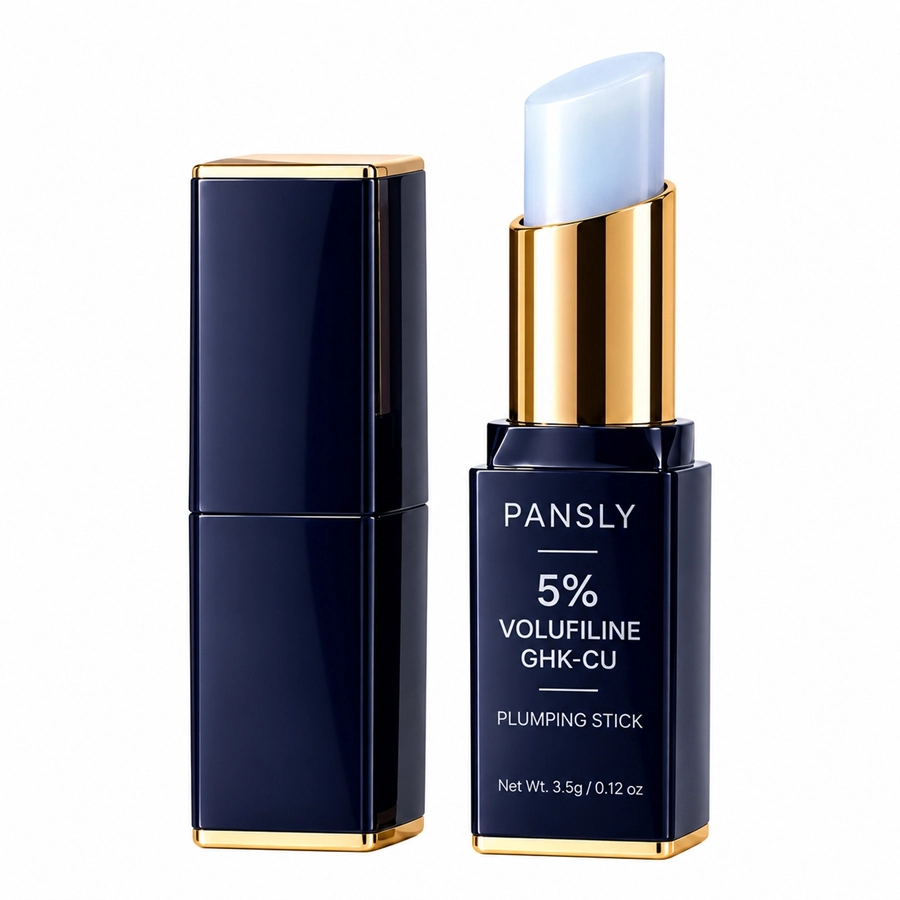
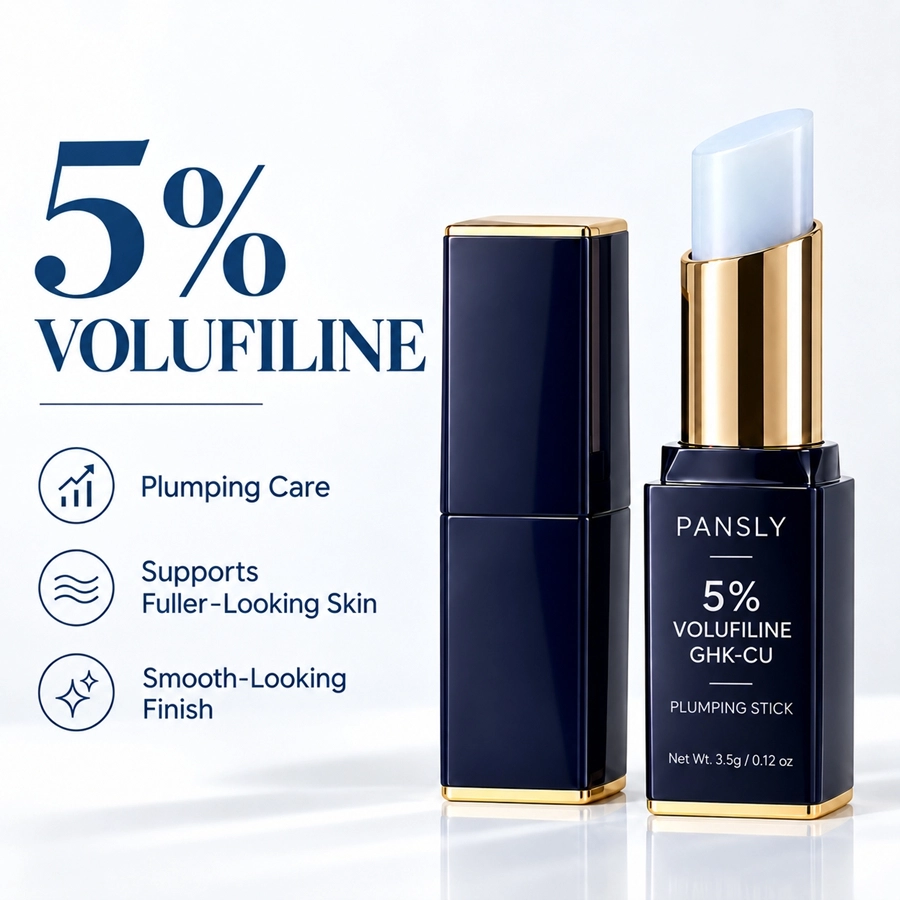
The Volufiline Plumping Stick contains 5% Volufiline in a portable balm for targeted facial care. Apply the Volufiline Lip Plumping Balm Stick to moisturize lips and dry areas, or use the Volufiline Anti Wrinkle Multi Balm to help skin feel smooth and hydrated.
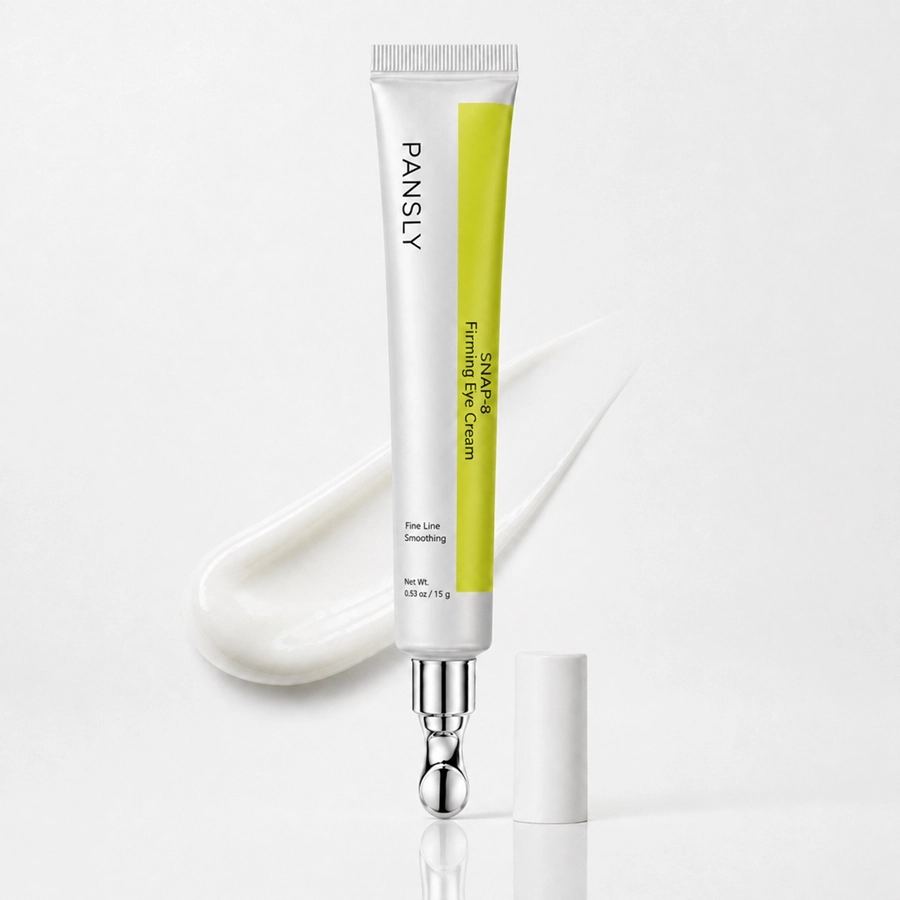
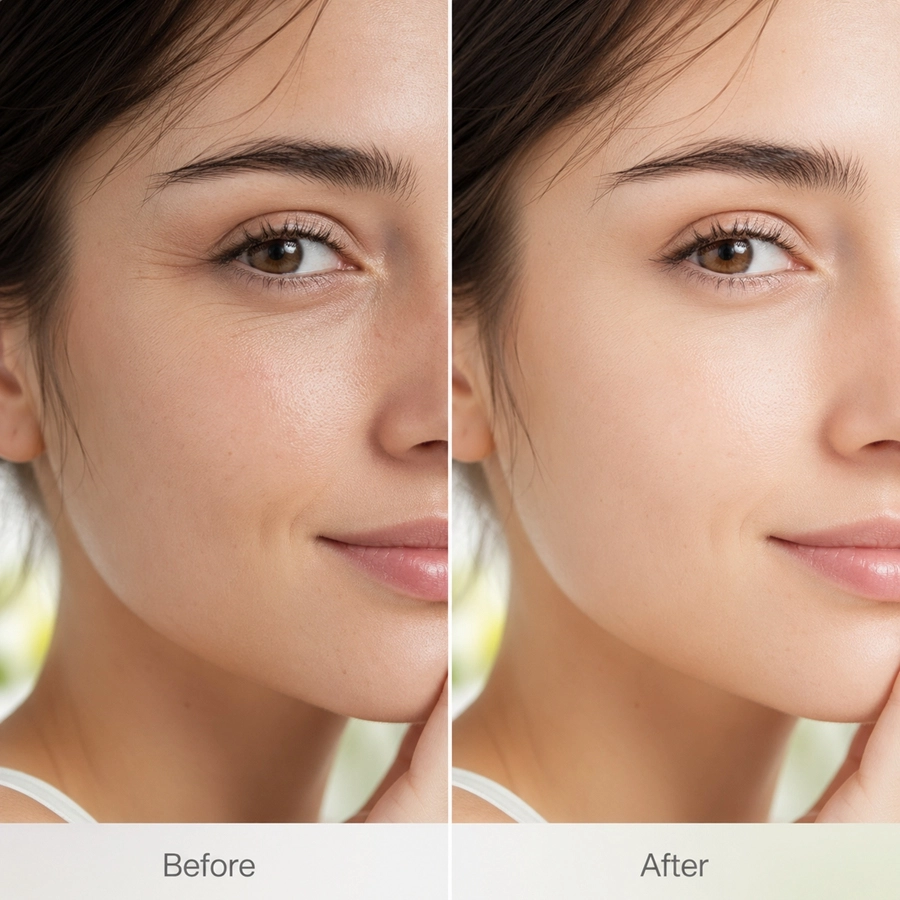
This Pansly SNAP-8 Firming Eye Cream is lightweight massage roller eye cream dedicated to smoothing eye fine lines, lifting saggy eye skin and refreshing tired puffy eyes.
It adopts 4-in-1 peptide eye care complex: SNAP-8 visibly smooths crow’s feet and under-eye fine lines; Caffeine eliminates eye puffiness and awakens dull tired eye area; Peptide Complex lifts loose eye skin to tighten eye contour; Hyaluronic Acid delivers lightweight lasting hydration to nourish dry eye skin.
Comes with built-in metal massage roller for comfortable massage application. Silky lightweight cream texture glides smoothly without heavy greasiness. Daily eye care softens fine lines, firms saggy eye skin, relieves eye fatigue and maintains plump smooth youthful eye area.
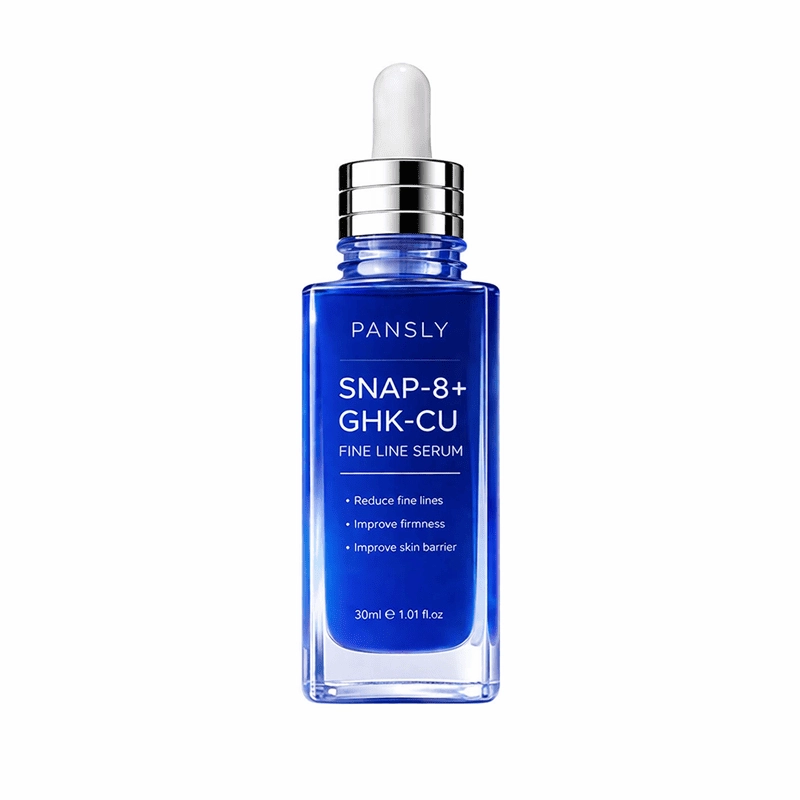
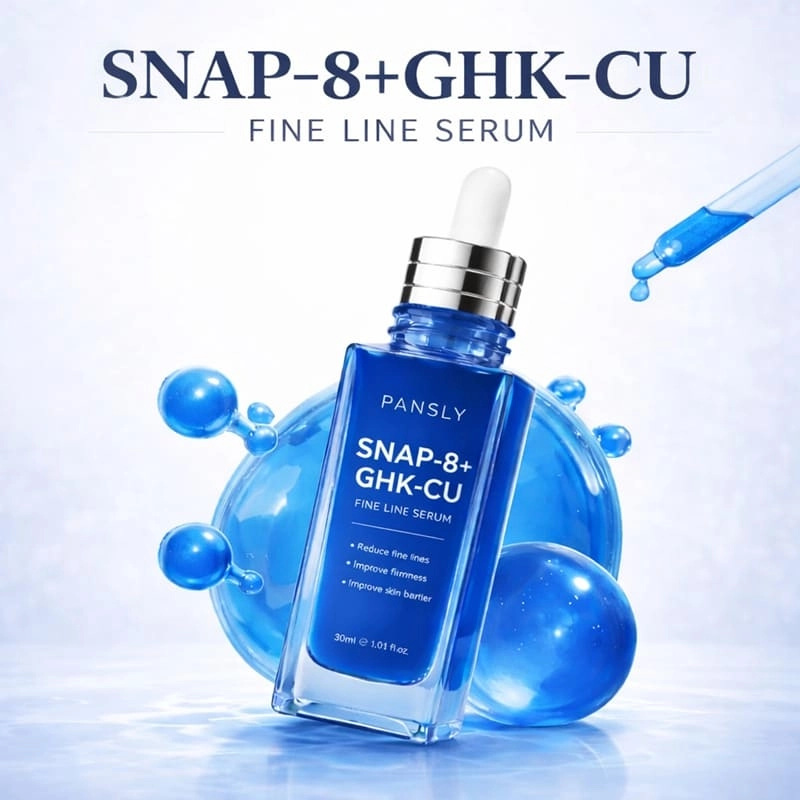
Private label GHK-Cu + SNAP-8 copper peptide serum for beauty brands developing peptide-led anti-aging and expression-line skincare. The formula combines a copper-peptide ingredient story with SNAP-8 positioning and can be discussed with custom texture, supporting skincare ingredients and packaging options.
Beyond Basix supports OEM/ODM sample development, packaging coordination and production planning. Final ingredient levels, claims, MOQ and lead time are confirmed according to the approved formula, target market and order requirements.
Get in Touch with us
If you have any comments or good suggestions, please leave us a message; later our professional staff will contact you as soon as possible.
Click here to customize the Beauty
we respond within a few hours
Monday–Friday, 9AM–6PM
3A01, Building A, Zhisheng Square, No. 4 Zhifu Road, Helong Street, Baiyun District, Guangzhou, China.


Leave a request, and we'll email you back within 24 hours.
© 2026 Beyond Basix. All Rights Reserved.
