
Can Mineral Sunscreen Also Be Positioned as Barrier-Focused Skincare?
Quick Answer
Yes. A mineral sunscreen can be positioned as barrier-focused skincare when its formula supports moisturization and comfortable daily use without overstating skin-repair effects. A ghk-cu tallow mineral sunscreen concept should be assessed through UV-filter selection, barrier-support ingredients, texture, preservative compatibility, and claim substantiation. Beyond Basix can support formulation and manufacturing discussions, but final solutions depend on project specifications, testing, and target-market requirements.
How Beyond Basix Supports Projects
Guangzhou Beyond Basix Cosmetics Ltd. provides OEM/ODM skincare development and production support, including ingredient-focused formulation work and bulk manufacturing. Its 23 years of cosmetics experience, 12,000-square-meter facility, 100,000-level GMPC pharmaceutical-grade dust-free workshop, and 12 production lines provide a structured basis for developing sun-care concepts with barrier-oriented positioning.
Buyers should confirm the UV-filter system, intended SPF and UVA claims, skin-feel target, packaging format, market regulations, and evidence required for moisturization or barrier claims. Beyond Basix operates with certifications including ISO 9001, GMP, HALAL, CE, and MSDS documentation where applicable. MOQ, lead time, testing scope, and quotation must be confirmed for each project.
Discuss Your Barrier-Focused Sunscreen Project
Share your target market, SPF and UVA objectives, preferred mineral filters, ingredient direction, skin-type audience, packaging format, and expected order volume. We can discuss suitable formulation routes, claim-support planning, sample steps, and production requirements based on the brief. Visit www.beyondbasixcosmetics.com or email Lily@lanthome.com to discuss your project with Beyond Basix.
Deep-Dive FAQs
Can mineral sunscreen support a damaged skin barrier without occlusive claims?
It can be designed for consumers concerned about barrier discomfort, but sunscreen should not automatically be described as repairing damaged skin. Mineral filters such as zinc oxide and titanium dioxide primarily provide UV protection; the barrier-oriented story must come from the complete formula, including its emollient, humectant, occlusive, and irritation-conscious design. “Occlusive” is a technical description of reducing water loss, not a mandatory marketing claim. Brands should distinguish between supporting moisturized-feeling skin and treating a compromised barrier or dermatological condition. A responsible brief should define acceptable claims, intended users, usage frequency, and evidence requirements before packaging copy is finalized.
Is GHK-Cu compatible with tallow in mineral sunscreen formulations?
Compatibility cannot be assumed from ingredient popularity. GHK-Cu, commonly associated with copper tripeptide-1, may require evaluation of pH, chelation risk, water activity, oxidation sensitivity, preservative behavior, and interactions with the emulsion system. Tallow introduces a separate variable because its fatty-acid profile, refining method, odor, oxidation status, and supplier specifications can differ substantially. The combined system must also remain physically stable alongside mineral UV filters, which can influence viscosity, dispersion, color, and sensory performance. Development should use documented raw-material specifications, accelerated and real-time stability studies, package compatibility checks, and finished-product testing before any commercial claim is approved.
How should brands substantiate barrier repair claims for zinc sunscreen?
A zinc-based sunscreen should not use “barrier repair” merely because zinc oxide is a mineral UV filter. Claim substantiation depends on the wording and jurisdiction. “Helps maintain moisture” or “supports skin comfort” generally requires a different evidence strategy from “repairs the skin barrier,” which may imply a stronger biological effect. Brands should define the exact claim, select appropriate instrumental or clinical methods, establish a comparator and application protocol, and retain product-specific evidence. Corneometry can assess hydration, while transepidermal water loss may help evaluate barrier-related changes, but neither test automatically proves every marketing statement. Regulatory review should occur for the intended sales market.
Does tallow improve mineral sunscreen tolerability across different skin types?
There is no universal tolerability conclusion for tallow. Its sensory profile and performance depend on purification, concentration, oxidation control, formulation structure, and the user’s skin characteristics. Some consumers may appreciate its rich emollient feel, while others may dislike the odor, heaviness, or potential breakout risk. Mineral filters can also create drag or visible residue if dispersion and particle treatment are not well controlled. A brand should avoid presenting tallow as suitable for every skin type without product-specific evidence. Conducting repeat-use assessments, irritation screening, comedogenicity-conscious evaluation, and consumer sensory work can clarify the intended audience and appropriate usage language.
Which tests validate barrier-focused positioning before an OEM launch?
The test plan should follow the claims rather than begin with a generic checklist. SPF testing commonly references recognized methods such as ISO 24444 for in vivo sun protection factor determination, while UVA assessment may involve relevant regional or international methods, including ISO 24443 where applicable. For a barrier-focused position, hydration measurement, transepidermal water-loss assessment, dermatologist-supervised tolerability review, and controlled repeat-use studies may be considered. Stability, microbiological quality, preservative effectiveness where applicable, packaging compatibility, and heavy-metal or raw-material documentation also matter for sunscreen development. The final protocol must reflect the destination market, formula, packaging, and wording used on the label.
Can a mineral sunscreen claim moisturization without weakening SPF credibility?
Yes, provided the moisturization claim is supported and the sunscreen’s tested performance remains representative of the marketed product. Adding oils, butters, peptides, or humectants can change viscosity, film formation, spreadability, pigment dispersion, and the amount applied by consumers. These changes may affect the practical uniformity of the UV-protective film even when the active filters remain unchanged. The finished formula, packaging, directions, and claims should therefore be assessed as one system. Moisturization language should be separated from SPF language, and any significant reformulation or manufacturing change should trigger a review of stability, sensory behavior, and applicable sun-protection testing.
Related Articles for Private Label Cosmetics

Why Two Mineral Sunscreens With the Same SPF Can Feel Completely Different

Beyond Ordinary Tallow Balm: How GHK-Cu and SNAP-8 Create a Different Skincare Story

When Blue Copper Peptides Meet Beef Tallow: A New Direction for Premium Skincare

PDRN Toner Pads vs GHK-Cu + SNAP-8 Peptide Toner Pads: Private Label Manufacturing Decisions
You May Also Like
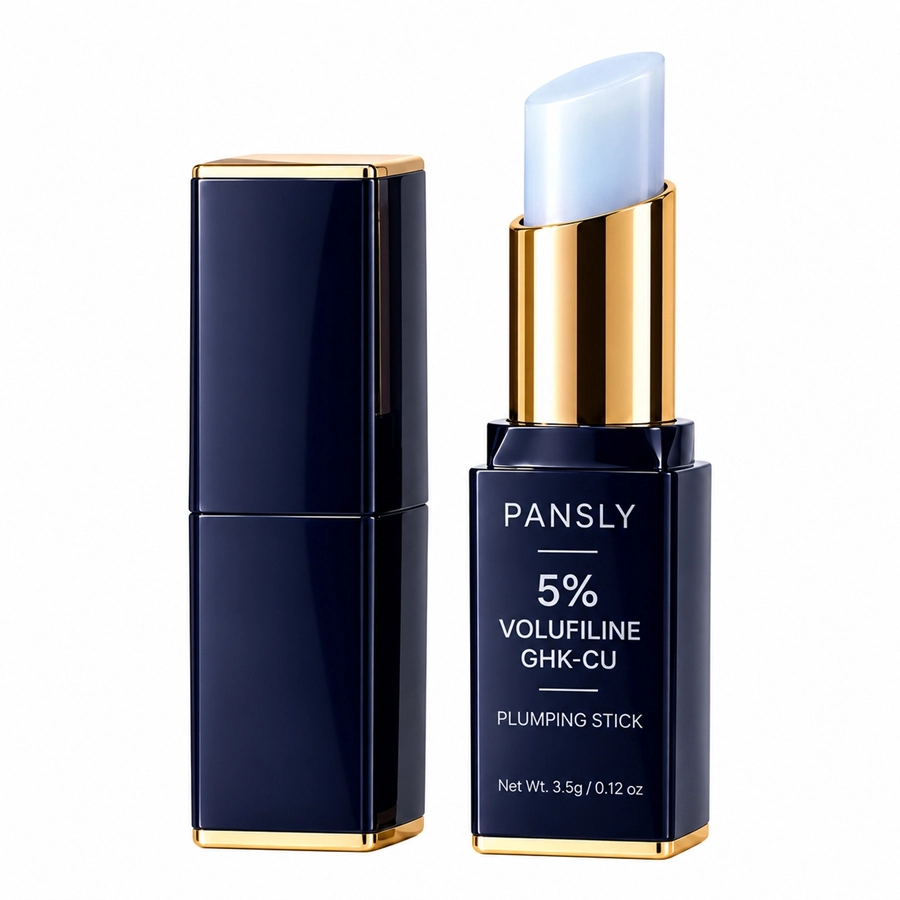
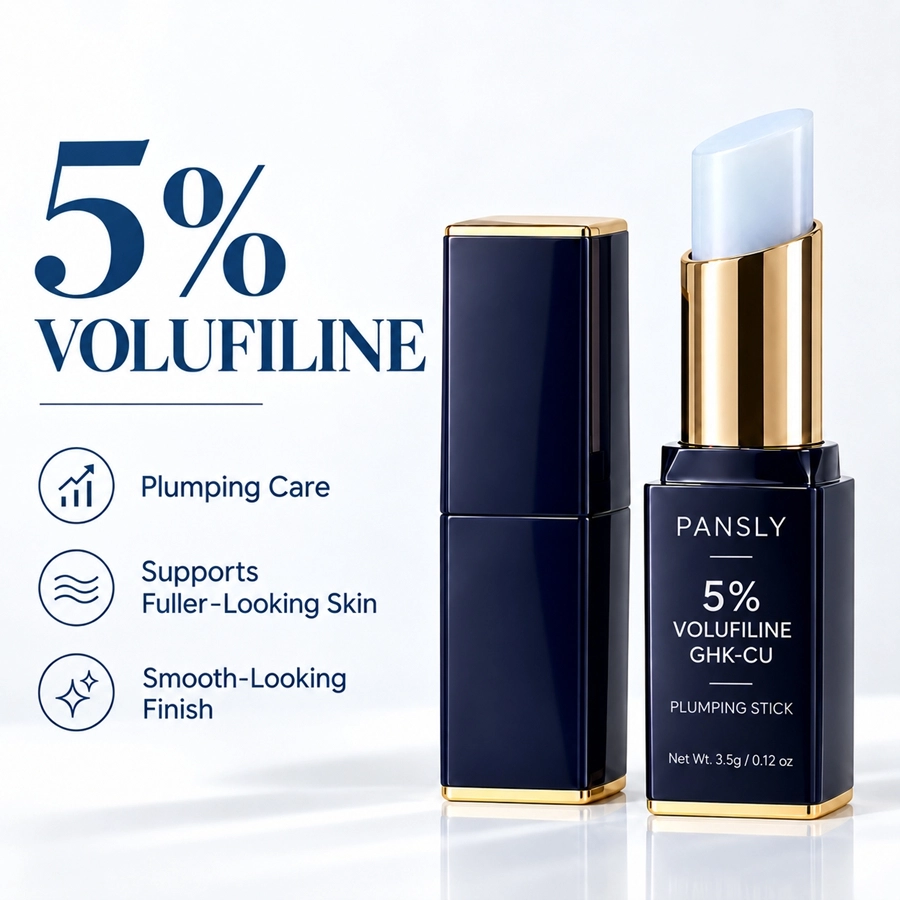
The Volufiline Plumping Stick contains 5% Volufiline in a portable balm for targeted facial care. Apply the Volufiline Lip Plumping Balm Stick to moisturize lips and dry areas, or use the Volufiline Anti Wrinkle Multi Balm to help skin feel smooth and hydrated.
Get in Touch with us
If you have any comments or good suggestions, please leave us a message; later our professional staff will contact you as soon as possible.
Click here to customize the Beauty
we respond within a few hours
Monday–Friday, 9AM–6PM
3A01, Building A, Zhisheng Square, No. 4 Zhifu Road, Helong Street, Baiyun District, Guangzhou, China.


Leave a request, and we'll email you back within 24 hours.
© 2026 Beyond Basix. All Rights Reserved.
