
Can a Mineral Sunscreen Also Function as a Moisturizing Skincare Product?
- Quick Answer
- How Beyond Basix Supports Projects
- Discuss Your Moisturizing Mineral Sunscreen Project
- Deep-Dive FAQs
- Can mineral sunscreen replace moisturizer in a private label product?
- Which humectants improve hydration without destabilizing mineral UV filters?
- How should brands test moisturization claims for mineral sunscreen formulas?
- Why does zinc oxide sunscreen sometimes feel dry or chalky?
- What packaging protects a moisturizing mineral sunscreen from separation?
- How do OEM buyers compare SPF, hydration, and sensory performance?
Quick Answer
Yes, a mineral sunscreen can also moisturize when its formula combines zinc oxide or titanium dioxide with compatible humectants, emollients, and film-forming agents. A private label mineral sunscreen should be evaluated through filter dispersion, skin feel, stability, SPF/UVA testing, and moisturizing-claim evidence. Beyond Basix can discuss suitable OEM/ODM directions, but the final solution depends on the project brief, target market, and required testing.
How Beyond Basix Supports Projects
Guangzhou Beyond Basix Cosmetics Ltd. supports skincare OEM/ODM development through more than 23 years of manufacturing experience, 12 years focused on effective-ingredient skincare development, and a 12,000-square-meter facility. Its capabilities include product development coordination, production across 12 lines, and manufacturing in a 100,000-level GMPC pharmaceutical-grade dust-free workshop.
For a moisturizing sun-care concept, buyers should confirm the UV-filter system, target SPF and UVA requirements, skin-feel preference, intended claims, packaging format, and target-market regulations. Relevant quality documentation may include ISO 9001, GMP, MSDS, HALAL, and other applicable project documents. MOQ, lead time, testing scope, and quotation must be confirmed for each project.
Discuss Your Moisturizing Mineral Sunscreen Project
Share your target market, desired SPF/UVA positioning, skin type, finish, preferred packaging, expected order volume, and claim requirements so the development direction can be assessed. Suitable formula options, sample steps, testing needs, and production planning can then be discussed. Visit www.beyondbasixcosmetics.com or email Lily@lanthome.com to begin a project-specific discussion.
Deep-Dive FAQs
Can mineral sunscreen replace moisturizer in a private label product?
It can, but replacement depends on the formula and the user’s skin condition rather than on the mineral filter itself. Zinc oxide and titanium dioxide provide UV protection; they do not automatically supply sufficient water-binding or barrier-supporting performance. A daily product may combine humectants such as glycerin with emollients and an appropriate occlusive phase to reduce dryness and improve after-feel.
For normal or oily skin, a well-balanced sunscreen emulsion may provide enough hydration as a single morning step. Dry, sensitive, or compromised skin may still require a separate moisturizer, especially in low-humidity environments. Product positioning should therefore avoid implying universal moisturizer replacement unless consumer-use testing supports that claim. The formula must also maintain uniform filter distribution, acceptable rub-in, and stable viscosity throughout its shelf life.
Which humectants improve hydration without destabilizing mineral UV filters?
Glycerin, propanediol, and panthenol are common starting points because they attract or retain water and can be incorporated into many aqueous skincare systems. However, there is no universally ideal humectant level. Excessive humectant may create tackiness, pilling, or an uncomfortable finish, while the water phase can affect preservation, viscosity, and emulsion behavior.
Mineral filters are solid particles that must remain well dispersed. Development should therefore assess the interaction between humectants, dispersants, rheology modifiers, oils, and film formers rather than selecting ingredients independently. Stability studies should examine appearance, odor, pH where relevant, viscosity, centrifugation or other applicable stress conditions, and filter distribution. Pilot batches are more informative than relying on a raw-material list alone.
How should brands test moisturization claims for mineral sunscreen formulas?
SPF testing demonstrates a sun-protection performance outcome; it does not, by itself, substantiate a moisturizing claim. Brands should define the intended wording first, because claims such as hydrates, moisturizes, supports the skin barrier, or provides long-lasting hydration can require different evidence depending on the market.
Useful substantiation may combine controlled instrumental measurements, such as corneometry for changes in skin hydration and transepidermal water-loss assessment for barrier-related observations, with standardized consumer-use feedback. The test design should specify the comparator, application amount, assessment time points, participant criteria, and statistical interpretation. SPF and broad-spectrum or UVA testing must separately follow the requirements applicable to the sales region; in the United States, sunscreen testing and labeling are governed by FDA rules, while other markets may use different frameworks.
Why does zinc oxide sunscreen sometimes feel dry or chalky?
Dryness and chalkiness usually arise from the total formulation system, not simply from choosing zinc oxide. High mineral solids, insufficiently compatible emollients, rapid water loss after application, poor particle wetting, or an unsuitable rheology profile can produce drag and a powdery finish. Visible whitening can also increase with the amount and optical behavior of the mineral dispersion, particularly on deeper skin tones.
Developers can investigate particle dispersion, oil-phase selection, film-former level, powder suspension, and application spread. Sensory evaluation should include rub-in time, tack, pilling, residue, shine, and color cast across representative skin tones. A smoother feel may require a different balance of emollients or surface-treatment technology, but every adjustment must be checked against SPF uniformity, stability, regulatory acceptability, and the intended claim set.
What packaging protects a moisturizing mineral sunscreen from separation?
Packaging can support product protection, but it cannot correct an unstable emulsion or poorly dispersed mineral system. Tubes, pumps, and airless formats may help control dispensing and reduce repeated exposure to air or contamination, while opaque or light-protective packaging can be considered when the formula or components are sensitive to light. Compatibility testing is essential because oils, solvents, pigments, and preservatives can interact with plastics, seals, or closures.
Packaging selection should include container-closure compatibility, leakage, torque or actuation performance, transport simulation, fill accuracy, and consumer dispensing behavior. The formula should also be monitored through accelerated and real-time stability programs using the intended final package. A separation issue observed during storage may require reformulation of emulsifiers, rheology, or dispersion before a packaging change is considered.
How do OEM buyers compare SPF, hydration, and sensory performance?
These are separate performance dimensions and should not be reduced to one headline number. SPF relates primarily to measured erythemal protection under a defined test method. UVA or broad-spectrum positioning requires additional market-specific evidence. Hydration should be assessed through a defined claim protocol, while sensory performance should be compared using consistent application amount, drying time, panel conditions, and skin-tone representation.
OEM buyers should request a structured development brief covering target market, filter approach, SPF/UVA objective, finish, skin types, fragrance preference, packaging, MOQ, and acceptable cost range. Sample comparisons should record spreadability, whitening, pilling, tack, residue, hydration perception, and wear under makeup where relevant. The strongest selection is the formula that meets the regulatory and stability requirements while delivering a credible user experience at the planned cost, rather than the one with the most attractive preliminary claim.
Related Articles for Private Label Cosmetics

Why Two Mineral Sunscreens With the Same SPF Can Feel Completely Different

Beyond Ordinary Tallow Balm: How GHK-Cu and SNAP-8 Create a Different Skincare Story

When Blue Copper Peptides Meet Beef Tallow: A New Direction for Premium Skincare

PDRN Toner Pads vs GHK-Cu + SNAP-8 Peptide Toner Pads: Private Label Manufacturing Decisions
You May Also Like
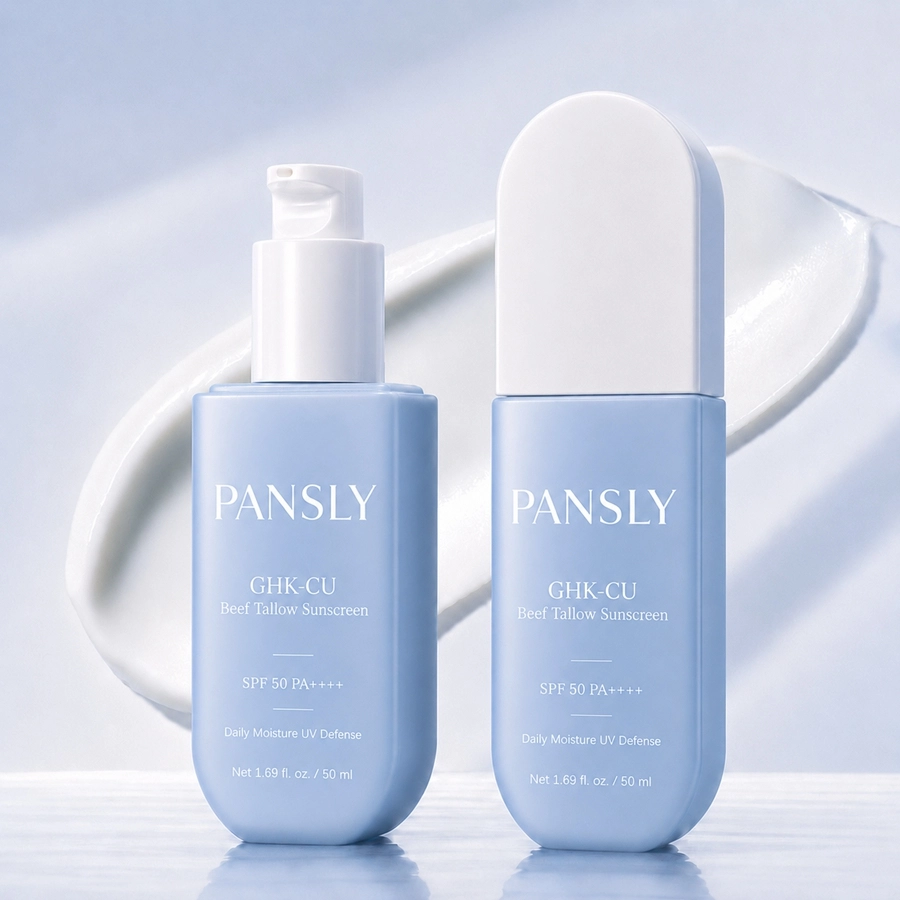
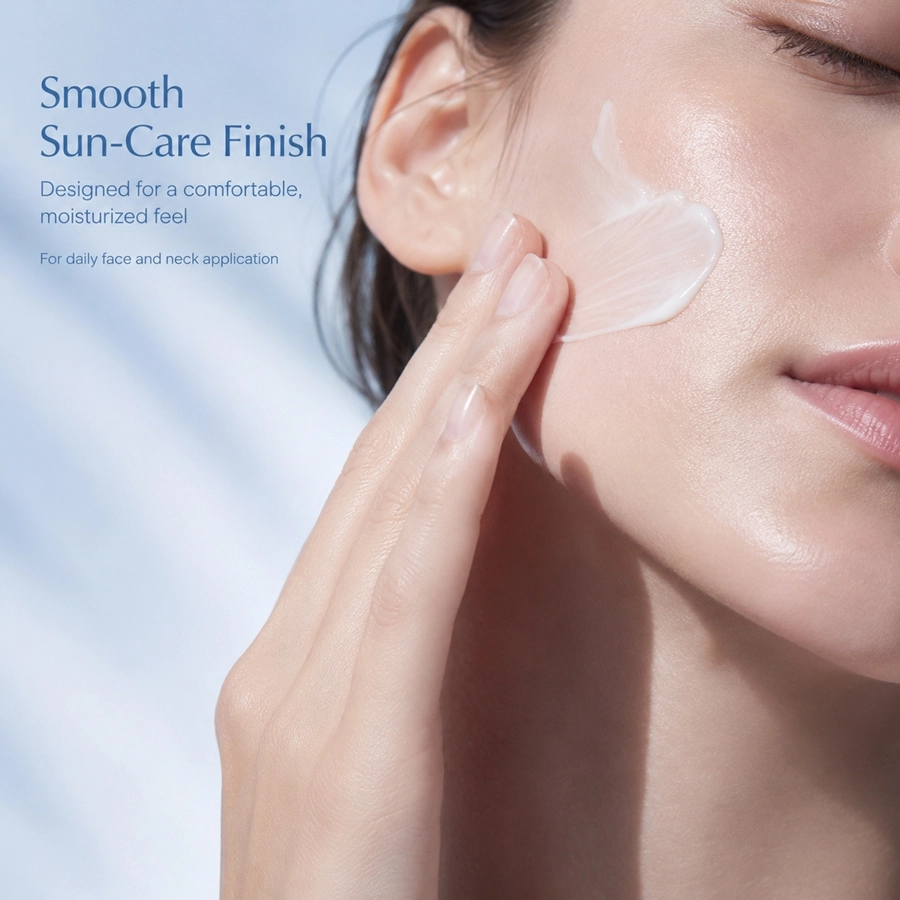
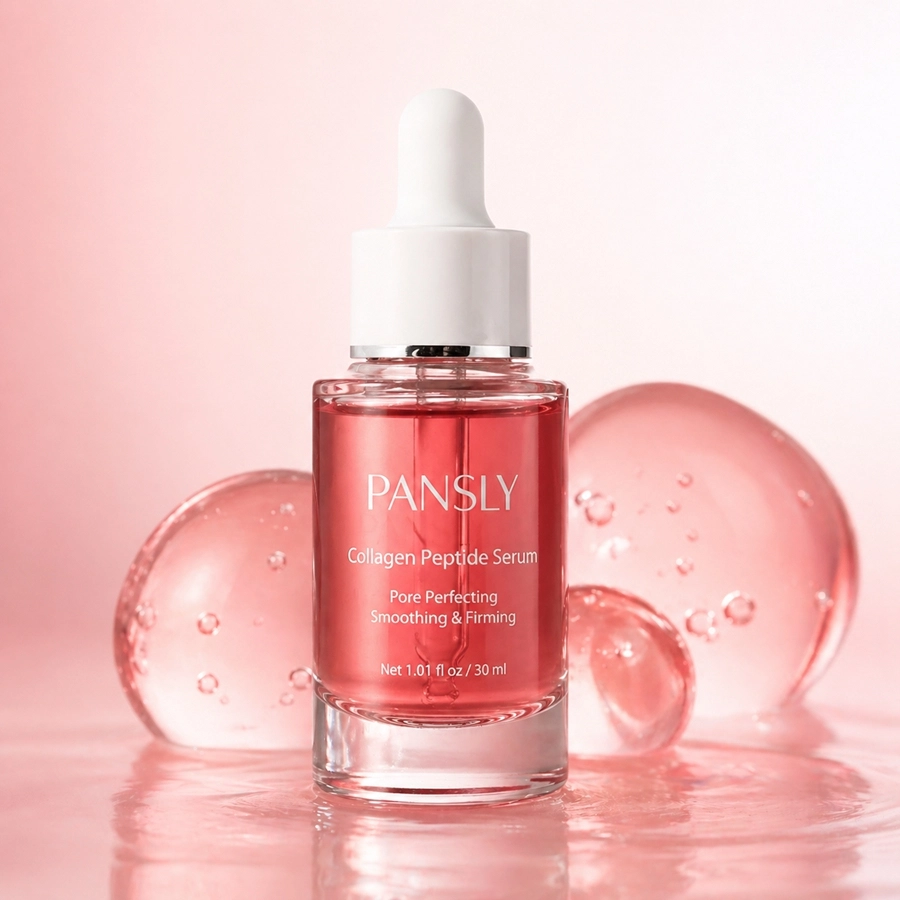
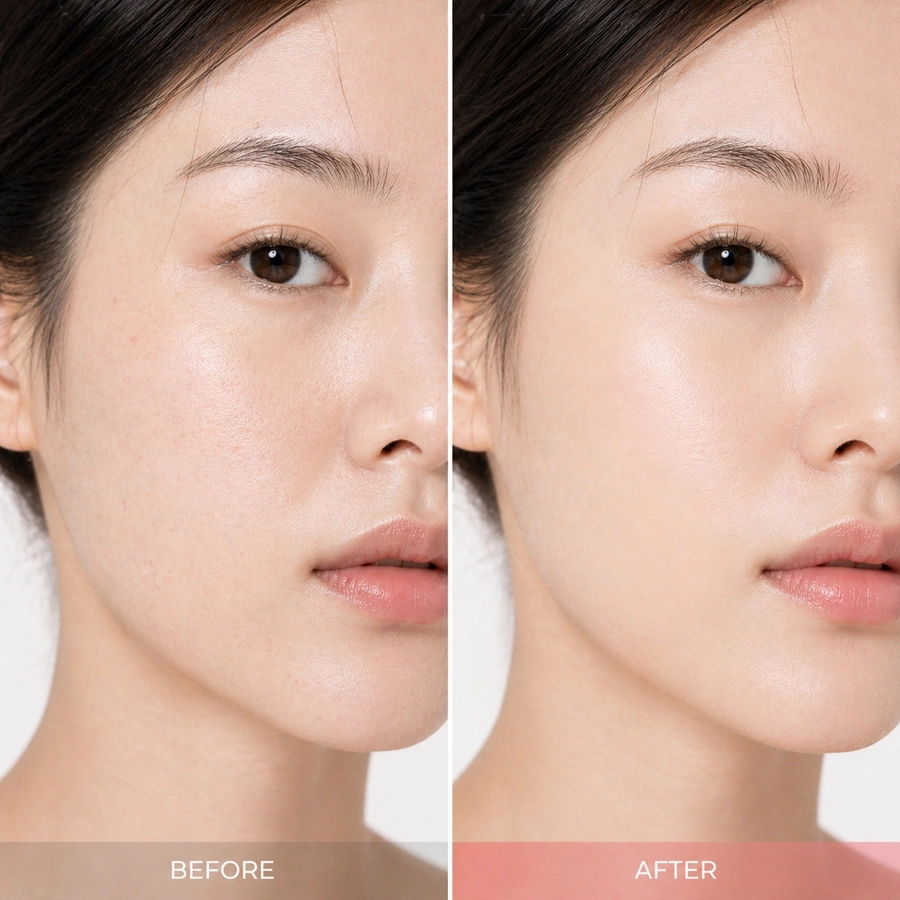
This Pansly Collagen Peptide Pore Perfecting Serum is lightweight multi-effect facial essence, designed to refine enlarged pores, boost skin firmness and deliver long-lasting hydration.
Four premium active ingredients work synergistically to renew skin texture:
Collagen Peptide supports skin firmness, lifts saggy dull complexion;
Hyaluronic Acid delivers deep multi-layer hydration to relieve dryness;
Niacinamide refines pores and evens uneven skin tone;
Panthenol soothes and repairs vulnerable skin barrier.
It adopts lightweight pink serum texture, quickly penetrates deep into skin, non-sticky and comfortable after absorption. Daily use minimizes visible pores, smooths rough texture, firms skin and maintains plump, soft, radiant complexion. OEM & ODM private label service is available, including formula customization and packaging options.
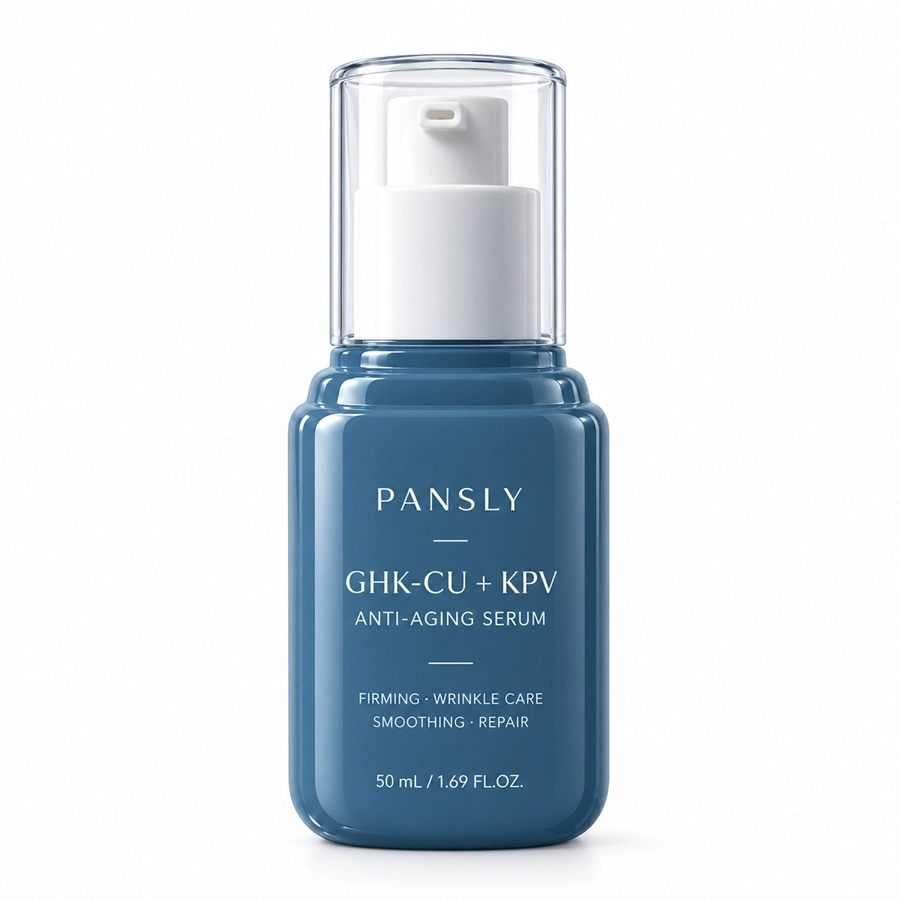
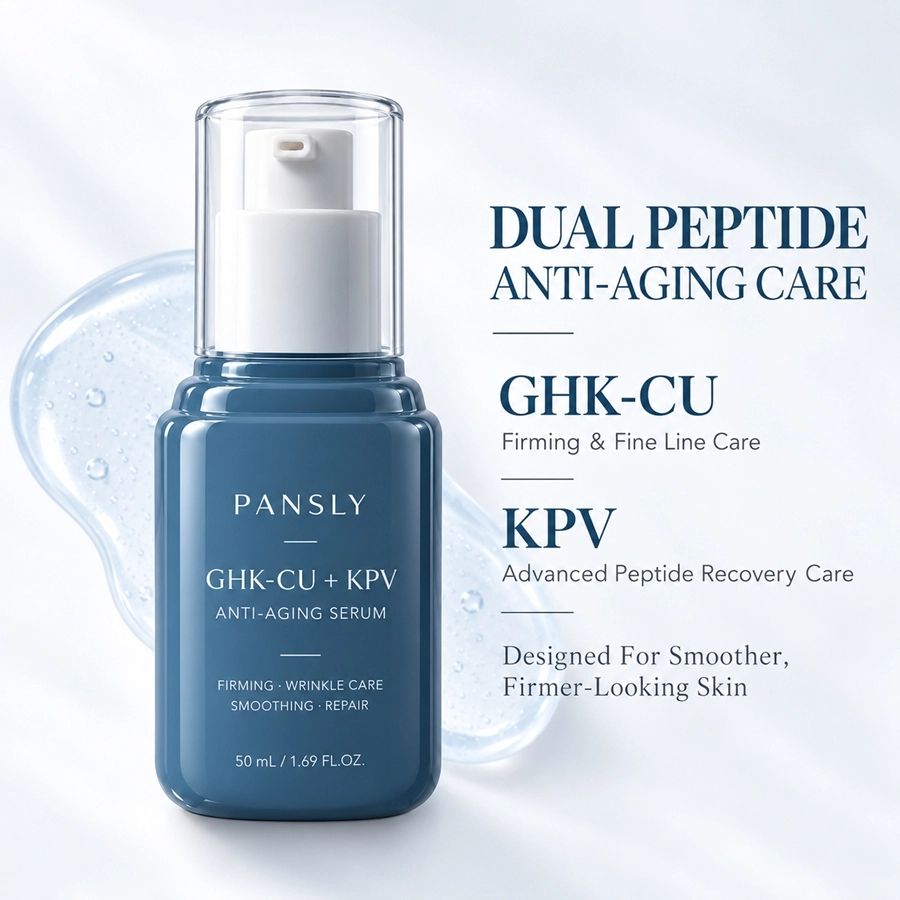
GHK-Cu KPV serum for skin is a private-label peptide face serum formulated for a firming, smoothing routine. This GHK-CU KPV Serum is positioned for wrinkle care and skin repair, making it a practical addition to an anti-aging skincare range.
Get in Touch with us
If you have any comments or good suggestions, please leave us a message; later our professional staff will contact you as soon as possible.
Click here to customize the Beauty
we respond within a few hours
Monday–Friday, 9AM–6PM
3A01, Building A, Zhisheng Square, No. 4 Zhifu Road, Helong Street, Baiyun District, Guangzhou, China.


Leave a request, and we'll email you back within 24 hours.
© 2026 Beyond Basix. All Rights Reserved.
