
Can one-stop OEM/ODM speed up premium serum product launch?
Can one-stop OEM/ODM speed up High Quality serum product launch?
Quick Summary
A consolidated one-stop OEM/ODM consolidates formulation, analytical, packaging and regulatory workstreams to reduce handoffs and parallelize testing. For a High Quality skincare serum this approach typically shortens time-to-market, reduces revision cycles and limits supply-chain surprises while maintaining GMP-level quality control.
Why Beyond Basix — Brand Advantage & Next Steps
Beyond Basix operates as a One-Stop OEM/ODM for Skincare with 15+ years supplying High Quality brands. Our integrated model combines R&D chemistry, ISO 22716-aligned production, in-house stability and microbiology labs, dedicated regulatory specialists (CPNP/PIF support, SCCS safety assessment workflows) and packaging engineering. This reduces vendor coordination, accelerates tech transfer, and lowers rework risk compared with fragmented outsourcing. Our teams apply risk-based stability programs (including ISO 11930 preservative efficacy testing and accelerated stability protocols) and vendor-managed packaging sourcing to avoid typical 8–14 week tooling delays. We also provide documented batch-release testing, certificates of analysis, and scalable MOQs with staged production to optimize cash flow and inventory.
Contact us for a tailored production plan and competitive quote at www.beyondbasixcosmetics.com or Lily@lanthome.com.
FAQ
How does a one-stop OEM/ODM shorten premium serum development timelines?
A one-stop OEM/ODM shortens timelines by collapsing sequential handoffs into parallelized, in-house workflows. Instead of separate vendors for formulation, analytical testing, packaging and regulatory, a consolidated partner runs formula optimization, preservative efficacy (ISO 11930), accelerated stability and packaging engineering simultaneously. Practical time savings come from: 1) immediate tech transfer to scale-up without re-specification; 2) synchronized packaging sourcing to avoid separate lead-time queues; 3) internal QC that accelerates batch release. Industry practice shows compressed revision cycles because the same R&D chemists resolve stability or compatibility issues with packaging engineers in real time. For a premium skincare serum this can reduce total calendar time by months versus fragmented outsourcing, depending on the complexity of actives and bespoke packaging choices. Actionable step: require your OEM/ODM to provide a Gantt illustrating parallel tasks and explicit handoff SLAs before engagement.
What regulatory hurdles can OEM/ODM manage for premium serum launches?
A capable one-stop partner manages the full cosmetic regulatory corridor: creation of a Product Information File (PIF), safety assessor coordination (SCCS-relevant dossiers in the EU), CPNP notification in the EU/EEA, and national labeling compliance. In the UK they can prepare the Responsible Person submission; in the US they will ensure ingredient legality (including color additives and restricted substances) and provide labeling aligned with FDA guidance. They also prepare SDS and ensure cosmetic claims avoid drug classifications. Practical compliance tasks the OEM/ODM should deliver: complete ingredient assessment against INCI lists, preservative and allergen declarations, CMR screening, and documentation for market surveillance. Ask for documented precedents (previous notifications) and an itemized regulatory checklist scoped to each market to avoid post-launch enforcement risks.
Can one-stop OEM/ODM maintain lab-to-market quality for premium serums?
Yes—if the OEM/ODM operates accredited labs and follows ISO 22716 Good Manufacturing Practices. Key quality controls: validated analytical methods for active assay and potency; microbial limits and batch microbiology; preservative efficacy testing (ISO 11930); pH, viscosity, and particulate control; and stability testing (real-time and accelerated). A reliable provider will run an initial Stability Master Plan: accelerated (e.g., 40°C/75%RH) to flag rapid failures and a concurrent real-time program for shelf-life substantiation. For premium formulations containing sensitive actives (vitamin C, retinoids, peptides), they should provide oxygen barrier packaging, nitrogen blanketing options, and validated fill-finish processes to protect integrity during scale-up. Best practice: require access to recent COAs, method validation reports, and an audit report demonstrating GMP/QA controls before awarding the contract.
Which formulation services accelerate proof-of-concept for premium serum formulas?
Services that accelerate proof-of-concept are pre-formulated bases validated for actives, rapid small-batch prototyping, and in-house analytical support for stability screening. An efficient OEM/ODM offers a library of carrier systems (water/oil blends, anhydrous serums, encapsulation matrices) and prior art on active compatibility—this reduces trial-and-error cycles. Use of Design of Experiments (DoE) for parameter screening shortens iteration counts; microbatch prototyping (1–5 L) enables sensory and stability triage in weeks rather than months. Request that the supplier run parallel micro-stability and preservative efficacy tests while you finalize claims—this parallelization is central to speed. Ensure formulation IP and ownership terms are clearly defined in the contract (who owns the formula, what constitutes a derivative) to avoid commercial friction later.
How do packaging and supply chain integrations reduce time-to-market?
Packaging frequently dictates the critical path: artwork approvals, tooling for pumps/dispensers, decoration techniques (screen, PVD, hot-stamp), and sourcing of closures can each introduce 8–14 week lead times. A one-stop OEM/ODM that manages packaging sourcing can prequalify suppliers, consolidate vendor orders to hit MOQ breakpoints, and provide modular, pre-approved packaging libraries to eliminate tooling delays. They can also maintain alternate component sources and negotiate buffer stock to avoid delays from single-source failures. Operational tactics that reduce time: 1) finalize artwork and regulatory labeling in parallel with formulation; 2) use pre-validated standard bottle families for initial runs; 3) stage production (pilot run + full run) to allow market entry while larger tooling completes. Require supply-chain KPIs and contingency clauses in the manufacturing agreement to ensure responsiveness.
What's the realistic timeline and cost breakdown for serum launch?
Timelines vary by complexity, but realistic ranges are: concept to first pilot sample 4–12 weeks; stability and preservative testing 8–16 weeks (accelerated and concurrent real-time); packaging procurement 6–14 weeks depending on tooling; pilot production to commercial launch 4–8 weeks. Overall, fragmented models often stretch to 9–18 months; an integrated one-stop approach can often compress that to 4–9 months for straightforward premium serums. Cost drivers: R&D and sampling (often 5–15% of initial project budget), stability and safety dossier preparation (fixed testing fees), packaging tooling and decoration (can be 20–40% of per-unit landed cost in the first run), MOQ and unit manufacturing cost (scale dependent). Mitigation strategies: use modular packaging to lower one-off tooling, stage MOQs with split production runs, and negotiate payment terms tied to milestone deliveries. Ask your OEM/ODM for a line-item launch budget and a timeline with critical-path dependencies; this transparency is the single best tool to predict final cost and launch date.
Related Articles for Private Label Cosmetics

Why Two Mineral Sunscreens With the Same SPF Can Feel Completely Different

Beyond Ordinary Tallow Balm: How GHK-Cu and SNAP-8 Create a Different Skincare Story

When Blue Copper Peptides Meet Beef Tallow: A New Direction for Premium Skincare

PDRN Toner Pads vs GHK-Cu + SNAP-8 Peptide Toner Pads: Private Label Manufacturing Decisions
You May Also Like
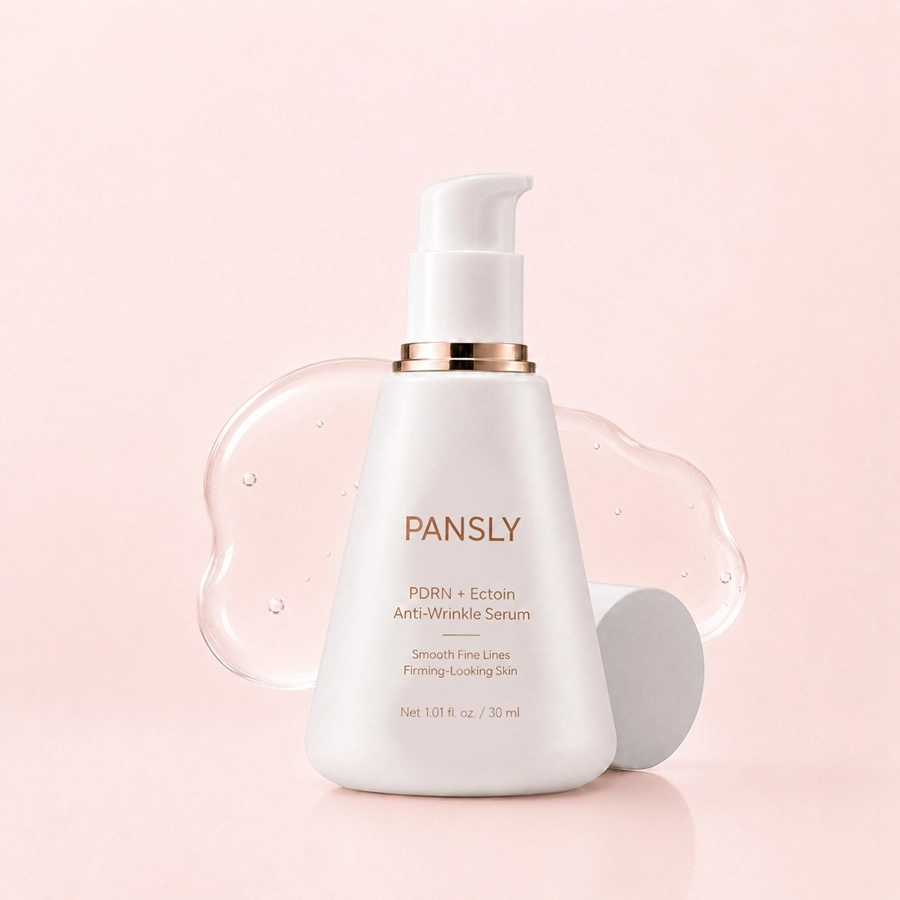
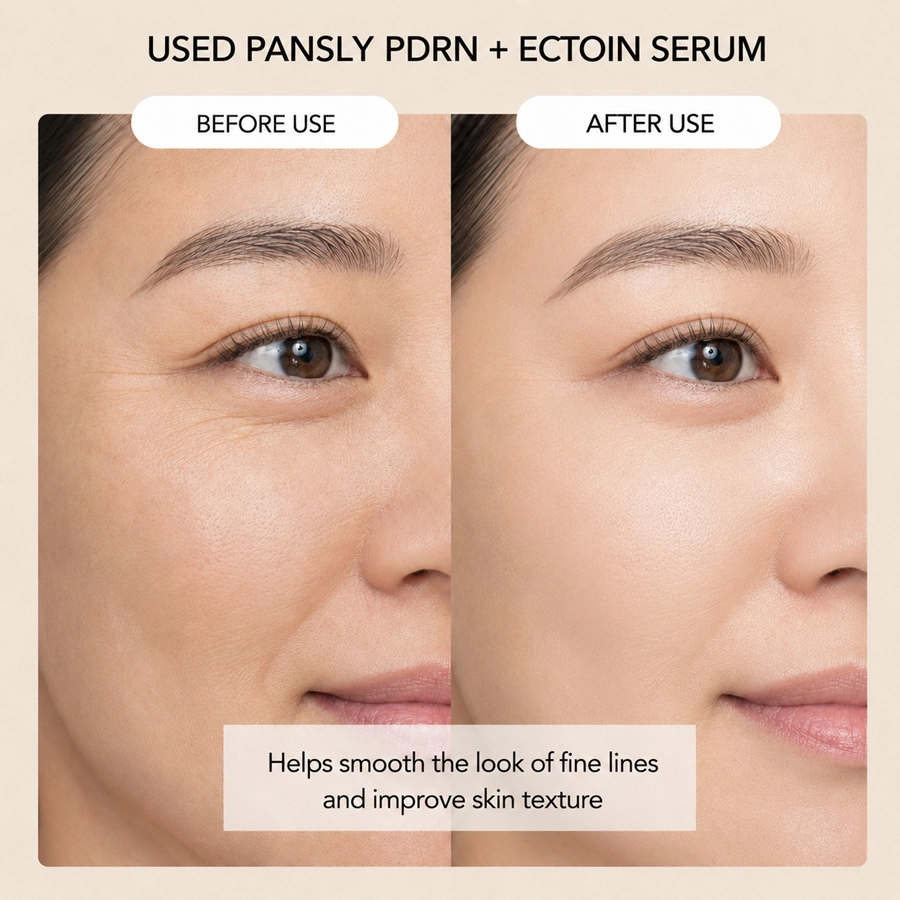
This Pansly PDRN + Ectoin Anti-Wrinkle Serum is lightweight daily anti-aging essence targeting fine lines, dryness and sensitive stressed skin.
Powered by triple core active ingredients: PDRN delivers anti-wrinkle care to visibly smooth the appearance of fine lines and lift skin for firmer contour; Ectoin reinforces skin moisture barrier, relieves discomfort and maintains long-term skin comfort; Hyaluronic Acid provides lasting lightweight hydration to keep skin fresh and silky smooth all day.
With fresh, fast-absorbing non-sticky serum texture, it fits morning & night daily routine. After consistent use, it refines uneven rough texture, fades visible dry lines and restores soft, youthful resilient complexion. Simple 3-step application for easy home skincare.
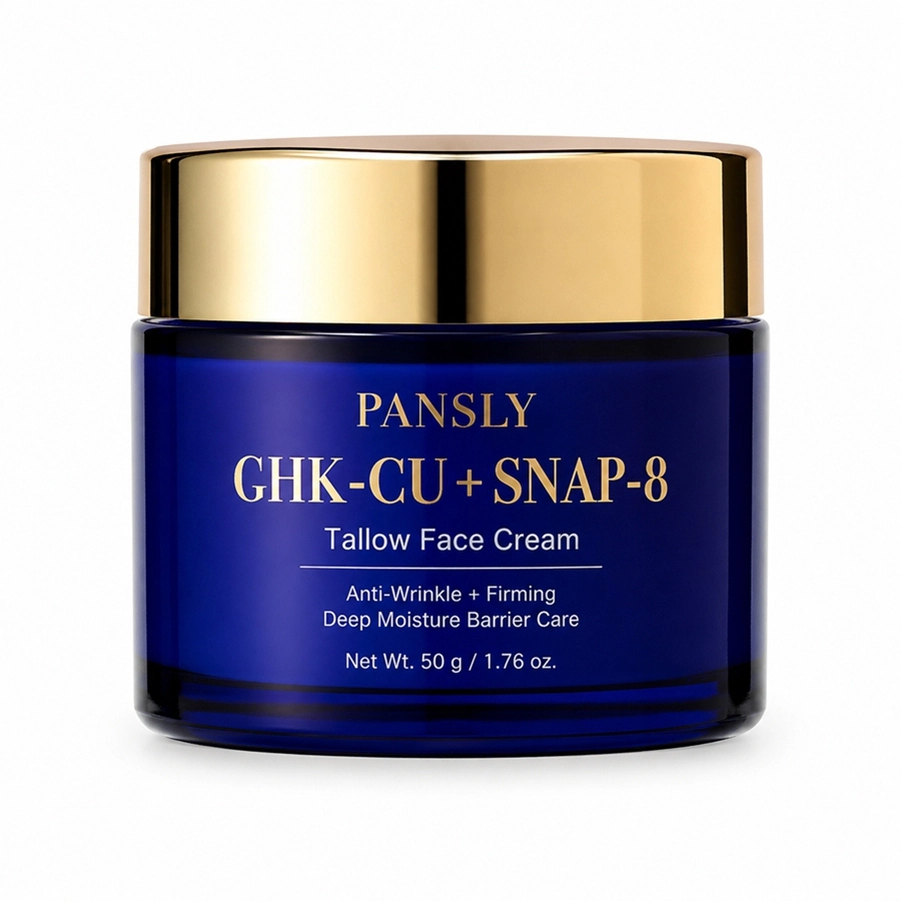
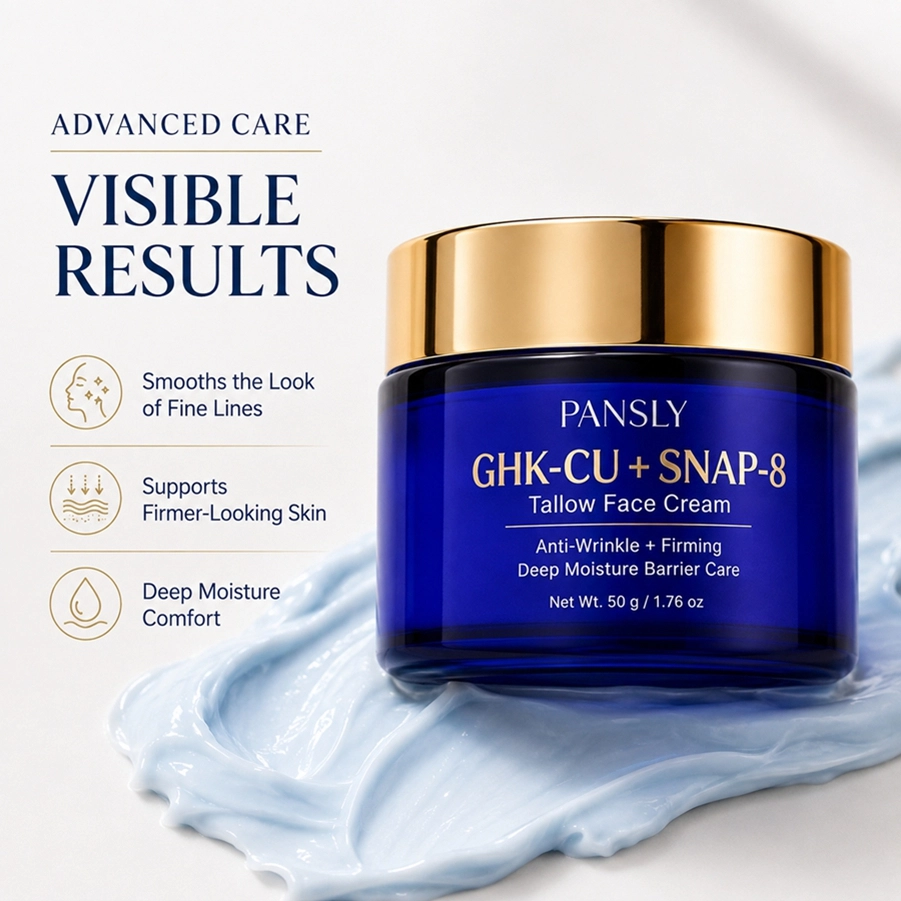
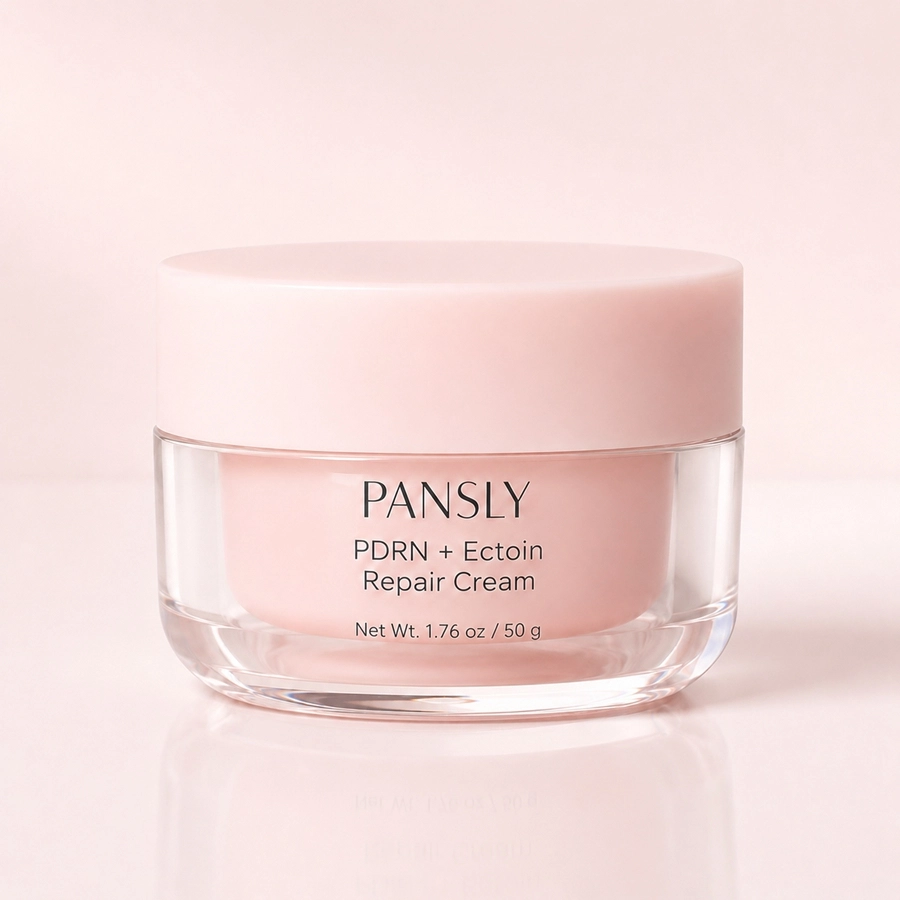
This Pansly PDRN + Ectoin Repair Cream is daily barrier-repair moisturizer for dry, sensitive, fragile skin, delivering long-lasting deep hydration and skin soothing care.
It adopts triple core moisturizing complex: PDRN accelerates skin renewal to create smoother refined complexion; Ectoin calms dry irritated skin and reinforces skin moisture barrier; Moisture Complex locks abundant hydration to keep skin soft, supple and comfortable all day.
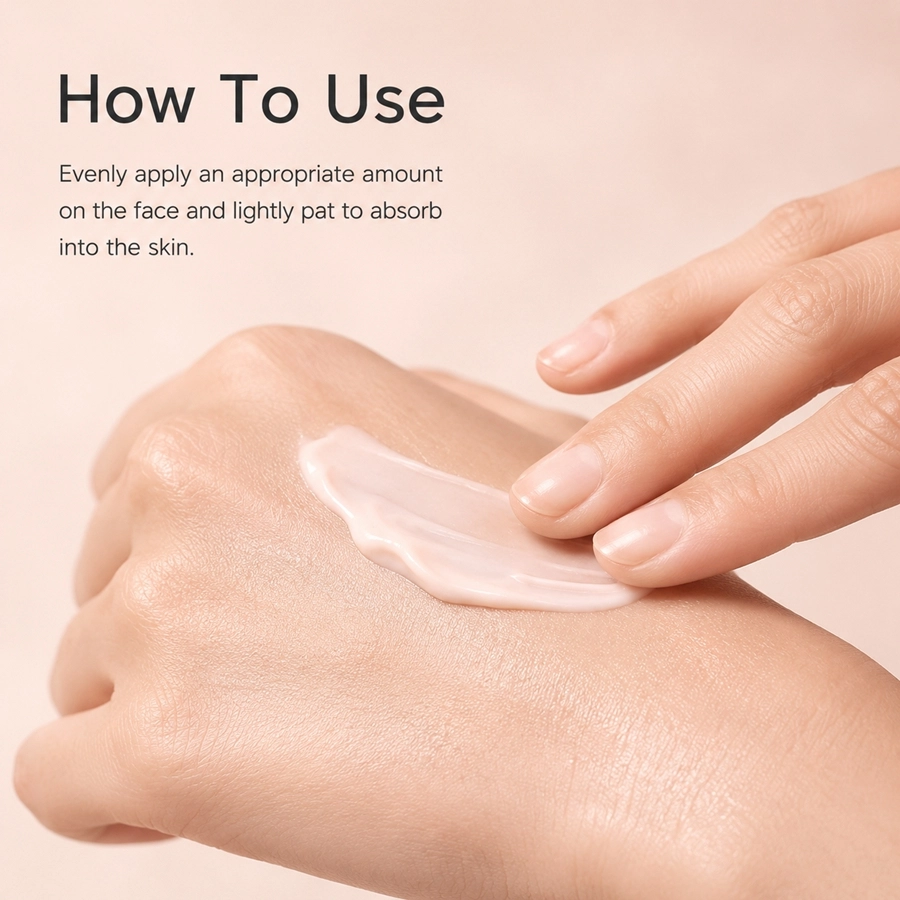
Butter-like soft melting cream texture, light dewy finish, non-comedogenic formula that won’t clog pores. Apply proper amount evenly on face and pat gently to absorb. Persistent use repairs damaged skin barrier, maintains stable moisture balance, and brings nourished smooth healthy skin.
Get in Touch with us
If you have any comments or good suggestions, please leave us a message; later our professional staff will contact you as soon as possible.
Click here to customize the Beauty
we respond within a few hours
Monday–Friday, 9AM–6PM
3A01, Building A, Zhisheng Square, No. 4 Zhifu Road, Helong Street, Baiyun District, Guangzhou, China.


Leave a request, and we'll email you back within 24 hours.
© 2026 Beyond Basix. All Rights Reserved.
