
What Consumer Concerns Fit an EGF NAD+ Peptide Formula?
Quick Answer
An egf nad+ peptide serum is generally suited to consumers concerned about visible signs of ageing, dullness, dehydration, uneven-looking texture, and reduced skin vitality. Beyond Basix can help evaluate peptide selection, ingredient compatibility, packaging, stability needs, and claim boundaries. The appropriate solution depends on the target market, formula testing, regulatory requirements, and specific project conditions.
How Beyond Basix Supports Projects
Beyond Basix Cosmetics Ltd. provides One-Stop OEM/ODM for Skincare support, from formula development and product positioning to production coordination. Its 23 years of cosmetics manufacturing experience, 12,000-square-meter facility, 100,000-level GMPC pharmaceutical-grade dust-free workshop, and 12 production lines support structured development for peptide-focused skincare projects.
Buyers should confirm the target consumer concern, ingredient and dosage strategy, sensory profile, packaging format, market claims, and required documentation. ISO 9001, GMP, HALAL, MSDS, CE, and other certifications are available within the company profile, while MOQ, lead time, testing scope, and quotation must be confirmed for each project.
Discuss Your EGF NAD+ Peptide Serum Project
Share your target market, consumer profile, intended claims, preferred texture, packaging type, target price, and expected launch timing. These details allow discussion of suitable formulation directions, sample stages, documentation, and production planning. Visit www.beyondbasixcosmetics.com or email Lily@lanthome.com to discuss a project-specific EGF NAD+ skincare solution.
Deep-Dive FAQs
Which skin concerns suit an EGF NAD+ peptide serum?
The strongest positioning usually focuses on visible, non-medical cosmetic concerns: fine lines, loss of smooth-looking texture, dull appearance, dehydration, and skin that appears less resilient. EGF is commonly discussed in relation to the appearance of renewal, while peptides are generally used to support a smoother and firmer-looking complexion. NAD+ is a coenzyme involved in cellular energy metabolism, but a topical cosmetic should not be presented as restoring cellular function in a clinical or therapeutic sense. For product planning, select one primary concern and two supporting benefits rather than presenting the formula as a solution for every ageing-related complaint.
Can EGF NAD+ formulas support visible signs of skin ageing?
They can be positioned for the appearance of early or moderate visible ageing when the complete formula supports hydration, skin comfort, and a refined surface appearance. However, the presence of EGF, NAD+, or peptides alone does not establish a finished product claim. Performance depends on ingredient quality, concentration, delivery environment, preservation, pH compatibility, packaging, and consumer use instructions. Brands should distinguish cosmetic wording such as smoother-looking skin or improved radiance from drug-like claims involving wound healing, tissue regeneration, cellular repair, or treatment of disease. Consumer testing or other appropriate substantiation should support the final wording in the intended sales market.
Are peptide serums appropriate for sensitive or compromised-looking skin?
A peptide formula may be suitable for a sensitive-skin positioning, but the ingredient name does not make the finished product automatically gentle. The risk profile is influenced by the full composition, including fragrance, alcohol, exfoliating acids, preservatives, solvents, pH, and the level of potential irritants. EGF-related materials and NAD+ ingredients also require supplier documentation and compatibility assessment rather than assumption-based claims. An OEM brief should define whether the product is intended for sensitive, dry, reactive, or post-procedure consumers; these are not interchangeable categories. Conduct compatibility, stability, safety, and user testing appropriate to the target market, and include a patch-test recommendation where relevant.
What evidence should brands request for EGF and NAD+ claims?
A buyer should request current ingredient specifications, certificates of analysis, safety documentation, recommended use levels, storage conditions, and available supplier substantiation. For the finished product, evidence should relate to the exact formula and the wording used on packaging, advertising, and ecommerce pages. Useful support may include stability data, preservative or microbiological results where applicable, packaging compatibility, and controlled consumer or instrumental assessments conducted under an appropriate protocol. In the European Union, cosmetic claims are subject to the common criteria in Regulation (EU) No 655/2013, including truthfulness, evidential support, honesty, fairness, and informed decision-making. Other markets have their own requirements, so claim review must occur market by market.
How should an OEM position EGF NAD+ serum without overclaiming?
Start with a consumer problem that can be observed cosmetically, such as tired-looking, dull, dry, or uneven-textured skin. Build the claim hierarchy around measurable or clearly describable outcomes: hydration, radiance, smoothness, and the appearance of fine lines. Avoid translating biochemical language directly into consumer promises. NAD+ biology does not prove that a topical product reverses ageing, and EGF terminology does not justify medical regeneration claims. The product page should explain the formula’s cosmetic purpose, usage method, and limitations in plain language. A restrained positioning often gives distributors and regulators a clearer basis for review than a broad promise built around several high-intensity actives.
Which testing considerations affect an EGF NAD+ serum launch?
Testing should address the finished formula rather than only individual raw materials. Key considerations include accelerated and real-time stability where applicable, appearance and odour changes, pH, viscosity, microbiological quality, preservative performance when relevant, container compatibility, and transport exposure. Light, oxygen, heat, and repeated opening can affect sensitive ingredients, so packaging selection should be evaluated alongside the formula. The project brief should also define whether the brand needs consumer perception data, instrumental measurements, safety assessments, or market-specific claim documentation. Testing scope affects both lead time and quotation, while results may require changes to the formula, filling process, instructions, or proposed claims before a bulk order is approved.
Related Articles for Private Label Cosmetics

Why Two Mineral Sunscreens With the Same SPF Can Feel Completely Different

Beyond Ordinary Tallow Balm: How GHK-Cu and SNAP-8 Create a Different Skincare Story

When Blue Copper Peptides Meet Beef Tallow: A New Direction for Premium Skincare

PDRN Toner Pads vs GHK-Cu + SNAP-8 Peptide Toner Pads: Private Label Manufacturing Decisions
You May Also Like
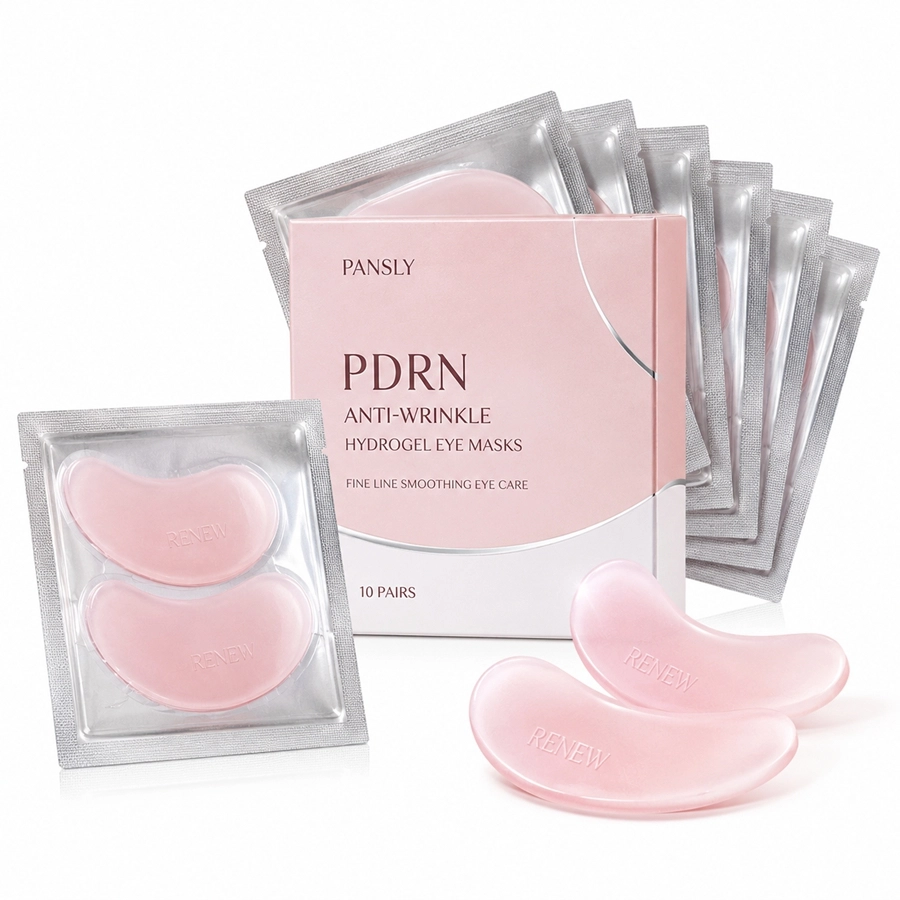
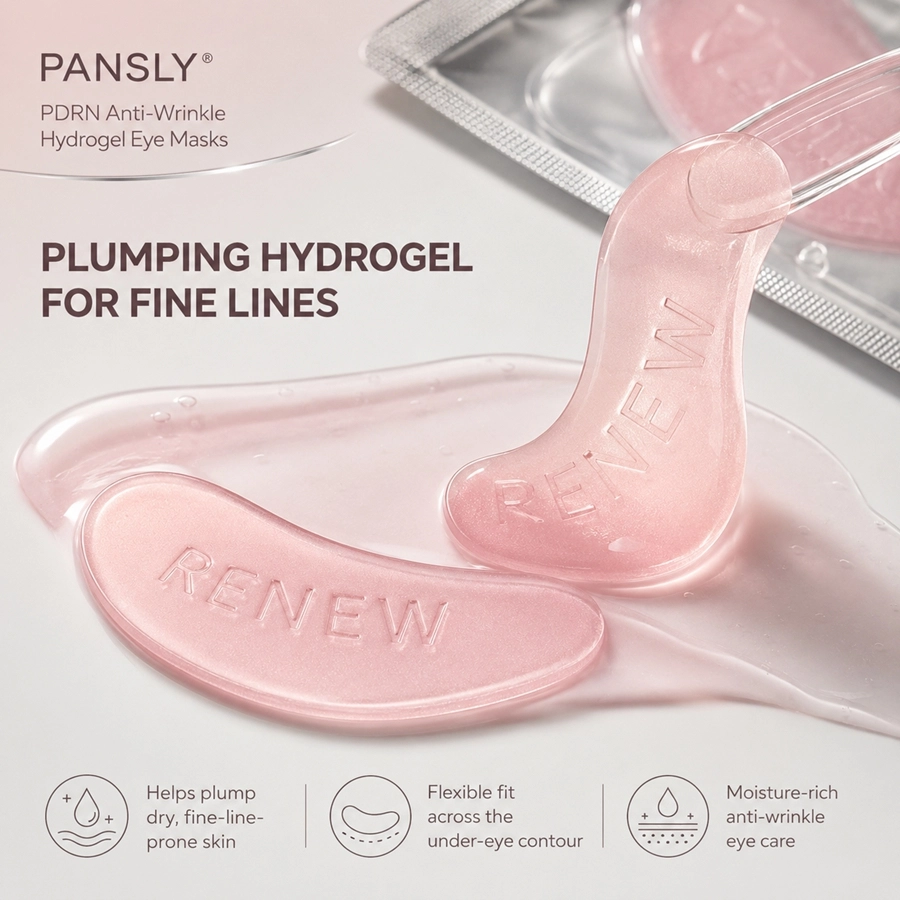
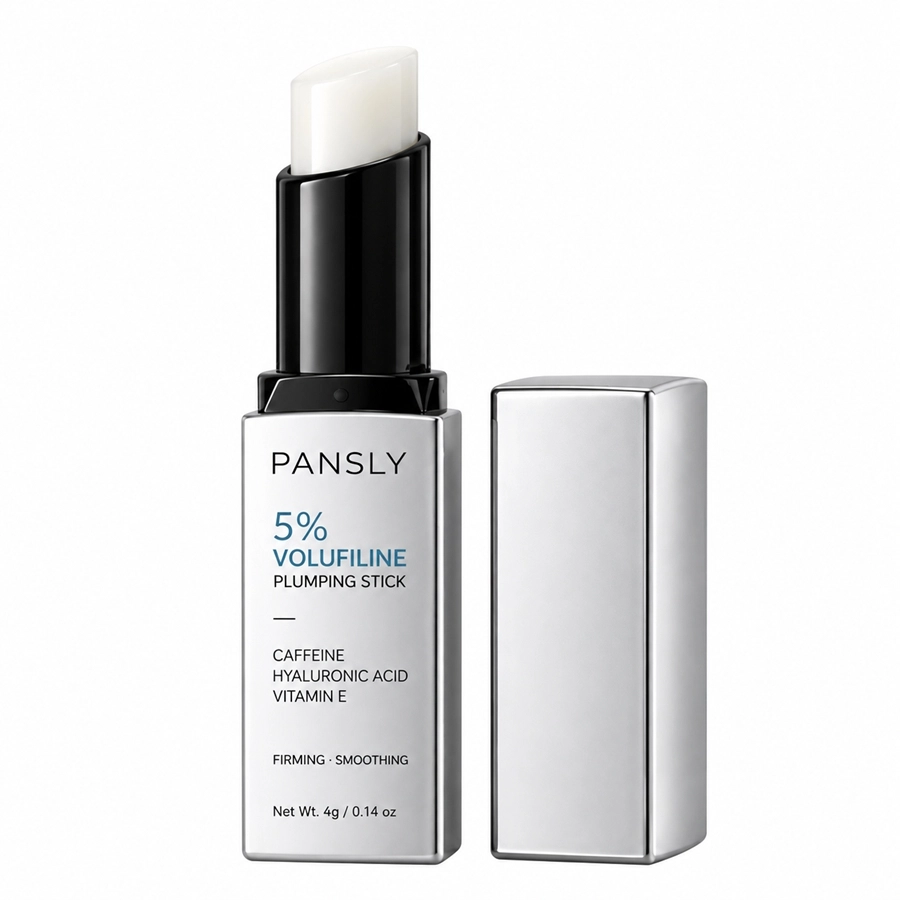
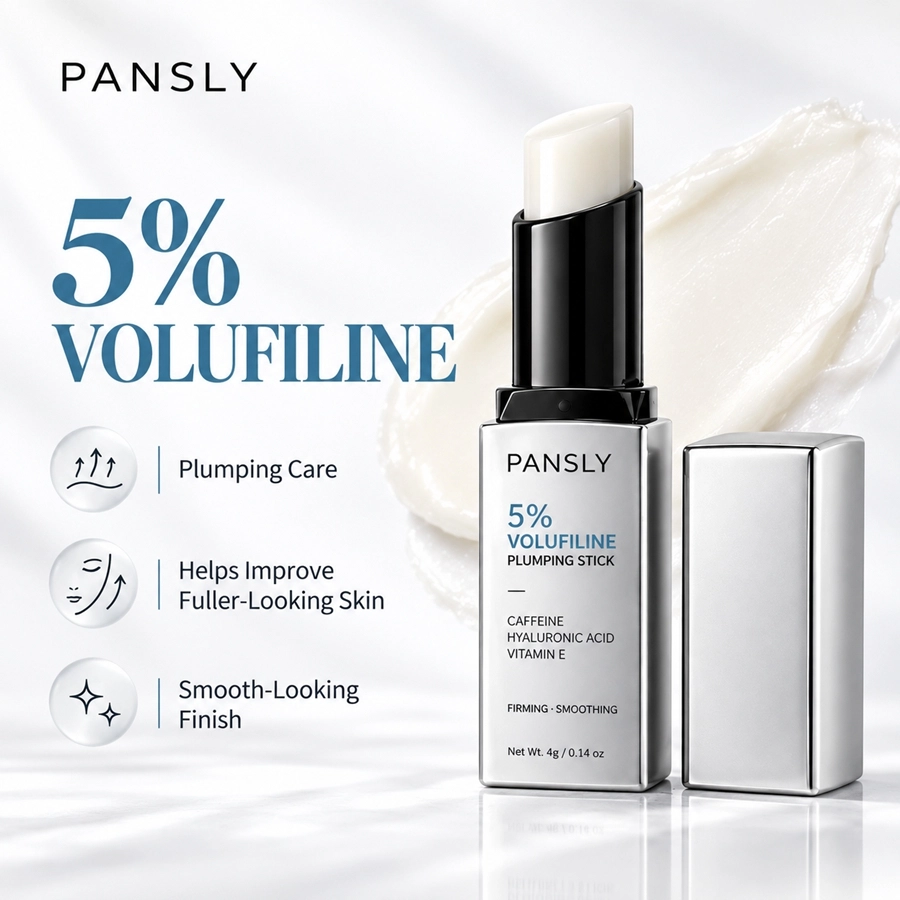
The Volufiline Plumping Stick contains 5% Volufiline in a portable balm for targeted facial care. Apply the Volufiline Lip Plumping Balm Stick to moisturize lips and dry areas, or use the Volufiline Anti Wrinkle Multi Balm to help skin feel smooth and hydrated.
Get in Touch with us
If you have any comments or good suggestions, please leave us a message; later our professional staff will contact you as soon as possible.
Click here to customize the Beauty
we respond within a few hours
Monday–Friday, 9AM–6PM
3A01, Building A, Zhisheng Square, No. 4 Zhifu Road, Helong Street, Baiyun District, Guangzhou, China.


Leave a request, and we'll email you back within 24 hours.
© 2026 Beyond Basix. All Rights Reserved.
