
What Should Brands Customize in a Private Label PDRN Product?
What Should Brands Customize in a Private Label PDRN Product?
Quick Answer
For private label pdrn skincare, brands should customize the ingredient documentation, formula concentration, product texture, packaging system, and compliant claims rather than selecting a generic base. Beyond Basix can support OEM/ODM development around formula goals, format, target market, and production requirements. Key decisions include PDRN specification, stability, packaging compatibility, testing scope, and order volume. Final solutions depend on project testing and market-specific conditions.
How Beyond Basix Supports Projects
Beyond Basix Cosmetics Ltd. supports custom skincare development through OEM/ODM services, ingredient-focused product development, production across 12 lines, and manufacturing in a 12,000-square-meter facility with a 100,000-level GMPC pharmaceutical-grade dust-free workshop. Its experience includes skincare development, bulk production, packaging coordination, and quality systems supported by certifications such as ISO 9001, GMP, MSDS, CE, and HALAL where applicable.
For a PDRN project, buyers should confirm the intended product format, ingredient specification and documentation, target-market requirements, packaging type, filling volume, testing scope, and claim direction. MOQ, lead time, testing scope, and quotation must be confirmed for each project because they depend on the formula, packaging, production schedule, and destination market.
Discuss Your PDRN Product Customization
Send your target market, product format, expected PDRN specification, desired texture, packaging preference, planned claims, and estimated order volume. The project can then be reviewed for suitable formula options, documentation needs, sample steps, testing requirements, and production planning. Discuss your project at www.beyondbasixcosmetics.com or Lily@lanthome.com.
Frequently Asked Questions
Which PDRN source and purity documents should beginners request first?
Start by requesting the ingredient’s commercial name, INCI information, source description, specification sheet, certificate of analysis, microbiological limits, heavy-metal limits, and available safety or regulatory documents. PDRN generally refers to purified DNA fragments, but source and processing details can differ between suppliers. A brand should not rely only on a percentage displayed in a sales presentation because concentration, assay method, molecular characteristics, and finished-formula dosage may be reported differently. Ask the manufacturer to identify which document applies to the exact raw material proposed for the project. The documentation should also support the intended market’s ingredient and labeling review.
How should brands customize PDRN concentration without overclaiming results?
Concentration should be selected through formulation trials and claim substantiation rather than by copying a competitor’s label. The development team should assess the raw material assay, recommended use level, compatibility with the rest of the formula, pH range, preservation system, sensory effect, and stability results. A higher declared amount does not automatically establish a stronger consumer benefit, particularly when suppliers use different testing methods or ingredient grades. Marketing language must remain consistent with the product’s cosmetic classification and available evidence. Claims such as repair, regeneration, or medical treatment may create regulatory risk in some jurisdictions and require specialist review.
What texture and packaging choices protect a PDRN formula?
Texture and packaging should be designed together. A watery essence, gel serum, cream, or mask may require different solubilization, viscosity control, preservation, and filling conditions. The package should be evaluated for compatibility with the complete formula, including adsorption, leakage, dispensing accuracy, light exposure, oxygen exposure, and repeated consumer opening. Airless pumps or other protective formats can be considered when justified by formula behavior, but they are not automatically suitable for every product. Conduct compatibility and stability testing in the proposed commercial package before approving artwork or placing a bulk order. Packaging also influences perceived value, shipping cost, and filling feasibility.
Which tests are necessary before launching private label PDRN skincare?
A sensible test plan usually begins with appearance, odor, pH, viscosity or other relevant physical properties, microbiological testing, and preservative-effectiveness assessment where applicable. Stability studies should examine the formula in its intended packaging under defined storage conditions, with attention to changes in color, odor, separation, viscosity, pH, and microbial quality. Packaging compatibility and transport evaluation may also be needed. If a brand makes specialized performance claims, those claims require appropriate evidence rather than relying on the presence of PDRN alone. The final scope depends on the formula, package, market, product category, and applicable local requirements.
How do target-market rules change PDRN claims and labeling?
PDRN naming, ingredient declaration, permitted claims, required warnings, and product classification can differ by destination market. A cosmetic serum must not be positioned with language that implies diagnosis, treatment, tissue regeneration, or other functions reserved for medicines or medical devices in that jurisdiction. The brand should confirm the accepted INCI name, responsible-person obligations, notification or registration requirements, local language, net content rules, batch identification, shelf-life or period-after-opening information, and evidence expectations. Claims should be drafted after the regulatory pathway is defined, not added casually during packaging design. A supplier’s general product description does not replace market-specific compliance review.
What MOQ and sampling details affect a custom PDRN launch?
Sampling is more useful when the brief distinguishes formula samples from packaging samples and records each version’s ingredient grade, dosage, batch date, and requested changes. Brands should also ask whether the sample uses the intended commercial raw materials and packaging, because laboratory or pilot substitutions can alter texture and stability. MOQ may change with formula complexity, filling volume, container type, decoration method, component sourcing, and production setup. Lead time should be separated into formulation, sampling, testing, packaging procurement, production, and shipping stages. Confirming these stages early helps prevent a low initial MOQ from masking longer component or testing timelines.
Related Articles for Private Label Cosmetics

Why Two Mineral Sunscreens With the Same SPF Can Feel Completely Different

Beyond Ordinary Tallow Balm: How GHK-Cu and SNAP-8 Create a Different Skincare Story

When Blue Copper Peptides Meet Beef Tallow: A New Direction for Premium Skincare

PDRN Toner Pads vs GHK-Cu + SNAP-8 Peptide Toner Pads: Private Label Manufacturing Decisions
You May Also Like
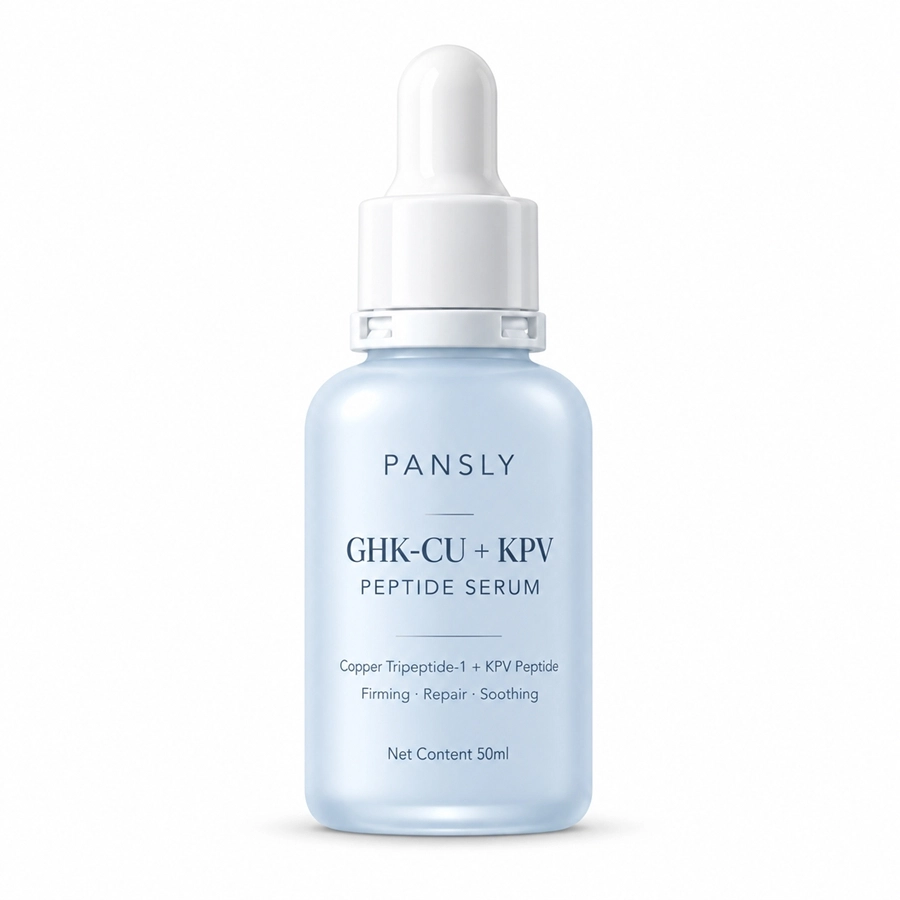
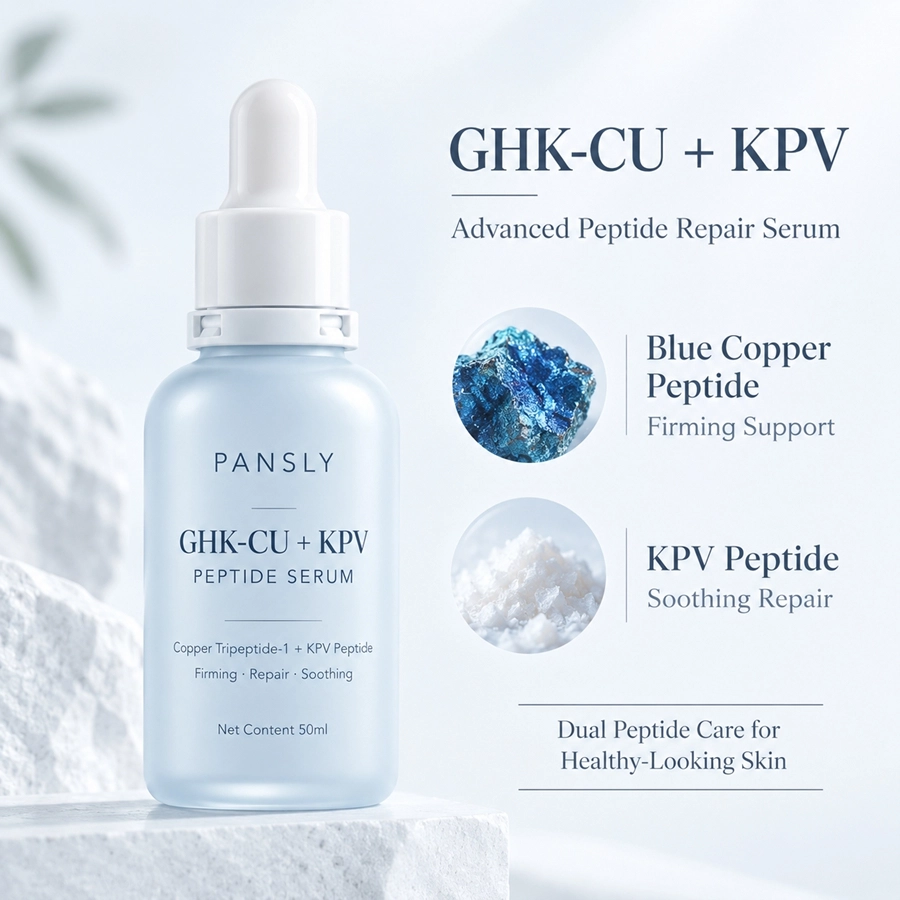
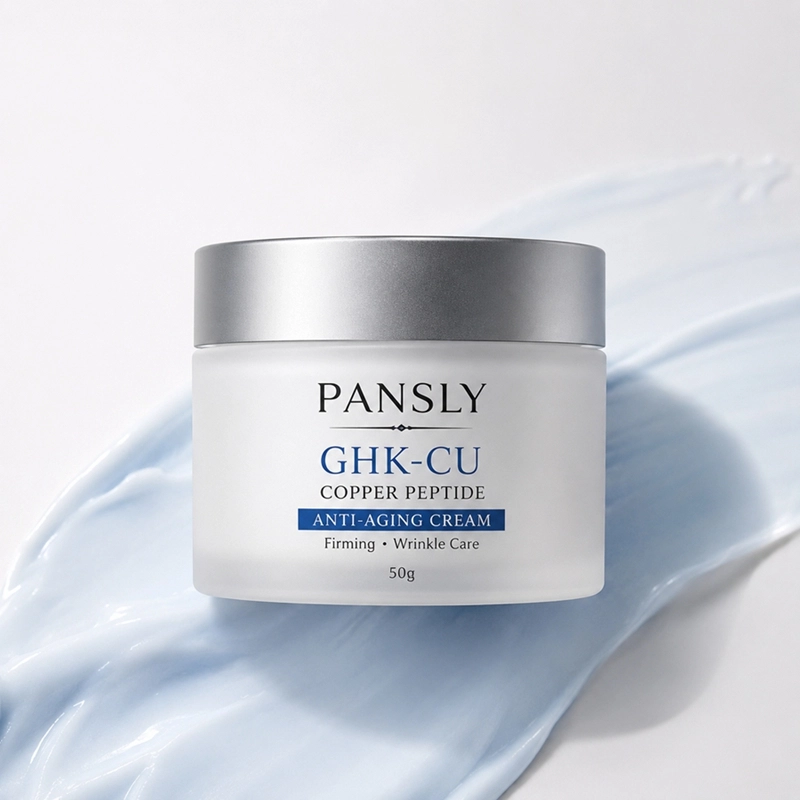
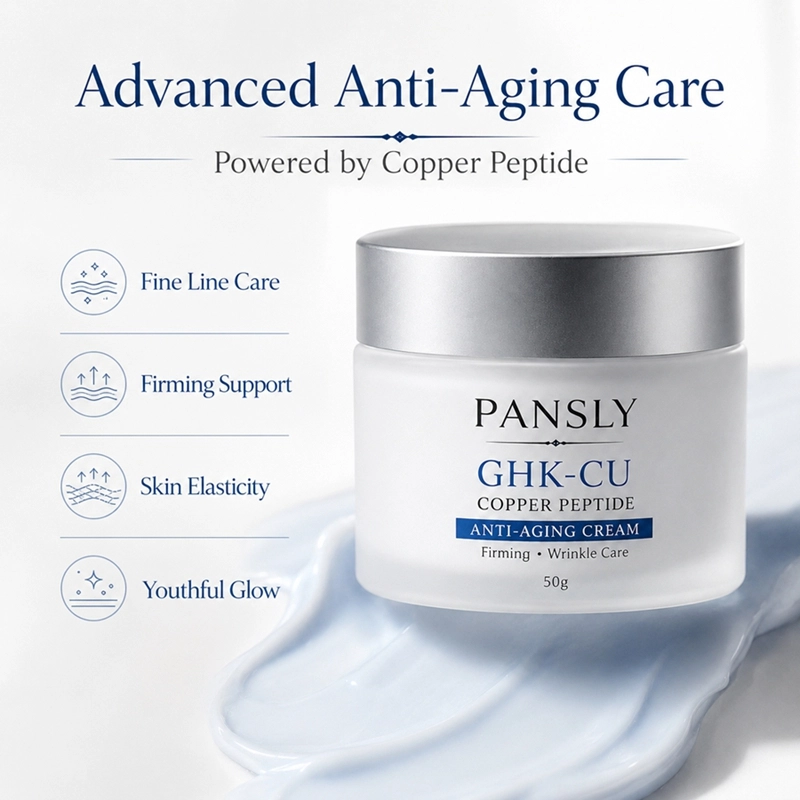
GHK-Cu KPV serum for skin is a private-label peptide face serum formulated for a firming, smoothing routine. This GHK-CU KPV Serum is positioned for wrinkle care and skin repair, making it a practical addition to an anti-aging skincare range.
Get in Touch with us
If you have any comments or good suggestions, please leave us a message; later our professional staff will contact you as soon as possible.
Click here to customize the Beauty
we respond within a few hours
Monday–Friday, 9AM–6PM
3A01, Building A, Zhisheng Square, No. 4 Zhifu Road, Helong Street, Baiyun District, Guangzhou, China.


Leave a request, and we'll email you back within 24 hours.
© 2026 Beyond Basix. All Rights Reserved.
