
Does Capsule Texture Make a PDRN Cream More Marketable?
Quick Answer
A pdrn capsule face cream can be more marketable when visible capsules create a credible sensory story, but texture alone does not prove efficacy. The commercial decision should balance capsule integrity, release behavior, formula stability, packaging compatibility, and consumer education. Beyond Basix can assess these factors through OEM/ODM development; the final direction depends on project testing, target claims, and market requirements.
How Beyond Basix Supports Projects
Beyond Basix Cosmetics Ltd. develops skincare products with effective ingredients and provides OEM/ODM support from formulation direction through production planning. For a capsule-texture cream, the project discussion can cover the emulsion concept, capsule appearance, filling format, container compatibility, sensory targets, and the evidence needed for proposed cosmetic claims.
Its 12,000-square-meter facility includes a 100,000-level GMPC pharmaceutical-grade dust-free workshop and 12 production lines, with machinery imported from Germany, the United States, and other regions. Buyers should confirm formula specifications, capsule dimensions or concentration, packaging, target market, MOQ, lead time, testing scope, and quotation for each project.
Discuss Your Capsule-Texture PDRN Cream Project
Provide your target market, consumer profile, desired capsule appearance, formula preferences, package type, planned claims, and expected order volume. These details support discussion of suitable texture options, sample stages, stability assessment, packaging review, and production planning. Send your brief to www.beyondbasixcosmetics.com or Lily@lanthome.com to begin a project-specific consultation.
Deep-Dive FAQs
What makes capsule texture commercially valuable in PDRN moisturizers?
Capsules can add visible differentiation, a distinctive application ritual, and a stronger product-story element at the point of sale. Those benefits are commercial rather than clinical: a capsule does not independently demonstrate better skin performance. Buyers should verify whether the capsules remain visually intact through filling, transport, storage, and normal dispensing. Consumer testing should compare appearance, spreadability, residue, perceived freshness, and repurchase interest against a conventional emulsion. The most useful positioning connects the texture to a clear cosmetic experience without implying that the capsule itself increases the biological activity of the polynucleotide ingredient.
Can capsule delivery improve perceived freshness without weakening formula performance?
It can improve perceived freshness because consumers see discrete elements and often associate them with protected or freshly released ingredients. That association is not proof of protection. Capsule walls, the surrounding emulsion, water activity, preservatives, pH, oxygen exposure, and filling conditions can all influence stability. A development team should test appearance, odor, color, viscosity, separation, capsule rupture, and active-ingredient suitability under relevant storage conditions. If the formula uses a water-containing system, preservation assessment is also important. Marketing language should describe the sensory format unless testing supports a more specific technical statement.
Which packaging tests should validate a capsule-based cream before launch?
The package should be assessed as part of the product system, not selected after the formula is finalized. Useful studies may include compatibility observation, leakage or seal checks, dispensing performance, transport simulation, temperature cycling, freeze-thaw exposure where relevant, and stability monitoring in the proposed container. Capsule particles can affect pump function, orifice size, wiping behavior, and dose consistency. A preserved emulsion may also require a recognized preservative efficacy approach, such as ISO 11930 where applicable, alongside microbiological controls. Test design should reflect the destination market, packaging material, distribution route, and labeled storage conditions.
How should brands compare capsule systems with conventional emulsion textures?
The comparison should use a weighted commercial and technical scorecard rather than visual novelty alone. Review sensory attributes, capsule visibility, rupture behavior, spread, after-feel, formula stability, dose uniformity, filling efficiency, package performance, expected wastage, ingredient documentation, and unit cost. Conventional emulsions may offer simpler processing and dispensing, while capsule systems can provide stronger shelf impact but introduce additional formulation and manufacturing controls. Pilot batches and controlled consumer feedback can reveal whether the visual feature improves preference enough to justify its added complexity. The appropriate choice is the format that supports the brand promise and remains reliable at scale.
Does capsule texture justify a higher retail price for beginners?
Not by itself. A higher retail price must be supported by the complete value proposition, including ingredient positioning, formula sensorials, packaging, production costs, regulatory work, testing, channel margins, and brand credibility. Capsule components may increase material, processing, filling, inspection, or rejection costs, but their effect varies by design and order volume. Beginners should calculate landed cost and target gross margin before treating the texture as a premium signal. Price research should test the finished product concept, not only a photograph, because consumers may value a pleasant application experience but reject capsules that feel gritty, sticky, or difficult to dispense.
What claims can brands responsibly make for PDRN capsule skincare?
Claims must match the cosmetic category, available evidence, ingredient documentation, and rules in each target market. A brand may describe texture, moisturizing performance, skin feel, appearance, or other substantiated cosmetic benefits, but should avoid implying wound healing, tissue regeneration, medical treatment, or guaranteed cellular effects without an appropriate legal and scientific basis. The buyer should confirm the ingredient identity, INCI naming, supplier documentation, specification, purity or assay information where applicable, and claim-support plan before final artwork. Capsule presentation should not be used as evidence that PDRN penetrates skin or produces a therapeutic result.
Related Articles for Private Label Cosmetics

Why Two Mineral Sunscreens With the Same SPF Can Feel Completely Different

Beyond Ordinary Tallow Balm: How GHK-Cu and SNAP-8 Create a Different Skincare Story

When Blue Copper Peptides Meet Beef Tallow: A New Direction for Premium Skincare

PDRN Toner Pads vs GHK-Cu + SNAP-8 Peptide Toner Pads: Private Label Manufacturing Decisions
You May Also Like
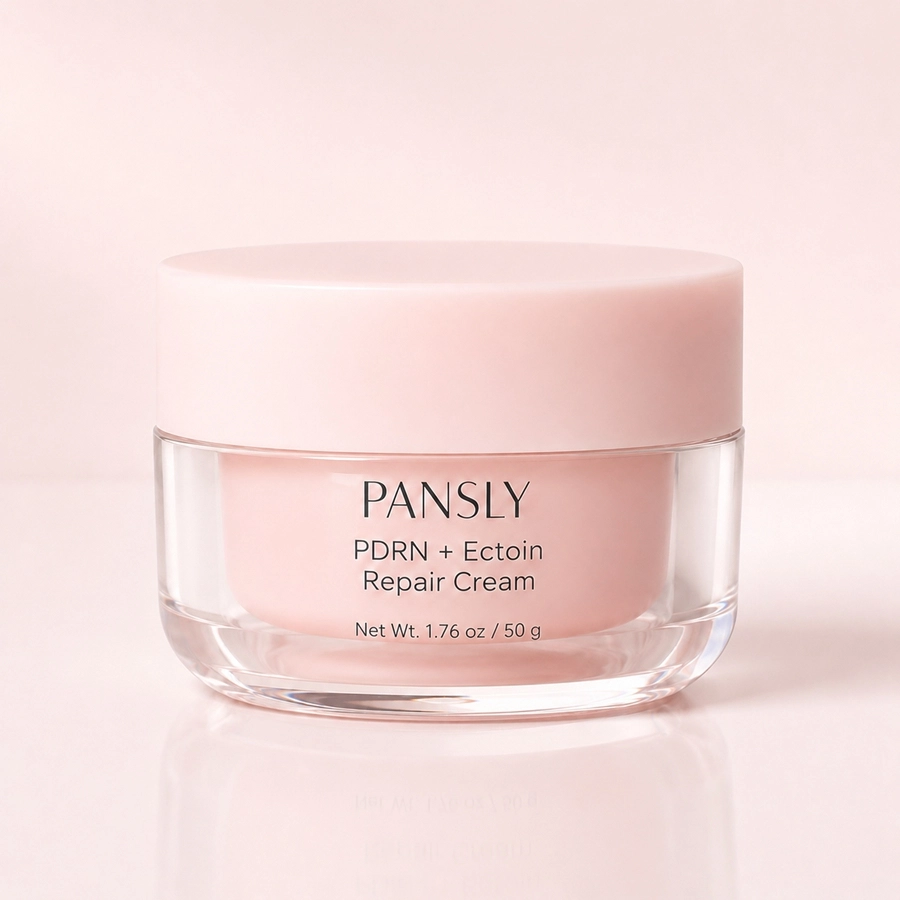
This Pansly PDRN + Ectoin Repair Cream is daily barrier-repair moisturizer for dry, sensitive, fragile skin, delivering long-lasting deep hydration and skin soothing care.
It adopts triple core moisturizing complex: PDRN accelerates skin renewal to create smoother refined complexion; Ectoin calms dry irritated skin and reinforces skin moisture barrier; Moisture Complex locks abundant hydration to keep skin soft, supple and comfortable all day.
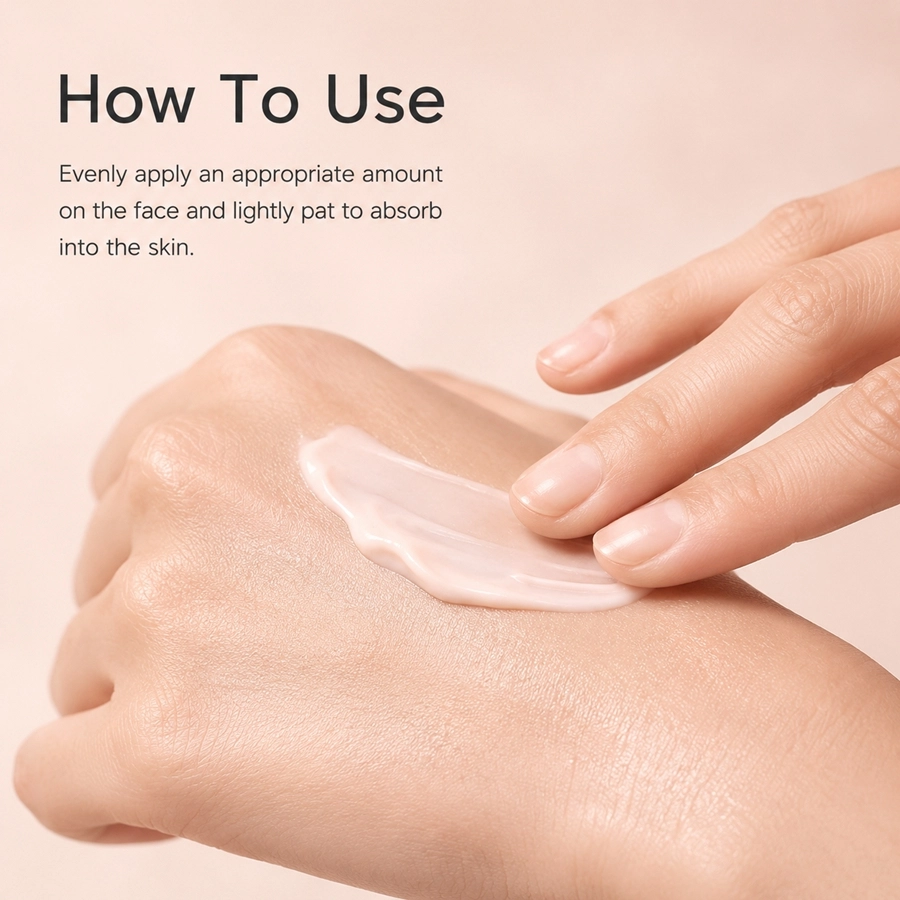
Butter-like soft melting cream texture, light dewy finish, non-comedogenic formula that won’t clog pores. Apply proper amount evenly on face and pat gently to absorb. Persistent use repairs damaged skin barrier, maintains stable moisture balance, and brings nourished smooth healthy skin.
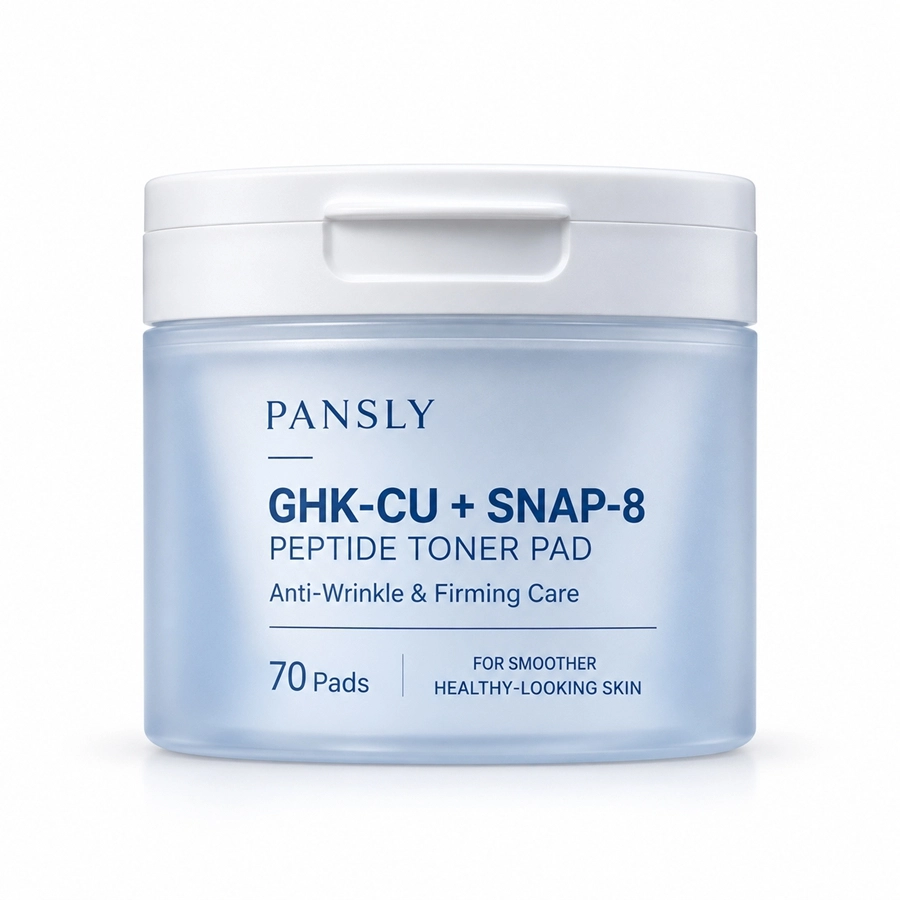
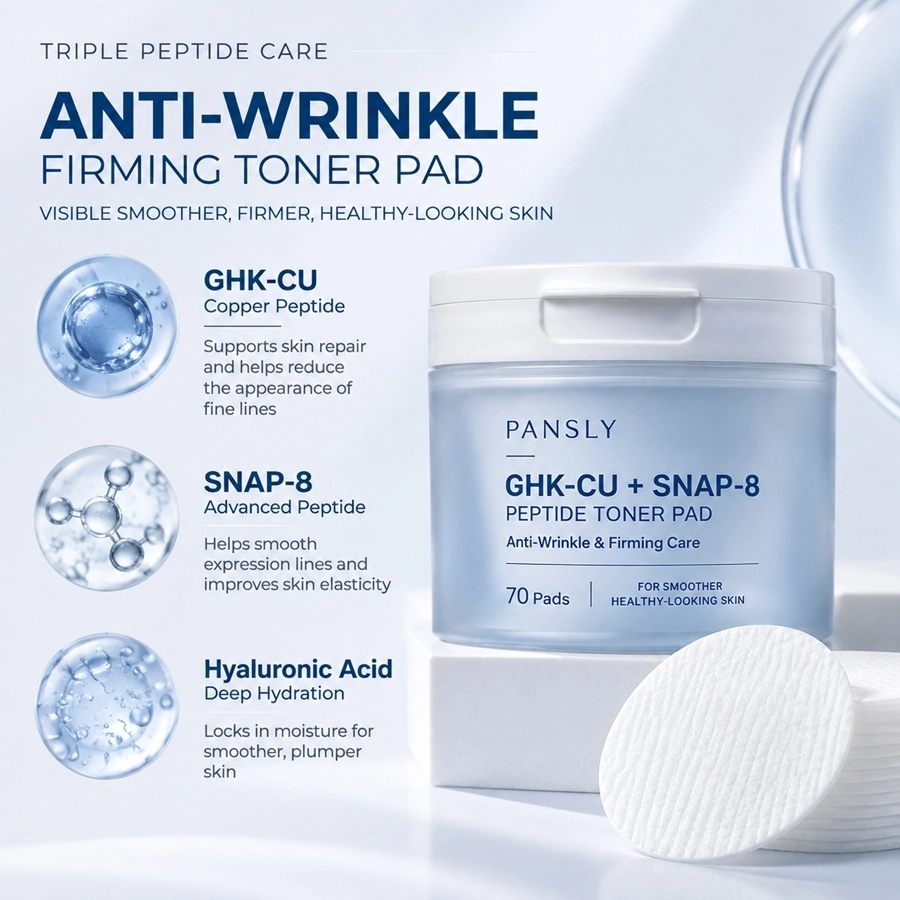
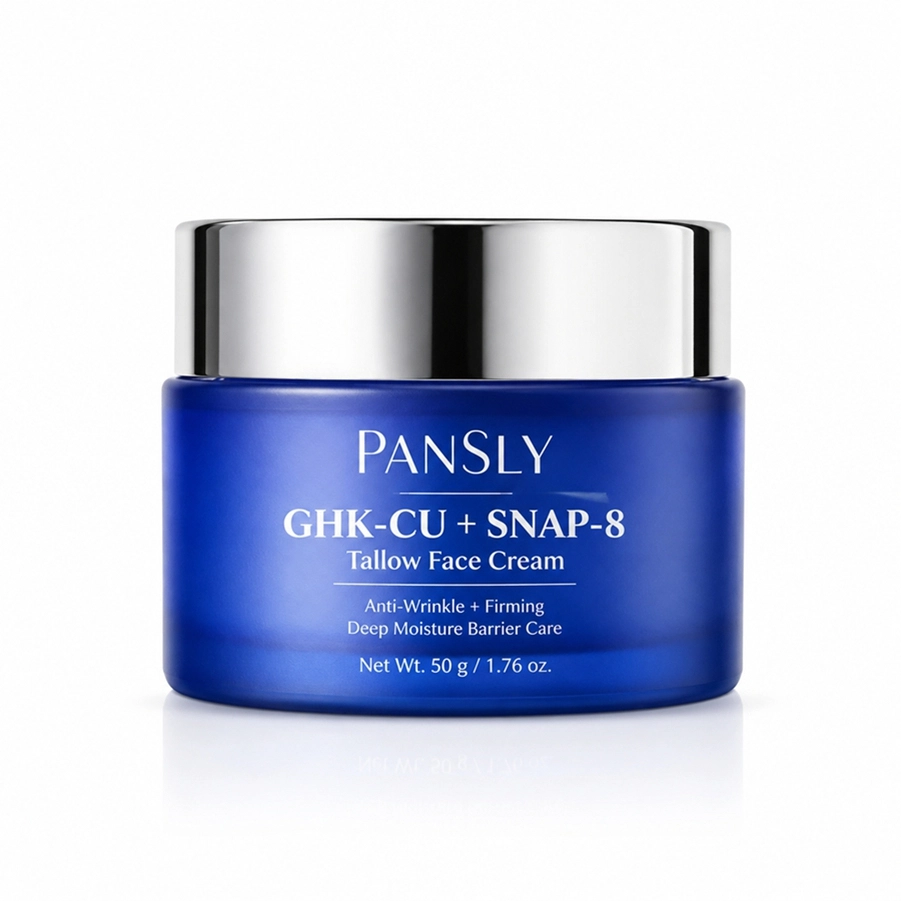
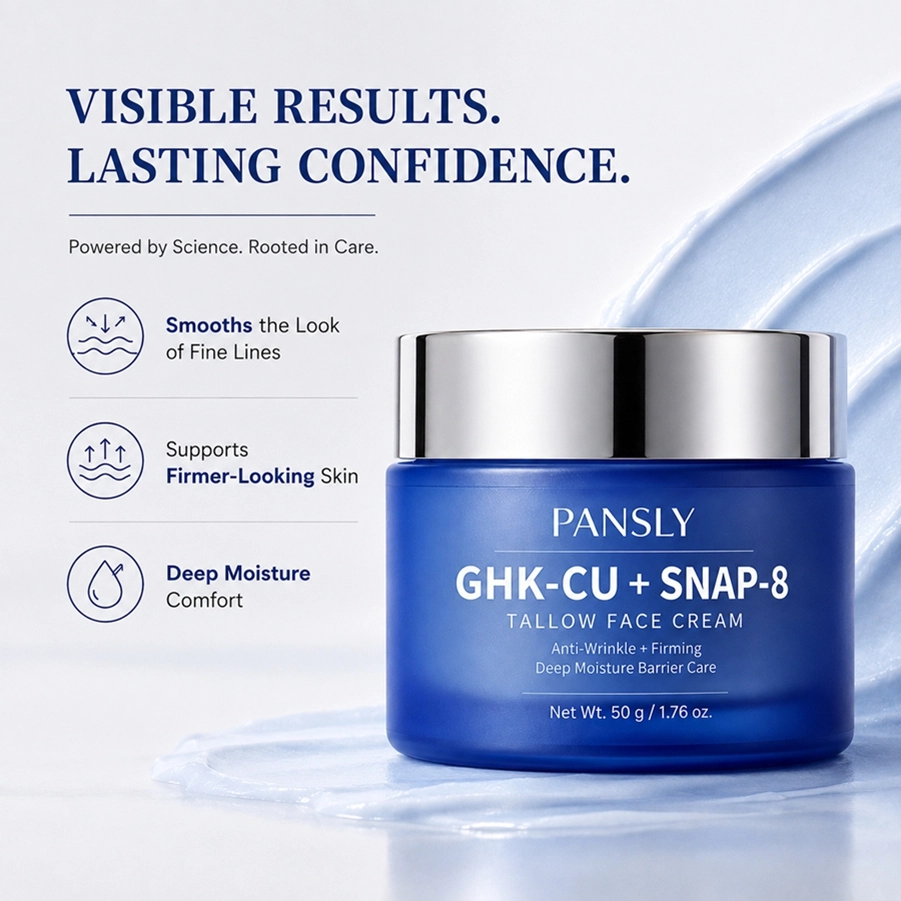
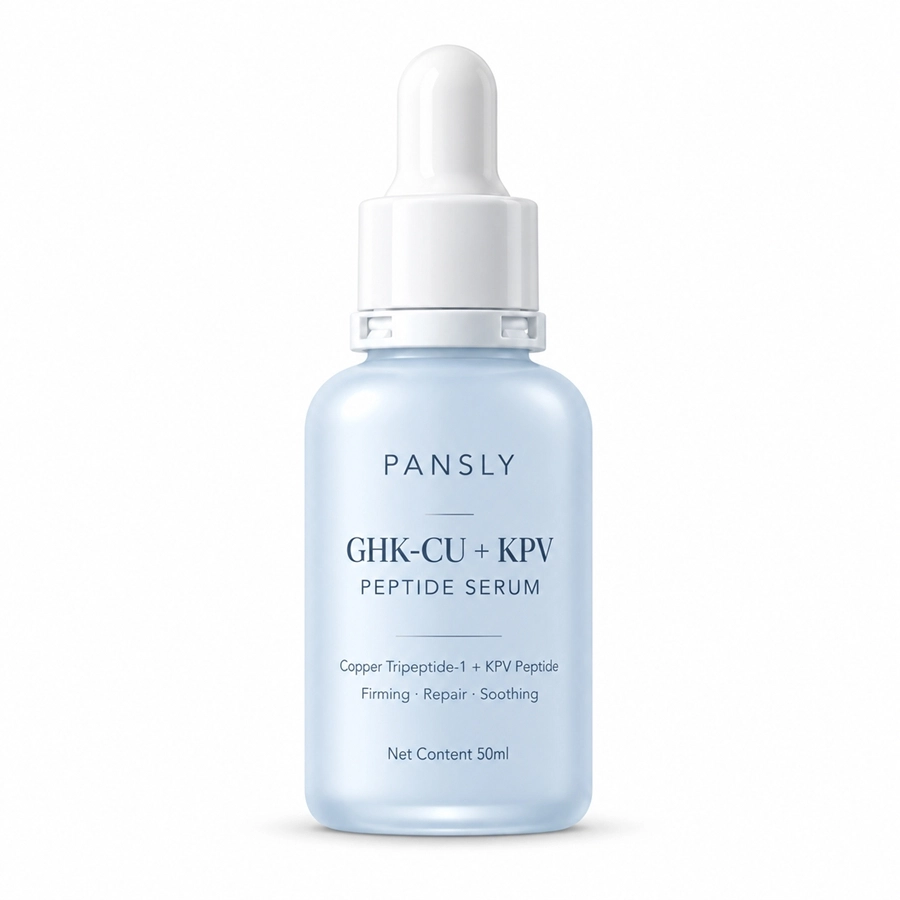
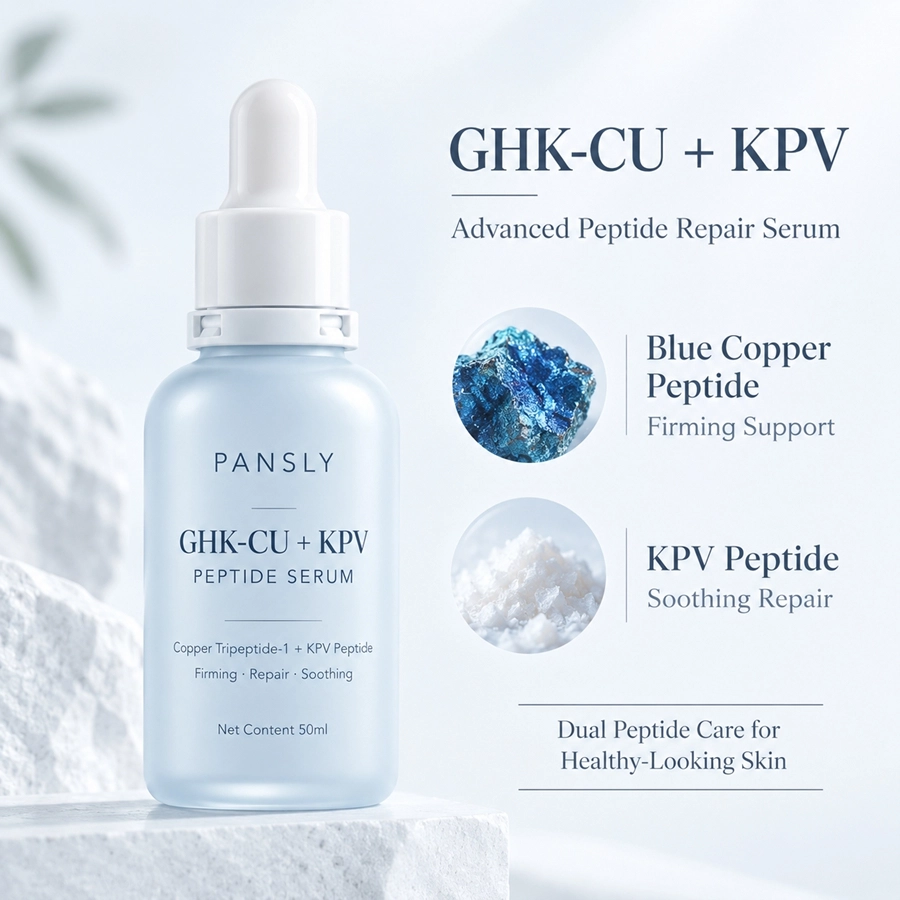
GHK-Cu KPV serum for skin is a private-label peptide face serum formulated for a firming, smoothing routine. This GHK-CU KPV Serum is positioned for wrinkle care and skin repair, making it a practical addition to an anti-aging skincare range.
Get in Touch with us
If you have any comments or good suggestions, please leave us a message; later our professional staff will contact you as soon as possible.
Click here to customize the Beauty
we respond within a few hours
Monday–Friday, 9AM–6PM
3A01, Building A, Zhisheng Square, No. 4 Zhifu Road, Helong Street, Baiyun District, Guangzhou, China.


Leave a request, and we'll email you back within 24 hours.
© 2026 Beyond Basix. All Rights Reserved.
