
What Does Ectoin Do in a Barrier Repair Serum?
Quick Answer
Ectoin helps a barrier repair serum support hydration and reduce environmental stress by stabilizing water around skin structures and supporting membrane integrity. For an ectoin barrier repair serum, selection should consider ectoin level, complementary humectants, preservative compatibility, pH, and packaging. Beyond Basix can assess formulation and manufacturing routes, but final solutions depend on the project brief, testing, and site conditions.
How Beyond Basix Supports Projects
Guangzhou Beyond Basix Cosmetics Ltd. supports OEM and ODM skincare development through formulation planning, production, and quality-control coordination. Its 12,000-square-meter facility includes a 100,000-level GMPC pharmaceutical-grade dust-free workshop and 12 production lines. The company has more than 23 years of experience in research, production, and sales, with 12 years focused on effective-ingredient skincare development.
Beyond Basix can discuss ectoin compatibility, texture, packaging direction, sample development, and documentation for a proposed serum. Buyers should confirm target market, intended claims, ectoin specification, formula pH, package format, testing scope, and regulatory requirements. MOQ, lead time, testing scope, and quotation must be confirmed for each project rather than assumed from a standard formula.
Discuss Your Ectoin Serum Development Brief
Provide the target market, intended skin type, ectoin specification or target level, supporting ingredients, texture preference, package format, and expected order volume. These details allow suitable formulation options, sample stages, claim-support testing, and production planning to be discussed. Visit www.beyondbasixcosmetics.com or email Lily@lanthome.com to begin a project-specific consultation.
Deep-Dive FAQs
How does ectoin strengthen a compromised skin barrier?
Ectoin is a compatible solute, also called an extremolyte, produced by certain microorganisms to help them tolerate environmental stress. In topical skincare, it is used because its water-binding behavior can create a protective hydration environment around biomolecules and cell membranes. This may support skin comfort, hydration, and barrier resilience, but it should not be described as physically rebuilding damaged tissue. For formulation development, assess its effect alongside transepidermal water loss, hydration measurements, redness or irritation scoring, and user tolerability. A useful product position is barrier support or protection against dryness rather than a therapeutic repair claim. Results also depend on the complete formula, application frequency, cleansing habits, and the condition of the test population.
Can ectoin reduce irritation without adding heavy occlusion?
It can be incorporated into a lightweight, water-based serum because its role is not dependent on forming a thick oil film over the skin. Its humectant and protective properties may help improve comfort when the formula is exposed to drying or irritating conditions. However, ectoin is not an automatic substitute for occlusives, emollients, or a well-designed lipid system. A light texture can still become irritating if the preservative system, fragrance, solvent level, pH, or botanical load is poorly selected. During OEM development, compare prototypes using instrumental hydration, TEWL where available, repeat-application tolerability, and sensory evaluation. Avoid promising irritation reduction until the finished product has suitable safety and claim-support evidence.
What ectoin concentration suits a private label serum?
There is no universally correct concentration for every serum, market, or claim. The appropriate level depends on the supplier’s raw-material specification, recommended use range, formula architecture, target cost, regulatory position, and the evidence available for the finished product. Increasing the percentage does not automatically produce a proportionate consumer benefit and can affect cost, viscosity, sensory feel, or formulation balance. A practical development sequence is to create several technically realistic levels, confirm dissolution and stability, then compare hydration and tolerability results with a control formula. Buyers should request the raw-material technical data sheet, certificate of analysis, recommended dosage, test evidence, and compatibility guidance before fixing a private-label specification.
Does ectoin work with ceramides and panthenol in formulations?
Ectoin can be considered alongside ceramides and panthenol because they address different formulation roles. Ceramides contribute to the skin-identical lipid concept, panthenol is commonly used for conditioning and moisturization, and ectoin provides compatible-solute-based hydration and stress-support positioning. Their combination still requires technical evaluation. Ceramides may require specialized dispersions or delivery systems, while panthenol and ectoin are generally suited to aqueous phases; the exact grades and processing methods matter. Check pH, electrolyte exposure, preservative compatibility, solubility, viscosity, odor, and long-term stability in the complete formula. A combined ingredient list should not be treated as proof of superior barrier performance without comparative testing on the finished serum.
How should brands test ectoin serum barrier claims?
Begin by defining the claim precisely. Supporting dry, tight-feeling skin is a different evidentiary task from claiming improved barrier function or reduced sensitivity. For a barrier-focused cosmetic serum, relevant evaluations may include corneometry for hydration, TEWL for barrier-related water loss, dermatologist or trained-assessor grading, consumer tolerability, and controlled before-and-after use testing. Instrument choice, environmental conditions, washout period, application schedule, sample size, comparator, and statistical treatment affect interpretation. Test the finished commercial formula, not only the isolated ingredient, because the vehicle and supporting ingredients influence results. Marketing language should stay aligned with the study design and the regulatory expectations of the destination market; cosmetic support claims should not imply treatment of a medical disorder.
Which packaging protects ectoin serum stability during distribution?
Packaging selection should follow the formula’s measured sensitivity rather than a generic assumption that ectoin requires one specific container. Evaluate the serum in its proposed primary package through compatibility, leakage, pump-function, transport, accelerated-stability, and freeze-thaw or temperature-cycle studies where relevant. Airless pumps can reduce repeated environmental exposure and help control dosing, while opaque or UV-reducing materials may be appropriate when the complete formula contains light-sensitive components. The package must also preserve closure integrity and consumer usability throughout the intended shelf life. Confirm fill volume, headspace, material compatibility, decoration, shipping conditions, and batch coding before approval. Stability evidence should support the final formula-package combination, not merely the raw ingredient.
Related Articles for Private Label Cosmetics

Why Two Mineral Sunscreens With the Same SPF Can Feel Completely Different

Beyond Ordinary Tallow Balm: How GHK-Cu and SNAP-8 Create a Different Skincare Story

When Blue Copper Peptides Meet Beef Tallow: A New Direction for Premium Skincare

PDRN Toner Pads vs GHK-Cu + SNAP-8 Peptide Toner Pads: Private Label Manufacturing Decisions
You May Also Like
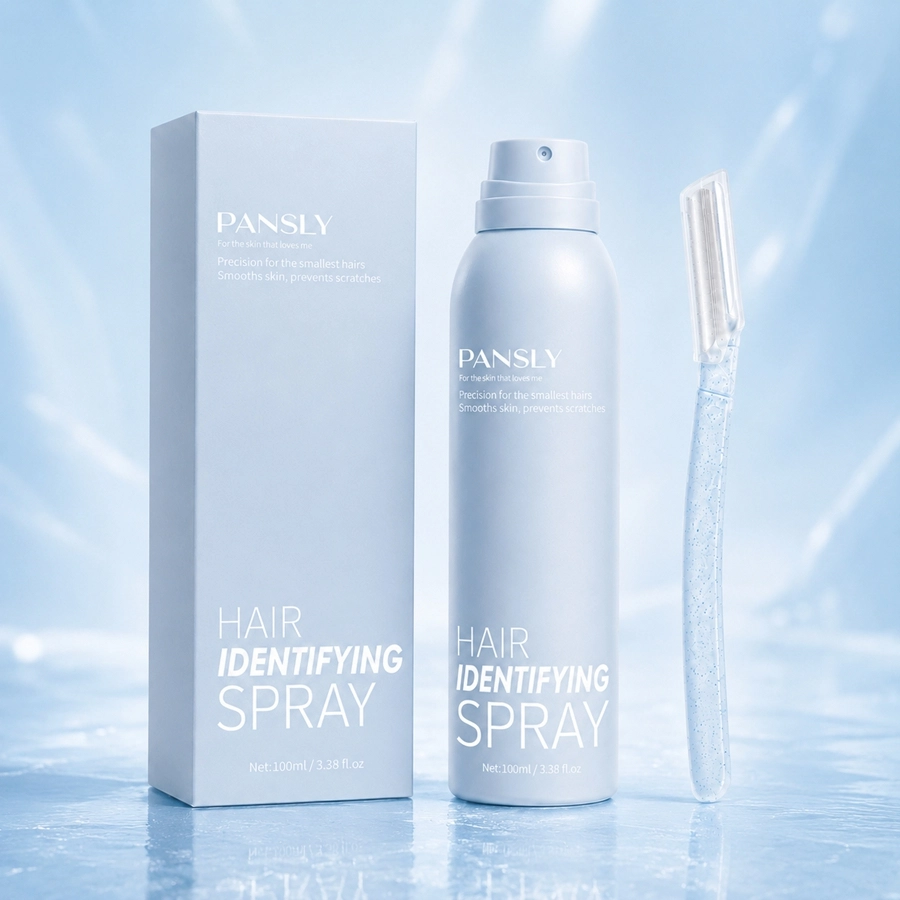
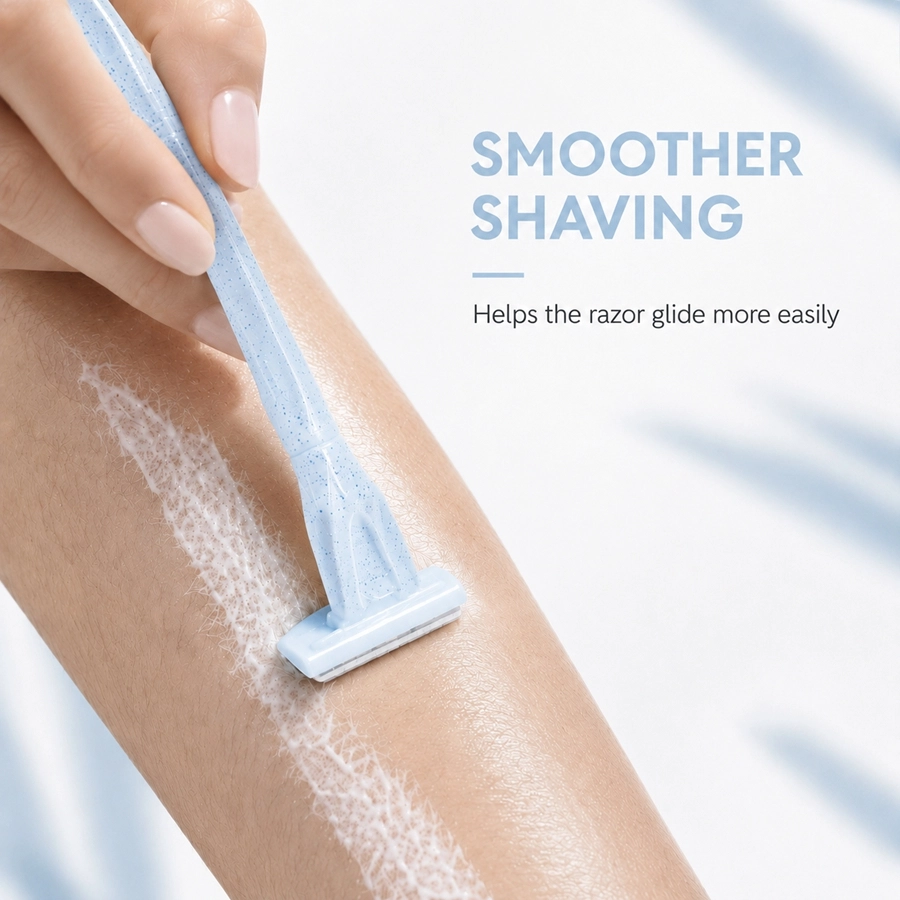
This Pansly Hair Identifying Spray Grooming Set contains 100ml pre-shave hair identifying spray and a matching precision facial scraper, designed for precise facial and body fine hair removal and dermaplaning.
Core functional ingredients:
Zea Mays (Corn) Starch: Creates a thin white film on dry skin to expose invisible tiny vellus hairs, enabling targeted, accurate grooming;
Portulaca Oleracea Extract: Soothes sensitive skin and relieves irritation caused by scraping;
Hydrolyzed Keratin: Lubricates skin surface, improves scraper gliding performance and effectively prevents scratches;
Butylene Glycol: Delivers gentle hydration to maintain skin comfort during hair trimming.
Adopt ultra-fine mist design, evenly spray on clean dry skin. Complete grooming through 4 simple steps: Spray → Identify fine hairs → Gentle Glide with scraper → Wipe away residues. Suitable for cheeks, upper lip, jawline, arms and other areas to achieve cleaner, smoother shaving results. We provide full OEM & ODM private label service, support custom logo, multiple packaging color options, fast sampling and bulk order supply.
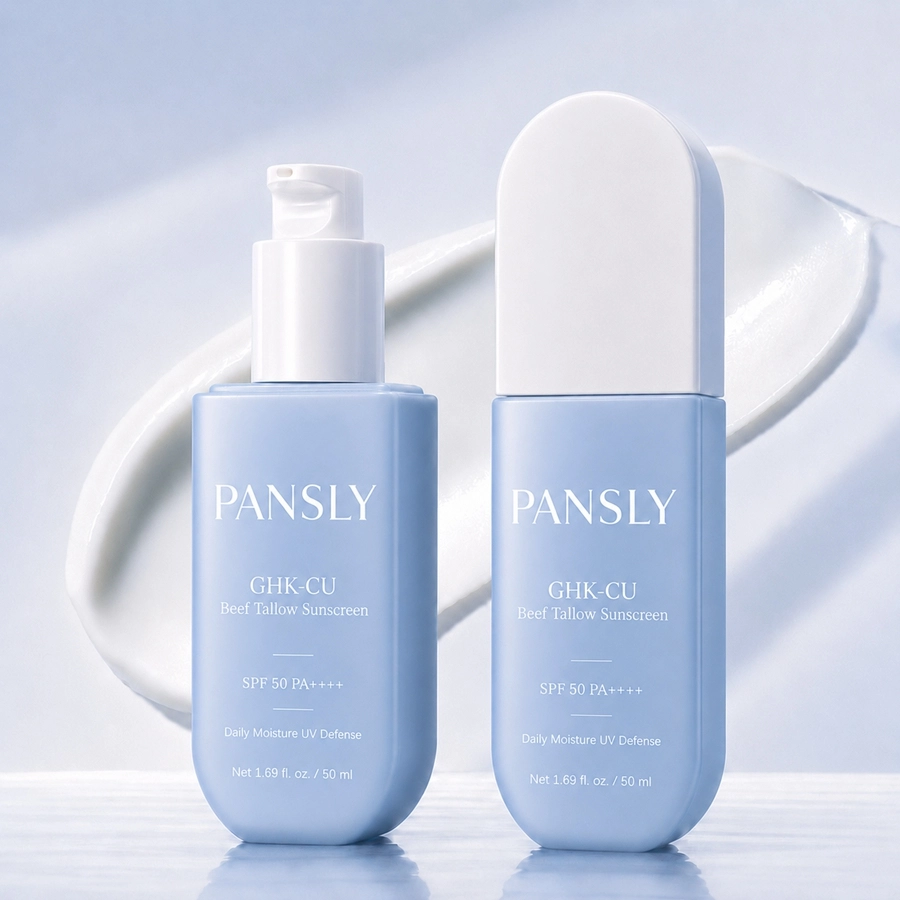
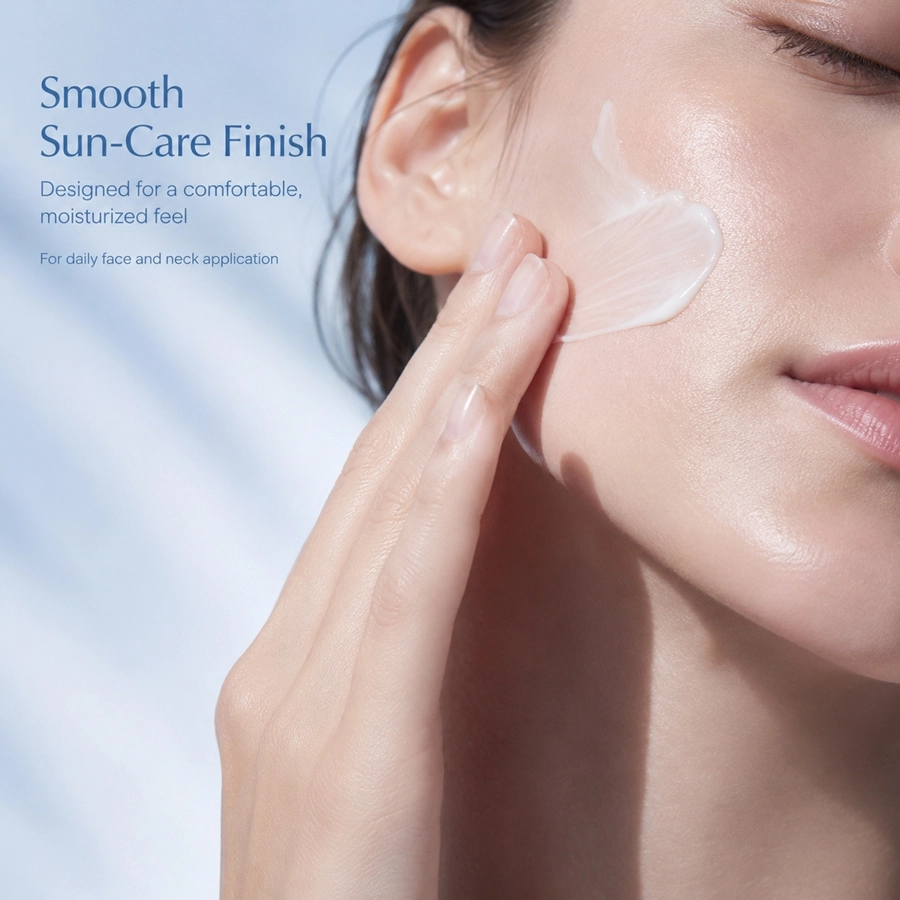
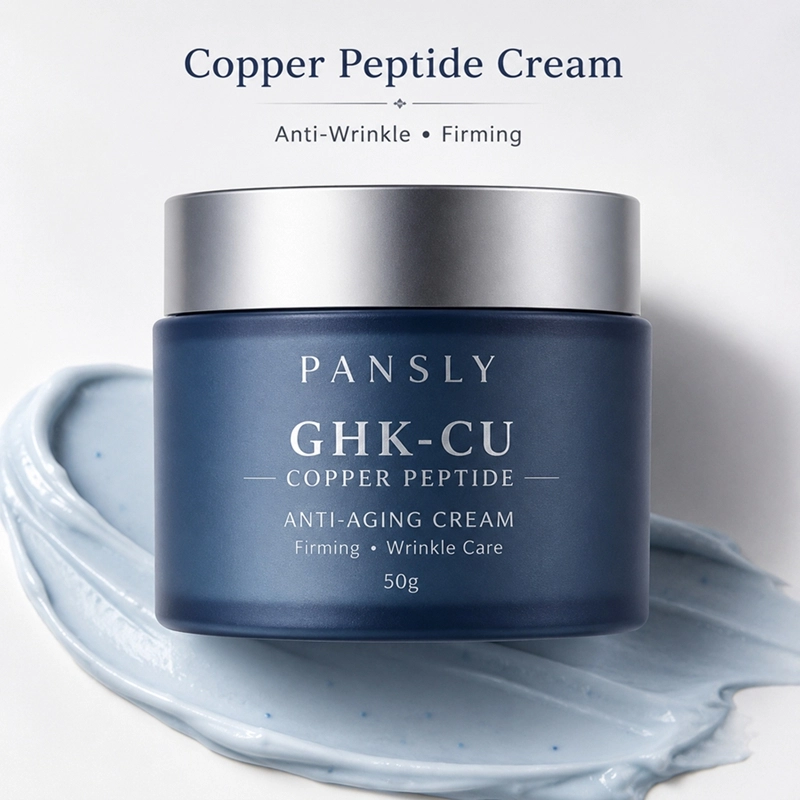
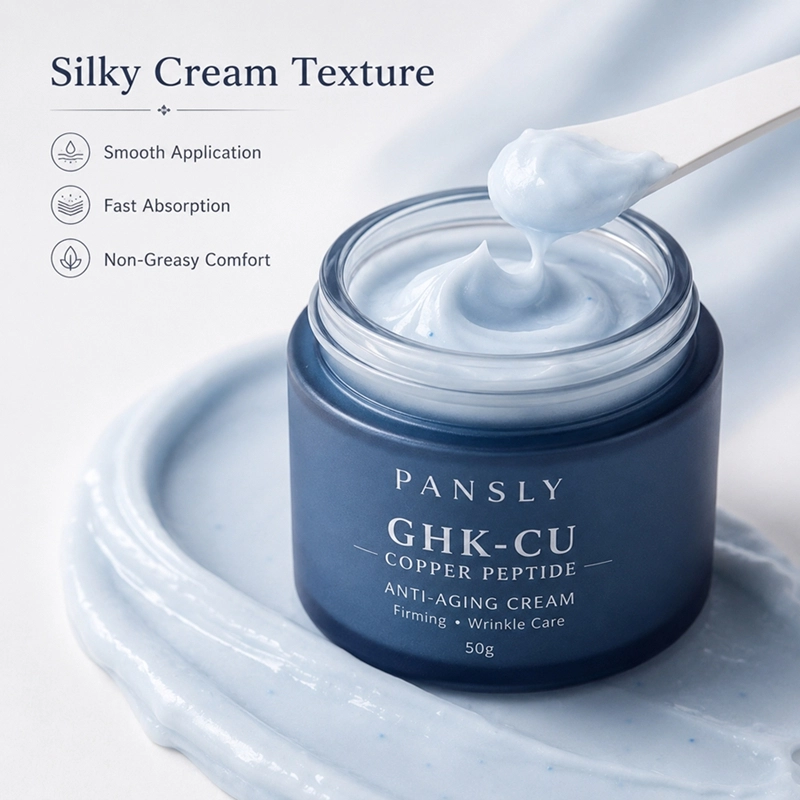
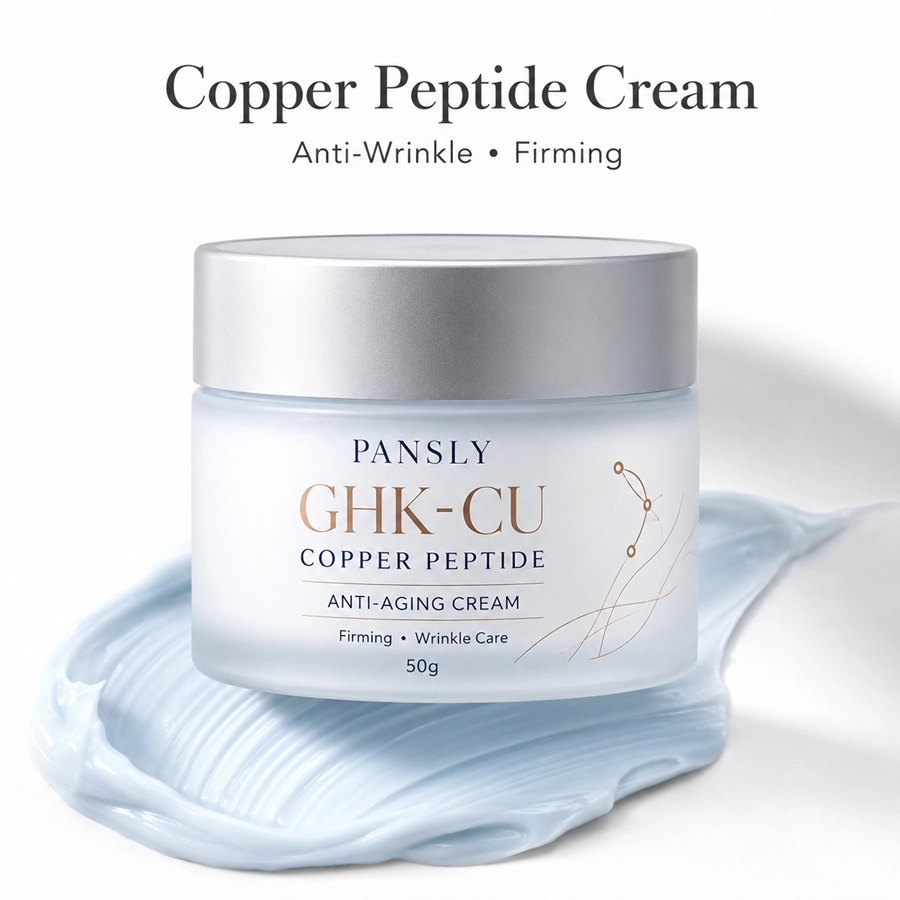
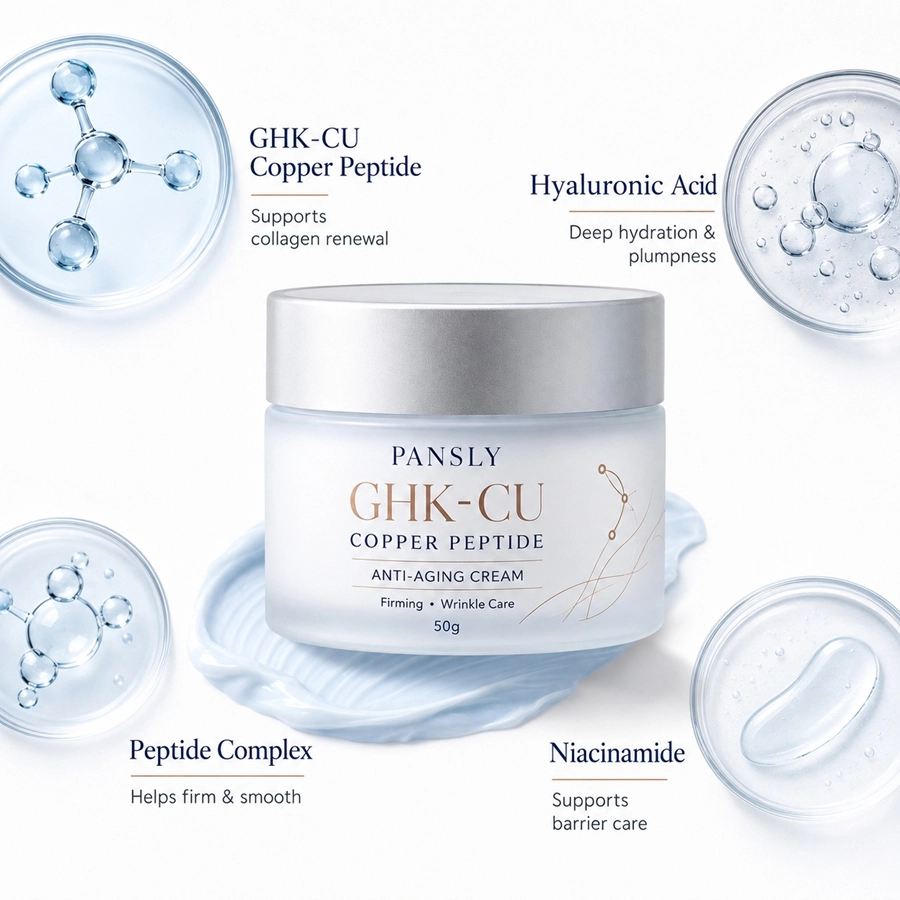
GHK-Cu Face Cream, a copper peptide anti-aging formula, hydrates deeply and supports skin barrier repair. Private label available for bulk orders, giving brands a ready-to-sell moisturizer with a blue copper peptide base for smoother-looking skin.
Get in Touch with us
If you have any comments or good suggestions, please leave us a message; later our professional staff will contact you as soon as possible.
Click here to customize the Beauty
we respond within a few hours
Monday–Friday, 9AM–6PM
3A01, Building A, Zhisheng Square, No. 4 Zhifu Road, Helong Street, Baiyun District, Guangzhou, China.


Leave a request, and we'll email you back within 24 hours.
© 2026 Beyond Basix. All Rights Reserved.
