
NAD+ vs PDRN vs EGF: How Do These Serum Concepts Differ?
- NAD+ vs PDRN vs EGF at a Glance
- NAD+ vs PDRN for Skin: The Difference Starts With the Ingredient Story
- When NAD+ is the stronger direction
- When PDRN is the stronger direction
- EGF vs PDRN: Similar Premium Positioning, Different Development Risk
- Can NAD+, PDRN and EGF Be Combined?
- Formulation Stability Matters More Than the Ingredient Name
- Packaging Can Change the Risk Profile of the Same Serum
- Claims Should Follow the Finished Cosmetic Formula
- Which Serum Concept Fits Which Brand?
- What a Private Label Buyer Should Define Before Sampling
- Develop an EGF, NAD+ or PDRN Serum With Beyond Basix
- Deep-Dive FAQs
Quick answer: NAD+, PDRN and EGF are not interchangeable skincare actives. NAD+ is a coenzyme associated with cellular redox chemistry; PDRN refers to purified polynucleotide fragments used as an ingredient story around skin recovery and conditioning; EGF is a signaling protein concept that requires especially careful handling of ingredient identity, stability and cosmetic claims. For a beauty brand, the better serum direction depends less on which name sounds more advanced and more on formula stability, evidence, packaging, target market and the role the SKU needs to play in the range.
NAD+ vs PDRN vs EGF at a Glance
Searches such as NAD vs PDRN, EGF vs PDRN and PDRN vs NAD+ often treat these ingredients as alternatives because all three appear in premium, biotech-inspired skincare. From a formulation and product-development standpoint, however, they start from different technical foundations.
| Concept | Ingredient identity | Best product story | Formulation priority | Buyer question to resolve |
|---|---|---|---|---|
| NAD+ | Redox-active coenzyme | Advanced age-support, vitality and premium active skincare | pH, oxidation, light exposure and active-content stability | Can the finished formula retain the intended active level through shelf life? |
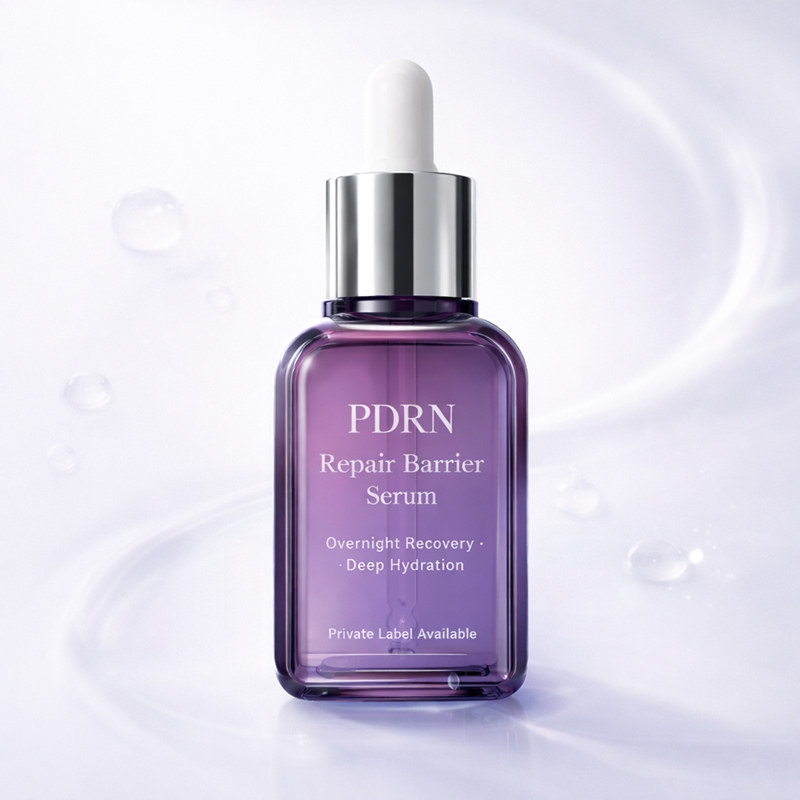
| PDRN | Purified polynucleotide fragments, with source and specification dependent on supplier | Recovery-focused, hydrating and premium Korean-inspired skincare concepts | Source documentation, purity, dispersion, microbial control and finished-product substantiation | What does the supplied material actually contain, and what topical claims can the final product support? |
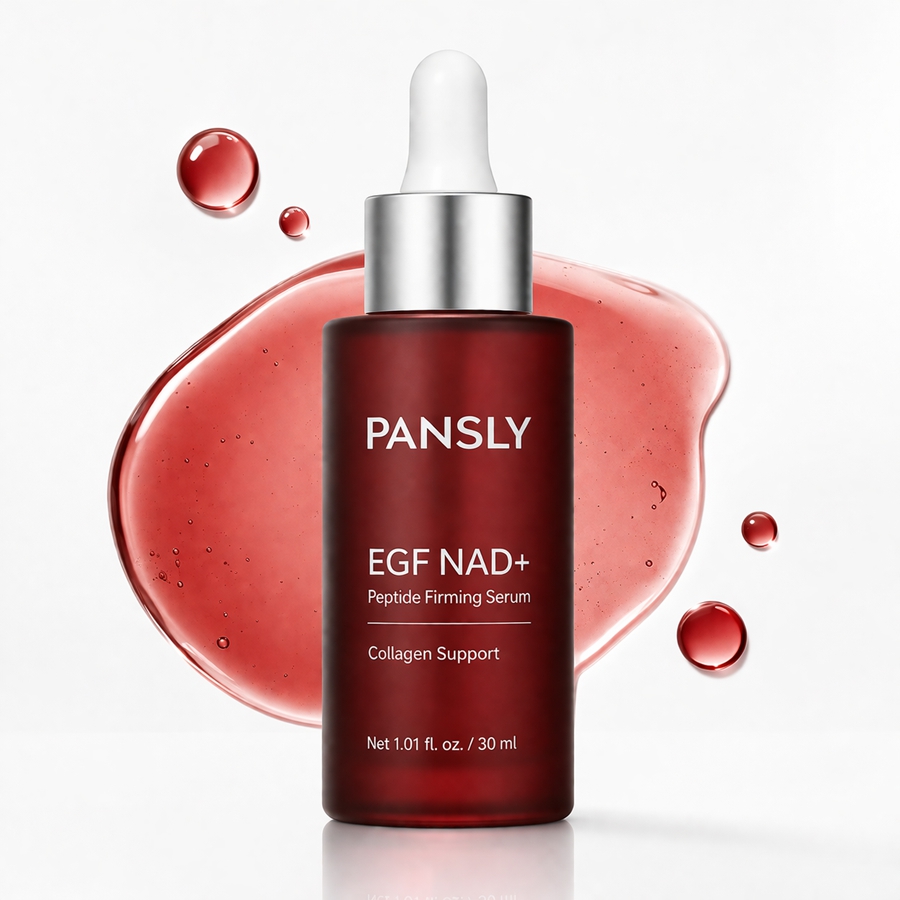
| EGF | Signaling protein / growth-factor concept | High-end biotech and peptide-led serum positioning | Identity, activity, heat and shear sensitivity, preservative compatibility | Is the material characterized well enough to support the intended cosmetic positioning? |
NAD+ vs PDRN for Skin: The Difference Starts With the Ingredient Story
NAD+ and PDRN can both support a premium serum launch, but they give the brand very different ways to explain the product. A NAD+ serum usually leans into a modern coenzyme narrative. That can work well for brands already using peptides, ceramides, ectoin or other advanced actives and looking for a technically sophisticated hero serum.
PDRN creates a different consumer cue. In skincare, buyers often associate the term with recovery-oriented, hydrating and post-stress concepts. That makes PDRN easier to extend across serum, cream, eye patch and other formats without forcing every SKU to tell exactly the same story.
For OEM/ODM development, the critical issue is not to transfer medical or injectable PDRN evidence directly onto a topical cosmetic. Route of administration, concentration, exposure and regulatory classification are different. The product brief therefore needs a cosmetic claim strategy built around the finished formula rather than around the strongest claim found in raw-material marketing.
When NAD+ is the stronger direction
NAD+ may fit a brand that wants a futuristic, coenzyme-led anti-aging concept and is prepared to support more technical ingredient education. It can also sit naturally beside peptide systems, ceramides, ectoin and humectants when the brand wants a multi-active formula rather than a single-ingredient hero.
When PDRN is the stronger direction
PDRN may be more useful when the portfolio needs a recognizable ingredient family that can expand across several dosage forms. A PDRN serum can lead the range, while eye patches, creams and barrier-focused products create logical follow-on SKUs.
EGF vs PDRN: Similar Premium Positioning, Different Development Risk
EGF and PDRN often appear in the same high-performance skincare conversation, but they should not be treated as equivalent actives. EGF is a protein-based signaling concept. That means raw-material identity, handling conditions and activity characterization matter. Heat, shear, unsuitable pH and preservative interactions can all become relevant during development.
PDRN introduces a different set of questions: source, molecular characteristics, purification, microbiological quality, supplier documentation and topical claim support. A buyer comparing EGF vs PDRN should therefore ask not only which ingredient is more marketable, but which ingredient can be documented, formulated and tested consistently for the intended market.
Can NAD+, PDRN and EGF Be Combined?
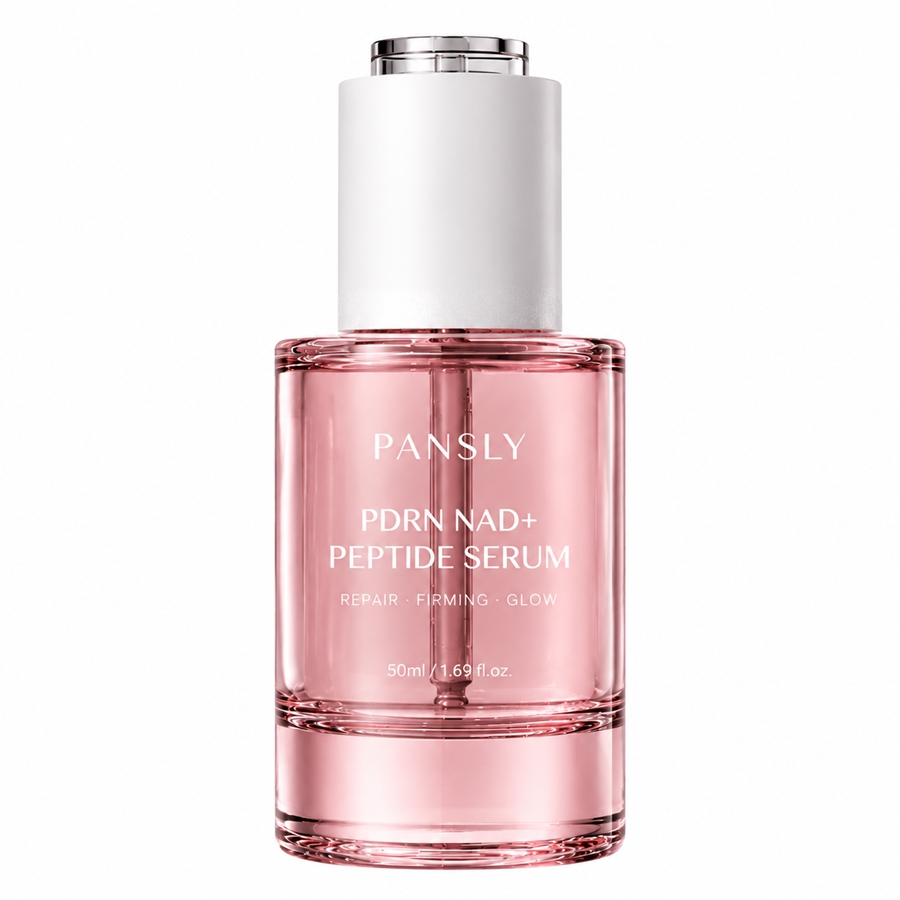
They can be considered in multi-active concepts, but compatibility cannot be assumed simply because each ingredient works individually in skincare. A combined serum increases the number of variables that must be controlled: pH window, ionic environment, oxidation, light exposure, preservative system, processing temperature, mixing sequence and packaging.
For that reason, a development program is usually stronger when it begins with a clear hierarchy. One ingredient should lead the product story, while the others support the positioning. A serum marketed as “everything active at once” may sound impressive but can become harder to formulate, harder to explain and harder to substantiate.
Formulation Stability Matters More Than the Ingredient Name
For a serum that contains advanced actives, visual stability is only the first checkpoint. A formula can remain clear and pleasant while the active system changes during storage. Buyers should therefore separate physical stability from active-content stability.
Typical development work may include pH monitoring, viscosity checks, odor and color observation, freeze-thaw or temperature cycling, microbiological testing, preservative assessment and packaging compatibility. Where a reliable analytical method is available, active-marker testing can add another layer of confidence.
NAD+ deserves particular attention to oxidation-reduction conditions, temperature and light exposure. Protein-based EGF concepts may be sensitive to process heat and shear. PDRN materials require their own handling and quality controls. The exact test plan should follow the raw-material specification and the finished formula rather than a generic “peptide serum” checklist.
Packaging Can Change the Risk Profile of the Same Serum
Dropper bottles remain visually familiar in premium skincare, but they expose the product to repeated air exchange and user contact. Pumps and airless systems can reduce some exposure pathways, although they introduce their own compatibility, residual-volume and dispensing considerations.
For NAD+, EGF or PDRN concepts, packaging selection should be made after reviewing formula sensitivity. Light-protective containers, controlled dispensing and suitable closure systems may be useful depending on the formula. The pack should then be included in stability and compatibility testing rather than chosen only for visual branding.
Claims Should Follow the Finished Cosmetic Formula
Terms such as “regeneration,” “wound healing,” “cell repair” or “tissue reconstruction” can move a skincare claim toward medical territory in some markets. The safer product-development route is to build claims around cosmetic outcomes that can be supported for the finished formula, such as hydration, smoother-looking skin, improved appearance of firmness or a more comfortable skin feel.
Ingredient research can help explain why a brand is interested in a concept, but it does not automatically substantiate the exact wording placed on a carton, website or advertisement. Target-country review is therefore part of product development, not a final administrative step after the formula has already been locked.
Which Serum Concept Fits Which Brand?
What a Private Label Buyer Should Define Before Sampling
A stronger development brief gives the formulation team fewer assumptions to make. Before the first sample, we recommend defining the target market, desired product role, consumer skin concern, preferred texture, hero ingredient, supporting actives, packaging format, fragrance direction, target fill size, expected order range and required launch date.
For an EGF, NAD+ or PDRN serum, the brief should also state how technical the brand wants the ingredient story to be. A clinic-inspired premium serum, a sensitive-skin barrier serum and a mass-premium anti-aging serum may all use advanced actives, but they require different textures, supporting ingredients, packaging and claims language.
Develop an EGF, NAD+ or PDRN Serum With Beyond Basix
Beyond Basix supports private label and OEM/ODM skincare projects from formula direction and sample development through packaging coordination and production. Share the ingredient concept, target market, positioning, packaging preference and expected order plan so we can evaluate a practical development route for your brand.
Deep-Dive FAQs
What is the difference between NAD+ and PDRN in skincare?
NAD+ and PDRN are different ingredient categories. NAD+ is a coenzyme involved in cellular redox chemistry, while PDRN refers to purified polynucleotide fragments whose source and specification depend on the supplier. In a topical cosmetic, NAD+ usually supports a coenzyme-led premium skincare story, whereas PDRN is often positioned around hydration, skin conditioning and recovery-oriented concepts. Neither ingredient should inherit medical or injectable claims automatically. For product development, brands should compare raw-material identity, supplier documentation, stability requirements, target-market regulations and finished-formula substantiation before deciding which direction to use.
EGF vs PDRN: how are they different in a serum?
EGF is a signaling protein concept, while PDRN is a polynucleotide-based ingredient category. EGF projects require close attention to material identity, activity characterization, heat and shear sensitivity, pH and preservative compatibility. PDRN projects raise different questions around source, purification, molecular characteristics, microbiological quality and topical claim support. Both can be used in premium skincare, but the stronger option depends on the brand story, formula design, available documentation and how the finished product will be tested and marketed.
Can PDRN and NAD+ be used together in one serum?
They can be considered in one formula, but compatibility must be established through development and stability work rather than assumed from the popularity of the ingredients. The formulation team should evaluate pH, oxidation, light exposure, preservative performance, ionic conditions, processing temperature and packaging. It is also important to define which active leads the product story. A clear hierarchy usually creates a stronger product than a formula that simply accumulates multiple trend ingredients without a distinct role for each one.
Which packaging is better for NAD+, PDRN or EGF serum?
There is no universal best pack. The choice depends on the formula's sensitivity to oxygen, light, repeated air exchange, contamination risk and dispensing behavior. Droppers offer a familiar premium presentation, while pumps or airless systems may reduce some exposure pathways. The proposed commercial pack should be included in stability and container-closure compatibility testing so packaging decisions are based on the actual formula rather than appearance alone.
Which serum concept is better for a private label skincare brand?
The better choice depends on the role the serum needs to play. NAD+ can suit a coenzyme-led premium anti-aging concept; PDRN can support a broader active family across serum, cream and eye-care formats; EGF can support a biotech-oriented positioning when the raw material and finished formula are well documented. Brands should decide based on target customer, price tier, claims strategy, formula stability, packaging and future range architecture rather than choosing an ingredient only because it is currently trending.
Related Articles for Private Label Cosmetics

Why Two Mineral Sunscreens With the Same SPF Can Feel Completely Different

Beyond Ordinary Tallow Balm: How GHK-Cu and SNAP-8 Create a Different Skincare Story

When Blue Copper Peptides Meet Beef Tallow: A New Direction for Premium Skincare

PDRN Toner Pads vs GHK-Cu + SNAP-8 Peptide Toner Pads: Private Label Manufacturing Decisions
You May Also Like
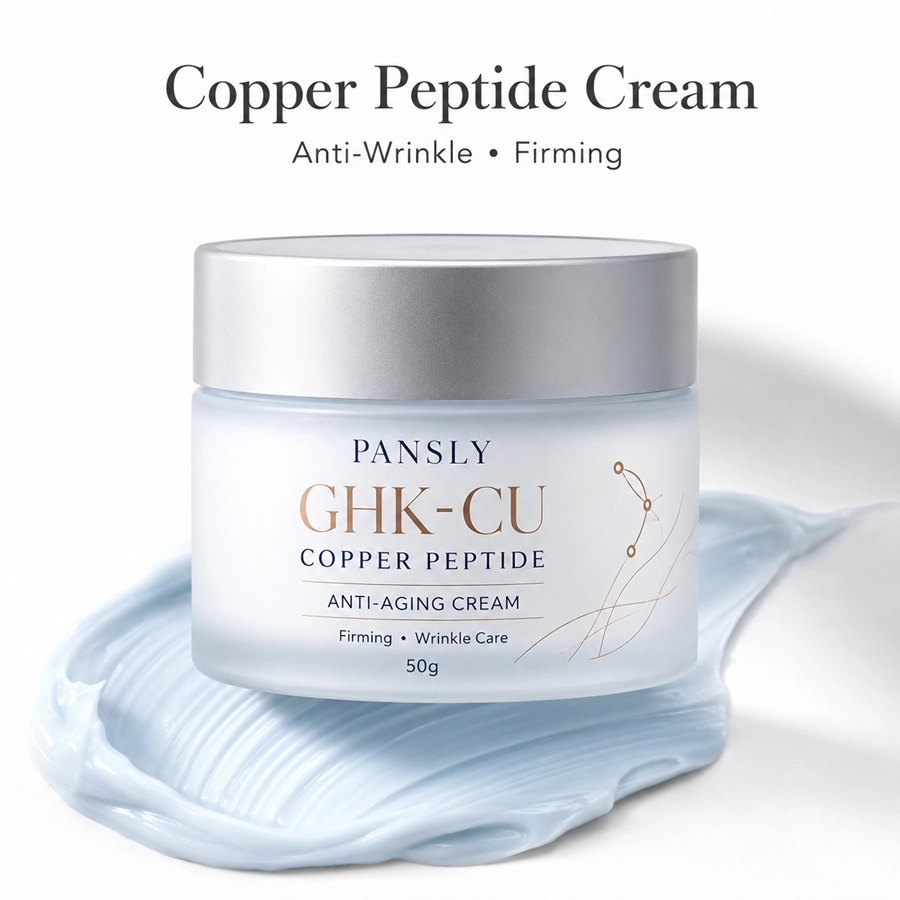
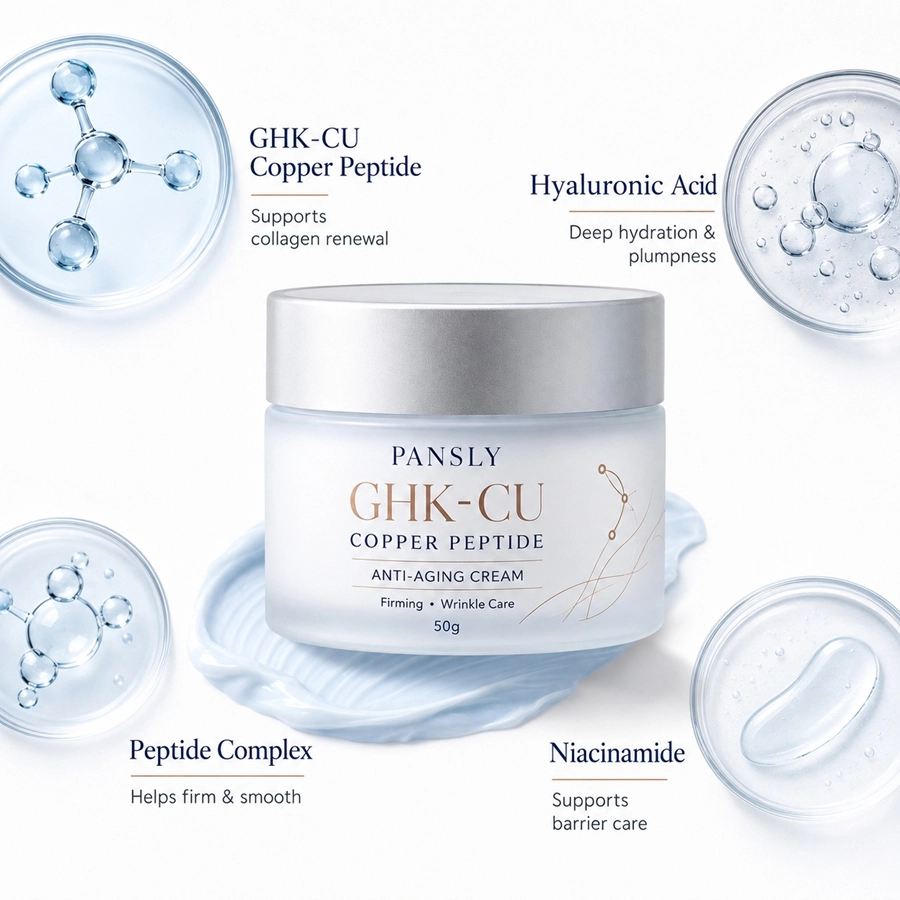
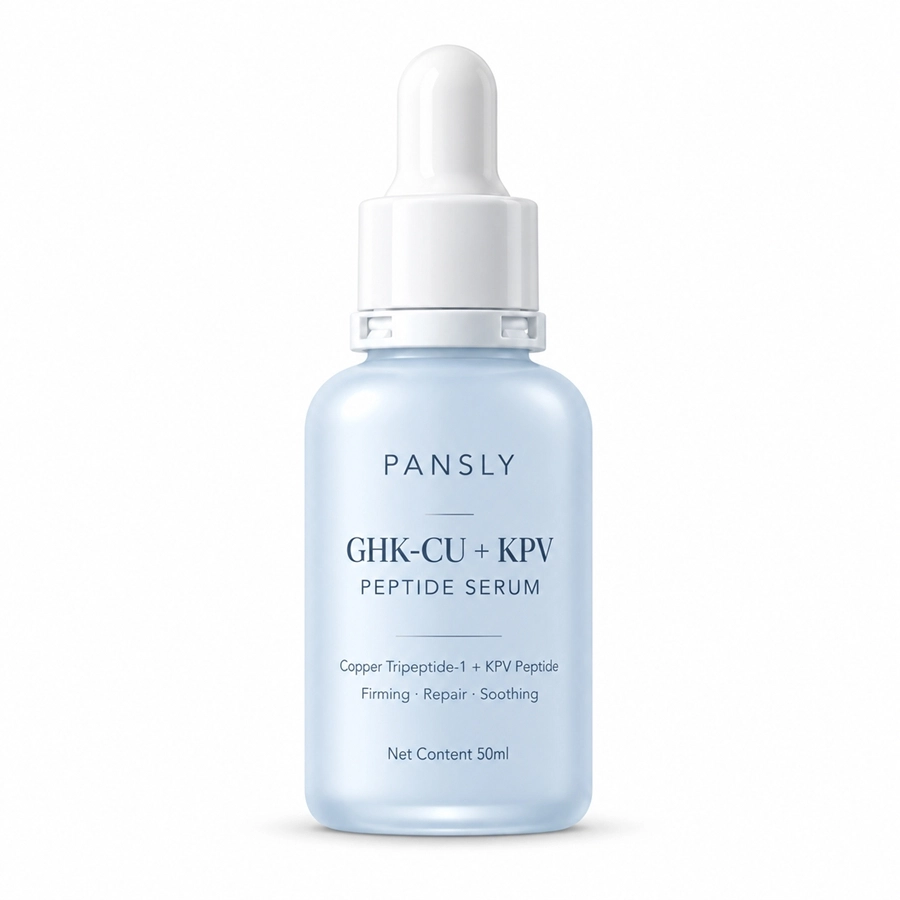
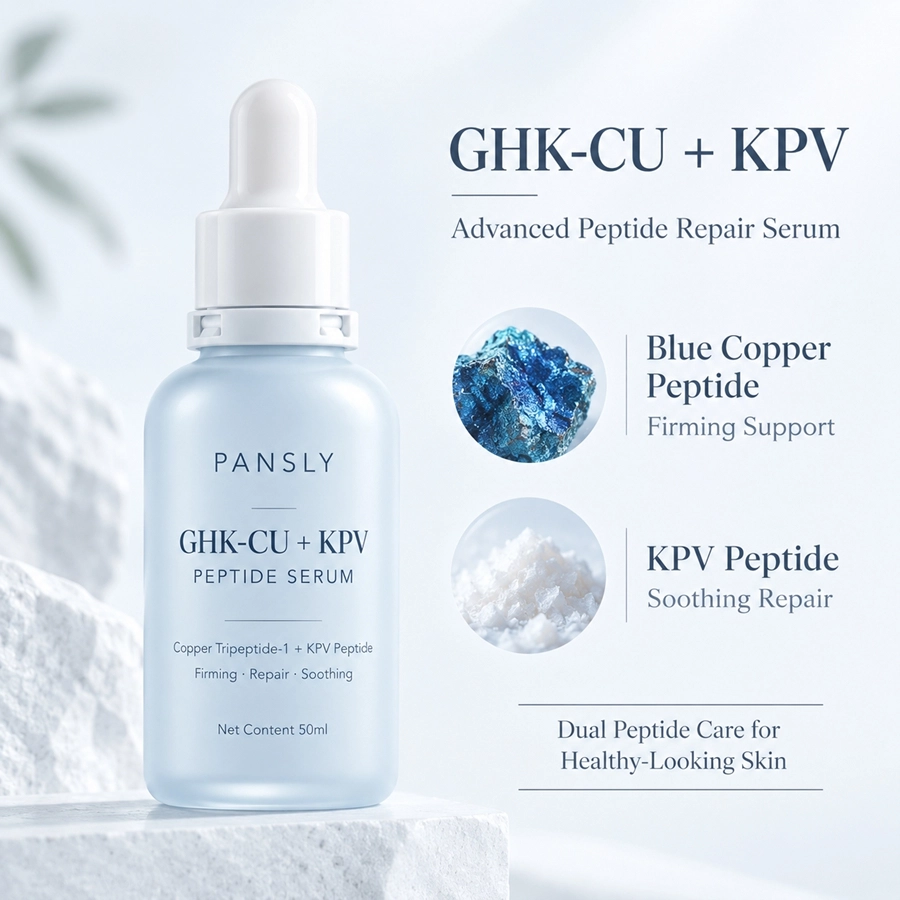
GHK-Cu KPV serum for skin is a private-label peptide face serum formulated for a firming, smoothing routine. This GHK-CU KPV Serum is positioned for wrinkle care and skin repair, making it a practical addition to an anti-aging skincare range.
Get in Touch with us
If you have any comments or good suggestions, please leave us a message; later our professional staff will contact you as soon as possible.
Click here to customize the Beauty
we respond within a few hours
Monday–Friday, 9AM–6PM
3A01, Building A, Zhisheng Square, No. 4 Zhifu Road, Helong Street, Baiyun District, Guangzhou, China.


Leave a request, and we'll email you back within 24 hours.
© 2026 Beyond Basix. All Rights Reserved.
