
How Can Brands Explain a Multi-Active Serum Without Making It Too Complicated?
Quick Answer
Brands can simplify a multi-active serum by organizing the formula around one consumer benefit, then explaining each active’s supporting role in plain language. An egf nad+ peptide serum should be assessed through active compatibility, concentration strategy, stability, packaging, and claim requirements. Beyond Basix can support One-Stop OEM/ODM for Skincare projects, but the final solution depends on the brief, testing, and market conditions.
How Beyond Basix Supports Projects
Beyond Basix can help translate a complex active concept into a clearer product proposition through OEM/ODM formulation development, ingredient selection, sample coordination, and production planning. Its 23 years of cosmetics manufacturing experience, 12,000-square-meter facility, 100,000-level GMPC pharmaceutical-grade dust-free workshop, and 12 production lines support structured project execution.
Buyers should confirm the target market, product claims, dosage form, packaging format, required testing, and compliance documents before quotation. Beyond Basix holds ISO 9001, CE, MSDS, GMP, HALAL, and other certifications, while MOQ, lead time, testing scope, and quotation must be confirmed for each project.
Discuss Your Multi-Active Serum Brief
Share your target market, consumer profile, desired benefit, active concept, packaging type, expected order volume, and launch schedule so suitable formula directions, sample steps, claim language, and testing responsibilities can be discussed. Start your project at www.beyondbasixcosmetics.com or email Lily@lanthome.com.
Deep-Dive FAQs
How should brands prioritize actives in an EGF NAD+ peptide serum?
Start with the product promise rather than presenting every ingredient as an equal hero. A brand may position the formula around one primary consumer-facing benefit, while describing the remaining ingredients as supporting the formula’s skin-conditioning or appearance-related story. This prevents a label from becoming a list of disconnected mechanisms. EGF is a protein-based signaling ingredient, NAD+ is associated with cellular coenzyme biology, and peptides represent a broad ingredient category with different sequences and functions; these terms should not be treated as interchangeable. The formulator should confirm the identity, supplier documentation, recommended use level, compatibility, and stability behavior of each material. Marketing should then use only benefits supported by the finished-product evidence and permitted in the target market.
What evidence supports claims for EGF, NAD+, and peptides together?
Evidence for individual raw materials does not automatically prove the performance of a finished combination. Brands should separate three evidence levels: supplier data for an ingredient, formula-level testing for the completed serum, and consumer or instrumental studies supporting the proposed claim. Testing may examine hydration, skin appearance, smoothness, or other relevant endpoints, but the method, sample size, duration, control design, and statistical interpretation affect how confidently results can be communicated. Regulatory expectations differ by market. In the European Union, cosmetic claims are subject to common criteria under Regulation (EU) No 655/2013, including truthfulness and evidential support. Claims implying treatment of disease or modification of biological function may also change a product’s regulatory status in some jurisdictions. A careful claim matrix should be prepared before packaging copy is finalized.
How can a label explain multiple actives without overpromising results?
Use a layered communication structure. The front panel should state one concise cosmetic benefit, the secondary panel can explain the role of two or three active groups, and the full product page can provide qualifying details. For example, a brand might describe peptides as part of a skin-conditioning approach rather than suggesting that every peptide produces the same effect. Avoid language such as rebuilds, repairs cellular DNA, reverses aging, or clinically proven unless the exact finished product and claim have appropriate substantiation and regulatory clearance. Ingredient names should follow the applicable INCI requirements, while marketing names should not obscure the actual composition. It is also useful to distinguish appearance claims, such as smoother-looking skin, from medical or physiological claims that may require a different regulatory pathway.
Which stability tests matter for a multi-active peptide serum formula?
The testing plan should reflect the formula, container, market, and intended shelf life rather than follow a generic checklist. Common considerations include appearance, odor, pH, viscosity, fill weight, microbial quality, preservative effectiveness where applicable, and assay or identity checks for selected sensitive actives. Protein-derived materials and certain coenzyme-related ingredients may be affected by pH, temperature, oxidation, light, water activity, or interactions with other components, so the relevant risks must be assessed experimentally. Packaging compatibility is equally important: an airless pump, dropper, or other closure can create different exposure conditions during use. Accelerated stability data can support development decisions, but it should not be presented as identical to real-time shelf-life evidence. The final protocol and acceptance limits should be agreed among the brand, formulator, packaging supplier, and testing facility.
Should brands describe ingredient mechanisms or consumer-facing benefits first?
Consumer-facing benefits should lead, provided they are accurate and supported; mechanisms can follow as concise education. Most shoppers need to understand what the product is intended to help their skin look or feel like before they need biochemical terminology. For B2B buyers, a technical dossier can then explain ingredient identity, formulation rationale, specifications, test methods, and claim evidence. Mechanistic language should remain proportionate to the evidence. A laboratory pathway or in-vitro result may explain why an ingredient is being investigated, but it does not necessarily establish a visible result in people using the finished serum. Clear communication also improves sales training: retailers can repeat one primary message, two supporting active roles, and simple usage guidance without making unsupported promises.
How do OEM buyers compare samples, MOQ, and testing responsibilities?
An OEM comparison should evaluate more than the first sample’s texture. Buyers should request a defined sample brief covering the target skin feel, color, fragrance position, active concept, packaging, market, and proposed claims. They should also clarify whether the sample is a laboratory prototype, a pilot batch, or a production-representative version. MOQ may vary with formula complexity, component sourcing, filling format, and packaging customization, so it should be quoted against a specific specification rather than assumed from a catalogue item. Testing responsibility should be written into the project scope, including stability, microbial limits, preservative testing, packaging compatibility, and any claim-related study. Lead time can change when special materials, artwork approval, compliance review, or packaging tooling is involved. Comparing these obligations in writing gives the buyer a more meaningful basis for evaluating total project cost and launch risk.
Related Articles for Private Label Cosmetics

Why Two Mineral Sunscreens With the Same SPF Can Feel Completely Different

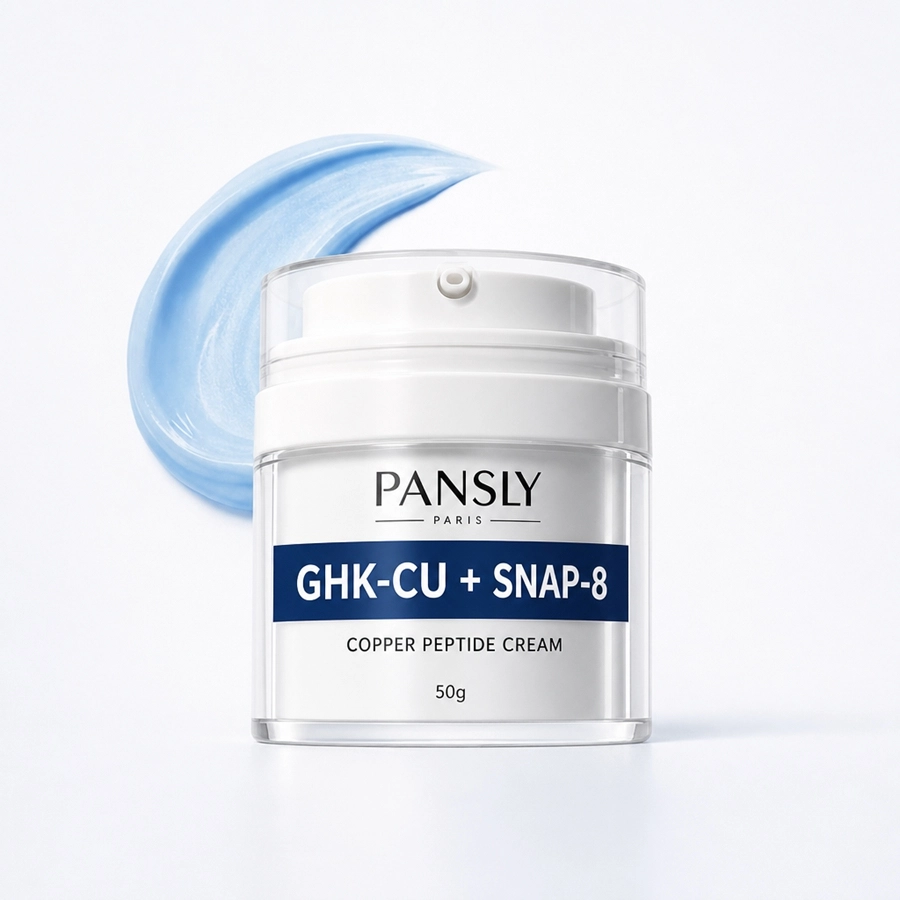
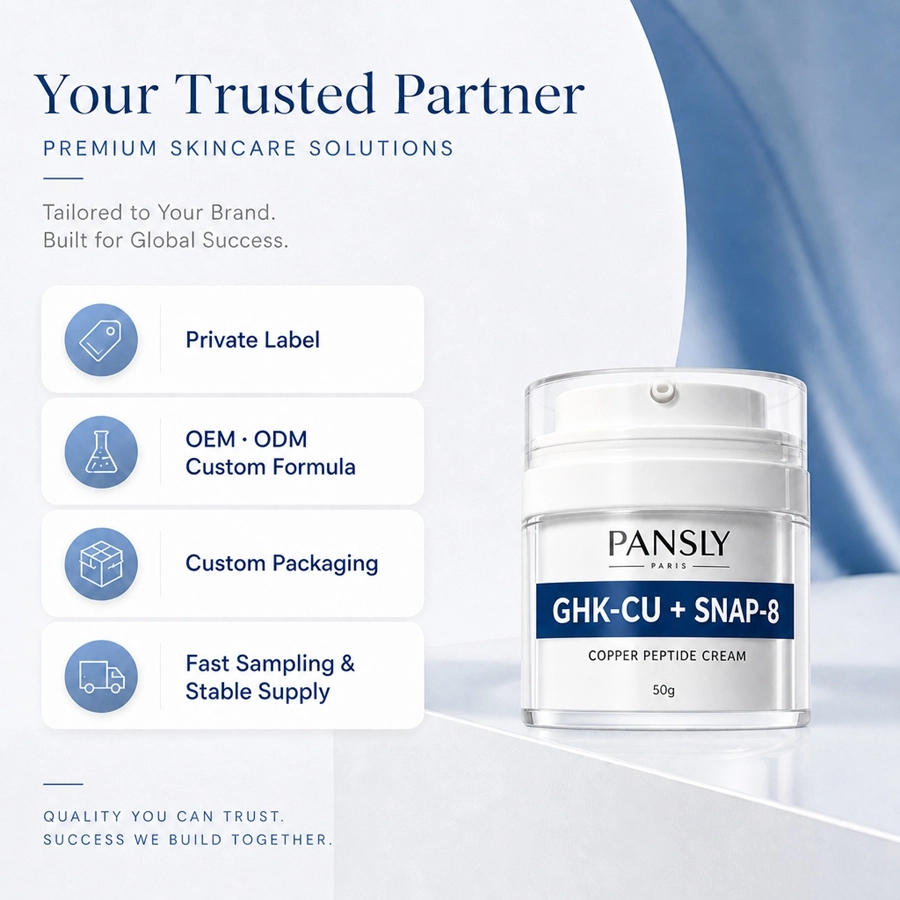
Beyond Ordinary Tallow Balm: How GHK-Cu and SNAP-8 Create a Different Skincare Story

When Blue Copper Peptides Meet Beef Tallow: A New Direction for Premium Skincare

PDRN Toner Pads vs GHK-Cu + SNAP-8 Peptide Toner Pads: Private Label Manufacturing Decisions
You May Also Like
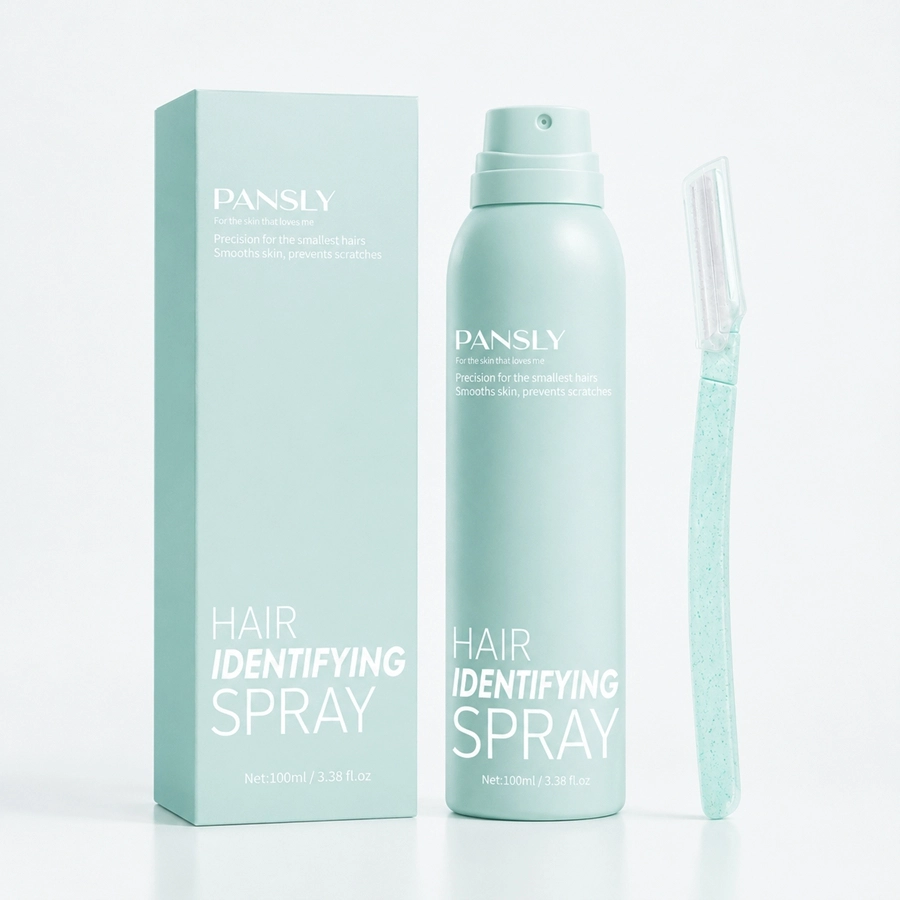
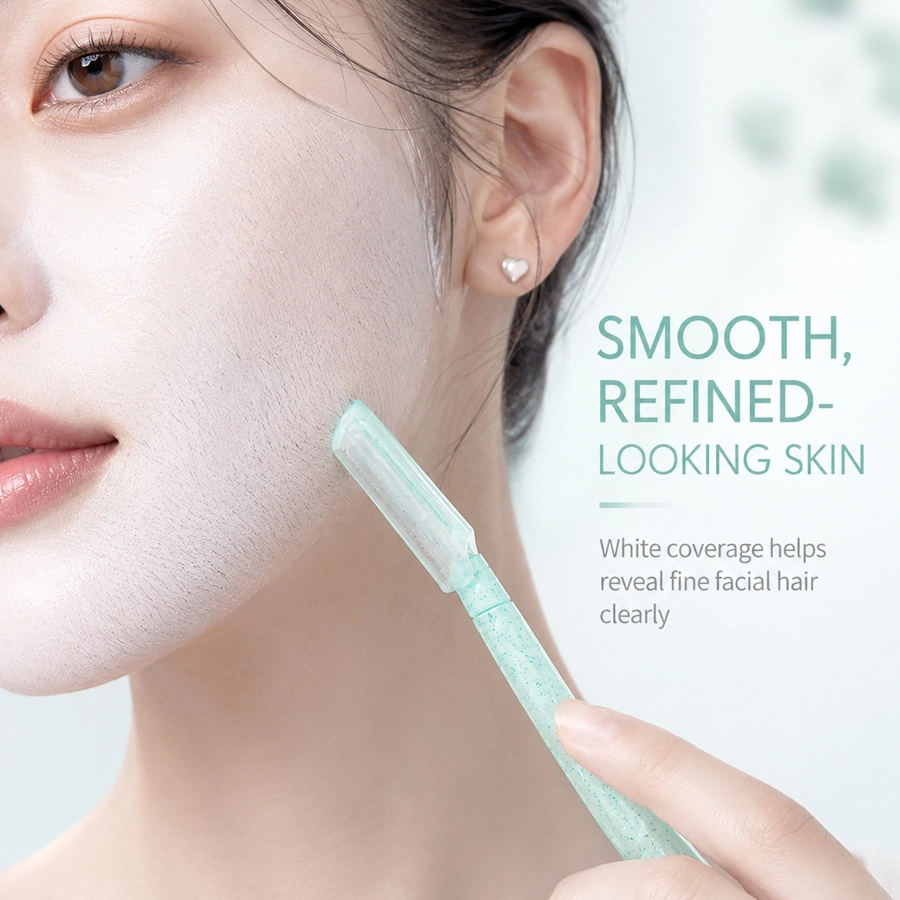
This Pansly Hair Identifying Spray Grooming Set includes a 100ml pre-shave hair identifying spray and a matching precision facial scraper, suitable for facial and body fine hair trimming.
Core functional ingredients:
Zea Mays (Corn) Starch: Forms a thin white film on dry skin to make invisible tiny vellus hairs clearly visible, supporting targeted accurate grooming;
Portulaca Oleracea Extract: Calms skin and alleviates irritation caused by scraping operations;
Hydrolyzed Keratin: Lubricates the skin surface to boost razor gliding and avoid scratches during hair removal;
Butylene Glycol: Offers gentle moisturization to keep skin comfortable throughout the grooming process.
You can finish the whole routine in 4 simple steps: Spray evenly on dry skin → Identify fine hairs via white coverage → Glide gently with the scraper → Wipe residues for silky smooth skin. It can be used on cheeks, upper lips, jawline, arms and more areas. We provide complete OEM/ODM private label service, including custom logo, multiple color selections, bulk order support and fast customization.
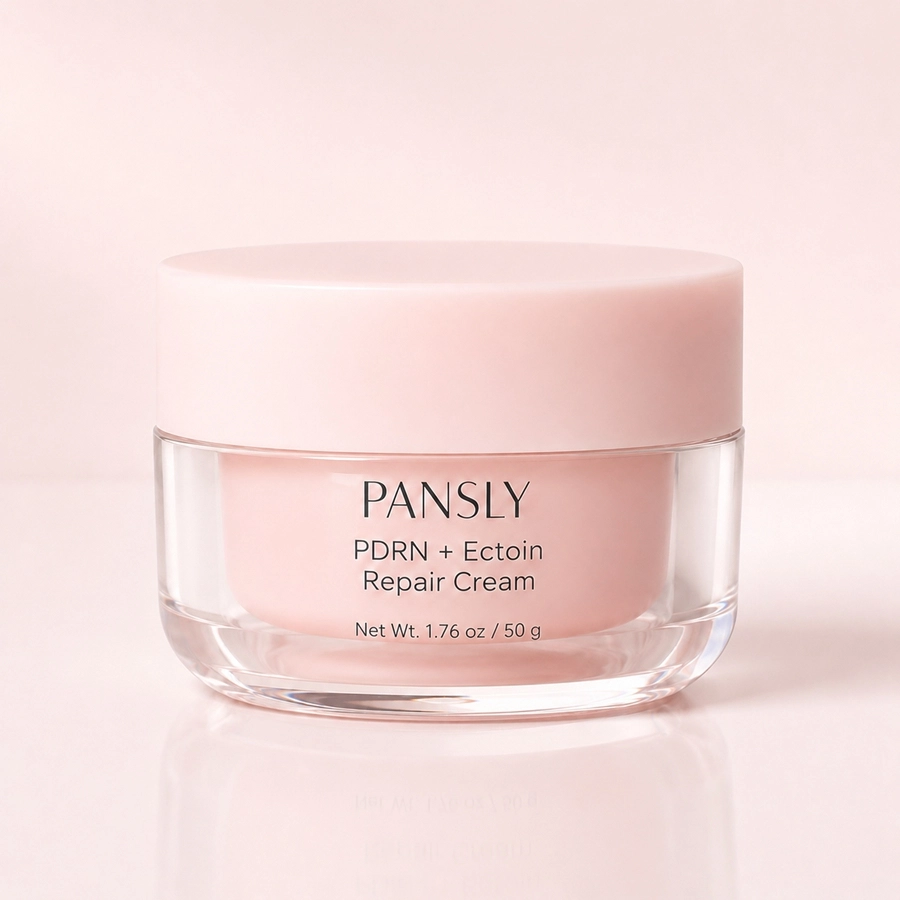
This Pansly PDRN + Ectoin Repair Cream is daily barrier-repair moisturizer for dry, sensitive, fragile skin, delivering long-lasting deep hydration and skin soothing care.
It adopts triple core moisturizing complex: PDRN accelerates skin renewal to create smoother refined complexion; Ectoin calms dry irritated skin and reinforces skin moisture barrier; Moisture Complex locks abundant hydration to keep skin soft, supple and comfortable all day.
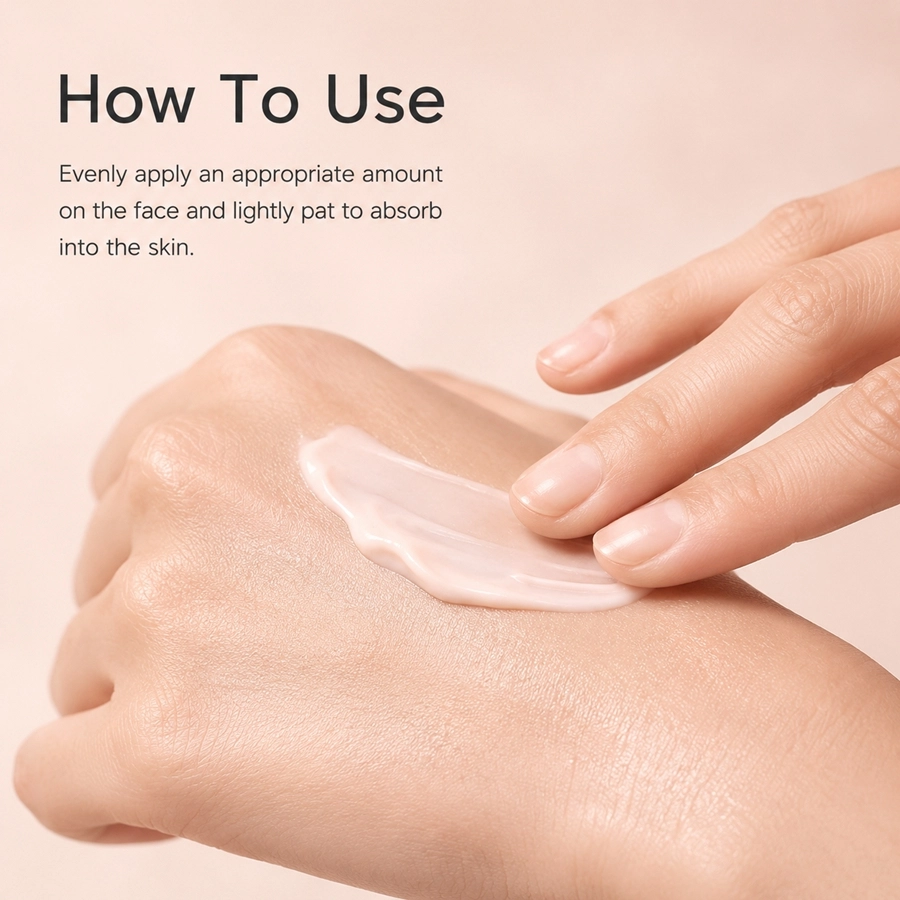
Butter-like soft melting cream texture, light dewy finish, non-comedogenic formula that won’t clog pores. Apply proper amount evenly on face and pat gently to absorb. Persistent use repairs damaged skin barrier, maintains stable moisture balance, and brings nourished smooth healthy skin.
Get in Touch with us
If you have any comments or good suggestions, please leave us a message; later our professional staff will contact you as soon as possible.
Click here to customize the Beauty
we respond within a few hours
Monday–Friday, 9AM–6PM
3A01, Building A, Zhisheng Square, No. 4 Zhifu Road, Helong Street, Baiyun District, Guangzhou, China.


Leave a request, and we'll email you back within 24 hours.
© 2026 Beyond Basix. All Rights Reserved.
