
Which Ingredients Work Well in a Firming PDRN Capsule Cream?
Quick Answer
For a firming pdrn capsule face cream, practical pairings include signal peptides, niacinamide, humectants, and carefully selected antioxidants; retinoids may be considered only when irritation and regulatory requirements are controlled. Beyond Basix assesses active compatibility, target claims, packaging, preservation, and stability. Final choices depend on the project brief, testing, and market conditions.
How Beyond Basix Supports Projects
Beyond Basix provides OEM/ODM skincare development backed by more than 23 years in cosmetics research, production, and sales, including 12 years focused on effective-ingredient skincare. Its 12,000-square-meter facility contains a 100,000-level GMPC pharmaceutical-grade dust-free workshop and 12 production lines for scalable manufacturing.
For a firming cream, buyers should confirm the active system, target claims, capsule or packaging format, preservation approach, market regulations, and required testing scope. MOQ, lead time, testing scope, and quotation must be confirmed for each project; applicable documentation may include the company’s ISO 9001, GMP, MSDS, CE, or HALAL credentials according to product and market needs.
Discuss Your Firming PDRN Cream Project
Share your target market, consumer profile, desired claims, texture, capsule format, active preferences, expected order volume, and compliance requirements so suitable ingredient options, prototype priorities, sample steps, and testing plans can be discussed. Start a focused formulation conversation at www.beyondbasixcosmetics.com or Lily@lanthome.com.
Frequently Asked Questions
Which firming ingredients complement PDRN in capsule creams?
Signal peptides, niacinamide, humectants, and selected antioxidants are commonly considered complementary options. Peptides may support a firming-positioned claim strategy, while niacinamide can contribute to barrier and tone-related positioning. Humectants such as glycerin or hyaluronic acid derivatives improve water binding and sensory performance, but they do not independently prove structural lifting. Antioxidants require careful selection because oxidation, color change, odor, and preservative interactions can affect the finished product. PDRN, or polydeoxyribonucleotide, should not be treated as a guaranteed collagen-building ingredient in a topical formula; the evidence, concentration, delivery environment, and permitted claims must be assessed together. A formulation brief should therefore rank ingredients by claim relevance, compatibility, stability, irritation potential, and cost rather than simply combining a long active list.
How should retinoids be combined with PDRN for beginners?
Retinoids can create a stronger anti-ageing positioning, but they also introduce irritation, light sensitivity considerations, packaging requirements, and market-specific regulatory obligations. A beginner formulation should first define whether the product is intended for daily use, night use, or a lower-irritation consumer segment. The retinoid type, concentration, solvent system, pH environment, oxygen exposure, and light protection need evaluation through development and stability work. PDRN does not automatically neutralize retinoid irritation, and combining both actives does not establish a superior clinical result. It is often more practical to compare a retinoid-containing prototype with a peptide-based or niacinamide-based version, then assess stability, tolerability, sensory acceptance, and substantiated claims before selecting the commercial concept.
Can peptides and PDRN support visible skin firmness together?
They can be designed into the same concept, but the combination should be described as a formulation strategy rather than proof of additive efficacy. Peptides differ substantially in sequence, purity, charge, solvent tolerance, and recommended pH, so compatibility cannot be inferred from the word peptide alone. The product developer should review supplier specifications, addition temperature, mixing order, preservative exposure, and assay or identification methods where available. A firming claim also requires appropriate substantiation for the target market; before-and-after imagery, instrumental measurements, consumer perception studies, or ingredient supplier data may serve different purposes and should not be presented as equivalent evidence. The capsule format must release both systems consistently without compromising texture, appearance, or microbial protection.
What ingredient conflicts can destabilize a PDRN capsule formula?
Potential conflicts include unsuitable pH, oxidation-sensitive antioxidants, incompatible preservatives, high electrolyte loads, excessive surfactant exposure, and processing temperatures that damage sensitive materials. Certain peptides can lose performance or clarity outside their preferred pH range, while low-pH vitamin C systems may not suit every peptide or capsule matrix. Botanical extracts can also introduce color, odor, or microbial and preservation variables. The term capsule does not define a universal delivery technology, so the wall material, internal phase, release behavior, and manufacturing process must be reviewed specifically. Developers should use compatibility screening, accelerated and real-time stability studies, centrifuge or freeze-thaw assessments when relevant, packaging interaction checks, and microbial testing. Ingredient conflict decisions should come from observed data and supplier documentation, not from a generic compatibility chart.
How do capsule delivery systems affect active ingredient compatibility?
A capsule system can separate ingredients before use or create a distinctive sensory experience, but it also adds material and process variables. The capsule shell or matrix may interact with water activity, oils, surfactants, preservatives, fragrances, or electrolytes. Release may change with temperature, shear, storage time, and the way consumers dispense or rub the product. PDRN and other water-compatible actives may require a different phase from oil-soluble retinoids or antioxidants, depending on the architecture of the product. The developer should define whether the capsules are suspended in a cream, dissolved during application, or intended to rupture under shear. Compatibility work should examine capsule integrity, active distribution, release consistency, appearance, odor, viscosity, and microbiological performance throughout the proposed shelf life.
Which testing confirms a firming cream remains stable and usable?
A development plan normally combines physical, chemical, microbiological, packaging, and claim-related evaluation. Physical checks can include appearance, odor, pH, viscosity, capsule integrity, phase separation, and dispensing behavior. Chemical testing may monitor selected active markers or degradation indicators when validated methods are available. Microbiological quality and preservative effectiveness are important for water-containing creams, while packaging compatibility can reveal adsorption, leakage, discoloration, or changes in release. Accelerated studies help identify risks but do not replace real-time stability evidence required for a responsible shelf-life decision. For a firming claim, instrumental elasticity or hydration measurements and controlled consumer assessments may provide different levels of support. The final testing scope should reflect the formula, packaging, target market, product claims, and applicable cosmetic regulations.
Related Articles for Private Label Cosmetics

Why Two Mineral Sunscreens With the Same SPF Can Feel Completely Different

Beyond Ordinary Tallow Balm: How GHK-Cu and SNAP-8 Create a Different Skincare Story

When Blue Copper Peptides Meet Beef Tallow: A New Direction for Premium Skincare

PDRN Toner Pads vs GHK-Cu + SNAP-8 Peptide Toner Pads: Private Label Manufacturing Decisions
You May Also Like
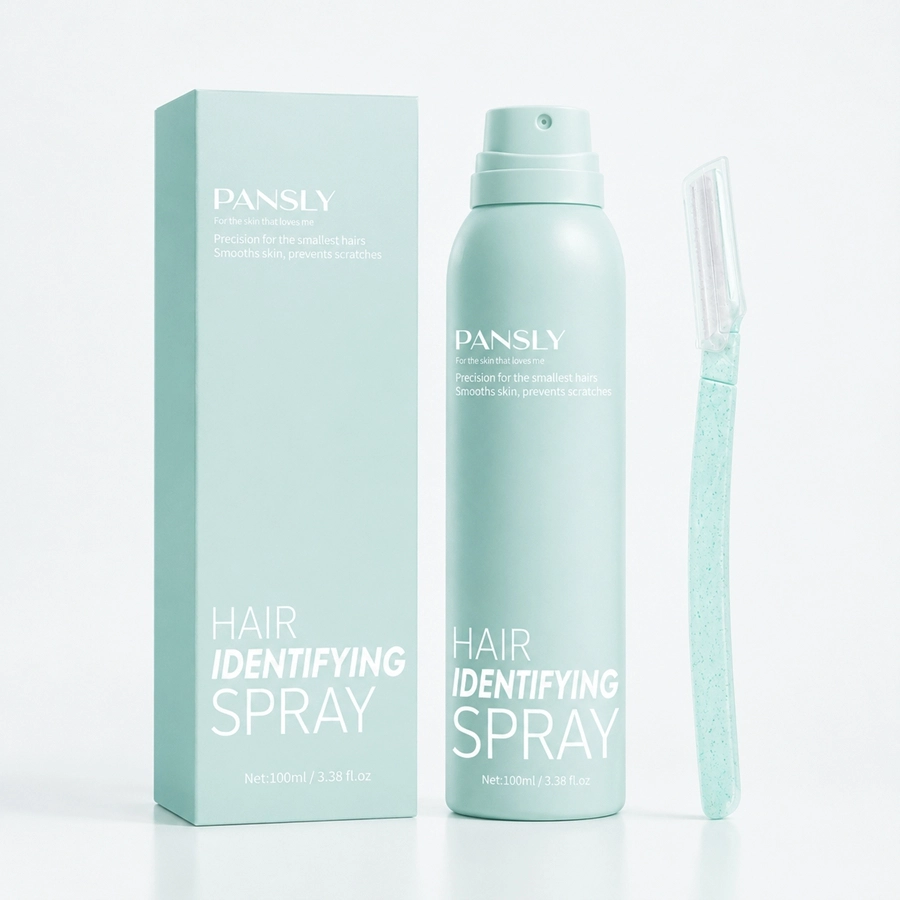
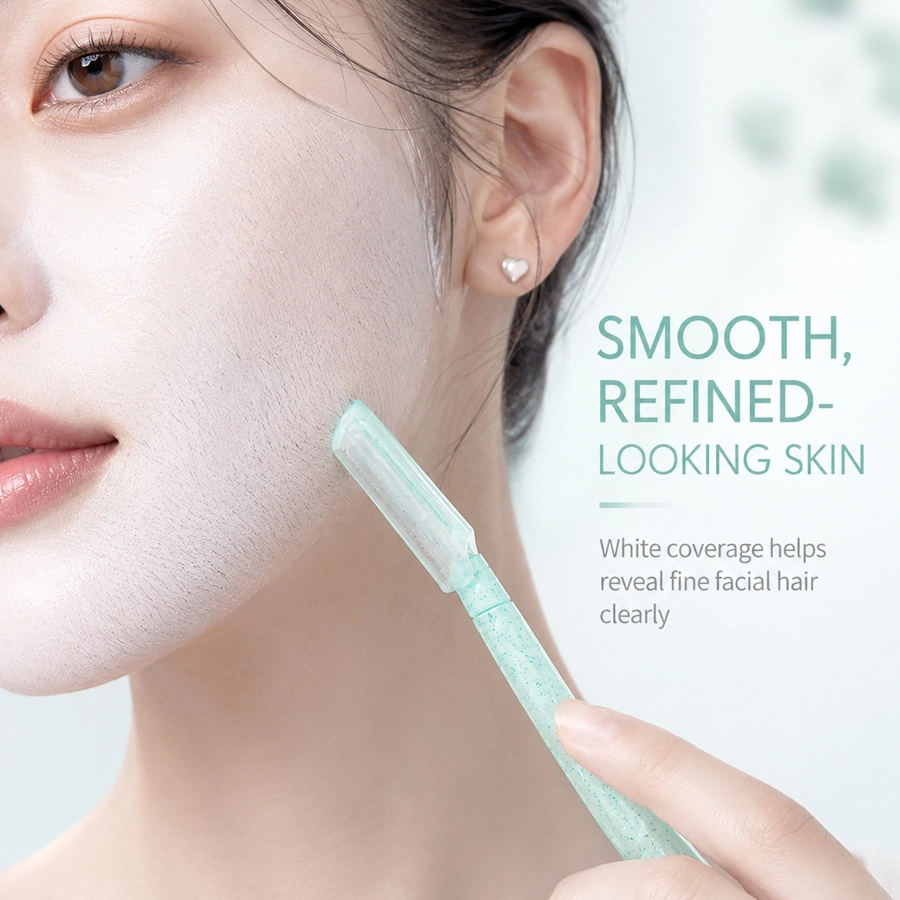
This Pansly Hair Identifying Spray Grooming Set includes a 100ml pre-shave hair identifying spray and a matching precision facial scraper, suitable for facial and body fine hair trimming.
Core functional ingredients:
Zea Mays (Corn) Starch: Forms a thin white film on dry skin to make invisible tiny vellus hairs clearly visible, supporting targeted accurate grooming;
Portulaca Oleracea Extract: Calms skin and alleviates irritation caused by scraping operations;
Hydrolyzed Keratin: Lubricates the skin surface to boost razor gliding and avoid scratches during hair removal;
Butylene Glycol: Offers gentle moisturization to keep skin comfortable throughout the grooming process.
You can finish the whole routine in 4 simple steps: Spray evenly on dry skin → Identify fine hairs via white coverage → Glide gently with the scraper → Wipe residues for silky smooth skin. It can be used on cheeks, upper lips, jawline, arms and more areas. We provide complete OEM/ODM private label service, including custom logo, multiple color selections, bulk order support and fast customization.
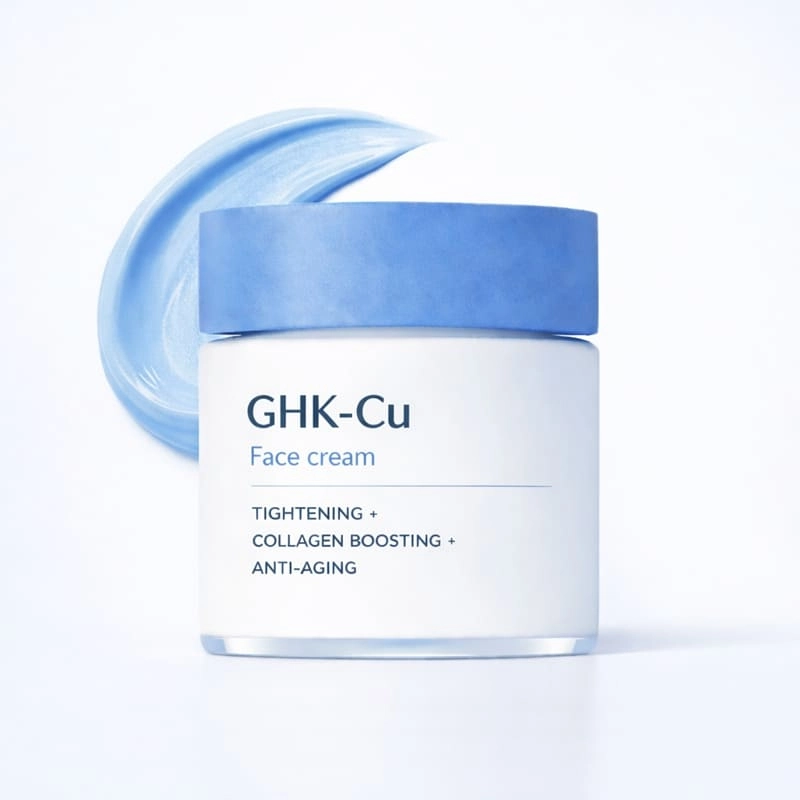
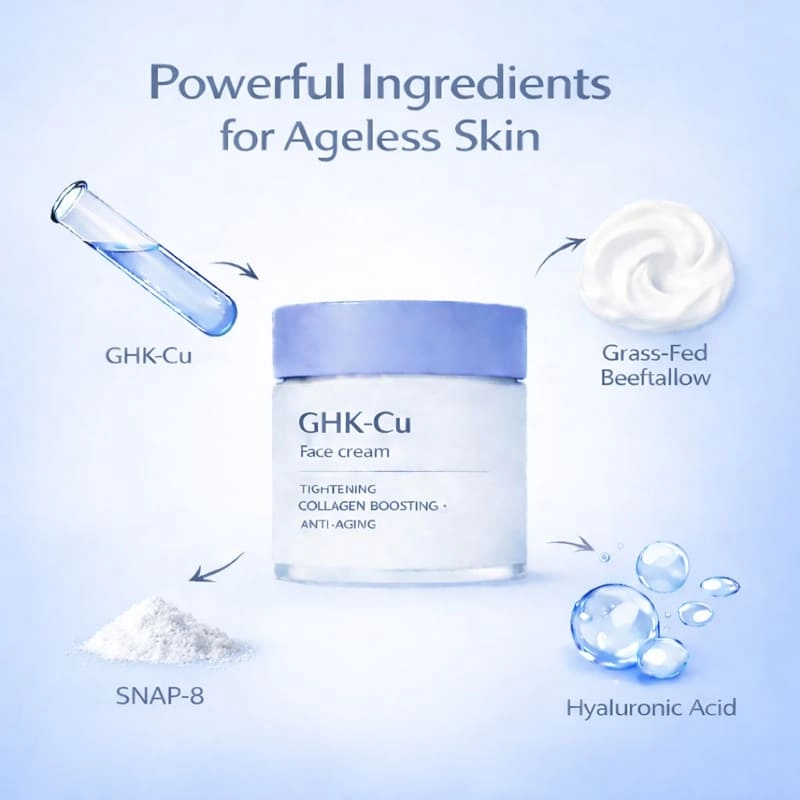
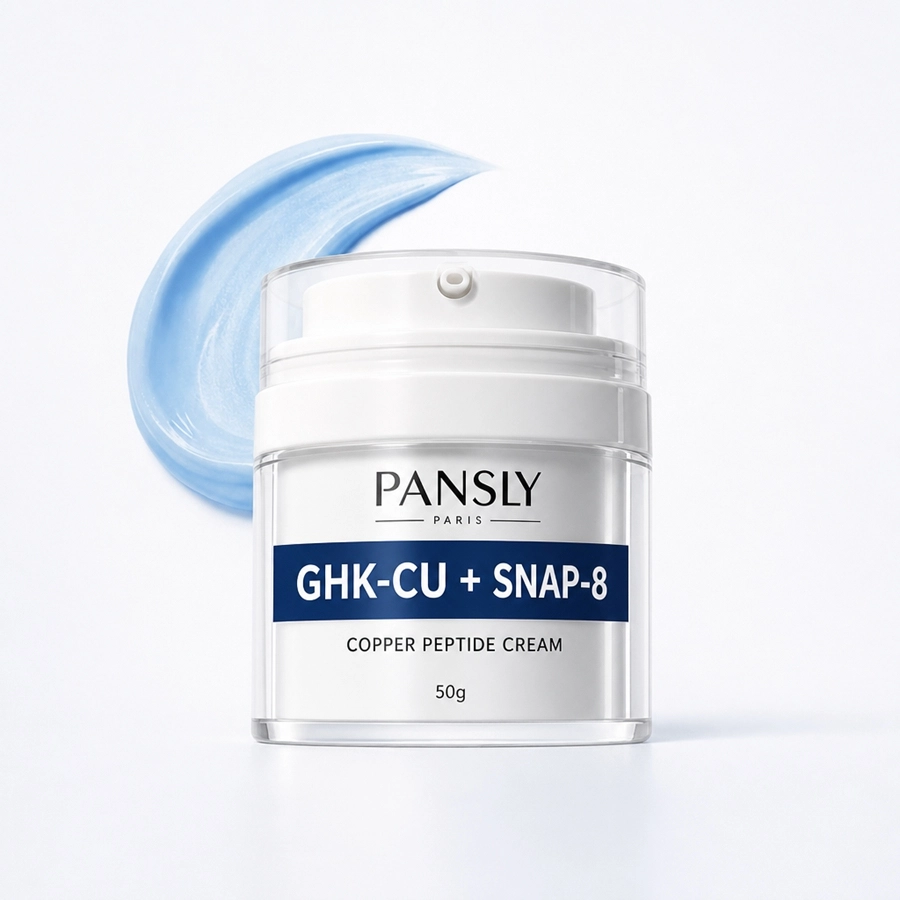
This GHK-Cu & SNAP-8 Beef Tallow Anti-Wrinkle Cream represents a unique fusion of traditional skin nourishment and cutting-edge peptide science. By utilizing Grass-Fed Beef Tallow as a bio-compatible base, the formula provides a rich profile of vitamins A, D, E, and K that mimics the skin's natural sebum for unparalleled absorption. This nutrient-dense foundation is supercharged with GHK-Cu (Copper Peptide) to support dermal density and SNAP-8 (Octapeptide-3) to help relax the appearance of expression lines and deep-set wrinkles.
Designed specifically for aging or depleted skin, this intensive cream provides a protective moisture barrier while actively working to improve firmness and elasticity. The result is a multi-layered approach to rejuvenation that smooths texture, deeply hydrates, and restores a youthful, resilient "bounce" to the complexion without the use of synthetic fillers.
Get in Touch with us
If you have any comments or good suggestions, please leave us a message; later our professional staff will contact you as soon as possible.
Click here to customize the Beauty
we respond within a few hours
Monday–Friday, 9AM–6PM
3A01, Building A, Zhisheng Square, No. 4 Zhifu Road, Helong Street, Baiyun District, Guangzhou, China.


Leave a request, and we'll email you back within 24 hours.
© 2026 Beyond Basix. All Rights Reserved.
