
Foot Repair Cream vs Daily Foot Moisturizer: What Is the Difference?
Quick Answer
A foot repair cream is designed for rough, cracked, or heavily dehydrated areas, while a daily foot moisturizer supports routine hydration and comfort. A private label intensive foot care cream typically uses a richer barrier system and may include ingredients such as urea or exfoliating agents. Selection depends on skin concern, active level, texture, packaging, regulatory claims, and target cost. The final solution should be confirmed through project-specific testing and market requirements.
How Beyond Basix Supports Projects
Beyond Basix supports skincare brands with OEM and ODM development for foot-care products, including formulation direction, texture adjustment, packaging coordination, and production planning. Its 12,000-square-meter facility includes a 100,000-level GMPC pharmaceutical-grade dust-free workshop and 12 production lines, supporting controlled manufacturing processes for approved projects.
With more than 23 years in cosmetics research, production, and sales, Beyond Basix can discuss ingredient positioning, sensory targets, stability requirements, microbiological controls, and market-specific documentation. Buyers should confirm the intended market, formula concept, packaging format, claims, MOQ, lead time, testing scope, and quotation for each project.
Discuss Your Foot Repair Cream Project
To evaluate suitable options, provide your target market, consumer skin concern, preferred active ingredients, desired texture, packaging format, target order volume, and proposed claims. These details allow discussion of formulation direction, sample stages, testing priorities, and production planning. Visit www.beyondbasixcosmetics.com or email Lily@lanthome.com to discuss a foot-care concept with Beyond Basix.
Deep-Dive FAQs
How should brands distinguish repair cream from daily foot moisturizer?
A repair product should be positioned around intensive care for rough, visibly dry, or cracked-feeling areas, while a daily moisturizer is better suited to regular hydration and maintenance. The distinction should come from the complete formula, not a single ingredient. Repair formulas commonly use a richer emollient and occlusive structure, sometimes combined with urea or other exfoliating ingredients. Daily products often prioritize spreadability, faster absorption, and a lighter after-feel. Brands should align the formula with permitted cosmetic claims in each target market and avoid implying treatment of a medical condition unless the product has the appropriate regulatory status.
Which ingredients suit cracked heels without creating unacceptable sensory issues?
Ingredient selection requires a balance between moisturization, keratin softening, barrier support, and user comfort. Urea is a humectant and can support softer-feeling skin; at higher levels it also has keratolytic activity, which can make the product more suitable for intensive care but may affect comfort on compromised skin. Occlusives and emollients can reduce moisture loss and improve richness, while soothing support may be considered for sensitive users. Fragrance, acids, alcohol, and strong exfoliating systems require careful evaluation because stinging or tackiness can reduce repeat use. Compatibility, pH, preservative strategy, and sensory testing should be assessed together rather than choosing ingredients by trend.
What testing should private label foot cream undergo before launch?
A launch program should consider stability testing, packaging compatibility, microbiological quality, and preservative efficacy testing where the formula and regulatory pathway require it. Stability work helps assess changes in odor, color, viscosity, pH, separation, and active-ingredient performance under defined conditions. Packaging compatibility is important because rich emulsions, solvents, fragrances, and high-humectant systems can interact with containers or closures. Claims such as long-lasting hydration, smoothing, or repair should have suitable substantiation, with the evidence standard depending on the market. The buyer should also review the ingredient list, product information file requirements, safety assessment, and local labeling rules before bulk production.
How does urea concentration affect positioning, claims, and usage guidance?
Urea concentration influences both product behavior and marketing direction. Lower levels are commonly associated with humectant moisturization, while higher levels may provide more noticeable softening of thick, rough skin and can change the product's regulatory and communication considerations. Concentration alone does not determine performance; pH, vehicle, application frequency, packaging, and the condition of the skin also matter. A formula intended for compromised skin should be assessed for sting potential and clear usage instructions. Brands should avoid presenting concentration as proof of superiority and should verify the permitted claims and labeling language in every intended market.
What packaging protects intensive foot cream from contamination and drying?
Tubes, airless packs, and jars can each be suitable, but the choice should follow the formula, user behavior, filling process, and target price. A tube can provide convenient controlled dispensing and reduce repeated finger contact. An airless system may support dose control and help limit exposure during use, although its pump and formulation compatibility must be confirmed. Jars may support a premium appearance but expose the product to more contact during application and require appropriate preservation and consumer guidance. Compatibility testing should examine leakage, deformation, closure performance, dispensing consistency, and formula changes throughout stability evaluation.
How can buyers compare MOQ, lead time, and formulation flexibility?
Buyers should compare suppliers using the same technical brief rather than comparing unit prices alone. The brief should define the target market, formula type, active-ingredient direction, packaging, fill size, artwork status, testing scope, documentation, and forecast volume. MOQ can change according to raw-material purchasing, packaging customization, filling requirements, and production scheduling. Lead time may also differ between an existing base formula and a new ODM development project because sampling, testing, approval, procurement, and production follow different stages. Request a written quotation that separates formulation, samples, testing, packaging, tooling where applicable, and bulk manufacturing so commercial differences are visible.
Related Articles for Private Label Cosmetics

Why Two Mineral Sunscreens With the Same SPF Can Feel Completely Different

Beyond Ordinary Tallow Balm: How GHK-Cu and SNAP-8 Create a Different Skincare Story

When Blue Copper Peptides Meet Beef Tallow: A New Direction for Premium Skincare

PDRN Toner Pads vs GHK-Cu + SNAP-8 Peptide Toner Pads: Private Label Manufacturing Decisions
You May Also Like
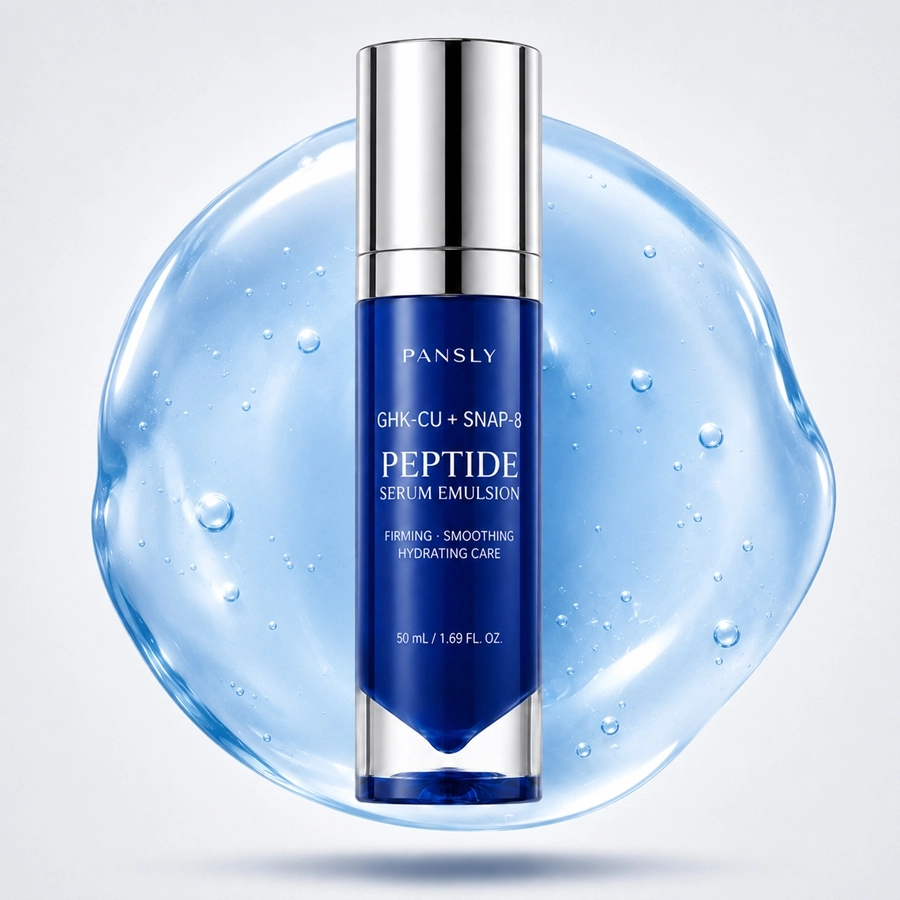
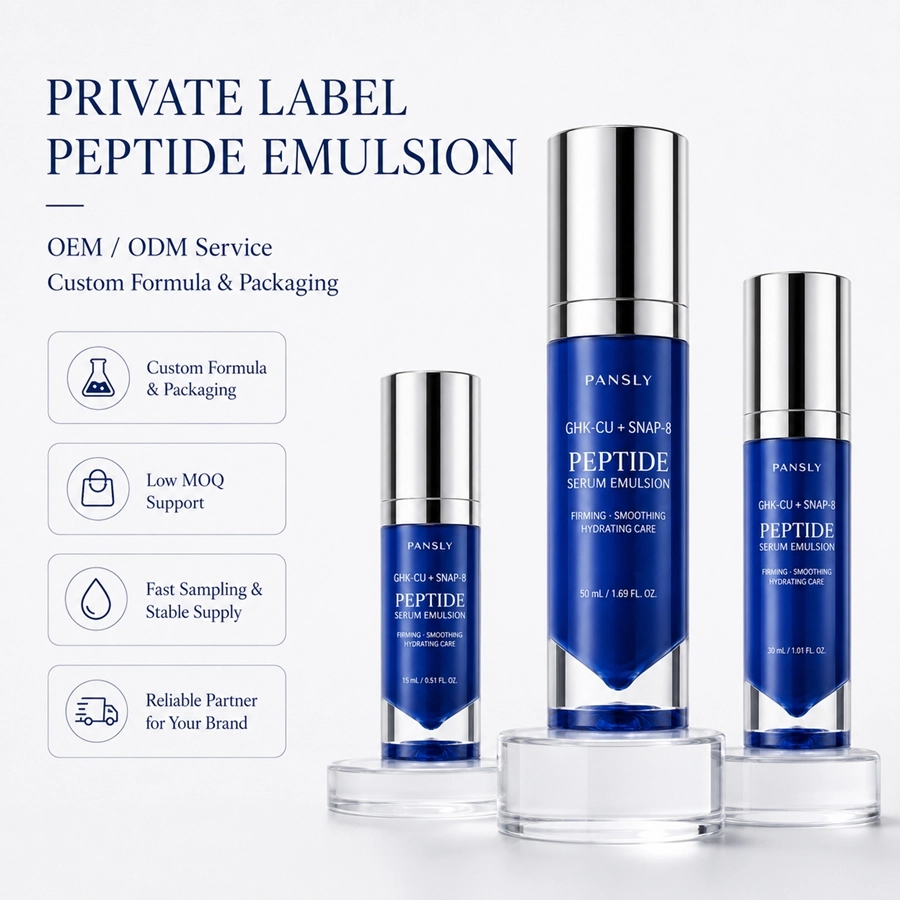
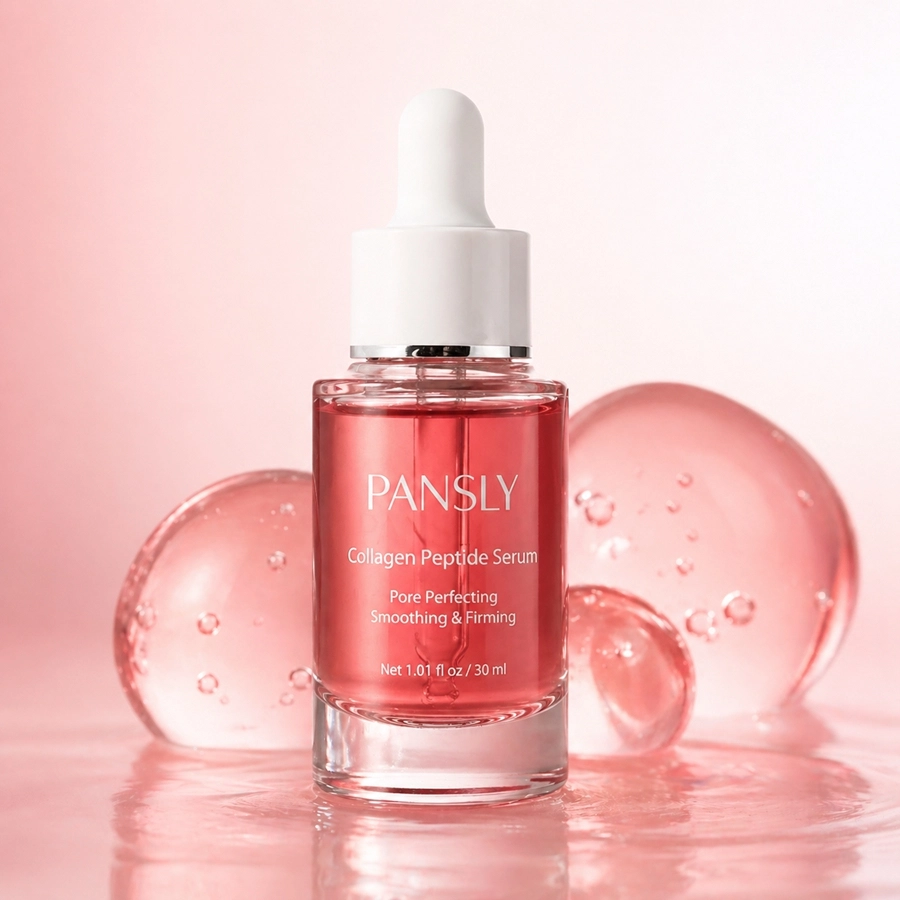
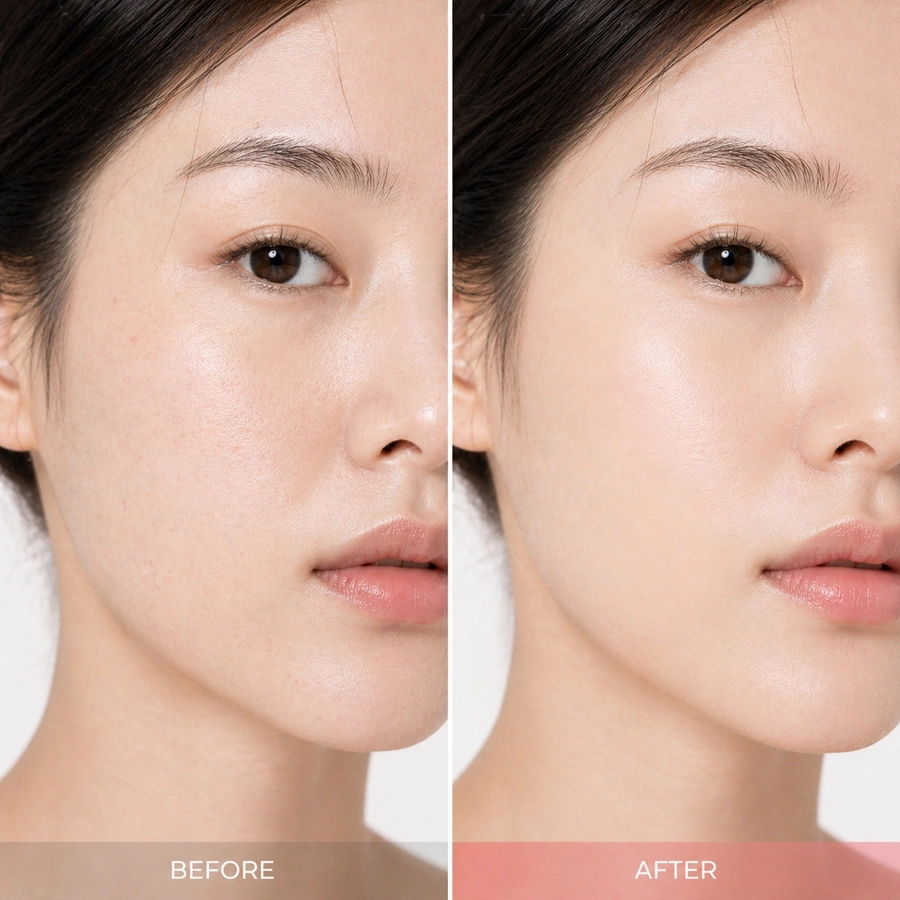
This Pansly Collagen Peptide Pore Perfecting Serum is lightweight multi-effect facial essence, designed to refine enlarged pores, boost skin firmness and deliver long-lasting hydration.
Four premium active ingredients work synergistically to renew skin texture:
Collagen Peptide supports skin firmness, lifts saggy dull complexion;
Hyaluronic Acid delivers deep multi-layer hydration to relieve dryness;
Niacinamide refines pores and evens uneven skin tone;
Panthenol soothes and repairs vulnerable skin barrier.
It adopts lightweight pink serum texture, quickly penetrates deep into skin, non-sticky and comfortable after absorption. Daily use minimizes visible pores, smooths rough texture, firms skin and maintains plump, soft, radiant complexion. OEM & ODM private label service is available, including formula customization and packaging options.
Get in Touch with us
If you have any comments or good suggestions, please leave us a message; later our professional staff will contact you as soon as possible.
Click here to customize the Beauty
we respond within a few hours
Monday–Friday, 9AM–6PM
3A01, Building A, Zhisheng Square, No. 4 Zhifu Road, Helong Street, Baiyun District, Guangzhou, China.


Leave a request, and we'll email you back within 24 hours.
© 2026 Beyond Basix. All Rights Reserved.
