
Can a GHK-Cu Cleanser Work as the Entry Product in a Peptide Skincare Range?
Quick Answer
A GHK-Cu cleanser can introduce a peptide skincare range, but it should be positioned as a gentle daily cleansing product rather than the primary delivery format for intensive peptide treatment. A ghk-cu peptide facial cleanser requires assessment of copper peptide stability, rinse-off exposure, cleansing-system compatibility, skin feel, and permitted claims. Beyond Basix can discuss OEM/ODM development around these factors, while final solutions depend on project testing, target-market rules, and site-specific production conditions.
How Beyond Basix Supports Projects
Guangzhou Beyond Basix Cosmetics Ltd. provides OEM/ODM skincare development and manufacturing from a 12,000-square-meter facility with a 100,000-level GMPC pharmaceutical-grade dust-free workshop and 12 production lines. For a copper peptide cleanser project, discussions can cover formula direction, ingredient compatibility, filling format, production arrangements, and quality-control requirements.
The company has more than 23 years of experience in cosmetics research, production, and sales, with certifications and documentation including ISO 9001, GMP, HALAL, CE, and MSDS as applicable to the project. Buyers should confirm the target market, claims, packaging, formula specifications, stability scope, MOQ, lead time, testing scope, and quotation for each project.
Discuss Your Copper Peptide Cleanser Project
To assess a suitable entry product, provide your target market, customer profile, product positioning, preferred peptide and cleansing concept, packaging format, expected order volume, launch timing, and required testing or documentation. These details support discussion of formulation options, sample steps, claims boundaries, production planning, and range extensions. Visit www.beyondbasixcosmetics.com or email Lily@lanthome.com to discuss your project.
Frequently Asked Questions
Can a GHK-Cu cleanser credibly introduce a peptide range?
Yes, provided the product is marketed for its cleansing experience and peptide-led concept rather than implying that a rinse-off formula performs like a leave-on serum. The product can make the range easier to trial because cleansing is a familiar daily step and may have a lower perceived commitment than a treatment product. However, the formula should be assessed for copper peptide compatibility with surfactants, preservatives, fragrance components, pH, packaging, and storage conditions. The commercial role is usually strongest when the cleanser creates a coherent entry point and directs consumers toward complementary leave-on products without overstating the effect of brief contact.
How does rinse-off contact time affect copper peptide positioning?
Rinse-off exposure is a central product-design limitation. A cleanser is removed from the skin, so its substantiation cannot be assumed to match that of a serum or cream containing the same ingredient. Copper peptide inclusion may support an ingredient story, but the finished product’s consumer benefit depends on the complete formula, use instructions, cleansing performance, and sensory acceptance. Brands should avoid transferring leave-on study conclusions directly to a wash-off product. Comparative testing, controlled use assessments, or other appropriate evidence may help define realistic cosmetic claims, subject to the rules of the intended market.
What formula tests should validate a GHK-Cu facial cleanser?
Validation should begin with finished-formula stability rather than relying only on raw-material specifications. The testing plan commonly considers appearance, odor, color change, pH, viscosity, microbial quality, preservative performance where applicable, packaging compatibility, and stability under relevant storage conditions. Copper-containing ingredients can be sensitive to formulation environment and interaction with other components, so the development team should review water quality, chelating agents, surfactant selection, fragrance, colorants, and the container system. The exact protocol, time points, and acceptance criteria must be established for the formula, pack, market, and intended claims.
Should brands launch serum before a copper peptide cleanser?
There is no universal launch sequence. A serum may communicate a peptide-treatment proposition more directly because it is a leave-on product, while a cleanser can offer a lower-barrier first purchase and establish the range’s daily-use identity. The decision should reflect the target customer, price ladder, evidence available for each formula, expected repeat-purchase behavior, and the brand’s claims strategy. If the cleanser launches first, its role should be clearly defined as an accessible cleansing step, with later products adding distinct leave-on functions rather than repeating the same promise across every SKU.
Which claims are suitable for a GHK-Cu cleanser globally?
Claims must be reviewed country by country because cosmetic definitions, ingredient status, advertising rules, and evidence expectations differ. Lower-risk positioning may focus on cleansing, removing impurities, refreshing the skin, supporting a comfortable after-feel, or describing the formula’s ingredient concept when properly substantiated. Claims suggesting treatment of disease, regeneration, wound healing, or guaranteed structural changes can create regulatory problems and should not be adopted without qualified market-specific review. Product labels, advertising copy, ingredient nomenclature, and supporting evidence should be checked together before bulk production and export.
How should OEM buyers compare MOQ and stability evidence?
MOQ should be evaluated alongside formula complexity, packaging configuration, component sourcing, filling requirements, forecast accuracy, and the cost of holding inventory. A lower initial volume is not automatically commercially safer if it requires expensive components or limits testing efficiency. Stability evidence should also be compared by scope: ask whether it covers the final formula, final packaging, intended storage conditions, microbiological quality, and the proposed shelf-life claim. Buyers should request a project-specific quotation and development plan that separates sampling, testing, packaging, production, and documentation costs, then align the order schedule with the evidence available before launch.
Related Articles for Private Label Cosmetics
Why Two Mineral Sunscreens With the Same SPF Can Feel Completely Different
Beyond Ordinary Tallow Balm: How GHK-Cu and SNAP-8 Create a Different Skincare Story
When Blue Copper Peptides Meet Beef Tallow: A New Direction for Premium Skincare
PDRN Toner Pads vs GHK-Cu + SNAP-8 Peptide Toner Pads: Private Label Manufacturing Decisions
You May Also Like
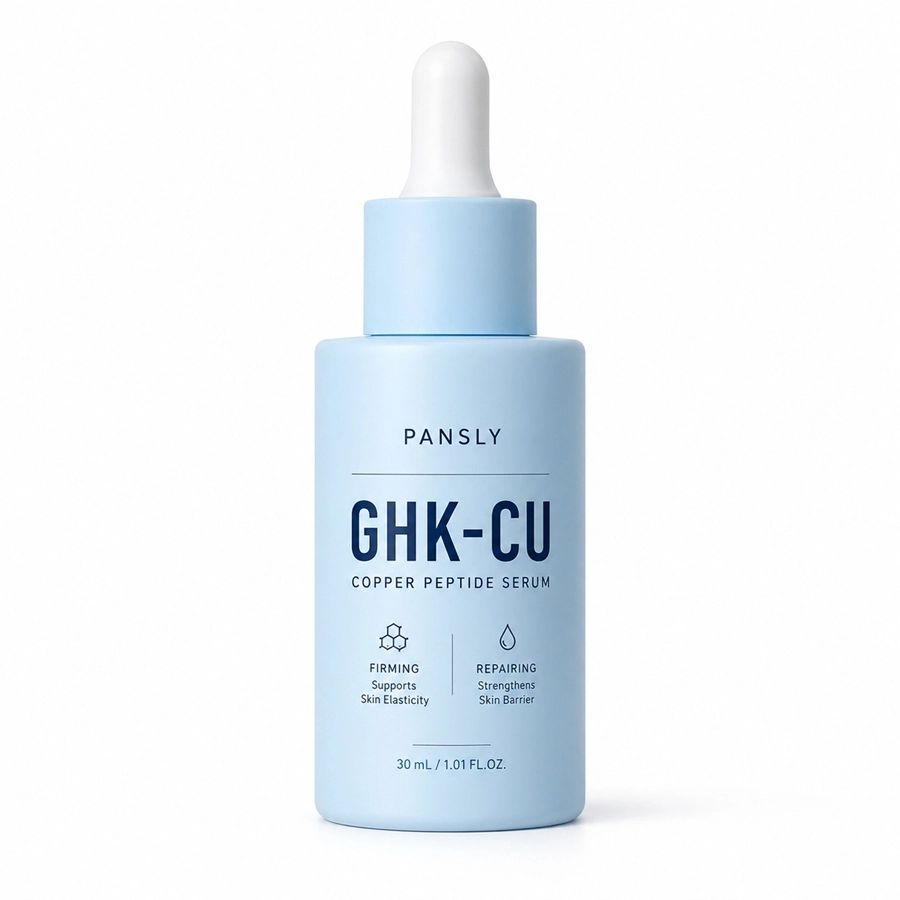
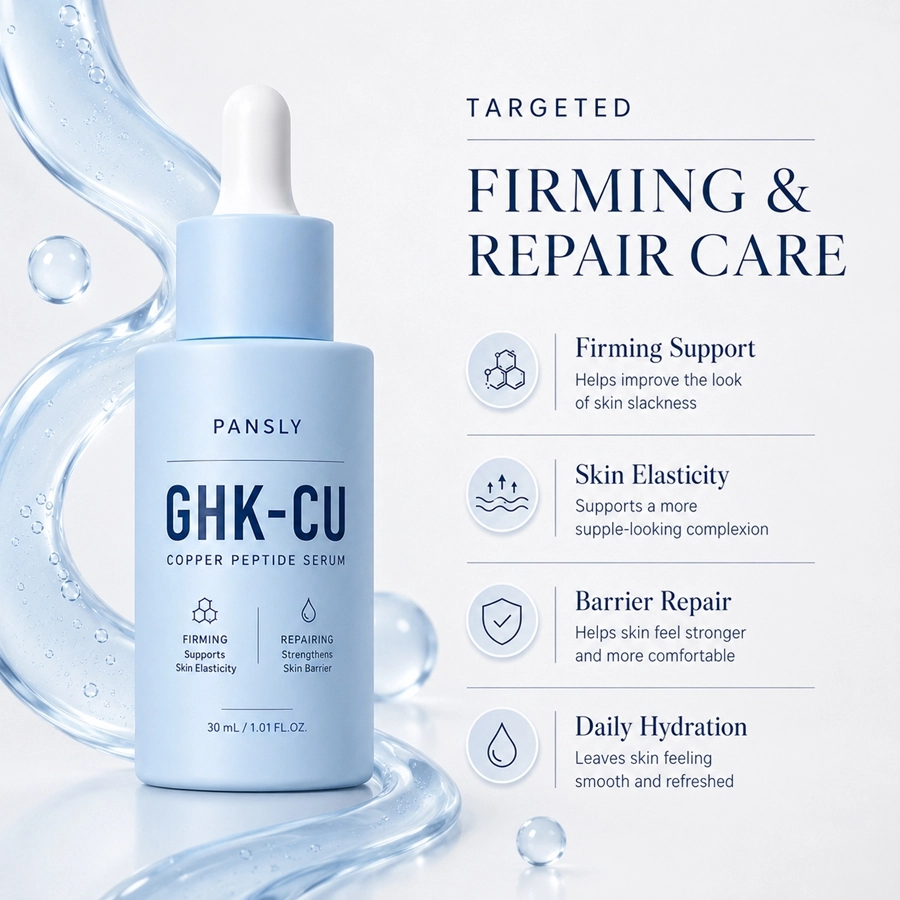
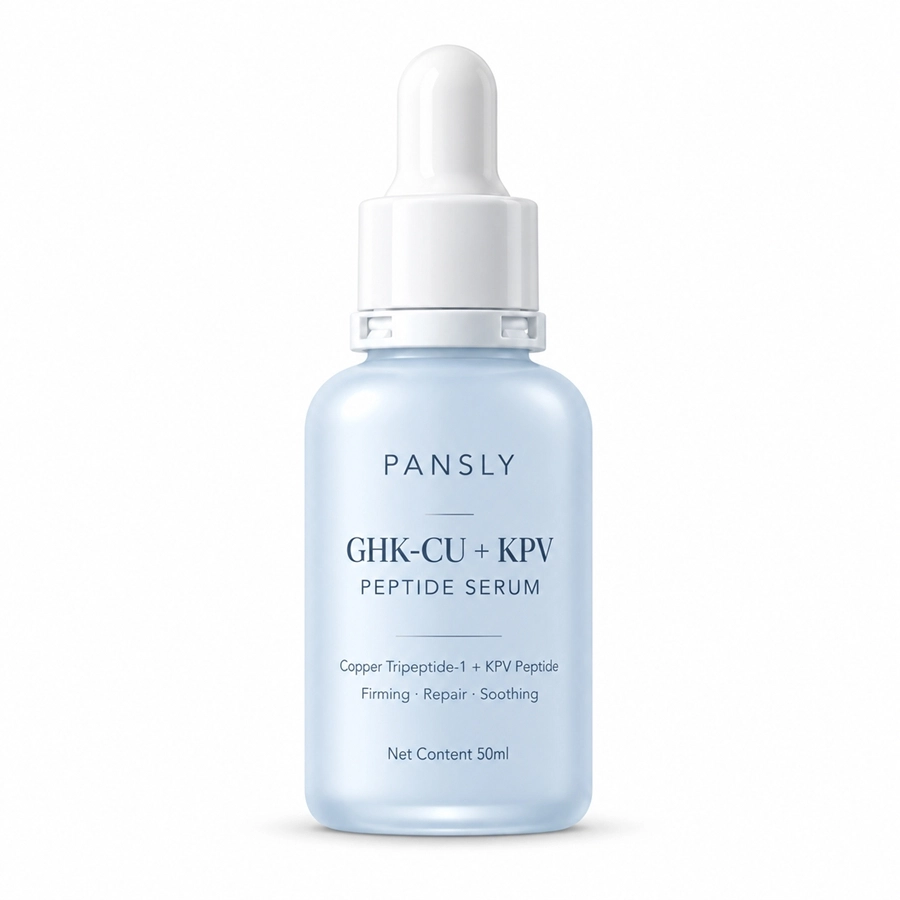
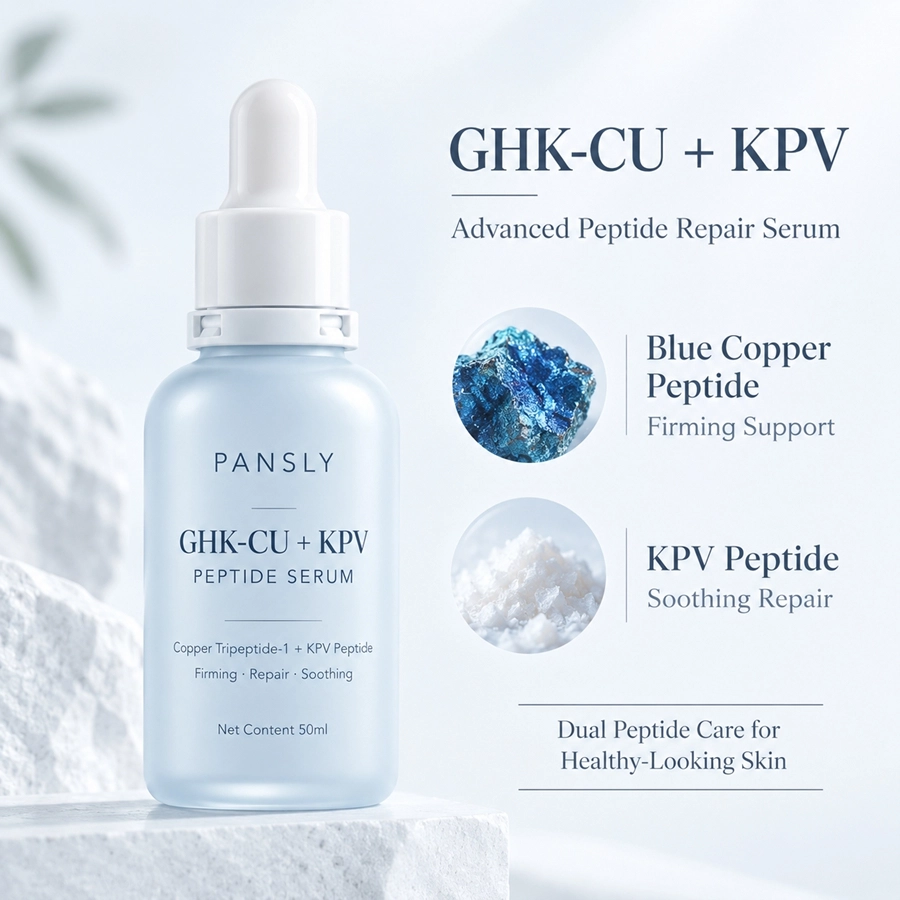
GHK-Cu KPV serum for skin is a private-label peptide face serum formulated for a firming, smoothing routine. This GHK-CU KPV Serum is positioned for wrinkle care and skin repair, making it a practical addition to an anti-aging skincare range.
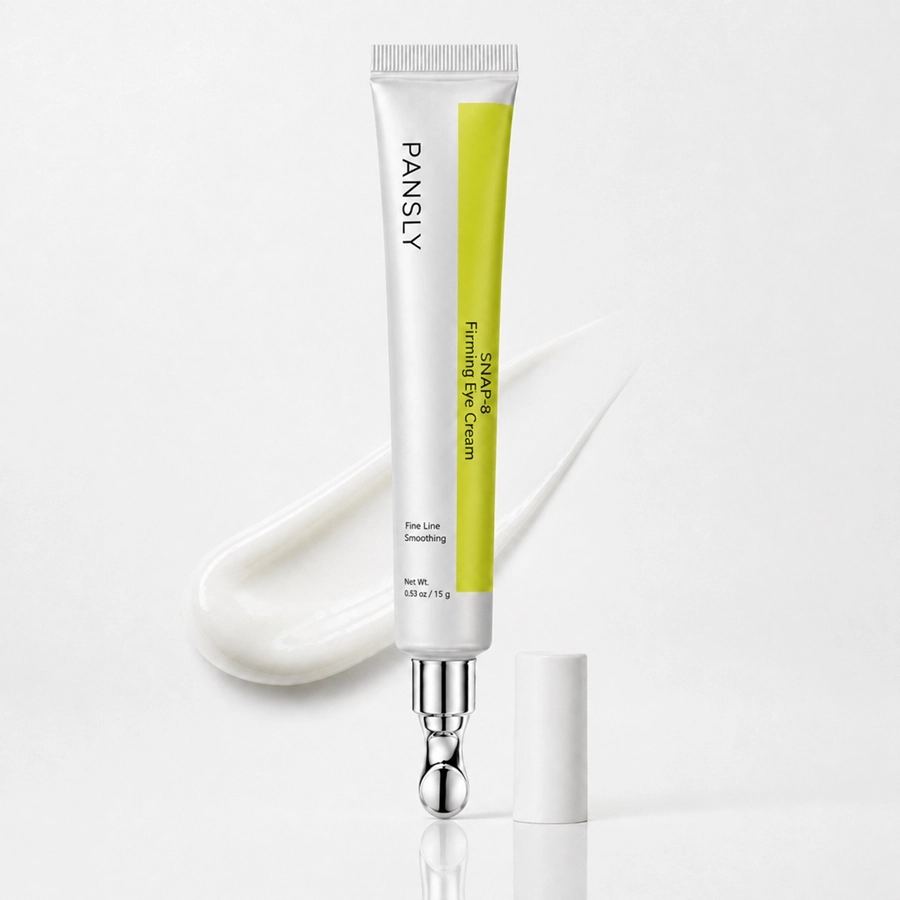
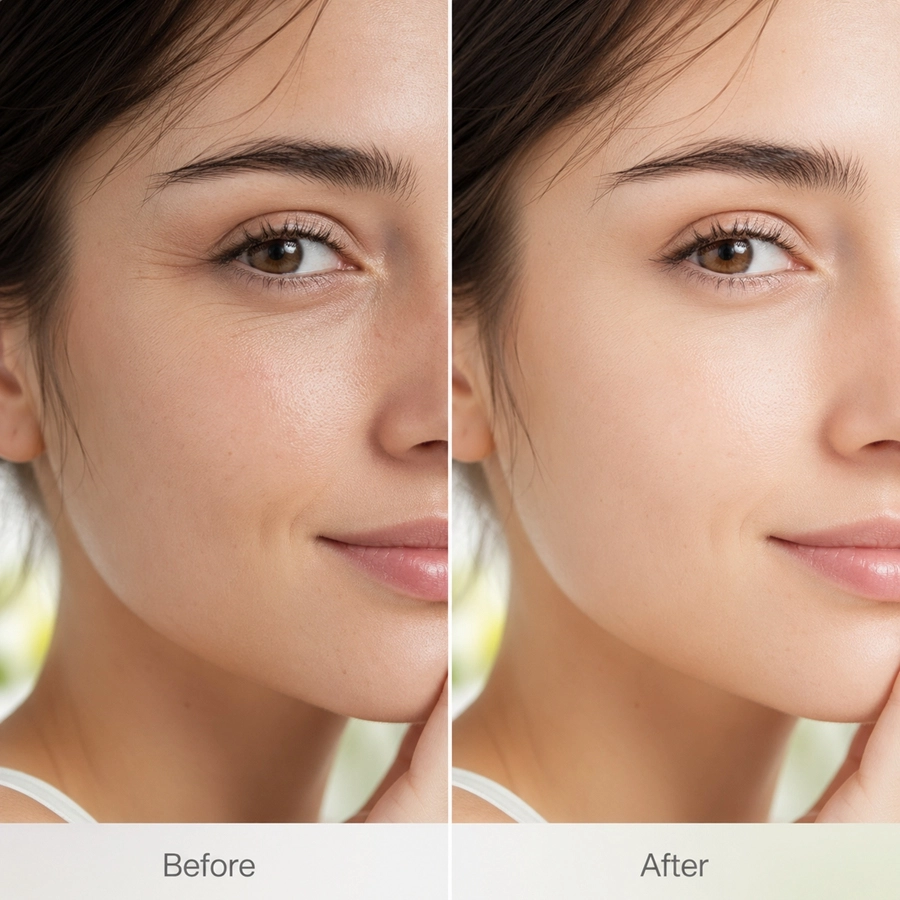
This Pansly SNAP-8 Firming Eye Cream is lightweight massage roller eye cream dedicated to smoothing eye fine lines, lifting saggy eye skin and refreshing tired puffy eyes.
It adopts 4-in-1 peptide eye care complex: SNAP-8 visibly smooths crow’s feet and under-eye fine lines; Caffeine eliminates eye puffiness and awakens dull tired eye area; Peptide Complex lifts loose eye skin to tighten eye contour; Hyaluronic Acid delivers lightweight lasting hydration to nourish dry eye skin.
Comes with built-in metal massage roller for comfortable massage application. Silky lightweight cream texture glides smoothly without heavy greasiness. Daily eye care softens fine lines, firms saggy eye skin, relieves eye fatigue and maintains plump smooth youthful eye area.
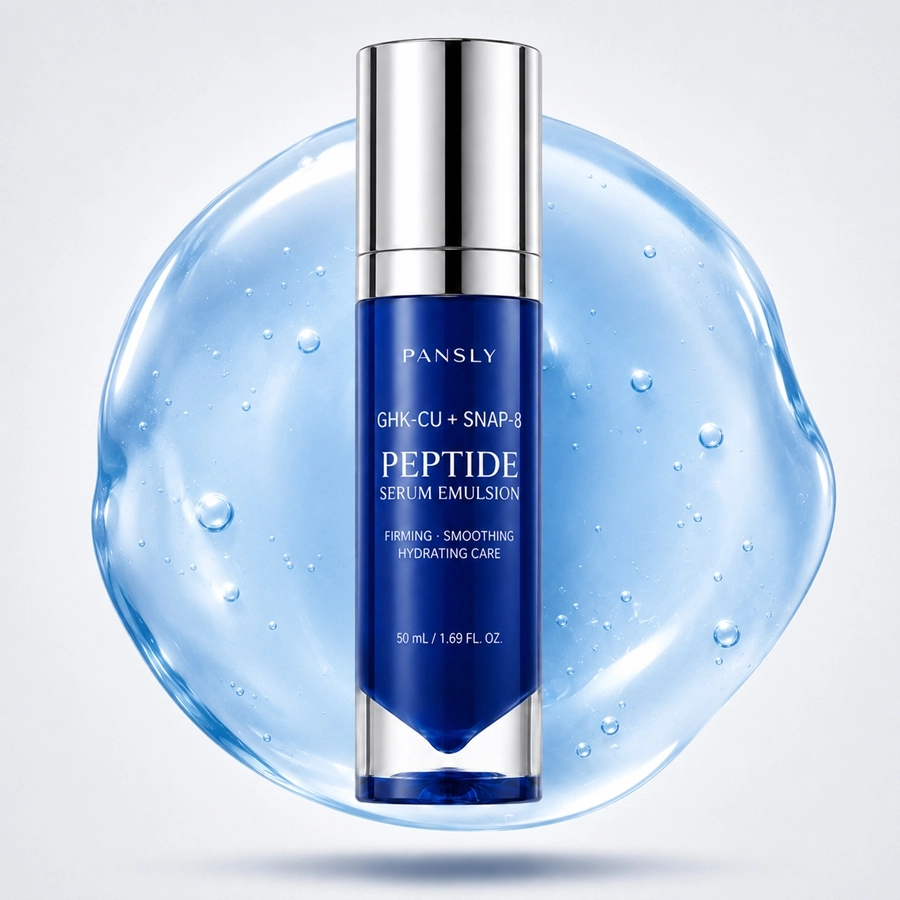
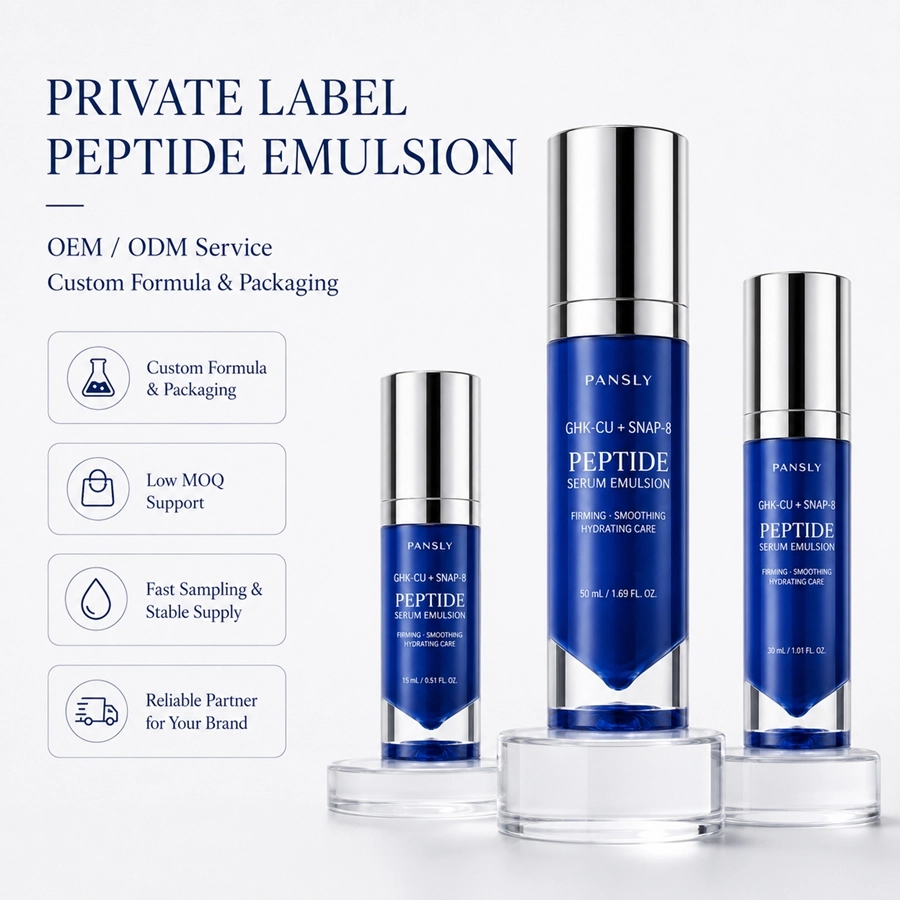
Get in Touch with us
If you have any comments or good suggestions, please leave us a message; later our professional staff will contact you as soon as possible.
Click here to customize the Beauty
we respond within a few hours
Monday–Friday, 9AM–6PM
3A01, Building A, Zhisheng Square, No. 4 Zhifu Road, Helong Street, Baiyun District, Guangzhou, China.


Leave a request, and we'll email you back within 24 hours.
© 2026 Beyond Basix. All Rights Reserved.
