
GHK-Cu Ectoin Serum vs GHK-Cu SNAP-8 Serum: Which Direction Fits Your Brand?
Quick Answer
For most brands, a ghk-cu ectoin serum suits barrier-support, comfort, and environmental-stress positioning, while a GHK-Cu SNAP-8 concept better fits expression-line and advanced anti-aging messaging. Beyond Basix can help compare the options by claim direction, ingredient compatibility, target texture, packaging, and expected cost. The final selection should follow project-specific formulation work, testing, and market requirements.
How Beyond Basix Supports Projects
Beyond Basix supports One-Stop OEM/ODM for Skincare projects through product development, manufacturing, and packaging coordination. Its 12,000-square-meter facility includes a 100,000-level GMPC pharmaceutical-grade dust-free workshop and 12 production lines, supporting different serum development and production requirements. The company has more than 23 years of experience in research, production, and sales, including 12 years focused on effective-ingredient skincare development.
For a copper-peptide serum project, buyers should confirm the active concept, claim boundary, formula texture, packaging format, target market, and required documentation. Beyond Basix operates brands including LANTHOME, PANSLY, FIRSTSUN, and SAUVASINE, and holds certifications and documents including ISO 9001, CE, MSDS, GMP, and HALAL. MOQ, lead time, testing scope, and quotation must be confirmed for each project.
Discuss Your Copper-Peptide Serum Direction
Share your target market, customer profile, preferred claim direction, formula texture, packaging type, expected order volume, and launch timeline. These details allow discussion of suitable ingredient routes, sample stages, testing needs, and OEM or ODM production planning. Visit www.beyondbasixcosmetics.com or email Lily@lanthome.com to discuss your project.
Frequently Asked Questions
Should a beginner choose ectoin or SNAP-8 for first launch?
The better first-launch choice depends on the brand promise rather than ingredient popularity. Ectoin is an extremolyte used in cosmetics for skin-comfort and protection-oriented positioning, while SNAP-8, commonly identified as acetyl octapeptide-3, is associated with expression-line messaging. A beginner should define the primary consumer concern, permitted claims in the destination market, desired price tier, and supporting evidence before selecting the active route. Ectoin may provide a clearer barrier-comfort story; SNAP-8 may require more careful communication because cosmetic peptide claims must not imply drug-like muscle paralysis or wrinkle treatment.
How do GHK-Cu and ectoin support different product claims?
Copper tripeptide-1, commonly called GHK-Cu, and ectoin contribute different narrative functions in a formula. GHK-Cu is a peptide complex associated with skin-conditioning and appearance-focused formulations, but its finished-product claims require appropriate substantiation. Ectoin is a small molecule known for osmotic stress protection in microorganisms and is used in topical cosmetics to support claims related to hydration, comfort, and environmental stress. Neither ingredient automatically validates a clinical claim. The product brief should distinguish ingredient function, finished-formula evidence, consumer-perception testing, and the cosmetic claim wording allowed in the target market.
Does SNAP-8 make a serum more effective than ectoin?
There is no scientifically responsible universal ranking between SNAP-8 and ectoin because they address different formulation objectives and are evaluated through different endpoints. SNAP-8 is generally positioned around the visible appearance of expression lines, whereas ectoin is more relevant to hydration, comfort, and resilience-oriented positioning. The meaningful comparison is a controlled finished-product assessment using defined endpoints, such as instrumental hydration, tolerability, or validated appearance grading, rather than comparing raw ingredient reputations. Brands should also review supplier technical files and avoid converting in-vitro or ingredient-level findings into unqualified consumer promises.
What stability tests should an OEM request before ordering?
The testing plan should reflect the actual formula, container, market, and filling process. A buyer should request accelerated and long-term stability where appropriate, appearance and odor monitoring, pH and viscosity checks, microbiological quality testing, preservative-efficacy evaluation when applicable, and packaging compatibility. Copper-containing systems deserve particular attention to color change, oxidation-sensitive components, chelation balance, and interaction with the dispenser or bottle. Light exposure and temperature cycling may be relevant to the proposed pack. Test conditions, acceptance criteria, sample size, and report ownership should be agreed before bulk production, because a generic stability statement does not validate every finished formula.
How should brands compare MOQ, cost, and target positioning?
Compare the complete cost structure rather than the ingredient price alone. Relevant variables include peptide or ectoin grade, active-use level, supporting ingredients, packaging material, filling requirements, testing scope, artwork, sampling, and forecasted volume. A premium peptide concept may require packaging and claim substantiation that raise total launch cost, while an ectoin-led comfort serum may compete through a broader daily-use proposition. Ask the manufacturer to separate development charges, unit pricing, packaging costs, testing fees, and tooling where applicable. Then assess gross margin against the intended retail tier, channel fees, launch quantity, and realistic reorder schedule.
Can one serum formula combine GHK-Cu, ectoin, and SNAP-8?
A combined formula may be technically possible, but compatibility and positioning must be demonstrated rather than assumed. The development team should review pH, solvent system, preservative strategy, chelators, other peptides, botanical materials, color risk, and the stability of each supplier material. Combining three headline actives can also create a weak consumer message if the product claims become too broad. A sensible process is to develop a defined prototype, confirm raw-material specifications and recommended use levels, conduct stability and microbiological testing, and evaluate whether the final claim set is supported. The formula should be judged by finished-product performance, tolerability, cost, and communication clarity.
Related Articles for Private Label Cosmetics

Why Two Mineral Sunscreens With the Same SPF Can Feel Completely Different

Beyond Ordinary Tallow Balm: How GHK-Cu and SNAP-8 Create a Different Skincare Story

When Blue Copper Peptides Meet Beef Tallow: A New Direction for Premium Skincare

PDRN Toner Pads vs GHK-Cu + SNAP-8 Peptide Toner Pads: Private Label Manufacturing Decisions
You May Also Like
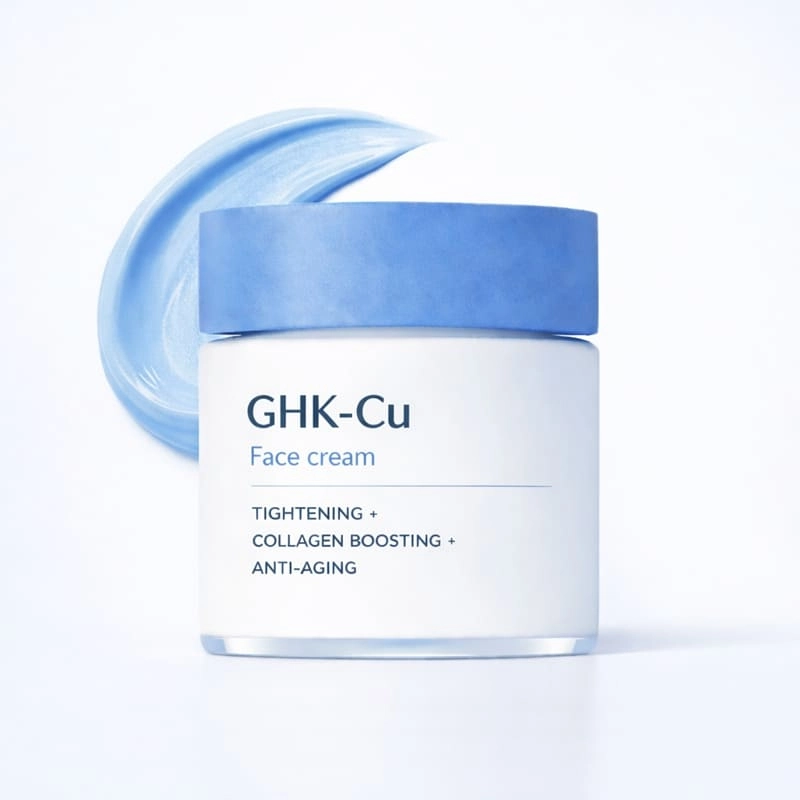
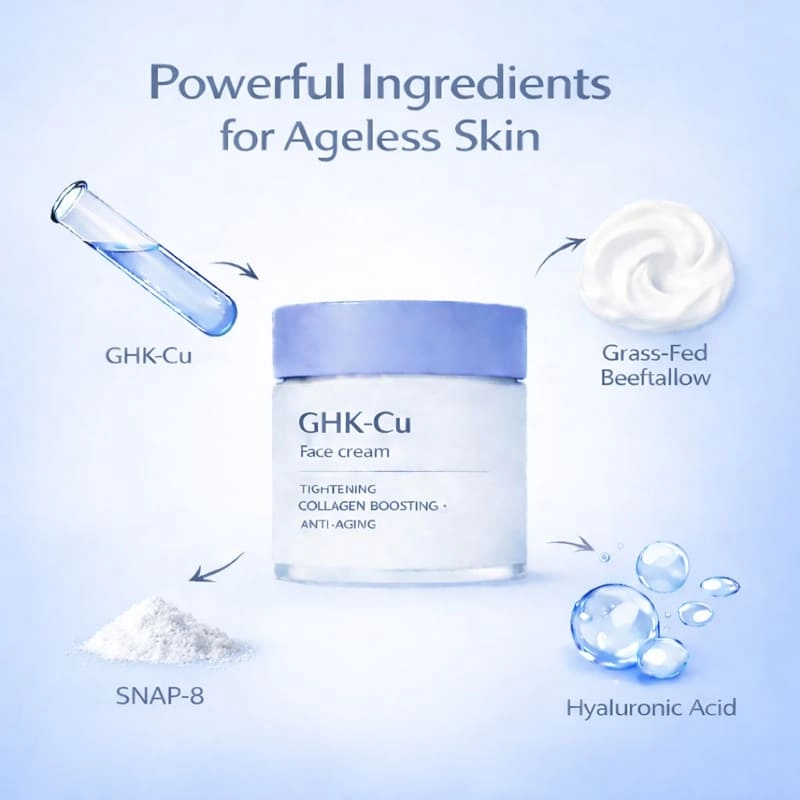
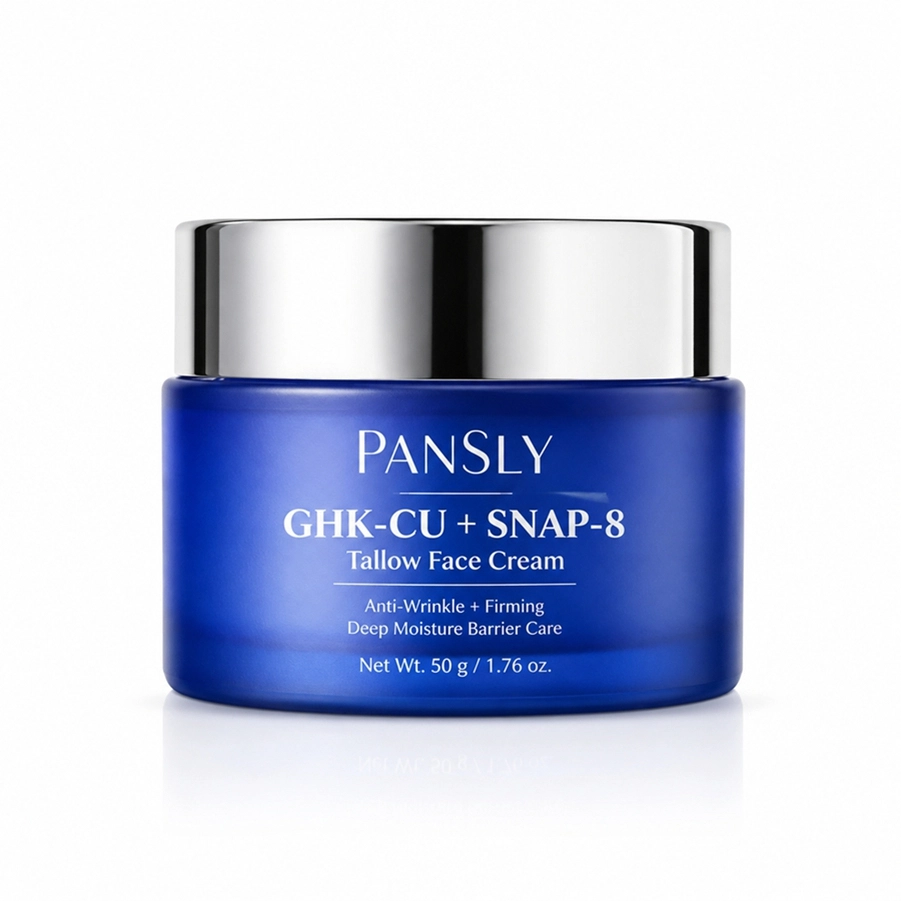
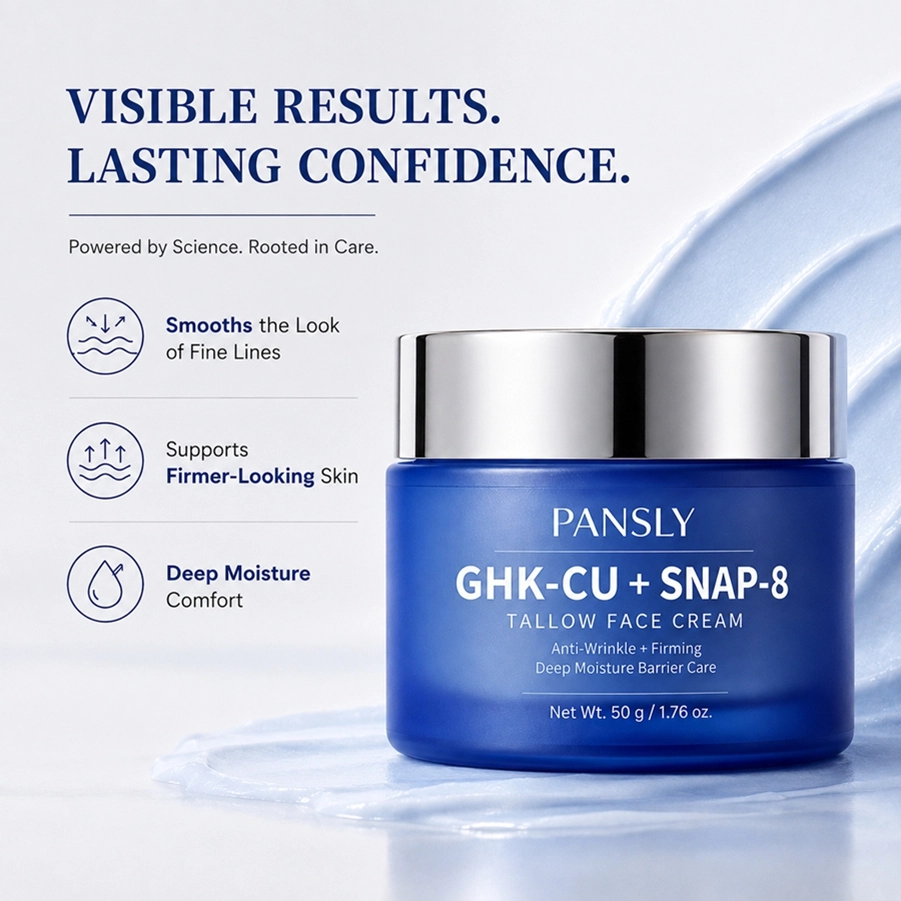
This GHK-Cu & SNAP-8 Beef Tallow Anti-Wrinkle Cream represents a unique fusion of traditional skin nourishment and cutting-edge peptide science. By utilizing Grass-Fed Beef Tallow as a bio-compatible base, the formula provides a rich profile of vitamins A, D, E, and K that mimics the skin's natural sebum for unparalleled absorption. This nutrient-dense foundation is supercharged with GHK-Cu (Copper Peptide) to support dermal density and SNAP-8 (Octapeptide-3) to help relax the appearance of expression lines and deep-set wrinkles.
Designed specifically for aging or depleted skin, this intensive cream provides a protective moisture barrier while actively working to improve firmness and elasticity. The result is a multi-layered approach to rejuvenation that smooths texture, deeply hydrates, and restores a youthful, resilient "bounce" to the complexion without the use of synthetic fillers.
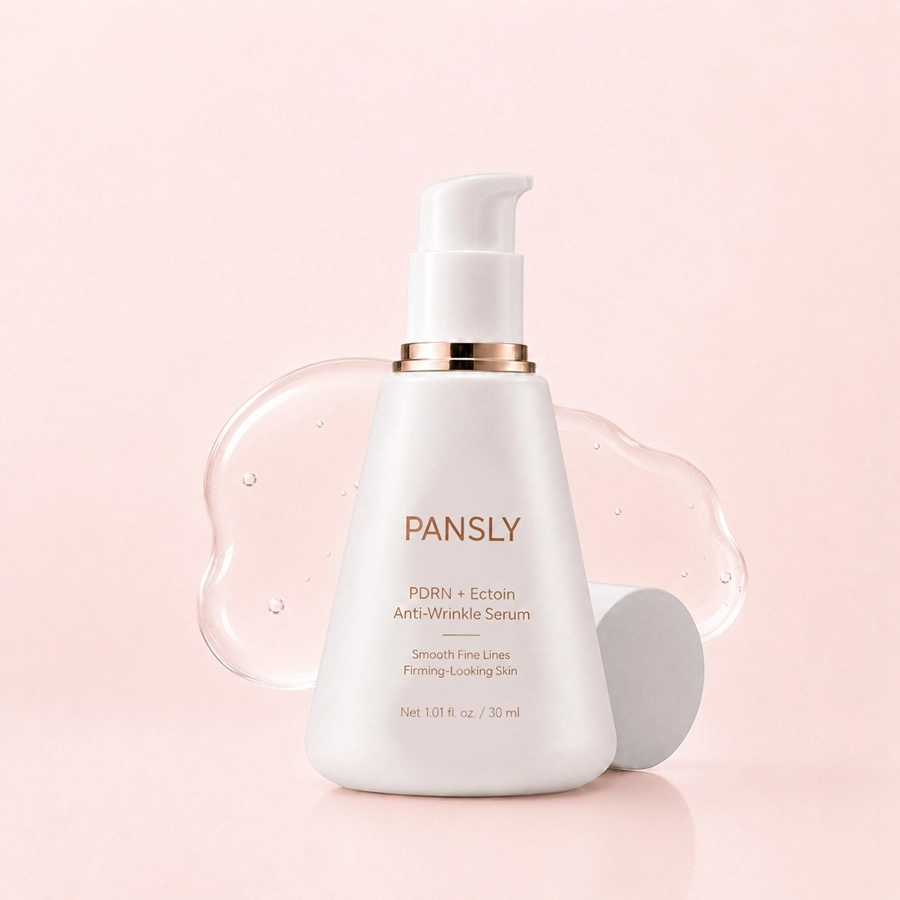
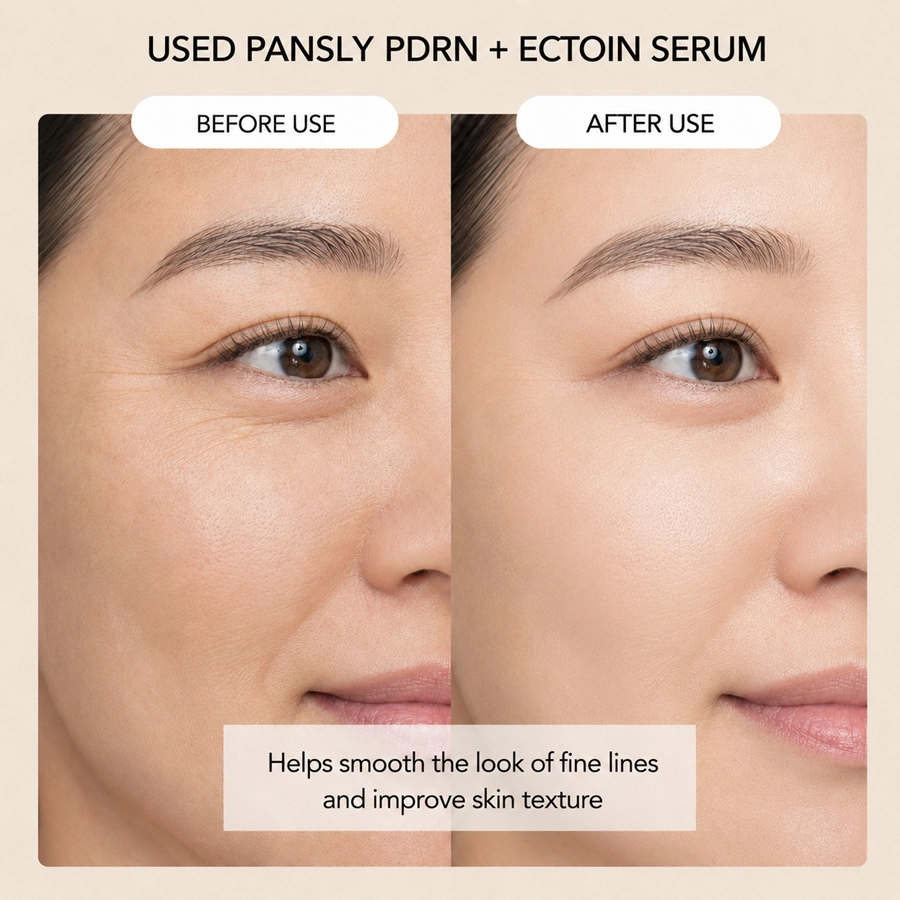
This Pansly PDRN + Ectoin Anti-Wrinkle Serum is lightweight daily anti-aging essence targeting fine lines, dryness and sensitive stressed skin.
Powered by triple core active ingredients: PDRN delivers anti-wrinkle care to visibly smooth the appearance of fine lines and lift skin for firmer contour; Ectoin reinforces skin moisture barrier, relieves discomfort and maintains long-term skin comfort; Hyaluronic Acid provides lasting lightweight hydration to keep skin fresh and silky smooth all day.
With fresh, fast-absorbing non-sticky serum texture, it fits morning & night daily routine. After consistent use, it refines uneven rough texture, fades visible dry lines and restores soft, youthful resilient complexion. Simple 3-step application for easy home skincare.
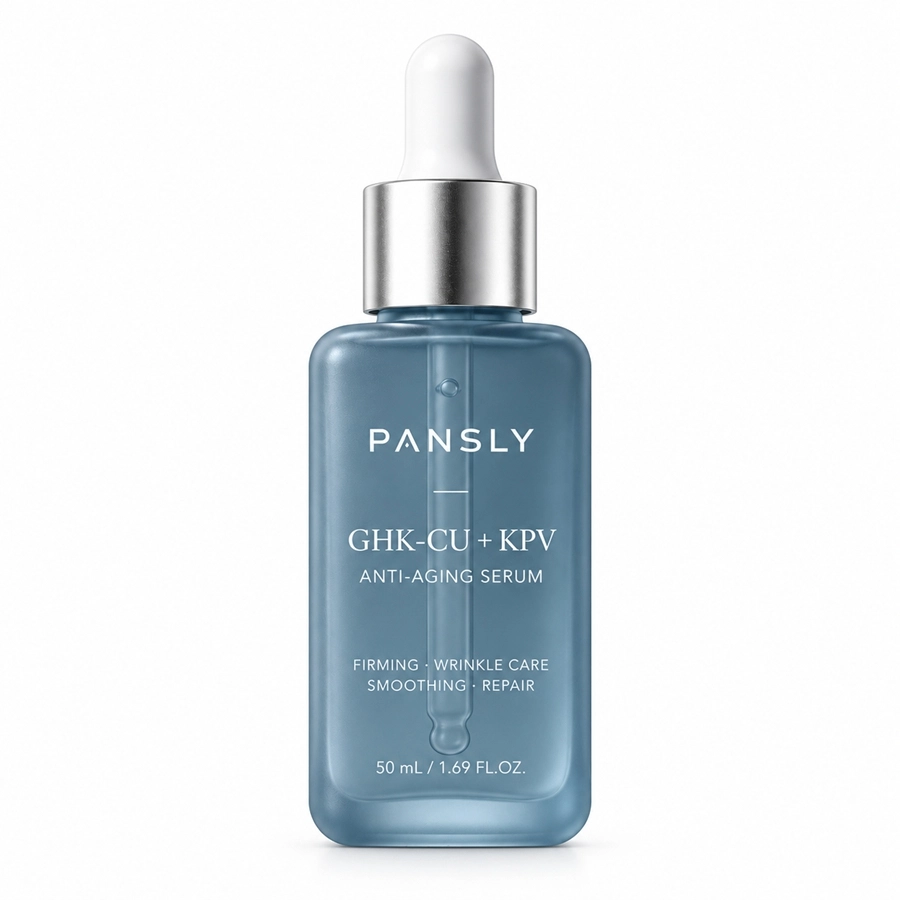
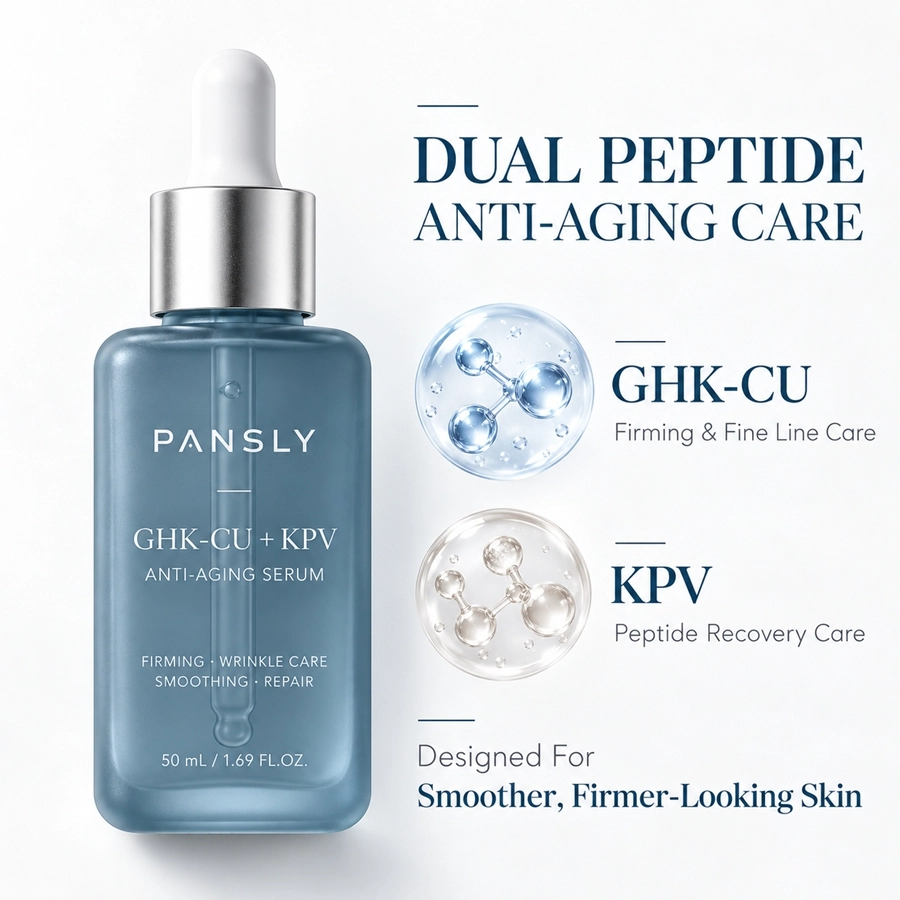
GHK-Cu KPV serum for skin is a private-label peptide face serum formulated for a firming, smoothing routine. This GHK-CU KPV Serum is positioned for wrinkle care and skin repair, making it a practical addition to an anti-aging skincare range.
Get in Touch with us
If you have any comments or good suggestions, please leave us a message; later our professional staff will contact you as soon as possible.
Click here to customize the Beauty
we respond within a few hours
Monday–Friday, 9AM–6PM
3A01, Building A, Zhisheng Square, No. 4 Zhifu Road, Helong Street, Baiyun District, Guangzhou, China.


Leave a request, and we'll email you back within 24 hours.
© 2026 Beyond Basix. All Rights Reserved.
