
Does GHK-Cu Make Sense in a Rinse-Off Facial Cleanser?
Quick Answer
GHK-Cu can make sense in a rinse-off cleanser, but short contact time limits the opportunity for meaningful skin exposure compared with a leave-on product. A ghk-cu peptide facial cleanser should be assessed through copper peptide identity, surfactant compatibility, pH, preservation, and packaging. Beyond Basix can help evaluate formulation options, while final decisions depend on project objectives, testing, and market requirements.
How Beyond Basix Supports Projects
Beyond Basix Cosmetics Ltd. provides OEM/ODM skincare development supported by 23 years of manufacturing experience, a 12,000-square-meter facility, a 100,000-level GMPC pharmaceutical-grade dust-free workshop, and 12 production lines. For copper peptide cleansing concepts, the relevant work may include formula development, ingredient selection, pilot sampling, production coordination, and quality-control review.
Buyers should confirm the Copper Tripeptide-1 specification, target pH, surfactant system, preservative approach, packaging format, claim direction, and target-market requirements. MOQ, lead time, testing scope, and quotation must be confirmed for each project rather than assumed from a reference formula.
Discuss Your Copper Peptide Cleanser Project
Share your target market, product positioning, desired cleanser type, ingredient concept, target pH, packaging preference, expected order volume, and claim requirements. These details allow suitable formulation routes, sample stages, compatibility checks, and commercialization considerations to be discussed. For project consultation, visit www.beyondbasixcosmetics.com or email Lily@lanthome.com.
Deep-Dive FAQs
Does GHK-Cu remain effective during facial cleanser rinsing?
Rinsing substantially reduces the time a cleanser remains on skin, so the exposure profile differs from a serum, cream, or mask. The presence of Copper Tripeptide-1 in a formula does not by itself establish a meaningful cosmetic benefit. A formulator should evaluate the ingredient’s stability in the finished base and avoid positioning the wash product as equivalent to a leave-on delivery system. If the commercial concept depends on prolonged skin contact, a coordinated cleanser-and-leave-on routine may be more technically coherent than assigning the entire claim burden to the rinse-off step.
What pH suits a copper peptide cleanser formula?
There is no universal pH value that fits every copper peptide cleanser because the finished range must support the ingredient, surfactants, preservative system, fragrance, and skin-feel objectives together. The formulator should begin with the supplier’s specification for Copper Tripeptide-1 and then verify appearance, odor, viscosity, microbial protection, and active-content stability across the intended pH range. Extremely acidic or alkaline conditions can create avoidable compatibility and tolerability concerns. The selected pH should therefore be justified by finished-product testing, not copied from a generic facial-cleanser template.
Can surfactants destabilize GHK-Cu in rinse-off products?
Surfactants can influence peptide behavior indirectly through pH, ionic strength, micelle formation, interfacial conditions, and interactions with other formula components. Chelating agents, high levels of competing salts, botanical materials, and trace-metal contamination may also affect a copper-containing system. This does not mean every surfactant is unsuitable. It means the complete formula requires compatibility screening rather than an ingredient-list assumption. Useful checks include color and odor changes, viscosity drift, phase behavior, microbial results, and stability under defined temperature and time conditions.
How should brands test copper peptide cleanser performance?
Testing should separate formula stability from consumer-perceived cleansing performance and from any cosmetic claim. A development program may include accelerated and real-time stability, preservative-efficacy testing where applicable, packaging compatibility, microbiological quality, and measurement of the relevant ingredient or marker using a validated laboratory method. Consumer or instrumental studies should reflect the actual rinse-off directions, dosage, contact time, and rinsing procedure. Marketing language should remain proportional to the evidence; a stable formula and a pleasant cleansing experience do not automatically substantiate repair, regeneration, or other drug-like claims.
Is leave-on serum better than GHK-Cu cleanser?
A leave-on serum generally offers longer residence time, so it may be a more logical format when the product strategy depends on sustained exposure to Copper Tripeptide-1. That does not make a rinse-off cleanser pointless. The cleanser can provide a differentiated sensory concept, support a routine, and deliver ordinary cleansing benefits while carrying a copper-peptide story. The comparison should be made against the intended claim, use pattern, cost target, regulatory framework, and consumer tolerance. Brands should avoid treating format choice as proof of efficacy without data generated for that specific product.
What packaging protects a copper peptide face wash?
Packaging selection should consider oxygen exposure, light transmission, dispensing behavior, material compatibility, headspace, and the formula’s sensitivity to contamination or metal contact. An opaque or light-reducing pack may be considered when stability work indicates light sensitivity, but packaging cannot substitute for a robust formula. The final pack should be tested with the finished product through compatibility and stability studies, including changes in color, odor, viscosity, leakage, component integrity, and microbiological quality. The choice between a tube, pump, or other format should follow dosage, consumer use, shipping, and cost requirements.
Related Articles for Private Label Cosmetics

Why Two Mineral Sunscreens With the Same SPF Can Feel Completely Different

Beyond Ordinary Tallow Balm: How GHK-Cu and SNAP-8 Create a Different Skincare Story

When Blue Copper Peptides Meet Beef Tallow: A New Direction for Premium Skincare

PDRN Toner Pads vs GHK-Cu + SNAP-8 Peptide Toner Pads: Private Label Manufacturing Decisions
You May Also Like
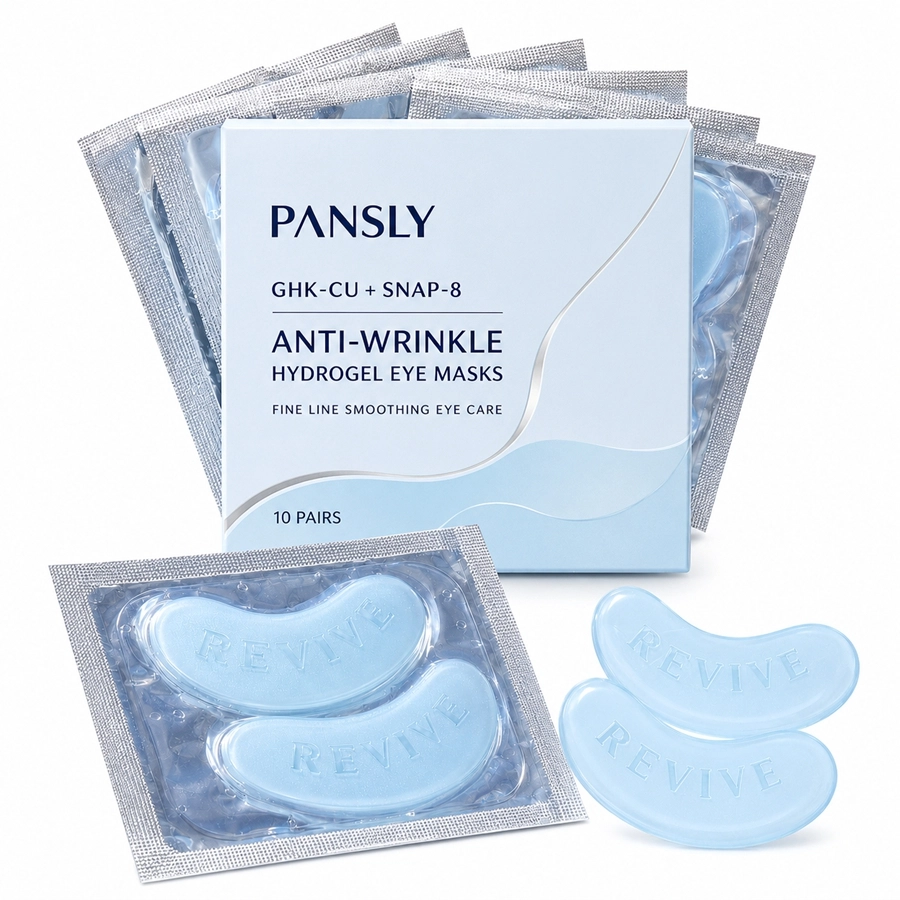
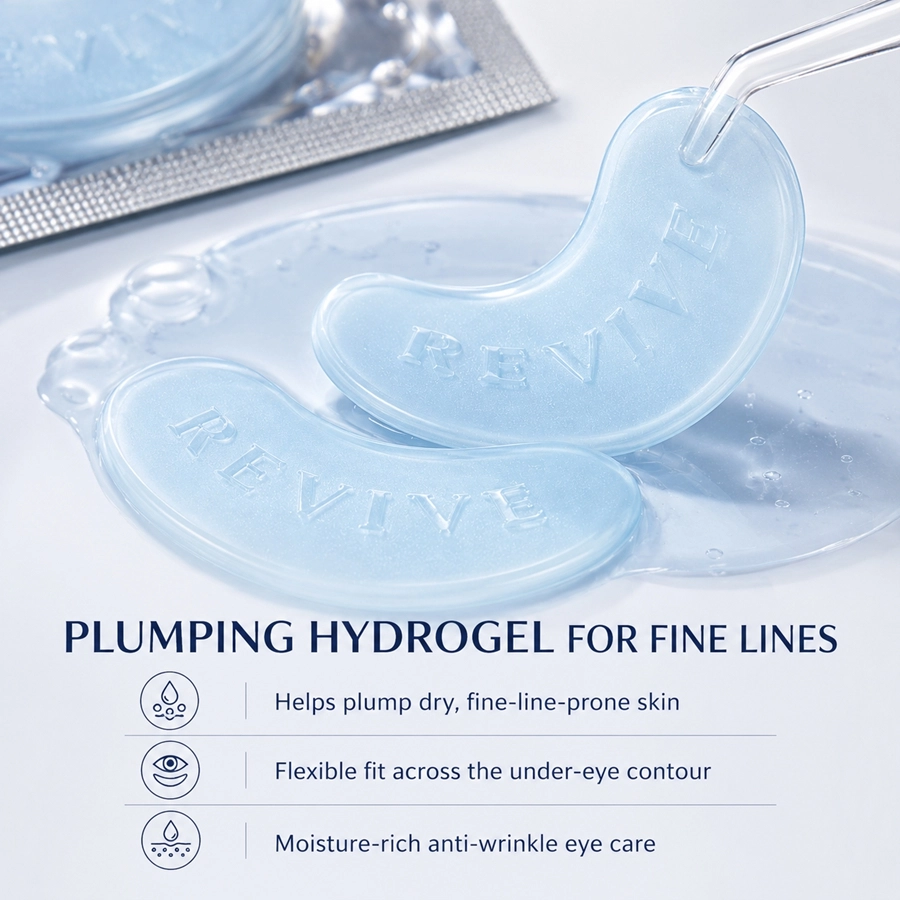
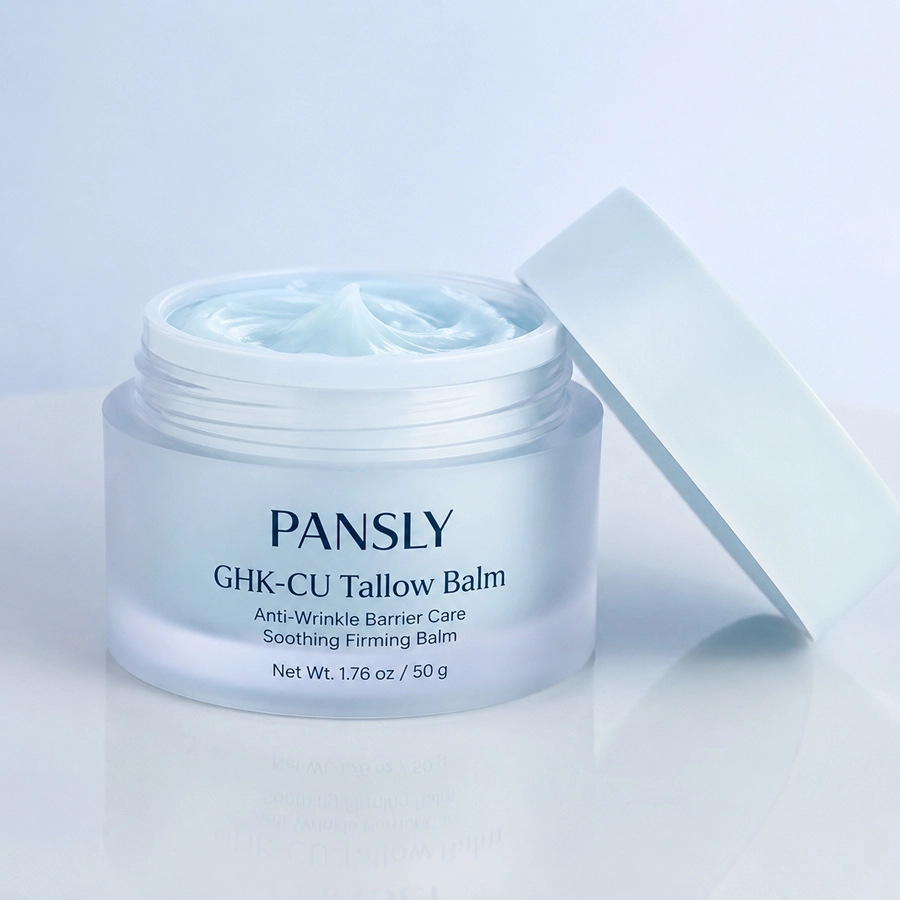
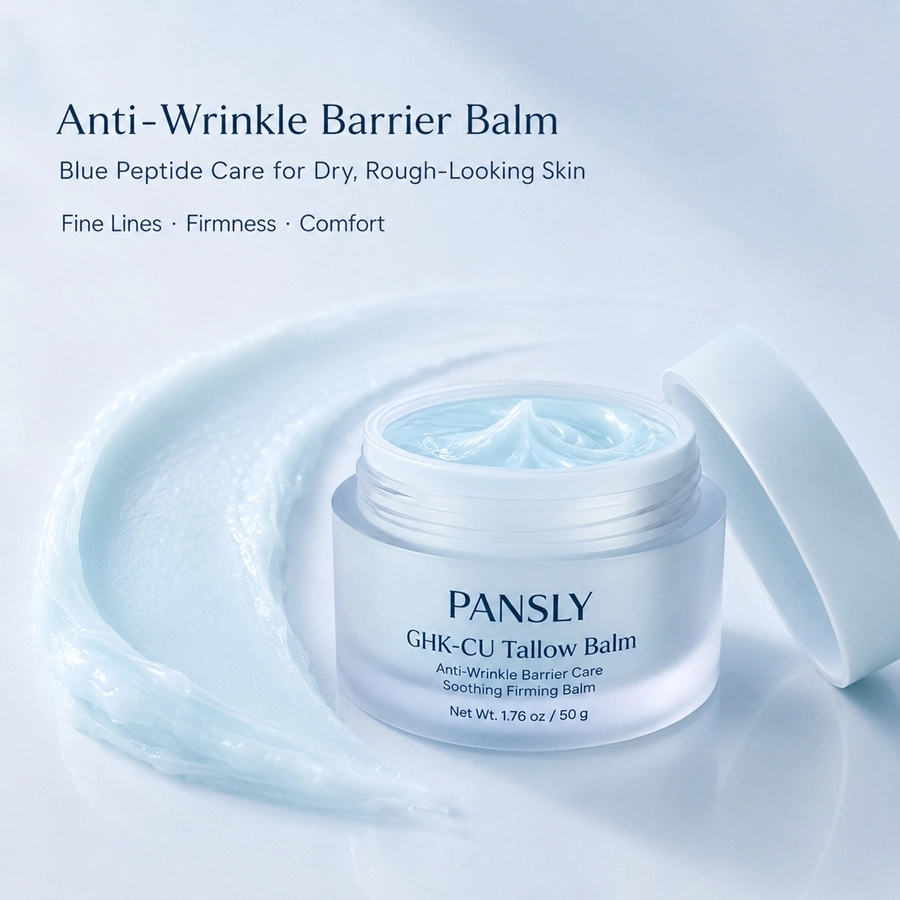
This Pansly GHK-CU + SNAP-8 Grass-Fed Tallow Anti-Wrinkle Barrier Balm is dual-peptide nourishing anti-wrinkle balm, specially developed for dry, rough textured skin, targeting fine lines, sagging contours and weakened skin barrier. Full OEM & ODM private label support is offered, including formula customization, packaging selection, fast sampling and bulk supply.
Five core premium active ingredients work synergistically for multi-dimensional skin care:
GHK-CU Copper Peptide lifts and firms loose skin to boost skin tightness and smooth fine lines;
SNAP-8 Peptide softens expression lines to reduce wrinkle visibility;
Grass-Fed Tallow delivers rich lipid nourishment to relieve persistent dry flaky rough skin;
Ceramide NP reconstructs skin moisture barrier to enhance skin comfort and resilience;
Squalane melts lightly into skin to provide silky long-lasting hydration.
Luxury rich light blue cushion balm texture glides smoothly and absorbs quickly without heavy greasy residue. Daily use improves dry rough texture, blurs dry fine lines, lifts saggy skin and stabilizes skin barrier, leaving skin soft, calm and smooth with healthy supple glow.
Get in Touch with us
If you have any comments or good suggestions, please leave us a message; later our professional staff will contact you as soon as possible.
Click here to customize the Beauty
we respond within a few hours
Monday–Friday, 9AM–6PM
3A01, Building A, Zhisheng Square, No. 4 Zhifu Road, Helong Street, Baiyun District, Guangzhou, China.


Leave a request, and we'll email you back within 24 hours.
© 2026 Beyond Basix. All Rights Reserved.
