
GHK-Cu Serum vs Retinol Serum: Which Fits an Anti-Aging Skincare Line Better?
Quick Answer
For a GHK-Cu copper peptide serum, choose it when a line prioritizes barrier-support positioning and a gentler consumer experience; choose retinol when renewal, acne-related positioning, and stronger clinical familiarity lead. The decision should follow target market, product claims, ingredient compatibility, packaging, and stability data. Beyond Basix can develop OEM/ODM options, but final solutions depend on project testing and site conditions.
How Beyond Basix Supports Projects
Beyond Basix supports anti-aging projects through custom formulation, OEM/ODM production, and manufacturing across a 12,000-square-meter facility with a 100,000-level GMPC pharmaceutical-grade dust-free workshop and 12 production lines. Its experience includes skincare development with effective ingredients, allowing buyers to compare peptide and retinoid concepts against intended positioning and format.
Before quotation, buyers should confirm active form and target level, pH and preservative approach, packaging, market claims, batch size, and required documentation. MOQ, lead time, testing scope, and quotation must be confirmed per project. Beyond Basix holds ISO 9001, GMP, HALAL, CE, MSDS, and other listed certifications; applicable documentation should be matched to the destination market.
Discuss Your Anti-Aging Serum Project
Share your target market, consumer profile, preferred serum format, desired claims, target price, expected MOQ, and launch timing. These details support discussion of suitable active strategies, prototype priorities, packaging options, testing steps, and a practical OEM/ODM development route. Discuss your project with Beyond Basix at www.beyondbasixcosmetics.com or Lily@lanthome.com.
Frequently Asked Questions
Should anti-aging brands launch GHK-Cu or retinol serum first?
The first launch should reflect the brand’s commercial position rather than ingredient popularity. Retinol has broad consumer recognition and an established association with retinoid-based skin renewal, but it can create education and tolerance challenges, including dryness, peeling, and increased sensitivity for some users. GHK-Cu can support a repair-oriented, sensitive-skin, or premium peptide narrative, although consumer familiarity and clinical substantiation may be less developed. A practical decision compares the target consumer, local regulatory environment, allowable claims, expected repeat-use behavior, price architecture, and available stability data. Pilot testing with representative packaging and real-use feedback is more informative than selecting an active from trend reports alone.
What concentration of GHK-Cu suits a beginner skincare formula?
There is no universal beginner concentration that applies to every copper peptide product. The relevant specification is the identity, purity, assay basis, supplier documentation, and finished-formula performance of the selected peptide, not simply a percentage printed on a brief. Suppliers may express levels differently, so a buyer should confirm whether the figure refers to the peptide raw material, an active solution, or the finished formula. Development should assess appearance, odor, pH compatibility, preservative performance, skin tolerance, and stability at the proposed level. Cosmetic claims should remain proportionate to the available evidence; a higher declared amount does not automatically establish superior consumer outcomes or better formula value.
Can GHK-Cu and retinol appear in one anti-aging product?
They can be considered in one concept, but compatibility should not be assumed from their individual popularity. Retinol is sensitive to oxidation, light, heat, and unsuitable formulation conditions, while peptide behavior can be affected by pH, chelating ingredients, preservatives, metal ions, and processing exposure. The combined formula therefore requires a defined manufacturing sequence, controlled raw-material handling, suitable antioxidants where justified, and packaging that limits light and air exposure. Developers should measure active retention and product performance through accelerated and long-term stability work, alongside preservative efficacy and compatibility checks. In many cases, separate products or a layered routine provides clearer dosage control and simpler consumer instructions.
How should brands test peptide serum stability before bulk production?
Stability work should use the intended formula, filling process, container, closure, and production conditions rather than a laboratory beaker sample alone. A sensible protocol examines appearance, color, odor, pH, viscosity, microbial quality, package interaction, and relevant active or marker retention at defined intervals. Stress conditions can help identify risks, but accelerated results do not replace real-time stability evidence. For copper peptide systems, developers should watch for discoloration, precipitation, viscosity drift, and loss of performance indicators. Preservative efficacy testing is a separate consideration and should be assessed according to the product type and destination-market expectations. Acceptance limits must be agreed before testing so that decisions are not based on subjective visual judgment.
Which claims are compliant for GHK-Cu versus retinol products?
Claims depend on the destination market, product classification, substantiation, and wording. Cosmetic language generally needs to describe appearance or care benefits without presenting the product as treating disease, repairing tissue in a medical sense, or changing physiological structure beyond the permitted framework. Claims such as smoother-looking skin or the appearance of improved firmness may require appropriate product evidence, while claims involving wound healing, regeneration, or medical treatment can create regulatory risk. Retinol claims also require careful review because concentration, local rules, consumer warnings, and restrictions may differ by jurisdiction. Brands should prepare an ingredient dossier, formula specification, test rationale, label review, and claim-support file before commercial production.
Does packaging affect copper peptide serum performance and shelf life?
Packaging is a formulation-control decision, not merely a visual branding choice. Airless systems, opaque containers, or other protective designs may reduce exposure to oxygen and light, but their suitability depends on the actual formula, pump behavior, fill volume, and closure integrity. Compatibility testing should check leakage, adsorption, discoloration, dosing consistency, and interaction between the serum and contact materials. The package should be tested with the finished product through stability studies, including shipping-related temperature and vibration considerations where relevant. A clear glass dropper may be attractive but can expose a sensitive formula to repeated air and light entry. Shelf-life statements should follow supporting stability evidence rather than packaging assumptions.
Related Articles for Private Label Cosmetics

Why Two Mineral Sunscreens With the Same SPF Can Feel Completely Different

Beyond Ordinary Tallow Balm: How GHK-Cu and SNAP-8 Create a Different Skincare Story

When Blue Copper Peptides Meet Beef Tallow: A New Direction for Premium Skincare

PDRN Toner Pads vs GHK-Cu + SNAP-8 Peptide Toner Pads: Private Label Manufacturing Decisions
You May Also Like
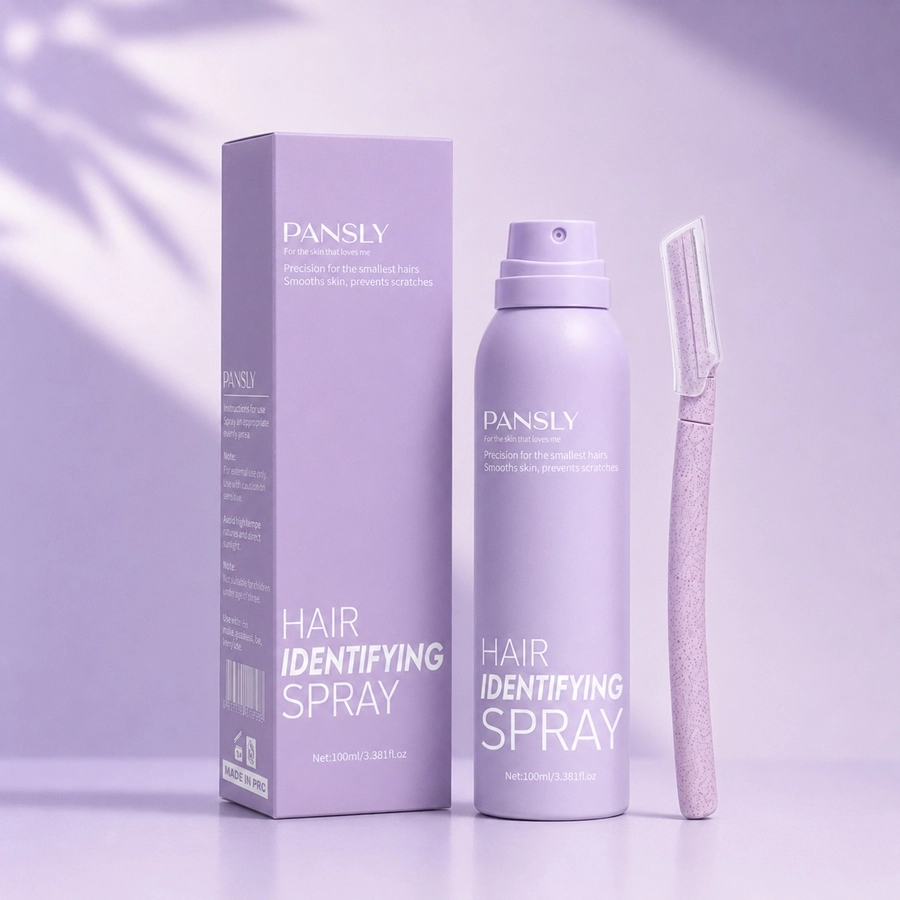
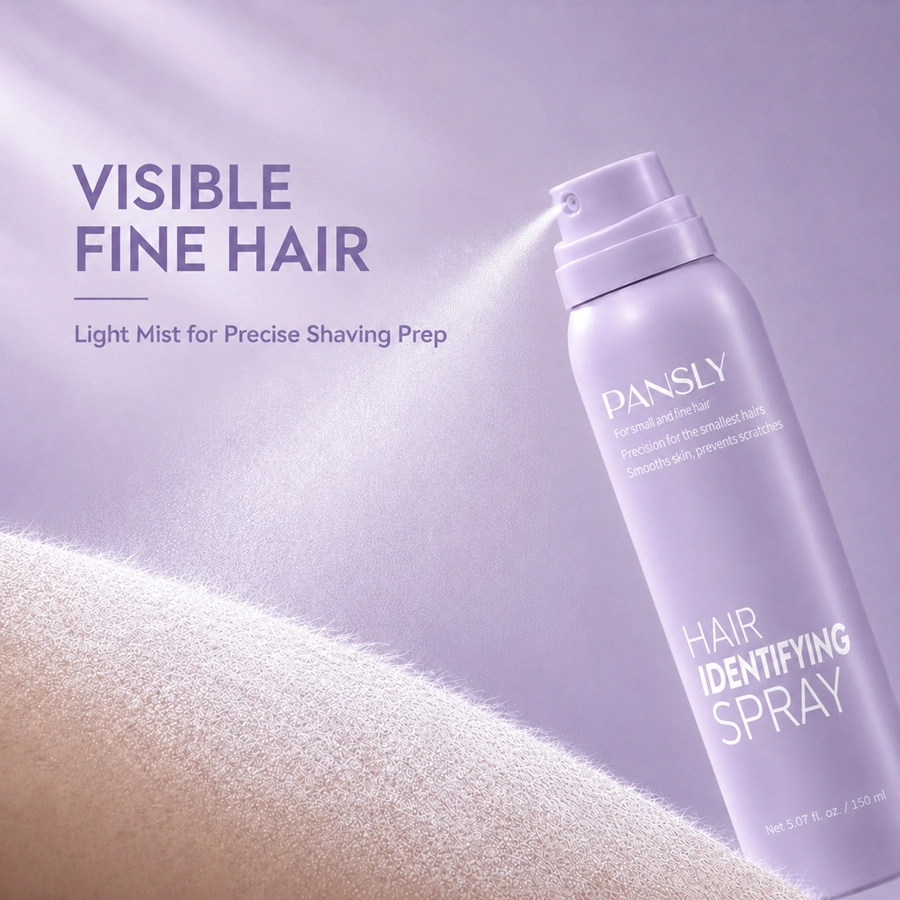
This Pansly Hair Identifying Spray Shaving Prep Set includes Hair Identifying Spray (100ml) and a precision facial scraper, specially designed for accurate facial and body hair removal. The lightweight fine mist spray evenly deposits a subtle film on clean dry skin, instantly highlighting tiny invisible fine vellus hairs, so you can clearly observe every hair for controlled, thorough shaving. It softens skin surface and effectively reduces blade friction, preventing scratches and irritation during dermaplaning. Suitable for face, jawline, upper lip, arms and other body areas. Simple 3-step routine: Spray → Reveal fine hairs → Shave with the matching scraper. Support full OEM & ODM private label service, customizable bottle, box and scraper design, logo & color customization and fast sampling.
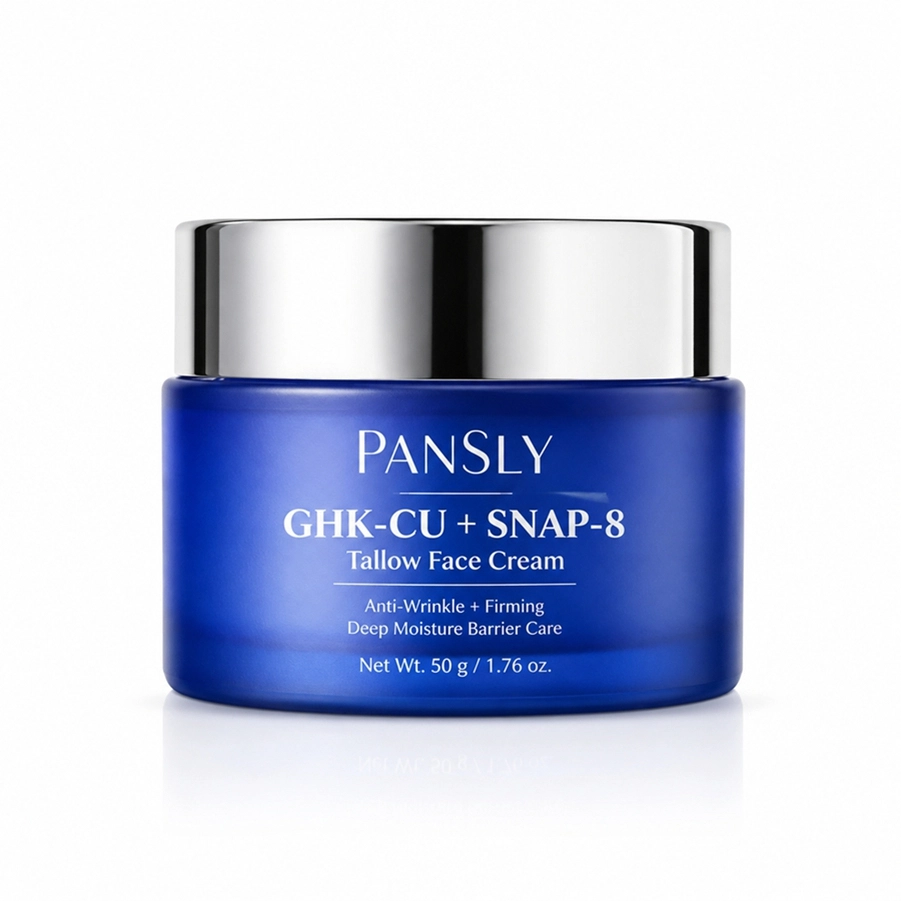
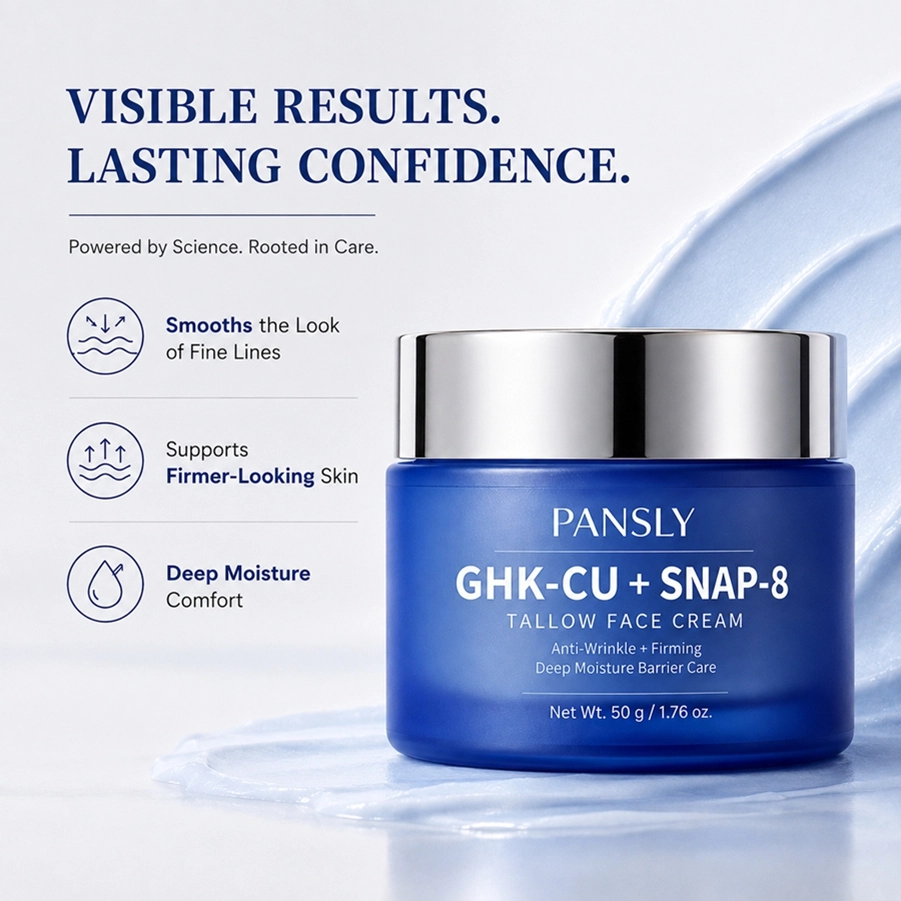
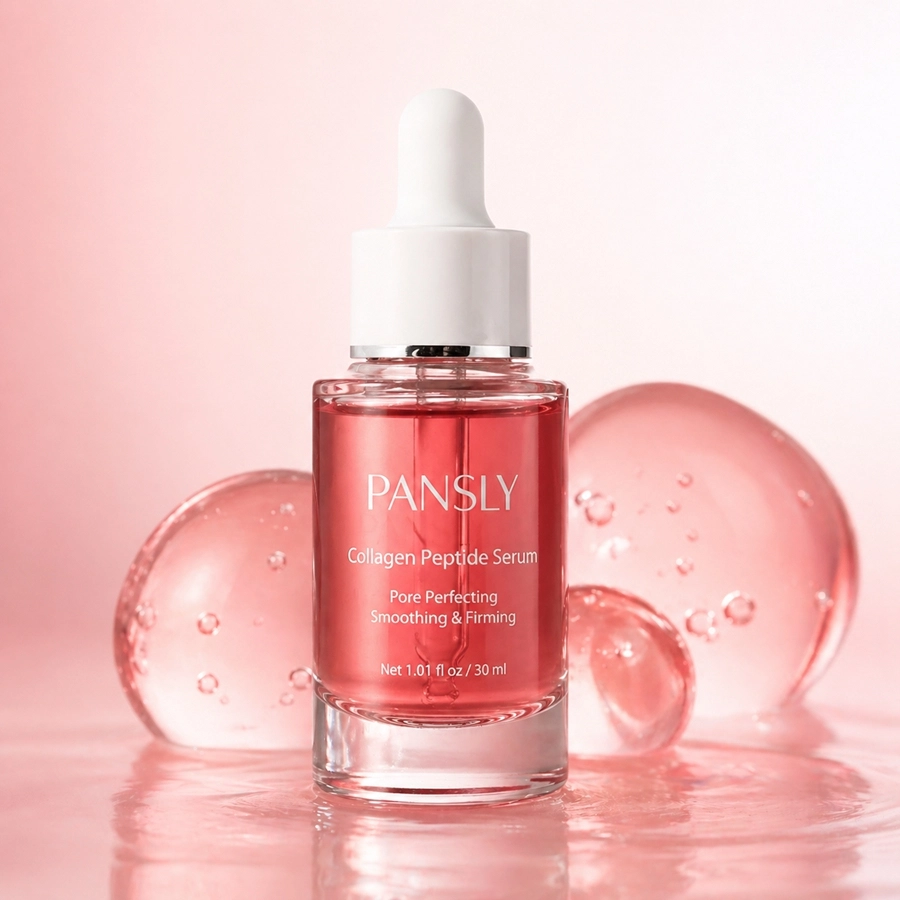
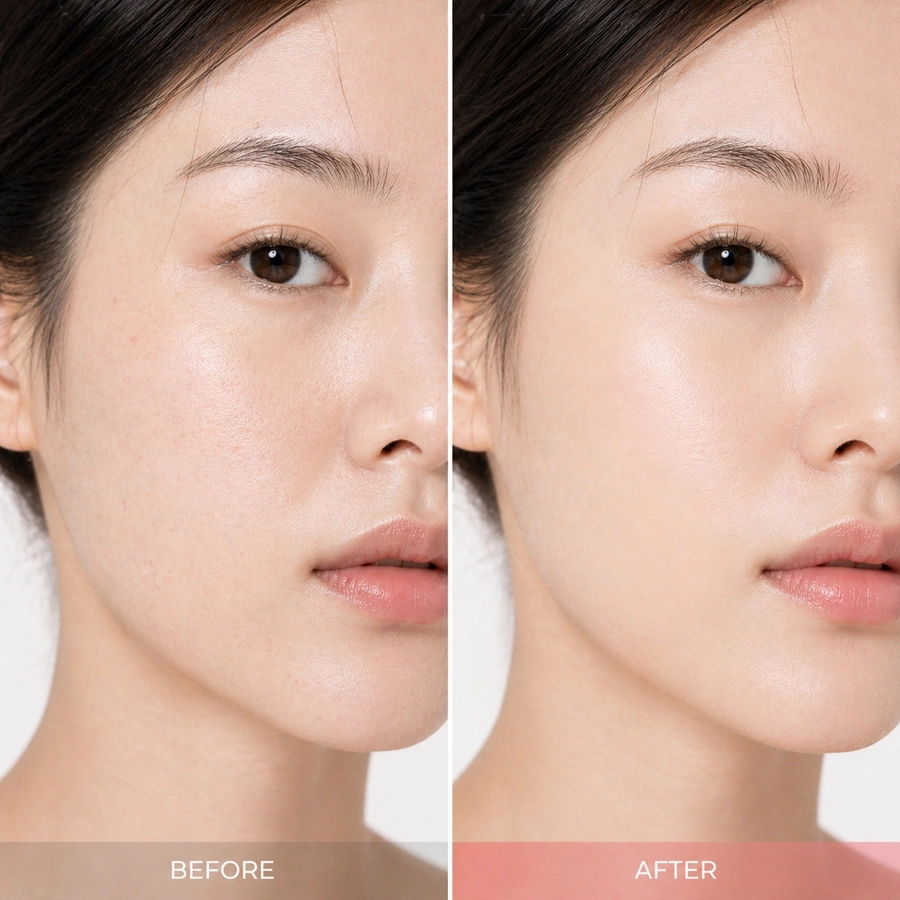
This Pansly Collagen Peptide Pore Perfecting Serum is lightweight multi-effect facial essence, designed to refine enlarged pores, boost skin firmness and deliver long-lasting hydration.
Four premium active ingredients work synergistically to renew skin texture:
Collagen Peptide supports skin firmness, lifts saggy dull complexion;
Hyaluronic Acid delivers deep multi-layer hydration to relieve dryness;
Niacinamide refines pores and evens uneven skin tone;
Panthenol soothes and repairs vulnerable skin barrier.
It adopts lightweight pink serum texture, quickly penetrates deep into skin, non-sticky and comfortable after absorption. Daily use minimizes visible pores, smooths rough texture, firms skin and maintains plump, soft, radiant complexion. OEM & ODM private label service is available, including formula customization and packaging options.
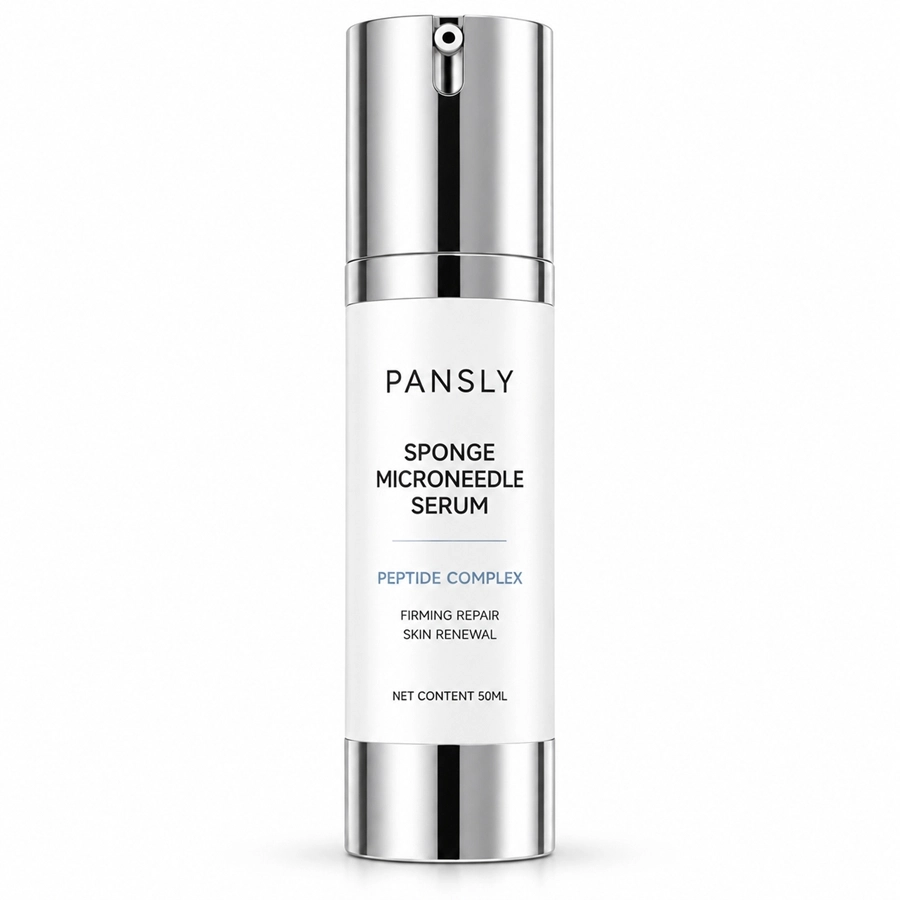
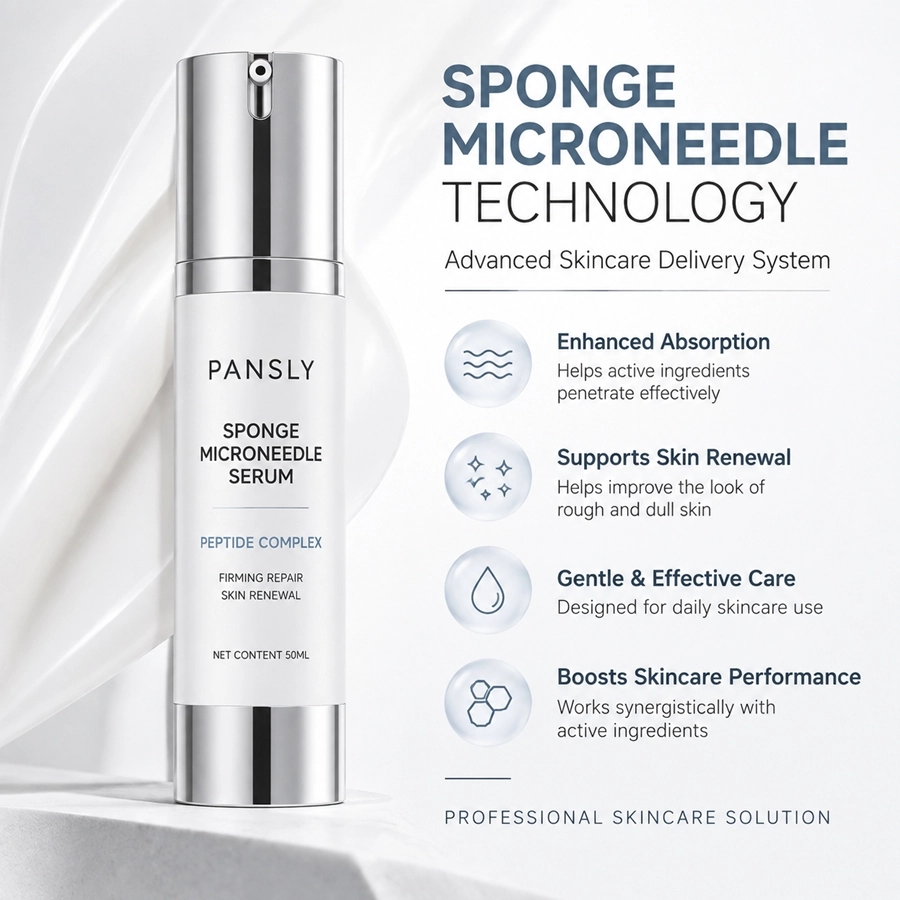
Get in Touch with us
If you have any comments or good suggestions, please leave us a message; later our professional staff will contact you as soon as possible.
Click here to customize the Beauty
we respond within a few hours
Monday–Friday, 9AM–6PM
3A01, Building A, Zhisheng Square, No. 4 Zhifu Road, Helong Street, Baiyun District, Guangzhou, China.


Leave a request, and we'll email you back within 24 hours.
© 2026 Beyond Basix. All Rights Reserved.
