
GHK-Cu, SNAP-8 or Multi-Peptide: Which Ingredient Story Fits Your Brand?
Quick Answer
For private label peptide skincare, GHK-Cu suits a repair-and-renewal narrative, SNAP-8 suits expression-line positioning, and a multi-peptide blend suits broader age-support messaging. Beyond Basix can help compare formula direction, claim boundaries, peptide grade, dosage, packaging compatibility, and target-market requirements. Cost, stability, minimum order quantity, and testing scope affect feasibility; the final solution depends on project testing and site conditions.
How Beyond Basix Supports Projects
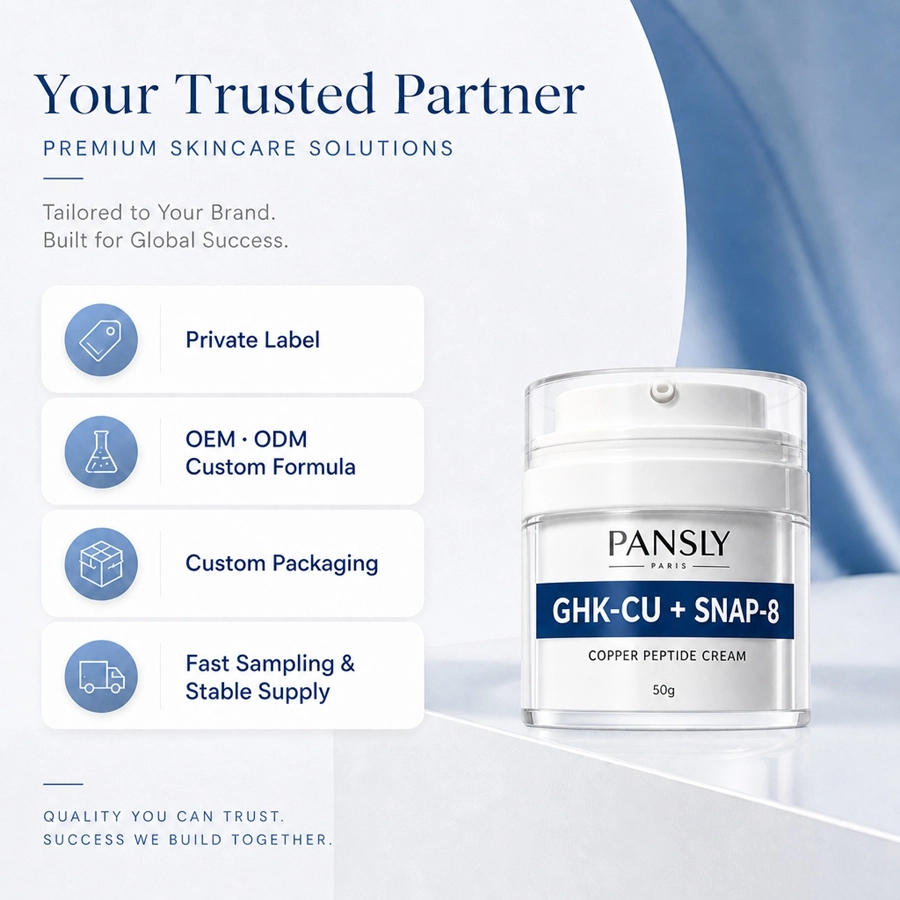
Beyond Basix Cosmetics Ltd. provides OEM/ODM skincare development and production from a 12,000-square-meter facility with a 100,000-level GMPC pharmaceutical-grade dust-free workshop and 12 production lines. Its 12 years of effective-ingredient skincare development experience can support decisions around peptide selection, texture, delivery format, and private-label execution.
Project discussions should define the target market, intended claims, INCI requirements, peptide form and concentration, packaging, formula format, and expected order volume. MOQ, lead time, testing scope, and quotation must be confirmed for each project; applicable documentation and certification needs should also be reviewed before commercial production.
Discuss Your Peptide Brand Positioning
Share your target market, consumer profile, preferred ingredient story, product format, intended claims, packaging direction, and estimated order volume. The discussion can then cover suitable peptide options, formulation samples, claim-support planning, testing steps, and an appropriate OEM/ODM pathway.
Visit www.beyondbasixcosmetics.com or email Lily@lanthome.com to discuss your project-specific peptide skincare plan.
Deep-Dive FAQs
How does GHK-Cu support a credible private label product story?
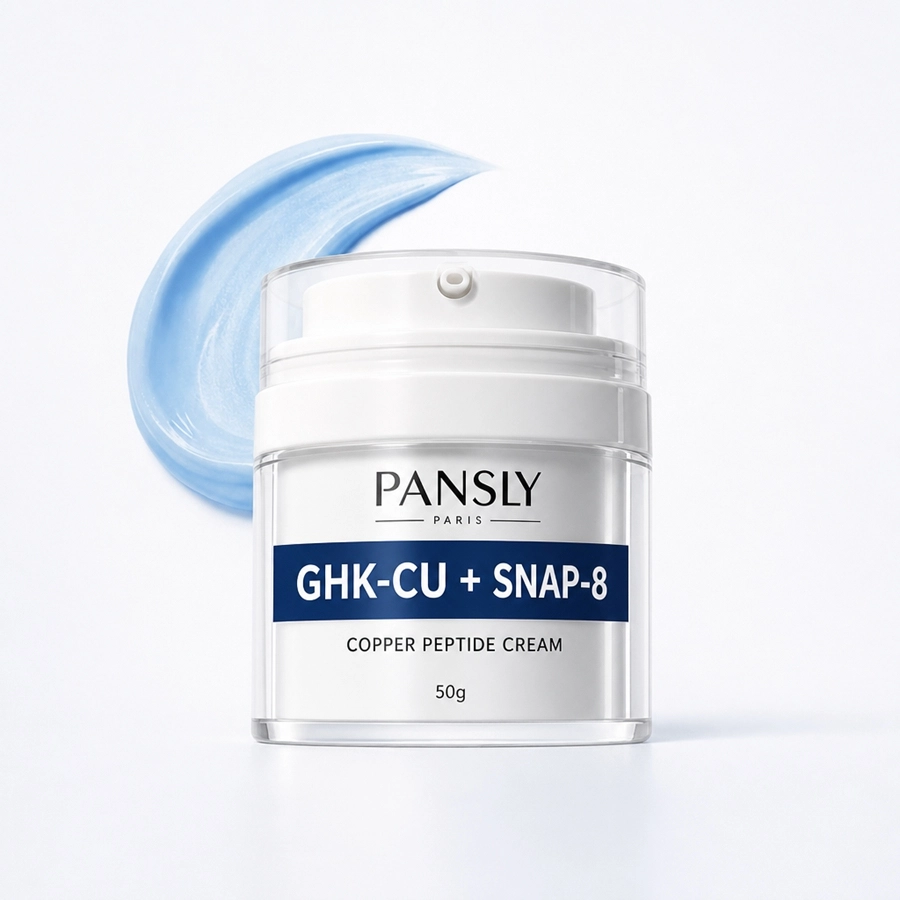
GHK-Cu is commonly associated with Copper Tripeptide-1, a cosmetic peptide used in skin-conditioning and appearance-focused formulations. Its strongest commercial role is usually a renewal, firmness, or recovery-inspired story rather than a medical repair claim. The ingredient name alone does not substantiate wrinkle reduction, wound healing, collagen rebuilding, or other physiological outcomes. A brand should verify the supplier’s specification, purity information, recommended use level, finished-product stability, and available testing. Claims should be tied to the actual formula and supported by appropriate evidence, such as instrumental or consumer-use studies where required. Copper-containing formulas also warrant compatibility review because pH, chelating agents, preservatives, light exposure, and packaging can affect color, odor, and stability.
Is SNAP-8 evidence strong enough for an anti-wrinkle claim?
SNAP-8 is associated with the INCI name Acetyl Octapeptide-3 and is generally positioned around the visible appearance of expression lines. Supplier literature may cite laboratory or consumer-use data, but those results should not be treated as proof that a finished product produces a botulinum-toxin-like effect. Claim strength depends on concentration, application area, usage instructions, study design, and the complete formula. A responsible brief should distinguish between appearance-based cosmetic wording, such as helping soften the look of expression lines, and drug-like language involving muscle paralysis or treatment. Before launch, the manufacturer and brand should review substantiation, label wording, advertising channels, and the regulatory expectations of each intended market.
When should a brand choose a multi-peptide formulation instead?
A multi-peptide formula is appropriate when the brand wants a broader skin-benefit architecture rather than one hero-ingredient narrative. Different peptides may be selected for appearance-focused goals such as firmness, hydration support, barrier comfort, or the look of fine lines. However, combining ingredients does not automatically create additive or synergistic benefits. Each peptide can have its own pH preference, solvent requirement, recommended dosage, stability profile, and evidence base. The formulator should assess ingredient compatibility, total active load, sensory effects, preservative performance, and whether the final claims can be linked to the finished product. For a beginner brand, a focused blend with a clear rationale is often easier to explain and substantiate than a long, high-cost ingredient list.
What testing prevents peptide instability during manufacturing and shipping?
Peptide stability should be evaluated in the finished formula, not inferred only from the raw-material certificate. A practical program may include accelerated and long-term stability, freeze-thaw or temperature cycling when relevant, light exposure, packaging compatibility, appearance, odor, pH, viscosity, microbiological quality, and assay or identity testing when a validated method is available. Preservative efficacy testing is relevant for many water-based products, while the exact scope depends on the formula and market requirements. Airless or opaque packaging may reduce exposure risks, but packaging selection must be confirmed through compatibility studies. Sampling should cover bulk, filled units, and retained samples so that manufacturing, storage, and transport risks are assessed separately.
How do peptide claims comply across different cosmetic markets?
Cosmetic claims are market-specific and must remain consistent with the product’s classification, evidence, labeling rules, and advertising context. In the European Union, cosmetic claims are expected to meet common criteria including legal compliance, truthfulness, evidential support, honesty, fairness, and informed decision-making. In the United States, wording that claims treatment, disease prevention, or alteration of body function can create drug-classification concerns, even when the product is sold as skincare. Other markets may require local responsible-person arrangements, notification, ingredient restrictions, product information files, or language-specific labels. Brands should prepare a claims matrix before artwork approval, separating ingredient description, cosmetic benefit, test-supported performance, and prohibited therapeutic implications.
Which peptide option best matches a beginner brand budget?
Budget fit cannot be judged from the peptide price alone. The total cost includes active material, formula development, compatibility work, stability and microbiological testing, packaging, documentation, filling, MOQ, rejected units, and inventory holding. A single peptide may simplify the story and reduce formulation complexity, while a multi-peptide system can increase raw-material and testing requirements. GHK-Cu or SNAP-8 may command different costs depending on supplier grade, concentration, format, and order volume. The most economical route is usually the option that aligns one defensible claim platform with a manageable formula and suitable packaging, rather than the formula containing the largest number of active ingredients. Request a project quotation only after defining target market, size, claims, packaging, and volume.
Related Articles for Private Label Cosmetics
Why Two Mineral Sunscreens With the Same SPF Can Feel Completely Different
Beyond Ordinary Tallow Balm: How GHK-Cu and SNAP-8 Create a Different Skincare Story
When Blue Copper Peptides Meet Beef Tallow: A New Direction for Premium Skincare
PDRN Toner Pads vs GHK-Cu + SNAP-8 Peptide Toner Pads: Private Label Manufacturing Decisions
You May Also Like
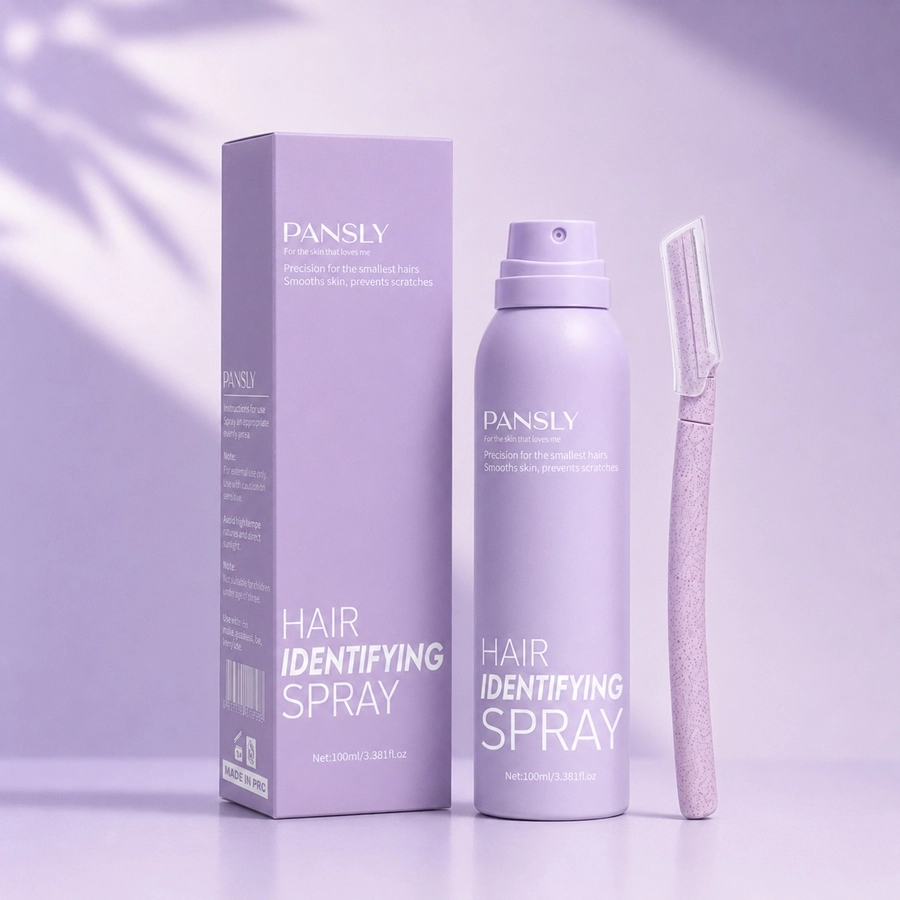
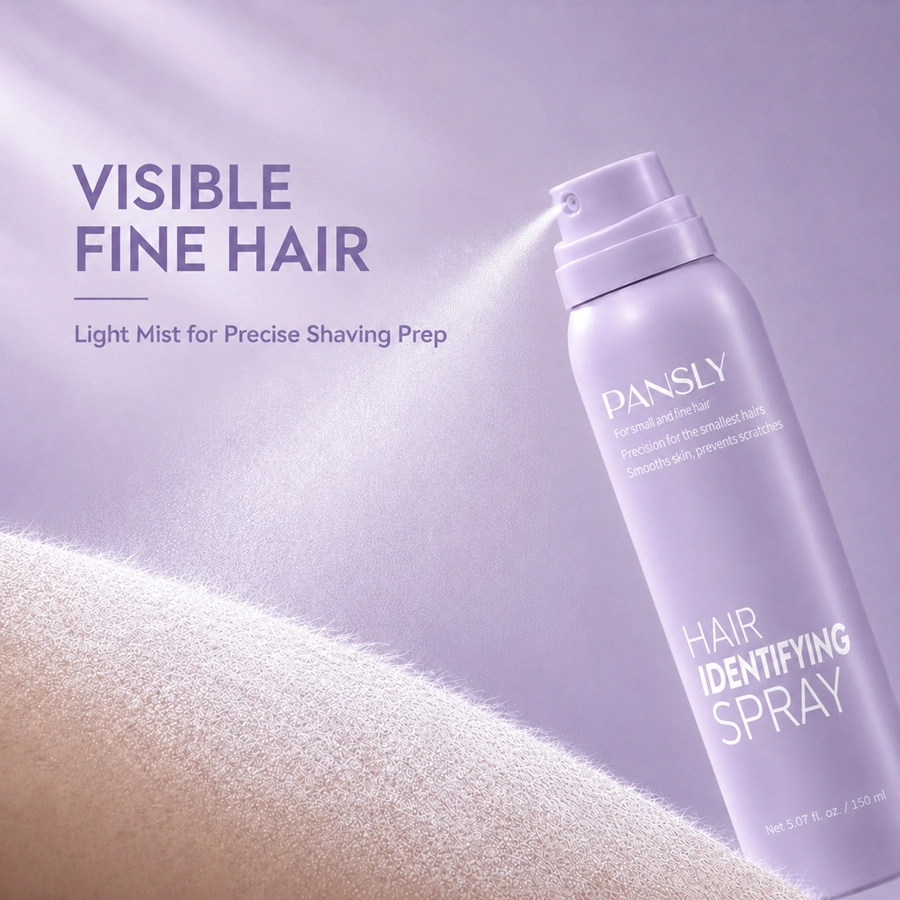
This Pansly Hair Identifying Spray Shaving Prep Set includes Hair Identifying Spray (100ml) and a precision facial scraper, specially designed for accurate facial and body hair removal. The lightweight fine mist spray evenly deposits a subtle film on clean dry skin, instantly highlighting tiny invisible fine vellus hairs, so you can clearly observe every hair for controlled, thorough shaving. It softens skin surface and effectively reduces blade friction, preventing scratches and irritation during dermaplaning. Suitable for face, jawline, upper lip, arms and other body areas. Simple 3-step routine: Spray → Reveal fine hairs → Shave with the matching scraper. Support full OEM & ODM private label service, customizable bottle, box and scraper design, logo & color customization and fast sampling.
Get in Touch with us
If you have any comments or good suggestions, please leave us a message; later our professional staff will contact you as soon as possible.
Click here to customize the Beauty
we respond within a few hours
Monday–Friday, 9AM–6PM
3A01, Building A, Zhisheng Square, No. 4 Zhifu Road, Helong Street, Baiyun District, Guangzhou, China.


Leave a request, and we'll email you back within 24 hours.
© 2026 Beyond Basix. All Rights Reserved.
