
Why Combine GHK-Cu and SNAP-8 in One Anti-Wrinkle Serum?
Quick Answer
Combining GHK-Cu and SNAP-8 can address complementary aspects of visible aging: GHK-Cu is associated with skin-conditioning and support for a healthy-looking skin surface, while SNAP-8 is used in cosmetic formulas targeting the appearance of expression lines. Beyond Basix evaluates ingredient grade, concentration, pH compatibility, packaging, and claim requirements. The final solution depends on project specifications, stability testing, and target-market conditions.
How Beyond Basix Supports Projects
Beyond Basix develops and manufactures skincare products through OEM/ODM services, drawing on more than 23 years in cosmetics and 12 years of work with effective skincare ingredients. Its 12,000-square-meter facility includes a 100,000-level GMPC pharmaceutical-grade dust-free workshop and 12 production lines. The company also holds certifications and documentation including ISO 9001, GMP, MSDS, CE, and HALAL, subject to product and project scope.
For a dual-peptide serum, buyers should confirm peptide specifications, target concentration range, pH window, preservative system, container format, testing scope, and intended claims. MOQ, lead time, testing scope, and quotation must be confirmed for each project rather than assumed from a standard formula.
Discuss Your Dual-Peptide Serum Project
Share your target market, product positioning, expected order volume, preferred packaging, desired texture, target claims, and launch timeline. These details allow discussion of suitable formulation options, sample stages, compatibility checks, documentation, and commercialization planning. Discuss your project at www.beyondbasixcosmetics.com or email Lily@lanthome.com for a focused OEM/ODM consultation.
Deep-Dive FAQs
Why pair GHK-Cu with SNAP-8 in one serum formula?
The two ingredients are selected for different cosmetic positioning roles rather than because one automatically activates the other. GHK-Cu, listed in cosmetic ingredient nomenclature as Copper Tripeptide-1, is commonly used for skin-conditioning and the appearance of skin renewal. SNAP-8, commonly identified as Acetyl Octapeptide-3, is marketed for the appearance of expression lines. Combining them can create a broader anti-wrinkle concept, but it does not establish Botox-like activity or prove additive efficacy. A brand should compare the combination with single-active controls in a defined formula and use only claims supported by the finished-product evidence.
Does copper peptide improve SNAP-8 wrinkle-smoothing performance?
There is no general rule that GHK-Cu improves the biological or cosmetic performance of SNAP-8. Peptide activity depends on sequence, purity, concentration, vehicle, exposure, skin condition, and study design. Supplier information for cosmetic peptides may include in vitro or ingredient-level studies, but those results cannot automatically be transferred to a finished serum. For substantiation, manufacturers should evaluate the complete formula through stability work and, where appropriate, instrumental or controlled consumer testing. The commercial claim should describe observed cosmetic effects instead of implying treatment of wrinkles as a medical condition.
What pH and packaging protect both anti-wrinkle actives?
There is no universal pH that protects every grade of Copper Tripeptide-1 and Acetyl Octapeptide-3. The usable range should be based on each supplier's technical dossier, the preservative system, the rest of the ingredient list, and accelerated and real-time stability results. Formula developers should examine appearance, color, odor, pH, viscosity, assay or marker content where an appropriate method exists, microbial quality, and container compatibility. Opaque or air-restrictive packaging may reduce exposure to light and oxygen, but the final choice requires package-product compatibility testing rather than a packaging assumption.
Can GHK-Cu and SNAP-8 be used every day?
Daily use is a product-direction decision, not a guaranteed property of the ingredient names. A leave-on serum must be assessed as a complete system, including active levels, solvent system, fragrance, preservatives, exfoliating acids, retinoids, and the user's overall routine. A gentle formula may be positioned for regular use when safety and tolerance information support that direction, while sensitive-skin products may need more conservative instructions. Brands should conduct appropriate safety assessments and provide directions that match the tested product. Patch testing can be suggested for individual users, but it does not replace formal product safety evaluation.
How should brands validate claims for this peptide serum?
Claim substantiation should connect each marketing statement to evidence from the finished product and the target market's regulatory framework. In the European Union, Regulation (EU) No. 655/2013 sets common criteria for cosmetic claims, including truthfulness, evidential support, honesty, fairness, and informed decision-making. A brand should distinguish ingredient-function language, such as skin conditioning, from performance claims about wrinkle appearance. Useful evidence may include supplier documentation, formulation records, stability results, safety assessment, and controlled instrumental or consumer studies. Before launch, legal and regulatory review should confirm that wording, imagery, testimonials, and translations remain consistent with cosmetic positioning.
What manufacturing tests reduce instability in a dual-peptide serum?
A practical test plan begins with compatibility screening of both peptides against the selected base, preservative system, fragrance, chelating agents, acids, antioxidants, and other reactive materials. Development batches should then be monitored under defined temperature, light, and storage conditions, with checks for pH drift, color change, precipitation, odor, viscosity, microbial status, and package interaction. If validated analytical methods are available, peptide content or suitable markers can be tracked over time. Freeze-thaw, centrifuge, transport simulation, and in-use evaluations may be relevant depending on the container and distribution route. Test duration, acceptance limits, and release documentation should be agreed before quotation and production.
Related Articles for Private Label Cosmetics

Why Two Mineral Sunscreens With the Same SPF Can Feel Completely Different

Beyond Ordinary Tallow Balm: How GHK-Cu and SNAP-8 Create a Different Skincare Story

When Blue Copper Peptides Meet Beef Tallow: A New Direction for Premium Skincare

PDRN Toner Pads vs GHK-Cu + SNAP-8 Peptide Toner Pads: Private Label Manufacturing Decisions
You May Also Like
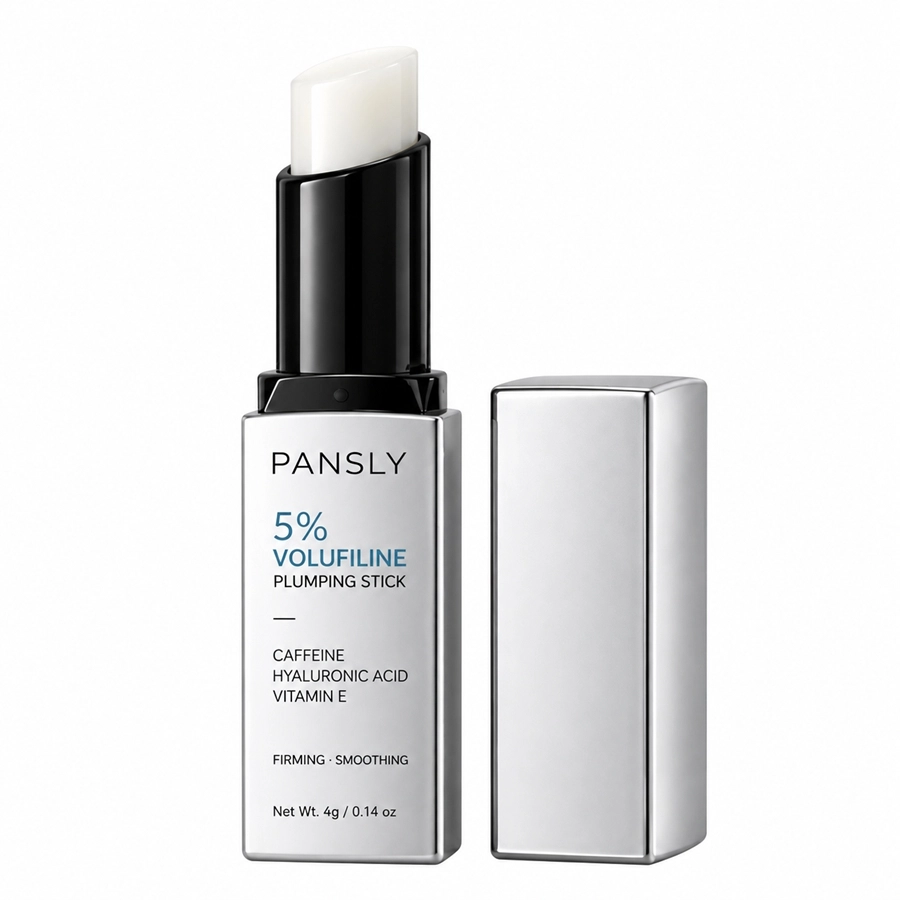
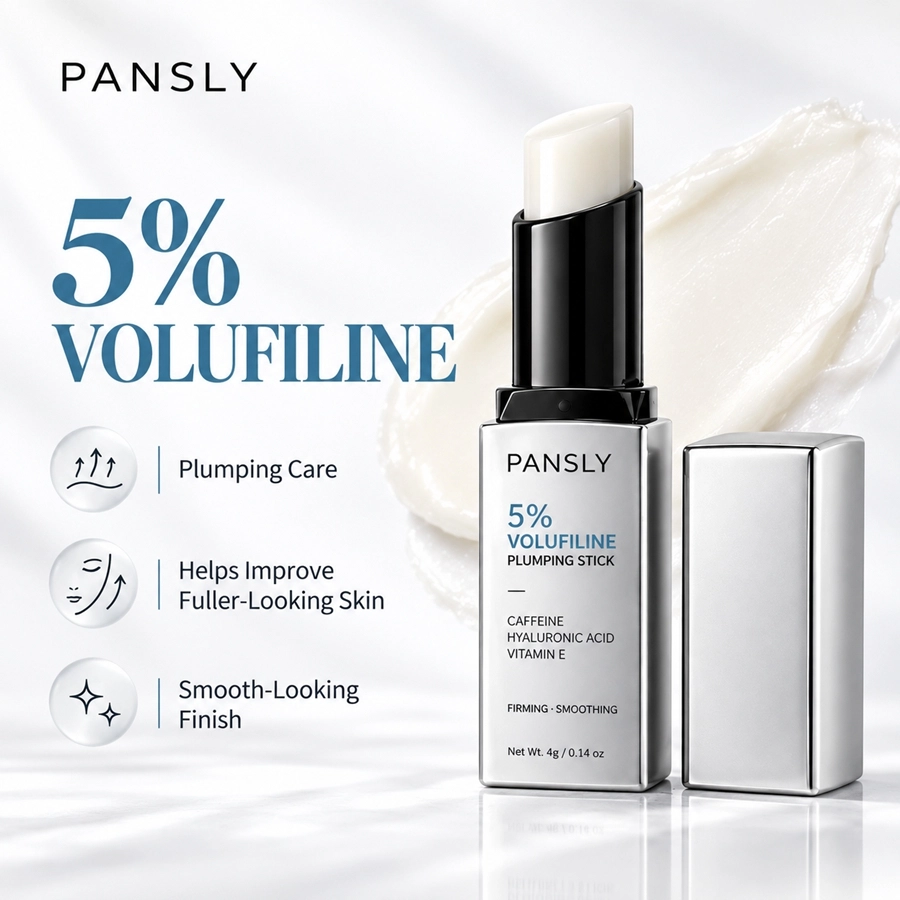
The Volufiline Plumping Stick contains 5% Volufiline in a portable balm for targeted facial care. Apply the Volufiline Lip Plumping Balm Stick to moisturize lips and dry areas, or use the Volufiline Anti Wrinkle Multi Balm to help skin feel smooth and hydrated.
Get in Touch with us
If you have any comments or good suggestions, please leave us a message; later our professional staff will contact you as soon as possible.
Click here to customize the Beauty
we respond within a few hours
Monday–Friday, 9AM–6PM
3A01, Building A, Zhisheng Square, No. 4 Zhifu Road, Helong Street, Baiyun District, Guangzhou, China.


Leave a request, and we'll email you back within 24 hours.
© 2026 Beyond Basix. All Rights Reserved.
