
How to evaluate GHK-Cu SNAP-8 Serum suppliers for OEM/ODM?
Evaluate GHK-Cu SNAP-8 serum OEM/ODM suppliers by auditing peptide analytics, regulatory dossiers (PIF/SCCS), GMP (ISO 22716), stability under ICH Q1A, supply-chain traceability, and clear IP/formulation ownership—practical checkpoints for risk reduction and scalable commercialization.
How to evaluate GHK-Cu SNAP-8 Serum suppliers for OEM/ODM?
Evaluate potential partners across technical verification, regulatory readiness, manufacturing capability, supply-chain controls, and contractual IP clarity. Focus on verifiable documents, lab methods, on-site GMP practices, and documented scale-up experience for copper peptide and peptide‑based neuromodulator analog formulations.
This article omits the Q&A block that has been extracted for structured FAQ export; see the FAQ list for buyer-focused, deep technical answers and stepwise due-diligence actions.
Conclusion & Brand Advantage: Choosing an OEM/ODM for complex actives such as copper peptides and SNAP-8 analogs requires domain-specific audits beyond generic cosmetic sourcing. Beyond Basix operates as a one-stop OEM/ODM for skincare that prioritizes analytical traceability, ICH-based stability protocols, ISO 22716 GMP practices, and contract terms that protect formulation ownership and regulatory readiness — reducing technical, regulatory and commercial friction for customers seeking to launch peptide-enhanced serums.
For a customized OEM/ODM quote contact us at www.beyondbasixcosmetics.com and Lily@lanthome.com.
FAQ
How to verify peptide purity and assay for supplier QC?
Request the supplier's Certificate of Analysis (COA) that includes: HPLC chromatogram with % area purity, MS identity (ESI-MS or MALDI-TOF), water content (Karl Fischer), and counter‑ion specification. Acceptable commercial-grade peptides for topical serums commonly show ≥95% purity by HPLC; if the COA is older than six months, require a fresh batch assay. Ask for raw chromatograms and method SOPs (column, gradient, reference standard). Independently confirm with a third‑party lab using orthogonal methods (LC‑MS/MS for identity and HPLC for assay). Also require residual solvent testing (GC) and heavy metals screening (ICP‑MS). Red flags: COAs without raw chromatograms, inconsistent retention times, or only vendor-stated purity without lab identifiers.
What regulatory dossiers should OEMs demand for peptide serums?
For finished cosmetic products, require a full Product Information File (PIF) compliant with EU Cosmetic Regulation (EC) No 1223/2009 when selling in EU markets; include safety assessment by a qualified safety assessor (SCCS principles). For U.S. markets note FDA does not pre-approve cosmetics, but the finished product must be substantiated for safety and truthful claims; if claims cross into drug/OTC territory, an alternate regulatory pathway applies. Ask suppliers for: raw material COAs, MSDS/SDS, toxicology references for actives, preservative efficacy test (PET/USP <51>), microbiological test reports (USP <61>/<62>), stability protocols (ICH Q1A alignment), and any existing safety assessor opinion. If exporting, verify country‑specific dossiers (e.g., China CFDA/online filing rules where applicable) and whether animal testing exemptions are documented. Red flags include missing PIF, no documented safety assessor, or ambiguous claims that could trigger drug classification.
How to assess manufacturing capability for copper peptide formulations?
Evaluate whether the supplier manufactures peptides in‑house or sources them; both are acceptable if traceability and QC are robust. Key checks: ISO 22716 (cosmetic GMP) certification, evidence of controlled cleanrooms for aseptic filling where required, validated weighing and mixing SOPs, validated CIP/SIP for shared equipment, and Master Batch Records (MBR) that show stepwise production. Review pilot-to-scale data: lab batches versus commercial batches showing consistent assay, viscosity, pH, and particle/clarity results. For copper peptides confirm metal chelation control (copper content by ICP‑MS), compatibility with chelators/antioxidants, and packaging compatibility (amber glass, airless pumps) to prevent oxidation or metal migration. Request production capacity tables, minimum order quantities (MOQs), lead times, and contingency plans for raw material shortages.
Which analytical methods confirm stability of SNAP-8 and GHK-Cu?
Approve an analytical stability protocol that uses orthogonal, stability-indicating methods. Identity: LC‑MS/MS or LC‑HRMS for sequence confirmation. Assay and purity: stability-indicating HPLC with diode-array detection and MS confirmation for degradation products. Metal quantification: ICP‑MS for copper content and leachable metals. Water content (Karl Fischer) and residual solvents (GC) are required. Microbial limits and preservative efficacy must follow USP/EP methods (USP <61>/<62> and <51>). Design stability studies per ICH Q1A: accelerated (40°C/75% RH), intermediate (30°C/65% RH) and long-term conditions with photostability where relevant. Analyze kinetics of degradation and set specification limits for assay, degradation products, pH, and appearance. Require forced‑degradation data to demonstrate the method’s indication of degradation pathways (hydrolysis, oxidation). Red flags: single-method testing, lack of forced degradation, or absence of metal migration studies for formulations containing metal ions.
How to evaluate OEM traceability and supply chain risk controls?
Demand full raw material provenance: supplier name, manufacturing site, country of origin, and batch-to-batch traceability (lot numbers linked through MBRs). Verify supplier performs supplier qualification (technical questionnaire, audits) and has raw-material contingency plans and multiple qualified sources for critical actives. Require upstream COAs for starting materials (amino acids, coupling agents) and a Non-Conformance Report (NCR) system for handling deviations. Insist on serialized batch records and retained sample policy (typical retention 12–24 months) and test-then-release workflows. For global supply, check customs documentation and tariffs, plus compliance with REACH/RoHS if applicable. Risk controls should include periodic supplier audits, change‑control notifications, and cybersecurity for formula/IP management. Red flags: opaque sourcing, single-source critical materials without backup, or refusal to disclose manufacture sites.
What IP, licensing, and formulation ownership terms should beginners negotiate?
Define ownership in the manufacturing agreement: who owns the formulation, trademarks, and any process optimizations. For custom formulations, insist on a written clause granting you exclusive rights or a license as required, and clarify rights to derivatives or scale-up improvements. Execute NDAs before sharing sensitive data and include a clear assignment of inventions clause. If the supplier uses third‑party patented peptides (certain peptide analogs may be covered by patents), require evidence of freedom-to-operate or proof of supplier licensing. Set terms for tooling, batch records, and escrow of critical SOPs on termination. Negotiate clear quality indemnities, recall responsibilities, MOQs, price escalators, and lead-time SLAs. Red flags: supplier refuses ownership clauses, claims perpetual rights to your formula, or cannot demonstrate licensing for patented ingredients they supply.
Related Articles for Private Label Cosmetics

Why Two Mineral Sunscreens With the Same SPF Can Feel Completely Different

Beyond Ordinary Tallow Balm: How GHK-Cu and SNAP-8 Create a Different Skincare Story

When Blue Copper Peptides Meet Beef Tallow: A New Direction for Premium Skincare

PDRN Toner Pads vs GHK-Cu + SNAP-8 Peptide Toner Pads: Private Label Manufacturing Decisions
You May Also Like
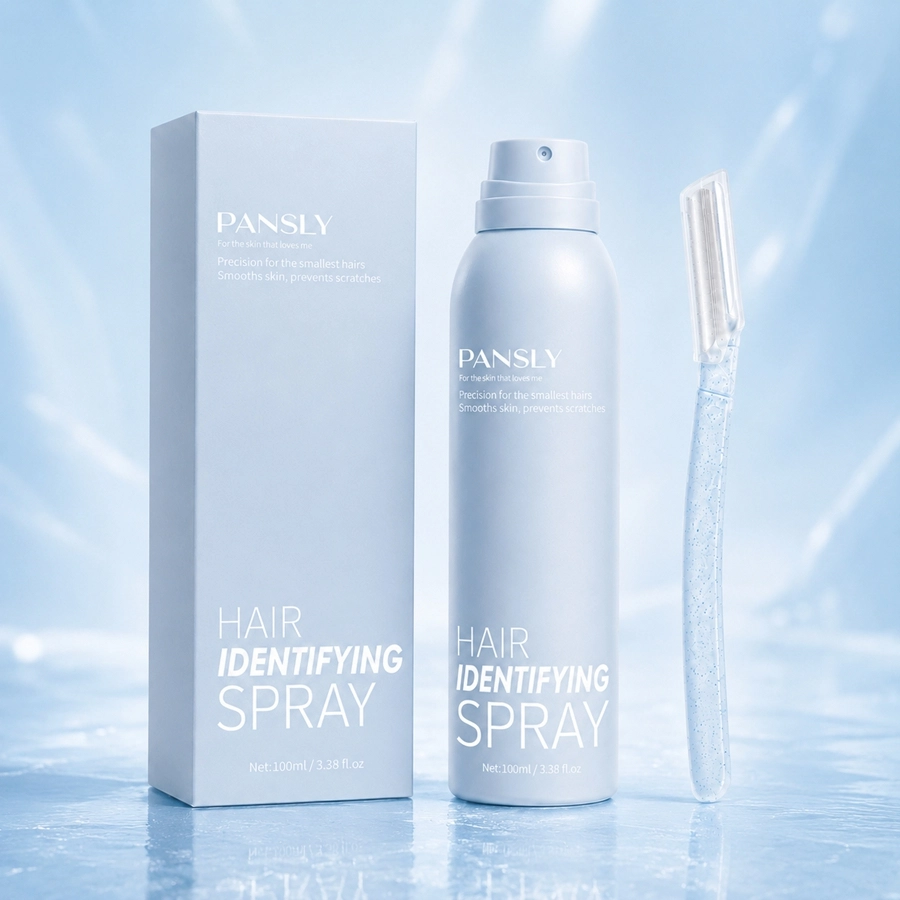
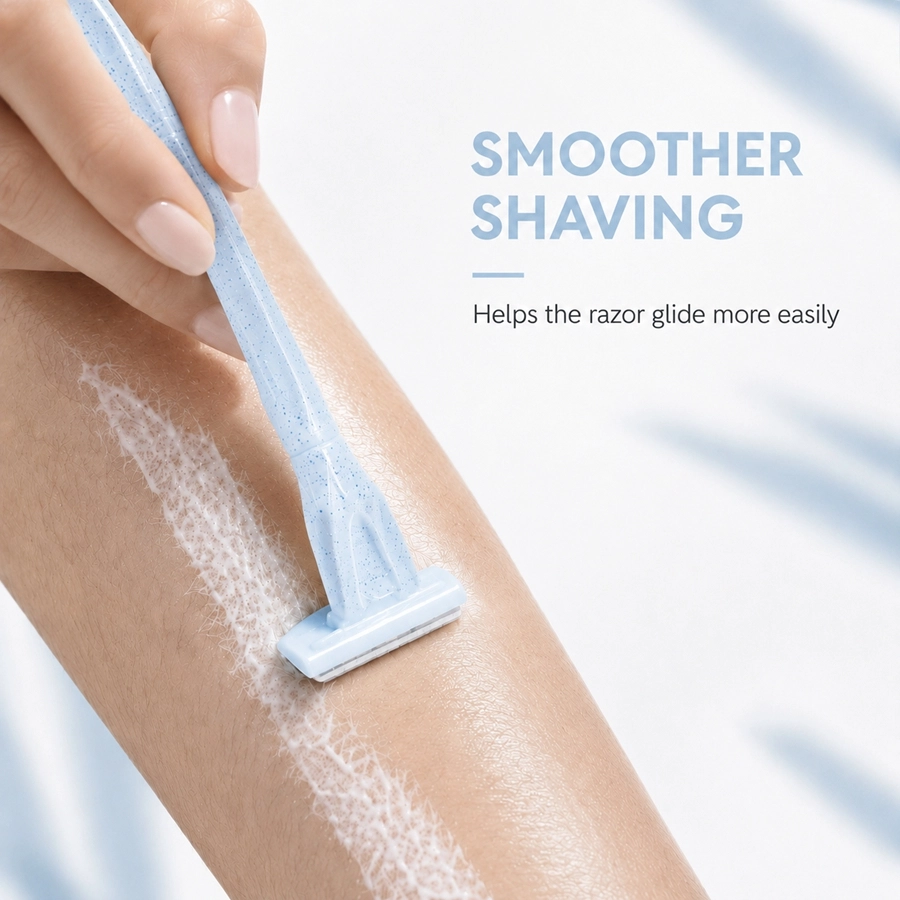
This Pansly Hair Identifying Spray Grooming Set contains 100ml pre-shave hair identifying spray and a matching precision facial scraper, designed for precise facial and body fine hair removal and dermaplaning.
Core functional ingredients:
Zea Mays (Corn) Starch: Creates a thin white film on dry skin to expose invisible tiny vellus hairs, enabling targeted, accurate grooming;
Portulaca Oleracea Extract: Soothes sensitive skin and relieves irritation caused by scraping;
Hydrolyzed Keratin: Lubricates skin surface, improves scraper gliding performance and effectively prevents scratches;
Butylene Glycol: Delivers gentle hydration to maintain skin comfort during hair trimming.
Adopt ultra-fine mist design, evenly spray on clean dry skin. Complete grooming through 4 simple steps: Spray → Identify fine hairs → Gentle Glide with scraper → Wipe away residues. Suitable for cheeks, upper lip, jawline, arms and other areas to achieve cleaner, smoother shaving results. We provide full OEM & ODM private label service, support custom logo, multiple packaging color options, fast sampling and bulk order supply.
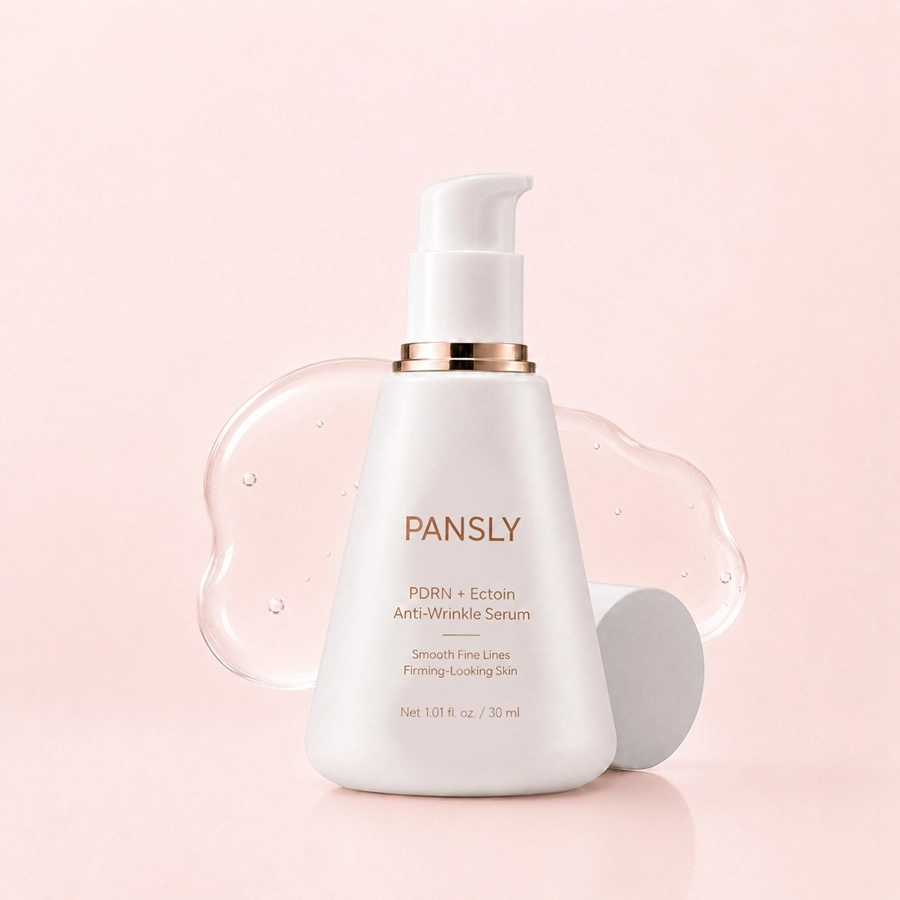
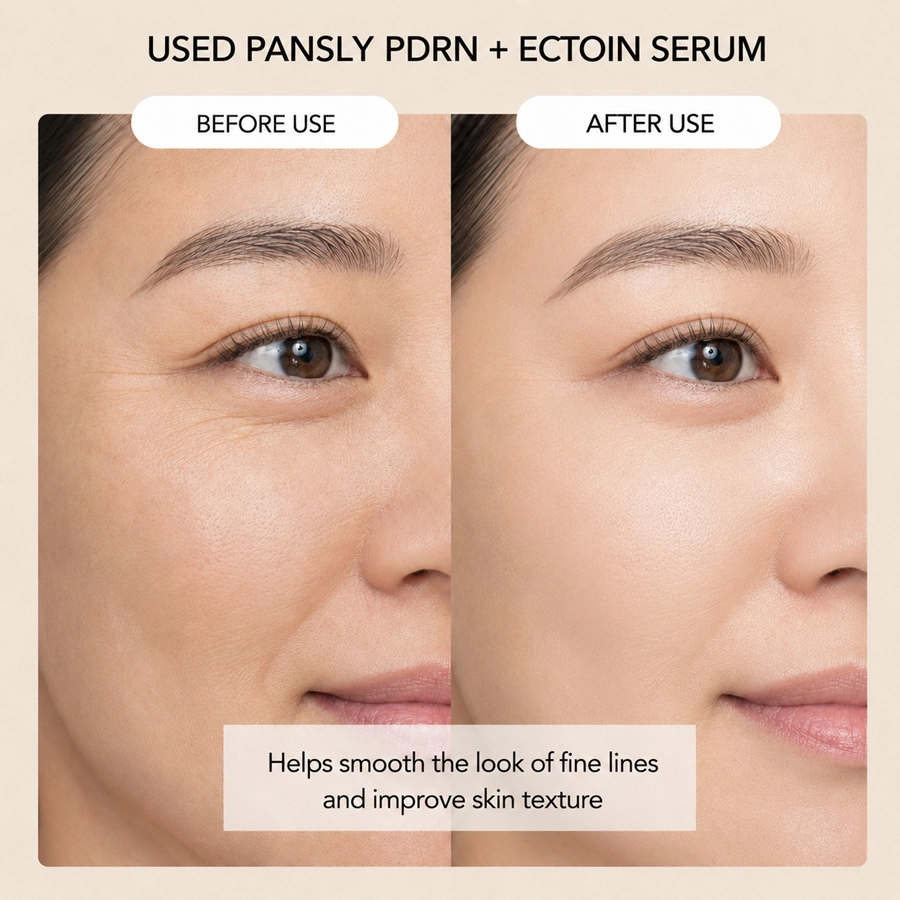
This Pansly PDRN + Ectoin Anti-Wrinkle Serum is lightweight daily anti-aging essence targeting fine lines, dryness and sensitive stressed skin.
Powered by triple core active ingredients: PDRN delivers anti-wrinkle care to visibly smooth the appearance of fine lines and lift skin for firmer contour; Ectoin reinforces skin moisture barrier, relieves discomfort and maintains long-term skin comfort; Hyaluronic Acid provides lasting lightweight hydration to keep skin fresh and silky smooth all day.
With fresh, fast-absorbing non-sticky serum texture, it fits morning & night daily routine. After consistent use, it refines uneven rough texture, fades visible dry lines and restores soft, youthful resilient complexion. Simple 3-step application for easy home skincare.
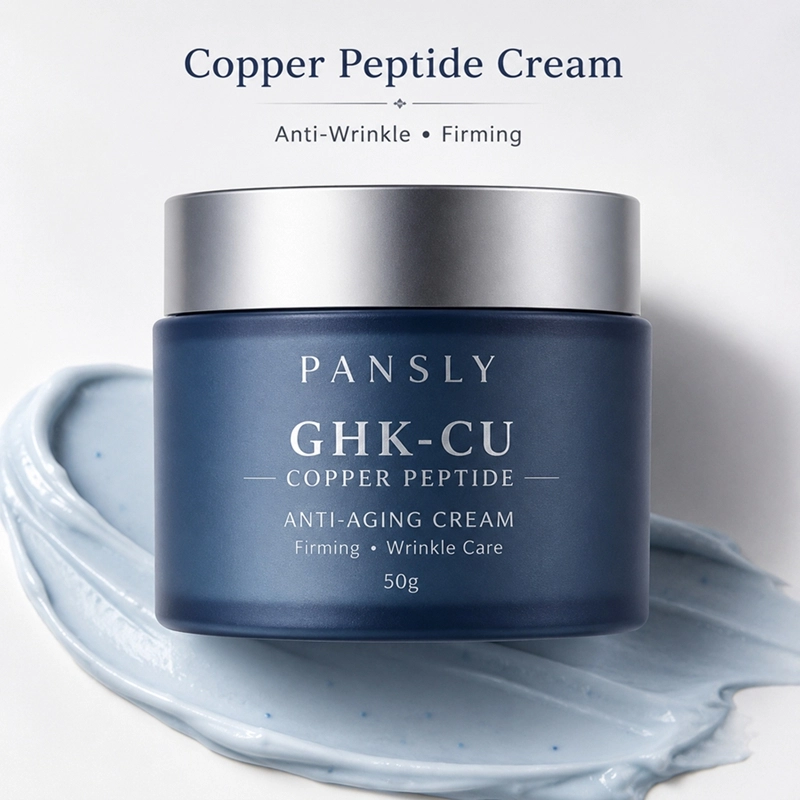
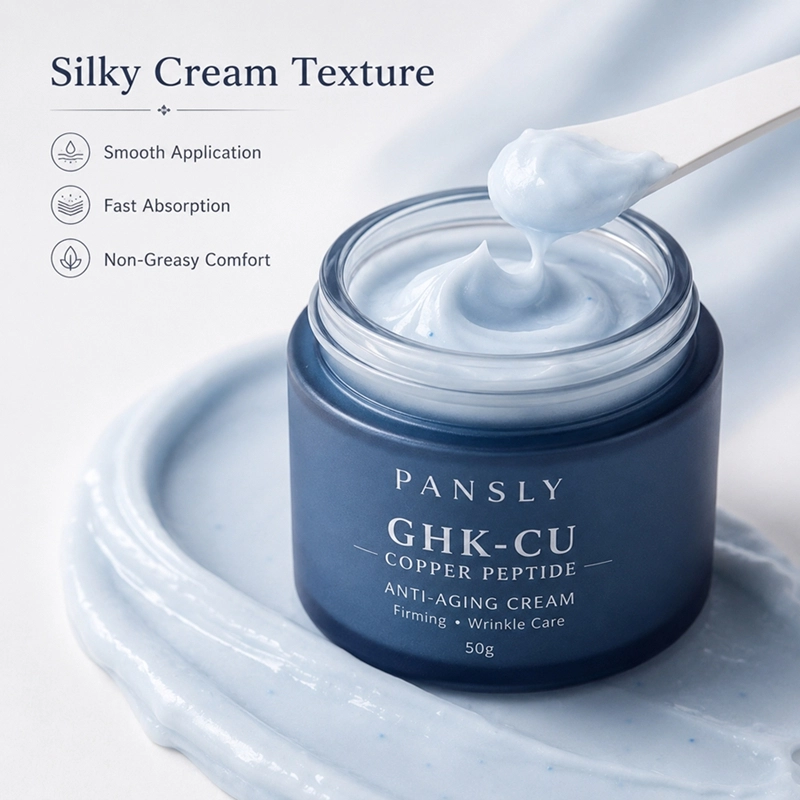
GHK-Cu Face Cream, a copper peptide anti-aging formula, hydrates deeply and supports skin barrier repair. Private label available for bulk orders, giving brands a ready-to-sell moisturizer with a blue copper peptide base for smoother-looking skin.
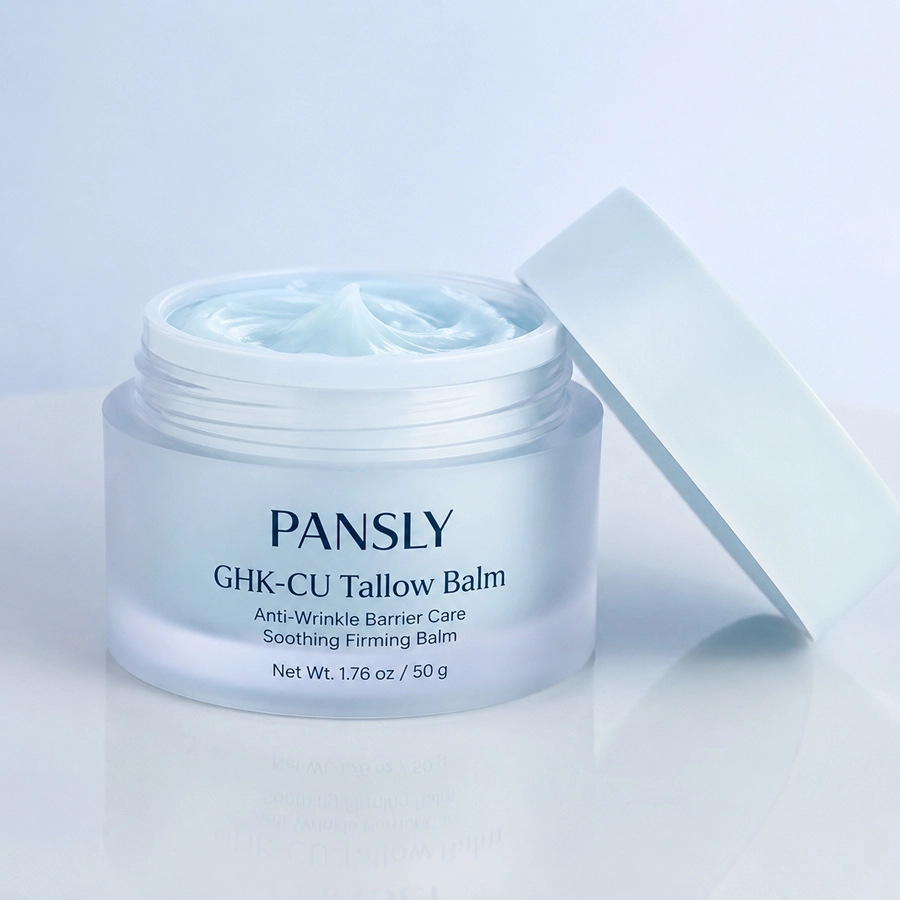
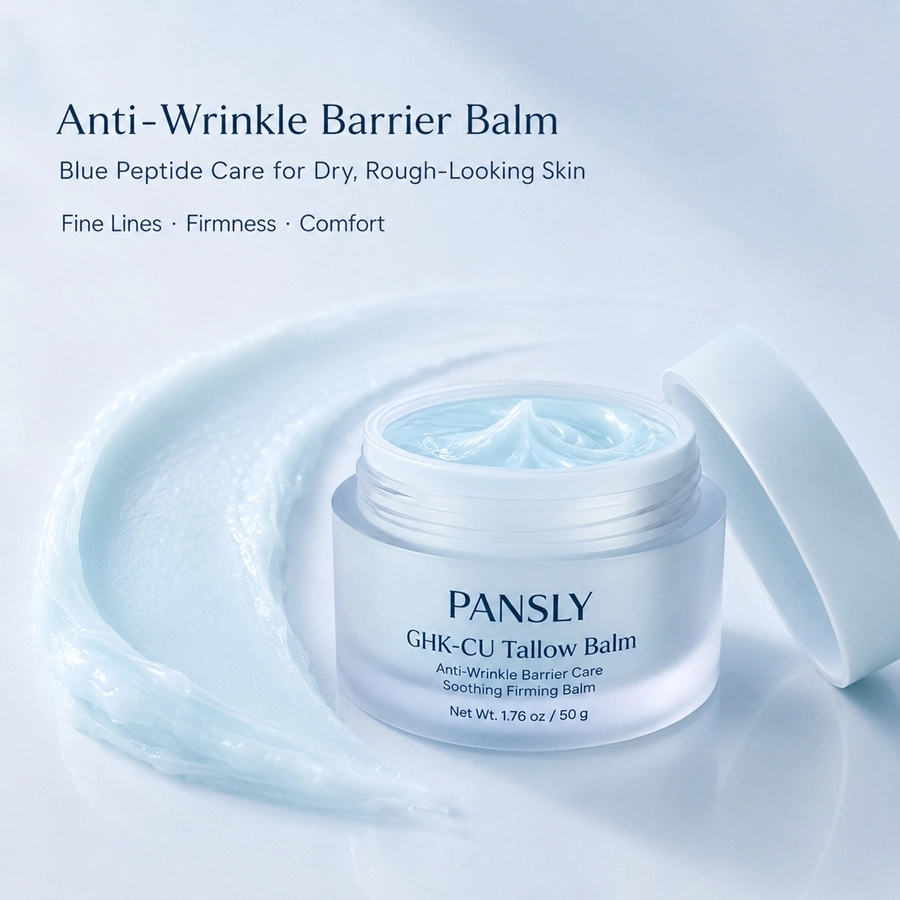
This Pansly GHK-CU + SNAP-8 Grass-Fed Tallow Anti-Wrinkle Barrier Balm is dual-peptide nourishing anti-wrinkle balm, specially developed for dry, rough textured skin, targeting fine lines, sagging contours and weakened skin barrier. Full OEM & ODM private label support is offered, including formula customization, packaging selection, fast sampling and bulk supply.
Five core premium active ingredients work synergistically for multi-dimensional skin care:
GHK-CU Copper Peptide lifts and firms loose skin to boost skin tightness and smooth fine lines;
SNAP-8 Peptide softens expression lines to reduce wrinkle visibility;
Grass-Fed Tallow delivers rich lipid nourishment to relieve persistent dry flaky rough skin;
Ceramide NP reconstructs skin moisture barrier to enhance skin comfort and resilience;
Squalane melts lightly into skin to provide silky long-lasting hydration.
Luxury rich light blue cushion balm texture glides smoothly and absorbs quickly without heavy greasy residue. Daily use improves dry rough texture, blurs dry fine lines, lifts saggy skin and stabilizes skin barrier, leaving skin soft, calm and smooth with healthy supple glow.
Get in Touch with us
If you have any comments or good suggestions, please leave us a message; later our professional staff will contact you as soon as possible.
Click here to customize the Beauty
we respond within a few hours
Monday–Friday, 9AM–6PM
3A01, Building A, Zhisheng Square, No. 4 Zhifu Road, Helong Street, Baiyun District, Guangzhou, China.


Leave a request, and we'll email you back within 24 hours.
© 2026 Beyond Basix. All Rights Reserved.
