
What minimum order quantities apply for GHK-Cu SNAP-8 Serum OEM?
What minimum order quantities apply for GHK-Cu SNAP-8 Serum OEM?
OEM MOQs for a peptide-rich GHK‑Cu SNAP‑8 serum are not fixed: they are a function of formulation complexity, active cost and stability testing burden, packaging choice, and regulatory documentation. Expect pilot, standard and bulk bands and plan for analytical and stability costs.
Practical takeaway: plan for pilot runs (higher per-unit cost) to validate stability and market fit, expect standard OEM minimums for finished serum production in the low‑thousands depending on packaging, and expect higher tiers for High Quality airless or bespoke packs; negotiate packaging or use stock options to lower MOQ.
Beyond Basix combines One‑Stop OEM/ODM for Skincare capabilities—formulation, analytical, regulatory and contract filling—to reduce friction and calendar risk for peptide serums. Our technical teams design stability protocols, coordinate peptide and copper assays, and propose tiered MOQs that reflect real cost drivers and compliance paths so brands scale predictably.
Contact Beyond Basix for a tailored MOQ and timeline estimate: visit www.beyondbasixcosmetics.com or email Lily@lanthome.com.
FAQ
What minimum order quantities for GHK-Cu SNAP-8 serum OEM?
Typical MOQ bands in the cosmetic OEM market (as applied to a GHK‑Cu SNAP‑8 serum) look like this: pilot/sample batches 100–500 units (high per‑unit cost, used for stability and market testing); standard production MOQ 1,000–5,000 units (most common for finished serums using stock packaging); and bulk/contract fill tiers 10,000+ units (price optimized, often requiring custom packaging commitments). The actual MOQ a manufacturer quotes depends on packaging (airless pumps/serum droppers raise MOQ), active dosing and cold‑chain handling, fill size, and whether sterile/tidy‑room conditions are required. For peptide‑rich products containing copper peptides and SNAP‑8 peptide analogues, manufacturers often set higher minimums compared with simple botanical serums because of analytical testing and traceability requirements.
Do custom formulations affect GHK-Cu SNAP-8 serum MOQ?
Yes—custom formulation increases MOQ pressure. Off‑the‑shelf bases or preformulated carrier systems reduce development and analytical workload, enabling lower MOQs. Customization that changes solubility, pH or requires encapsulation (liposomes, nanocarriers) triggers additional analytical methods (HPLC peptide assay, assay validation) and extended stability protocols; manufacturers price this risk into MOQ or require longer lead times and minimums. If you require unique actives levels, dual‑phase systems, or special preservatives, expect the OEM to require a larger initial run to amortize development, method validation, and stability testing costs.
How packaging choices change MOQ for SNAP-8 serum OEM?
Packaging is one of the strongest single drivers of MOQ. Stock glass dropper bottles or standard PET bottles often allow lower minimums (1,000–3,000 units). Airless pumps, custom molded bottles, heavy pump inserts, or bespoke labeling and secondary cartons push MOQ higher—sometimes requiring 5,000–10,000 unit minimums because of tooling, minimum purchase orders from packagers, and assembly line set‑ups. Multi‑component solutions (separate peptide ampoules, dual‑chamber vials) normally require specialized filling lines and therefore higher MOQs. To lower MOQ: accept standard stock packs, use generic labels, or agree to staggered packaging buys (OEM holds inventory of custom caps to fill across several SKUs).
Can small brands access GHK-Cu SNAP-8 serum OEM runs?
Yes—small brands can access OEM runs but should plan for trade‑offs. Many OEMs offer paid pilot or proto runs (100–500 units) for formulation and consumer testing, though per‑unit pricing is high. Alternatively, select a One‑Stop OEM/ODM partner that offers flexible contract options: preformulated peptide bases, white‑label SKUs, or shared packaging programs. Prepare the commercial case for the OEM (projected reorder cadence, pricing targets) and be ready to accept stock packaging or slightly longer lead times. Small brands should budget for the required analytical testing and stability data that OEMs commonly insist upon before approving a production lot for peptide serums.
What testing, stability and release studies affect SNAP-8 serum MOQ?
Analytical and stability obligations materially affect MOQ and timeline. For peptide and copper‑containing products, manufacturers will typically require: identity and potency assays (HPLC or LC‑MS for peptides; HPLC or ICP‑MS/AAS for copper quantification), preservative efficacy testing (PET/USP <51>), microbial limits testing, heavy metals screening, and finished product stability (accelerated 3‑month at 40°C/75% RH and real‑time data—commonly 6–12 months for market entry). If the OEM must develop and validate new analytical methods, they will often require a larger initial batch to justify the validation effort. Compliance with cosmetics GMP (ISO 22716 or equivalent) and proper batch records are also expected; if additional safety or dermatological testing is requested, MOQ and lead times increase accordingly.
Are price breaks available above certain GHK-Cu SNAP-8 MOQ tiers?
Yes, price breaks are standard: you’ll commonly see stepped unit price reductions at order bands (for example, 1–3k, 3–5k, 5–10k, and 10k+). The exact thresholds depend on the OEM’s cost structure, packaging suppliers’ minimums, and active ingredient procurement economics. For peptide‑heavy serums, active ingredient cost (peptide purity, copper peptide sourcing) can dominate early tiers, so meaningful price reductions often occur once you hit volumes that allow buying actives in full‑size lots rather than lab vials. Negotiate on packaging, payment terms, and forecast commitments; consider multi‑sku consolidation or blended orders to reach favorable price bands without committing every SKU to high MOQ.
Related Articles for Private Label Cosmetics

Why Two Mineral Sunscreens With the Same SPF Can Feel Completely Different

Beyond Ordinary Tallow Balm: How GHK-Cu and SNAP-8 Create a Different Skincare Story

When Blue Copper Peptides Meet Beef Tallow: A New Direction for Premium Skincare

PDRN Toner Pads vs GHK-Cu + SNAP-8 Peptide Toner Pads: Private Label Manufacturing Decisions
You May Also Like
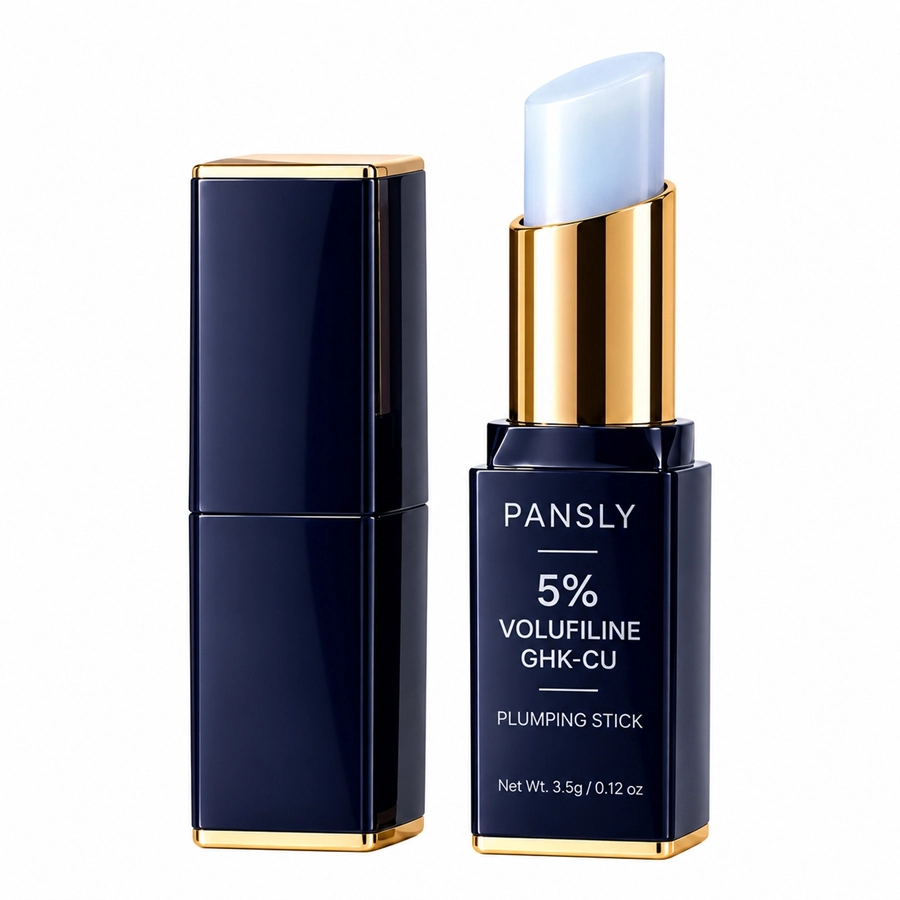
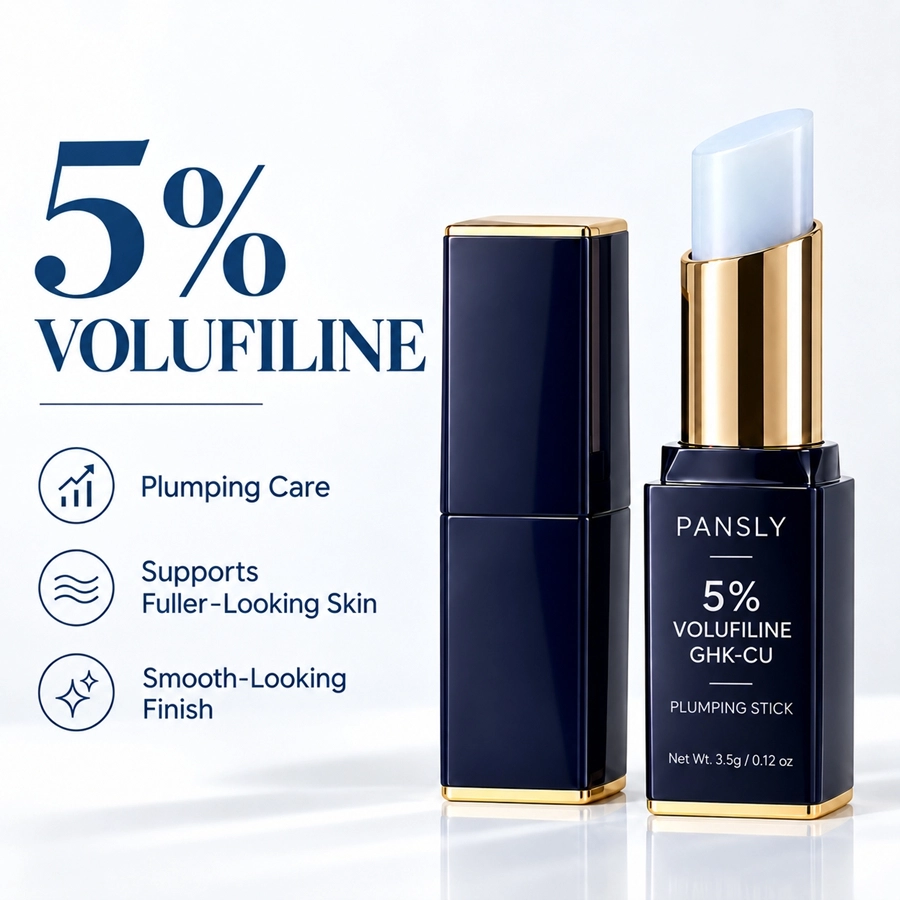
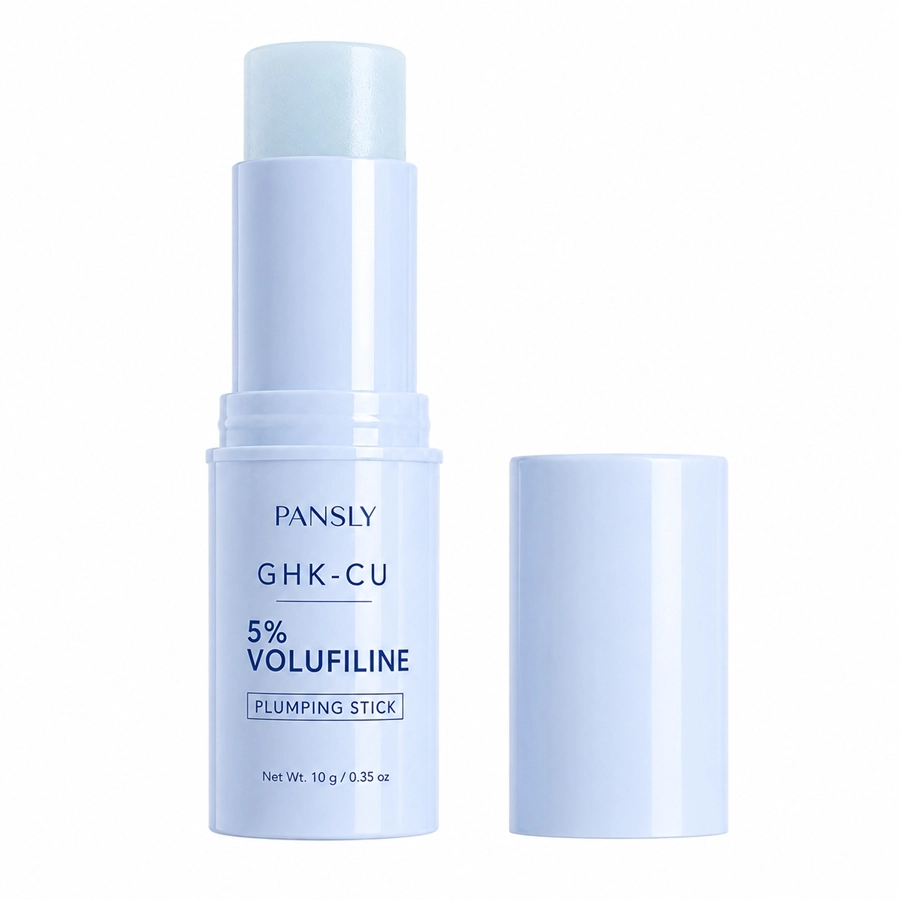
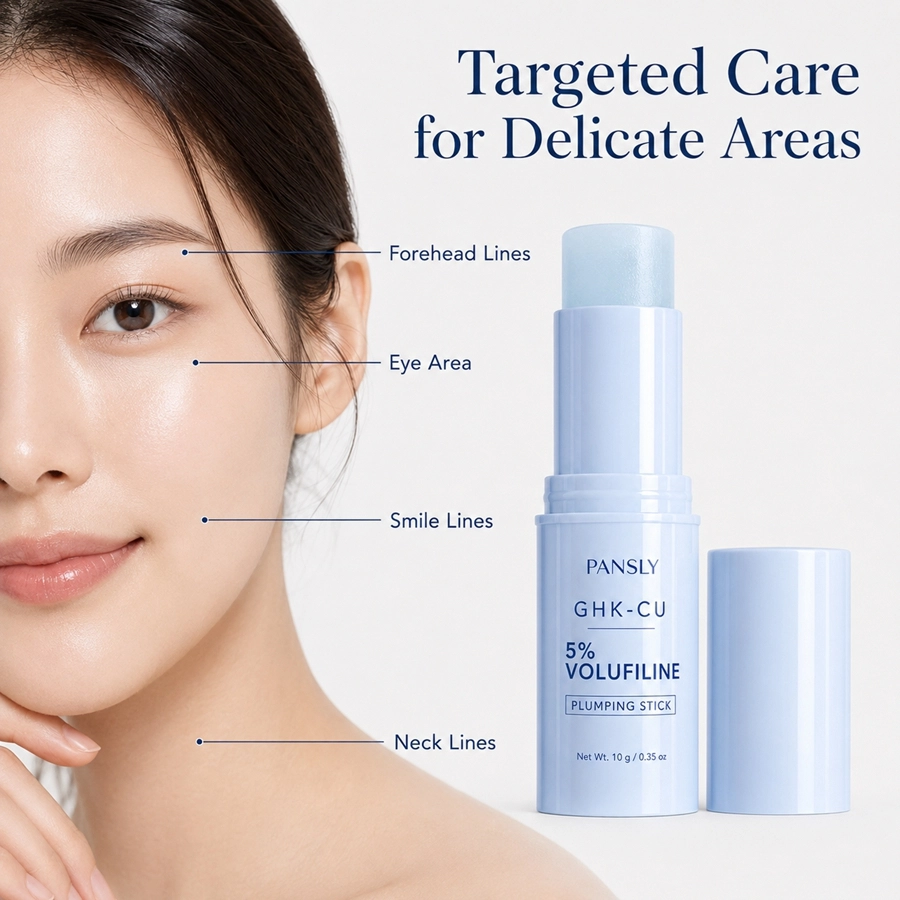
The Volufiline Plumping Stick contains 5% Volufiline in a portable balm for targeted facial care. Apply the Volufiline Lip Plumping Balm Stick to moisturize lips and dry areas, or use the Volufiline Anti Wrinkle Multi Balm to help skin feel smooth and hydrated.
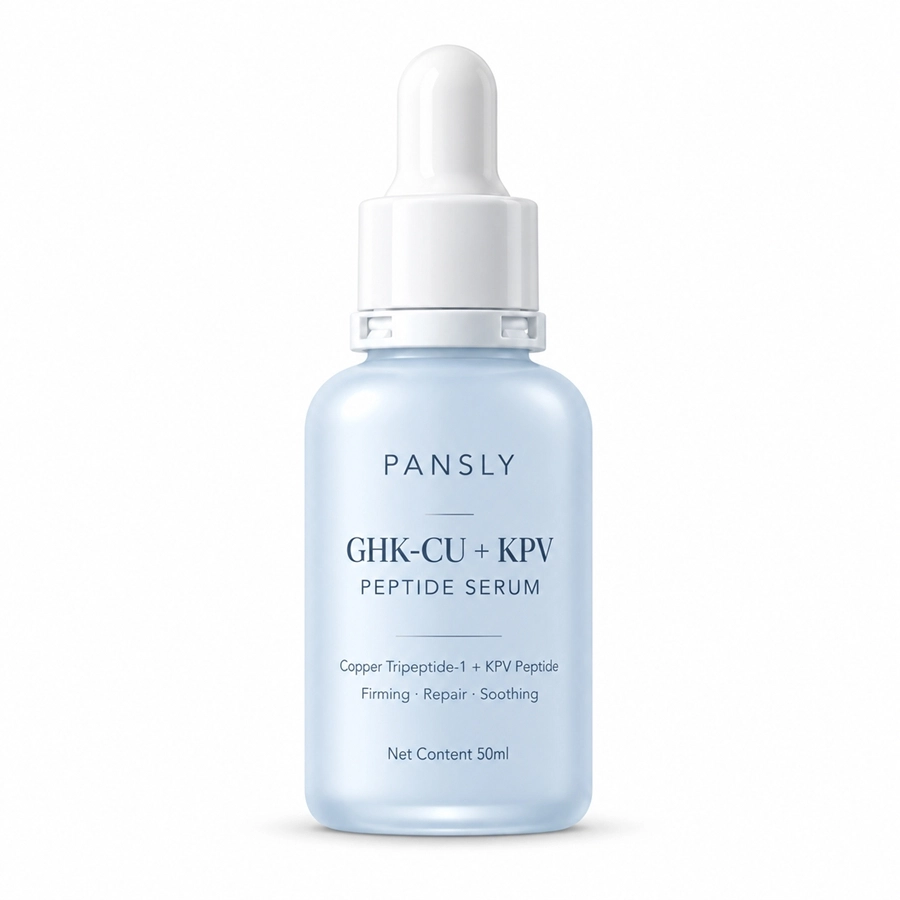
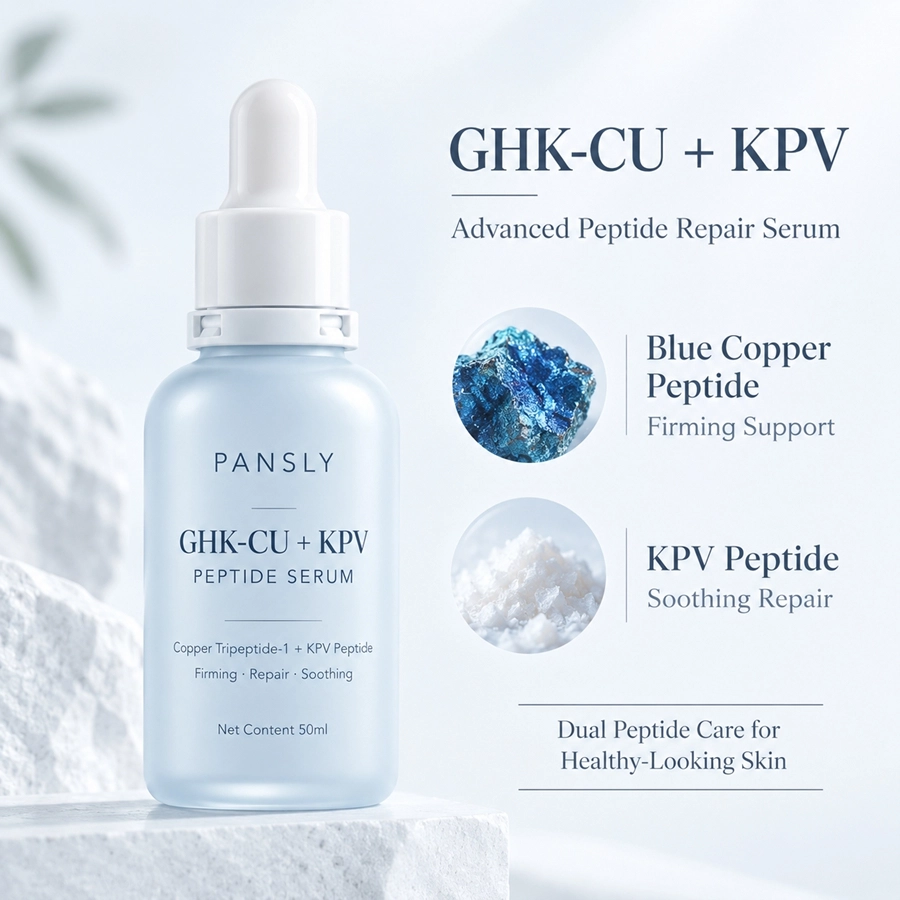
GHK-Cu KPV serum for skin is a private-label peptide face serum formulated for a firming, smoothing routine. This GHK-CU KPV Serum is positioned for wrinkle care and skin repair, making it a practical addition to an anti-aging skincare range.
Get in Touch with us
If you have any comments or good suggestions, please leave us a message; later our professional staff will contact you as soon as possible.
Click here to customize the Beauty
we respond within a few hours
Monday–Friday, 9AM–6PM
3A01, Building A, Zhisheng Square, No. 4 Zhifu Road, Helong Street, Baiyun District, Guangzhou, China.


Leave a request, and we'll email you back within 24 hours.
© 2026 Beyond Basix. All Rights Reserved.
