
GHK-Cu Tallow Balm vs Peptide Cream: Which Texture Fits Dry Skin Better?
Quick Answer
For very dry skin, a ghk-cu beef tallow balm generally provides a richer, more occlusive feel than a peptide cream, while a peptide cream may offer lighter spreadability and easier layering. Beyond Basix can help compare texture through formulation selection, emulsion design, packaging compatibility, and stability considerations. The final solution depends on the target market, skin-use expectations, testing results, and specific project conditions.
How Beyond Basix Supports Projects
Beyond Basix supports skincare OEM/ODM projects through custom formulation development, production across 12 lines, and a 12,000-square-meter facility that includes a 100,000-level GMPC pharmaceutical-grade dust-free workshop. Its experience developing effective-ingredient skincare products can support decisions involving balm firmness, cream viscosity, sensory profile, and packaging format.
Buyers should confirm the target skin concern, ingredient specifications, fragrance position, package type, market requirements, and intended claims. MOQ, lead time, testing scope, and quotation must be confirmed for each project. Beyond Basix holds certifications and documentation including ISO 9001, GMP, CE, MSDS, and HALAL, subject to product and market requirements.
Discuss Your Dry-Skin Texture Project
Share your target market, user profile, preferred texture, GHK-Cu and peptide positioning, packaging format, expected order volume, and claims direction so suitable balm or cream options and sample steps can be discussed. For project-specific guidance, visit www.beyondbasixcosmetics.com or email Lily@lanthome.com.
Deep-Dive FAQs
Can dry skin tolerate a GHK-Cu beef tallow balm daily?
Dry skin can often benefit from an occlusive product, but daily tolerance is not determined by the tallow ingredient alone. The complete formula matters, including the level of occlusive lipids, fragrance, preservatives, copper tripeptide-1 concentration, finish, and cleansing routine. Tallow composition can vary according to sourcing and rendering, so two products with the same marketing description may feel very different. A brand should assess repeat-use acceptability through controlled use testing and provide clear directions rather than assuming universal suitability. For sensitive or reactive users, a small-area compatibility check and conservative introduction schedule are prudent. Cosmetic positioning should avoid implying that the balm treats eczema or other medical conditions.
How does balm occlusion differ from peptide cream hydration?
A balm is typically anhydrous or low-water and relies mainly on emollient and occlusive materials to reduce the rate of water loss from the skin surface. It may feel protective, dense, and slower to absorb. A peptide cream is usually an emulsion containing a water phase, so it can combine humectants, emollients, and occlusives in a lighter, more spreadable system. The distinction is not simply balm equals nourishment and cream equals hydration: a balm does not add substantial water, while a cream does not automatically provide sufficient barrier support. For dry-skin development, evaluate after-feel, rub-in time, tack, residue, and moisturization results under defined conditions rather than relying on texture labels.
Does GHK-Cu remain stable in a tallow-based formula?
Stability cannot be inferred from the presence of tallow. GHK-Cu, commonly listed as Copper Tripeptide-1, is a peptide complex whose performance can be affected by pH, water activity, heat, light, oxygen exposure, metal contamination, and interactions with other ingredients. An anhydrous balm may reduce some water-related risks, but it can still face oxidation, uneven dispersion, and packaging compatibility concerns. The formulator should verify the supplier specification, addition temperature, mixing sequence, assay or marker method, appearance, odor, and active distribution. Accelerated and real-time stability studies, plus package compatibility assessment, are needed before making a shelf-life or performance decision.
Which texture suits eczema-prone or dehydrated dry skin?
There is no universally correct texture for eczema-prone or dehydrated skin, and cosmetic products should not be presented as treatments for eczema. Dehydrated skin may prefer a cream that supplies water-phase humectants and spreads easily, followed by an occlusive layer when appropriate. Very dry skin may prefer a balm because its film can reduce transepidermal water loss, but a dense or fragranced formula may feel uncomfortable for some users. Product selection should consider fragrance-free positioning, ingredient tolerability, wash-off behavior, residue, climate, and consumer preference. For sensitive-skin claims, brands should define the claim standard and conduct suitable dermatological or consumer-use testing instead of extrapolating from ingredient reputation.
What testing should brands request before launching tallow balm?
A launch package should normally address physicochemical stability, microbiological quality, preservative efficacy where applicable, packaging compatibility, and consumer safety or acceptability. ISO 11930 is a recognized reference for evaluating the antimicrobial protection of cosmetic products when its scope applies, while stability work should examine appearance, odor, color, texture, phase behavior, and relevant active markers over time. An anhydrous product still requires appropriate microbiological risk assessment because contamination can occur during manufacture or consumer use. Brands should also verify raw-material identity, specifications, allergen and regulatory status, claims support, and market-specific labeling. The exact testing matrix depends on water content, package design, formula composition, sales region, and intended use.
Can OEM factories customize balm texture without weakening preservation?
Texture can be adjusted through the balance of lipid materials, structuring agents, particle dispersion, processing temperature, cooling profile, and package choice. However, changing those variables can alter water activity, contaminant exposure, ingredient distribution, filling behavior, and preservative efficacy. A softer balm is not automatically less safe, and a harder balm is not automatically more stable. An OEM/ODM project should treat sensory modification as a reformulation event and repeat relevant stability, microbiological, compatibility, and filling evaluations after meaningful changes. The buyer should approve a written target profile covering firmness, spreadability, absorption, residue, appearance, odor, and storage conditions before requesting a bulk order.
Related Articles for Private Label Cosmetics

Why Two Mineral Sunscreens With the Same SPF Can Feel Completely Different

Beyond Ordinary Tallow Balm: How GHK-Cu and SNAP-8 Create a Different Skincare Story

When Blue Copper Peptides Meet Beef Tallow: A New Direction for Premium Skincare

PDRN Toner Pads vs GHK-Cu + SNAP-8 Peptide Toner Pads: Private Label Manufacturing Decisions
You May Also Like
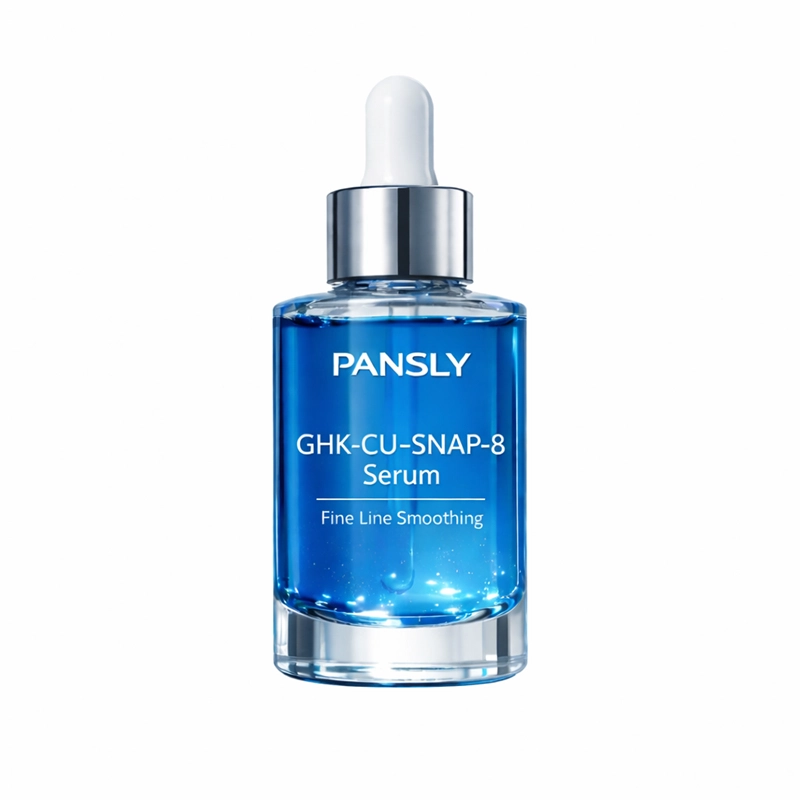
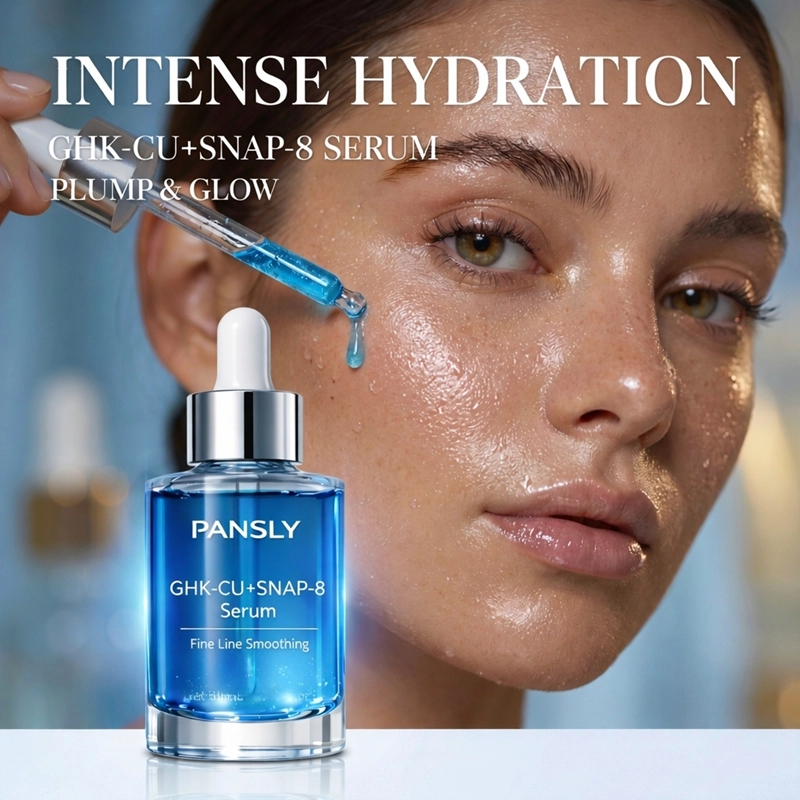
This Pansly GHK-CU + SNAP-8 Fine Line Smoothing Serum features premium dual-peptide complex formula to deliver multi-dimensional anti-aging skincare.
Formulated with two star peptide actives: GHK-CU Copper Peptide lifts sagging skin, boosts collagen production and enhances skin elasticity for firmer contour; SNAP-8 Anti-Wrinkle Peptide visibly smooths fine lines and wrinkles to fade expression creases. Complemented with Panthenol and Hyaluronic Acid, it provides soothing care and deep long-lasting hydration, revitalizing dull skin to restore a youthful radiant glow.
Lightweight watery texture absorbs quickly without sticky residue, suitable for daily anti-aging maintenance of all skin types.
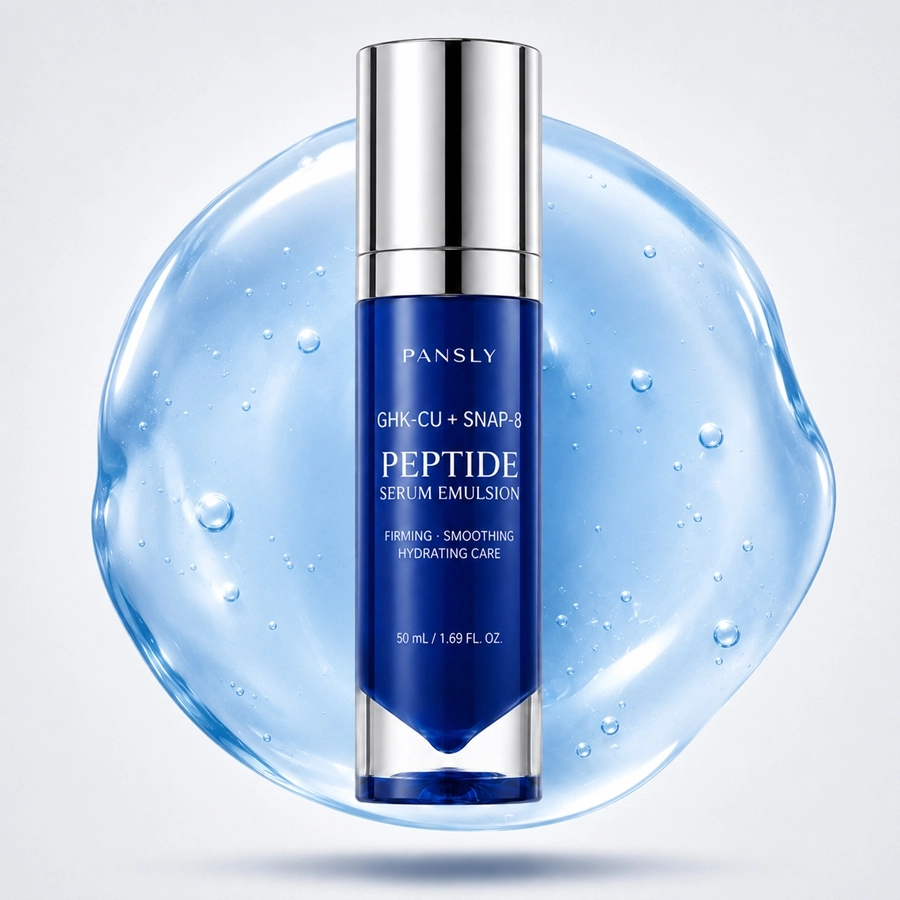
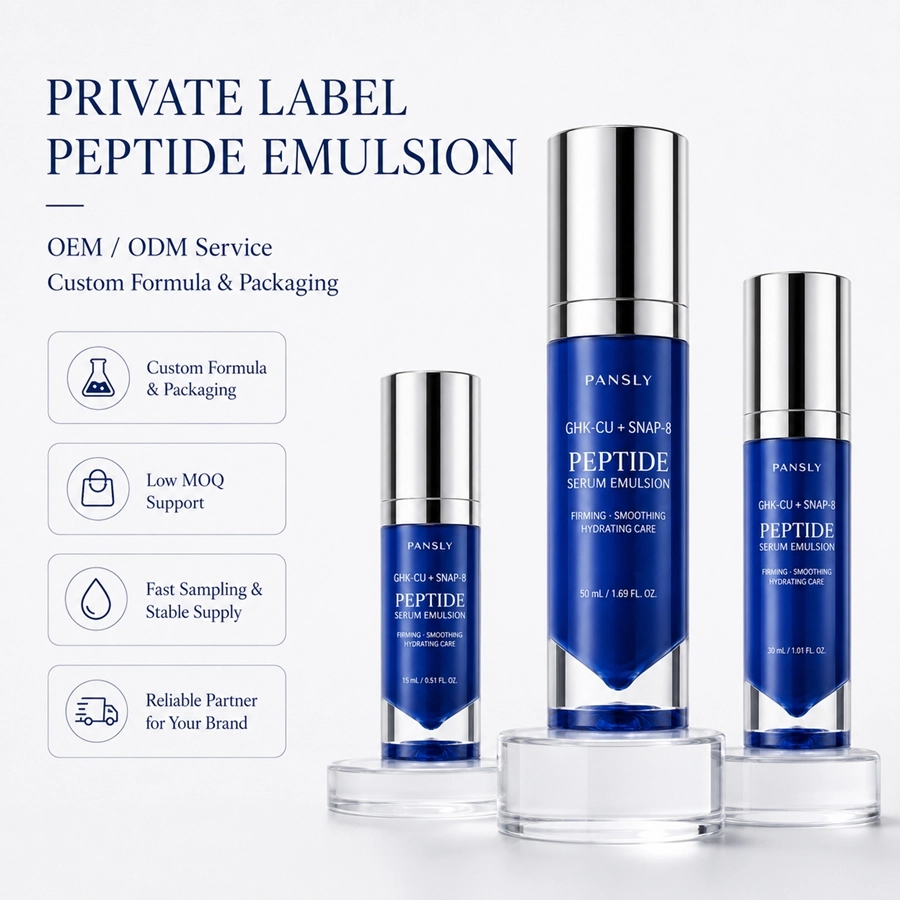
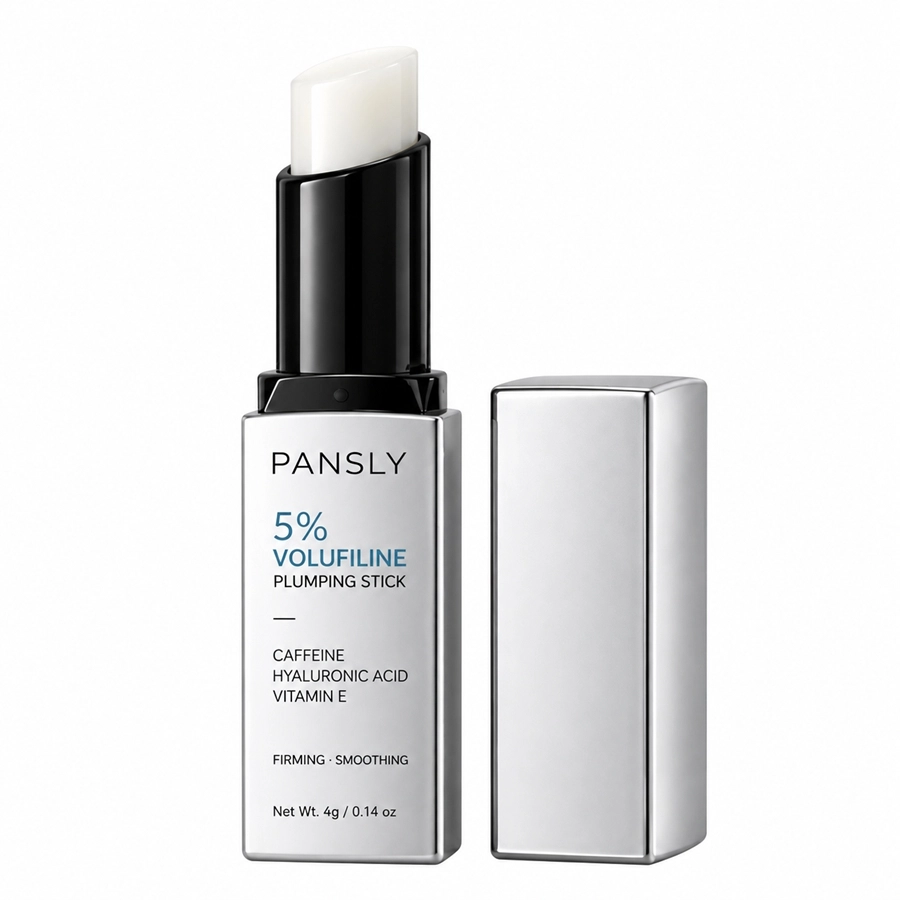
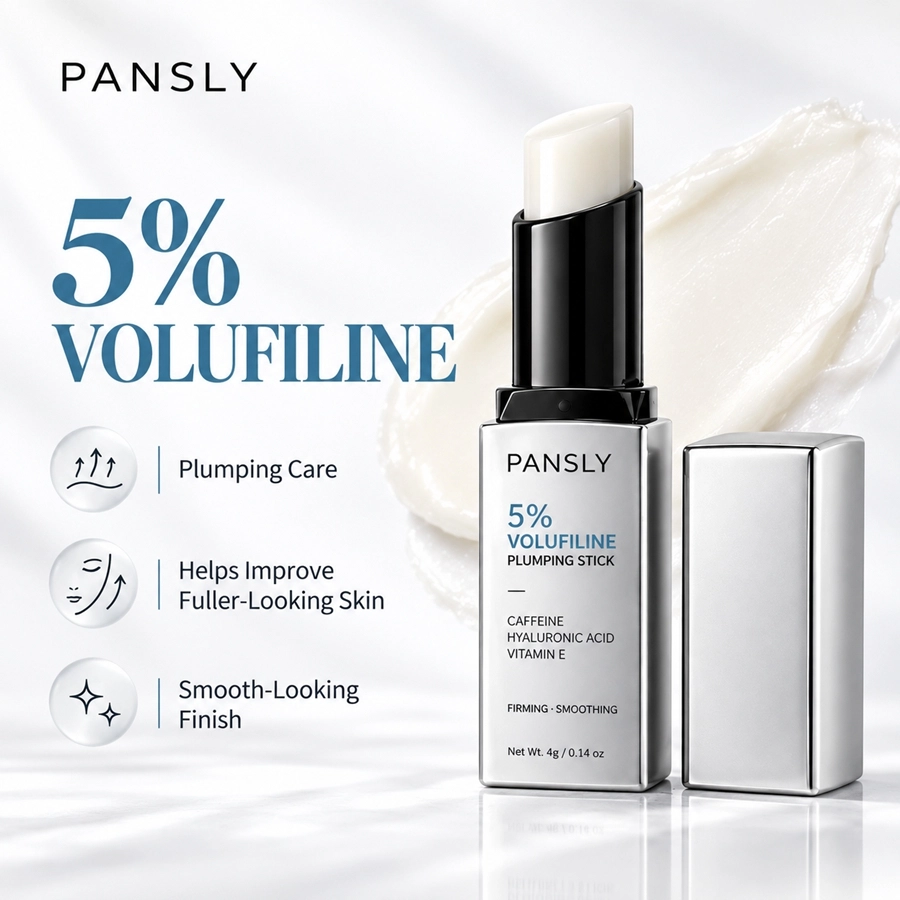
The Volufiline Plumping Stick contains 5% Volufiline in a portable balm for targeted facial care. Apply the Volufiline Lip Plumping Balm Stick to moisturize lips and dry areas, or use the Volufiline Anti Wrinkle Multi Balm to help skin feel smooth and hydrated.
Get in Touch with us
If you have any comments or good suggestions, please leave us a message; later our professional staff will contact you as soon as possible.
Click here to customize the Beauty
we respond within a few hours
Monday–Friday, 9AM–6PM
3A01, Building A, Zhisheng Square, No. 4 Zhifu Road, Helong Street, Baiyun District, Guangzhou, China.


Leave a request, and we'll email you back within 24 hours.
© 2026 Beyond Basix. All Rights Reserved.
