
GHK-Cu vs SNAP-8: What Role Does Each Peptide Play in a Serum?
Quick Answer
A ghk-cu snap-8 serum assigns two different jobs: GHK-Cu is generally selected for skin-conditioning and repair-support positioning, while SNAP-8 is used for the appearance of expression lines. For an OEM/ODM brief, the practical decision depends on peptide identity and grade, target concentration, pH compatibility, packaging, claim substantiation, and stability data. Beyond Basix can assess these parameters through formulation and production planning; the final system requires project-specific testing.
How Beyond Basix Supports Projects
Guangzhou Beyond Basix Cosmetics Ltd. supports OEM and ODM skincare projects through custom formulation planning, ingredient review, sample coordination, and scale-up production. Its 12,000-square-meter facility includes a 100,000-level GMPC pharmaceutical-grade dust-free workshop and 12 production lines, providing a manufacturing base for peptide serum development.
For Beyond Basix projects, buyers should confirm the peptide INCI name, supplier documentation, desired claim direction, target market, formula pH, packaging format, and required stability scope. MOQ, lead time, testing scope, and quotation must be confirmed for each project rather than assumed from a general serum brief.
Discuss Your GHK-Cu and SNAP-8 Serum Project
Provide your target market, product positioning, preferred peptide combination, intended claims, packaging format, target order quantity, and timeline so suitable formulation and sample steps can be discussed. Send your project brief to www.beyondbasixcosmetics.com or Lily@lanthome.com to begin a focused OEM/ODM evaluation.
Deep-Dive FAQs
What does GHK-Cu contribute to a peptide serum formula?
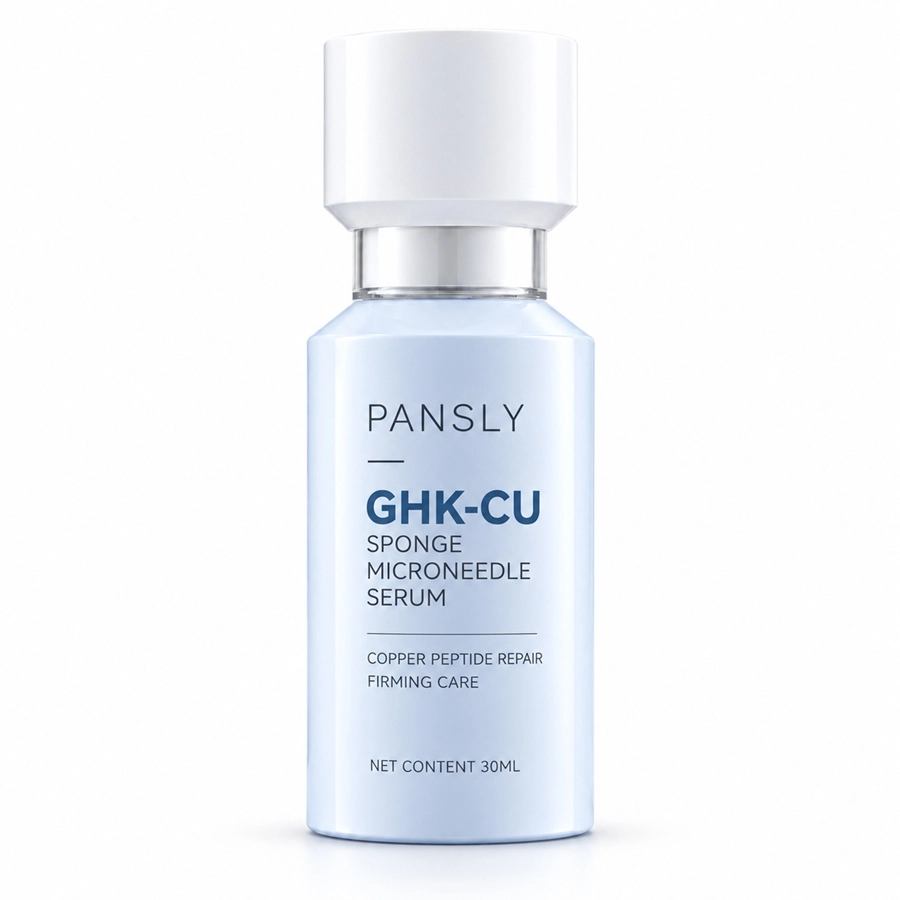
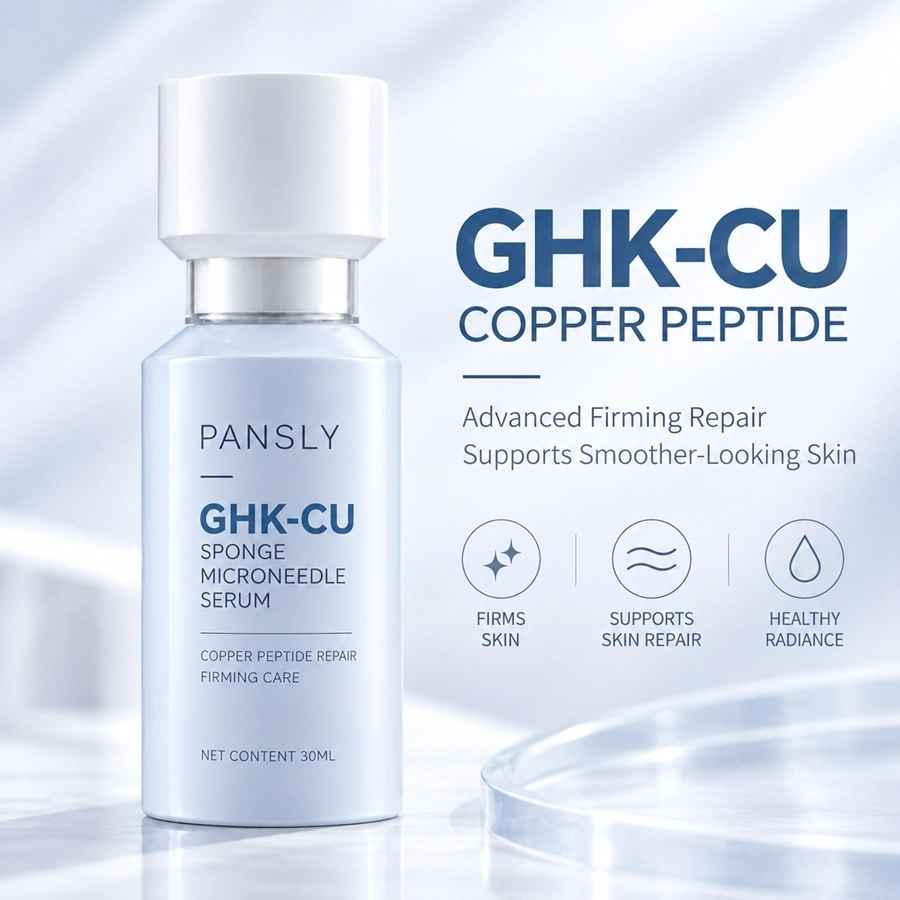
GHK-Cu is commonly identified in cosmetic ingredient documentation as Copper Tripeptide-1. In a topical serum, it is generally selected for skin-conditioning, skin appearance, and skin-support positioning rather than as a drug-like repair treatment. Its inclusion does not automatically validate claims such as wound healing, collagen rebuilding, or anti-aging efficacy. A formulator should review the supplied raw material specification, purity information, recommended use level, pH guidance, solvent system, and compatibility notes before assigning a commercial role. Marketing claims should then be matched to finished-product testing and the regulatory expectations of the intended market.
How does SNAP-8 differ from GHK-Cu in facial skincare?
SNAP-8 is commercially associated with Acetyl Octapeptide-3, although the exact INCI presentation and technical documentation should be confirmed with the ingredient supplier. It is typically positioned around the visible appearance of expression lines and facial smoothness. GHK-Cu, identified as Copper Tripeptide-1, has a different cosmetic positioning focused more broadly on conditioning and the appearance of healthier skin. SNAP-8 should not be presented as equivalent to botulinum toxin or an injectable procedure. The two peptides therefore communicate different consumer benefits and should not be treated as interchangeable merely because both are called signal or active peptides.
Can GHK-Cu and SNAP-8 be combined in one serum?
They can be considered for combination development, but compatibility must be demonstrated rather than assumed. A dual-peptide formula requires review of pH, aqueous phase composition, preservatives, chelating agents, antioxidants, surfactants, fragrance materials, and processing temperature. Copper-containing ingredients may be sensitive to interactions that affect color, odor, or active-material integrity, while peptide performance can also be influenced by hydrolysis and prolonged exposure to unsuitable conditions. Development should compare separate and combined systems through appearance, pH, viscosity, microbiological quality, and ingredient-assay testing. A combined ingredient list is not evidence that both peptides remain stable or retain the intended commercial function.
Which testing confirms stability for a dual-peptide serum?
A suitable stability program normally begins with defined acceptance criteria for appearance, color, odor, pH, viscosity, microbial quality, container compatibility, and the relevant peptide or marker assay. Samples may be evaluated under controlled storage conditions selected for the target market and distribution route, with time points established in the protocol. Accelerated studies can provide development information, but they do not automatically replace appropriate real-time evidence or justify an unsupported shelf life. Packaging should be tested with the finished formula because oxygen, light exposure, pump performance, and material interaction can affect the result. The exact testing scope must be agreed with the manufacturer, raw-material suppliers, and applicable market requirements.
Does peptide concentration determine a serum’s commercial performance?
Concentration is important, but it is only one part of finished-product performance. The effective delivered amount depends on the raw material's active content, purity, carrier system, formula uniformity, application dose, packaging, and storage conditions. A supplier's recommended use range should be interpreted alongside technical and safety documentation rather than copied directly into a label claim. Excessive loading may increase cost, formulation complexity, color risk, or sensory problems without establishing a stronger consumer benefit. Buyers should compare the declared active level with the actual ingredient specification, validate the finished formula, and use consumer or instrumental testing when the claim requires measurable support.
What packaging protects copper peptide serum quality during distribution?
Packaging should be selected after considering the formula's sensitivity to light, oxygen, moisture, dispensing contamination, and repeated opening. Opaque or light-protective containers may be considered when light sensitivity is identified, while airless or otherwise controlled-dispensing formats can reduce repeated air exchange and external contamination. The correct choice depends on the formula, closure system, fill volume, transport conditions, and compatibility results; no package format is universally appropriate. A manufacturer should evaluate container interaction, leakage, pump function, dose consistency, and stability in the proposed commercial pack. Clear packaging may still be suitable for a tested system, but appearance changes during distribution must be assessed rather than judged from laboratory samples alone.
Related Articles for Private Label Cosmetics

Why Two Mineral Sunscreens With the Same SPF Can Feel Completely Different

Beyond Ordinary Tallow Balm: How GHK-Cu and SNAP-8 Create a Different Skincare Story

When Blue Copper Peptides Meet Beef Tallow: A New Direction for Premium Skincare

PDRN Toner Pads vs GHK-Cu + SNAP-8 Peptide Toner Pads: Private Label Manufacturing Decisions
You May Also Like
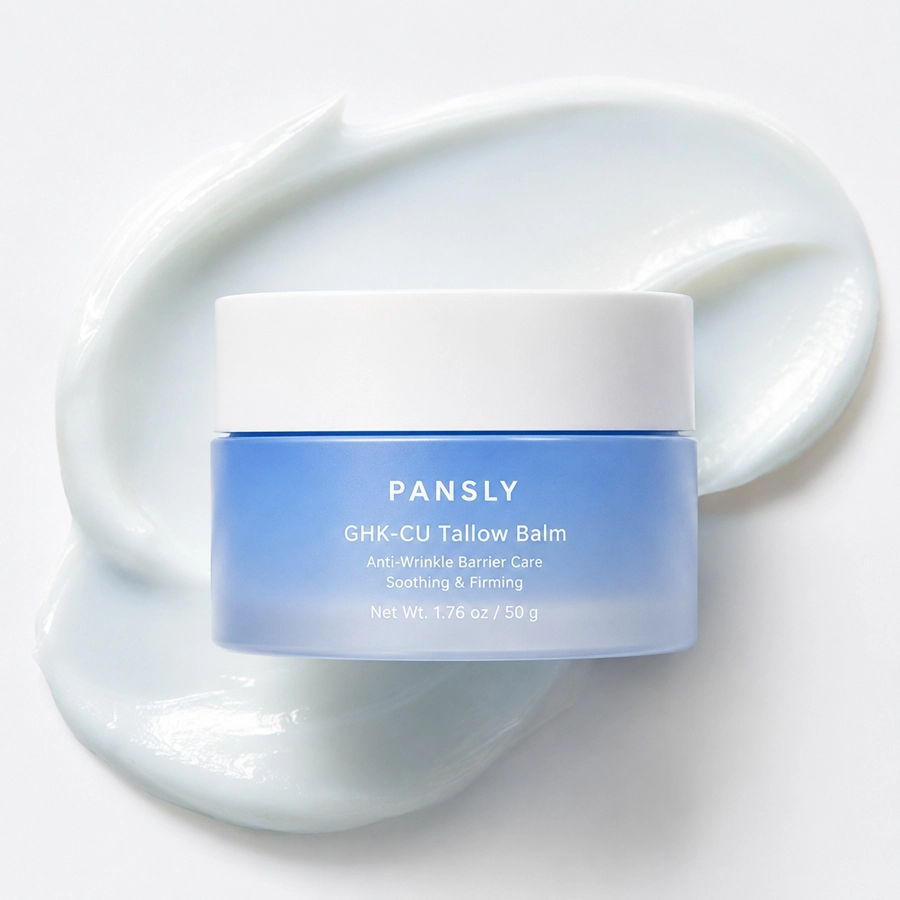
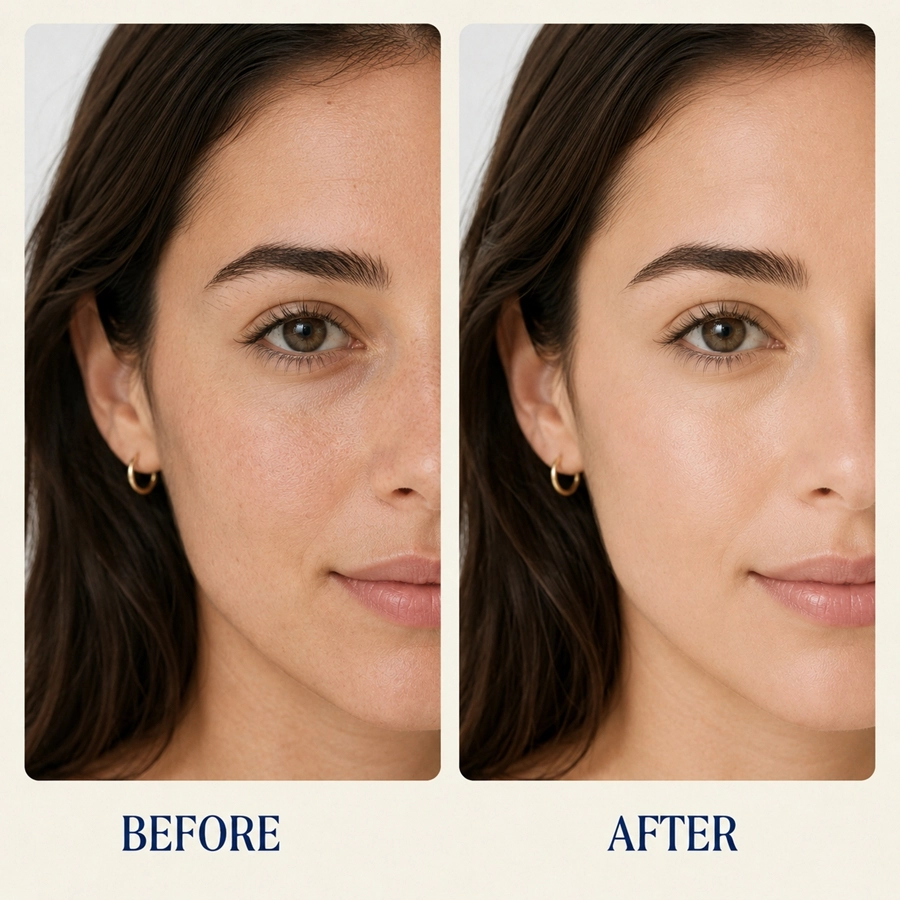
This Pansly GHK-CU Tallow Anti-Wrinkle Soothing & Firming Barrier Balm is multi-effect peptide nourishing balm for dry, uneven-textured skin, integrating firming lifting, fine line smoothing, barrier repair and soothing comfort. Full private label OEM service is supported, including formula customization, custom logo & label, jar color selection and fast sampling.
Five core premium active ingredients work synergistically for comprehensive skin care:
GHK-CU Copper Peptide lifts and firms saggy skin, visibly blurs fine lines and refines uneven dull complexion;
Grass-Fed Tallow delivers rich lipid nourishment to deeply relieve persistent dry rough skin;
Ceramide NP reinforces skin moisture barrier to lock nutrients and boost skin resilience;
Squalane melts lightly into skin to create silky soft long-lasting hydration;
Panthenol calms skin irritation, delivers instant soothing comfort for sensitive dry skin.
Silky light blue creamy balm texture spreads smoothly and absorbs rapidly without greasy residue. Daily use on face and neck firms loose contours, smooths dry fine lines, nourishes fragile skin and repairs damaged barrier, leaving skin even, plump and luminous with long-lasting soft comfort. Obvious improvement on rough dull texture after persistent use.
Get in Touch with us
If you have any comments or good suggestions, please leave us a message; later our professional staff will contact you as soon as possible.
Click here to customize the Beauty
we respond within a few hours
Monday–Friday, 9AM–6PM
3A01, Building A, Zhisheng Square, No. 4 Zhifu Road, Helong Street, Baiyun District, Guangzhou, China.


Leave a request, and we'll email you back within 24 hours.
© 2026 Beyond Basix. All Rights Reserved.
