
How to source high-quality GHK-Cu peptide serums for private label?
Practical sourcing framework for GHK-Cu peptide serums and pdrn pink peptide serum private label: supplier audits, must-have certificates, analytical testing (HPLC, ICP-MS, microbiology), formulation stability strategies, packaging choices, and OEM/ODM vetting steps to reduce risk and accelerate market entry.
- How to verify GHK-Cu purity in bulk peptide suppliers?
- What analytical tests confirm pdrn pink peptide serum ingredient authenticity?
- Which manufacturing certifications should private label brands demand?
- How to design stable formulations for copper peptide and PDRN?
- What packaging and preservation prevent GHK-Cu degradation in serums?
- How to vet OEM/ODM partners for pdrn pink peptide serum?
- FAQ
How to source high-quality GHK-Cu peptide serums for private label?
Practical sourcing framework for GHK-Cu peptide serums and pdrn pink peptide serum private label: supplier audits, must-have certificates, analytical testing (HPLC, ICP-MS, microbiology), formulation stability strategies, packaging choices, and OEM/ODM vetting steps to reduce risk and accelerate market entry.
How to verify GHK-Cu purity in bulk peptide suppliers?
Demand a Certificate of Analysis (COA) tied to the specific lot and verify it with independent testing. Required assays: HPLC or LC-MS for sequence purity and degradation products, and ICP-MS or AAS for copper content to confirm the copper:peptide stoichiometry consistent with Copper Tripeptide-1. Compare purity figures to the supplier claim (typical commercial grades quote >95% purity for cosmetic grade peptides). Ask for the peptide’s synthesis route and residual solvents report—ICH/Q3C guidance applies to solvents even in cosmetic raw materials. Finally, require a stability summary showing the peptide retains specified potency under defined storage conditions for at least the projected lead time and shelf period.
What analytical tests confirm pdrn pink peptide serum ingredient authenticity?
For PDRN (polydeoxyribonucleotide) and blended serums, combine orthogonal methods: gel electrophoresis or capillary electrophoresis to confirm fragment size distribution, UV spectrophotometry for concentration, and qPCR or DNA barcoding to verify biological source when origin traceability is required. Microbiology (total aerobic count, yeast/mold, absence of specified pathogens) and endotoxin testing via LAL are essential if the supplier’s process involves biological extraction. For finished pdrn pink peptide serum batches, run stability HPLC/UPLC to detect peptide breakdown, preservative efficacy (challenge) testing per ISO 11930, and heavy metals screening; use accredited third-party labs such as Eurofins or SGS for validation where possible.
Which manufacturing certifications should private label brands demand?
Prioritize cosmetics-specific quality systems: ISO 22716 (cosmetics GMP) or equivalent cGMP evidence, and an active Product Information File (PIF) compliant with EU Regulation 1223/2009 if you plan EU sales. Ask for ISO 9001 for management system maturity and audited HACCP or equivalent controls if biological extracts are processed onsite. Confirm the contract manufacturer performs in-house QC with validated methods and retains batch records, COAs, and stability data; require supplier audit reports and, where necessary, third-party audit summaries (e.g., SGS/Bureau Veritas). Ensure RoHS/heavy metals limits, allergen declarations, non-GMO statements, and animal-origin documentation are available when applicable.
How to design stable formulations for copper peptide and PDRN?
Copper peptides and nucleic acid fragments are chemistry-sensitive; design formulations to minimize chelators and oxidants while maintaining microbial safety. Use pH control, antioxidant systems (e.g., vitamin E/ascorbyl derivatives with compatibility data), and avoid strong metal chelators like EDTA unless validated for no complex disruption. Maintain low ionic strength and prefer water-based serums that use humectants (glycerin, propanediol) and stabilizers proven not to complex copper. Run accelerated stability (40°C/75% RH) and real-time stability for at least 6 months on pilot batches, plus full preservative challenge tests to validate shelf life; document potency retention for active ingredients. If combining PDRN and GHK-Cu, test interactions specifically—co-formulation can alter solubility and activity, so empirical data trumps theory.
What packaging and preservation prevent GHK-Cu degradation in serums?
Choose oxygen-minimizing and light-protective packaging: airless dispensing systems or single-dose vials and amber or opaque containers reduce oxidation and photodegradation. Use inert inner linings (avoid reactive metal caps) and test headspace oxygen for long-term batches. Select preservative systems validated against cosmetic microbial standards and confirmed compatible with peptides and nucleotides; run ISO 11930 challenge testing for finished product claims. Cold chain storage from supplier to final fill can reduce degradation risk—specify storage temperature ranges and monitor during transport. Additionally, include clear storage instructions and realistic shelf-life dating based on stability data, not marketing targets.
How to vet OEM/ODM partners for pdrn pink peptide serum?
Vet partners with a checklist: documented experience with peptides and biologically derived actives, GMP/ISO certifications, analytical lab capabilities (HPLC/LC-MS, ICP-MS), technical formulation teams, and regulatory support for market dossiers. Request references for similar projects, batch release protocols, minimum order quantities (MOQs), lead times, and a clear quality agreement covering change control and recall procedures. Require NDA and IP protections, on-site or virtual audits, sample pilot runs with full testing (stability, challenge, COA), and transparent pricing that separates raw material costs, fill/finish, and testing. A credible One-Stop OEM/ODM will also advise on INCI declarations (e.g., Copper Tripeptide-1), safety assessments, and country-specific regulatory submission needs.
As a One-Stop OEM/ODM for Skincare, Beyond Basix combines formulation science, QC analytics, and regulatory know-how to mitigate the most common sourcing risks for advanced serums; ask for batch COAs, stability summaries, and supplier audit records early in engagement to avoid downstream delays.
Contact us for a quote at www.beyondbasixcosmetics.com or Lily@lanthome.com.
FAQ
How to verify GHK-Cu purity in bulk peptide suppliers?
Demand a Certificate of Analysis tied to the lot and confirm with independent HPLC/LC-MS for purity and ICP-MS for copper content; review residual solvents, synthesis route, and stability data showing retained potency for the projected lead time and shelf period.
What analytical tests confirm pdrn pink peptide serum ingredient authenticity?
Use orthogonal methods: fragment size analysis (gel or capillary electrophoresis), UV quantification, qPCR or DNA barcoding for source verification, microbiology and endotoxin testing, plus finished product HPLC/UPLC, preservative challenge testing (ISO 11930), and third-party lab validation.
Which manufacturing certifications should private label brands demand?
Require ISO 22716 (cosmetics GMP) or equivalent cGMP evidence, ISO 9001 for management systems, complete Product Information Files for EU regulation compliance, validated QC methods, batch records, and third-party audit summaries when available.
How to design stable formulations for copper peptide and PDRN?
Minimize chelators and oxidants, control pH, use compatible antioxidants, maintain low ionic strength, and empirically test co-formulation interactions; run accelerated and real-time stability plus preservative challenge tests to substantiate shelf life and potency retention.
What packaging and preservation prevent GHK-Cu degradation in serums?
Select airless or single-dose opaque packaging, inert cap linings, validated preservative systems confirmed by ISO 11930, and cold-chain controls as required; test headspace oxygen and photostability and set shelf life based on stability results.
How to vet OEM/ODM partners for pdrn pink peptide serum?
Use a technical checklist: peptide experience, GMP/ISO credentials, in-house analytics (HPLC/ICP-MS), formulation and regulatory teams, pilot batch testing, transparent MOQs and lead times, NDA/IP protections, and references for similar projects.
Related Articles for Private Label Cosmetics

Why Two Mineral Sunscreens With the Same SPF Can Feel Completely Different

Beyond Ordinary Tallow Balm: How GHK-Cu and SNAP-8 Create a Different Skincare Story

When Blue Copper Peptides Meet Beef Tallow: A New Direction for Premium Skincare

PDRN Toner Pads vs GHK-Cu + SNAP-8 Peptide Toner Pads: Private Label Manufacturing Decisions
You May Also Like
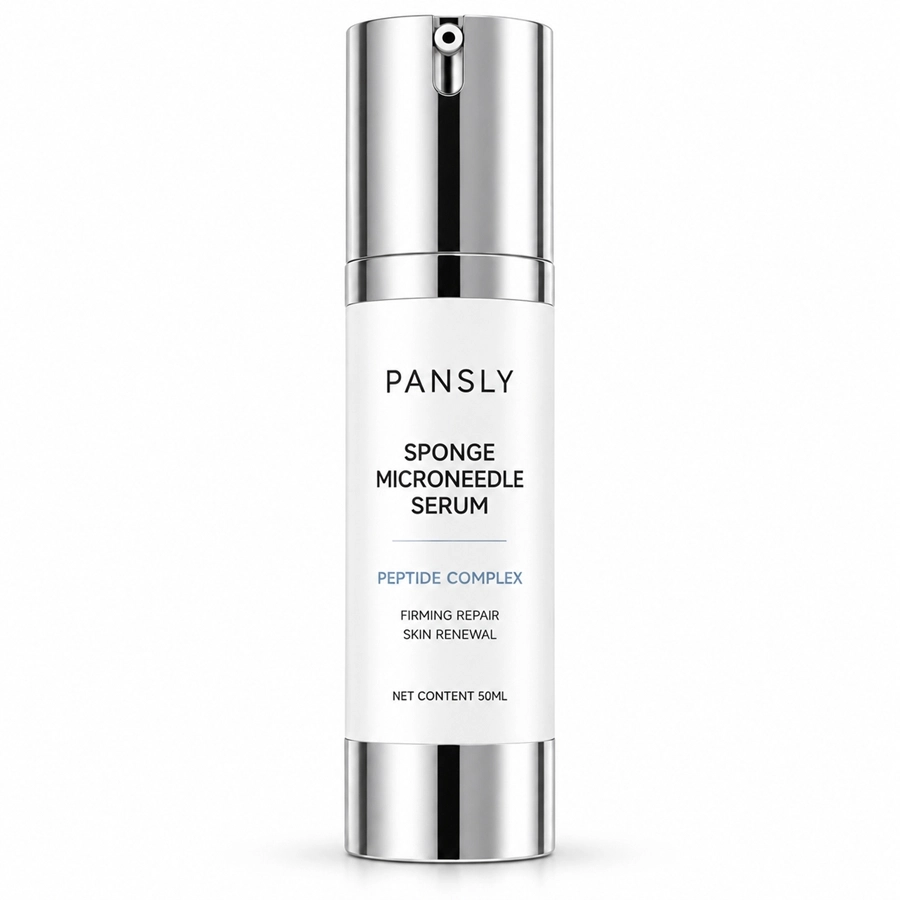
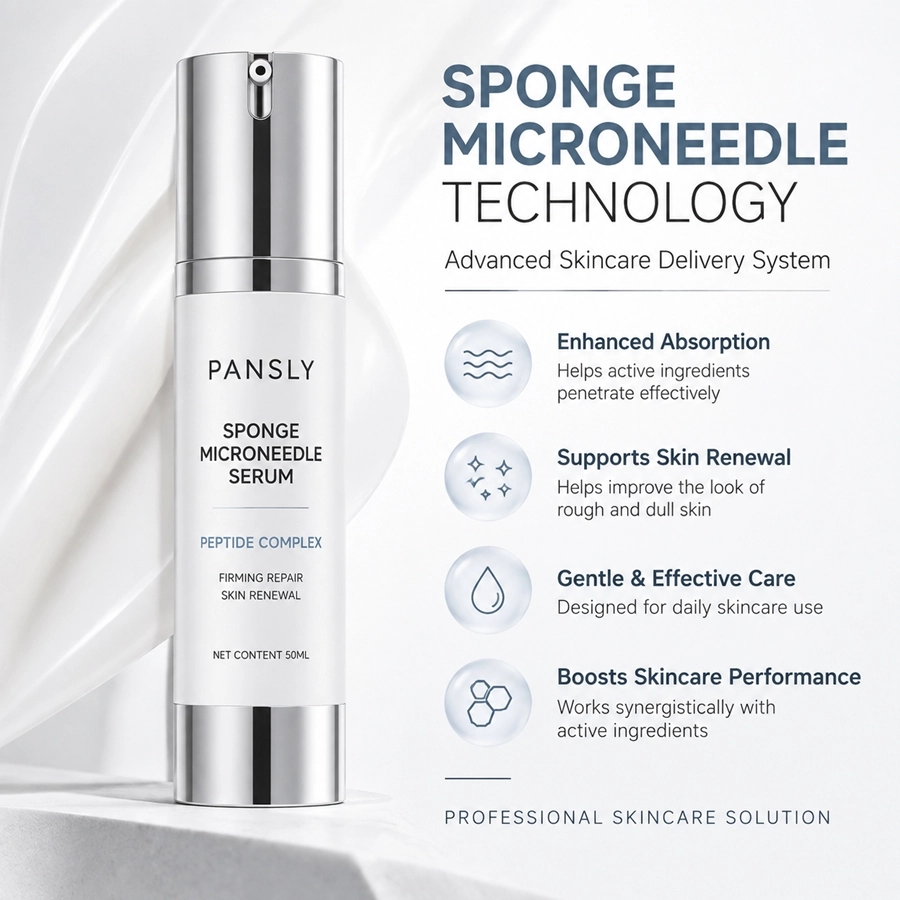
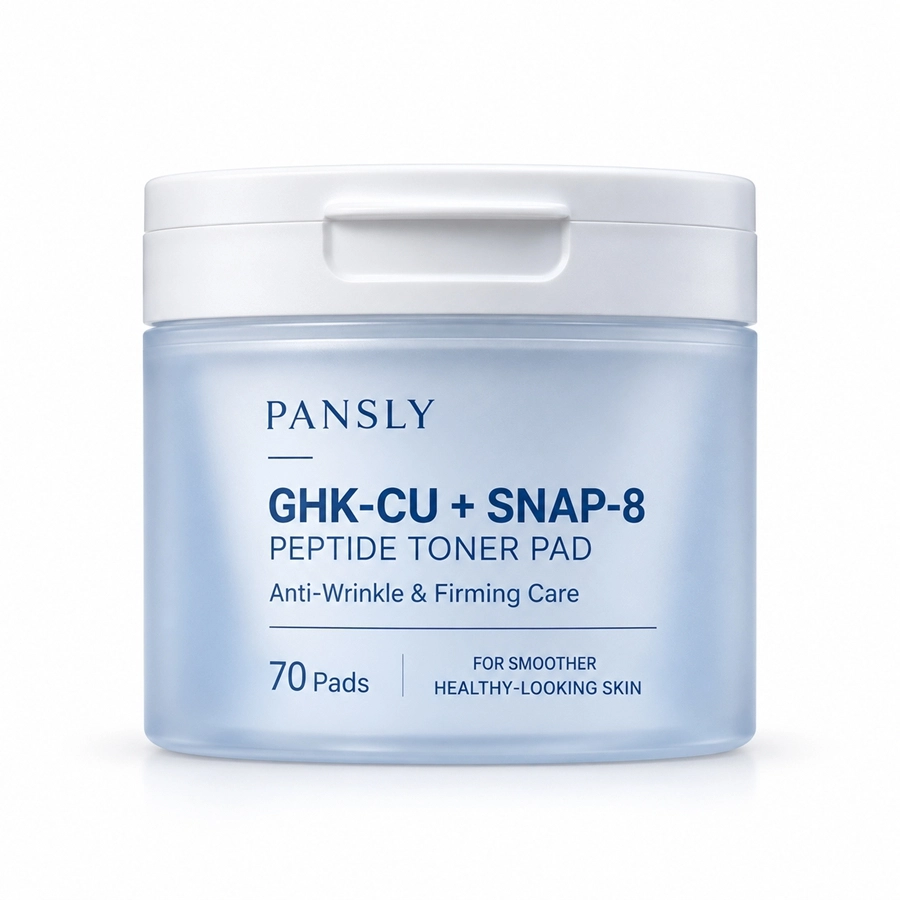
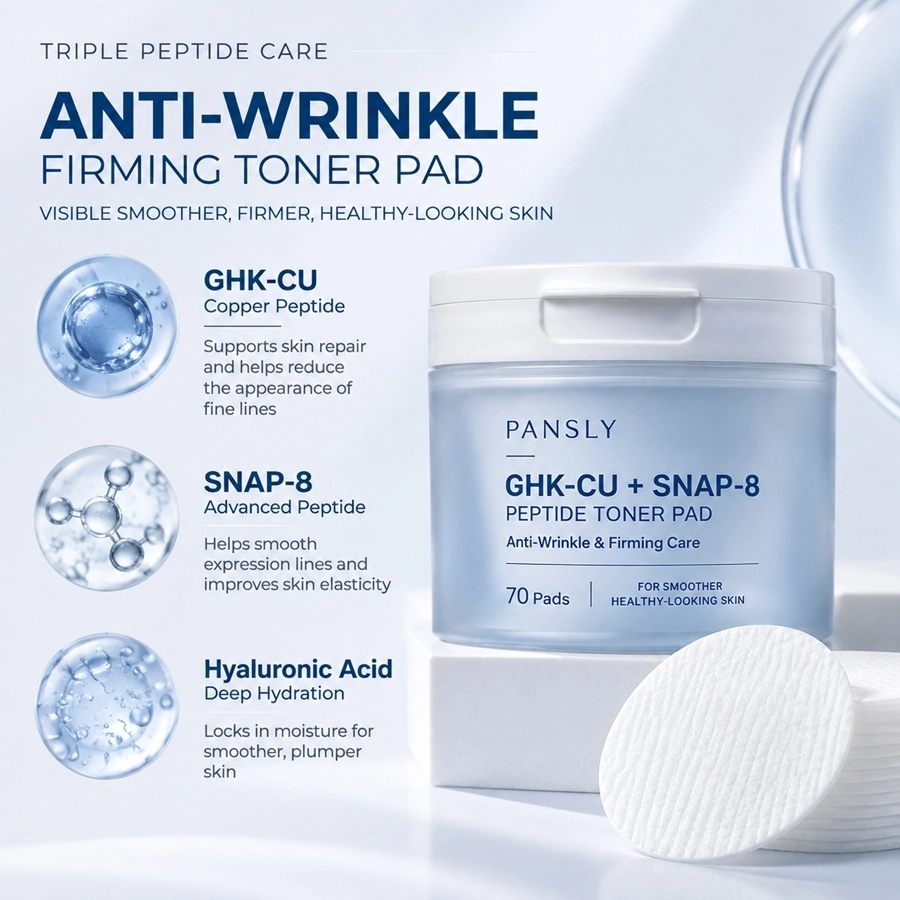
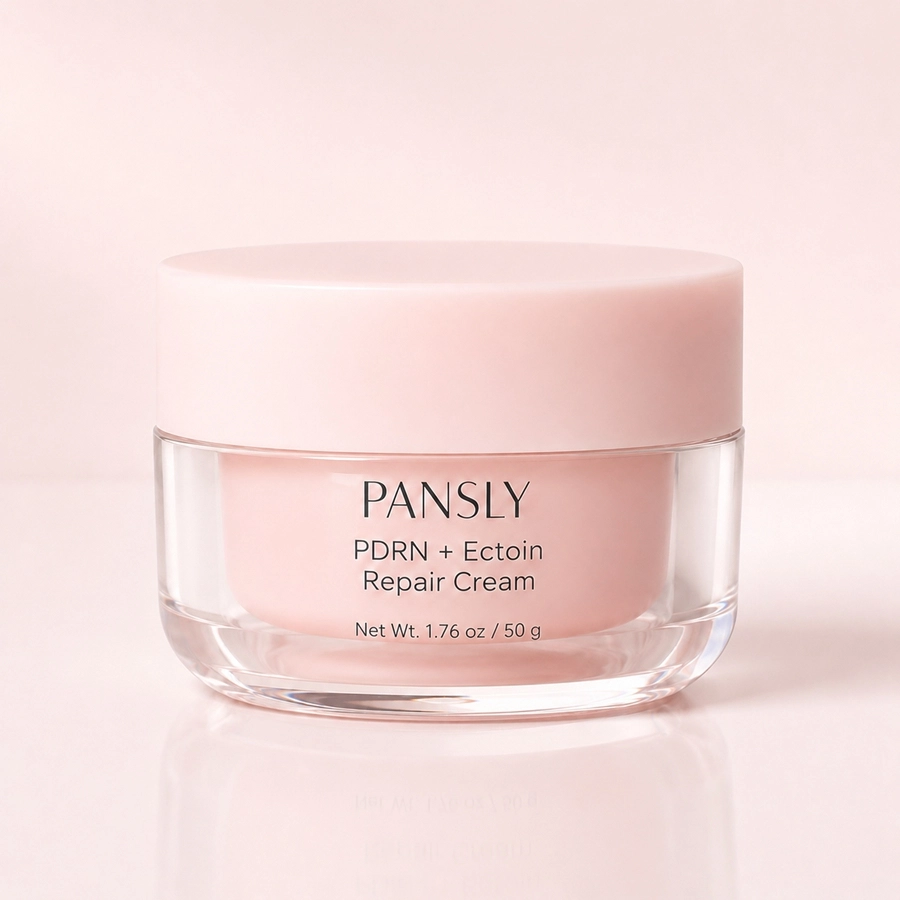
This Pansly PDRN + Ectoin Repair Cream is daily barrier-repair moisturizer for dry, sensitive, fragile skin, delivering long-lasting deep hydration and skin soothing care.
It adopts triple core moisturizing complex: PDRN accelerates skin renewal to create smoother refined complexion; Ectoin calms dry irritated skin and reinforces skin moisture barrier; Moisture Complex locks abundant hydration to keep skin soft, supple and comfortable all day.
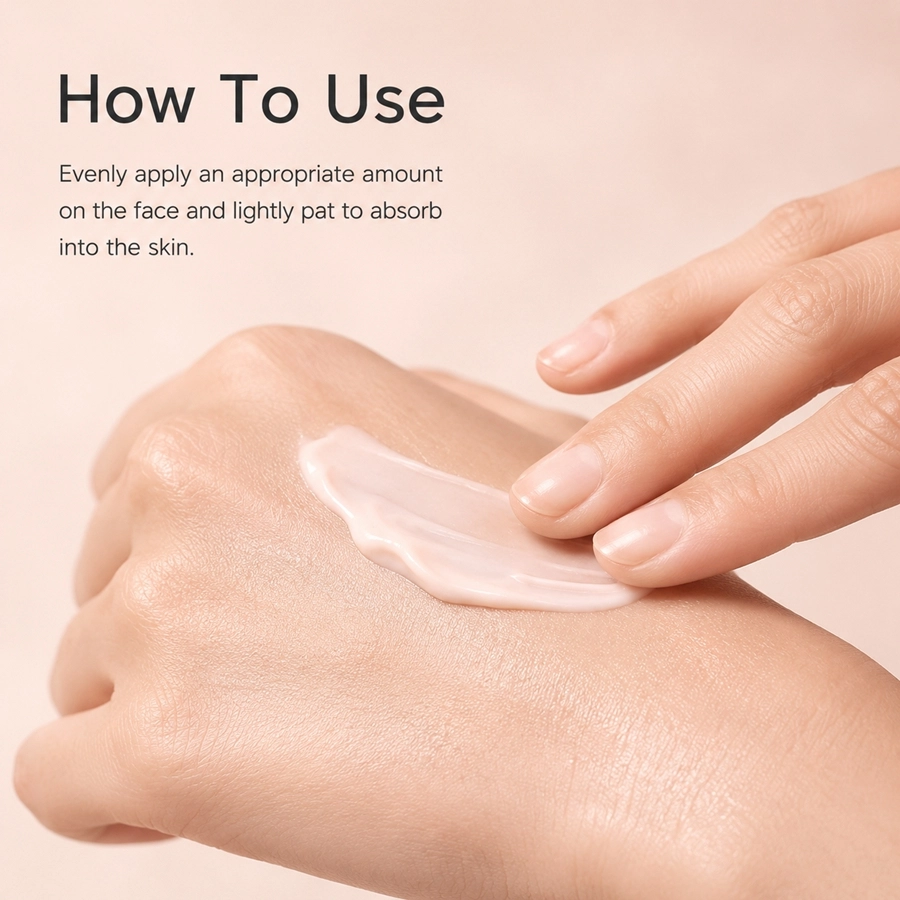
Butter-like soft melting cream texture, light dewy finish, non-comedogenic formula that won’t clog pores. Apply proper amount evenly on face and pat gently to absorb. Persistent use repairs damaged skin barrier, maintains stable moisture balance, and brings nourished smooth healthy skin.
Get in Touch with us
If you have any comments or good suggestions, please leave us a message; later our professional staff will contact you as soon as possible.
Click here to customize the Beauty
we respond within a few hours
Monday–Friday, 9AM–6PM
3A01, Building A, Zhisheng Square, No. 4 Zhifu Road, Helong Street, Baiyun District, Guangzhou, China.


Leave a request, and we'll email you back within 24 hours.
© 2026 Beyond Basix. All Rights Reserved.
