
Who Is the Ideal Customer for a Retinol Peptide Moisturizer?
Quick Answer
The ideal customer is an adult seeking smoother-looking skin, improved visible firmness, or support for early signs of aging and who can follow a measured retinoid routine. A Retinol Peptide Cream project should consider target age group, skin sensitivity, retinol concentration, packaging protection, and market regulations. Beyond Basix can support OEM/ODM development, but final solutions depend on project specifications, testing, and site conditions.
How Beyond Basix Supports Projects
Guangzhou Beyond Basix Cosmetics Ltd. supports skincare brands through OEM and ODM development, ingredient-focused product research, manufacturing, and quality-control processes. Its 12,000-square-meter facility includes a 100,000-level GMPC pharmaceutical-grade dust-free workshop and 12 production lines. These capabilities can support discussions around a retinol-and-peptide moisturizer, subject to formula feasibility and project requirements.
Buyers should confirm the intended market, retinol level, peptide selection, packaging format, product claims, stability expectations, and required compliance documents. Beyond Basix holds certifications and documents including ISO 9001, GMP, HALAL, CE, and MSDS, with applicability depending on the product and destination market. MOQ, lead time, testing scope, and quotation must be confirmed for each project.
Discuss Your Retinol Peptide Moisturizer Project
Share your target market, customer profile, desired skin benefits, retinol positioning, peptide concept, packaging preference, expected order volume, and compliance needs. The project discussion can then cover suitable formulation directions, sample steps, testing priorities, claim language, MOQ, lead time, and quotation. Start a focused development conversation through www.beyondbasixcosmetics.com or Lily@lanthome.com.
Frequently Asked Questions
Which skin concerns justify choosing a retinol peptide moisturizer for beginners?
A suitable customer commonly wants to address the appearance of fine lines, uneven texture, dullness, or loss of visible firmness rather than treat a diagnosed skin disease. Retinol is a vitamin A derivative that is converted through skin processes toward retinoic acid, the biologically active retinoid form, so its use can produce dryness, redness, peeling, or stinging, particularly when introduced too quickly. Peptides are not a single standardized ingredient class; their purpose and supporting evidence depend on the specific peptide and formula. For a beginner-oriented product, brands should favor clear usage directions, gradual introduction, moisturization support, and daytime broad-spectrum sunscreen guidance. Customers with eczema, rosacea, persistent irritation, or prescription-retinoid use may require medical advice rather than a general cosmetic positioning.
How should brands segment customers by retinol tolerance and routine?
Segmentation should use behavior and tolerance, not age alone. A first-use group may need a lower-intensity positioning, limited application frequency, and strong barrier-support messaging. More experienced users may seek a higher retinol level or a complementary night routine, but concentration alone does not predict consumer experience because vehicle, application amount, skin condition, and concurrent exfoliating products also matter. Brands can organize personas around retinoid history, sensitivity, dryness, climate, routine complexity, and willingness to follow instructions. Customer research should also identify pregnancy or breastfeeding-related exclusions and local communication requirements. Product directions should advise avoiding simultaneous use of potentially irritating actives unless compatibility and consumer instructions have been carefully assessed.
What testing should validate a private label retinol peptide cream?
A responsible development plan normally combines formula, packaging, microbiological, and performance-related checks. Stability studies should examine appearance, odor, pH, viscosity, preservative system behavior, and retinol content over defined storage conditions; an appropriate analytical method, such as validated chromatographic testing, is needed to measure active retention rather than relying on visual inspection. Packaging compatibility should assess interaction, leakage, dispensing, and exposure to light and air. Preservative efficacy testing is commonly evaluated using ISO 11930 principles, while microbiological quality should follow the destination market and applicable cosmetic standards. Consumer-use or instrumental studies may support appearance claims, but they do not replace safety assessment, stability evidence, or regulatory review.
How can packaging protect retinol stability throughout distribution and consumer use?
Retinol is sensitive to environmental stresses including light, oxygen, heat, and repeated handling, although the actual risk depends on the complete formula and package system. Opaque or light-protective packaging and a container that limits air exchange may reduce exposure, but neither feature proves stability by itself. Brands should compare candidate packs through real-time and accelerated stability work, including transport simulation where relevant. The test plan should monitor active content, color, odor, viscosity, microbial condition, closure performance, and the dose delivered near the end of use. Clear consumer directions also matter: storage temperature, closure after dispensing, and avoidance of prolonged heat can influence product quality. Packaging selection should therefore follow data from the specific formula rather than a generic airless-packaging assumption.
Are peptides meaningful for customers with sensitive or dry skin?
Peptides may support a moisturization or skin-conditioning concept, but their value cannot be generalized across every peptide or customer. Sensitive and dry skin customers often prioritize low irritation, barrier comfort, and a well-tolerated vehicle; adding a peptide does not automatically offset retinol-related dryness or irritation. The formula should be assessed as a system, including fragrance, solvent profile, surfactants, humectants, emollients, occlusives, pH, and retinol level. Tolerance research should use an appropriate patch or controlled-use design and should distinguish irritation from allergy. Marketing should avoid implying that peptides make retinol risk-free. Clear introduction instructions, patch-testing guidance where appropriate, and a cautious routine position are more credible than promising universal suitability.
What claims can brands responsibly make for this anti-aging moisturizer?
Claims must be matched to evidence and the rules of the destination market. Cosmetic wording such as helping skin look smoother, more hydrated, or visibly firmer may be supportable when backed by formula rationale and suitable testing, while claims to cure acne, repair disease, or alter biological functions can move a product into drug or medicinal territory in some jurisdictions. The European Union requires cosmetic claims to meet common criteria including legal compliance, truthfulness, evidential support, fairness, and informed decision-making under Regulation (EU) No 655/2013. The United States also distinguishes cosmetic claims from drug claims based largely on intended use. A brand should document claim wording, test design, statistical interpretation, warnings, and ingredient nomenclature before artwork approval. Retinol concentration, peptide identity, study population, and test duration should be reflected accurately rather than hidden behind broad anti-aging language.
Related Articles for Private Label Cosmetics

Why Two Mineral Sunscreens With the Same SPF Can Feel Completely Different

Beyond Ordinary Tallow Balm: How GHK-Cu and SNAP-8 Create a Different Skincare Story

When Blue Copper Peptides Meet Beef Tallow: A New Direction for Premium Skincare

PDRN Toner Pads vs GHK-Cu + SNAP-8 Peptide Toner Pads: Private Label Manufacturing Decisions
You May Also Like
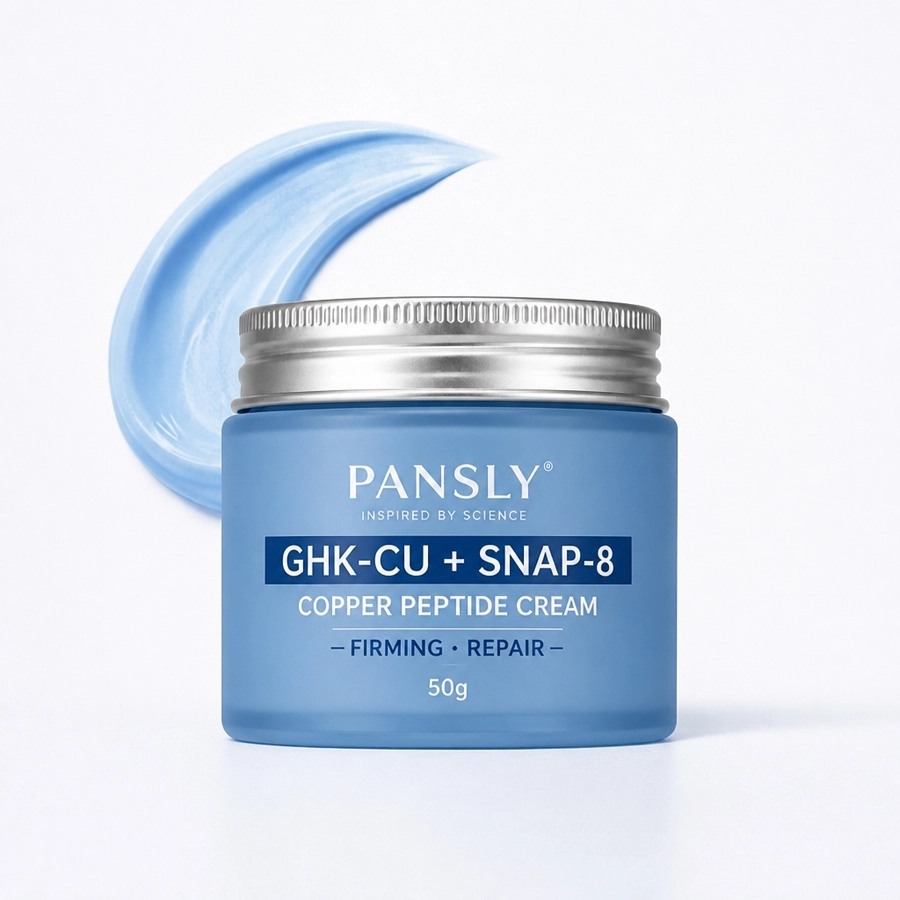
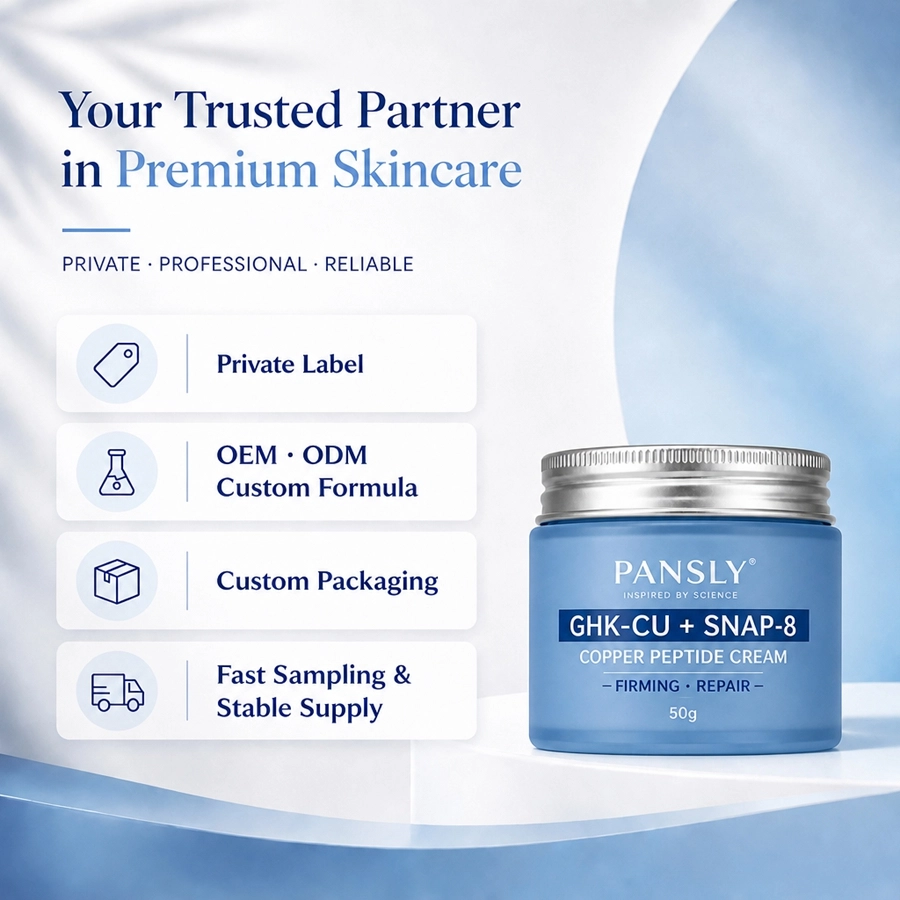
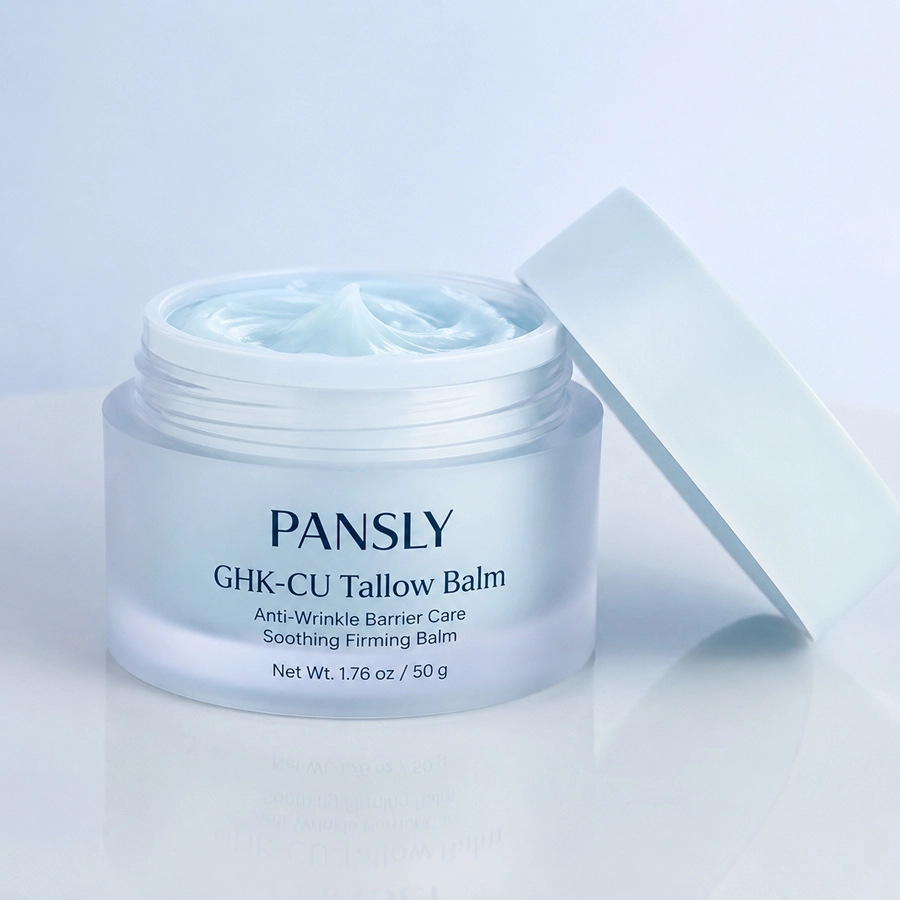
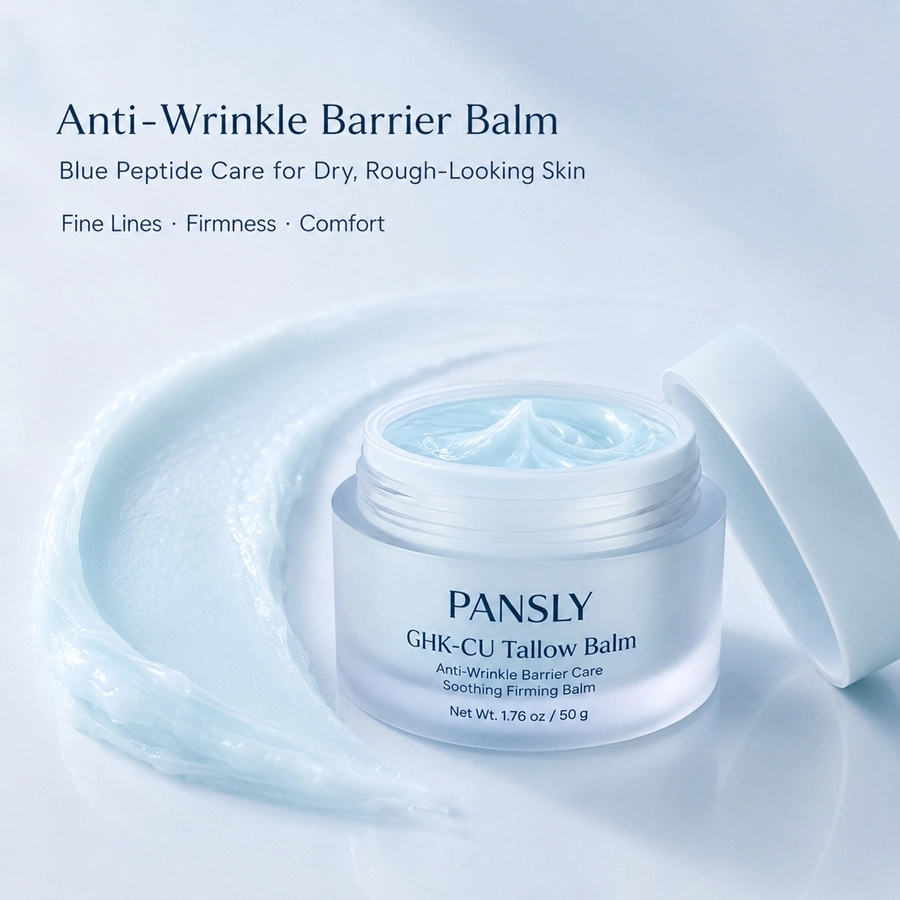
This Pansly GHK-CU + SNAP-8 Grass-Fed Tallow Anti-Wrinkle Barrier Balm is dual-peptide nourishing anti-wrinkle balm, specially developed for dry, rough textured skin, targeting fine lines, sagging contours and weakened skin barrier. Full OEM & ODM private label support is offered, including formula customization, packaging selection, fast sampling and bulk supply.
Five core premium active ingredients work synergistically for multi-dimensional skin care:
GHK-CU Copper Peptide lifts and firms loose skin to boost skin tightness and smooth fine lines;
SNAP-8 Peptide softens expression lines to reduce wrinkle visibility;
Grass-Fed Tallow delivers rich lipid nourishment to relieve persistent dry flaky rough skin;
Ceramide NP reconstructs skin moisture barrier to enhance skin comfort and resilience;
Squalane melts lightly into skin to provide silky long-lasting hydration.
Luxury rich light blue cushion balm texture glides smoothly and absorbs quickly without heavy greasy residue. Daily use improves dry rough texture, blurs dry fine lines, lifts saggy skin and stabilizes skin barrier, leaving skin soft, calm and smooth with healthy supple glow.
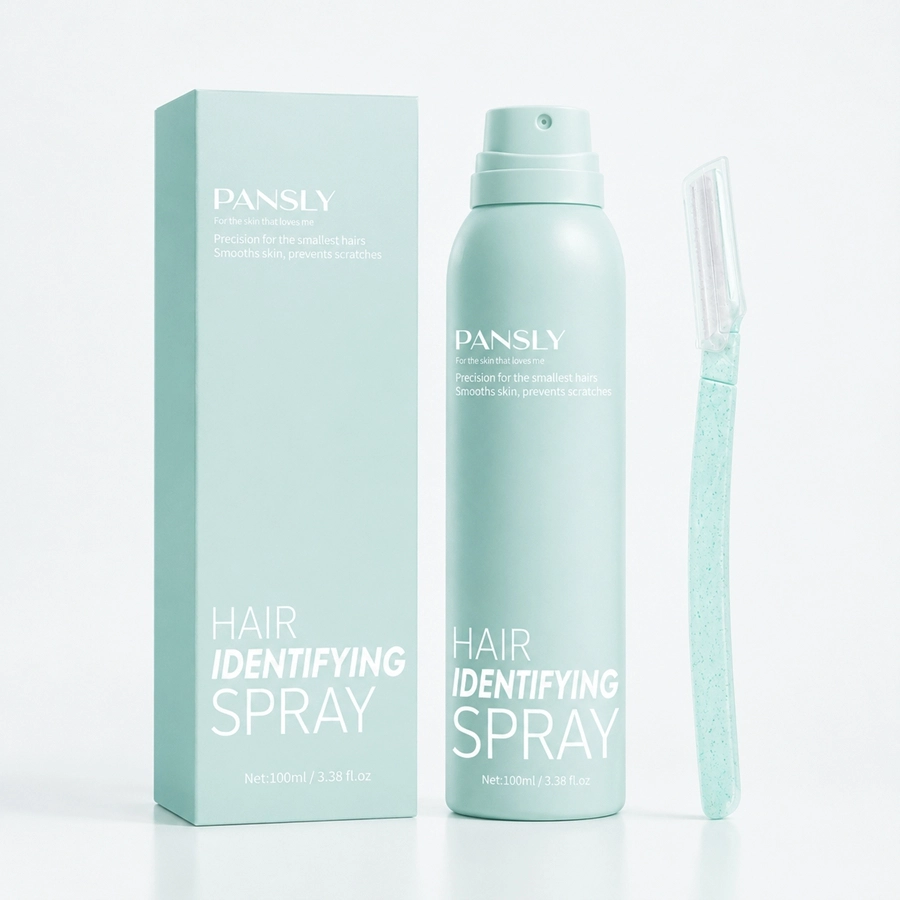
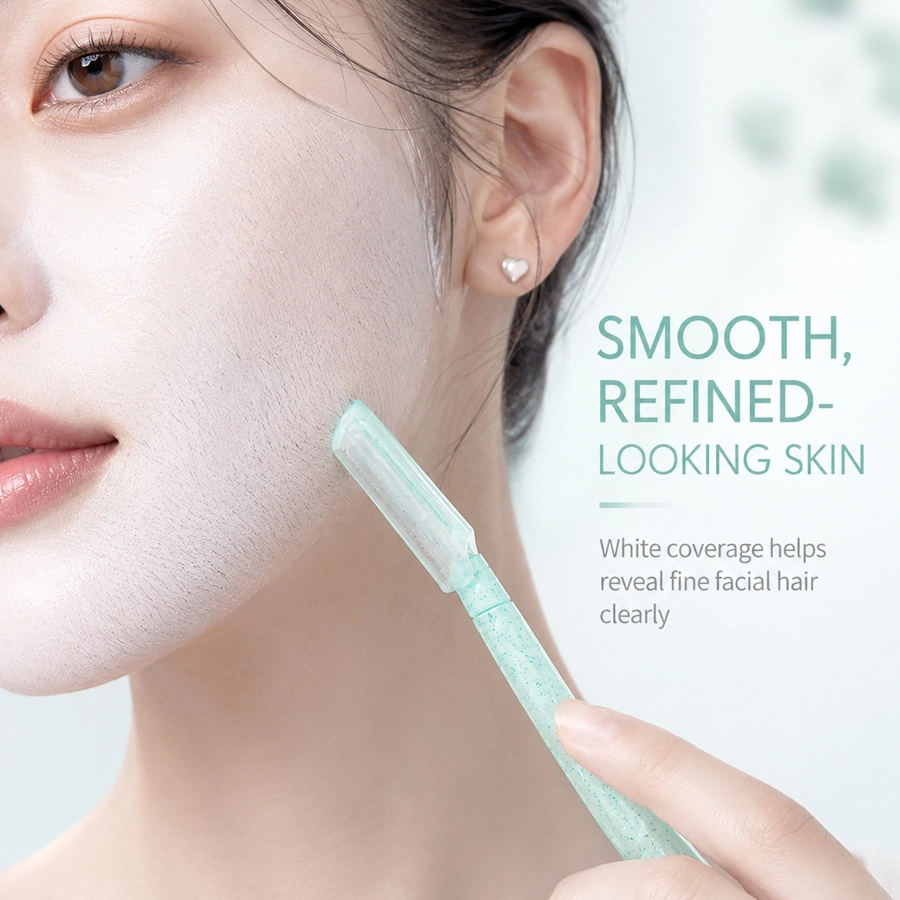
This Pansly Hair Identifying Spray Grooming Set includes a 100ml pre-shave hair identifying spray and a matching precision facial scraper, suitable for facial and body fine hair trimming.
Core functional ingredients:
Zea Mays (Corn) Starch: Forms a thin white film on dry skin to make invisible tiny vellus hairs clearly visible, supporting targeted accurate grooming;
Portulaca Oleracea Extract: Calms skin and alleviates irritation caused by scraping operations;
Hydrolyzed Keratin: Lubricates the skin surface to boost razor gliding and avoid scratches during hair removal;
Butylene Glycol: Offers gentle moisturization to keep skin comfortable throughout the grooming process.
You can finish the whole routine in 4 simple steps: Spray evenly on dry skin → Identify fine hairs via white coverage → Glide gently with the scraper → Wipe residues for silky smooth skin. It can be used on cheeks, upper lips, jawline, arms and more areas. We provide complete OEM/ODM private label service, including custom logo, multiple color selections, bulk order support and fast customization.
Get in Touch with us
If you have any comments or good suggestions, please leave us a message; later our professional staff will contact you as soon as possible.
Click here to customize the Beauty
we respond within a few hours
Monday–Friday, 9AM–6PM
3A01, Building A, Zhisheng Square, No. 4 Zhifu Road, Helong Street, Baiyun District, Guangzhou, China.


Leave a request, and we'll email you back within 24 hours.
© 2026 Beyond Basix. All Rights Reserved.
