
Which Ingredients Can Be Combined With PDRN in Hydrogel Eye Patches?
Quick Answer
Ingredients commonly paired with pdrn hydrogel eye patches include hyaluronic acid, glycerin, panthenol, niacinamide, caffeine, selected peptides, and soothing agents. Compatibility depends on the PDRN raw material, pH, preservative system, hydrogel matrix, packaging, and intended claims. Beyond Basix can assess these factors through project-specific formulation and production planning, but final solutions require testing.
How Beyond Basix Supports Projects
Beyond Basix supports OEM and ODM development by evaluating active-ingredient combinations, hydrogel format requirements, packaging configuration, and intended market positioning. Its 12,000-square-meter facility includes a 100,000-level GMPC pharmaceutical-grade dust-free workshop and 12 production lines, supporting coordinated development from formula planning through manufacturing.
Buyers should confirm the PDRN form and specification, target pH, active concentrations, patch dimensions, serum loading, packaging, claims, and target market regulations. MOQ, lead time, testing scope, and quotation must be confirmed for each project with Beyond Basix before sampling or bulk production.
Discuss Your PDRN Eye Patch Formula
Share your target market, desired claims, PDRN source and specification, preferred supporting ingredients, patch size, packaging format, expected order volume, and launch timeline. These details help the team discuss suitable formulation options, sample stages, testing priorities, and production planning. Visit www.beyondbasixcosmetics.com or email Lily@lanthome.com to discuss your project.
Frequently Asked Questions
Which humectants pair best with PDRN in eye patches?
Hyaluronic acid, glycerin, butylene glycol, and betaine are practical humectant candidates because they support water retention without requiring an aggressive exfoliating environment. The correct choice depends on the hydrogel material, serum viscosity, tack level, and packaging. Sodium hyaluronate and higher-molecular-weight hyaluronic acid can create different film and sensory properties, so they should not be treated as interchangeable. A formulation team should also review total humectant load because excessive hygroscopic ingredients may increase stickiness or affect patch adhesion. Compatibility should be checked in the complete formula rather than inferred from ingredient lists alone, with attention to appearance, odor, pH, viscosity, microbial control, and stability over time.
Can niacinamide and PDRN share a hydrogel eye patch?
Niacinamide can be considered alongside PDRN in an under-eye hydrogel, but compatibility is determined by concentration, pH, raw-material quality, and the full preservation system. Niacinamide is generally used in water-based cosmetic formulas and is different from acidic vitamin B3 derivatives such as nicotinic acid. Formula developers should control pH and assess color, odor, viscosity, and active-marker retention during stability testing. The eye area also requires conservative irritation evaluation because a formula that is comfortable on facial skin may not be suitable near the ocular region. Marketing claims should reflect cosmetic evidence and local regulatory requirements rather than imply medical tissue repair.
Are peptides compatible with PDRN for sensitive under-eye skin?
Peptides may be compatible with Sodium DNA, the INCI name commonly associated with cosmetic PDRN materials, but peptide families differ substantially in solubility, pH tolerance, preservation sensitivity, and recommended processing temperature. A supplier specification should identify the peptide sequence or blend, carrier system, assay method, and storage conditions. Combining multiple actives can also increase formula complexity and make it harder to identify an irritation source. For sensitive-skin positioning, developers should prioritize a low-irritancy base, avoid unnecessary fragrance, assess the finished patch rather than isolated ingredients, and conduct appropriate human-use or specialist safety evaluations before making sensitive-eye claims.
Does vitamin C destabilize PDRN in hydrogel formulations?
Vitamin C does not have one universal compatibility outcome because its behavior depends on the selected form. Pure ascorbic acid requires a distinctly acidic environment and is oxidation-sensitive, while derivatives such as ascorbyl glucoside or sodium ascorbyl phosphate have different pH and processing requirements. That difference can conflict with the preferred conditions of other actives or the preservation system. Developers should compare the selected vitamin C material with PDRN in the finished serum, not simply mix powders. Track color, odor, pH, viscosity, microbial status, and active content in accelerated and real-time stability studies, while using packaging that limits oxygen and light when justified by the formula.
How should caffeine be balanced with PDRN near the eyes?
Caffeine is frequently considered for eye-area products because it supports a refreshed appearance claim, but its inclusion should be assessed for solubility, concentration, sensory feel, and irritation potential. It can be combined with a PDRN-containing hydrogel when the complete aqueous system remains stable and comfortable during wear. Developers should verify whether caffeine crystallizes during storage or cooling, particularly when the formula approaches its solubility limit. The patch substrate and serum load also affect delivery and comfort. Claims about reducing dark circles or puffiness need appropriate substantiation because pigmentation, vascular visibility, fluid retention, and structural shadowing have different causes.
What testing confirms PDRN compatibility in finished eye patches?
A suitable evaluation normally begins with raw-material identity and specification review, including the PDRN nomenclature, assay or purity information, supplier storage requirements, and contaminant documentation. The finished product should then undergo appearance, odor, pH, viscosity or gel integrity, seal and package compatibility, microbial quality, and stability assessments under defined conditions. Active-marker retention should be measured with a validated or appropriately qualified analytical method when the project makes a quantitative active claim. Because the product is used near the eyes, safety assessment should address irritation and intended wear conditions. Preservative efficacy, transportation simulation, and consumer-use testing may also be appropriate depending on formula risk, packaging, market, and claim scope.
Related Articles for Private Label Cosmetics

Why Two Mineral Sunscreens With the Same SPF Can Feel Completely Different

Beyond Ordinary Tallow Balm: How GHK-Cu and SNAP-8 Create a Different Skincare Story

When Blue Copper Peptides Meet Beef Tallow: A New Direction for Premium Skincare

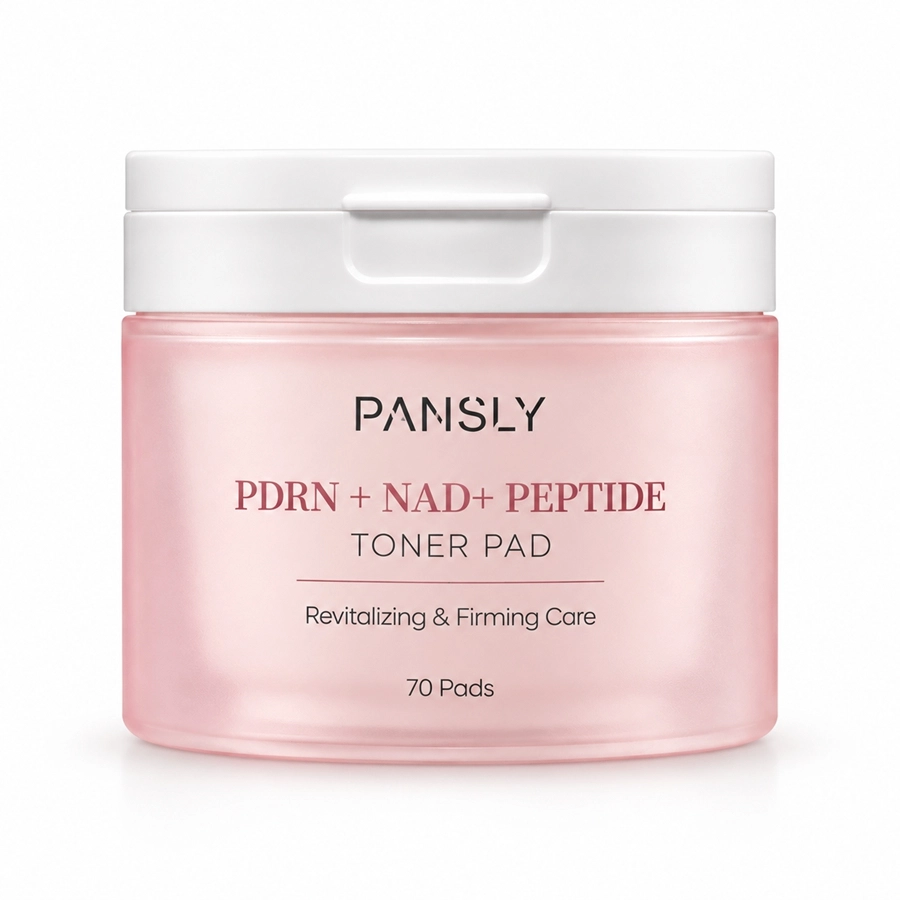
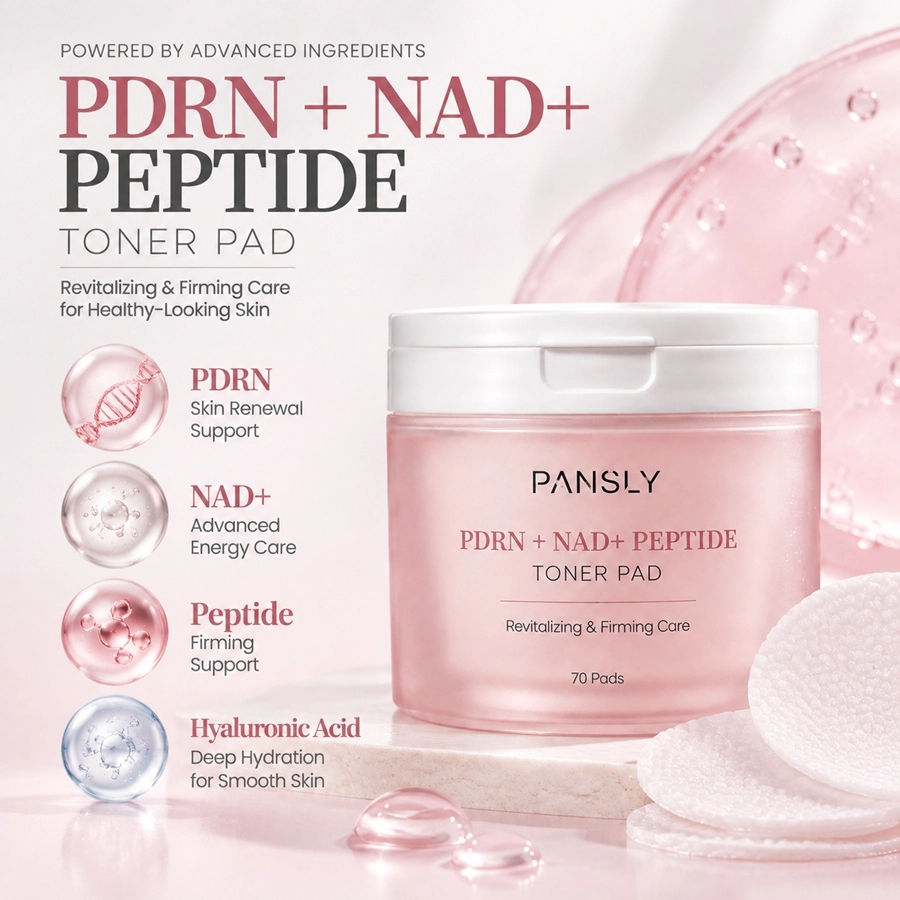
PDRN Toner Pads vs GHK-Cu + SNAP-8 Peptide Toner Pads: Private Label Manufacturing Decisions
You May Also Like
Get in Touch with us
If you have any comments or good suggestions, please leave us a message; later our professional staff will contact you as soon as possible.
Click here to customize the Beauty
we respond within a few hours
Monday–Friday, 9AM–6PM
3A01, Building A, Zhisheng Square, No. 4 Zhifu Road, Helong Street, Baiyun District, Guangzhou, China.


Leave a request, and we'll email you back within 24 hours.
© 2026 Beyond Basix. All Rights Reserved.
