
What Ingredients Can Turn a SNAP-8 Serum Into a Multi-Benefit Formula?
Quick Answer
A snap-8 anti-wrinkle serum becomes multi-benefit when SNAP-8 is paired with compatible humectants, barrier-support ingredients, antioxidants, and carefully selected texture modifiers. Key decisions include ingredient compatibility, pH, preservation, sensory profile, and claim substantiation. Beyond Basix can support formulation assessment and OEM/ODM development, but the final solution depends on the project brief, testing plan, target market, and production conditions.
How Beyond Basix Supports Projects
Beyond Basix supports skincare OEM/ODM projects through formula development, ingredient selection, sample preparation, and production planning. Its 12,000-square-meter facility includes a 100,000-level GMPC pharmaceutical-grade dust-free workshop and 12 production lines. These resources are relevant when a peptide serum must move from concept evaluation to repeatable manufacturing.
Beyond Basix also operates with documented certifications and quality systems including ISO 9001, GMP, MSDS, CE, and HALAL certifications listed in its company profile. Buyers should confirm the SNAP-8 grade, supporting active levels, packaging format, target market, MOQ, lead time, testing scope, and quotation for each project before approval.
Discuss Your Multi-Benefit SNAP-8 Serum Project
Send the target market, skin concern, preferred claims, packaging type, target texture, expected order volume, and regulatory requirements so suitable active combinations, sample stages, compatibility checks, and production options can be discussed. Visit www.beyondbasixcosmetics.com or email Lily@lanthome.com to begin a project-specific formulation conversation.
Deep-Dive FAQs
Which ingredients complement SNAP-8 without destabilizing the serum?
SNAP-8 is commonly identified by the INCI name Acetyl Octapeptide-3 and is generally used as a cosmetic peptide active rather than as a drug-like substitute for injectable treatments. Compatible formula partners may include glycerin, propanediol, betaine, panthenol, selected ceramides, and mild antioxidant systems, provided their recommended use levels and processing conditions are respected. The main risks are not simply ingredient-to-ingredient incompatibility; they include unsuitable pH, excessive heat, high shear, preservative interactions, adsorption to packaging, and long storage exposure. A developer should obtain the supplier's technical data, add the peptide during an appropriate cool-down stage when required, and compare appearance, odor, pH, viscosity, active retention, and microbiological results against an untreated control.
How should humectants support a peptide-based anti-wrinkle formula?
Humectants improve water binding and immediate skin feel, but they do not independently prove wrinkle reduction. Glycerin and propanediol are familiar starting points; betaine and panthenol can contribute to a more comfortable, hydrated after-feel. The practical formulation issue is balance. Too much humectant may create tackiness, pilling, or a heavy finish, while too little may fail to support the intended sensory profile. The formulator should assess the complete solvent system, polymer compatibility, electrolyte tolerance, packaging pump performance, and regional climate. Instrumental hydration testing or controlled consumer evaluation can help support hydration language, while wrinkle-related claims require separate substantiation rather than inference from moisturization.
Can niacinamide and SNAP-8 be combined for sensitive skin?
They can be considered together, but sensitive-skin positioning should not be assumed from the ingredient list alone. Niacinamide is a multifunctional cosmetic ingredient associated with barrier-support, tone-evening, and sebum-related positioning, while SNAP-8 addresses a different cosmetic narrative focused on expression-line appearance. The combination requires attention to concentration, pH, solvent choice, fragrance, preservatives, and the overall irritation profile. The outdated idea that every active must be separated is too simplistic, but combining several high-level actives can make tolerability and claim attribution harder to interpret. Conduct stability and preservative testing, followed by a suitable skin-compatibility assessment for the intended market and use instructions.
What antioxidants improve formula value without increasing irritation risk?
Antioxidants can strengthen a formula's protection strategy and support claims related to environmental-stress positioning, but more antioxidants do not automatically create a better product. Tocopherol, tocopheryl derivatives, ferulic acid, green tea derivatives, and certain chelating or oxygen-control approaches may be evaluated according to the formula's water or oil phase. Selection depends on solubility, color, odor, oxidation sensitivity, pH, packaging, and interaction with the preservation system. Strongly acidic antioxidant systems may be unsuitable for a mild peptide serum or sensitive-skin concept. Use opaque or air-restrictive packaging where justified, and verify color, odor, pH, viscosity, microbial quality, and active stability during accelerated and real-time studies.
Which texture agents help a multi-benefit serum feel premium?
A premium serum texture is created by the complete rheology system, not by a single thickener. Xanthan gum, hydroxyethylcellulose, acrylate-based polymers, lightweight emollients, and solubilizers may be screened according to the desired flow, clarity, pilling resistance, and dispensing format. Peptides, niacinamide, electrolytes, botanical extracts, and humectants can alter viscosity or tack, so compatibility must be checked after the full active package is assembled. Airless pumps, droppers, and treatment pumps also produce different user experiences. Evaluate spreadability, residue, absorption time, roll-up under sunscreen or makeup, freeze-thaw behavior, centrifugation where appropriate, and package compatibility before selecting a final texture system.
What testing confirms compatibility, stability, and claimed cosmetic benefits?
A credible development package normally separates three questions: does the formula remain safe and stable, does the package protect and dispense it properly, and are the proposed cosmetic claims supported? Basic work may include appearance, odor, pH, viscosity, density, microbial limits, preservative efficacy where applicable, centrifuge or freeze-thaw screening, accelerated stability, and real-time stability. Packaging compatibility should examine leakage, discoloration, deformation, pump function, and interaction with the formula. For claims, hydration can be assessed through accepted instrumental or consumer methods, whereas expression-line or wrinkle language needs a fit-for-purpose evaluation with defined endpoints, controls, duration, and statistical treatment. Supplier data for Acetyl Octapeptide-3 should be reviewed rather than treating the INCI name as proof of finished-product performance.
Related Articles for Private Label Cosmetics

Why Two Mineral Sunscreens With the Same SPF Can Feel Completely Different

Beyond Ordinary Tallow Balm: How GHK-Cu and SNAP-8 Create a Different Skincare Story

When Blue Copper Peptides Meet Beef Tallow: A New Direction for Premium Skincare

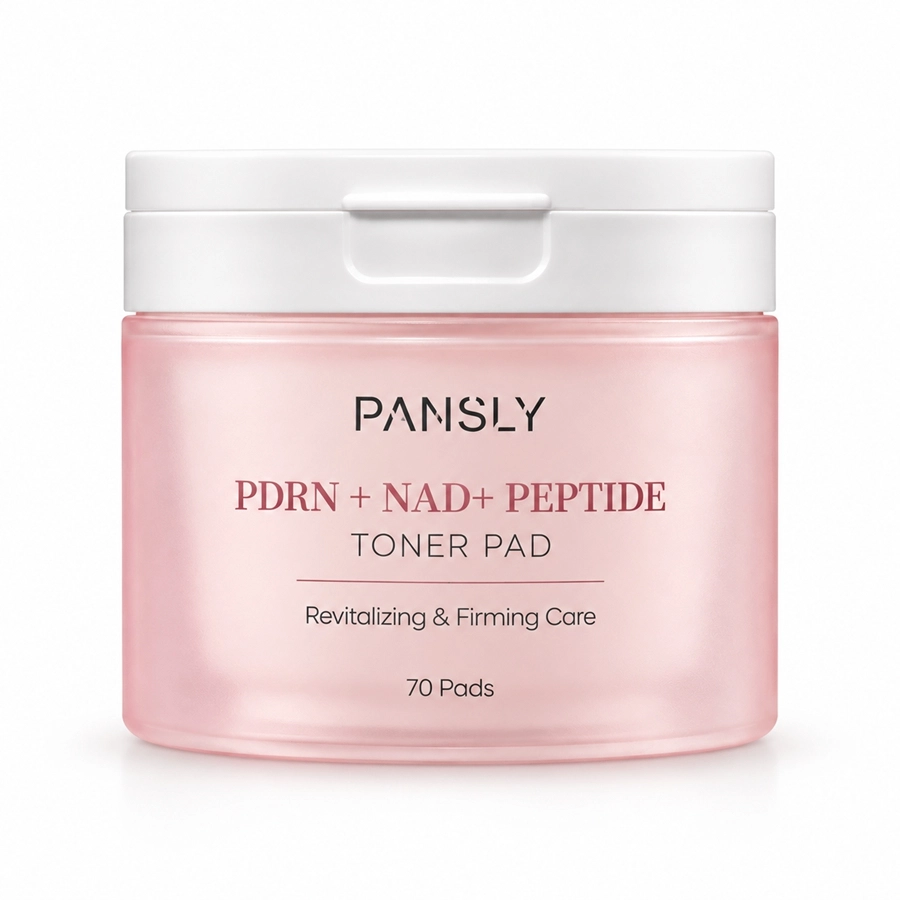
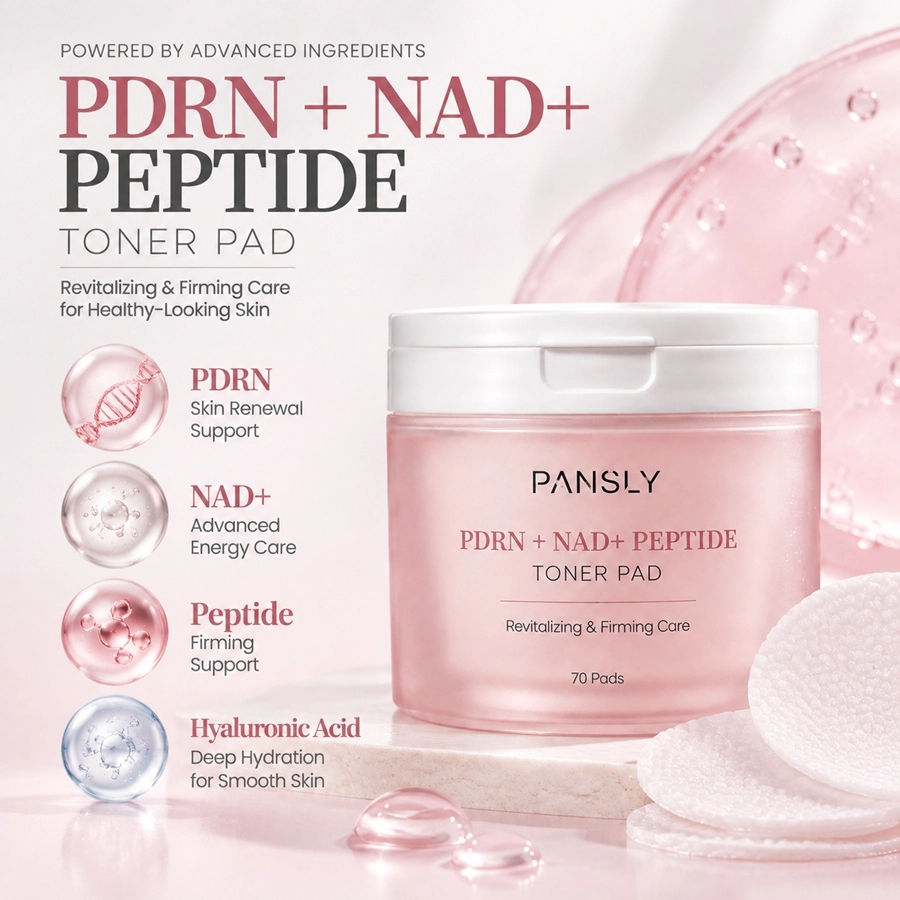
PDRN Toner Pads vs GHK-Cu + SNAP-8 Peptide Toner Pads: Private Label Manufacturing Decisions
You May Also Like
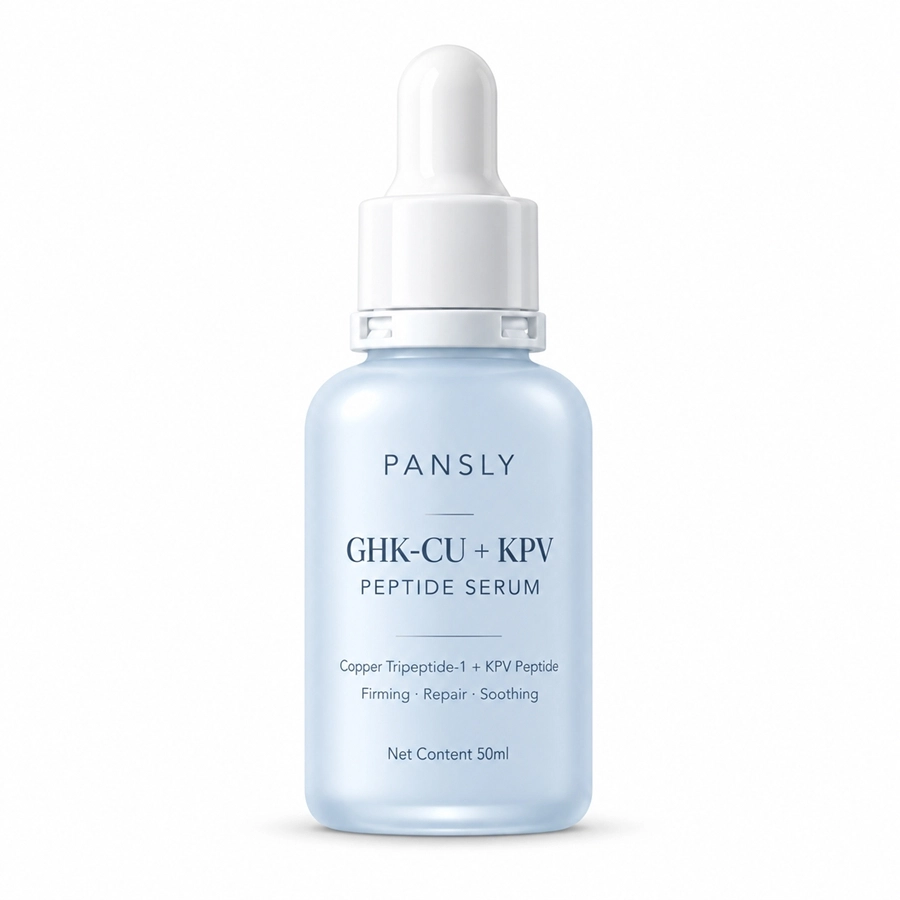
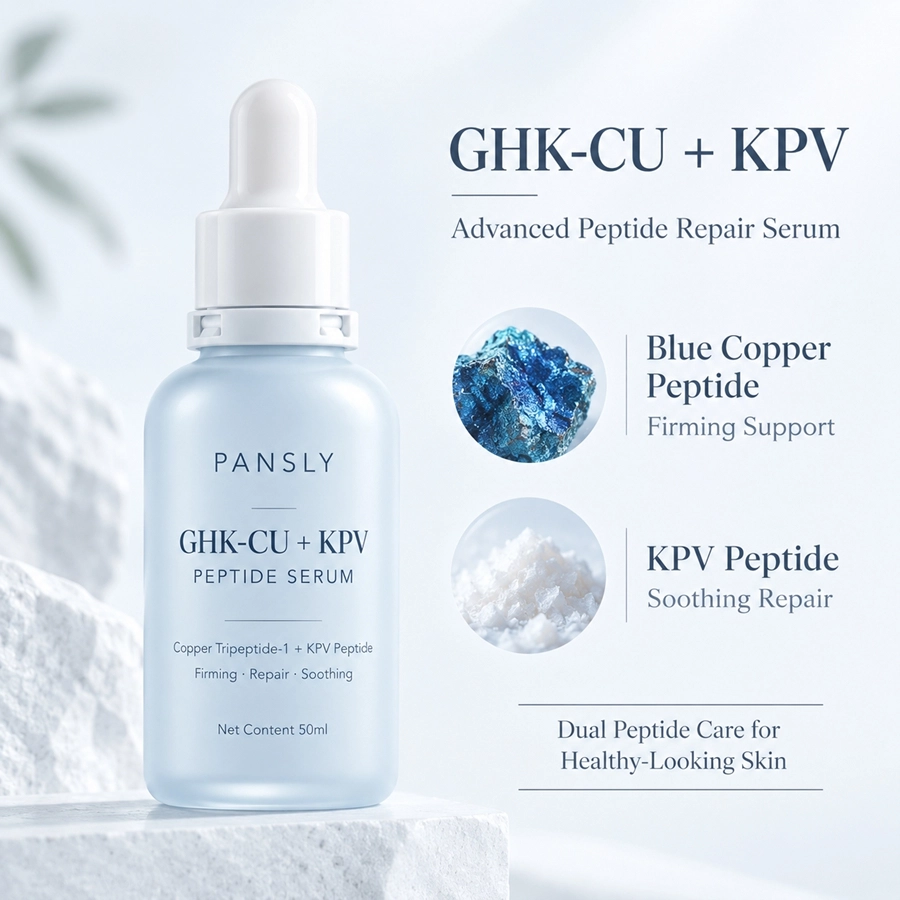
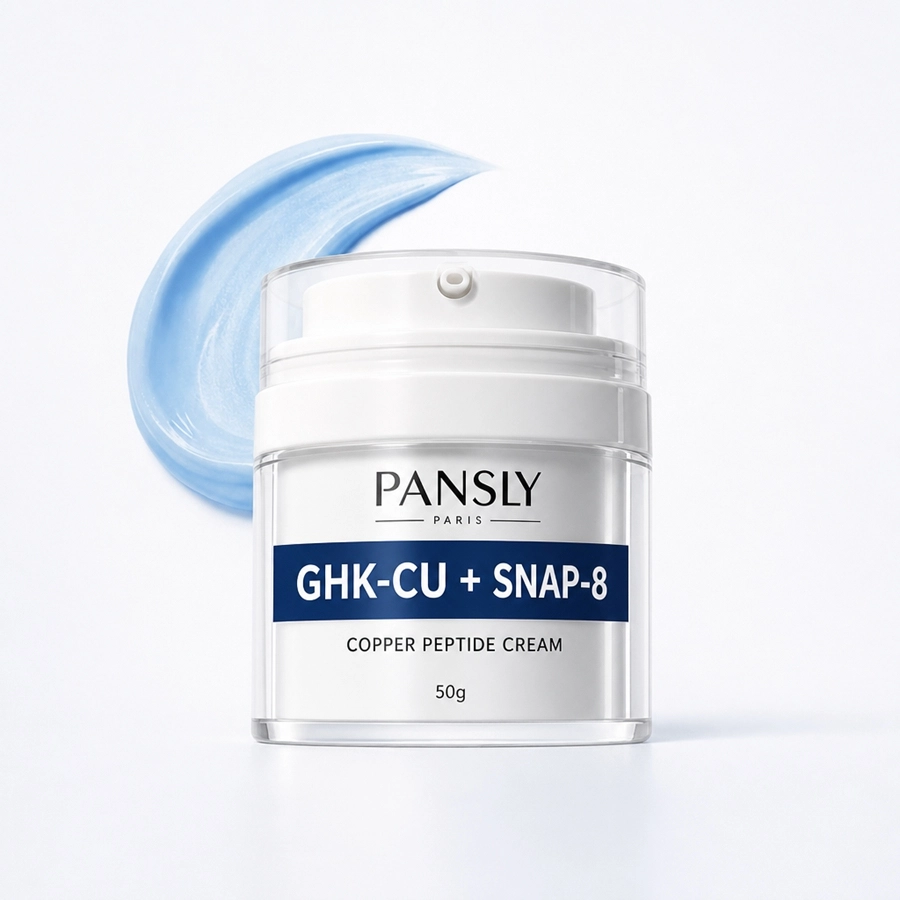
GHK-Cu KPV serum for skin is a private-label peptide face serum formulated for a firming, smoothing routine. This GHK-CU KPV Serum is positioned for wrinkle care and skin repair, making it a practical addition to an anti-aging skincare range.
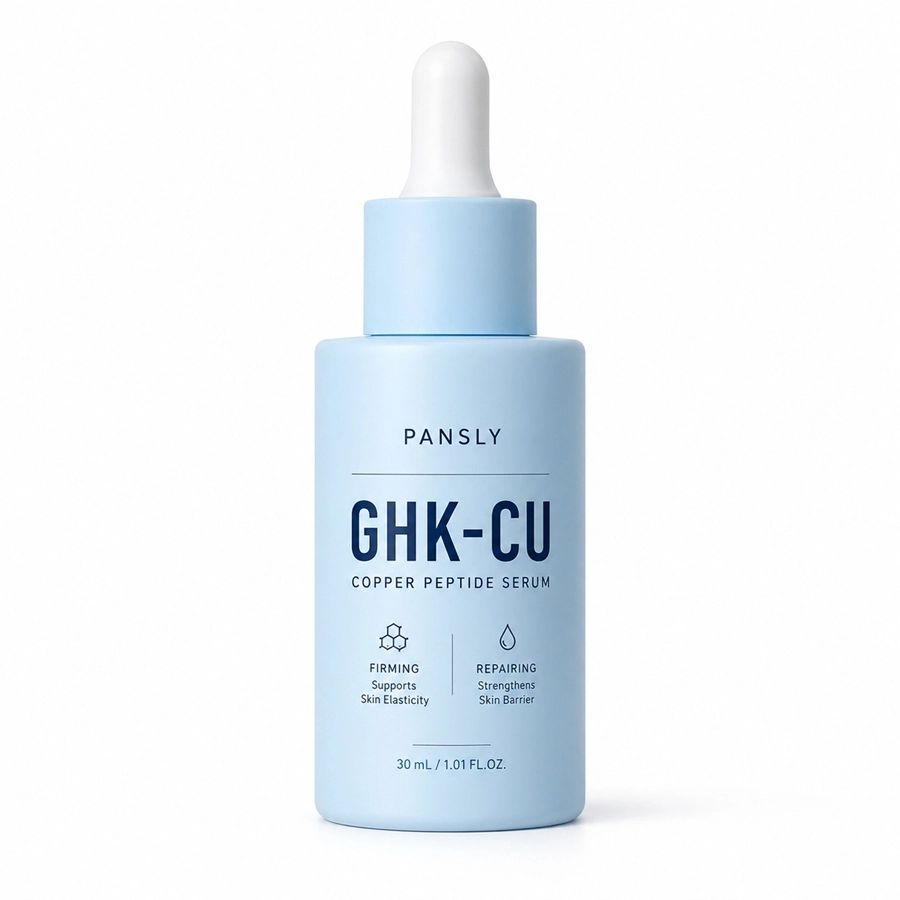
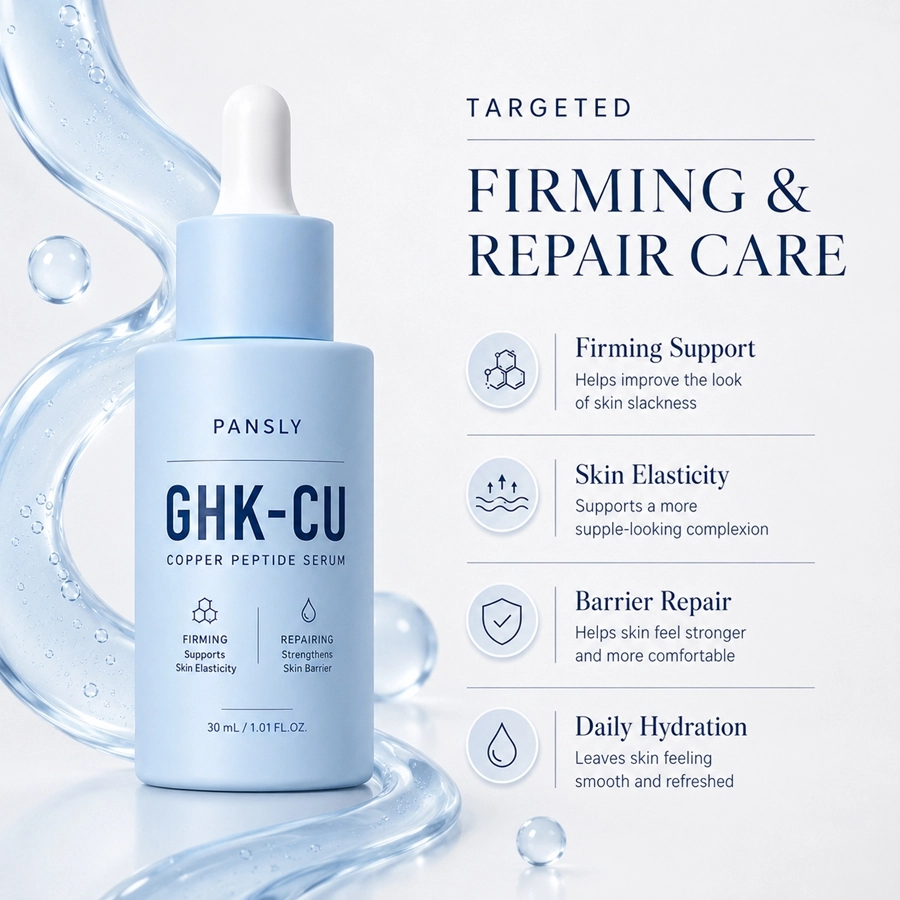
Get in Touch with us
If you have any comments or good suggestions, please leave us a message; later our professional staff will contact you as soon as possible.
Click here to customize the Beauty
we respond within a few hours
Monday–Friday, 9AM–6PM
3A01, Building A, Zhisheng Square, No. 4 Zhifu Road, Helong Street, Baiyun District, Guangzhou, China.


Leave a request, and we'll email you back within 24 hours.
© 2026 Beyond Basix. All Rights Reserved.
