
Is Beef Tallow Becoming a Premium Skincare Ingredient Again?
Quick Answer
Beef tallow is becoming a High Quality skincare option again, particularly for minimalist, barrier-focused balm concepts, but it is not automatically superior to modern emollients. A ghk-cu beef tallow balm requires careful assessment of tallow refinement, copper peptide compatibility, oxidation risk, packaging, and target-market regulations. Beyond Basix can support formulation and OEM/ODM evaluation, while final solutions depend on project goals, testing, and site conditions.
How Beyond Basix Supports Projects
Beyond Basix Cosmetics applies more than 23 years of cosmetics manufacturing experience and 12 years of effective-ingredient skincare development to tallow-based balm projects. Its OEM/ODM support can address concept refinement, ingredient selection, texture development, packaging coordination, production planning, and quality-control requirements. The company operates a 12,000-square-meter facility with a 100,000-level GMPC pharmaceutical-grade dust-free workshop and 12 production lines.
Buyers should confirm the intended market, tallow specification, copper peptide form, target texture, packaging format, claim strategy, and required testing scope before quotation. MOQ, lead time, testing scope, and pricing must be confirmed for each project. Beyond Basix holds certifications and documentation including ISO 9001, GMP, HALAL, CE, and MSDS according to the applicable product and project requirements.
Discuss Your Beef Tallow Balm OEM/ODM Project
Share your target market, product format, preferred tallow positioning, ghk-cu or copper peptide concept, packaging type, expected order volume, and claim requirements. The project discussion can then cover suitable formulation routes, sample stages, stability assessment, compliance documentation, MOQ, lead time, and bulk production planning. Visit www.beyondbasixcosmetics.com or email Lily@lanthome.com to discuss your brief.
Deep-Dive FAQs
Can beef tallow support a premium ghk-cu balm positioning?
Yes, but premium positioning should be based on controlled specifications and a credible product rationale rather than the ingredient’s novelty. Tallow is a lipid-rich material containing triglycerides and fatty acids, with composition influenced by source, rendering, refining, and deodorization. For a copper peptide balm, the formula should define the tallow grade, odor profile, color range, purity expectations, and oxidation controls. The brand should also explain the product’s sensory and barrier-support concept without implying that tallow or copper tripeptide-1 treats disease. Premium value is more defensible when traceability, reproducible texture, packaging protection, and substantiated claims are addressed together.
Is beef tallow suitable for sensitive-skin private-label formulations?
It can be suitable for some sensitive-skin concepts, but suitability must be demonstrated rather than assumed. Sensitive-skin positioning depends on the complete formula, including fragrance, essential oils, preservatives, colorants, impurities, and the level of potentially irritating actives. Refined tallow may provide an occlusive, cushion-like feel, yet an occlusive balm can feel heavy or uncomfortable for certain users. Development should include ingredient review, dermatological safety planning where appropriate, preservative or microbiological evaluation, and clear directions for use. Avoid broad hypoallergenic or sensitive-skin claims unless the finished product has appropriate substantiation for the intended market.
How should ghk-cu be stabilized in tallow balm?
Copper tripeptide-1, commonly associated with the GHK-Cu concept, requires compatibility review within the full formula rather than simple addition to an anhydrous balm. The developer should confirm the ingredient’s supplier specifications, recommended pH environment, solubility or dispersion method, heat exposure limits, light sensitivity, and compatibility with antioxidants and packaging. Tallow is mainly oil-based, while many peptide materials are supplied in water-compatible systems, so direct incorporation may create dispersion, uniformity, or stability challenges. A practical development program compares suitable delivery formats, processing temperatures, mixing order, assay or identity testing, and accelerated and real-time stability results before commercial claims are finalized.
What testing verifies oxidation and microbial safety in tallow?
Oxidation assessment should reflect the material’s animal-fat character and the product’s expected shelf life. Useful controls may include acid value, peroxide value, sensory odor monitoring, color observation, and additional secondary-oxidation testing when justified by the formulation and laboratory method. Anhydrous products generally have lower microbial growth potential than emulsions, but they are not automatically risk-free; water activity, raw-material contamination, manufacturing hygiene, and consumer use can affect risk. The finished balm should undergo an appropriate microbiological quality program, while water-containing versions may require preservative efficacy testing such as ISO 11930 methodology. Acceptance criteria must be agreed with the responsible quality and regulatory teams.
Does tallow comedogenicity limit premium skincare market acceptance?
Comedogenicity cannot be predicted reliably from a single ingredient label or a universal rating chart. Consumer response depends on concentration, the complete lipid system, application amount, skin type, climate, cleansing habits, and individual susceptibility. Tallow-based balms may be attractive for dry-skin or barrier-oriented routines, but a rich film can be less suitable for acne-prone consumers who prefer lighter textures. Product teams should select the intended user carefully, avoid unsupported non-comedogenic claims, and assess the finished formula through relevant safety or consumer-use testing. Texture optimization can involve changing the oil balance, wax structure, and application dose rather than rejecting tallow automatically.
Which packaging protects copper peptide tallow balm performance?
Packaging should limit exposure to oxygen, light, heat, and repeated contamination while matching the balm’s viscosity and filling process. An airless pack may reduce direct air exchange, whereas a jar can introduce more oxygen and user contact during repeated opening. The correct option depends on fill behavior, formula firmness, dose, closure performance, compatibility, and the intended market’s recycling or regulatory expectations. For copper peptide and tallow systems, packaging compatibility testing should examine color, odor, texture, leakage, component interaction, and stability over the proposed shelf-life period. The final pack should be selected from evidence generated with the actual formula, not from appearance or marketing preference alone.
Related Articles for Private Label Cosmetics
Why Two Mineral Sunscreens With the Same SPF Can Feel Completely Different
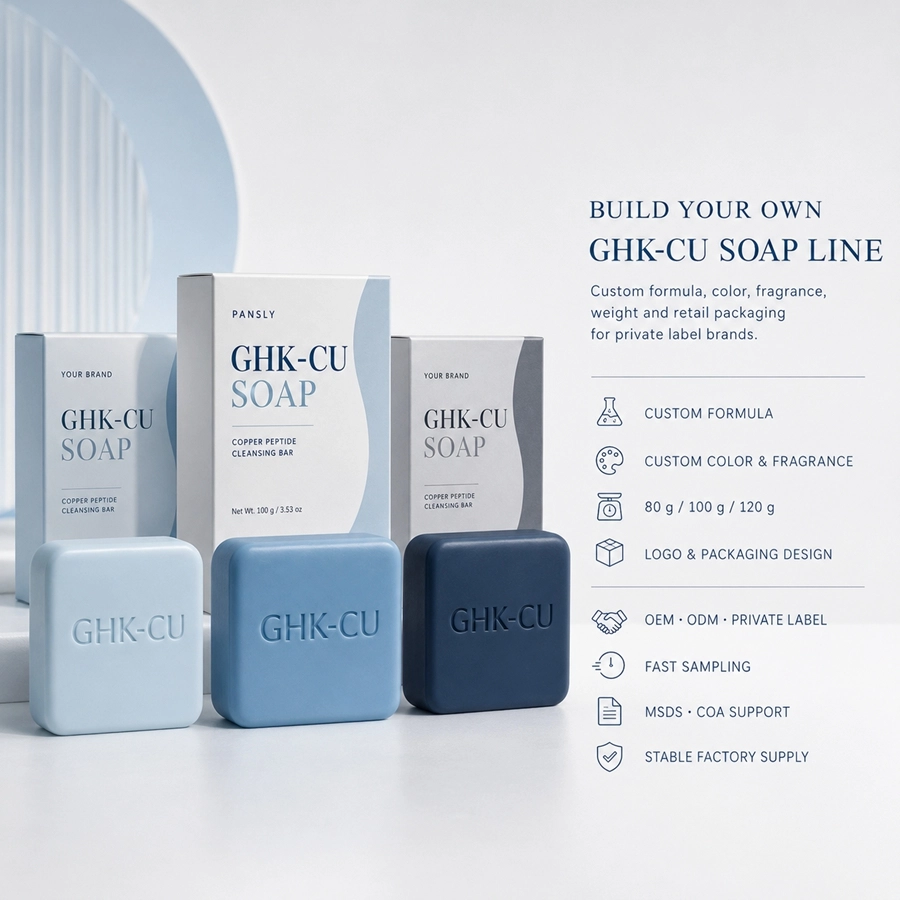
Beyond Ordinary Tallow Balm: How GHK-Cu and SNAP-8 Create a Different Skincare Story
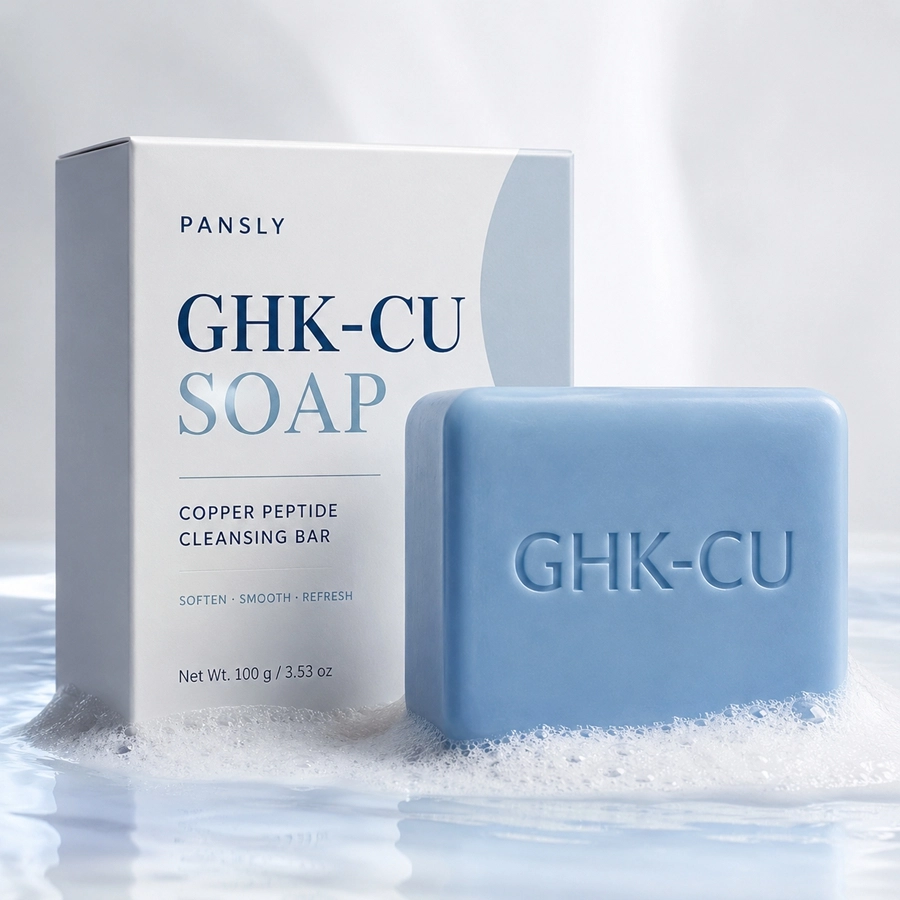
When Blue Copper Peptides Meet Beef Tallow: A New Direction for Premium Skincare
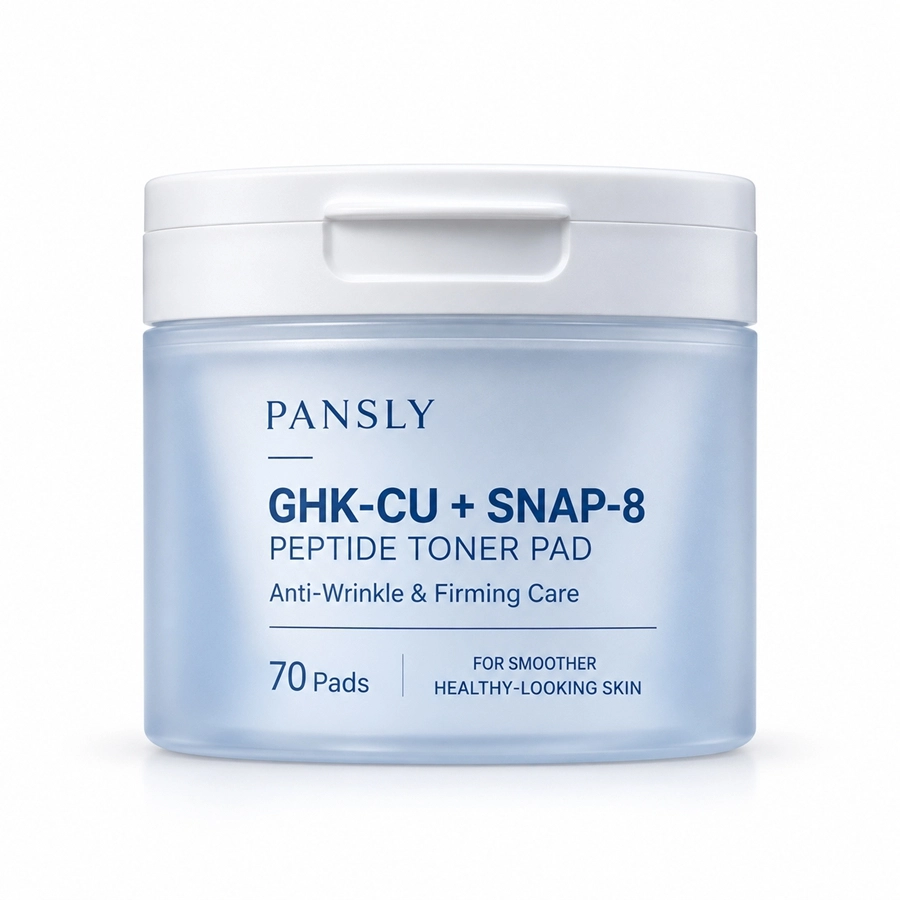
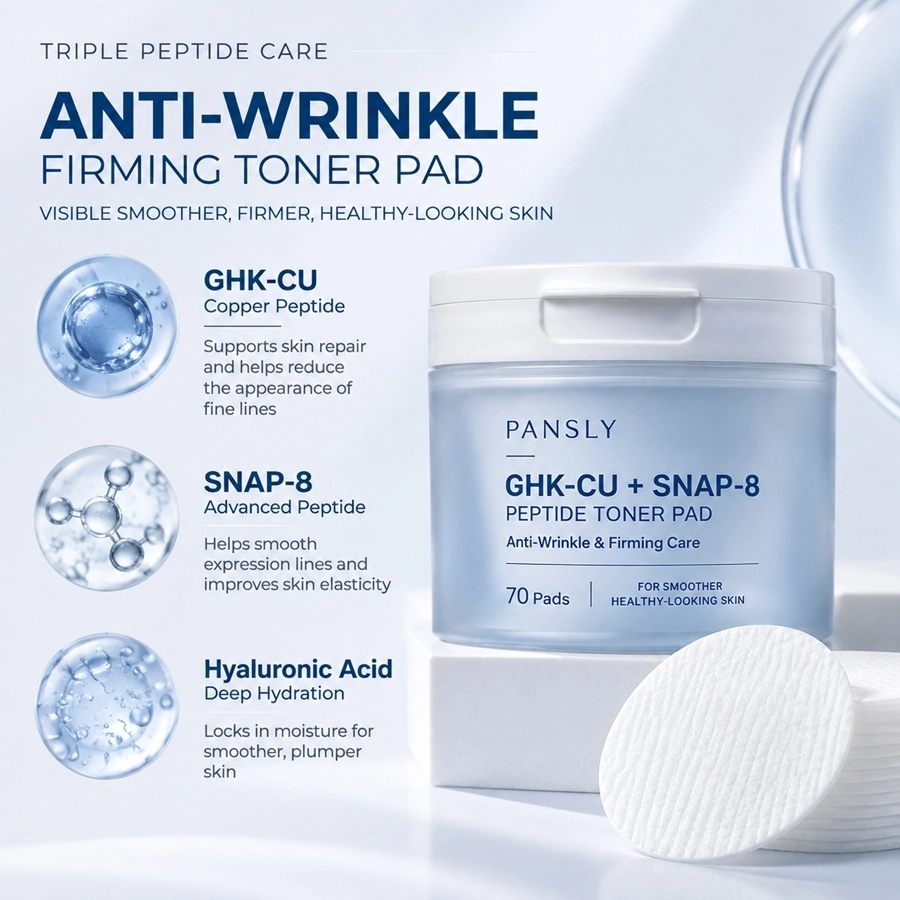
PDRN Toner Pads vs GHK-Cu + SNAP-8 Peptide Toner Pads: Private Label Manufacturing Decisions
You May Also Like
Get in Touch with us
If you have any comments or good suggestions, please leave us a message; later our professional staff will contact you as soon as possible.
Click here to customize the Beauty
we respond within a few hours
Monday–Friday, 9AM–6PM
3A01, Building A, Zhisheng Square, No. 4 Zhifu Road, Helong Street, Baiyun District, Guangzhou, China.


Leave a request, and we'll email you back within 24 hours.
© 2026 Beyond Basix. All Rights Reserved.
