
Is NAD+ Strong Enough to Anchor a Premium Skincare Collection?
Quick Answer
NAD+ can anchor a High Quality skincare collection, but its commercial strength depends on evidence, formulation stability, claim boundaries, and consumer positioning rather than the ingredient name alone. A nad+ peptide serum should be assessed through ingredient form, assay method, packaging, target claims, and stability data. Beyond Basix can align formulation and manufacturing routes, while final solutions depend on the project brief, testing, and market requirements.
How Beyond Basix Supports Projects
Beyond Basix Cosmetics Ltd. supports skincare OEM/ODM projects through custom formulation, product development, and manufacturing within its 12,000-square-meter facility. Its experience developing effective-ingredient skincare can help brands evaluate peptide combinations, dosage strategy, texture, packaging compatibility, and the intended High Quality positioning of a NAD+-focused collection.
Buyers should confirm the target market, ingredient specifications, claim language, packaging format, batch size, stability protocol, and required documentation before development begins. MOQ, lead time, testing scope, and quotation must be confirmed for each project. Manufacturing is supported by a 100,000-level GMPC pharmaceutical-grade dust-free workshop, 12 production lines, and documented certifications including ISO 9001 and GMP.
Discuss Your NAD+ Skincare Collection
Share your target market, product range, desired claims, serum texture, preferred packaging, expected order volume, and launch schedule. These details allow suitable formulation routes, sample stages, testing requirements, and production planning to be discussed with greater accuracy. Visit www.beyondbasixcosmetics.com or email Lily@lanthome.com to begin a project-specific NAD+ collection discussion.
Deep-Dive FAQs
Can topical NAD+ support a premium anti-aging product claim?
It can support a product concept, but the ingredient alone does not establish an anti-aging claim. NAD+ is a naturally occurring coenzyme involved in cellular redox reactions and energy metabolism, yet topical cosmetic performance depends on delivery, concentration, formula environment, skin exposure, and study design. Brands should distinguish ingredient-function language from finished-product efficacy claims. In the European Union, cosmetic claims must comply with the common criteria in Regulation (EU) No 655/2013, including truthfulness, evidential support, and fairness. In the United States, claims implying treatment of disease or alteration of physiological structure may move a product into drug territory. A responsible launch plan therefore pairs instrumental testing, user or clinical evaluation where appropriate, and jurisdiction-specific regulatory review rather than relying on NAD+ terminology.
Which NAD+ form belongs in a stable peptide serum?
There is no universally correct NAD+ form for every serum. The development question is whether the selected NAD-related material has a suitable specification, purity profile, aqueous compatibility, pH tolerance, and validated assay in the finished formula. NAD+, nicotinamide riboside, nicotinamide mononucleotide, and niacinamide are chemically distinct materials and should not be presented as interchangeable actives. A supplier specification should identify the exact INCI designation, assay or purity method, residual solvents where relevant, microbiological limits, storage conditions, and traceability. The formulator should then run compatibility screening with the peptide system, preservatives, chelators, humectants, and antioxidants. Marketing should name the actual cosmetic ingredient used, because substituting a more familiar vitamin B3 ingredient while implying equivalent NAD+ performance creates both technical and claim-compliance risk.
How should brands test NAD+ serum stability before launch?
Stability work should measure the finished product, not only the raw material. A practical protocol compares appearance, odor, color, pH, viscosity, microbiological quality, preservative performance where applicable, and the active assay at defined intervals under selected temperature, light, and humidity conditions. NAD+ or its chosen NAD-related material should be quantified with a suitably validated chromatographic method, such as HPLC or UPLC, when the method is demonstrated to be fit for purpose. Peptide integrity may require a separate analytical approach because degradation products and aggregation behavior differ by sequence. Samples should be tested in the final primary package, with stress studies used to identify failure mechanisms rather than to predict an exact shelf life. Acceptance criteria, sampling points, and any accelerated-to-real-time interpretation must be agreed before testing begins.
Does NAD+ improve results beyond familiar peptide actives?
That cannot be assumed from biochemical relevance or a compelling ingredient story. Peptides vary widely: signal peptides, carrier peptides, and enzyme-inhibitory sequences have different proposed mechanisms and evidence levels. NAD+ also has a different biological role from a cosmetic peptide, so combining them does not automatically produce additive or synergistic skin benefits. A credible comparison uses the complete finished formulas, matched vehicle design, predefined endpoints, and an appropriate control. Depending on the claim, endpoints might include hydration, transepidermal water loss, wrinkle appearance, elasticity, or image-based grading; the method and statistical plan should be documented. If no head-to-head data exist, position the collection around complementary functions and measured consumer benefits rather than claiming that NAD+ outperforms established peptide technologies.
What packaging protects oxidation-sensitive NAD+ formulas during distribution?
Packaging selection should follow measured sensitivity, not a generic premium appearance brief. Air exposure, light transmission, repeated opening, headspace, dispensing geometry, and container-material interaction can influence an aqueous active formula during transport and consumer use. Opaque or light-protective packaging may be appropriate when photostability data show a meaningful risk, while airless dispensing can reduce repeated air exchange compared with a wide-mouth jar. Compatibility testing should examine adsorption, extractables and leachables where relevant, pump functionality, leakage, weight loss, and active recovery from the package. Distribution simulation and in-use testing are valuable because a formula can pass sealed accelerated storage but fail after repeated consumer dispensing. The final pack should be selected only after formula-package compatibility and stability results are reviewed together.
How can OEM teams price a NAD+ collection responsibly?
A responsible quotation separates formula complexity from ingredient prestige. Cost drivers can include the exact active specification, peptide grade and dosage, analytical method, pilot batches, stability and efficacy studies, primary packaging, decoration, filling process, documentation, order volume, and market-specific compliance work. A three-product collection may also require separate compatibility and stability evidence rather than one shared assumption. Buyers should request a transparent development scope that distinguishes one-time charges from per-unit costs and identifies what is included in sampling, testing, artwork support, and production. MOQ and lead time can change when a special pump, custom mold, imported component, or additional release testing is required. Pricing should therefore be finalized after the formula brief, package choice, target market, batch size, and testing plan are fixed.
Related Articles for Private Label Cosmetics

Why Two Mineral Sunscreens With the Same SPF Can Feel Completely Different

Beyond Ordinary Tallow Balm: How GHK-Cu and SNAP-8 Create a Different Skincare Story

When Blue Copper Peptides Meet Beef Tallow: A New Direction for Premium Skincare

PDRN Toner Pads vs GHK-Cu + SNAP-8 Peptide Toner Pads: Private Label Manufacturing Decisions
You May Also Like
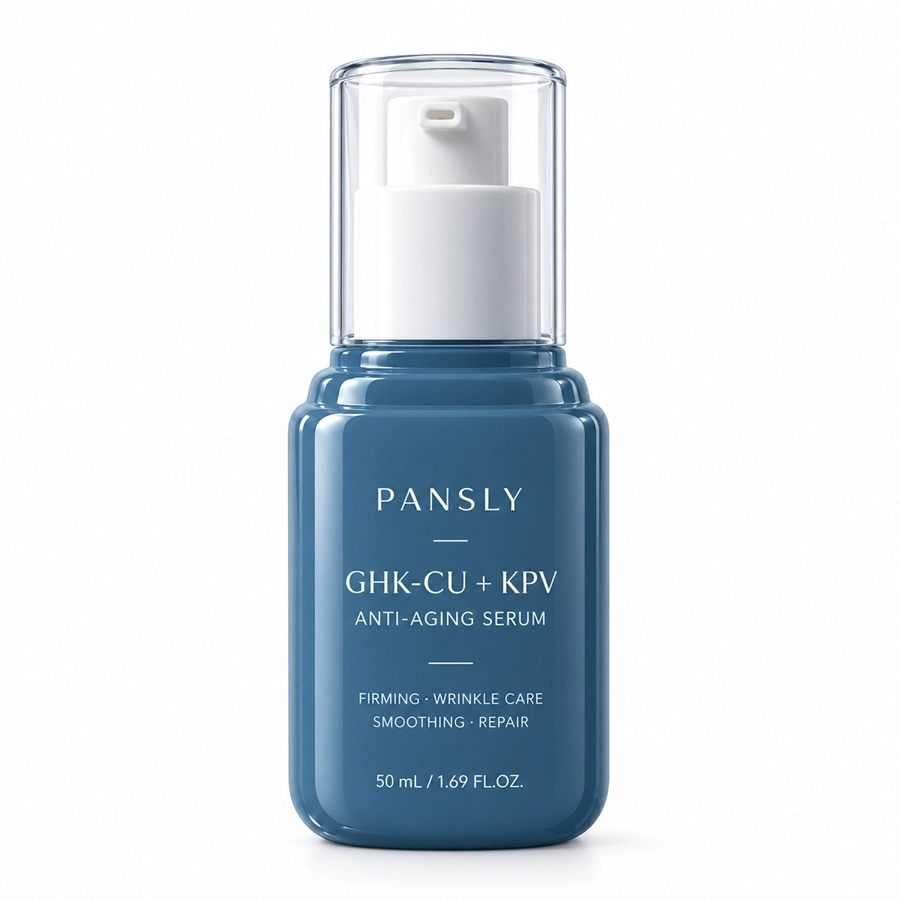
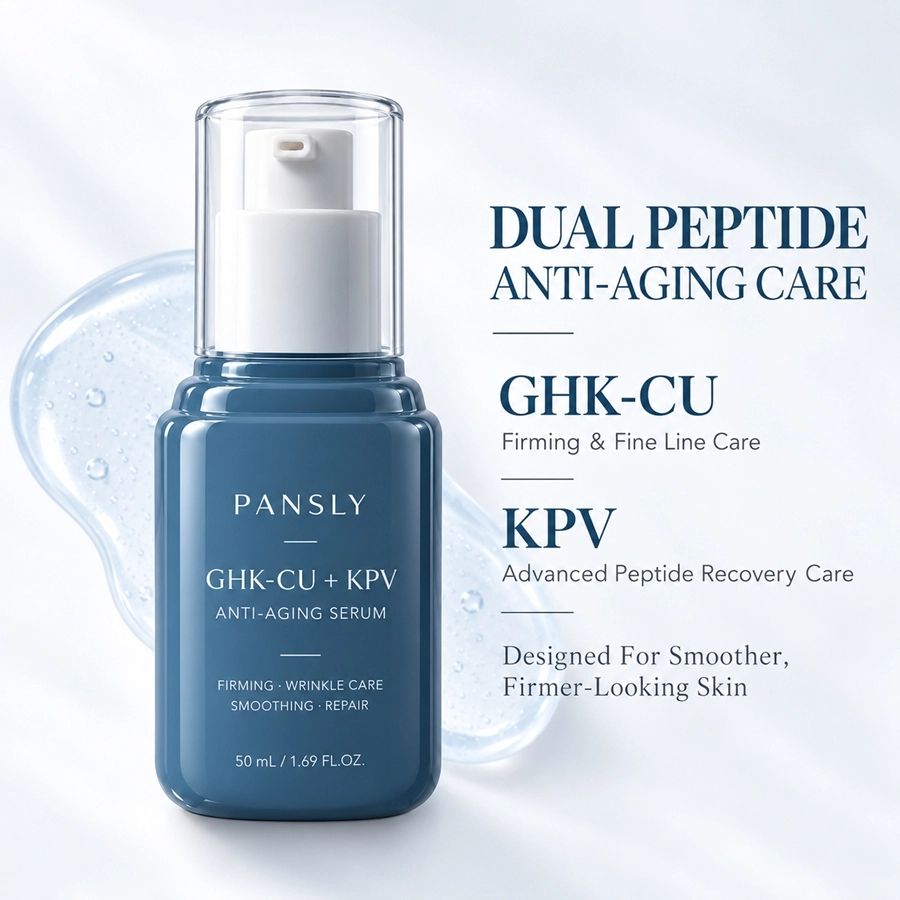
GHK-Cu KPV serum for skin is a private-label peptide face serum formulated for a firming, smoothing routine. This GHK-CU KPV Serum is positioned for wrinkle care and skin repair, making it a practical addition to an anti-aging skincare range.
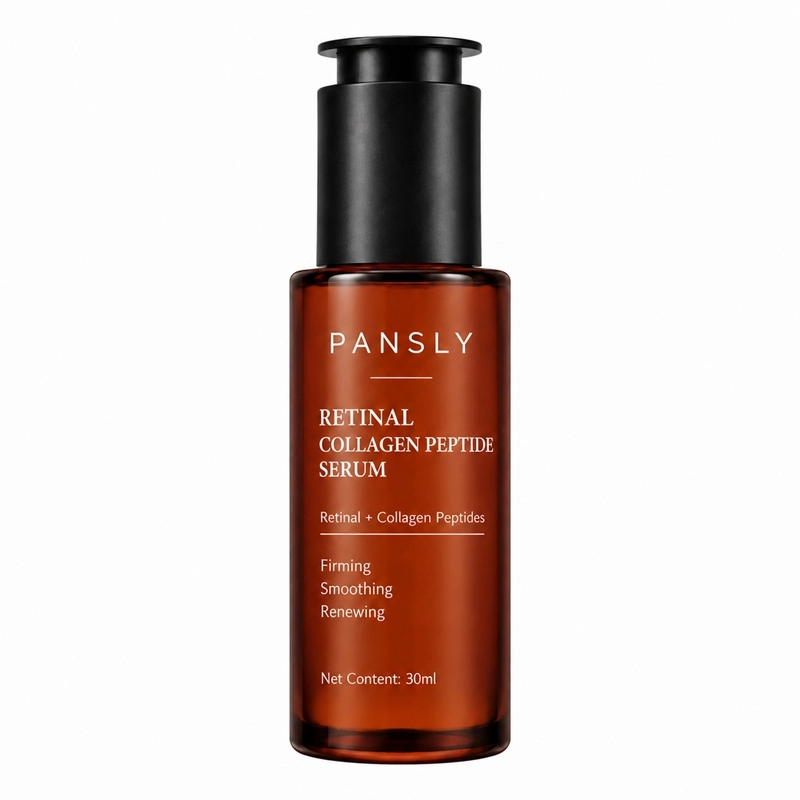
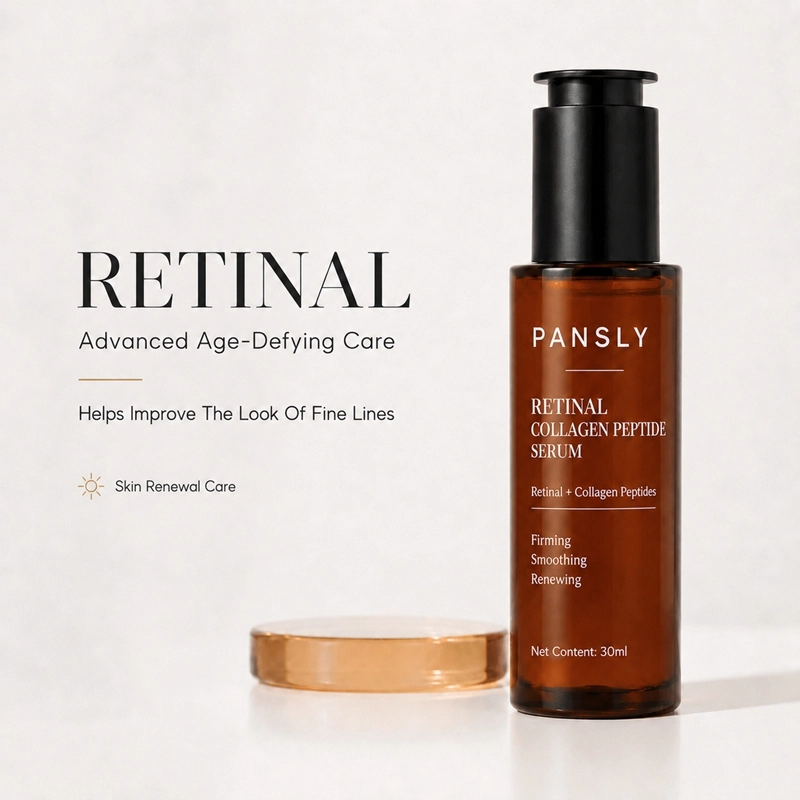
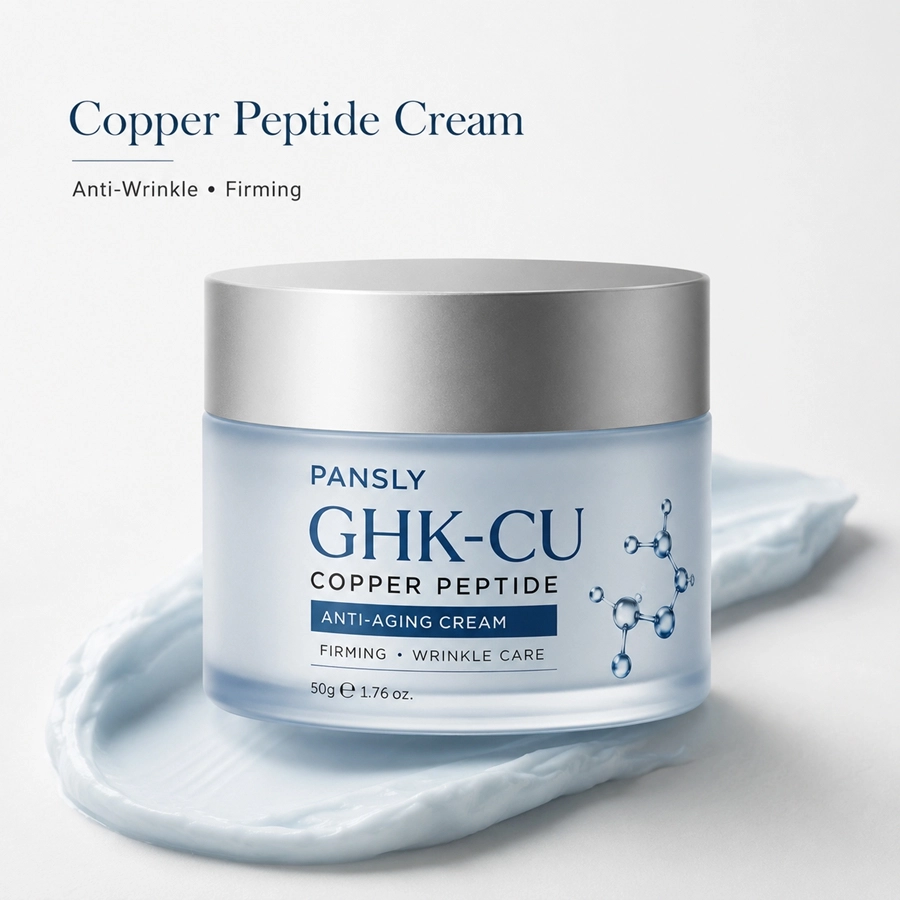
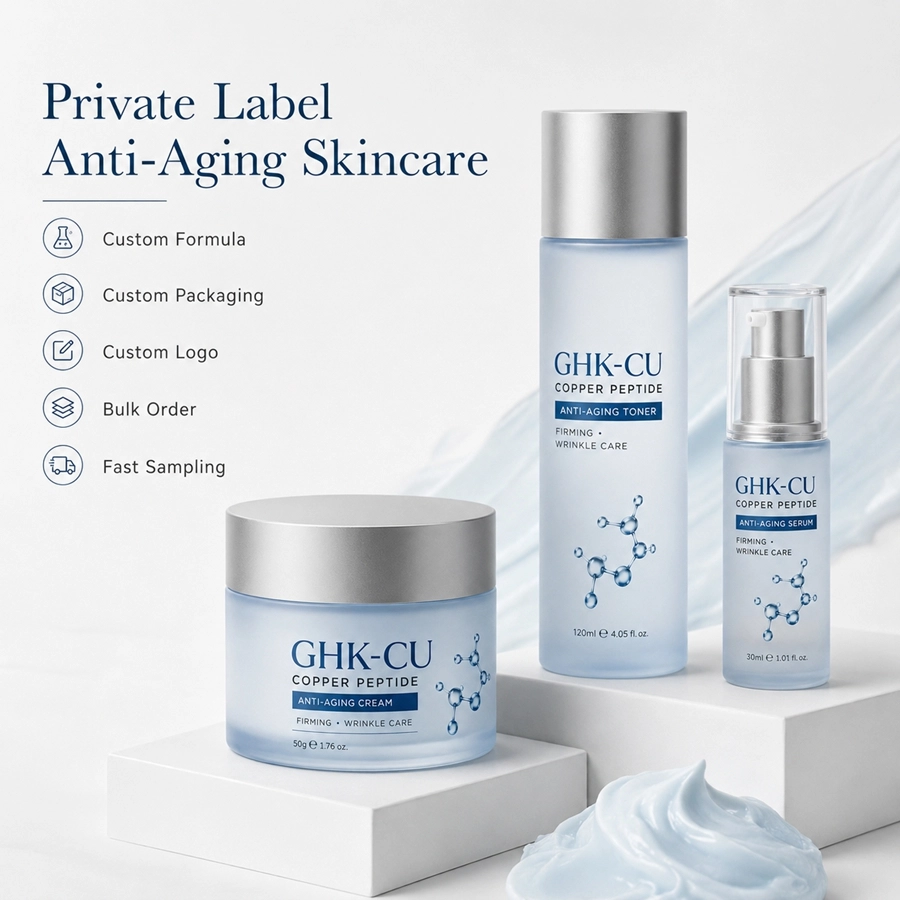
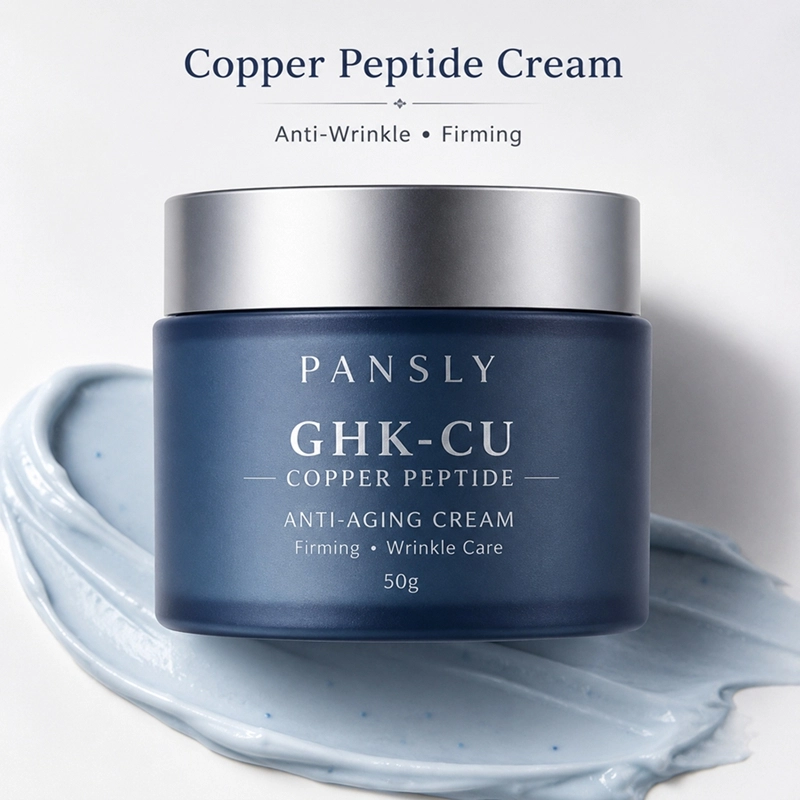
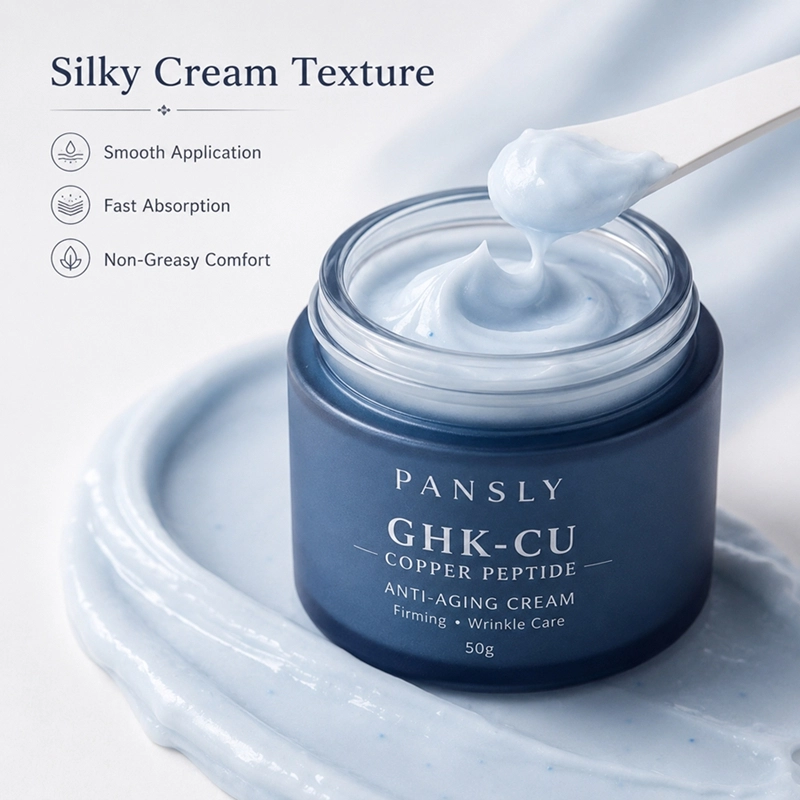
GHK-Cu Face Cream, a copper peptide anti-aging formula, hydrates deeply and supports skin barrier repair. Private label available for bulk orders, giving brands a ready-to-sell moisturizer with a blue copper peptide base for smoother-looking skin.
Get in Touch with us
If you have any comments or good suggestions, please leave us a message; later our professional staff will contact you as soon as possible.
Click here to customize the Beauty
we respond within a few hours
Monday–Friday, 9AM–6PM
3A01, Building A, Zhisheng Square, No. 4 Zhifu Road, Helong Street, Baiyun District, Guangzhou, China.


Leave a request, and we'll email you back within 24 hours.
© 2026 Beyond Basix. All Rights Reserved.
