Quick Answer
The product story behind a nad+ peptide serum typically connects cellular-energy ingredient interest with peptide-based skin-conditioning and anti-aging positioning. For an OEM/ODM project, the critical decisions are ingredient identity, concentration, peptide compatibility, stability, packaging, and permitted claims. Beyond Basix can help evaluate suitable development routes, but the final solution depends on the project brief, testing, and target-market requirements.
How Beyond Basix Supports Projects
Beyond Basix develops skincare products with effective ingredients and provides OEM/ODM support through its research, production, and sales operations. Its 12,000-square-meter facility includes a 100,000-level GMPC pharmaceutical-grade dust-free workshop and 12 production lines. These resources can support discussions around serum format, ingredient selection, production planning, and brand-specific presentation.
The company has more than 23 years of cosmetics manufacturing experience, including 12 years focused on effective-ingredient skincare development. Buyers should confirm the NAD+ source and specification, peptide system, packaging format, target market, claim direction, sample requirements, and documentation. MOQ, lead time, testing scope, and quotation must be confirmed for each project.
Discuss Your NAD+ Peptide Serum Project
Share your target market, brand positioning, preferred bottle or dispenser, desired texture, ingredient direction, estimated order volume, and required certifications or documents. The development discussion can then cover suitable formulation options, sample steps, packaging coordination, claim review, and production planning. Visit www.beyondbasixcosmetics.com or email Lily@lanthome.com to discuss a project-specific pathway.
Frequently Asked Questions
What does NAD+ contribute to a peptide serum product story?
Nicotinamide adenine dinucleotide, commonly called NAD+, is a naturally occurring coenzyme involved in cellular oxidation-reduction reactions and energy metabolism. In a topical product story, it should be presented as an ingredient supporting a research-led skin vitality concept rather than as proof of increased cellular NAD+ in living skin. Formulators also need to distinguish NAD+ from related ingredients such as niacinamide and nicotinamide riboside because they are chemically different materials with different technical and regulatory considerations. A credible brief records the exact INCI name, supplier documentation, intended concentration, assay information, and storage requirements before marketing language is drafted.
How should brands substantiate NAD+ skincare positioning before launch?
Start with a claims matrix that separates cosmetic appearance claims from biological or medical implications. Expressions such as smoother-looking skin or improved-feeling hydration may be evaluated differently from claims about repairing DNA, restoring cellular energy, or reversing aging. The European Commission notes that cosmetic claims require adequate and verifiable evidence under the common criteria for cosmetic claims, while other markets apply their own rules. Evidence may include raw-material documentation, formula stability data, instrumental or expert assessment, consumer perception work, and safety substantiation, depending on the proposed wording and market. The claim should be narrower than the evidence, not broader.
Which peptide and NAD+ compatibility checks matter during formulation?
Compatibility is not established simply because two active ingredients appear together in a supplier brochure. The development team should assess pH, water activity, preservative system, ionic strength, processing temperature, mixing order, and container interaction. Peptides may be sensitive to hydrolysis, oxidation, adsorption, or unsuitable pH conditions, while co-ingredients can alter solubility and preservative performance. A practical screening plan compares the complete formula with relevant controls and monitors appearance, odor, pH, viscosity, assay or marker levels where validated, and microbiological quality. The final choice should follow data from the actual formula, not assumptions based on single-ingredient behavior.
What stability evidence should private label buyers request?
Buyers should request a stability protocol that identifies storage conditions, test intervals, sample packaging, acceptance criteria, and the measured attributes. Useful observations can include color, odor, phase separation, viscosity, pH, microbial results, container integrity, and active-ingredient or marker retention when a suitable analytical method exists. Accelerated stability can help identify risks during development, but it does not automatically establish the full shelf life under every distribution condition. The evidence should represent the commercial formula and final pack, because a laboratory sample in a different container cannot fully predict the behavior of the finished retail product.
How do packaging choices affect NAD+ serum performance?
Packaging influences exposure to oxygen, light, contamination, evaporation, and repeated consumer handling. Airless systems, pumps, droppers, and opaque containers each create different dosing, compatibility, and usability considerations; none should be selected solely for appearance. The buyer should assess the formula's sensitivity, closure performance, material compatibility, fill volume, dose consistency, and consumer instructions. Container-closure testing and stability observation in the intended pack can reveal issues such as leakage, discoloration, adsorption, or pump failure. Packaging claims should also remain accurate: a dark bottle may reduce light exposure, but it does not prove complete protection from degradation.
Which claims and tests support compliant international market entry?
Market entry begins with the destination country's cosmetic definition, ingredient restrictions, labeling rules, responsible-person obligations, and claims framework. A claim accepted in one jurisdiction may be restricted or interpreted as therapeutic in another. The technical file commonly needs formula and ingredient information, manufacturing details, safety-related documentation, specifications, and evidence supporting claims, with exact requirements varying by market. Buyers should request current supplier documents such as INCI information, safety data, allergen or impurity information where applicable, and batch-related specifications. Beyond Basix holds ISO 9001, CE, MSDS, GMP, HALAL, and other certifications or documents, but the relevance and acceptance of each must be confirmed for the target market and product.
Related Articles for Private Label Cosmetics
Why Two Mineral Sunscreens With the Same SPF Can Feel Completely Different
Beyond Ordinary Tallow Balm: How GHK-Cu and SNAP-8 Create a Different Skincare Story
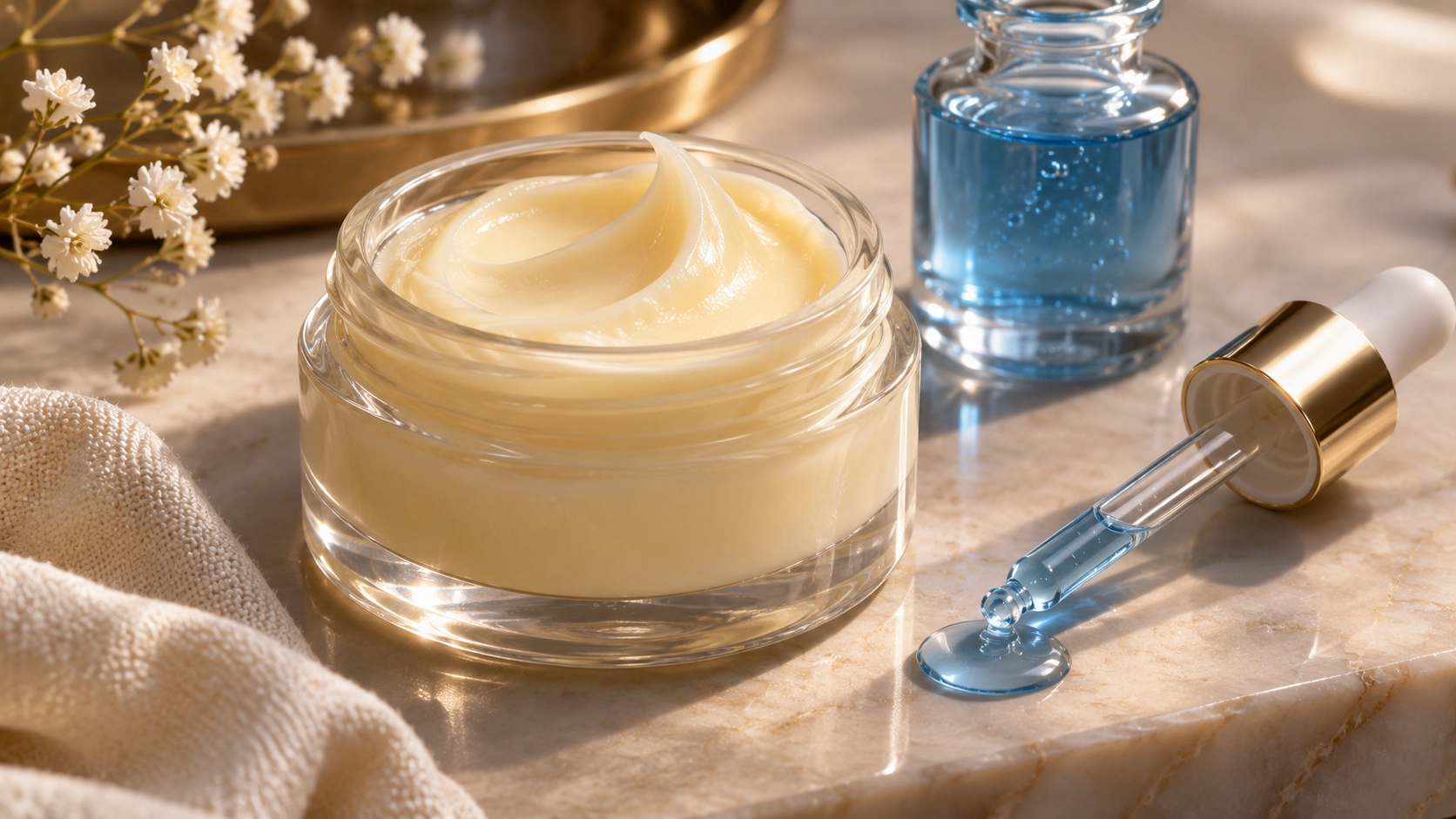
When Blue Copper Peptides Meet Beef Tallow: A New Direction for Premium Skincare
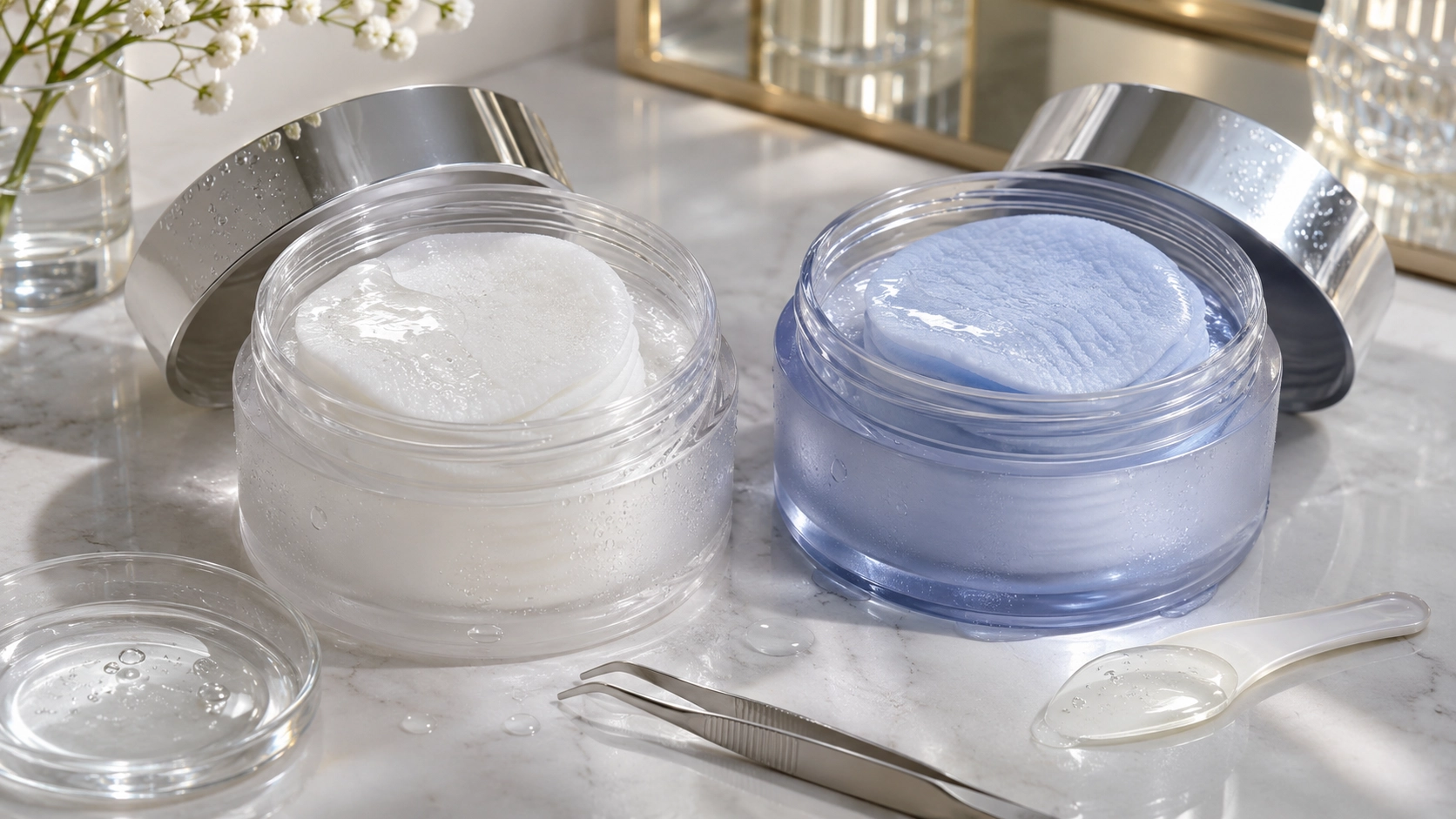
PDRN Toner Pads vs GHK-Cu + SNAP-8 Peptide Toner Pads: Private Label Manufacturing Decisions
You May Also Like
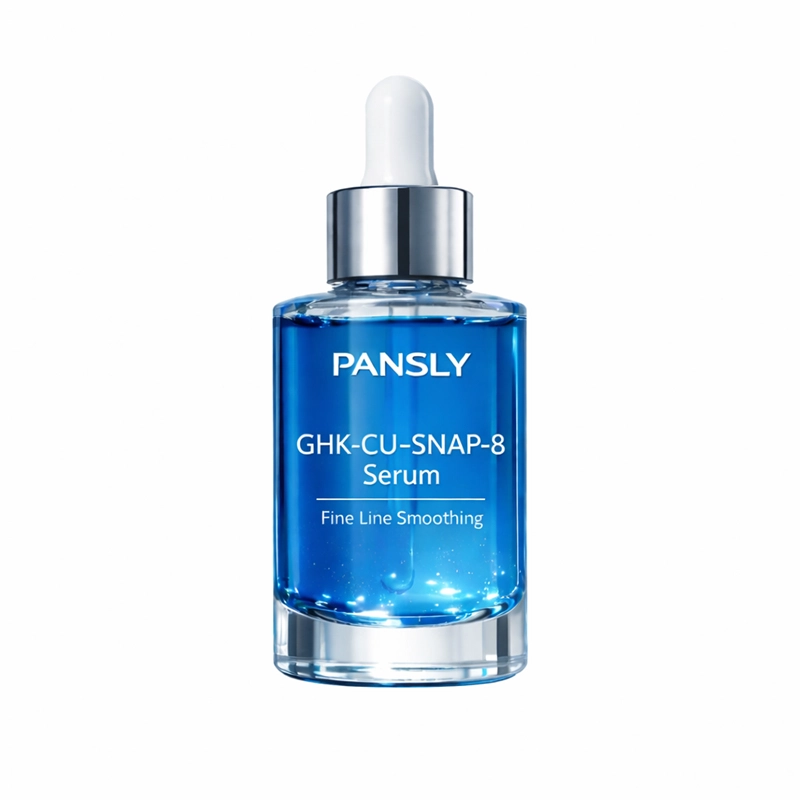
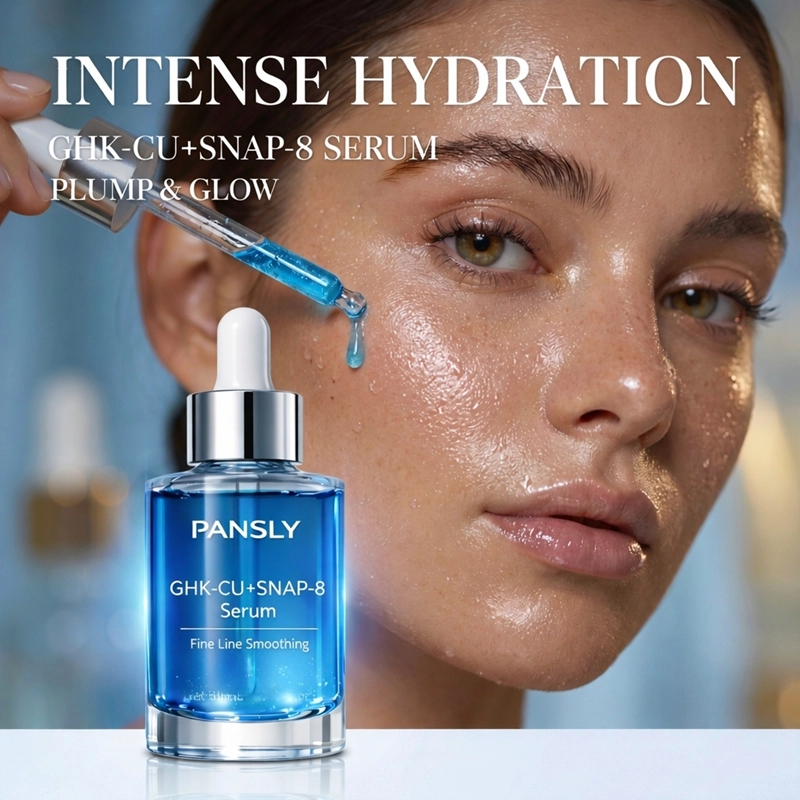
This Pansly GHK-CU + SNAP-8 Fine Line Smoothing Serum features premium dual-peptide complex formula to deliver multi-dimensional anti-aging skincare.
Formulated with two star peptide actives: GHK-CU Copper Peptide lifts sagging skin, boosts collagen production and enhances skin elasticity for firmer contour; SNAP-8 Anti-Wrinkle Peptide visibly smooths fine lines and wrinkles to fade expression creases. Complemented with Panthenol and Hyaluronic Acid, it provides soothing care and deep long-lasting hydration, revitalizing dull skin to restore a youthful radiant glow.
Lightweight watery texture absorbs quickly without sticky residue, suitable for daily anti-aging maintenance of all skin types.
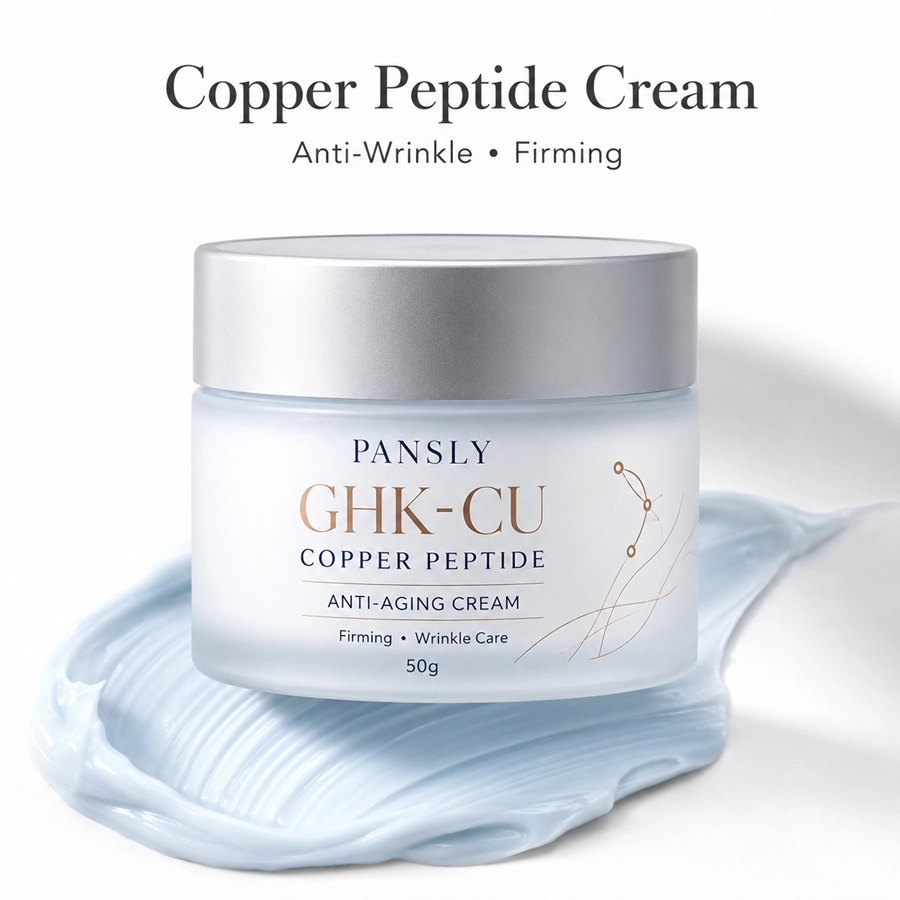
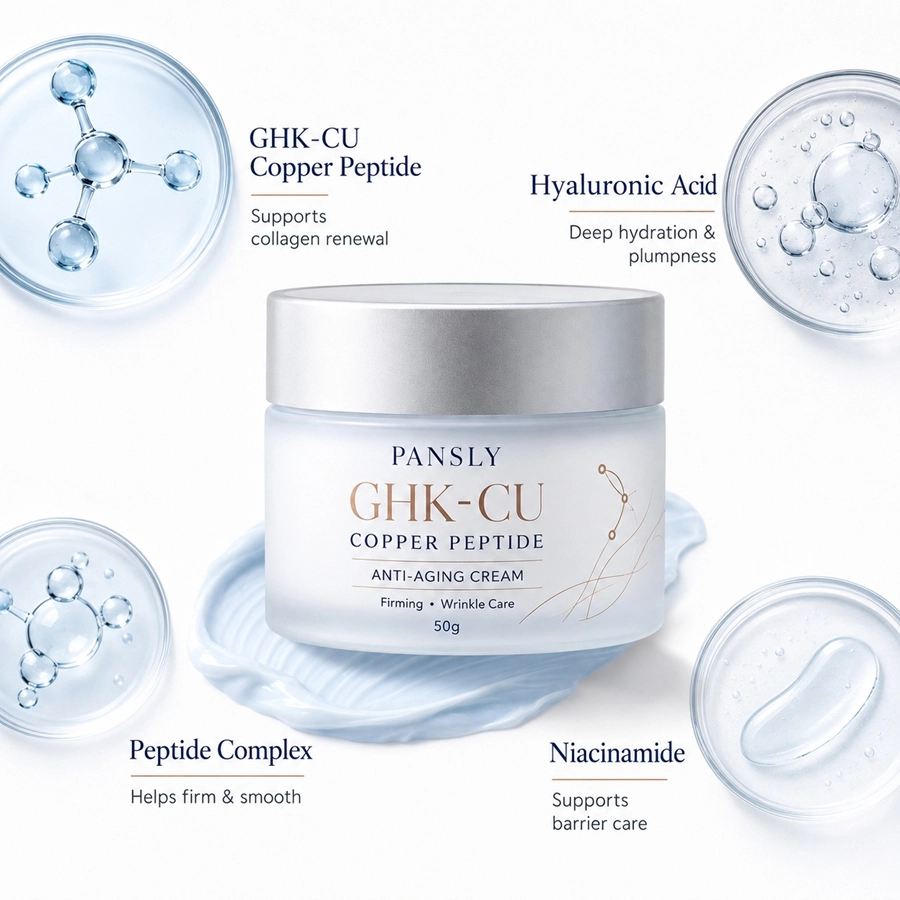
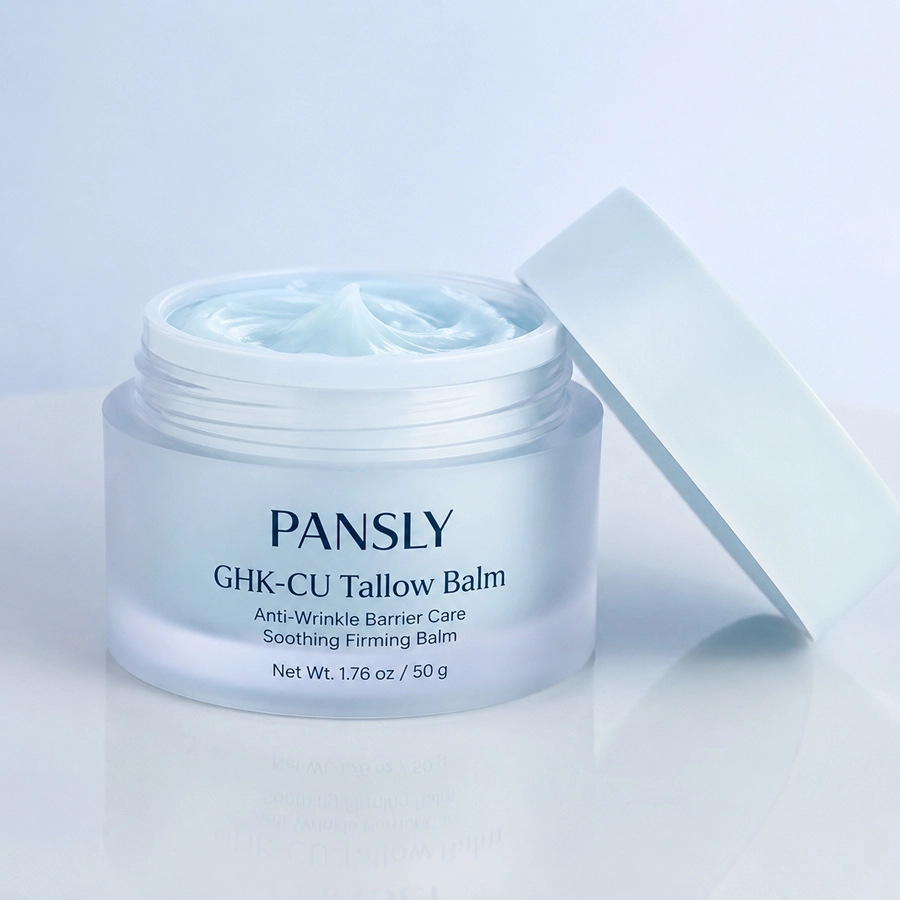
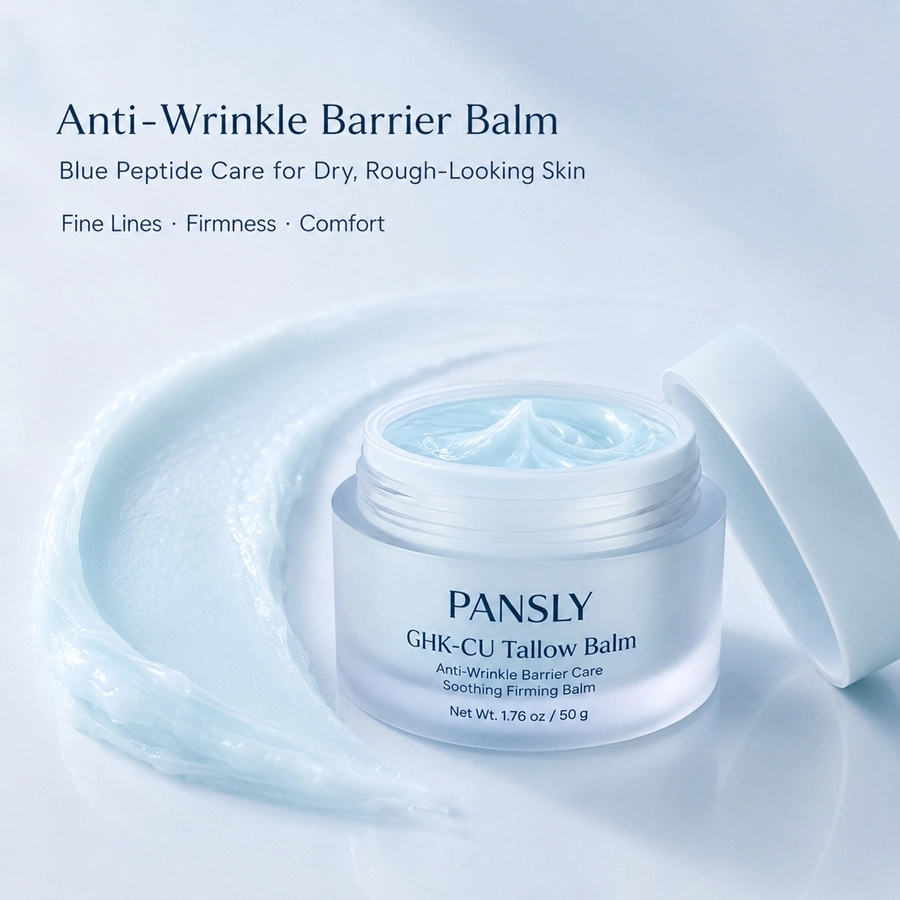
This Pansly GHK-CU + SNAP-8 Grass-Fed Tallow Anti-Wrinkle Barrier Balm is dual-peptide nourishing anti-wrinkle balm, specially developed for dry, rough textured skin, targeting fine lines, sagging contours and weakened skin barrier. Full OEM & ODM private label support is offered, including formula customization, packaging selection, fast sampling and bulk supply.
Five core premium active ingredients work synergistically for multi-dimensional skin care:
GHK-CU Copper Peptide lifts and firms loose skin to boost skin tightness and smooth fine lines;
SNAP-8 Peptide softens expression lines to reduce wrinkle visibility;
Grass-Fed Tallow delivers rich lipid nourishment to relieve persistent dry flaky rough skin;
Ceramide NP reconstructs skin moisture barrier to enhance skin comfort and resilience;
Squalane melts lightly into skin to provide silky long-lasting hydration.
Luxury rich light blue cushion balm texture glides smoothly and absorbs quickly without heavy greasy residue. Daily use improves dry rough texture, blurs dry fine lines, lifts saggy skin and stabilizes skin barrier, leaving skin soft, calm and smooth with healthy supple glow.
Get in Touch with us
If you have any comments or good suggestions, please leave us a message; later our professional staff will contact you as soon as possible.
Click here to customize the Beauty
we respond within a few hours
Monday–Friday, 9AM–6PM
3A01, Building A, Zhisheng Square, No. 4 Zhifu Road, Helong Street, Baiyun District, Guangzhou, China.


Leave a request, and we'll email you back within 24 hours.
© 2026 Beyond Basix. All Rights Reserved.