
NAD+ Serum vs Copper Peptide Serum: How Should Brands Position Them Differently?
Quick Answer
NAD+ peptide serum positioning should focus on cellular-energy science and antioxidant-support language, while copper peptide serum positioning is better aligned with skin-conditioning, repair-support, and visible firmness narratives. Beyond Basix can help assess active selection, concentration, stability, packaging compatibility, claim boundaries, and target-market requirements. Final solutions depend on the specific project brief, testing plan, regulatory market, and site conditions.
How Beyond Basix Supports Projects
Beyond Basix Cosmetics Ltd. provides OEM/ODM skincare development supported by 23 years in cosmetics research, production, and sales. For this category, relevant work can include custom formula direction, active compatibility review, packaging coordination, production planning, and quality-control documentation. These steps help brands separate a NAD+ concept from a copper peptide concept rather than presenting both as interchangeable anti-aging products.
Buyers should confirm the target market, desired texture, active system, packaging format, claim strategy, testing scope, and forecasted order volume. Beyond Basix operates a 12,000-square-meter facility with a 100,000-level GMPC pharmaceutical-grade dust-free workshop and 12 production lines. MOQ, lead time, testing scope, and quotation must be confirmed for each project.
Discuss Your NAD+ and Copper Peptide Serum Project
Share your target market, consumer profile, preferred active concept, packaging type, planned claims, expected order volume, and launch timeline so suitable formula routes, sample steps, testing needs, and OEM/ODM options can be discussed. For project-specific support, visit www.beyondbasixcosmetics.com or email Lily@lanthome.com.
Deep-Dive FAQs
How should brands distinguish NAD+ and copper peptide claims?
NAD+ and copper peptides should not be presented as equivalent actives. NAD+ is a naturally occurring coenzyme involved in cellular redox reactions and energy metabolism, but the presence of NAD+ in a topical product does not by itself establish a clinically meaningful increase in skin NAD+ levels. Copper tripeptide-1, commonly called GHK-Cu, is a copper complex associated with skin-conditioning and repair-support research, although topical performance depends on formula design and evidence quality. Brand claims should therefore describe the cosmetic benefit actually supported by the finished product, such as improved moisturization, smoother-looking skin, or a firmer appearance. Avoid implying that either ingredient treats disease, reverses aging, or replaces medical care. Claim language should be reviewed against the regulations and substantiation expectations of each intended market.
Which consumer concerns suit an NAD+ serum versus copper peptides?
An NAD+ concept may appeal to consumers interested in modern longevity science, environmental stress, dull appearance, and preventive skincare narratives. The communication should remain cosmetic and should explain the ingredient’s scientific context without converting biochemical relevance into a therapeutic promise. A copper peptide concept is more naturally suited to consumers seeking skin conditioning, the appearance of firmness, smoother texture, or support for a stressed-looking complexion. These are positioning directions, not automatic outcomes. Segmentation should also consider skin type, routine compatibility, price architecture, sensory expectations, and the strength of available finished-product testing. A brand can create two distinct product stories by assigning each serum a different consumer problem, texture, visual identity, and substantiated claim set.
What formulation tests matter before launching an NAD+ peptide serum?
Testing should begin with ingredient identity, specification review, compatibility screening, and stability assessment in the proposed base. The development team should monitor appearance, odor, pH, viscosity, active-marker behavior where an appropriate analytical method exists, and microbiological quality during accelerated and real-time studies. Light, heat, oxygen exposure, water activity, and interactions with preservatives or other actives may affect performance. Packaging compatibility is important because an airless pump, opaque container, or other protective format can behave differently from a dropper bottle. Preservative efficacy testing and finished-product safety assessment should be planned according to the target market. A finished serum should not be marketed from raw-material literature alone; the brand needs documentation relevant to the actual formula and package.
Can NAD+ and copper peptides share one serum formula safely?
They may be technically combinable in some systems, but compatibility should never be assumed from ingredient popularity. The formula must account for pH, chelating agents, reducing or oxidizing components, preservative selection, water phase conditions, and the supplier specifications for each active. Copper complexes can interact with formulation components, while sensitive bioactive materials may require protection from light, oxygen, or unsuitable processing conditions. A combined product can also create a weak marketing proposition if the brand cannot explain why both actives are needed and which benefit each contributes. Laboratory screening, stability testing, packaging evaluation, and safety review should precede any commercial decision. In some projects, two focused serums provide clearer positioning and simpler claim substantiation than one crowded formula.
How should packaging protect sensitive NAD+ and copper peptide formulas?
Packaging selection should follow measured formula sensitivity rather than a generic premium appearance. Development teams should evaluate oxygen exposure, light transmission, dispensing accuracy, headspace, material compatibility, and the risk of consumer contamination during repeated use. Airless systems may reduce routine exposure in some designs, while opaque or UV-protective packaging can be relevant when light sensitivity is demonstrated. The chosen pack must still support filling, transport, label requirements, user experience, and production feasibility. Stability studies should compare the proposed commercial package with appropriate controls and assess both product quality and dispensing performance. For copper peptide products, the package should also be reviewed for interactions with the formula and any metal-sensitive components. Packaging claims should not imply preservation of activity unless supported by data.
Which evidence supports positioning NAD+ skincare without overclaiming?
A defensible NAD+ skincare position uses a hierarchy of evidence: ingredient identity and quality documents, relevant mechanistic literature, formula stability data, safety assessment, and testing on the finished product. Mechanistic studies can explain biological relevance, but they do not prove a visible consumer result from a particular serum. Consumer or instrumental studies may support narrower claims such as improved hydration, smoother appearance, or reduced appearance of fine lines when the study design, duration, sample, controls, and statistical interpretation are appropriate. Brands should distinguish in-vitro, ex-vivo, clinical, and consumer-perception evidence in internal review and marketing copy. Regulatory classification differs by market, so disease, cellular-repair, or therapeutic language requires particular caution. A precise claim that matches the evidence is commercially safer than a broad longevity promise.
Related Articles for Private Label Cosmetics

Why Two Mineral Sunscreens With the Same SPF Can Feel Completely Different

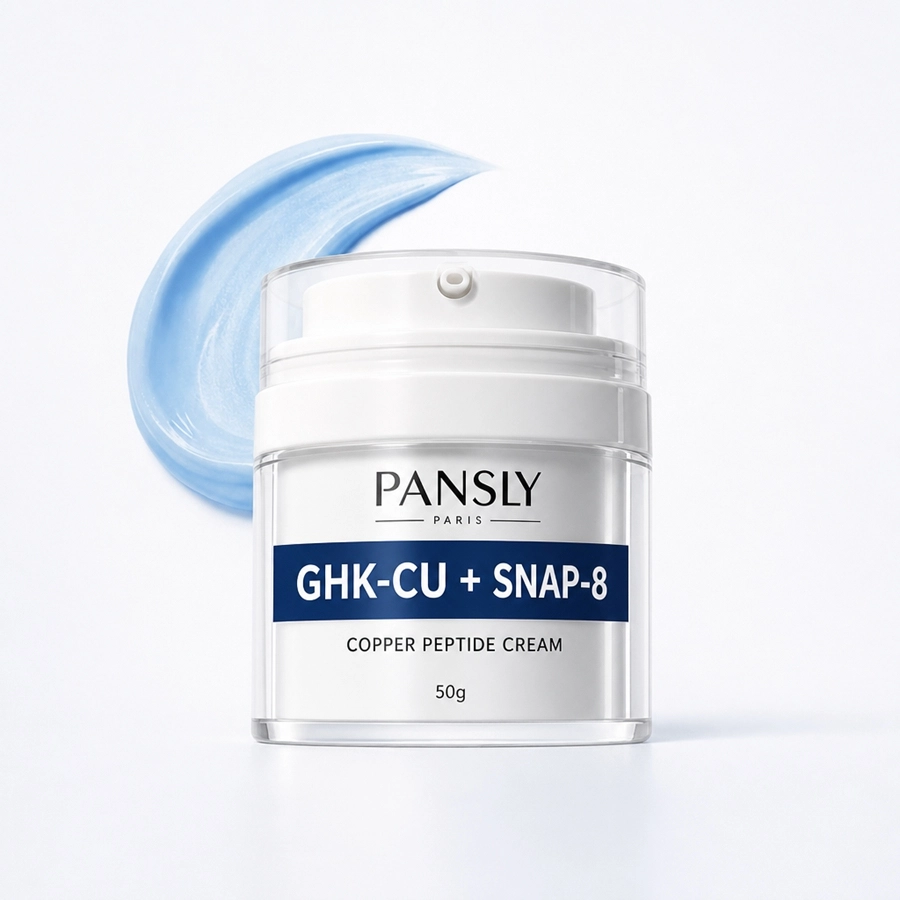
Beyond Ordinary Tallow Balm: How GHK-Cu and SNAP-8 Create a Different Skincare Story

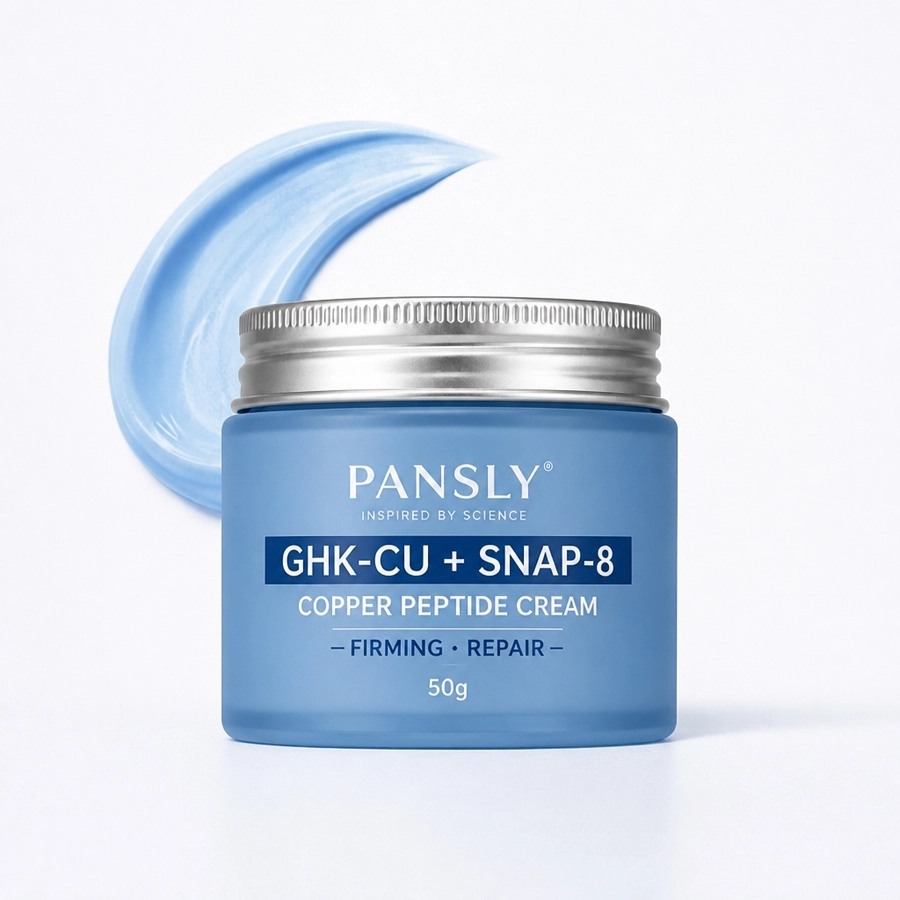
When Blue Copper Peptides Meet Beef Tallow: A New Direction for Premium Skincare

PDRN Toner Pads vs GHK-Cu + SNAP-8 Peptide Toner Pads: Private Label Manufacturing Decisions
You May Also Like
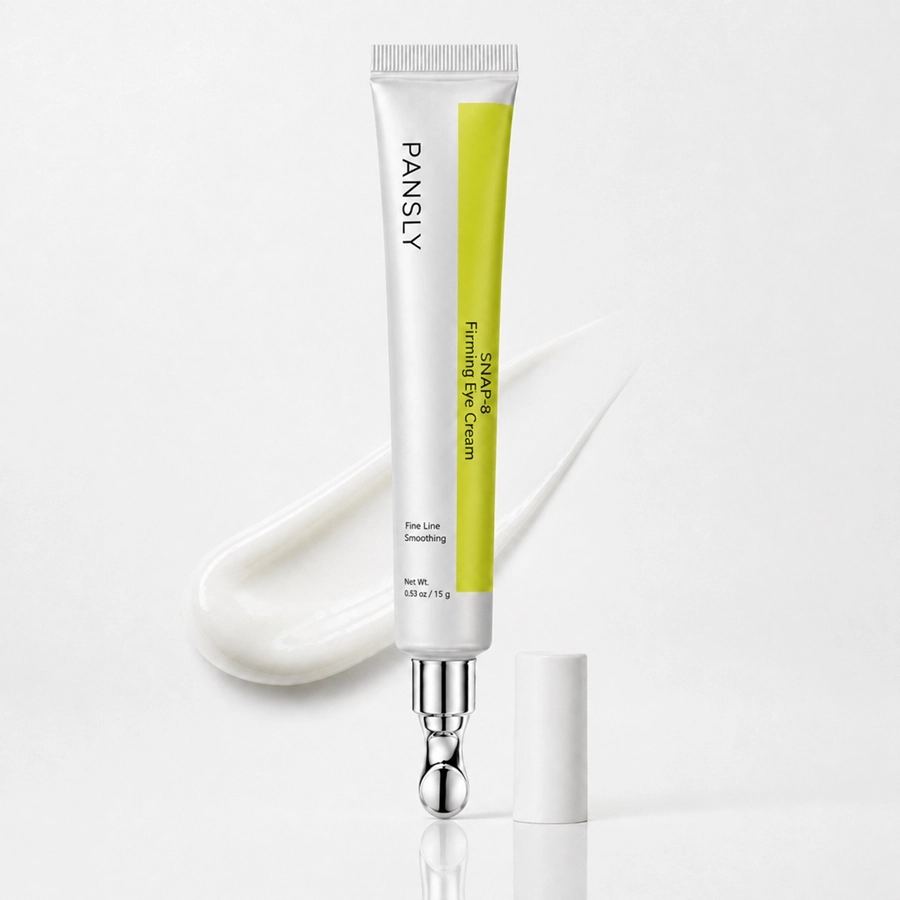
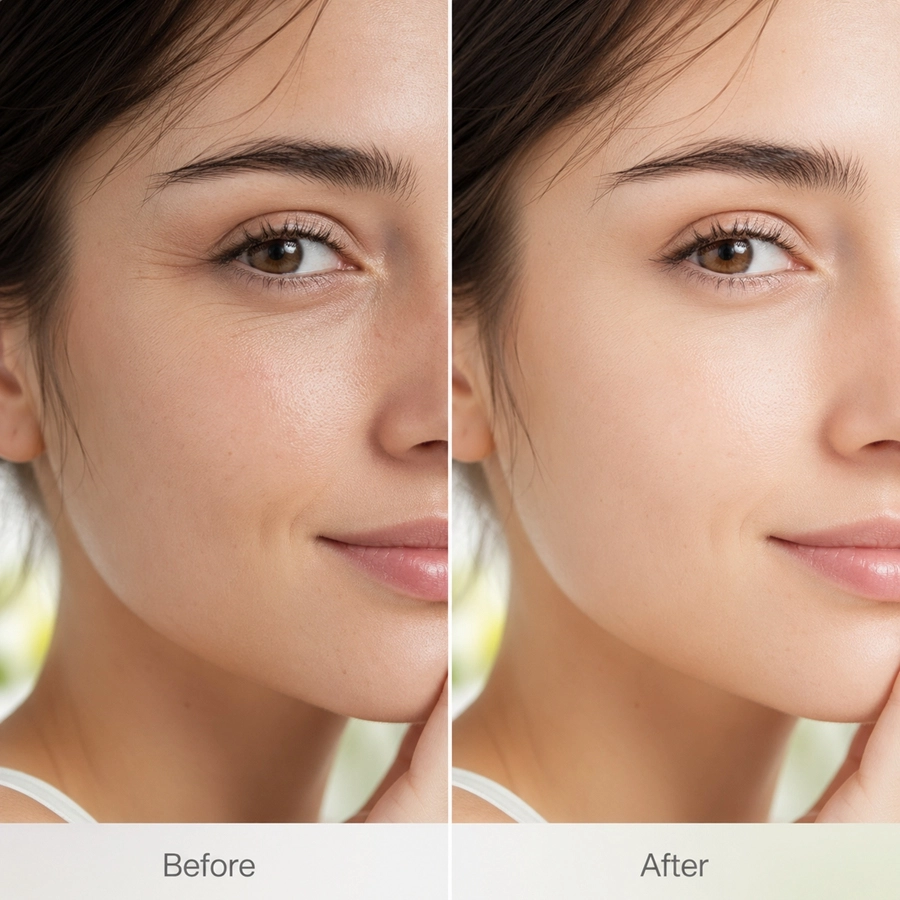
This Pansly SNAP-8 Firming Eye Cream is lightweight massage roller eye cream dedicated to smoothing eye fine lines, lifting saggy eye skin and refreshing tired puffy eyes.
It adopts 4-in-1 peptide eye care complex: SNAP-8 visibly smooths crow’s feet and under-eye fine lines; Caffeine eliminates eye puffiness and awakens dull tired eye area; Peptide Complex lifts loose eye skin to tighten eye contour; Hyaluronic Acid delivers lightweight lasting hydration to nourish dry eye skin.
Comes with built-in metal massage roller for comfortable massage application. Silky lightweight cream texture glides smoothly without heavy greasiness. Daily eye care softens fine lines, firms saggy eye skin, relieves eye fatigue and maintains plump smooth youthful eye area.
Get in Touch with us
If you have any comments or good suggestions, please leave us a message; later our professional staff will contact you as soon as possible.
Click here to customize the Beauty
we respond within a few hours
Monday–Friday, 9AM–6PM
3A01, Building A, Zhisheng Square, No. 4 Zhifu Road, Helong Street, Baiyun District, Guangzhou, China.


Leave a request, and we'll email you back within 24 hours.
© 2026 Beyond Basix. All Rights Reserved.
