
Can One PDRN Ingredient Story Support an Entire Skincare Collection?
Quick Answer
Yes, one PDRN story can anchor a complete collection when each product has a distinct role, delivery format, and consumer benefit. For private label pdrn skincare, the key decisions are ingredient specification, formula compatibility, packaging protection, claims evidence, and target-market requirements. Beyond Basix can support OEM/ODM development, but final solutions depend on the project brief, testing, and site conditions.
How Beyond Basix Supports PDRN Projects
Guangzhou Beyond Basix Cosmetics Ltd. combines 23 years of cosmetics manufacturing experience with 12 years focused on effective-ingredient skincare development. Its 12,000-square-meter facility includes a 100,000-level GMPC pharmaceutical-grade dust-free workshop and 12 production lines. For a PDRN range, the relevant support may include custom formulation, OEM/ODM product development, production coordination, and quality-control documentation.
Buyers should confirm the PDRN source and specification, intended dosage, product formats, packaging system, target markets, claim boundaries, sample requirements, and testing scope. MOQ, lead time, testing scope, and quotation must be confirmed for each project with Beyond Basix rather than assumed across an entire collection.
Discuss Your PDRN Collection Brief
Share your target market, customer profile, planned SKUs, product formats, positioning, expected order volume, packaging direction, and required certifications so suitable formulation and sample-development options can be assessed. Testing priorities, claim language, sample steps, MOQ, lead time, and quotation can then be discussed for the specific range. Start your project at www.beyondbasixcosmetics.com or contact Lily@lanthome.com.
Frequently Asked Questions
Can one PDRN formula work across every product format?
Usually, no. A serum, cream, toner, mask, and cleanser expose an active to different pH conditions, surfactants, emulsifiers, preservatives, water activity, viscosity requirements, and packaging environments. A shared ingredient narrative is practical; a single unchanged formula is usually not. Cleansing products may have short contact time, while leave-on products require a different sensorial profile and preservation strategy. The development objective should therefore be formula family consistency rather than formula duplication. Define the role of each SKU first, then assess compatibility, processing temperature, fill conditions, container interaction, and expected use pattern. This approach preserves a recognizable collection while giving each product a credible technical function.
How should PDRN concentration change across a full collection?
There is no universal concentration ladder that can be transferred across brands or product types. The relevant specification depends on the raw-material form, purity, molecular characteristics, supplier documentation, formula matrix, intended use level, and local regulatory position. A percentage printed on a brief may also describe a diluted solution rather than the active material itself, so buyers should request the specification and understand how the level is calculated. Development should compare sensorial performance, compatibility, stability, safety information, and claim support at technically justified levels. The strongest collection architecture does not simply place the highest amount in every SKU; it assigns a rational role to each product and avoids implying that dosage alone determines consumer results.
Which supporting ingredients prevent a PDRN range feeling repetitive?
Supporting ingredients should be selected by product purpose, not added as a fashionable inventory list. A hydration-focused item may use humectant and barrier-support logic, whereas a soothing product may require a different combination of skin-conditioning ingredients. Antioxidant, brightening, exfoliating, or retinoid-associated concepts introduce separate compatibility and claim considerations. The collection should use a small number of recognizable supporting themes, with different textures and application moments creating meaningful SKU separation. Brands should also review irritation potential, preservative interactions, pH tolerance, regional restrictions, and consumer instructions. Repeating the same ingredient stack across every package can make a range look coherent visually but weak strategically because the products become difficult to distinguish and harder to substantiate individually.
What testing proves PDRN stability in different skincare formulas?
Stability is demonstrated through a planned protocol, not by testing the raw material alone. The finished product should be assessed in its final container under defined storage conditions, with appropriate observations for appearance, odor, color, pH, viscosity, microbiological quality, and relevant active or marker behavior where a validated method is available. Accelerated studies can support development decisions, but they do not automatically establish the full shelf life in every market. Packaging compatibility is also important because adsorption, leaching, light exposure, oxygen transmission, and dispensing conditions may affect the formula. Preservative efficacy testing and routine quality controls may be needed according to the product type and market requirements. The testing plan should be agreed before commercial claims or expiration dating are finalized.
How can claims stay compliant across international PDRN markets?
A cosmetic claim must be evaluated in the context of its wording, evidence, presentation, intended use, and destination market. Terms suggesting tissue repair, medical treatment, injection-like outcomes, or alteration of biological function may create a classification or enforcement risk even when the product is sold as a topical cosmetic. Ingredient literature is not automatically proof for a finished formula, and supplier data does not replace product-specific substantiation. Build a claim matrix that separates permitted cosmetic benefits from higher-risk therapeutic language, then review translations, packaging, advertising, influencer content, and retailer copy together. The responsible party should also confirm required product information, safety documentation, notification or registration procedures, and restrictions on animal-derived or biotechnology-related materials in each target jurisdiction.
When should brands choose OEM versus ODM for PDRN products?
OEM is generally more suitable when the buyer has a defined formula direction, packaging specification, brand strategy, or proprietary development requirement and needs manufacturing execution. ODM can be more efficient when the buyer wants to evaluate an existing concept, modify a developed base, and launch with fewer formulation decisions. The distinction is not simply about price: ownership expectations, customization depth, sample revisions, documentation, exclusivity, MOQ, tooling, and change-control responsibilities should be stated in the commercial agreement. A collection may also use a hybrid model, with an ODM base for an entry SKU and more customized development for hero products. Buyers should compare the complete development timeline and compliance workload rather than selecting only by the initial unit quotation.
Related Articles for Private Label Cosmetics

Why Two Mineral Sunscreens With the Same SPF Can Feel Completely Different

Beyond Ordinary Tallow Balm: How GHK-Cu and SNAP-8 Create a Different Skincare Story

When Blue Copper Peptides Meet Beef Tallow: A New Direction for Premium Skincare

PDRN Toner Pads vs GHK-Cu + SNAP-8 Peptide Toner Pads: Private Label Manufacturing Decisions
You May Also Like
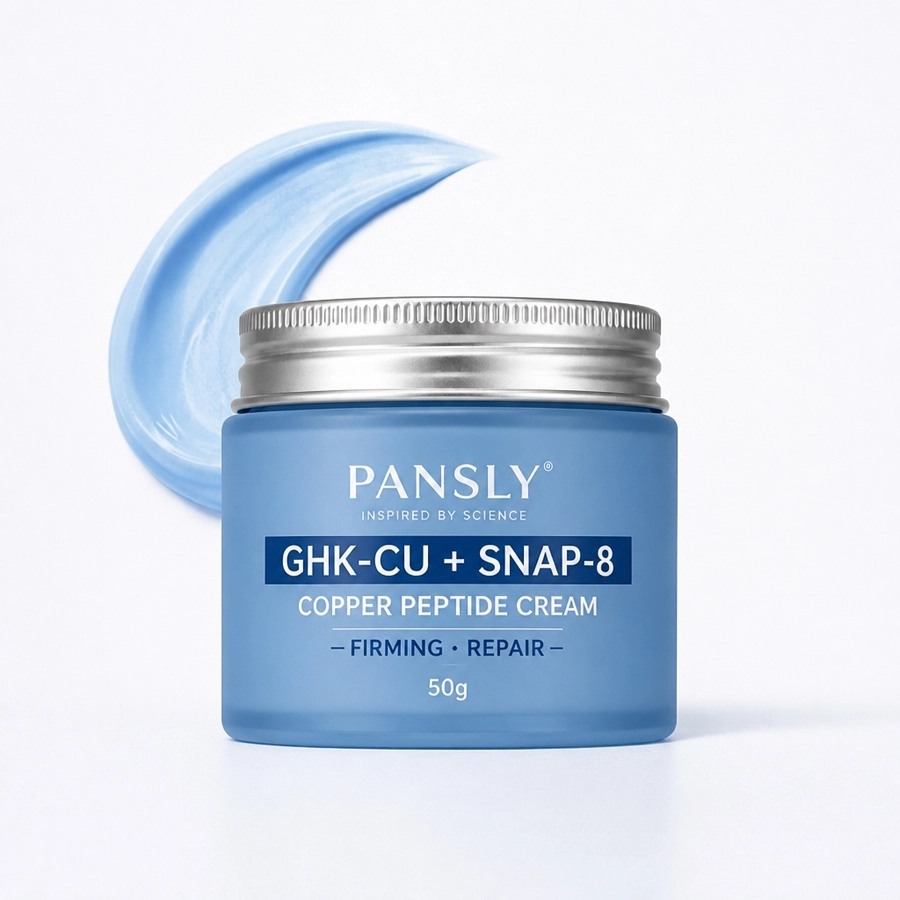
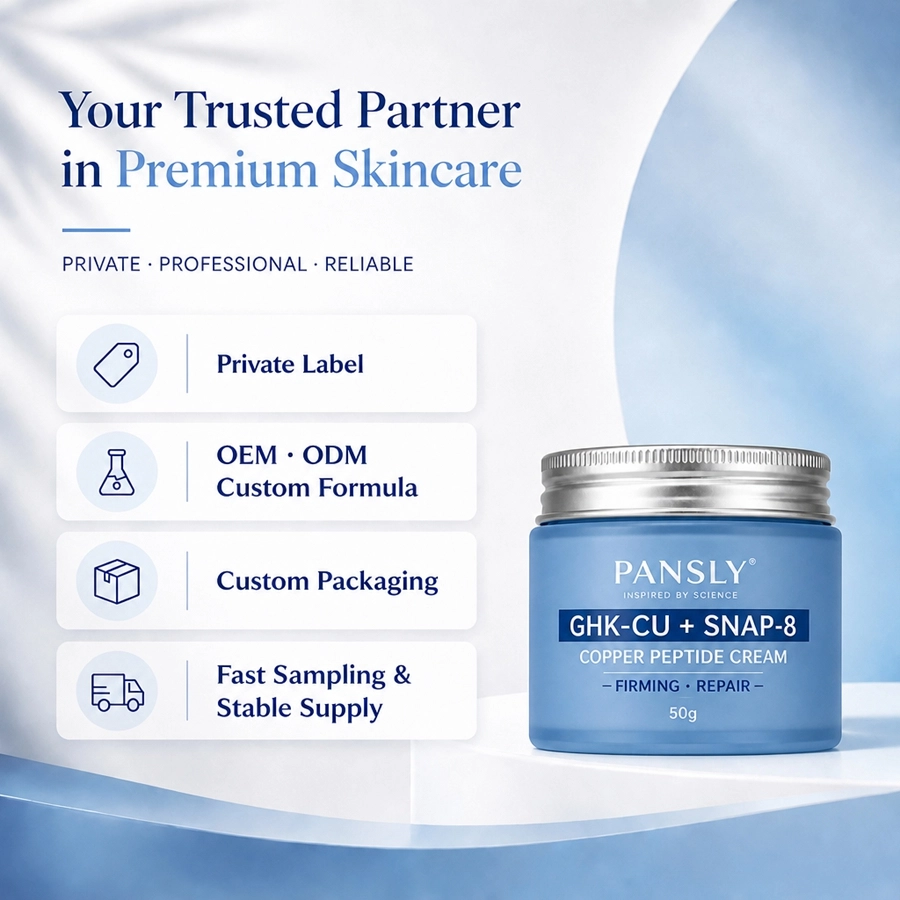
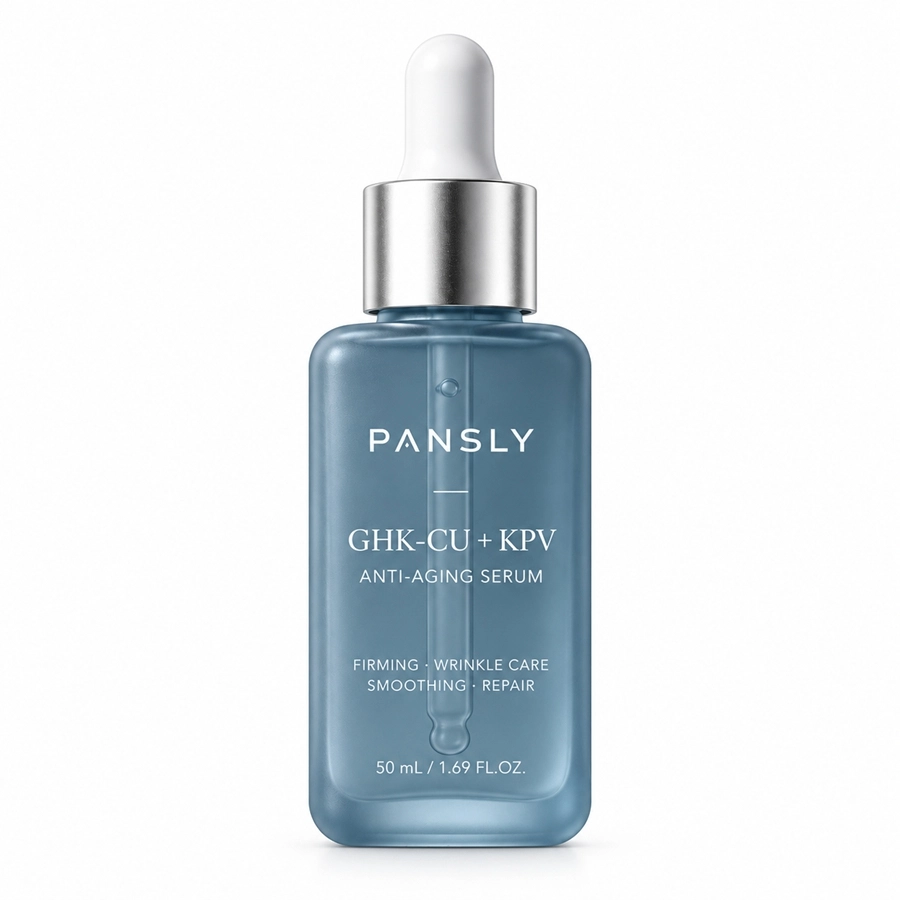
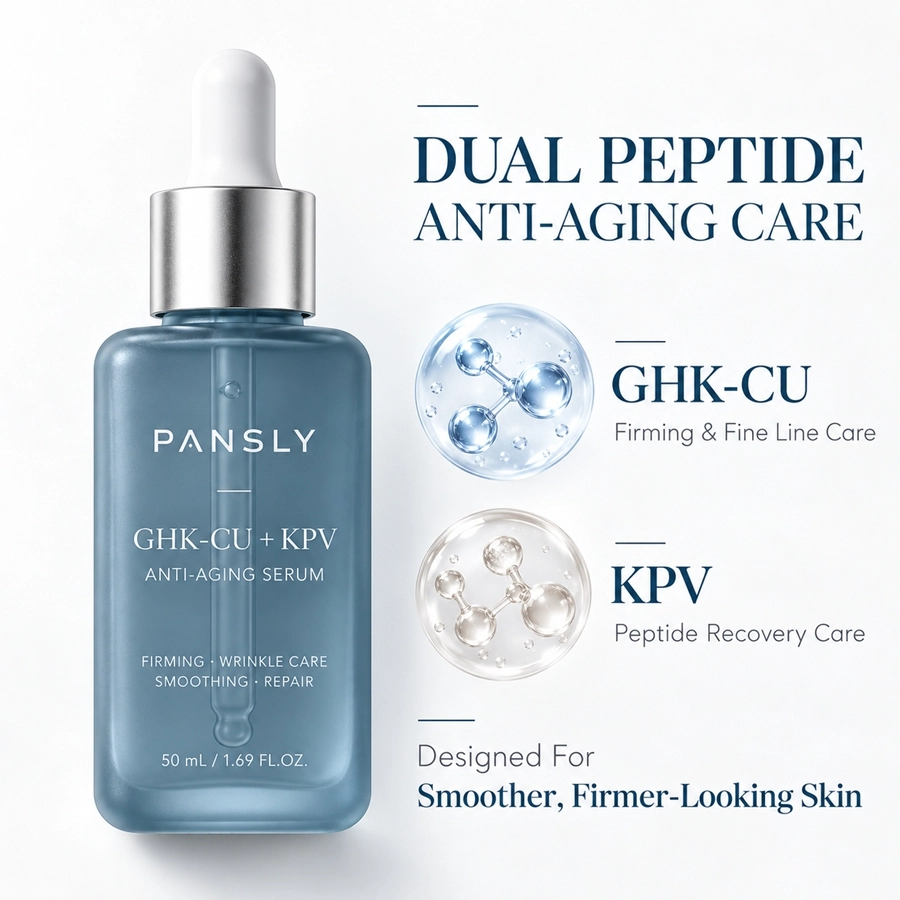
GHK-Cu KPV serum for skin is a private-label peptide face serum formulated for a firming, smoothing routine. This GHK-CU KPV Serum is positioned for wrinkle care and skin repair, making it a practical addition to an anti-aging skincare range.
Get in Touch with us
If you have any comments or good suggestions, please leave us a message; later our professional staff will contact you as soon as possible.
Click here to customize the Beauty
we respond within a few hours
Monday–Friday, 9AM–6PM
3A01, Building A, Zhisheng Square, No. 4 Zhifu Road, Helong Street, Baiyun District, Guangzhou, China.


Leave a request, and we'll email you back within 24 hours.
© 2026 Beyond Basix. All Rights Reserved.
